10 Best Mobile Shelving Systems for Global Buyers?

Time:2026-09-21 Author:Oliver
0%

For global buyers, Mobile Shelving is more than a compact storage solution. It changes how people use space, retrieve records, and maintain daily operations. In a warehouse, library, archive, or office, one moving aisle can release valuable floor area. Yet space savings alone do not guarantee a successful installation.

“Good storage begins with understanding the user, not merely filling the room,” says Michael Grimes, a senior storage systems consultant with long-term experience in industrial and archival projects. His point deserves attention. A system may look impressive in a showroom, but real performance depends on load ratings, floor conditions, aisle access, controls, and maintenance support. Small details matter. A heavy archive box should move smoothly. A handle should not feel fragile. Emergency access must remain clear.

This guide examines ten Mobile Shelving systems for international buyers. It considers manual, mechanical-assist, and powered designs. It also compares capacity, construction quality, security features, installation needs, and after-sales service. Regional conditions can change the decision. Humid climates may require stronger corrosion protection. Older buildings may need structural assessment. Local technicians may influence long-term reliability.

No ranking fits every project. That is the uncomfortable part. A low purchase price can become expensive after installation delays or replacement-part problems. Even well-designed systems may fail when users ignore weight limits. Buyers should question specifications, request measured layouts, and verify supplier experience. The best choice is practical, serviceable, and safe—not simply the most advanced option.
10 Best Mobile Shelving Systems for Global Buyers?

What Are Mobile Shelving Systems and How Do They Work?

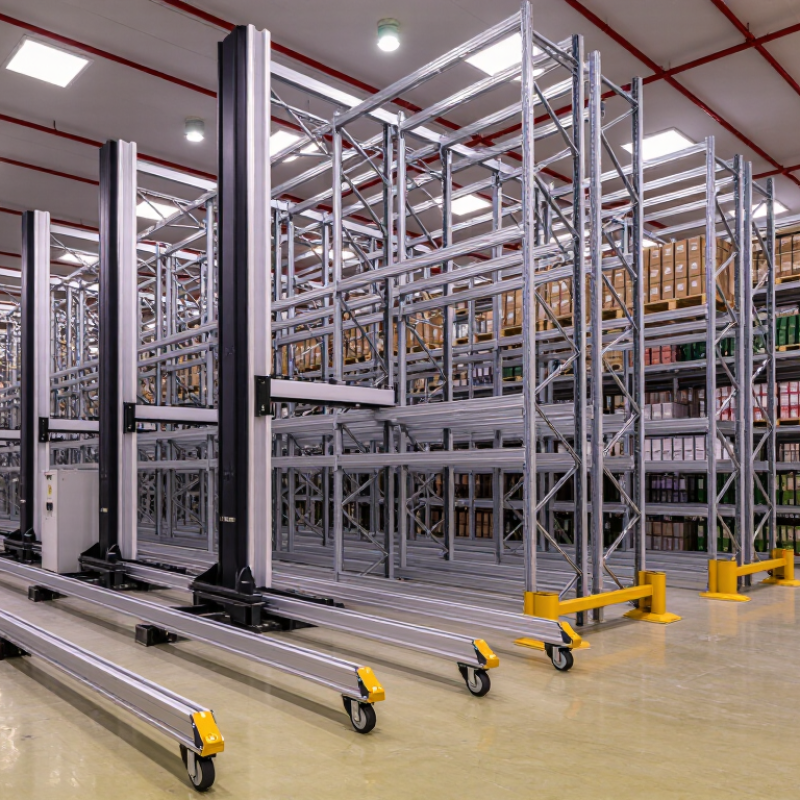
Mobile shelving systems are storage units mounted on floor tracks. Instead of leaving fixed aisles between every unit, they open one working aisle when needed. A hand wheel, electric motor, or assisted mechanism moves the shelves sideways. This design can increase usable storage capacity in offices, archives, warehouses, and medical facilities.

In practical use, an operator turns the control or presses a button. The selected row moves slowly along its track, while safety sensors help detect people or obstacles. Shelves may include adjustable levels, locking features, lighting, and ventilation panels. Buyers should check floor strength, ceiling height, load ratings, and local electrical requirements before ordering. Installation needs accurate leveling. A small alignment error can create noise, resistance, or uneven movement. I have found that capacity calculations are often optimistic when boxes vary in size.

Tips:

Measure the largest stored item, not the average one. Keep a clear aisle width for daily work. Ask for maintenance instructions and emergency release procedures. Confirm materials suit humidity, dust, or temperature changes at the destination. Test a sample layout with real cartons before approving production. Digital drawings help, but they cannot reveal every handling habit. Staff may also need brief training, especially when shelves move automatically. A manual system can seem simpler, yet it may require more physical effort during busy periods. Reliable suppliers should provide load tests, installation guidance, spare-part details, and documented safety checks.

Key Features to Compare Before Choosing a Mobile Shelving System

Choosing among the 10 best mobile shelving systems requires more than comparing prices. Fit matters. Measure ceiling height, aisle width, floor strength, and available clearance before reviewing equipment specifications. A system may hold heavy cartons, yet fail if the floor cannot support concentrated loads. Ask for verified load ratings, rail dimensions, anchoring details, and test documentation. Reliable suppliers should explain these points clearly.

Control options deserve close attention. Manual cranks suit smaller archives, while powered systems support frequent access and heavier storage. Look for emergency stops, obstruction sensors, smooth acceleration, and clear status indicators. Poor controls create frustration. Check whether operators can understand them without lengthy training. Remote monitoring may help multi-site buyers, but it also adds maintenance and cybersecurity responsibilities. Do not treat smart features as automatic advantages.

Environmental conditions can change the decision. Humid warehouses need corrosion-resistant components, while dusty facilities require protected motors and accessible cleaning areas. Review spare-part availability, service response times, warranty terms, and local technical support before signing an order. Accessibility also matters; leave practical routes for staff and emergency movement. Ask how the system performs during power loss. Battery backup may protect stored materials, but not every design offers it. I have seen specifications look impressive while installation details remained vague. That is a warning. Compare lifecycle costs, not only the purchase quotation, and request a realistic layout using your actual boxes, files, or pallets.

The 10 Best Mobile Shelving Systems for Global Buyers

The 10 Best Mobile Shelving Systems for Global Buyers

Global buyers need mobile shelving that fits real working conditions, not just attractive specifications. The strongest options include manual rail shelving, hand-crank units, electric systems, archive cabinets, library shelving, warehouse racks, medical storage, museum cases, office filing units, and high-density carton systems. Each serves a different load, room size, and access pattern.

Manual rail shelving suits small archives with limited budgets. Hand-crank models offer smoother movement for daily use. Electric systems save effort but require reliable power and safety sensors. Warehouse units need reinforced frames and accurate floor planning. Medical and museum systems demand cleaner surfaces, controlled access, and careful weight distribution. Check local voltage requirements before ordering electrical equipment.

Measure twice. Mistakes are expensive.

In my experience, buyers often focus on shelf capacity and overlook floor quality. Uneven concrete can reduce movement accuracy and increase maintenance. Ask suppliers for load tests, installation drawings, spare-part details, and training support. Materials should resist corrosion in humid regions. Clear aisle planning also matters during emergencies.

Some systems sound ideal on paper, yet perform poorly when users overfill them. This is easy to underestimate. A practical trial with sample boxes can reveal noise, handle resistance, and awkward access before full installation. Reliable documentation matters as much as the shelving itself.

How to Select the Right System for Different Storage Needs

10 Best Mobile Shelving Systems for Global Buyers?

How to Select the Right System for Different Storage Needs

Choosing a mobile shelving system starts with the stored items, not the product catalogue. Archive boxes need stable, evenly spaced shelves. Heavy machine parts require reinforced decks and verified load ratings. Measure each item, including handles, packaging, and future additions. Small errors become expensive later. Measure twice.

Available floor space also matters. Mobile units can reduce fixed aisles, but workers still need safe access and clear emergency routes. Check floor capacity, surface levelness, ceiling height, and turning space before ordering. A compact layout may look efficient on paper. In practice, crowded aisles can slow picking and create avoidable risks.

Manual systems suit lighter collections and occasional access. Powered systems may help when loads are heavy or access is frequent. Look for anti-tip design, overload protection, emergency stops, and obstruction sensors. For humid regions, ask about corrosion-resistant finishes and maintenance needs. For dusty warehouses, inspect motor protection and cleaning access. Buyers should request installation drawings, test records, warranty terms, and local service arrangements. I have seen teams focus on storage density while overlooking training and routine inspections. That decision often weakens the system’s real performance. Verify local building, fire, electrical, and workplace requirements with qualified professionals. Retrofit costs can exceed the original price.

Installation, Safety, Maintenance, and International Purchasing Factors

For global buyers, a mobile shelving system should suit the building, not only its storage capacity. Before ordering, measure aisle width, ceiling clearance, floor flatness, door routes, and electrical access. Ask the supplier for load tables, installation drawings, material specifications, and a written warranty. A qualified local installer should verify floor bearing capacity and anchoring methods. Some plans look perfect on paper. They can fail at the doorway. Confirm crate dimensions, packaging protection, delivery terms, customs documents, spare parts, and technical support in the destination country.

During installation, level each rail carefully and keep moving carriages aligned. Uneven rails create noise, friction, and uneven loads. Fit end stops, guards, anti-tip devices, and emergency release controls before daily use. Operators need training on opening one aisle, reading warning lights, and keeping people clear of moving sections. Never treat rated capacity as a suggestion. Post visible load limits and place heavy boxes low. Safety checks should cover brakes, sensors, fasteners, cables, and floor anchors. Records matter when several teams share the room.

Maintenance schedules should match dust, humidity, traffic, and storage weight. Remove debris from rails, inspect corrosion, lubricate only where the manual permits, and test safety systems regularly. Keep a dated service log with photographs. International buyers should compare voltage, plug types, language requirements, local inspections, and replacement lead times. A cheaper import may become expensive when one sensor takes weeks to arrive. I have seen maintenance delayed because responsibilities were unclear. That weakness deserves attention. Specify who installs, who trains, who approves repairs, and who responds after delivery.

FAQS

What is a mobile shelving system?

It is shelving mounted on floor tracks. Units move sideways to create one working aisle when needed.

How does the system operate?

An operator turns a hand wheel or presses a button. The selected row moves slowly along its rail. Safety sensors help detect obstacles.

Where can mobile shelving be used?

It suits offices, archives, warehouses, and medical facilities. Adjustable levels can hold files, cartons, equipment, or supplies.

What should buyers measure before ordering?

Measure floor strength, ceiling height, doorway width, and electrical access. Measure the largest stored item, not the average box.

Can mobile shelving increase storage capacity?

It can reduce unused aisles and increase usable space. Capacity estimates may be too hopeful when cartons vary greatly in size.

What safety features should be installed?

Use end stops, guards, anti-tip devices, brakes, sensors, and emergency release controls. Post clear load limits near the shelves.

How should heavy items be stored?

Place heavy boxes on lower levels. Keep people away from moving sections. Never treat the rated capacity as a suggestion.

What can go wrong during installation?

Uneven rails can create noise, friction, and uneven loads. A small alignment error may cause resistance or unstable movement.

What maintenance does the system require?

Remove debris from rails and inspect corrosion regularly. Test brakes, sensors, fasteners, cables, and floor anchors. Keep a dated service log.

What should international buyers confirm?

Confirm voltage, plug types, customs documents, packaging, spare parts, and local technical support. A cheaper import can become costly when one sensor arrives late.

Conclusion

Mobile Shelving systems are space-saving storage solutions that move along floor tracks, allowing users to open only the aisle they need. By reducing fixed aisle space, they can increase storage capacity while maintaining organized access. This overview explains how Mobile Shelving works and compares important features such as load capacity, track design, manual or powered operation, adjustable shelves, safety locks, accessibility, durability, and ease of expansion. It also introduces ten practical system options for global buyers, focusing on performance, flexibility, maintenance needs, and value rather than brand names.

The right system depends on the storage environment, item size, usage frequency, available floor area, and budget. The guide offers suggestions for offices, archives, warehouses, libraries, healthcare facilities, and other organized storage applications. It also highlights essential considerations for installation, floor preparation, user safety, routine inspection, cleaning, repairs, packaging, shipping, after-sales support, and international purchasing. Careful planning helps buyers select a reliable solution that improves capacity, workflow, and long-term storage efficiency.

Oliver

Oliver

Oliver is a seasoned marketing professional with a wealth of expertise in driving brand awareness and engagement. With a deep understanding of our company's product offerings, he consistently delivers high-quality content that enriches our professional blog. His insights not only shed light on......