Engineered for dynamic load-bearing capabilities, high durability, and maximum space optimization in demanding retail environments.
An authoritative analysis on retail logistics, global supply chains, material advancements, and localized integration frameworks.
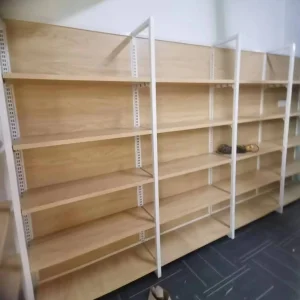
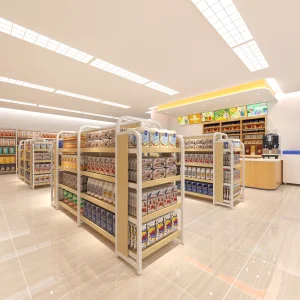
The global supermarket and grocery retail landscape is undergoing a structural paradigm shift. No longer confined to traditional shelving and basic storage bins, contemporary supermarket accessories act as the bedrock of omni-channel distribution and retail automation. Rapid changes in consumer shopping behaviors, combined with the integration of complex IoT systems, have transformed supermarket layouts. Accessories—from high-durability steel-and-wood combination shelves to customized material handling trolleys and structural checkout counters—must satisfy multi-dimensional parameters including structural safety (e.g., seismic-rated warehouse loading), structural durability, and high modularity.
In response, manufacturers must adapt. Traditional raw metal processing is transitioning into fully integrated smart-factory operations that utilize automatic robotic welding, sophisticated powder coating, and precise cold-rolling technology. This whitepaper analyzes how global macroeconomic trends, metallurgical innovations, and regional requirements are driving changes within supermarket accessory factories.
Information Gain Concept: High-performance retail environments now measure shelf performance not just by visual appeal, but through structural durability indices, deflection-to-span ratios under dynamic loads, and micro-fulfillment adaptability metrics.
The production of commercial display systems and warehouse storage equipment requires a reliable ecosystem of raw materials, metal fabrication equipment, and surface finishing technologies. Large-scale manufacturers, such as Foshan FlexiRack Intelligent Logistics Equipment Co., Ltd., run facilities spanning over 32,000 m² to centralize operations, reduce lead times, and control costs.
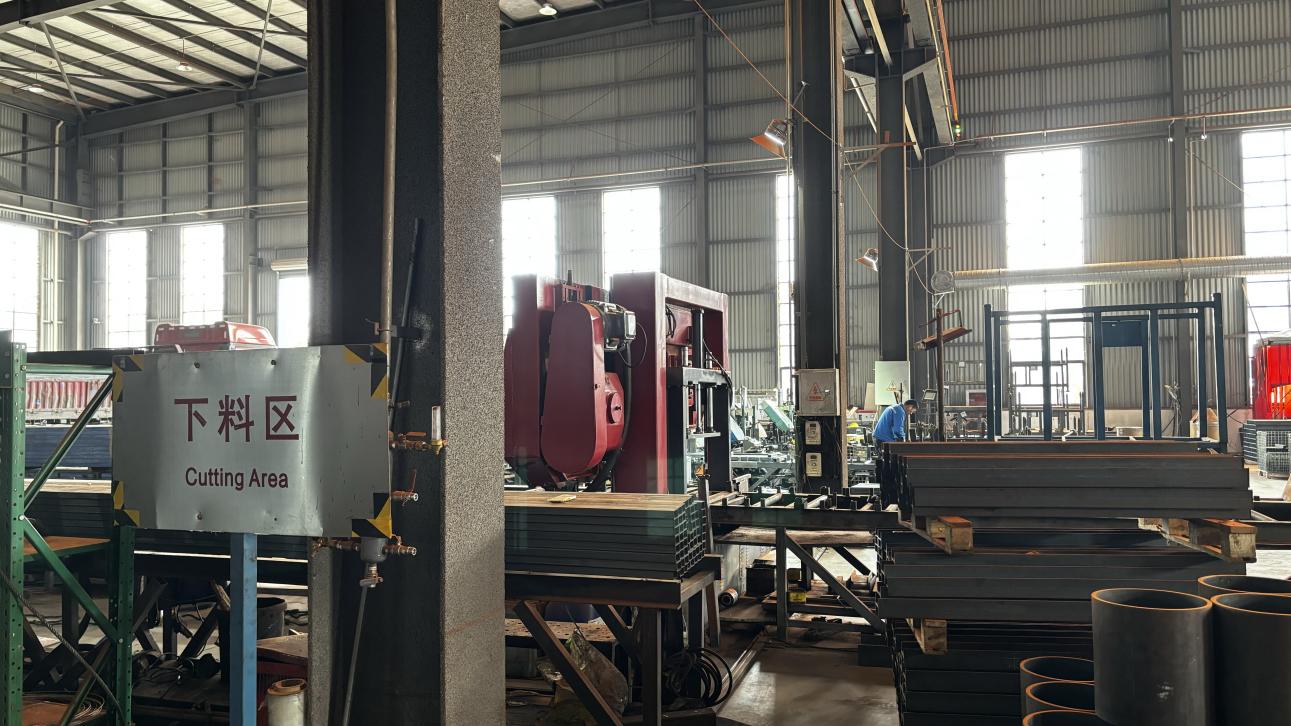
A highly integrated supply chain allows factories to process hundreds of tons of structural-grade steel daily. For example, Q235B steel is widely used for heavy-duty storage racks and display components due to its balance of tensile strength, ductility, and weldability. To meet the demands of modern retail, factories must support hybrid designs that combine cold-rolled steel with solid wood, MDF, and custom plastics. These materials are essential for specialized setups in pet shops, stationery stores, and baby boutiques.
Global demand varies significantly by region, requiring custom engineering solutions:
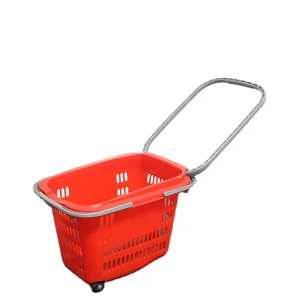
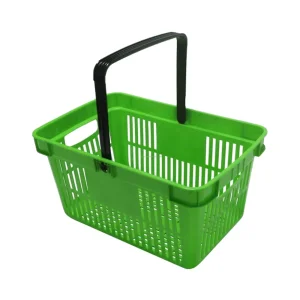
The next generation of supermarket retail accessories will bridge physical displays with digital store management systems. Innovations include illuminated shelves with built-in power rails for electronic shelf labels (ESLs), and shopping baskets embedded with RFID tracking.
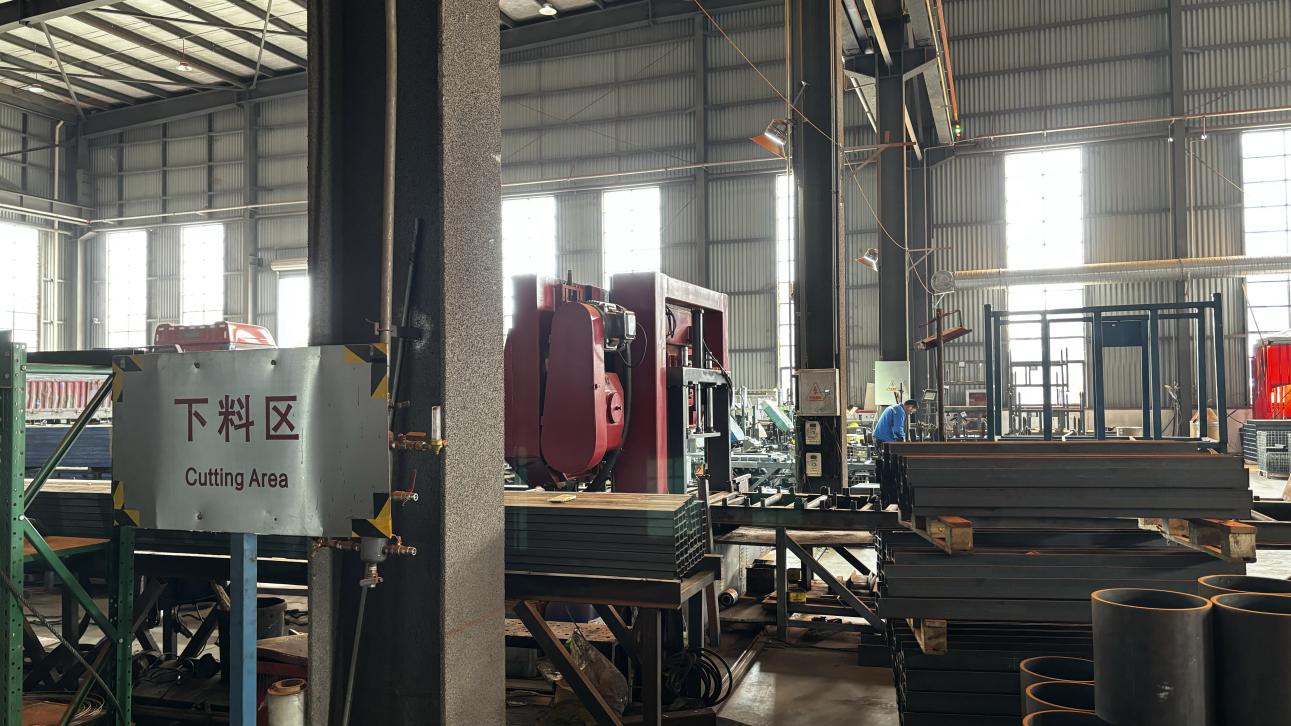
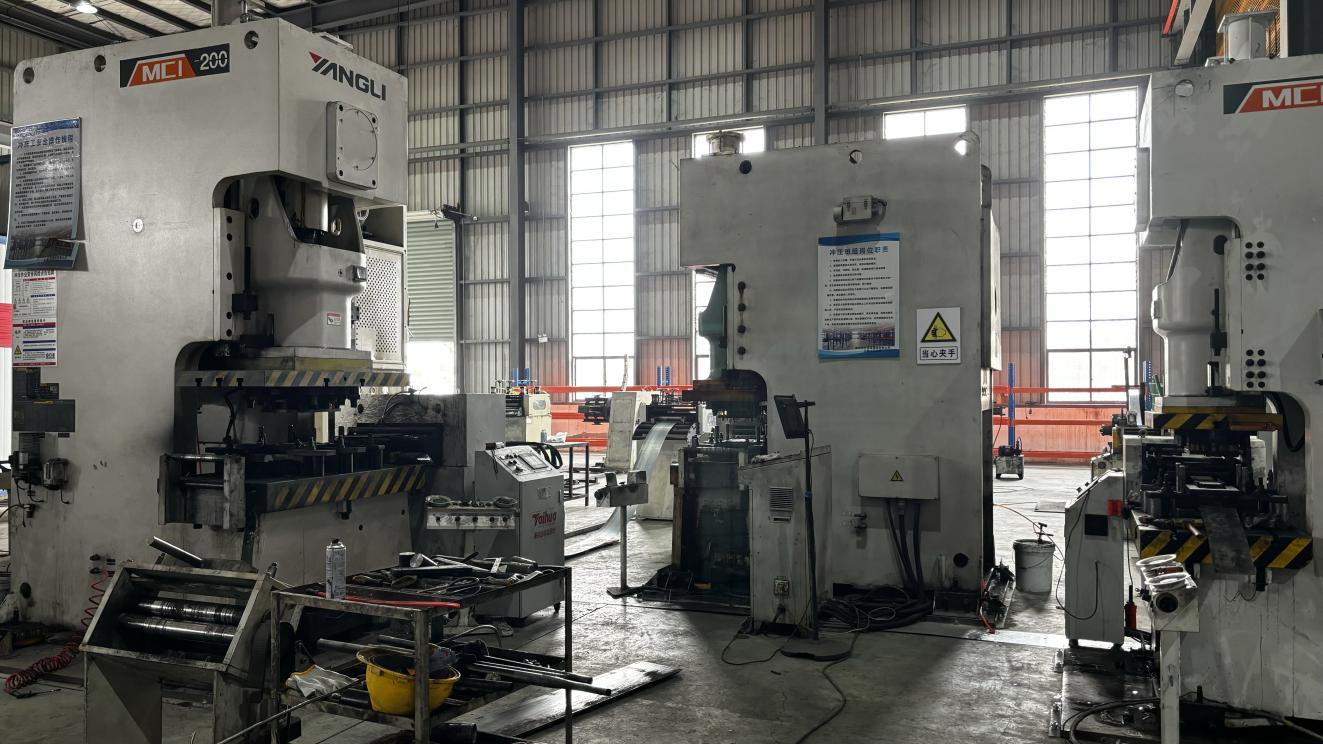
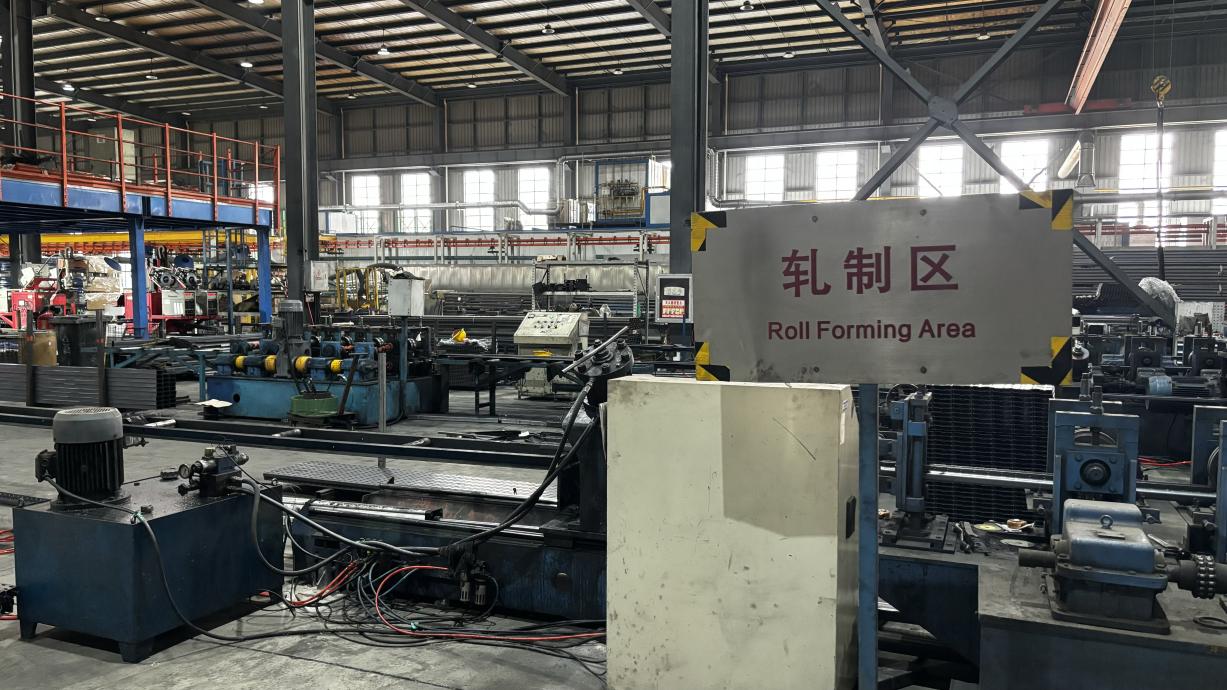
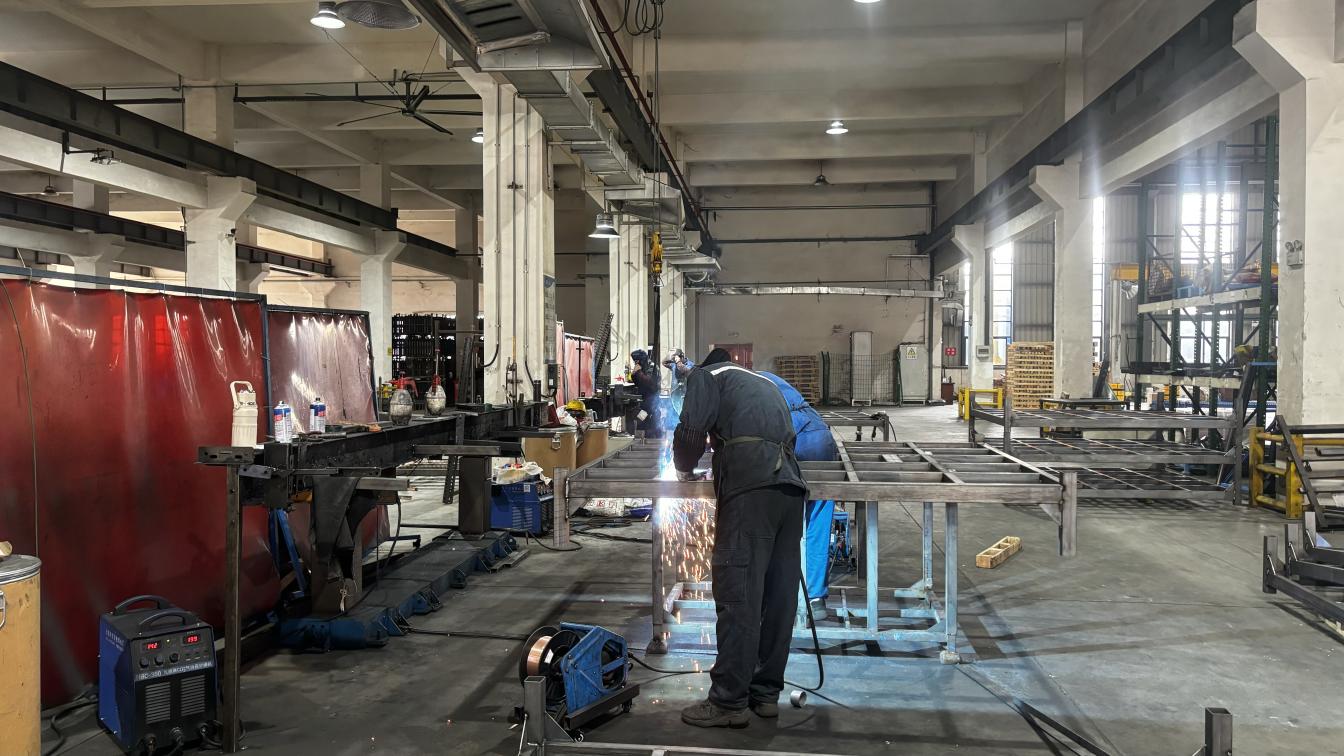
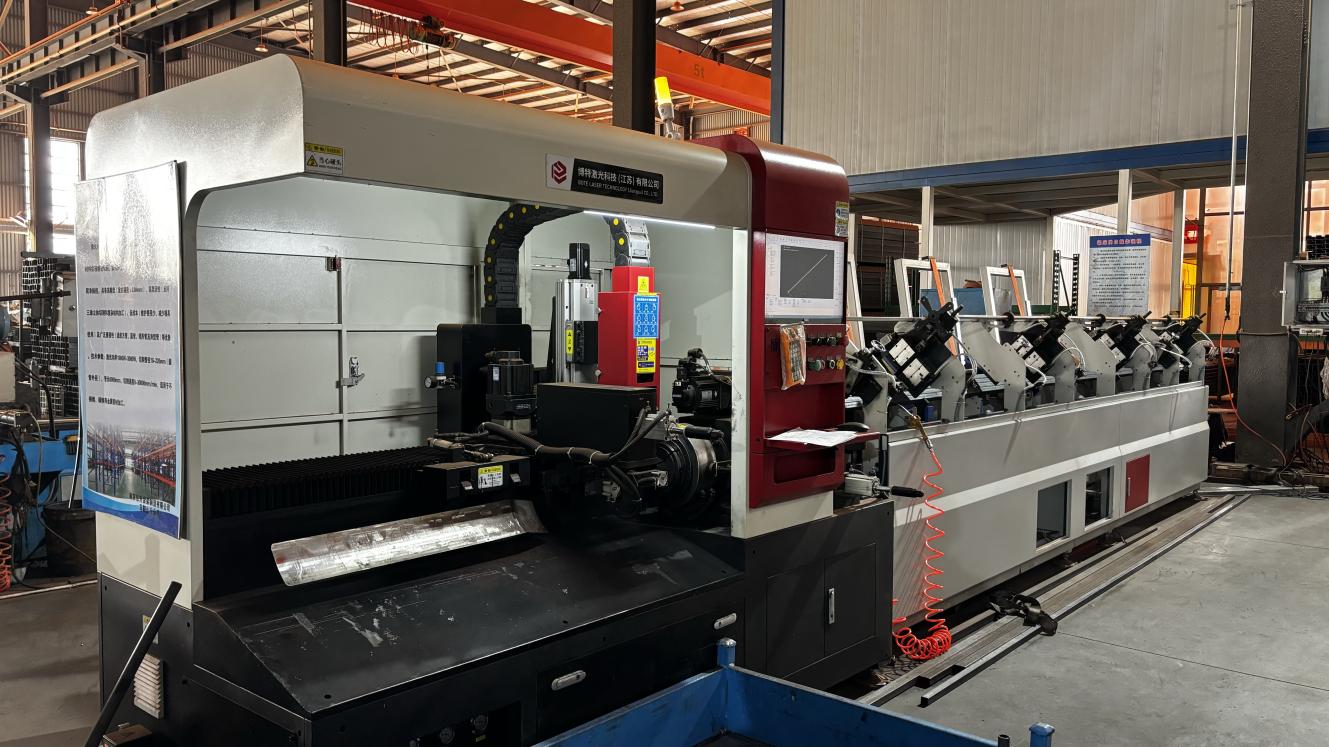
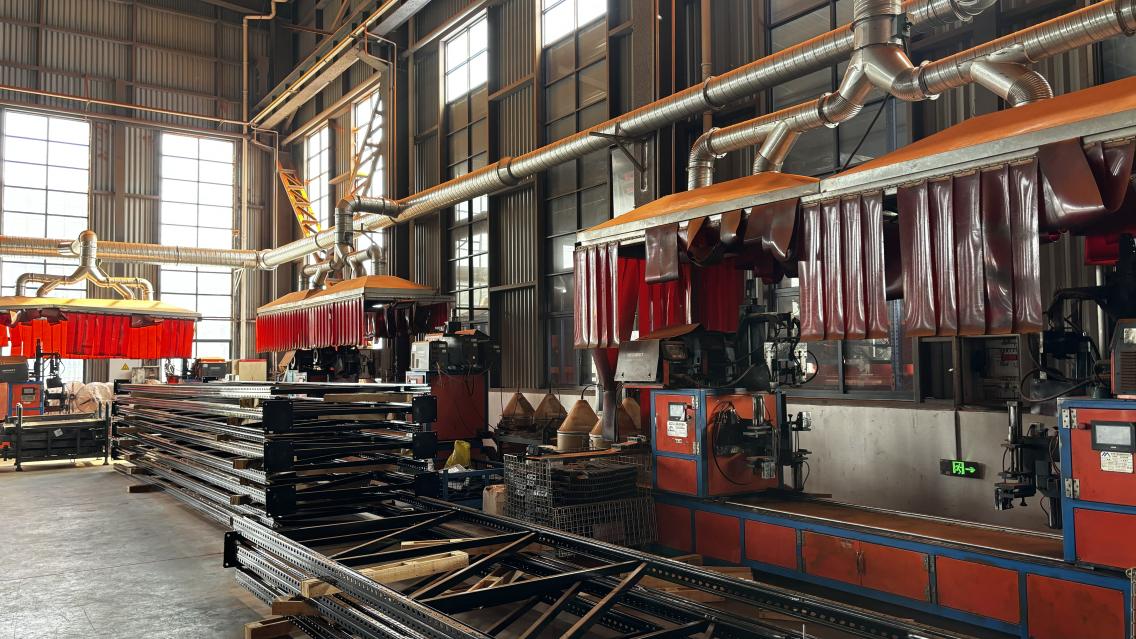
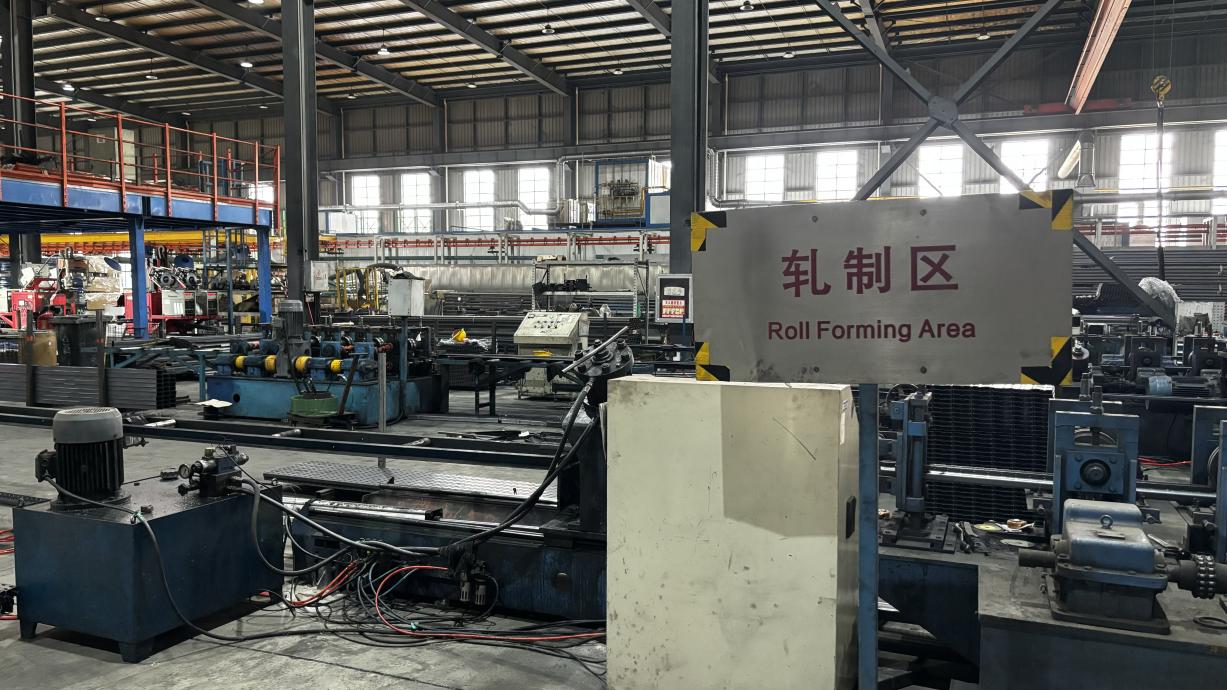
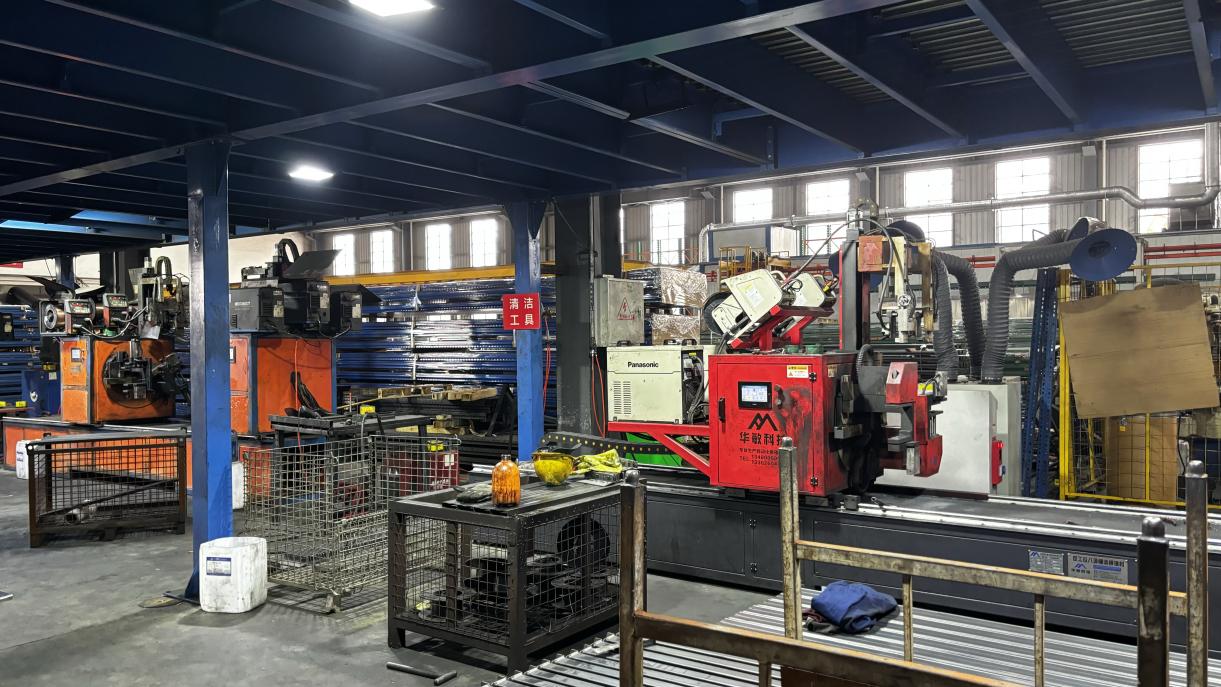
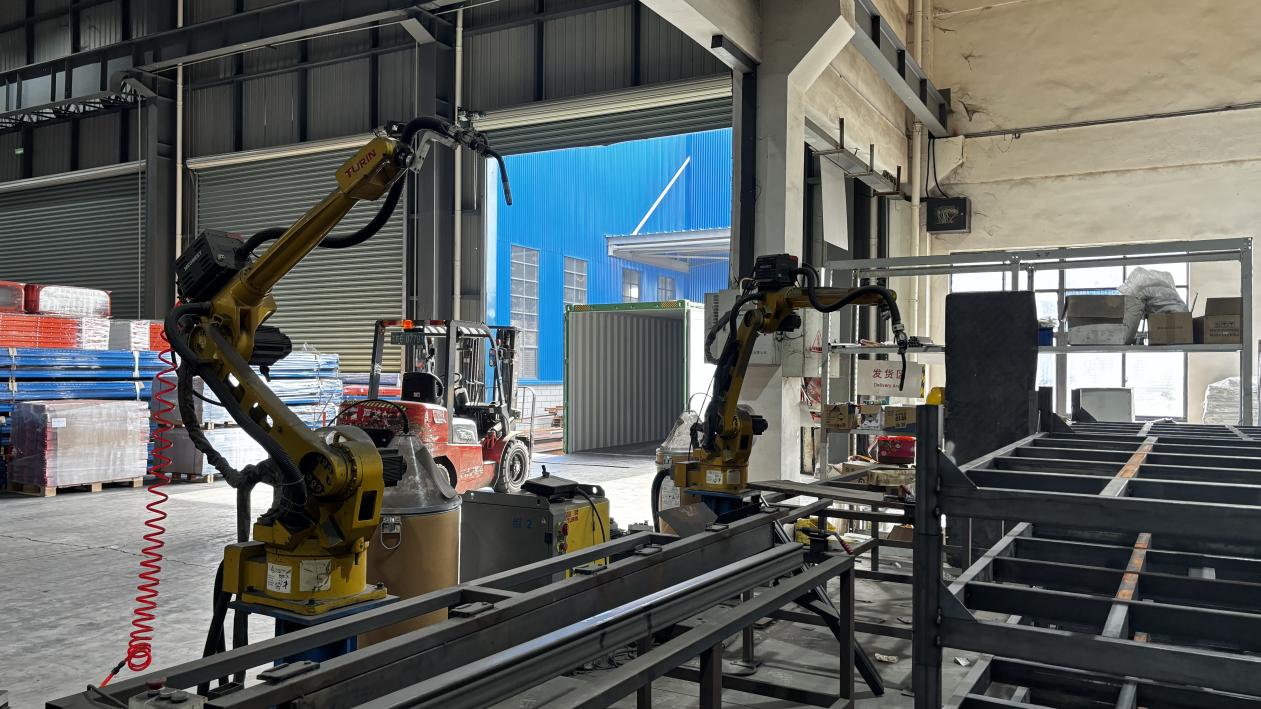
On the manufacturing floor, the focus is on automation and quality control. Processes like robotic metal welding, automated continuous rolling, and computer-controlled powder coating lines ensure structural consistency. To maintain reliability, quality assurance teams conduct non-destructive testing, such as ultrasonic flaw detection, and perform dynamic load tests on finished products.
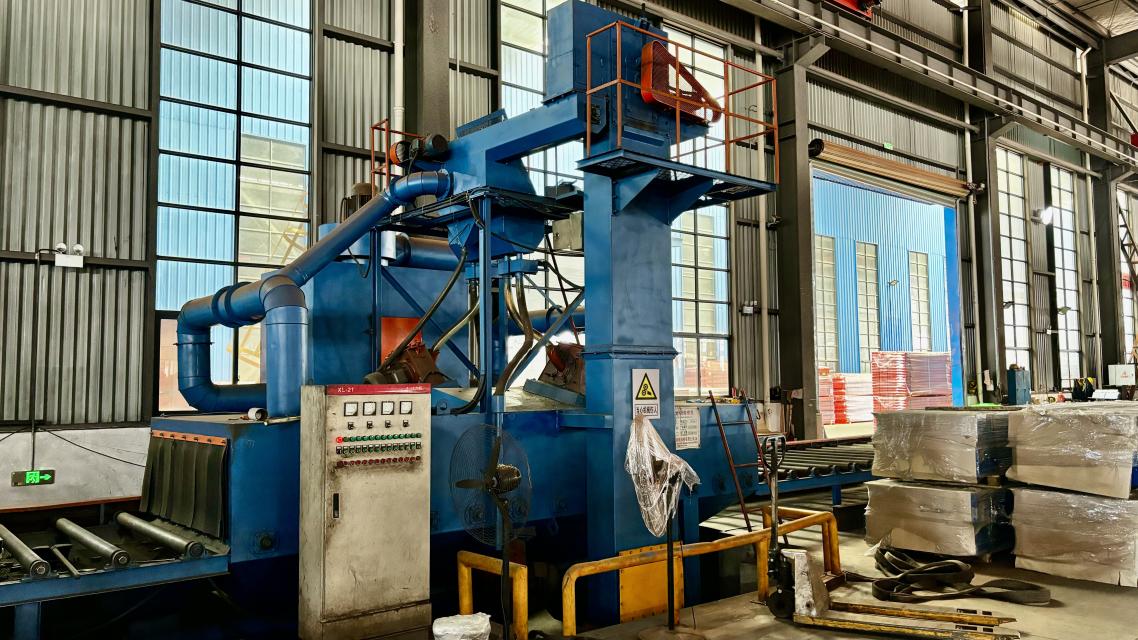
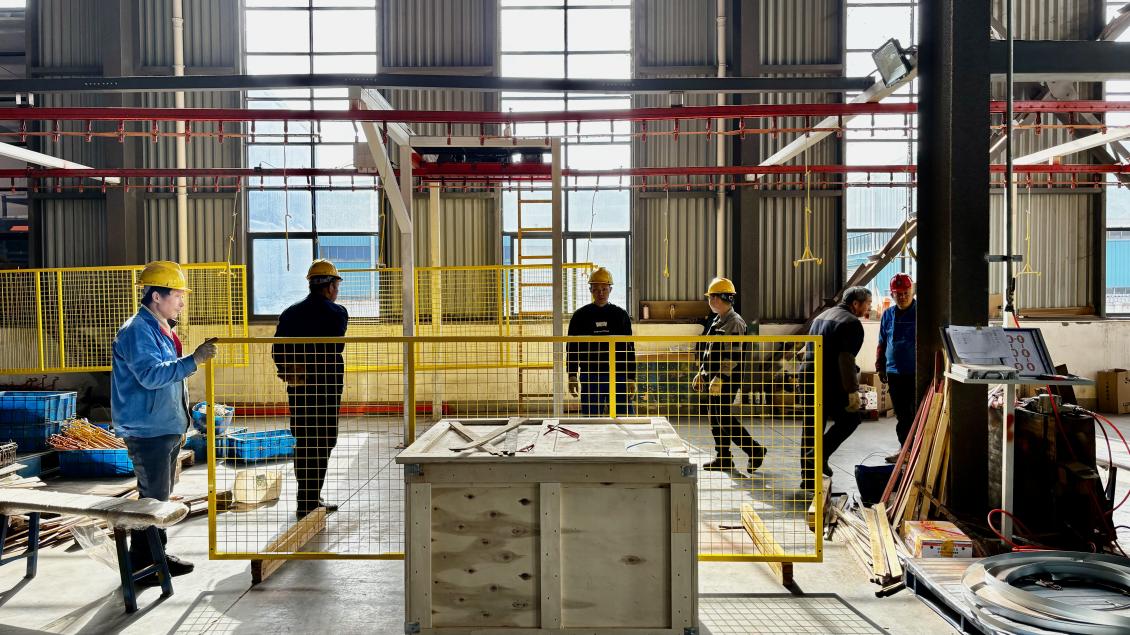
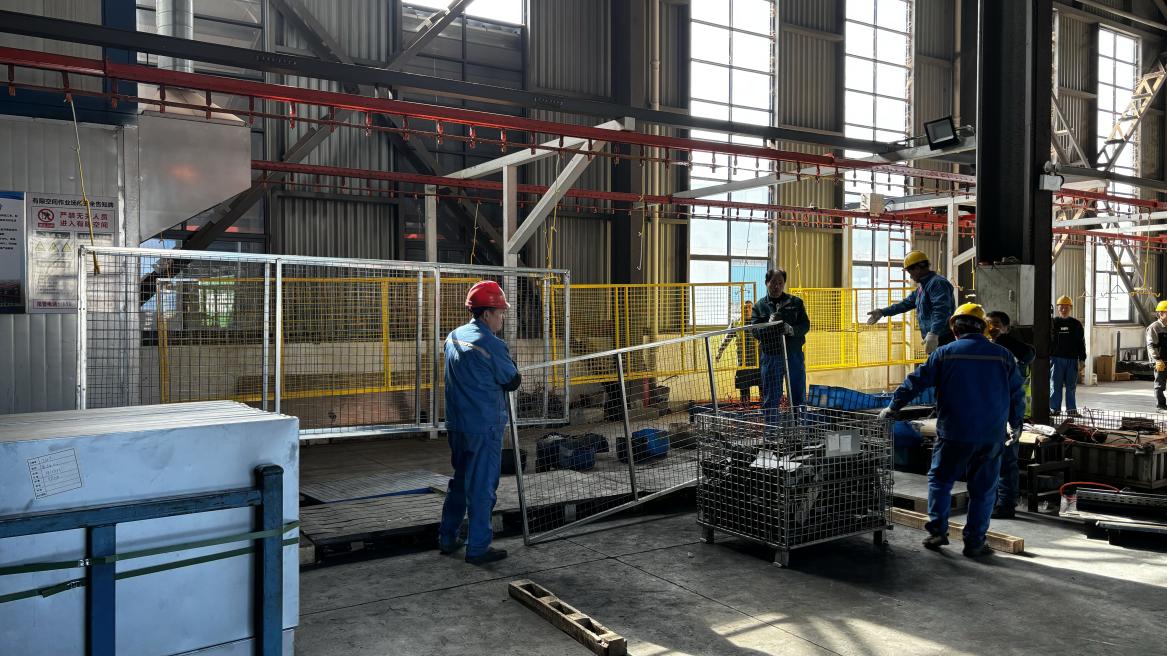
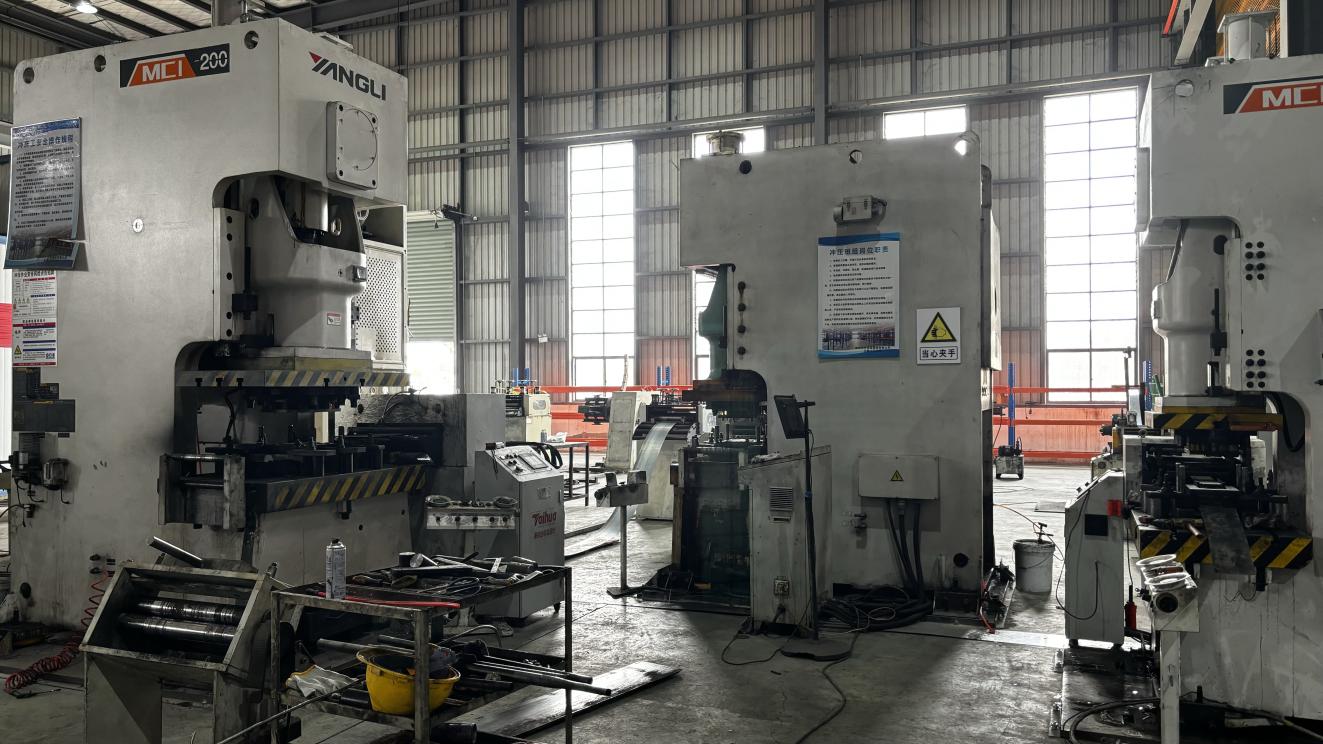
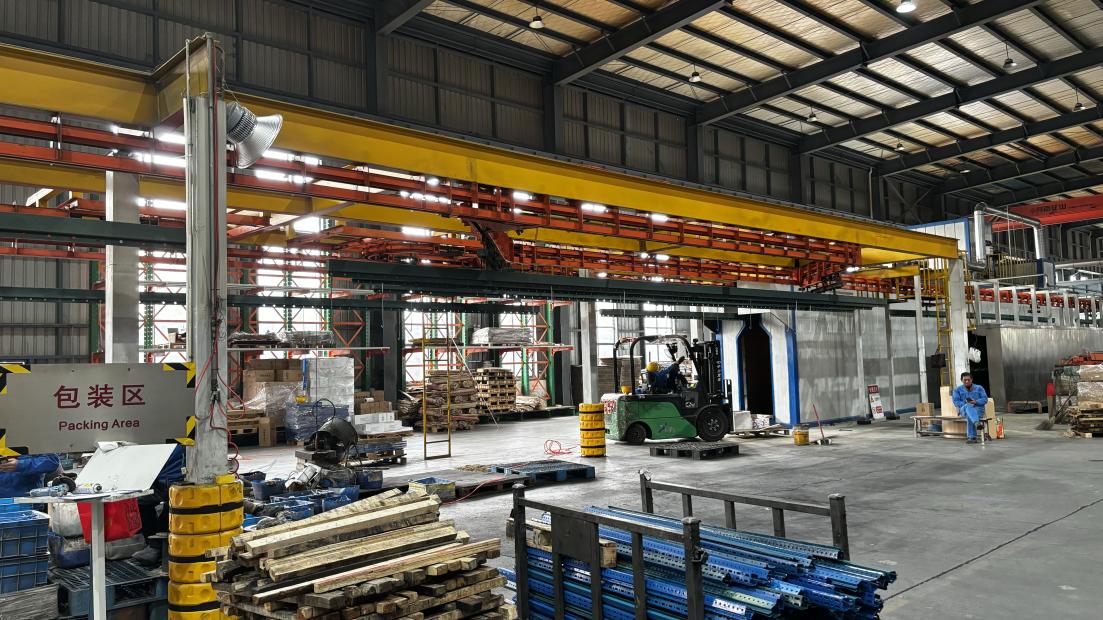
Our vertically integrated 32,000 m² factory floor employs high-precision automated systems at every stage of production.
How high-volume retailers and 3PL hubs optimize space, secure structural integrity, and ensure smooth operations.
Managing storage and retail setups across multiple stores requires rigorous compliance and precise engineering. Foshan FlexiRack maintains ISO9001 and CE certifications, providing documentation for industrial steel shelving systems, modular steel-and-wood showcases, and rolling platforms. Our engineering teams utilize 3D CAD modeling to tailor shelf load-bearing designs and ensure structural stability.
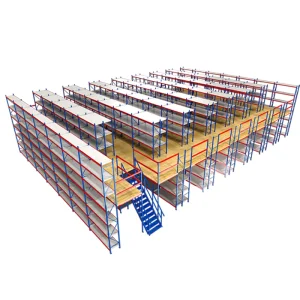
For modern distribution centers, we offer customized solutions that integrate with automated storage and retrieval systems (ASRS) and industrial mezzanine platforms. High-level QA measures—including ultrasonic weld scanning and dynamic loading fatigue tests—ensure that warehouse storage racks and retail shelving systems safely support their designated weight capacities, even under heavy, continuous use.
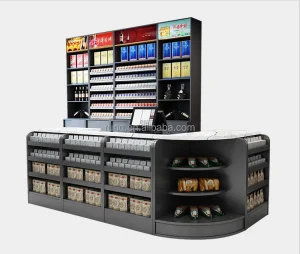
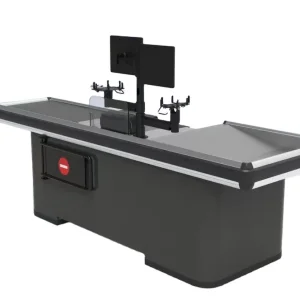
Engineered for high load-bearing capacity, storage efficiency, and professional customer transaction zones.
Common questions from procurement agents, retail managers, and third-party logistics (3PL) buyers.
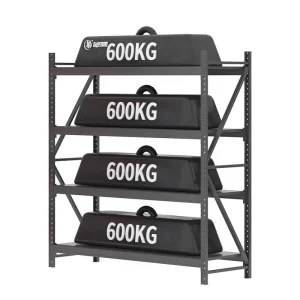
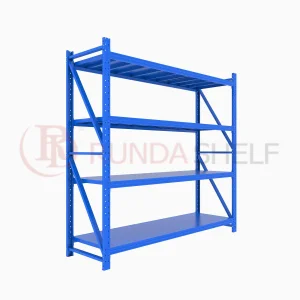
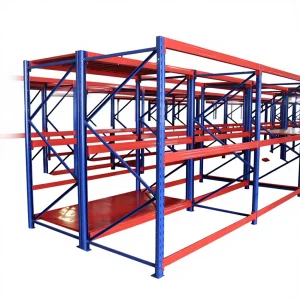
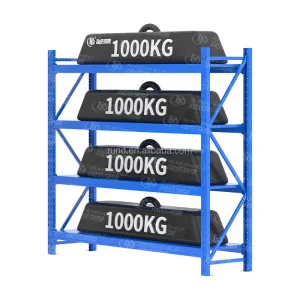
Loading capacity varies by application. Our Q235B steel storage shelves offer a capacity of 200kg per layer for medium-duty setups, while our heavy-duty industrial shelving units support up to 500kg per layer. Heavy-duty mezzanine and industrial racks can be custom engineered for larger weight loads.
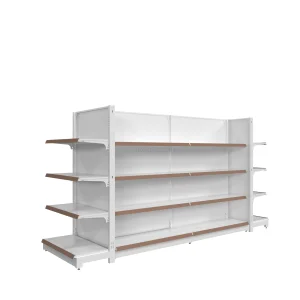
Yes, our design and engineering team provides full OEM/ODM services. We integrate Q235B steel with finished wood, MDF, and custom plastics to create shelving solutions tailored for stationery stores, pet shops, baby supply outlets, and high-end cosmetic counters.
Our quality control process includes automated robotic welding, multi-stage shot blasting, and powder coating. We also employ a dedicated team of 35 QA specialists who conduct non-destructive testing, including ultrasonic flaw detection and dynamic load testing, to verify structural integrity.
Standard production times range between 25 to 35 days from technical drawing confirmation and deposit clearance. This timeline allows for metal fabrication, robotic welding, surface preparation, powder coating, and final assembly testing.
 FlexiRack