Engineered structural integrity utilizing high-strength materials to optimize display spaces and secure retail safety metrics.
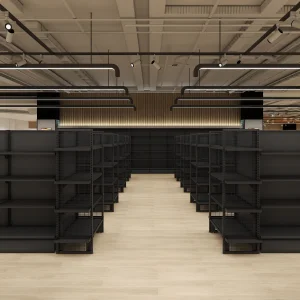
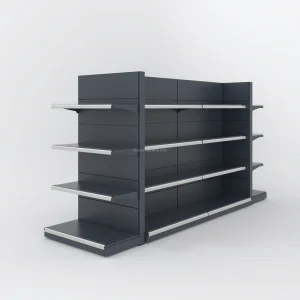
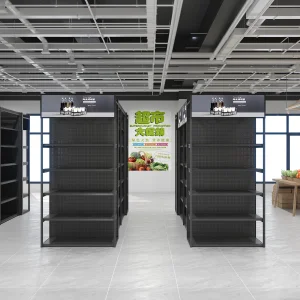
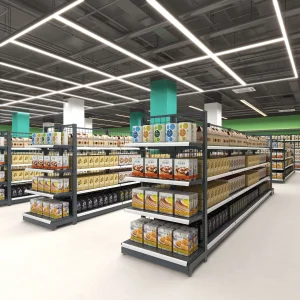
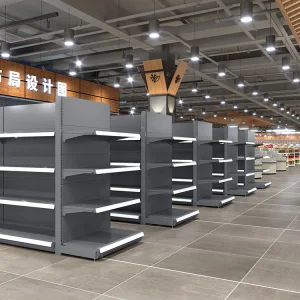
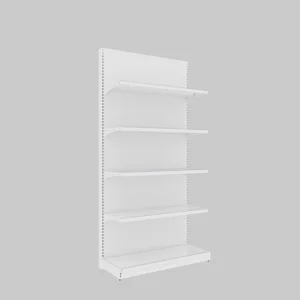
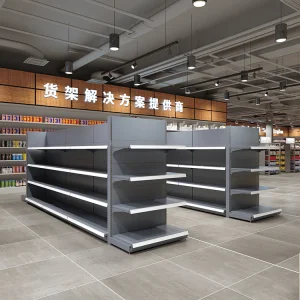
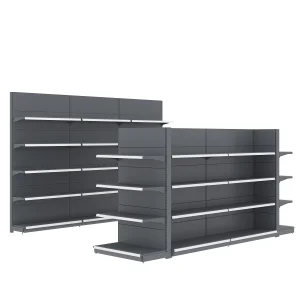
An in-depth look at how Fortune 500 retailers structure their warehousing and shelf infrastructure specifications.
In modern multi-format retail ecosystems, shelving systems are no longer passive display tools; they are vital structural configurations that directly impact customer safety and product longevity. Large enterprise procurers look beyond aesthetic values to focus on material structural physics. High-strength Q235B structural carbon steel represents the gold standard due to its excellent load-bearing properties, weldability, and resistance to environmental stress cracking.
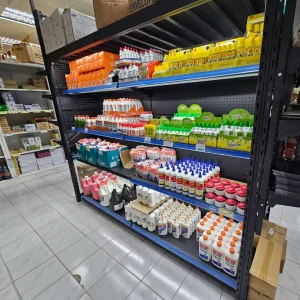
For heavy bulk departments—such as grain and oil sections, beverage corridors, and hypermarket hardware alleys—procurement agents mandate load capacities of up to 300kg per shelf level. Standard gondola systems fail under dynamic shifts, making finite-element structural analysis (FEA) a non-negotiable metric during the design phase to prevent buckling.
Global procurement metrics analyze the return on retail infrastructure through the lens of lifecycle durability. Corrosion protection via electrostatic epoxy powder coatings ensures resistance to humectants, high moisture, and constant abrasion from steel shopping carts. Purchasing cycles are evaluated over 10-to-15-year terms, where systems featuring automated robot-welded connections significantly reduce failures and replacement downtime, offering a lower TCO compared to low-cost alternatives.
Harmonizing supply-chain storage and retail display structures into a single cohesive layout design.
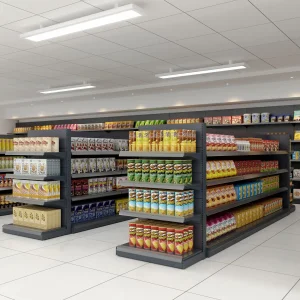
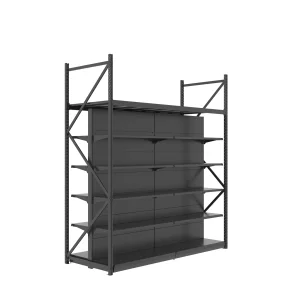
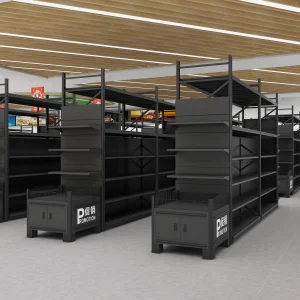
Superstores demand seamless transitions between direct-to-customer displays and bulk overhead stock warehousing. Hybrid racking platforms merge heavy-duty lower gondolas with elevated pallet shelves to optimize vertical storage volume safely, maintaining clear pedestrian sightlines below.
High inventory turnover rates require modular shelf depths, adjustable brackets, and clean perforated backing panels. Quick-reconfiguration components allow staff to modify store layouts rapidly during peak seasons or promotional periods without requiring structural tools.
For moist, temperature-controlled zones, structural framing requires corrosion-resistant metallic formulations or hot-dip galvanized finishes. Enhanced airflow shelving minimizes condensation and bacterial growth, maintaining food safety parameters in wet zones.
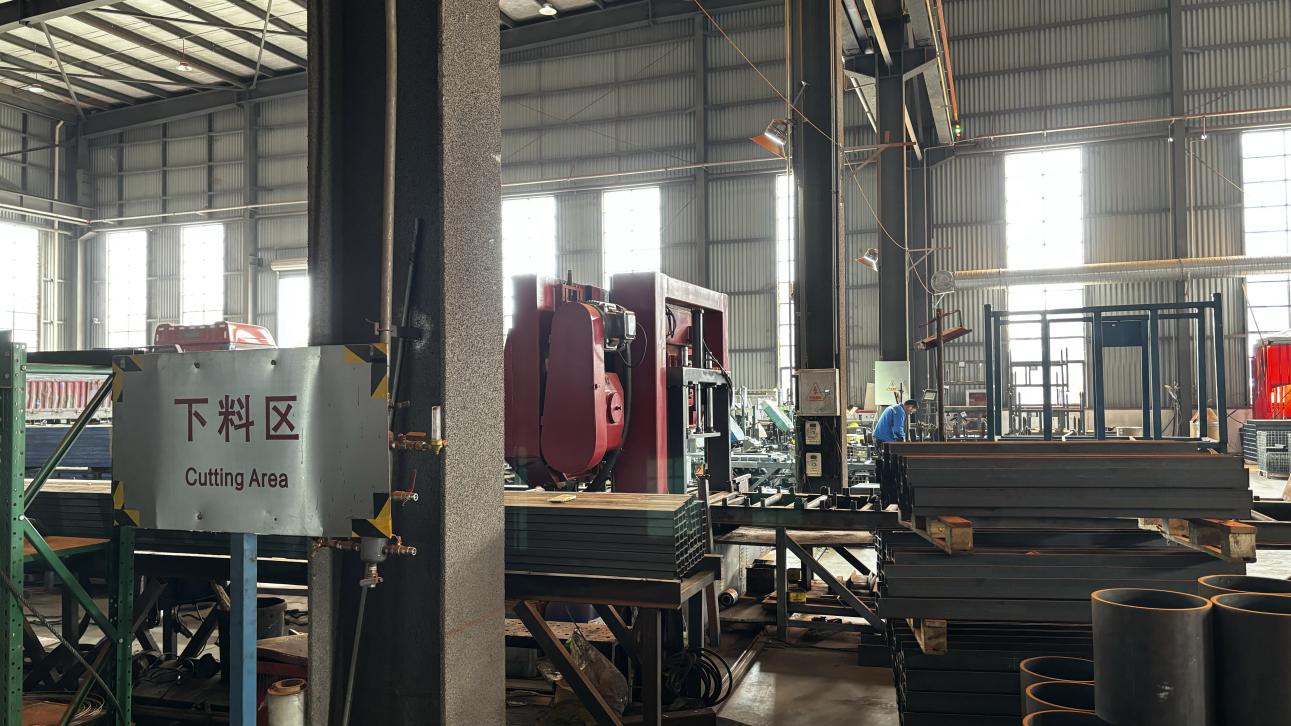
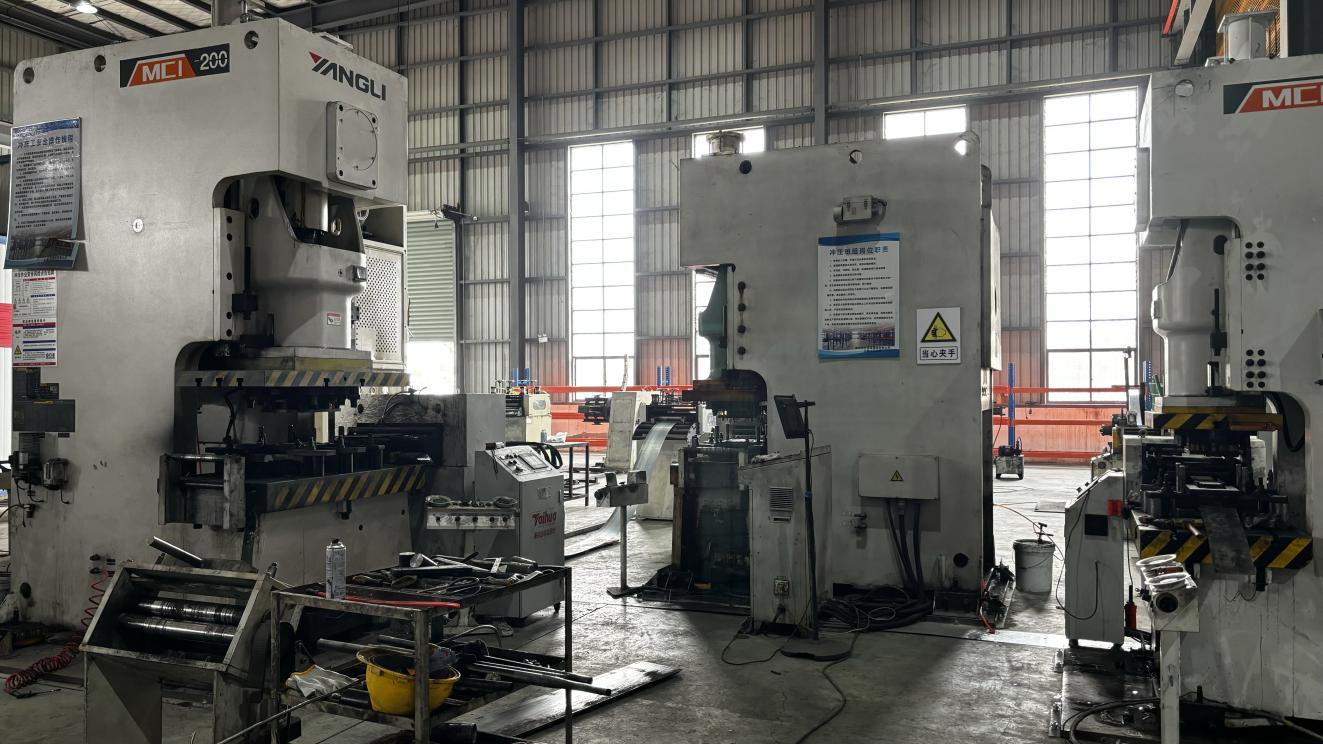
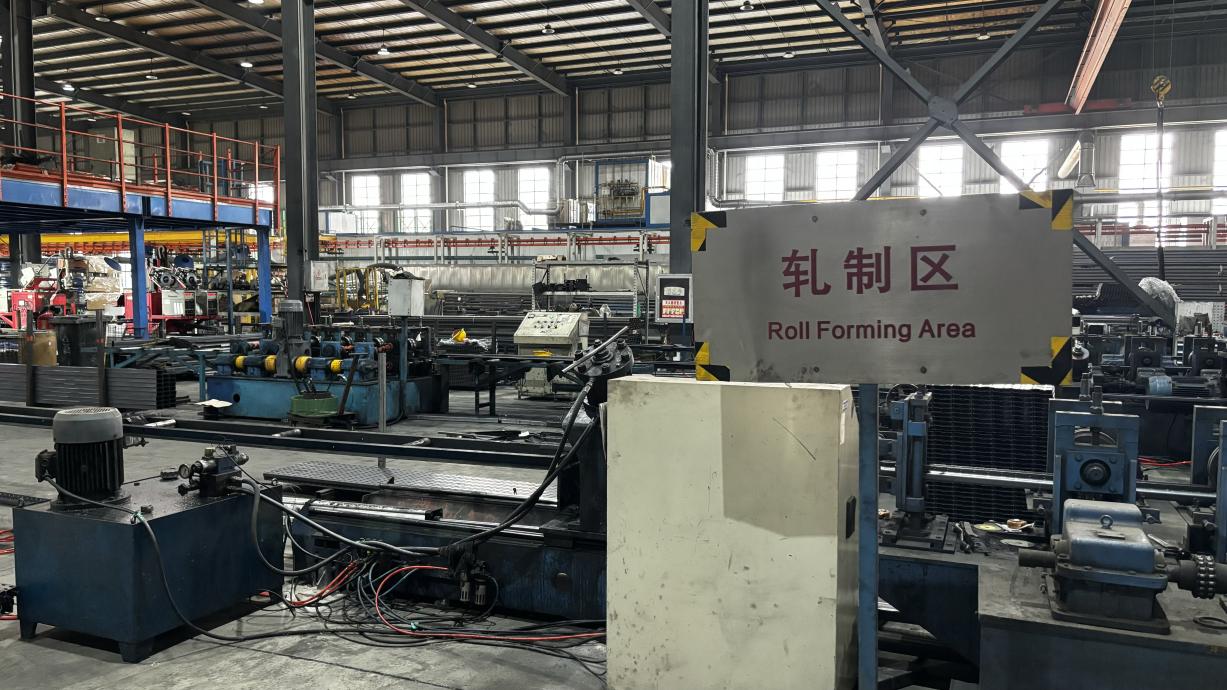
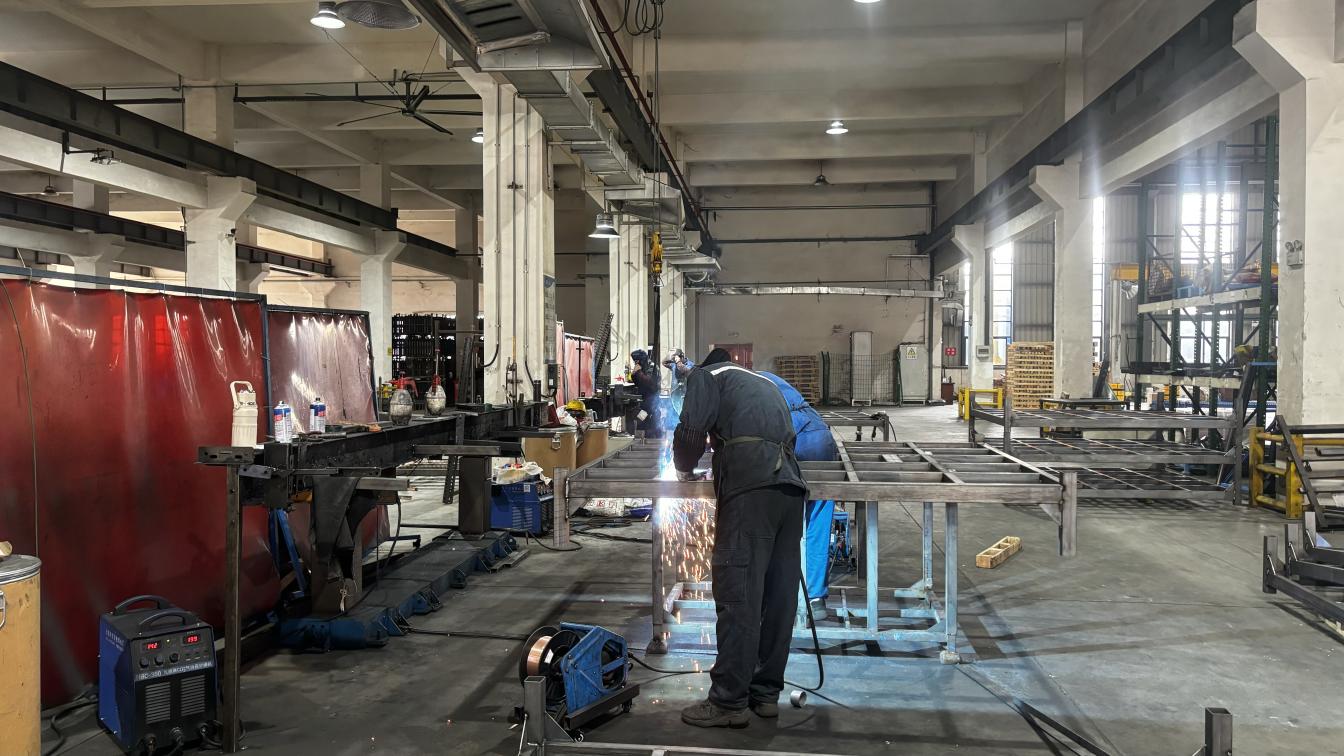
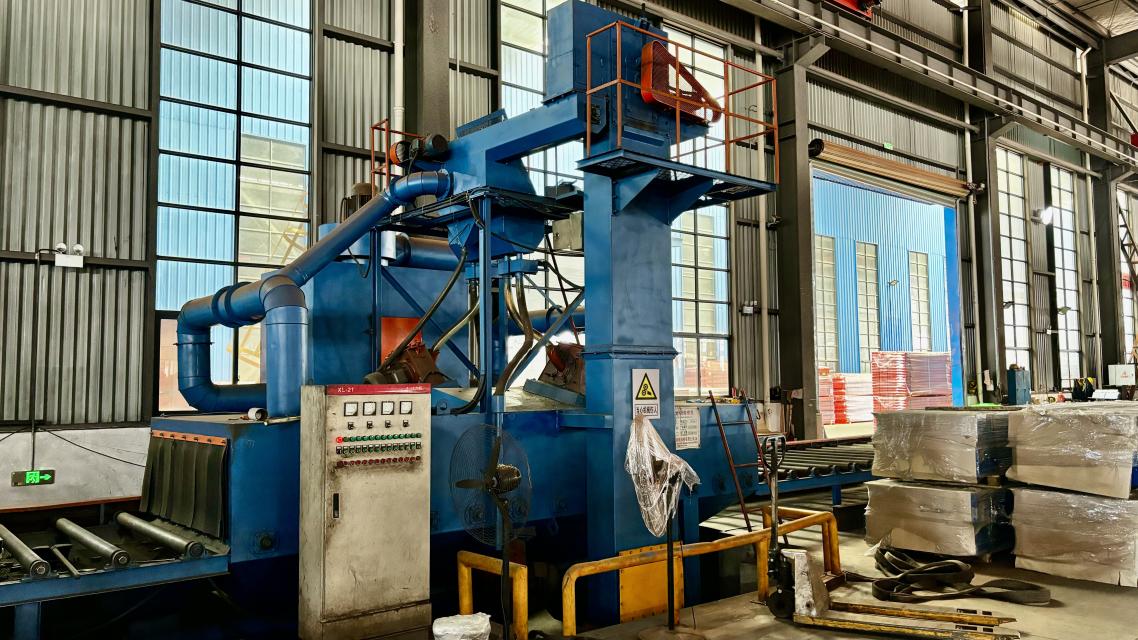
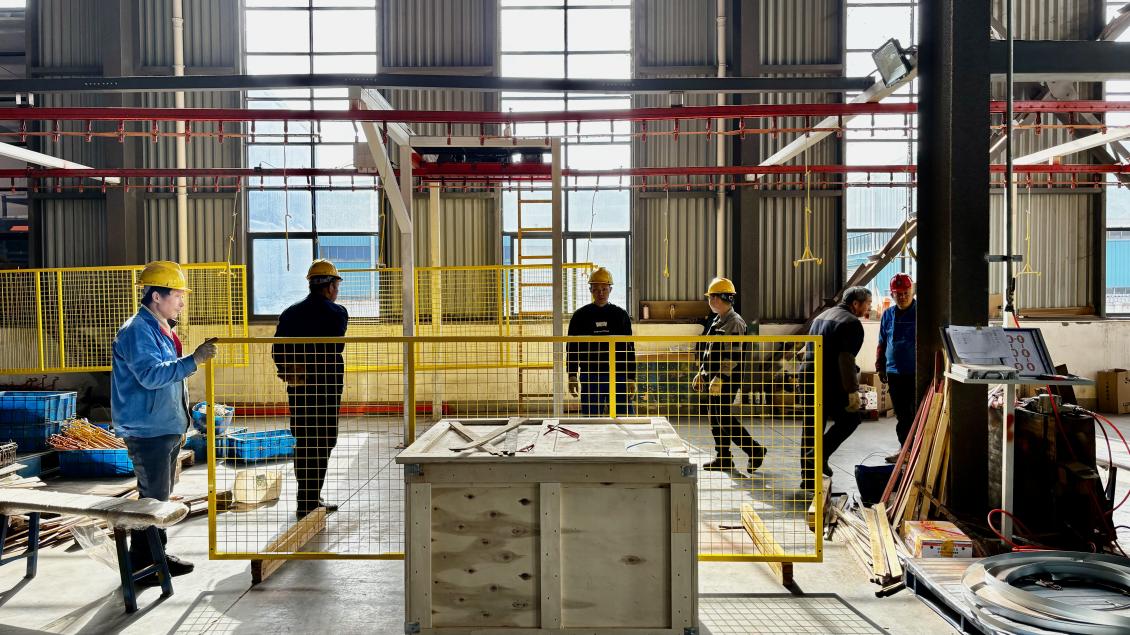
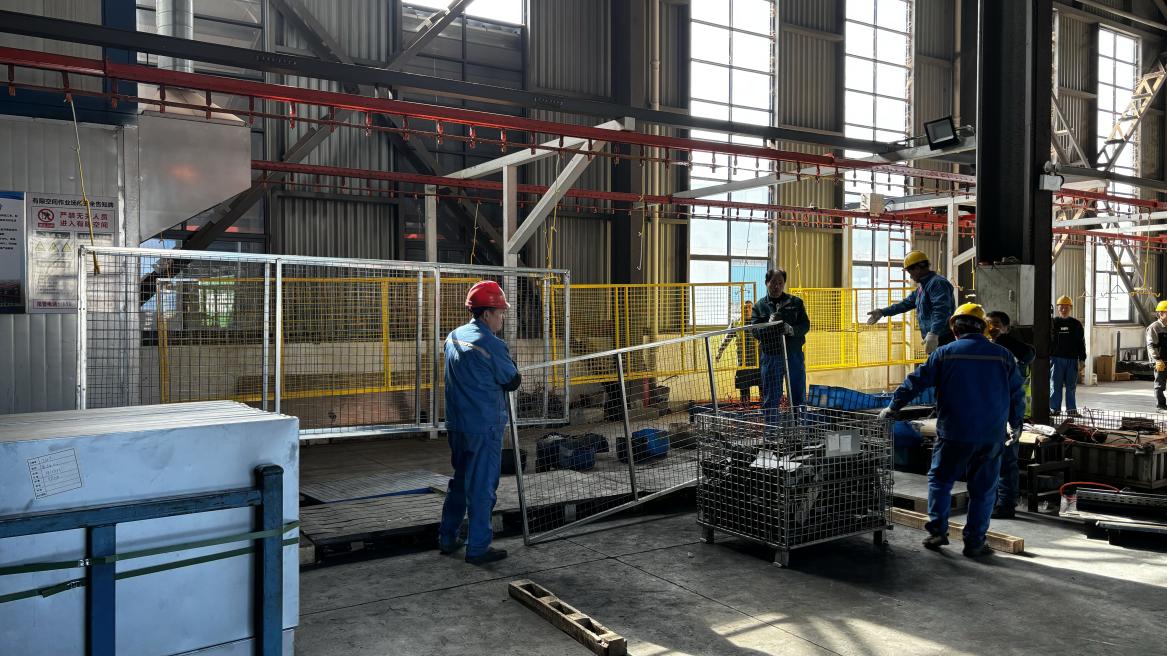
A look inside our 32,000 m² state-of-the-art facility utilizing automation to guarantee structural reliability.
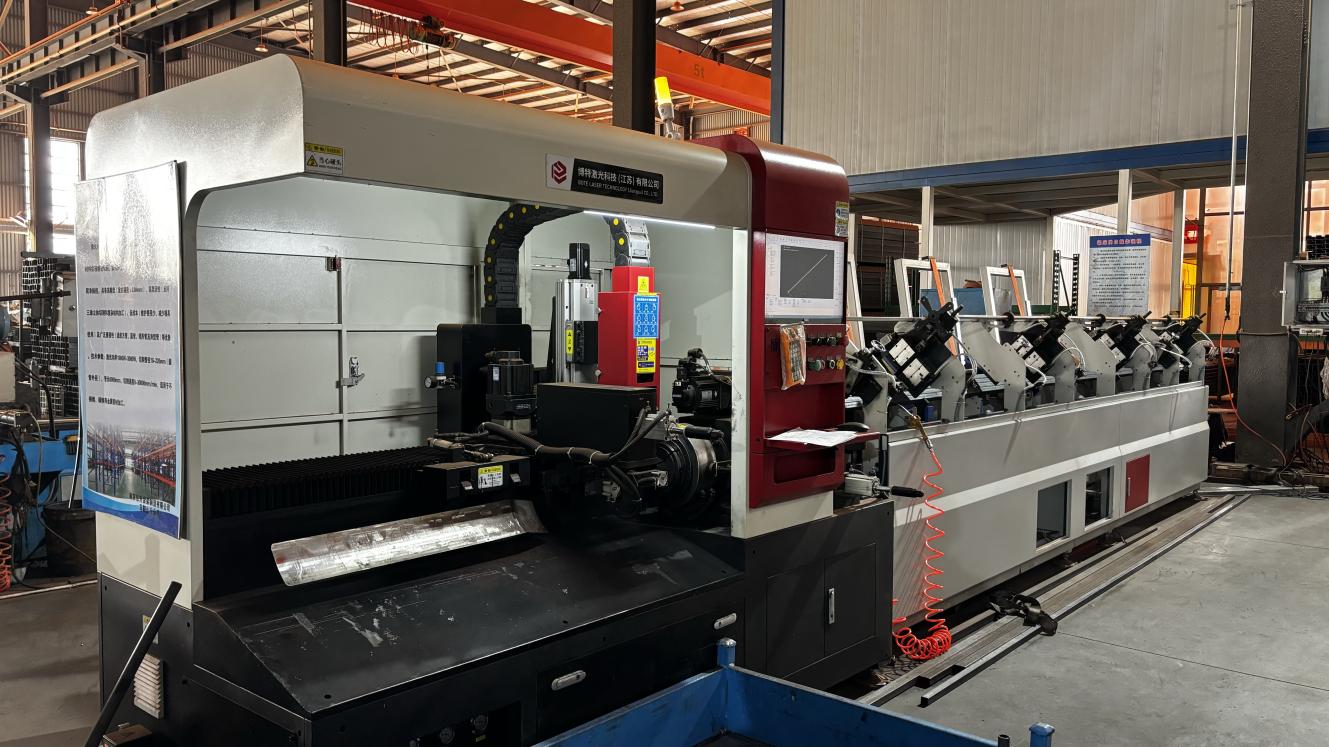
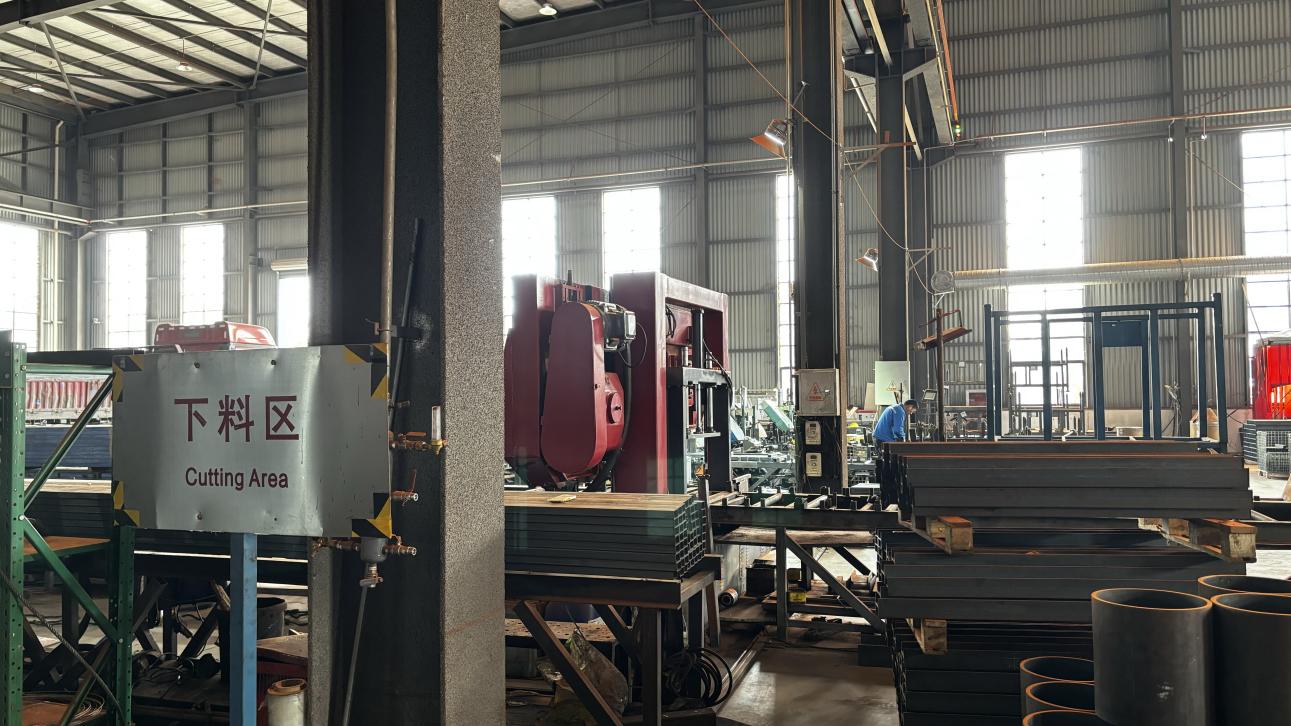
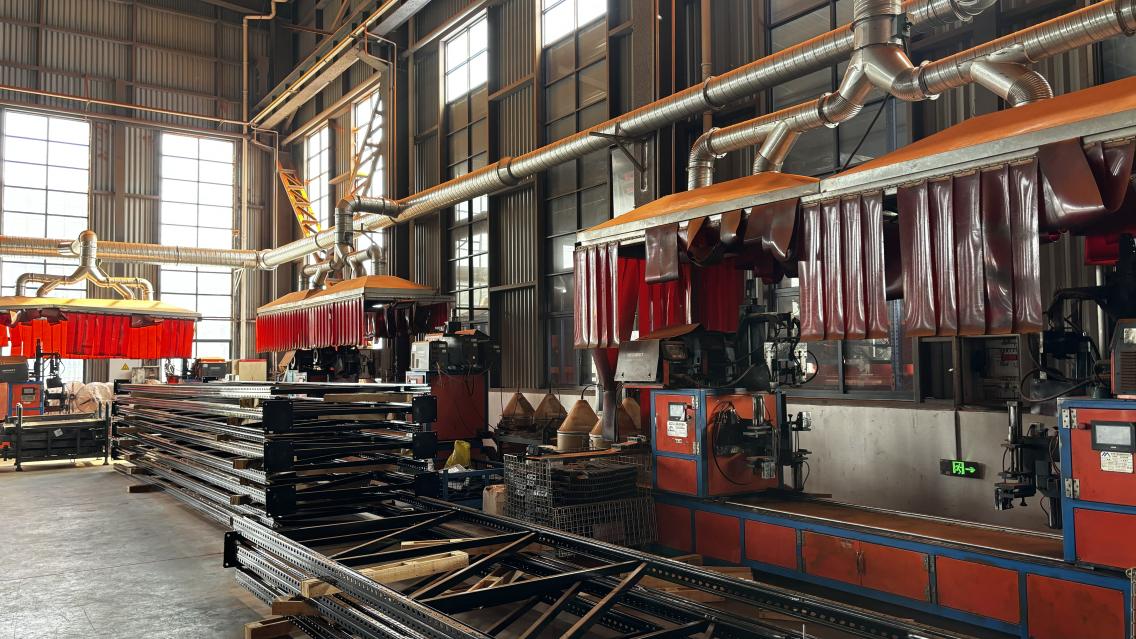
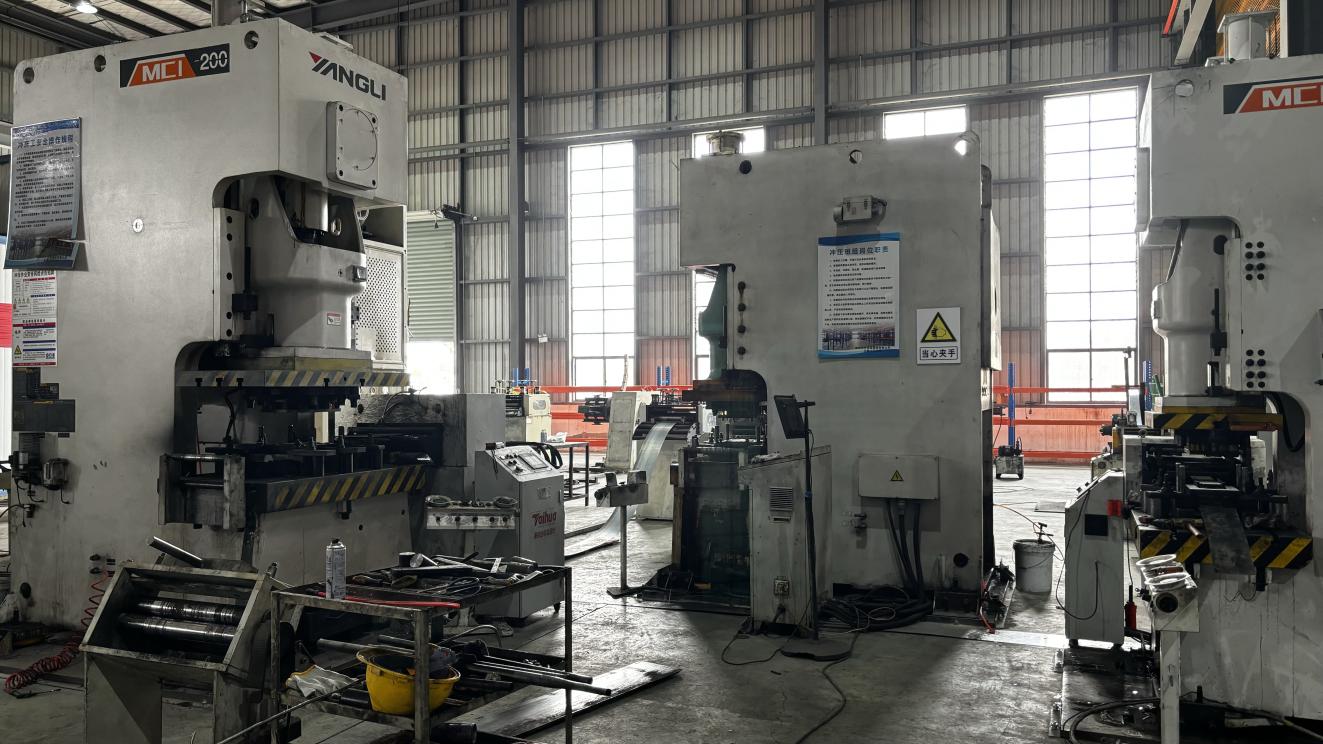
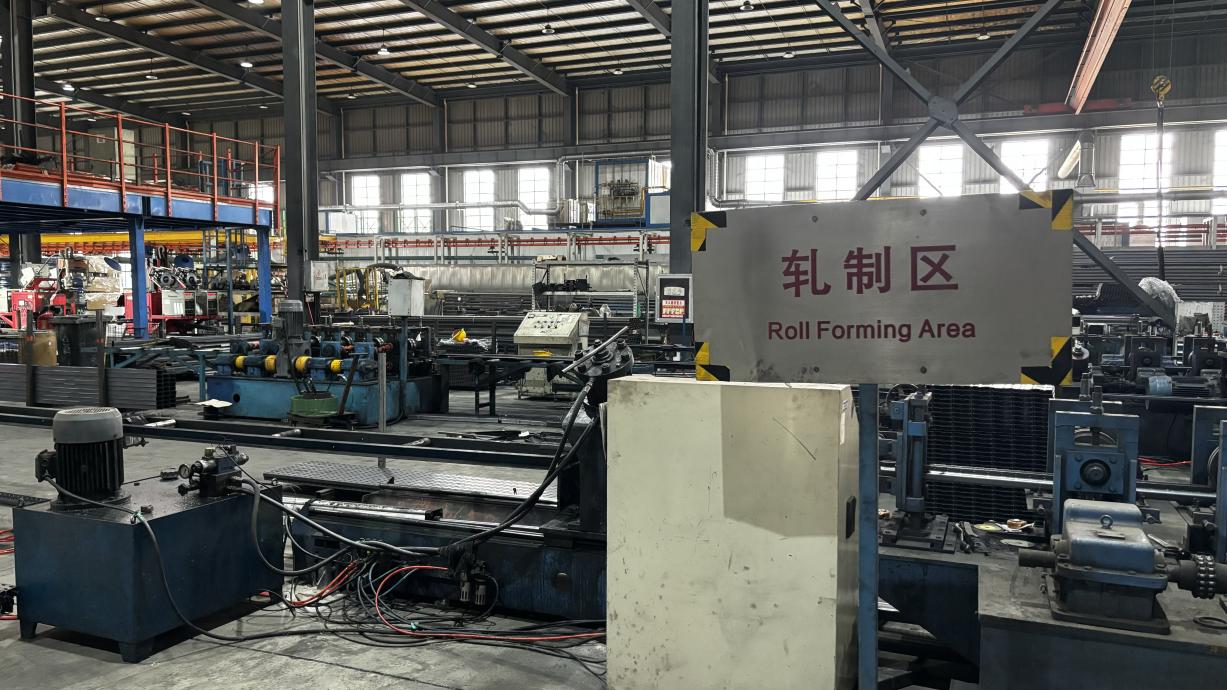
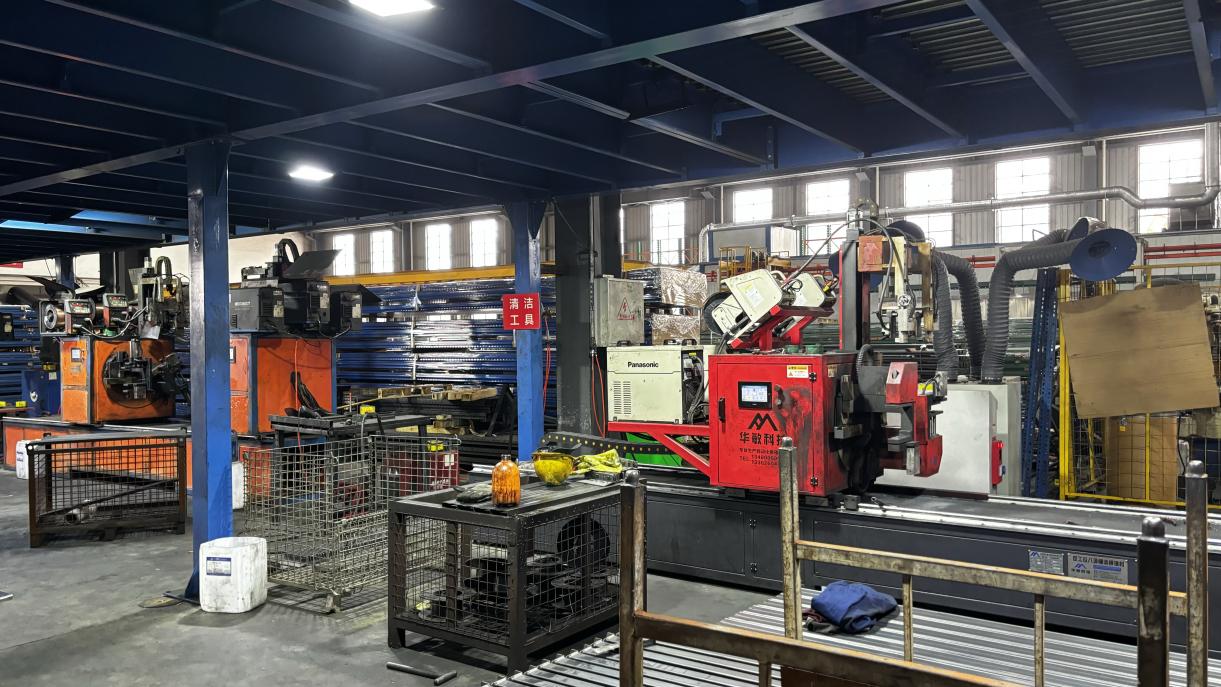
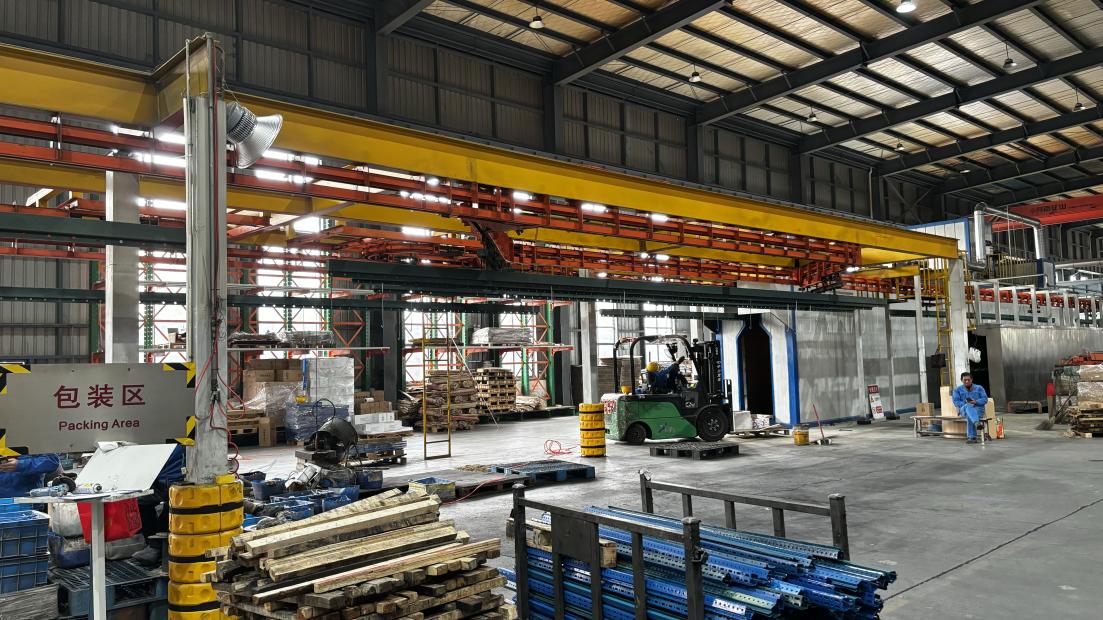
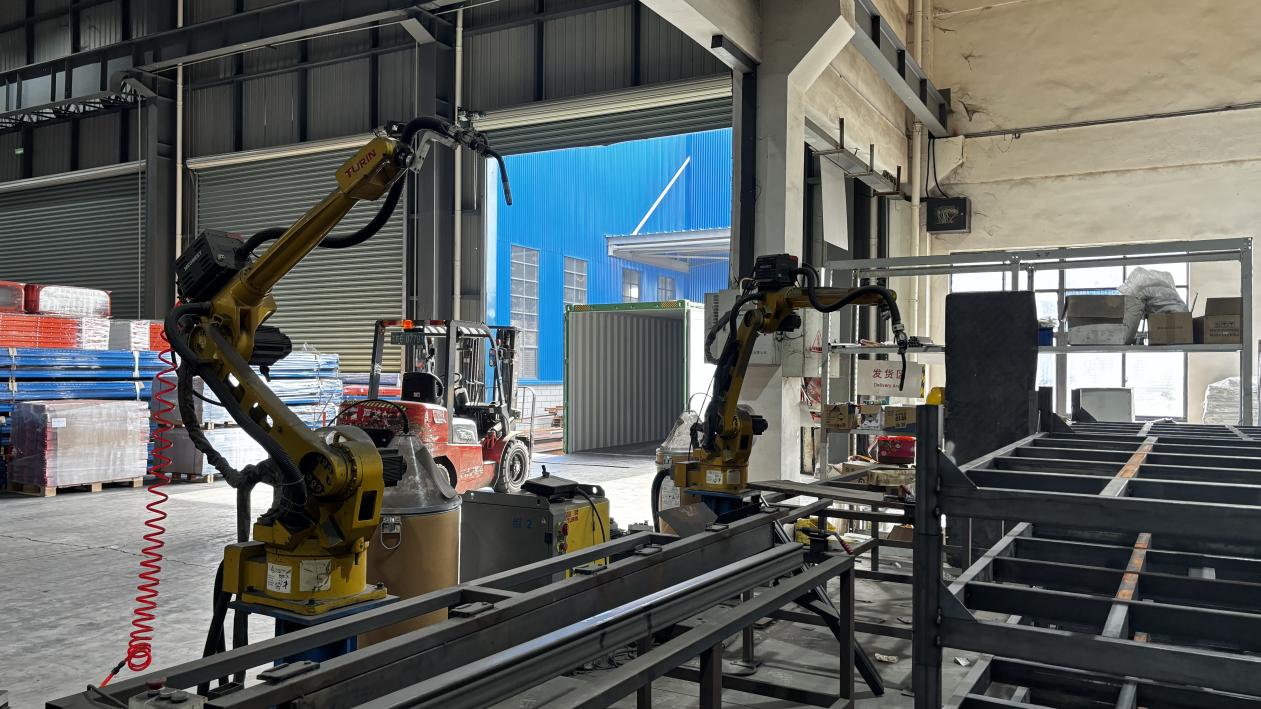
How IoT and automation are redefining shelf structural design for smart supermarkets.
The retail industry is shifting rapidly toward automated dark-store fulfillment. The next generation of superstore shelves must feature clean geometric interfaces to accommodate automated shuttle vehicles and warehouse robot arms. Racking profiles are designed to support sensor arrays, and tolerances are minimized down to the millimeter range to ensure autonomous machinery runs smoothly without snagging.
Smart retail units with embedded load sensors represent the upcoming standard, tracking inventory weights in real time and automatically alerting centralized resource management (ERP) platforms. At Foshan FlexiRack, our engineering department continues to develop custom-designed smart systems, successfully launching 120 new storage solutions last year to help our partners transition to fully automated paradigms.
ESG initiatives have made production compliance a core metric during procurement selection. Forward-thinking suppliers focus on zero-VOC dry powder paint coats and fully recycle the metal waste generated during precision punching. High-grade cold-rolled profiles reduce overall raw steel usage by up to 15% without compromising critical load capabilities, matching target global decarbonization paths.
Understanding quality control certifications, safety regulations, and supply chain logistics.
Foshan FlexiRack maintains a QA team of 35 specialists enforcing compliance at every stage of the manufacturing cycle. Using ultrasonic flaw detectors, we scan welds for internal micro-fissures, while dynamic load testers confirm structural performance matches specification metrics under strict pressure limits.
Our engineering processes are fully certified under ISO9001 and CE standards. Every structural design undergoes validation to ensure compliance with localized building codes, structural deflection limits, and safety standards across North America, Europe, and Asia.
Our dedicated R&D department features 45 engineers offering full-spectrum design adjustments. We provide custom CAD structural layouts, load-distribution calculations, and tailored seismic-resistant framing designs to meet challenging operational conditions.
Expert answers regarding structural steel performance, procurement setups, and storage compliance.
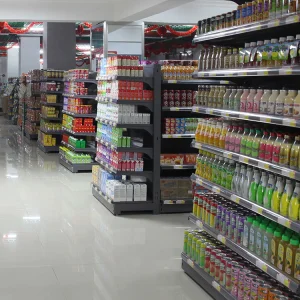
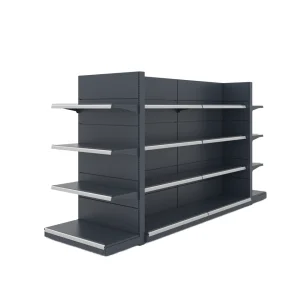
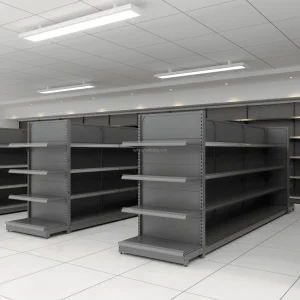
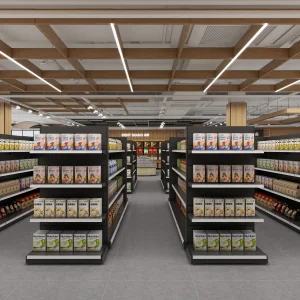
Heavy-duty structures designed to handle high inventory volume and optimize hypermarket storage layouts.
 FlexiRack