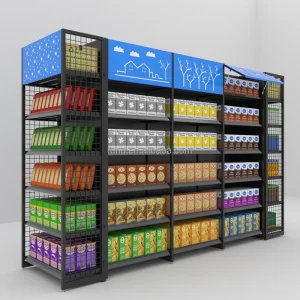
Engineered modular display racks designed to maximize shelf-space efficiency and support dynamic retail merchandising layouts.
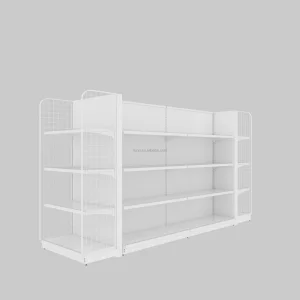
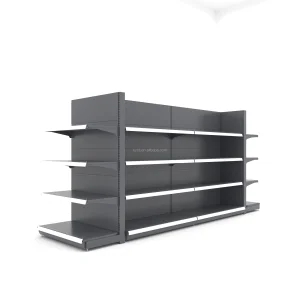
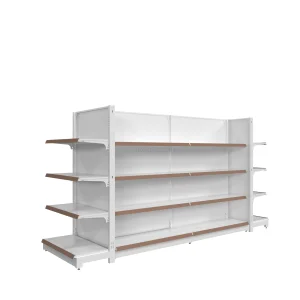
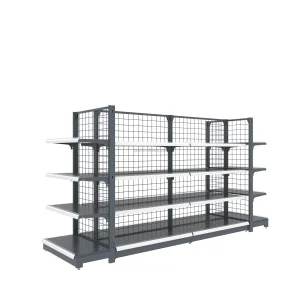
An in-depth analysis of retail shelving infrastructure and spatial efficiency on a global scale.
In the rapidly changing retail environment, physical stores are evolving from mere storage spaces to curated experience centers. The modern retail space demands highly flexible, lightweight, and aesthetically pleasing structural designs. Among these, light supermarket shelves have become the backbone of retail layout optimization. Valued for their high strength-to-weight ratio, ease of installation, and modular configurations, these systems allow supermarkets, grocery stores, and specialty retailers to reconfigure floor plans in response to fast-changing consumer demands.
On a global scale, the demand for lightweight commercial shelving is rising significantly. Driven by rapid urbanization in developing regions and high-density store footprints in mature markets, retailers are focusing on maximizing product visibility per square meter. In North America and Europe, strict safety and ergonomic standards govern retail fixtures. Shelving systems must meet load ratings under the American National Standards Institute (ANSI) or European Committee for Standardization (CEN) frameworks while offering sleek, minimalist aesthetics that match modern interior design trends. In Southeast Asia and Latin America, the rapid growth of convenience stores and local mini-marts has spurred high demand for cost-effective, durable, and rust-resistant shelving that can withstand varying humidity and heavy daily customer use.
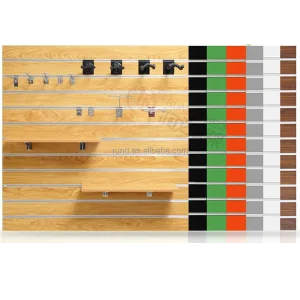
Simultaneously, the lines between traditional retail space and fulfillment hubs are blurring. With the rise of omnichannel commerce and rapid grocery delivery services (Quick-Commerce), retail shelves now double as micro-fulfillment racks. Store associates and warehouse picking robots need to navigate store aisles quickly, making visual accessibility, smooth edge finishing, and shelf stability more critical than ever. In this context, lightweight metal-wood hybrid configurations are increasingly popular. These hybrid systems combine the strength of cold-rolled steel structures with the warm, premium feel of wooden veneer backings, creating display environments that elevate the shopping experience.
How state-of-the-art machinery and strict engineering standards guarantee durability and load-bearing safety.
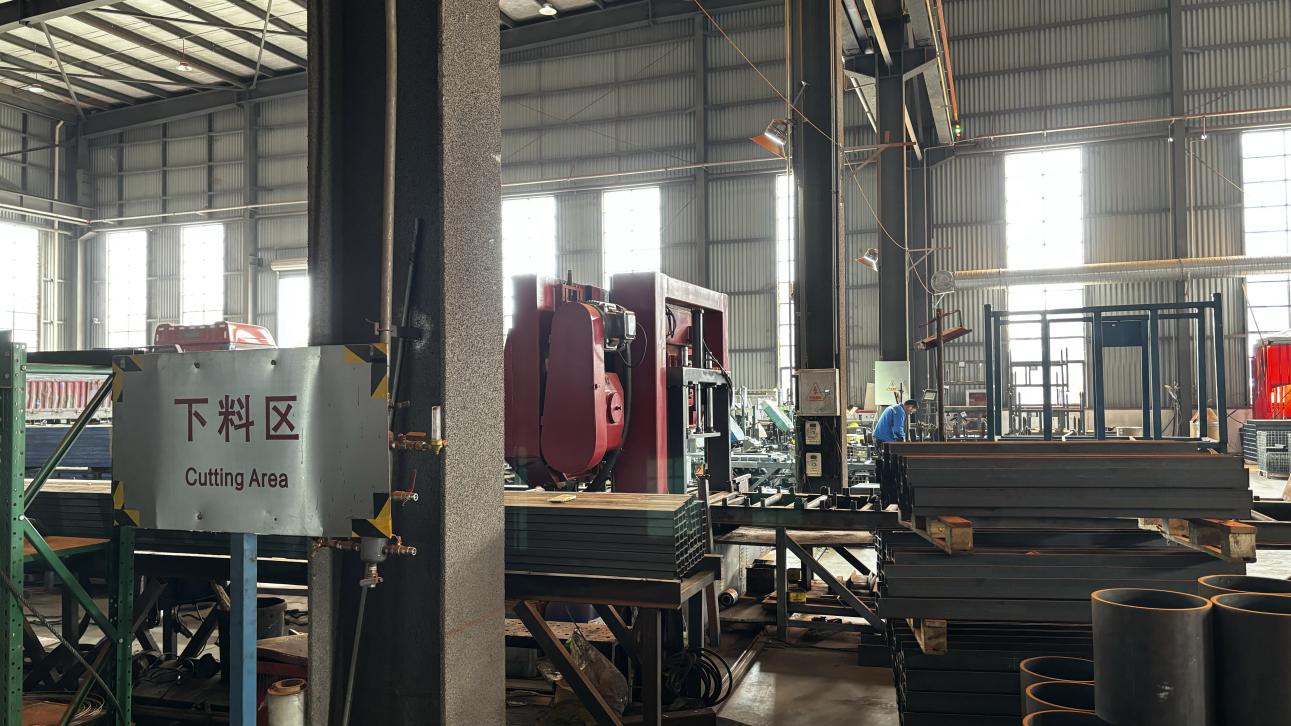
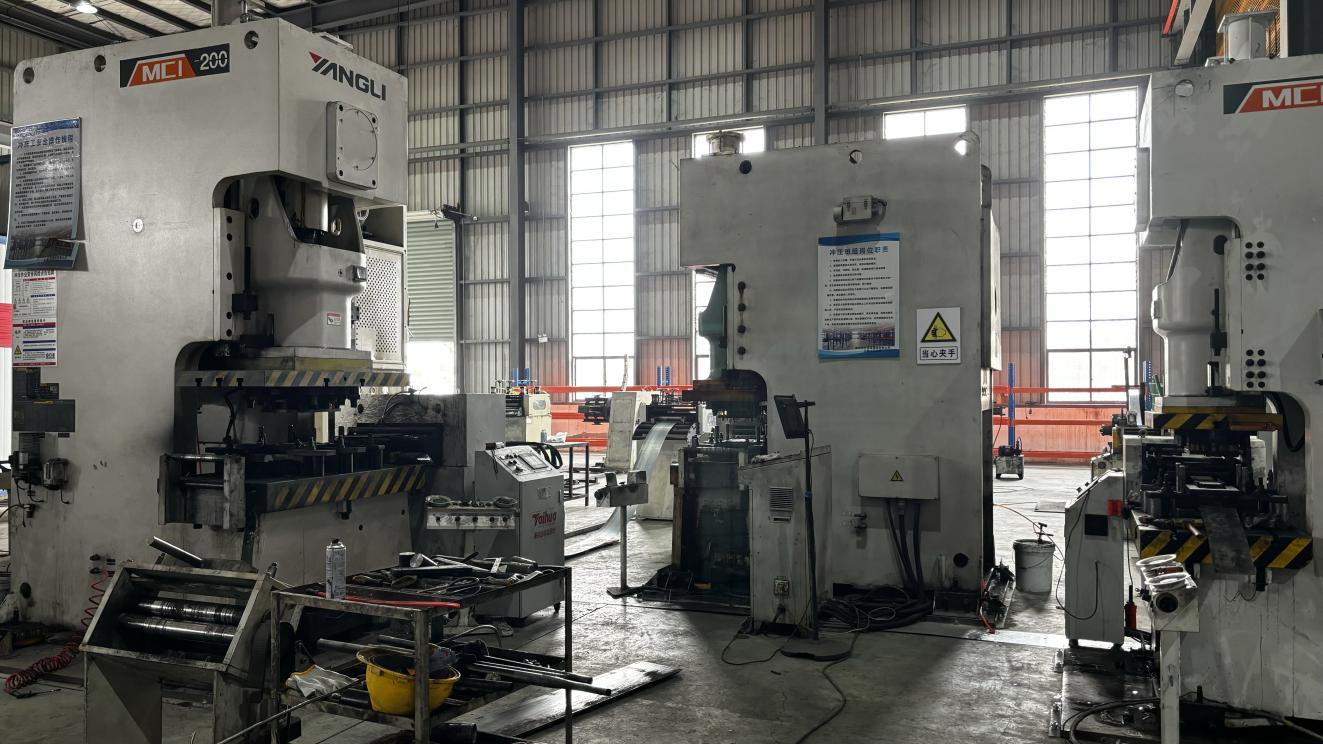
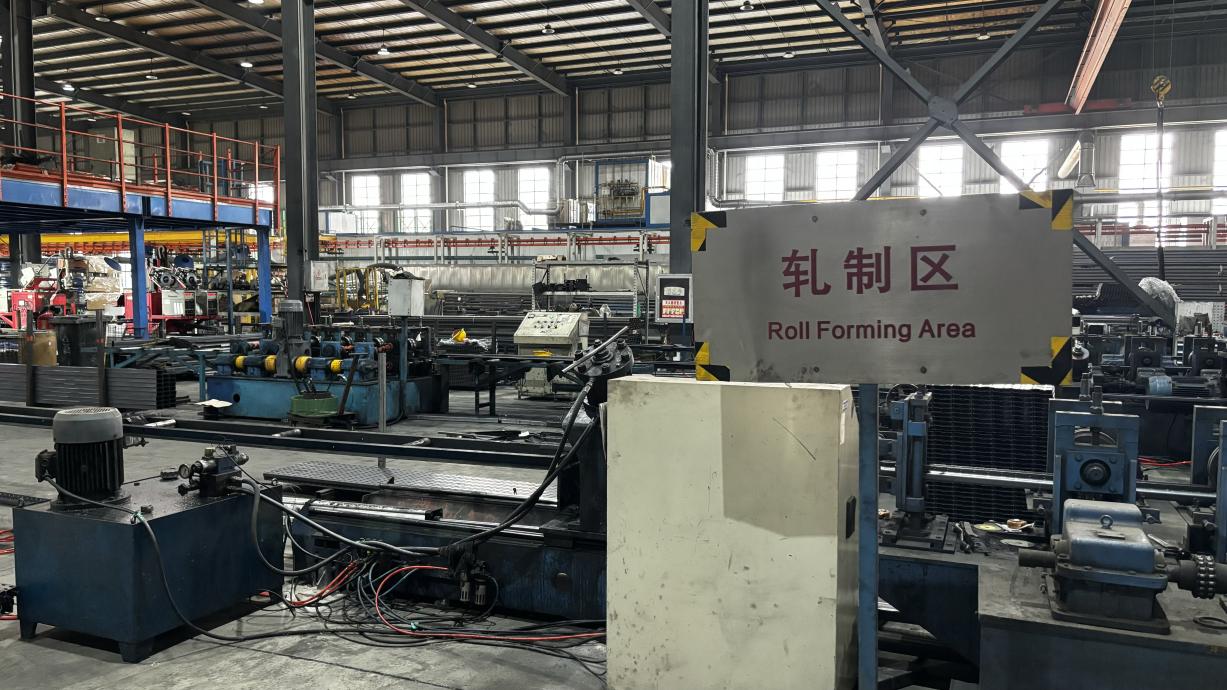
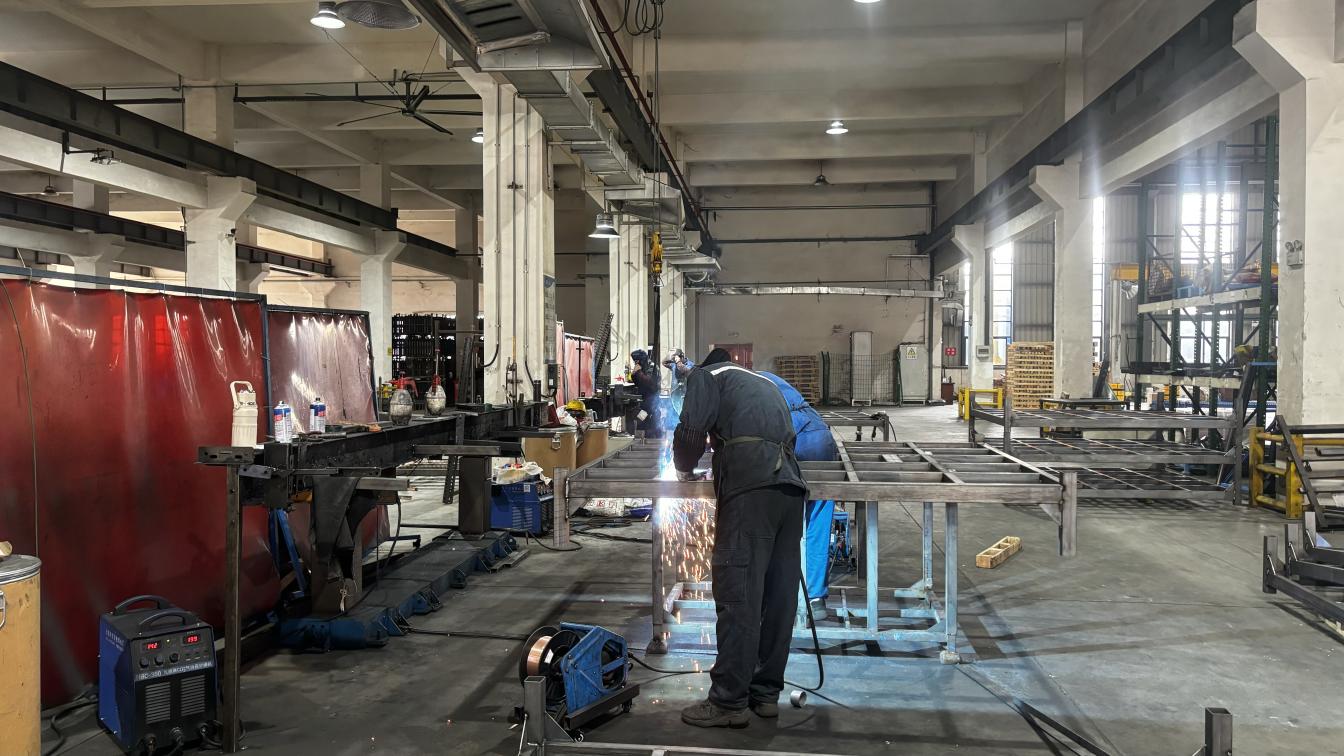
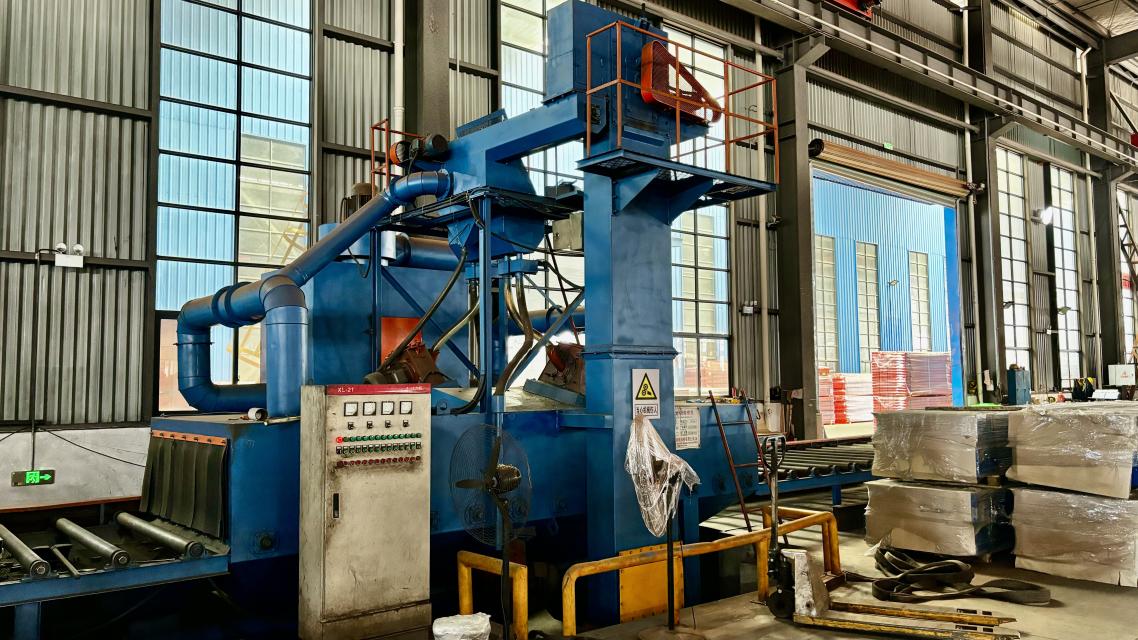
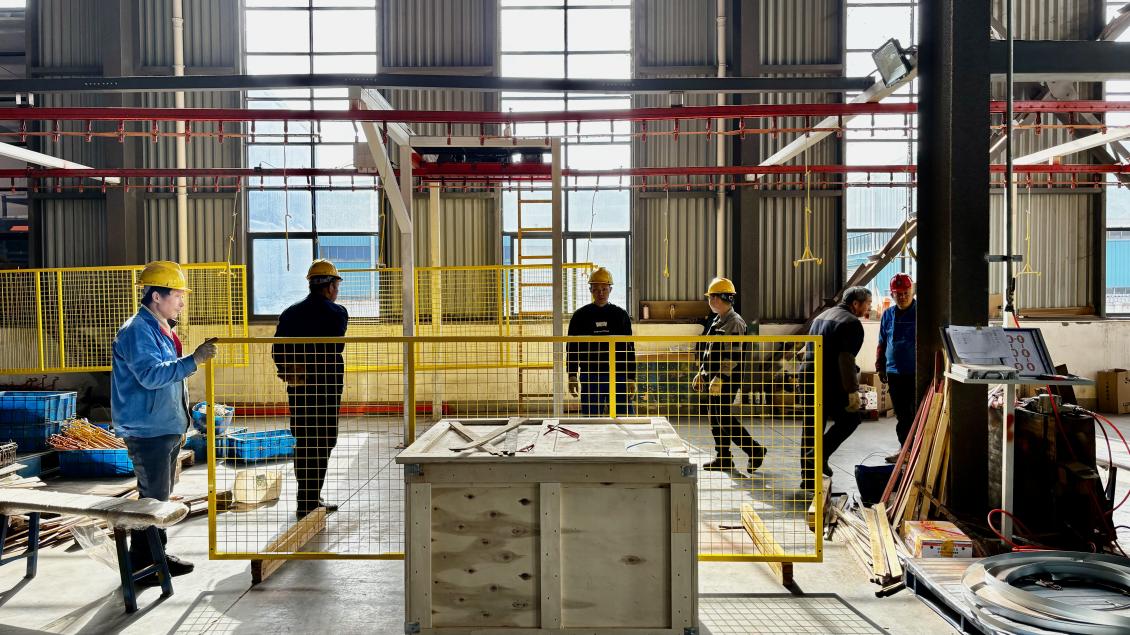
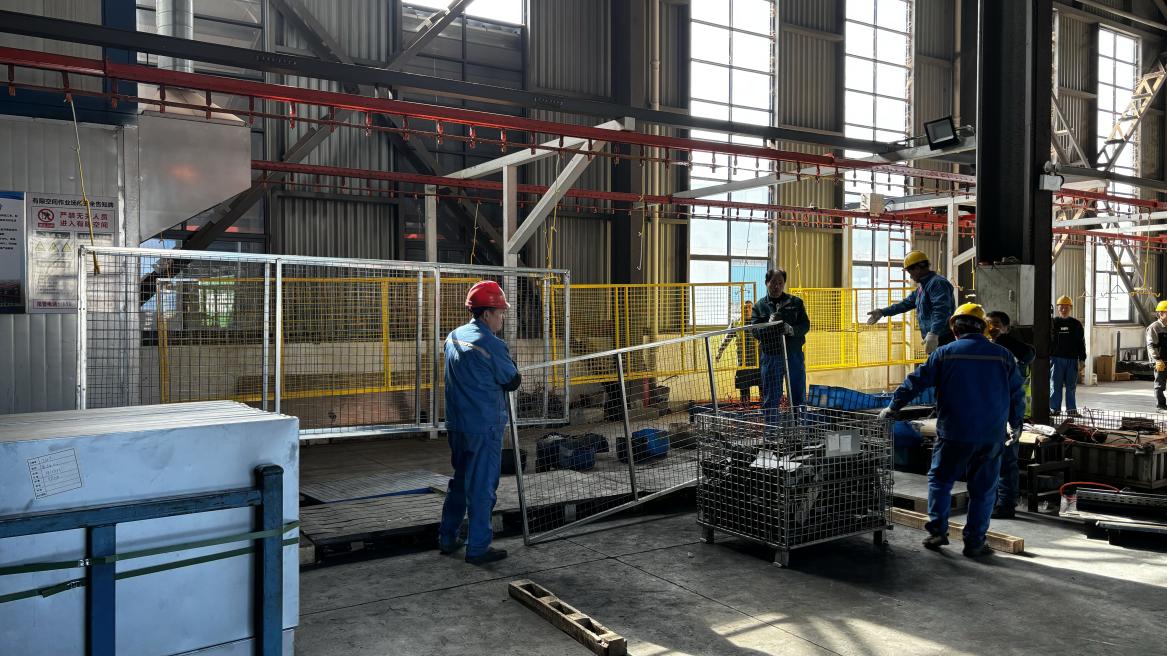
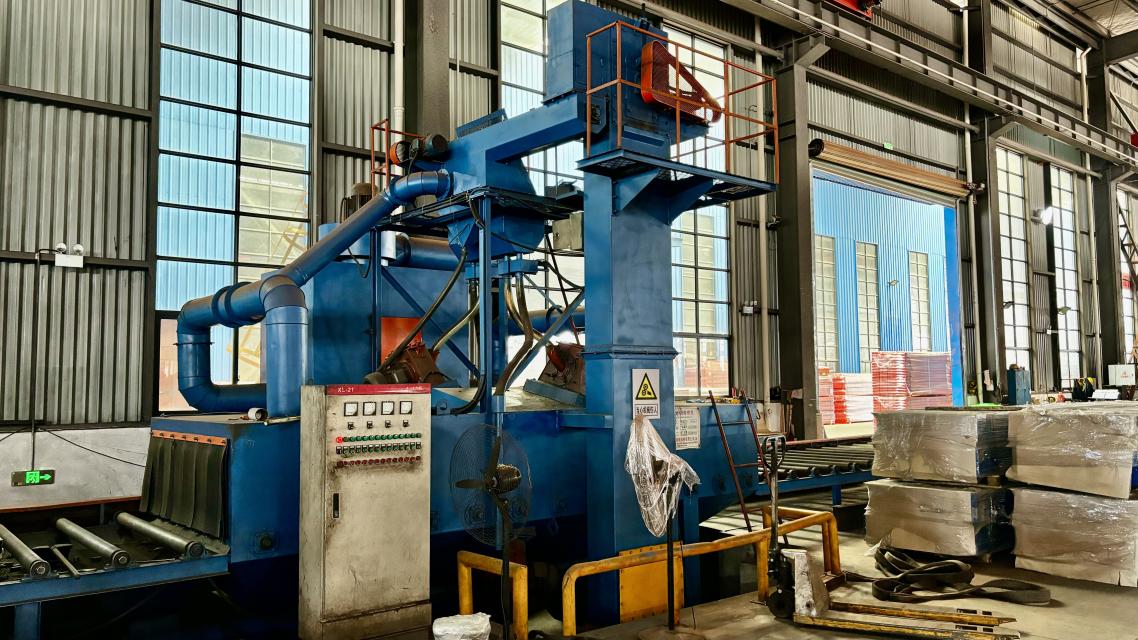
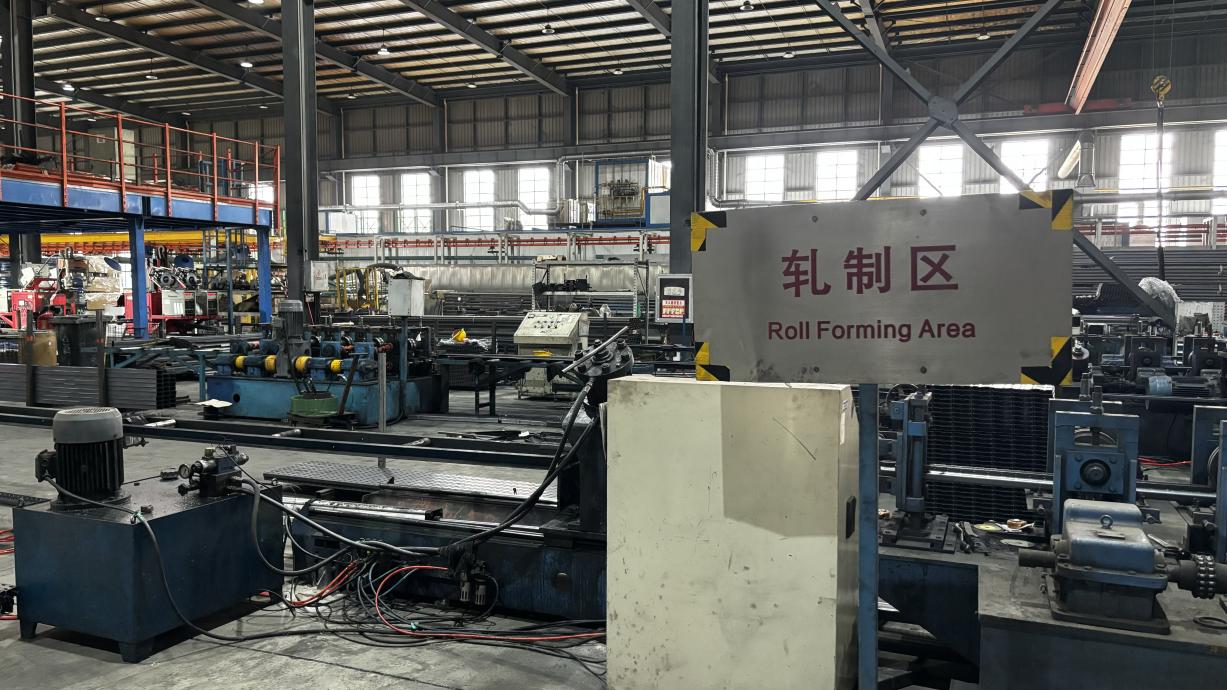
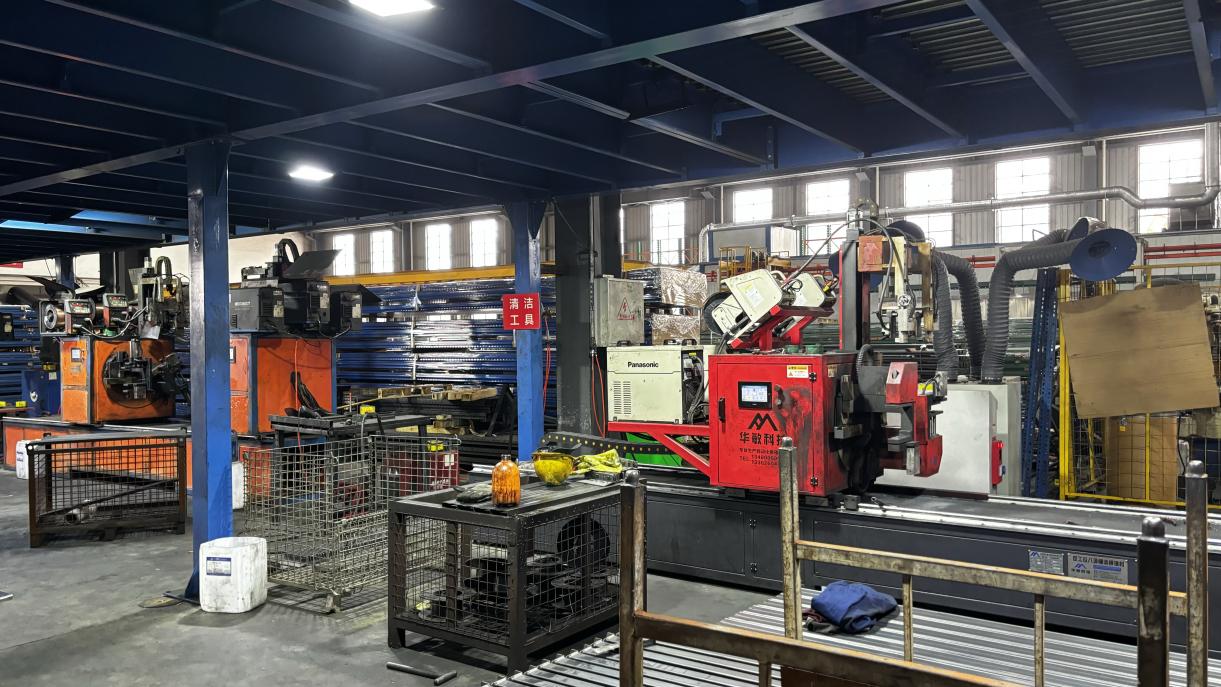
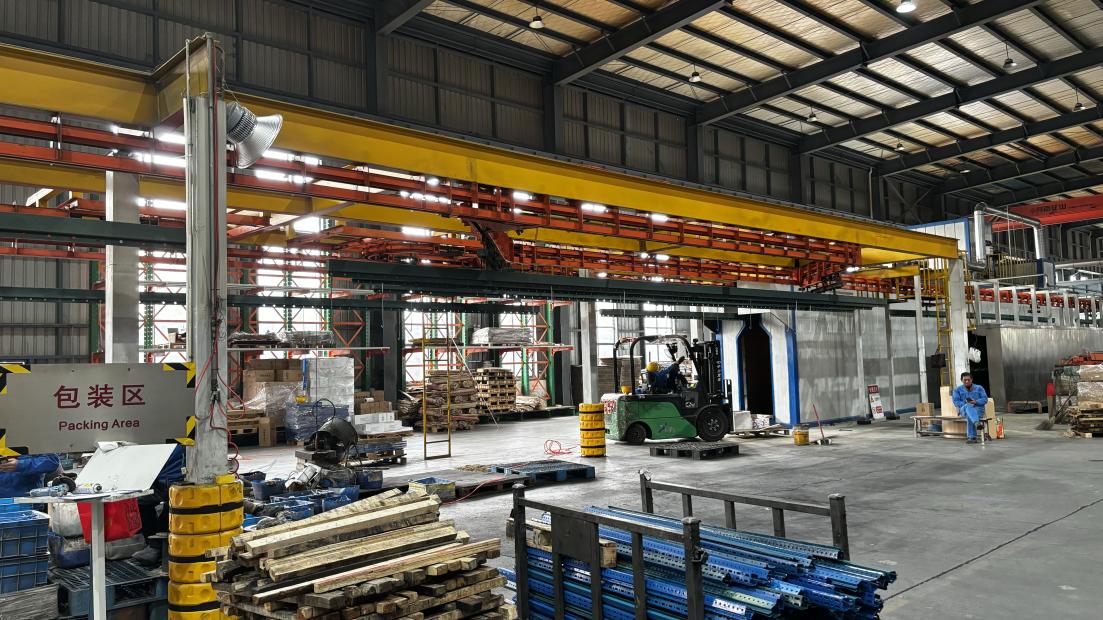
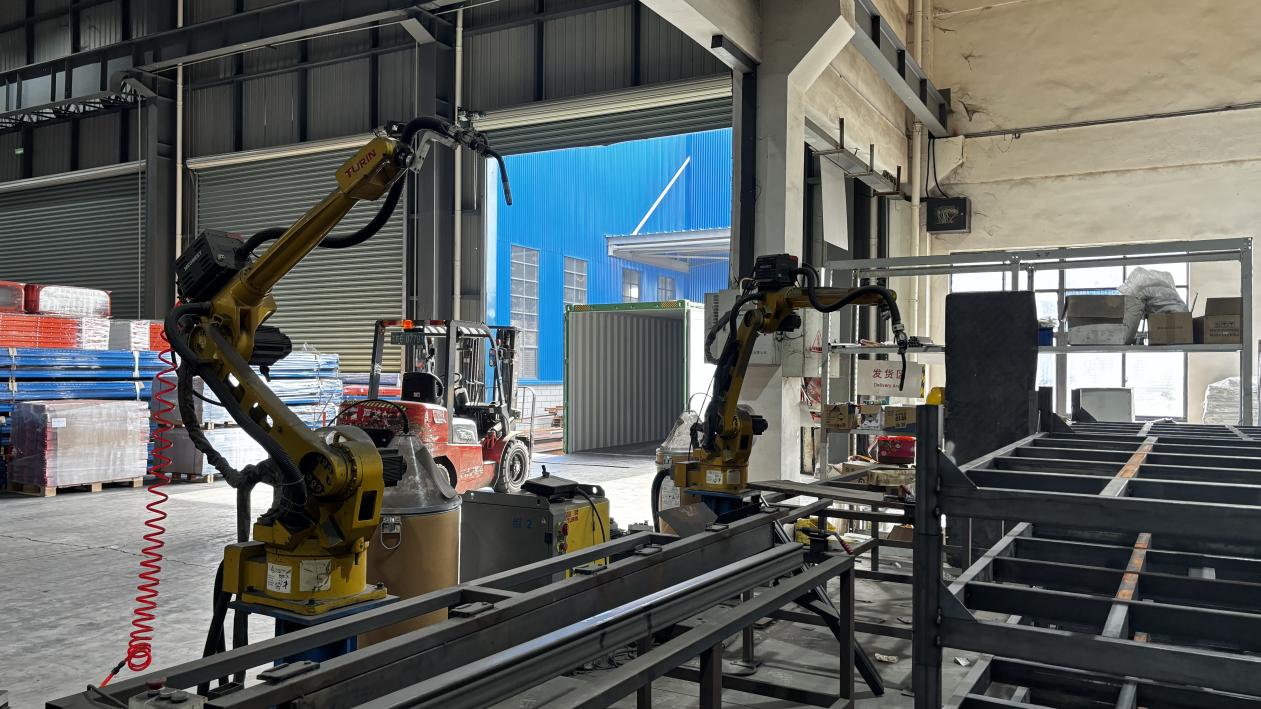
The manufacturing process at Foshan FlexiRack Intelligent Logistics Equipment Co., Ltd. is characterized by precision engineering and automated quality control. Across our 32,000 m² modern manufacturing facility, we transform raw steel sheets into high-precision commercial display units and heavy-duty storage racks. Our manufacturing line uses a variety of advanced machinery, ensuring that every bracket, upright column, and shelf panel is crafted to exact tolerances.
We source structural carbon steel (primarily Q235B and Q345B grades) from trusted mills, ensuring excellent weldability and mechanical performance.
Our facility runs automated rolling, punching, and welding lines, maintaining dimensional tolerances within ±0.05mm to ensure seamless onsite assembly.
A team of 35 dedicated QA specialists carries out regular ultrasonic flaw detection and dynamic load testing to verify shelf capacity and stability.
Quality is our top priority. Backed by ISO9001 and CE certifications, we utilize rigorous testing protocols, including ultrasonic flaw detection and dynamic load testing. Operating as an OEM/ODM export manufacturer, our primary markets cover North America, Europe, and Southeast Asia. We maintain strong ties with over 850 supply chain partners, primarily serving third-party logistics (3PL) providers, industrial distribution centers, and e-commerce fulfillment hubs. Supported by 45 R&D engineers, we offer full-spectrum custom engineering (including custom load capacities, seismic designs, and automated ASRS integration), having launched 120 new storage solutions last year.
A visual walkthrough of our advanced machinery and specialized metal fabrication stages in Foshan, China.
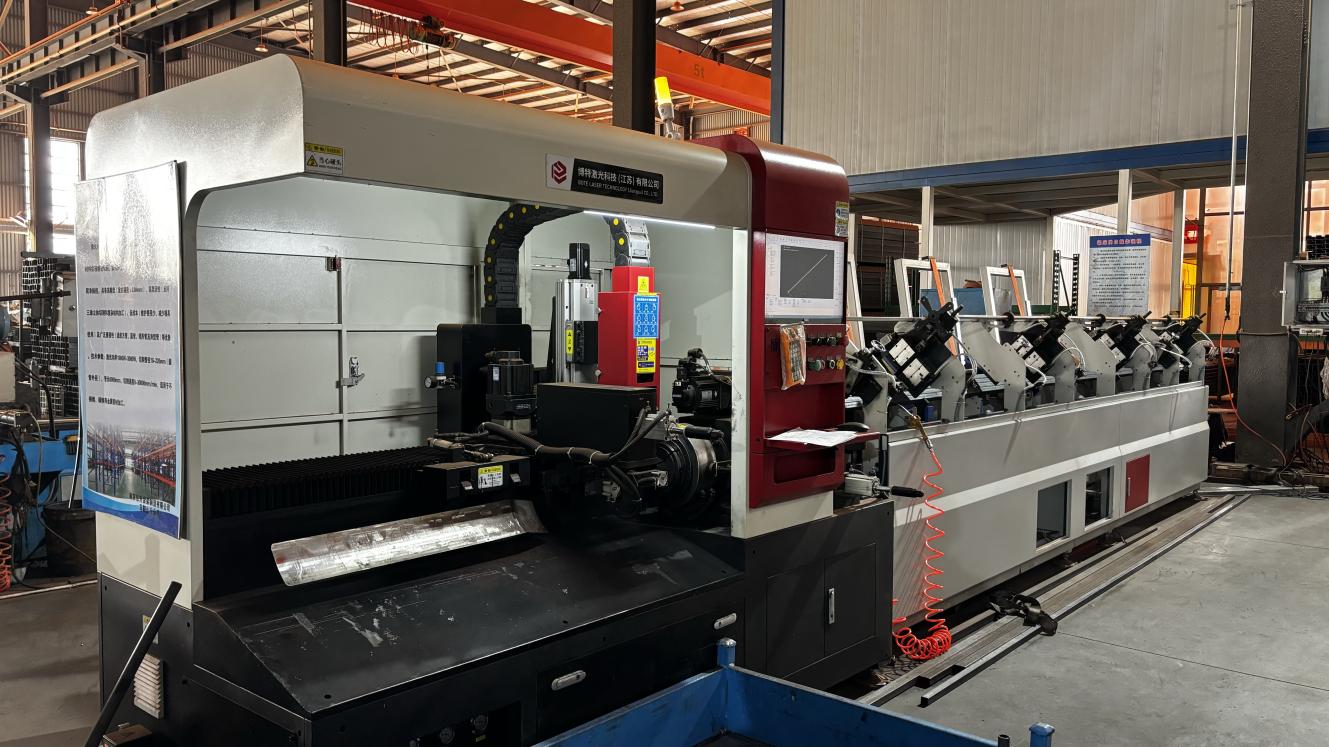
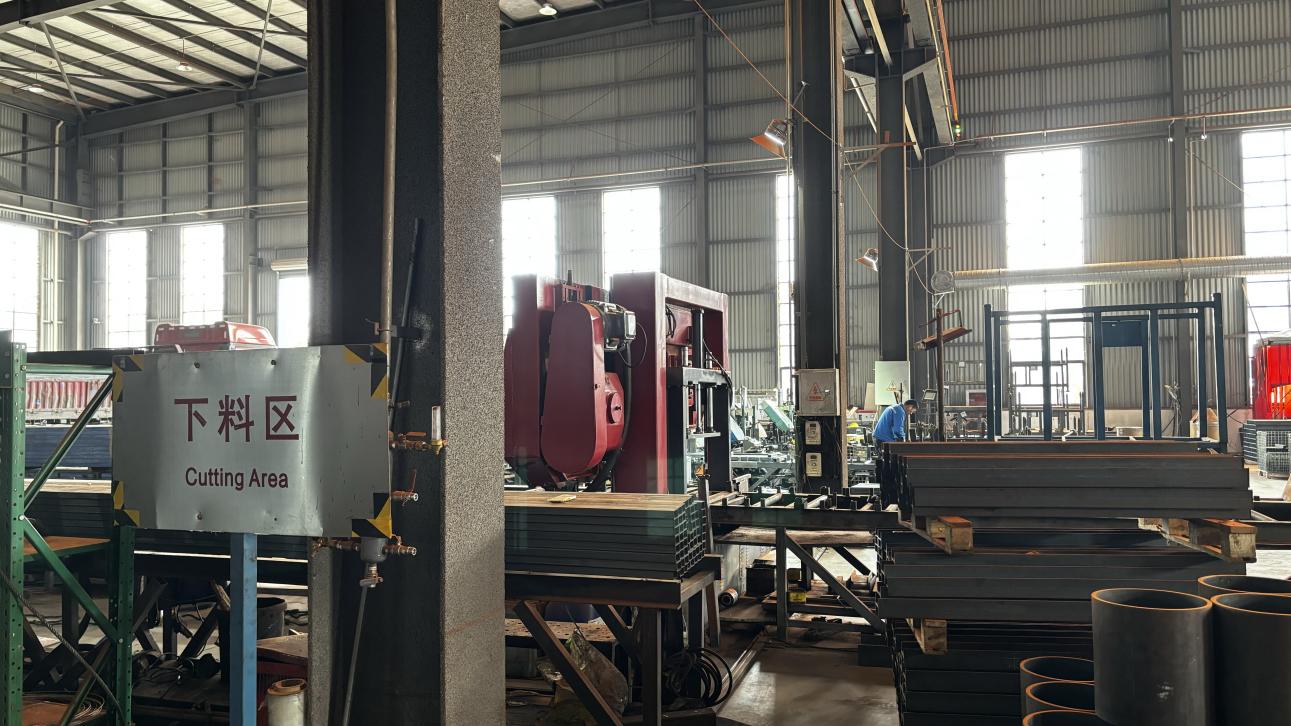
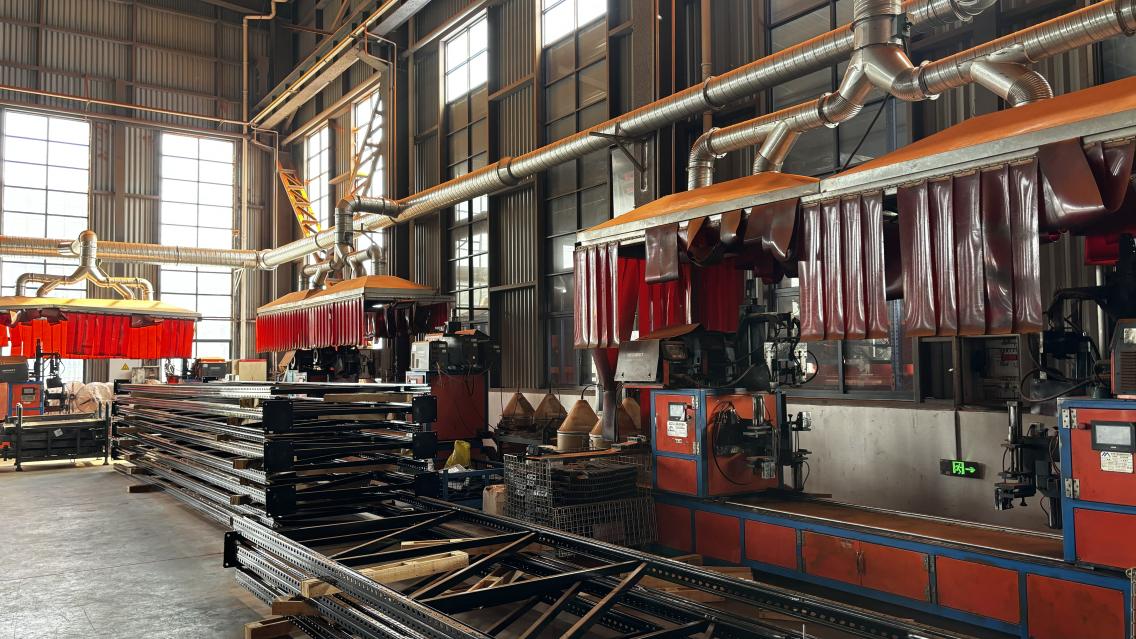
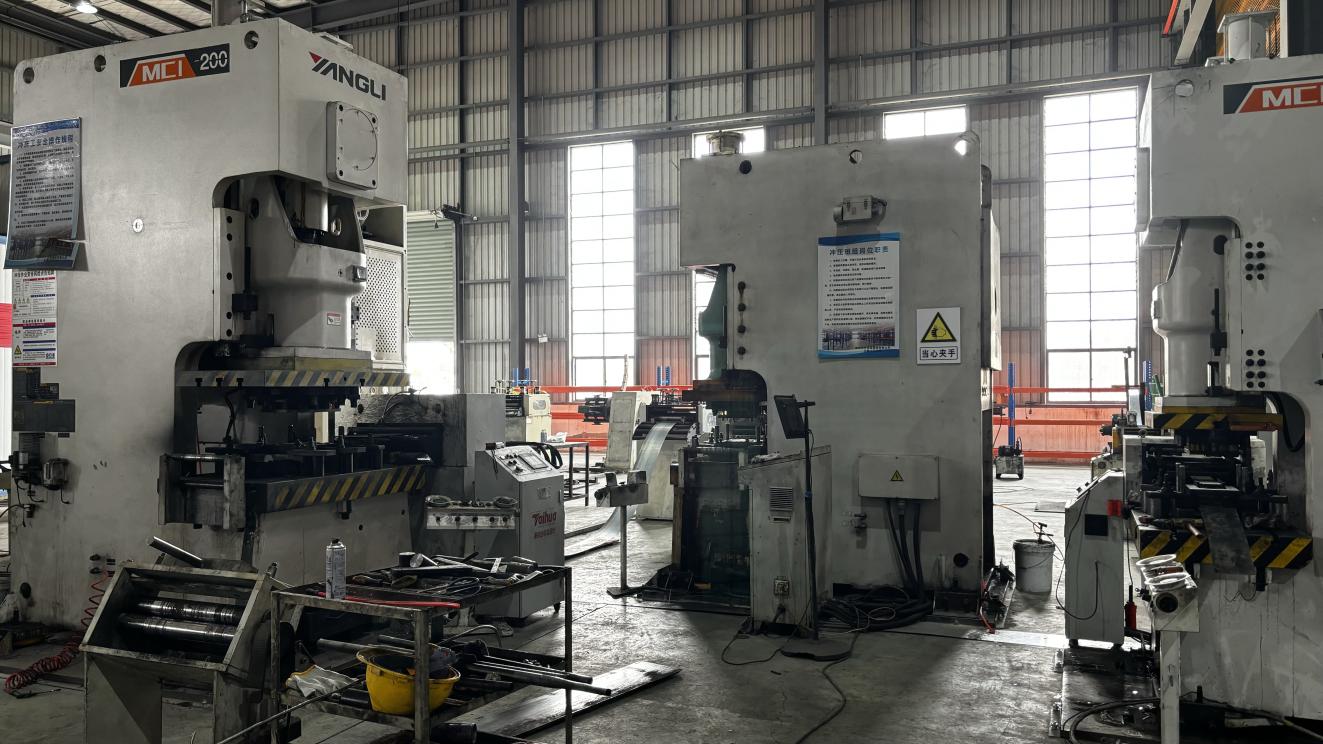
Addressing structural differences and application strategies for retail, warehousing, and logistics centers worldwide.
Procuring storage and display systems requires adapting to regional retail layouts, load demands, and local building codes. A standard layout used by a North American supermarket chain may not suit a European city-center grocery store or a high-density, automated micro-fulfillment hub in Asia.
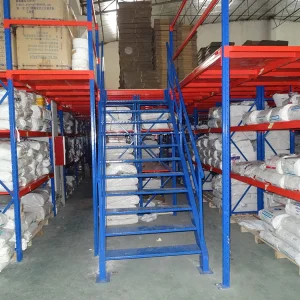
In North America, supermarket configurations often use large, high-capacity single-sided and double-sided gondola units. These units must be compatible with standard pegboards and wire basket accessories. Safety features are highly prioritized, with retailers requiring structural certification that complies with local seismic zone regulations, such as those defined by the International Building Code (IBC). In these stores, integrated interstitial staging (combining retail display shelves with heavy-duty storage racks above) is increasingly common. This approach allows stores to keep extra inventory right on the sales floor, reducing backroom space requirements and speeding up inventory replenishment.
In European markets, the focus is on space efficiency, clean aesthetics, and environmental sustainability. Stores rely on narrow-aisle displays and modular wood-metal combinations that create an organized, inviting environment. Retailers prefer solvent-free powder coatings and sustainably sourced wooden veneer components. The shelving must also comply with European standards like EN 15635, which regulates the operation and maintenance of steel storage equipment.
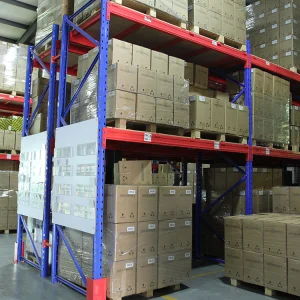
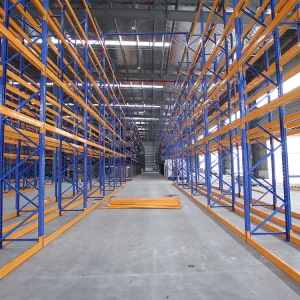
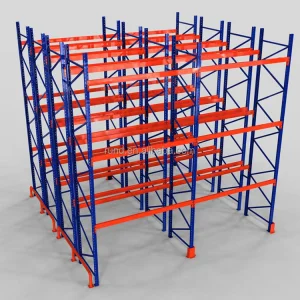
Beyond the customer-facing retail area, supermarket operators, third-party logistics (3PL) providers, and fulfillment centers rely on heavy-duty industrial racking. These systems must support heavy loads, ranging from 1,000 kg to 3,000 kg per pallet level. In modern operations, these racks are increasingly integrated with Automated Storage and Retrieval Systems (ASRS). This integration requires precise fabrication tolerances to ensure that automated shuttles and cranes can move smoothly throughout the storage grid.
Expert insights on load capacities, material engineering, seismic compliance, and custom design processes.
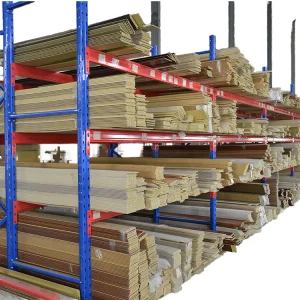
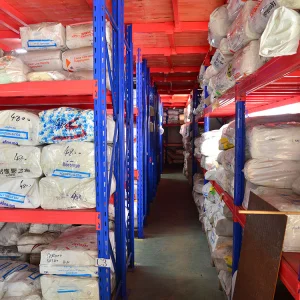
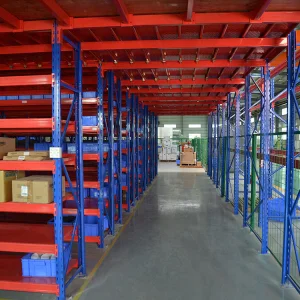
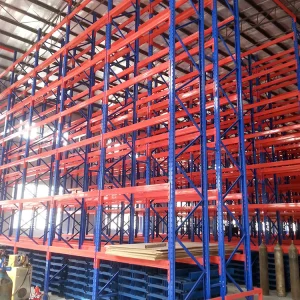
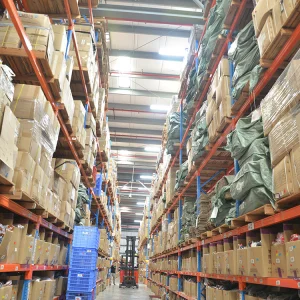
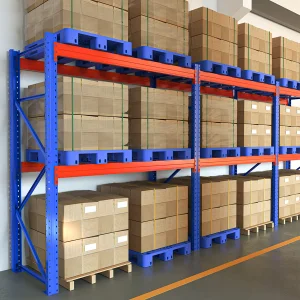
High-load warehouse racking configurations engineered for industrial distribution centers, pallet storage, and heavy-duty logistics.
 FlexiRack