Engineered Solutions for Optimized Shelf Space Utilization and Automated Inventory Delivery
Factory Footprint
Annual Export Value
R&D Specialist Team
Global Supply Chain
The retail industry is undergoing a structural paradigm shift. The integration of offline experiences with unified commerce backbones requires retail and warehouse environments to optimize every square millimeter of surface area. In the context of global logistics and intralogistics supply chains, the category of "supermarket accessories" has evolved from simple merchandising hardware to mission-critical operational components. Modern display systems, high-density shelves, automated pushers, and heavy-duty storage racks are now active players in improving stock velocity, minimizing footprint, and reducing carbon intensity.
Key structural transformations driving current global procurement choices include the implementation of intelligent merchandising mechanics, circular economy materials, and high-performance cold-rolled structural steel formulations. Globally, Tier-1 retail chains and major industrial logistics hubs are aiming to maximize their warehouse-to-store flow efficiencies. This transition demands equipment that has been optimized using Finite Element Analysis (FEA) to handle dynamic loading demands while conforming to carbon neutrality compliance metrics required by EU and North American regulations.
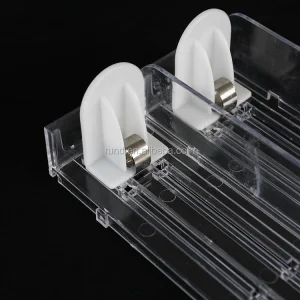
Automated shelf-management elements, such as spring-loaded and gravity-driven pusher systems (e.g., automated PVC/PC cigarette box pushers and division channels), are no longer restricted to high-theft or premium categories. These components solve a fundamental operational challenge: labor shortage and store maintenance cost optimization. A self-facing shelf keeps products positioned at the shelf edge, creating a perceived plenitude and ensuring planogram compliance without manual intervention. By deploying high-durability polymer resins (PC/PP) and low-friction tracks, supermarkets achieve up to an 8% lift in category sales alongside a 14% reduction in staff maintenance hours.
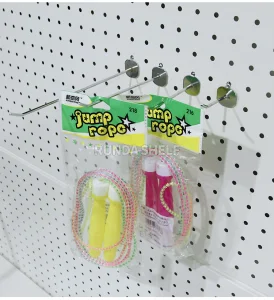
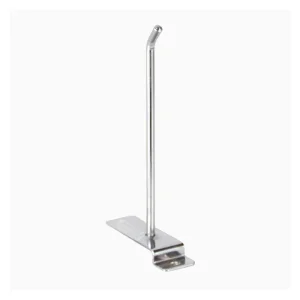
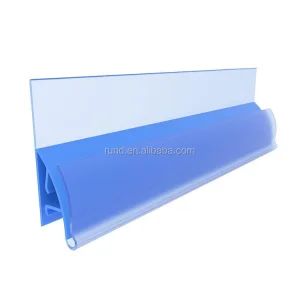
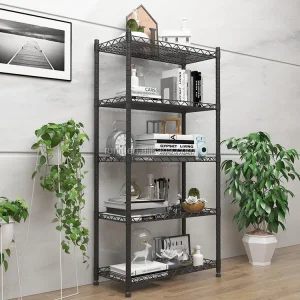
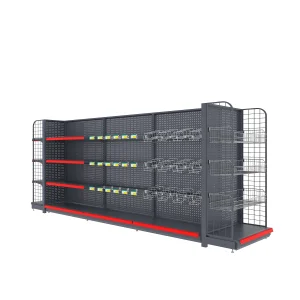
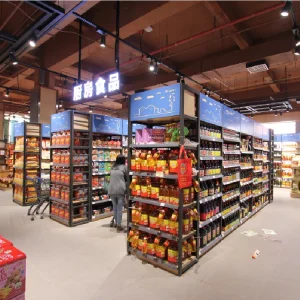
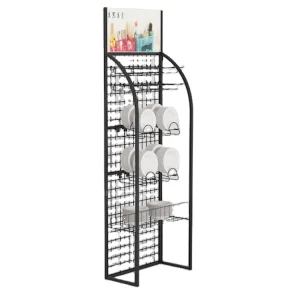
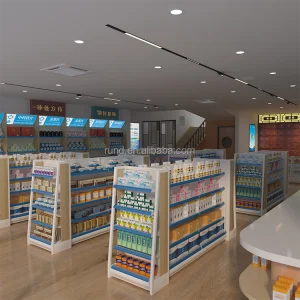
By designing modular display systems that utilize common accessory hooks, adjustable wire shelving units, and interchangeable price tag strips, supermarket brands can transition from rigid shelf matrices to highly dynamic, seasonal configurations without buying new racking hardware. High-density, double-sided snack shop racks and heavy-duty wire shelves form the structural foundation of high-density retail zones.
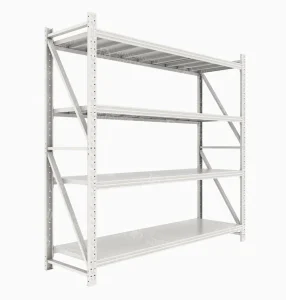
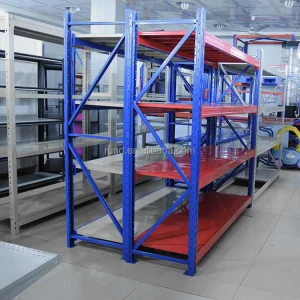
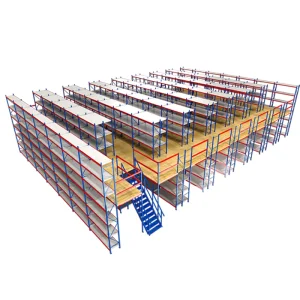
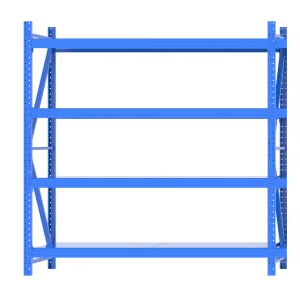
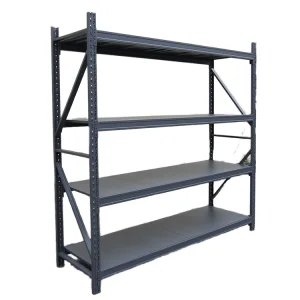
For industrial display storage, such as longspan steel industrial racks and mezzanine storage, durability is non-negotiable. Environmental deterioration and dynamic structural strain represent critical safety concerns. Foshan FlexiRack relies on premium grades of cold-rolled structural steel that undergo multi-stage physical cleaning (including intensive shot blasting) and automated electrostatic powder coating. This prevents oxidation and corrosion, even when racks are exposed to humid grocery environments, cold-storage facilities, or open warehouse conditions.
Advanced Robotics, Automated Paint Lines, and Precision Cold-Rolling Equipment
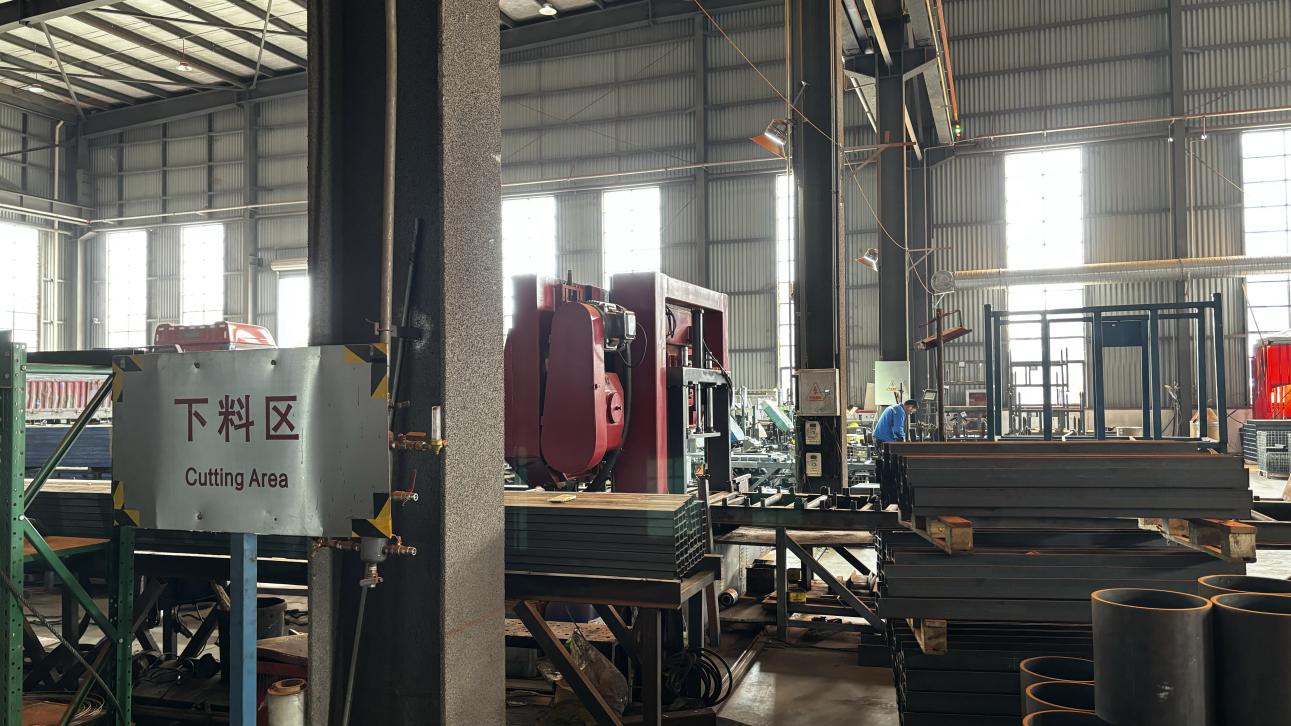
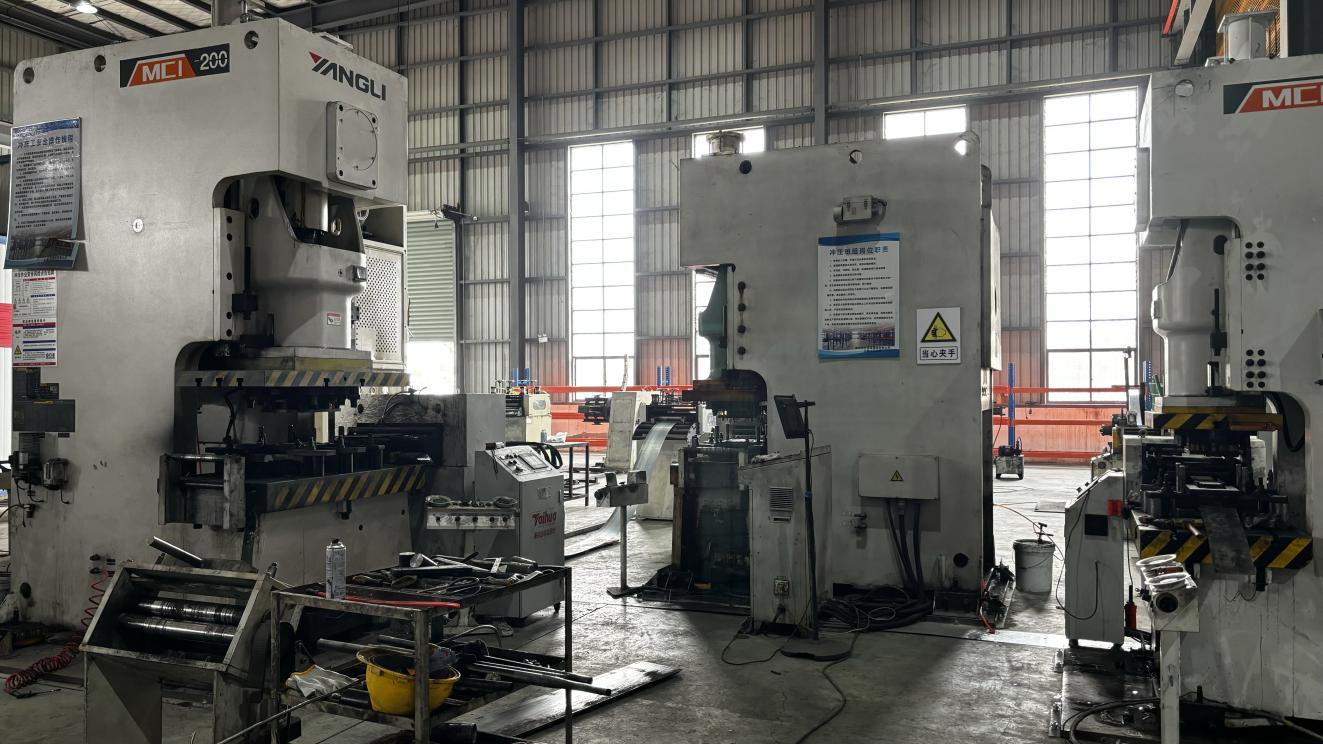
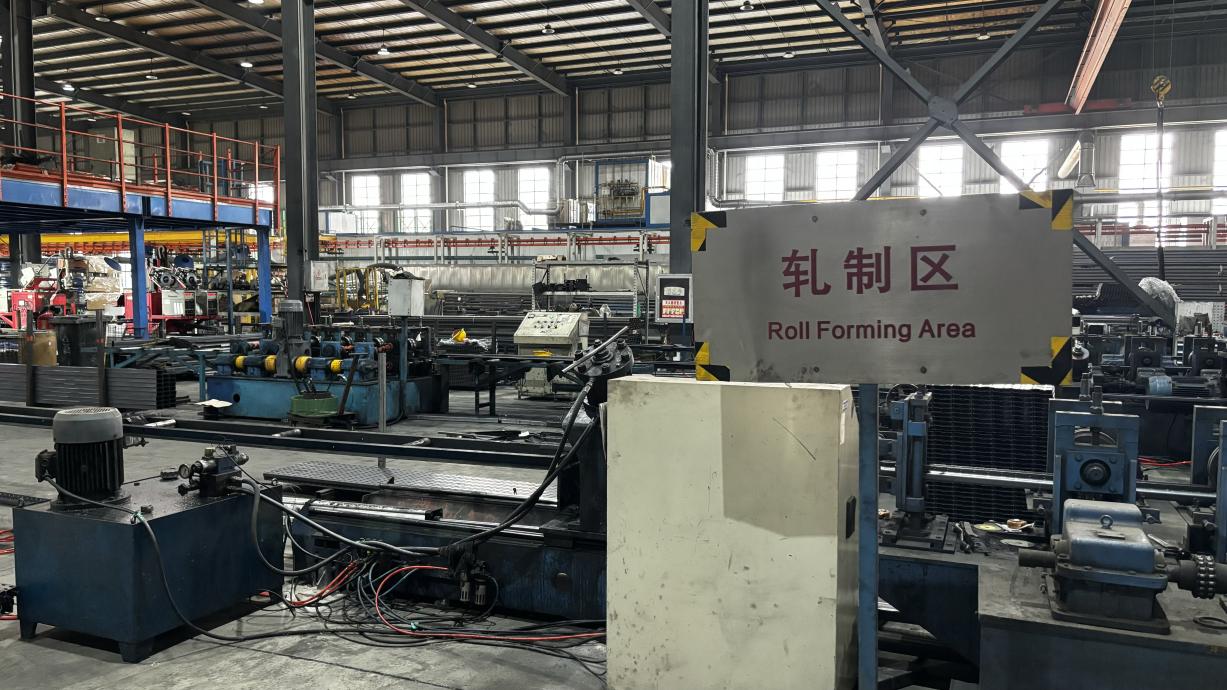
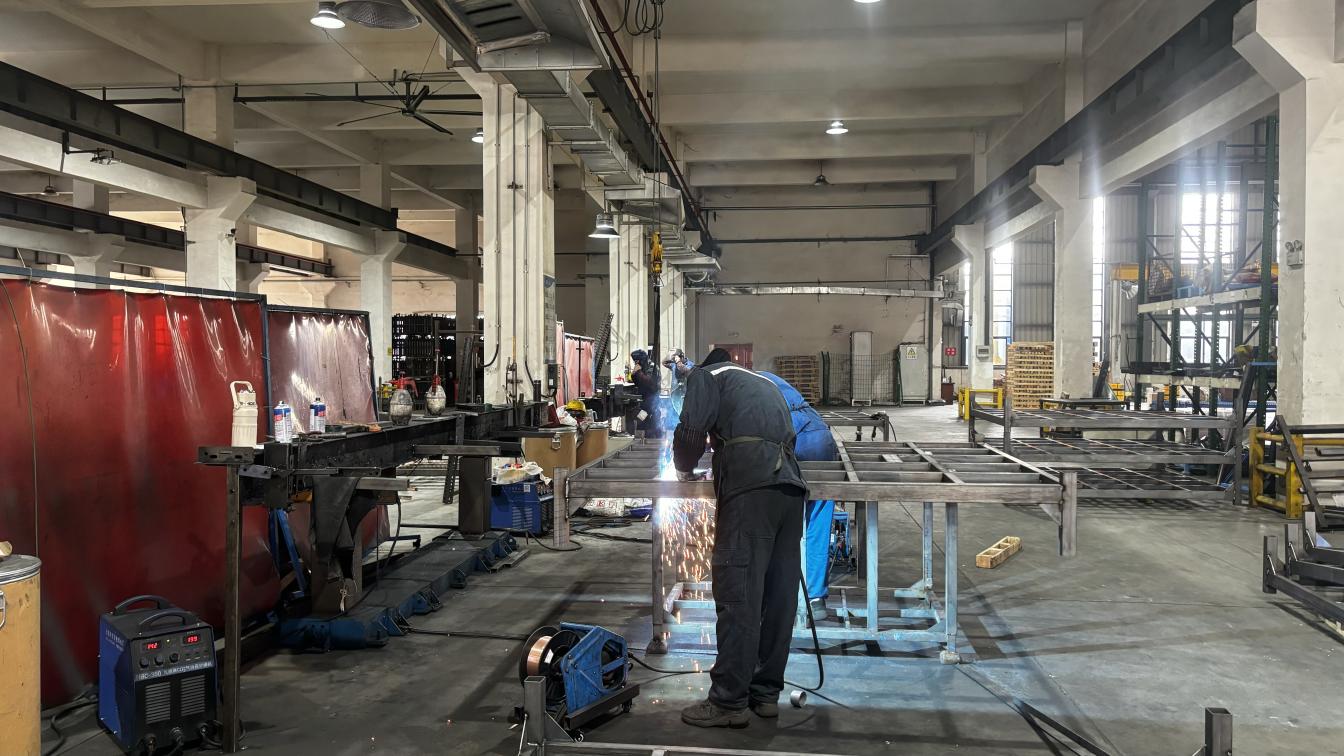
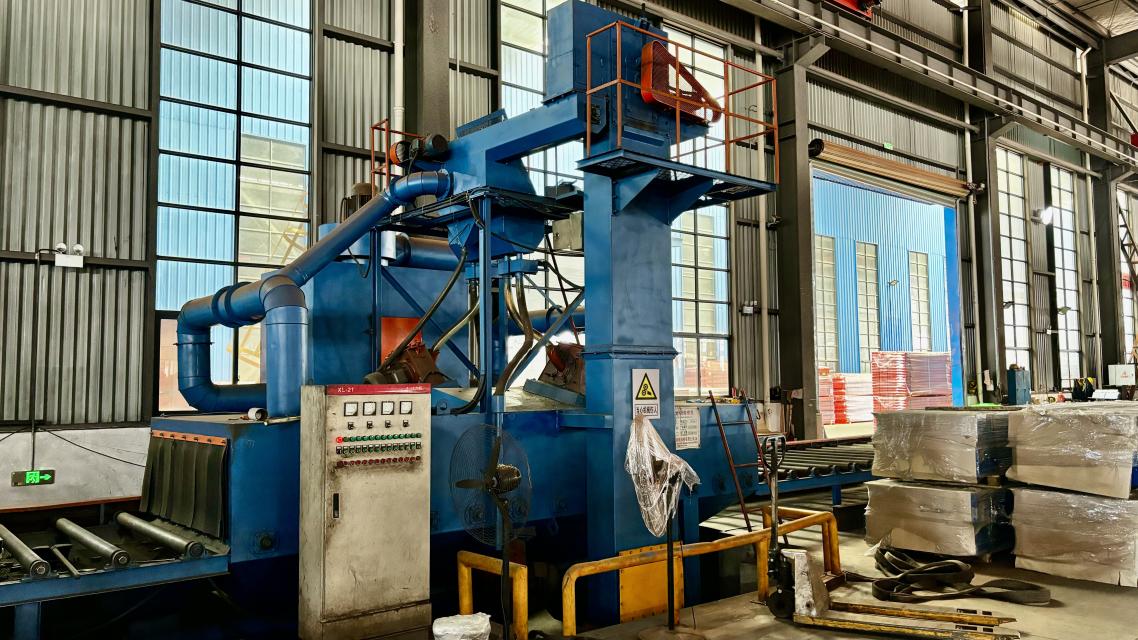
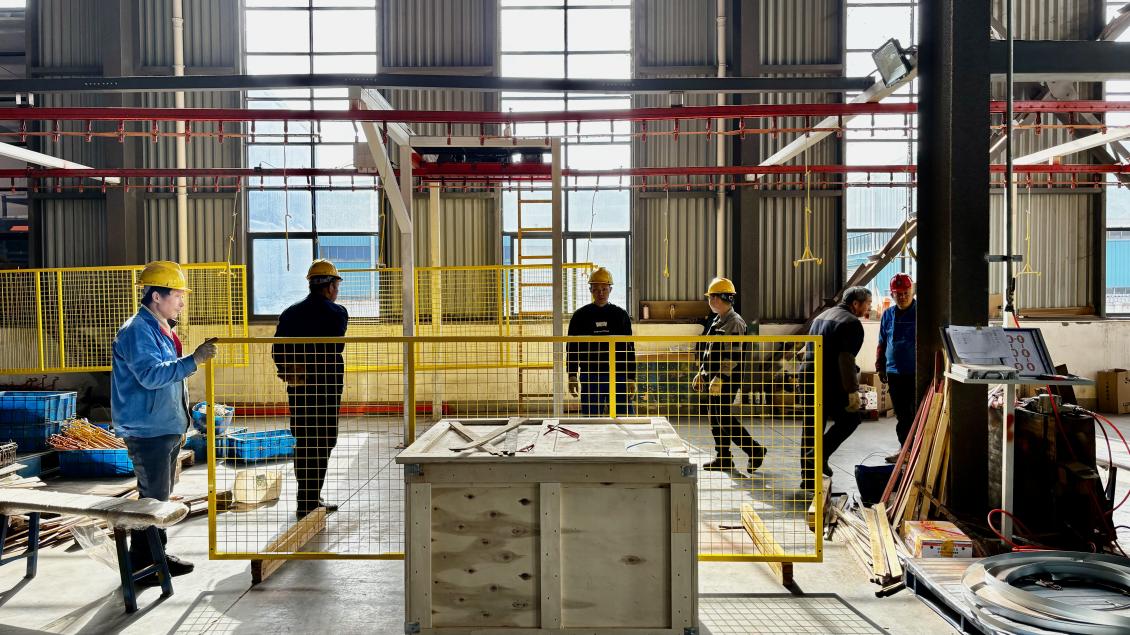
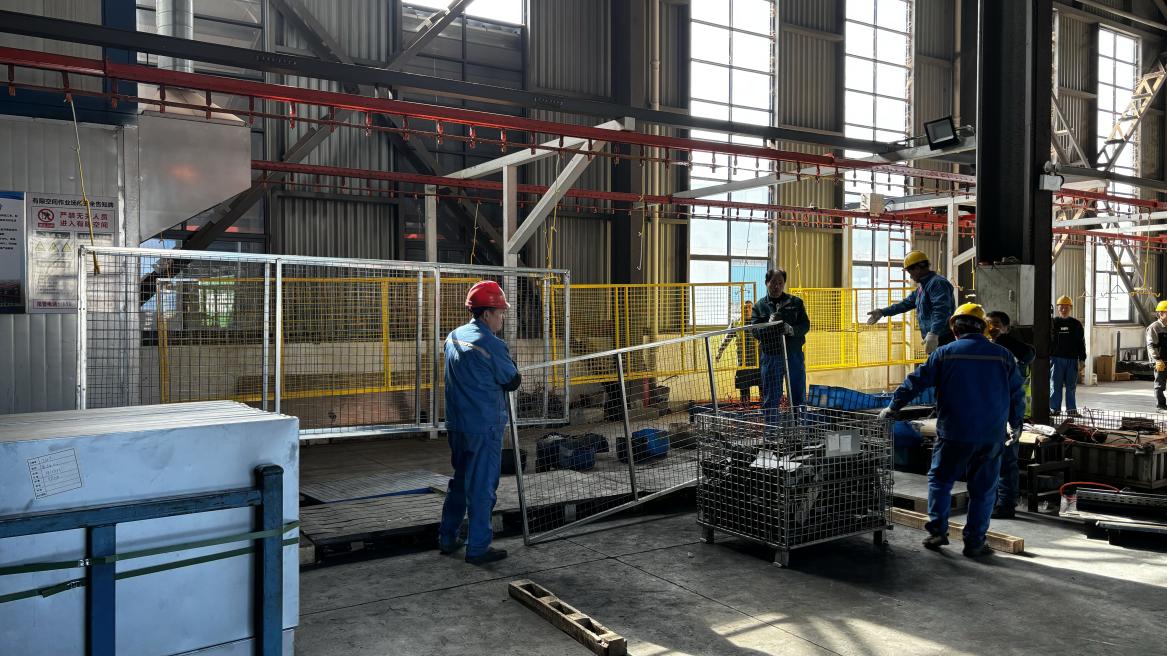
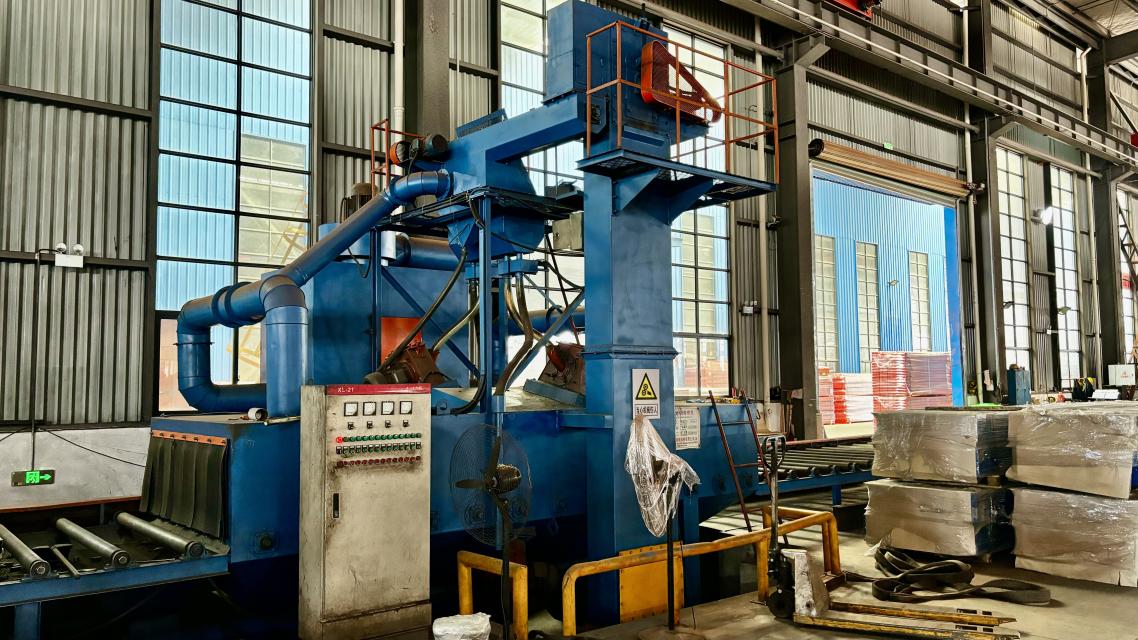
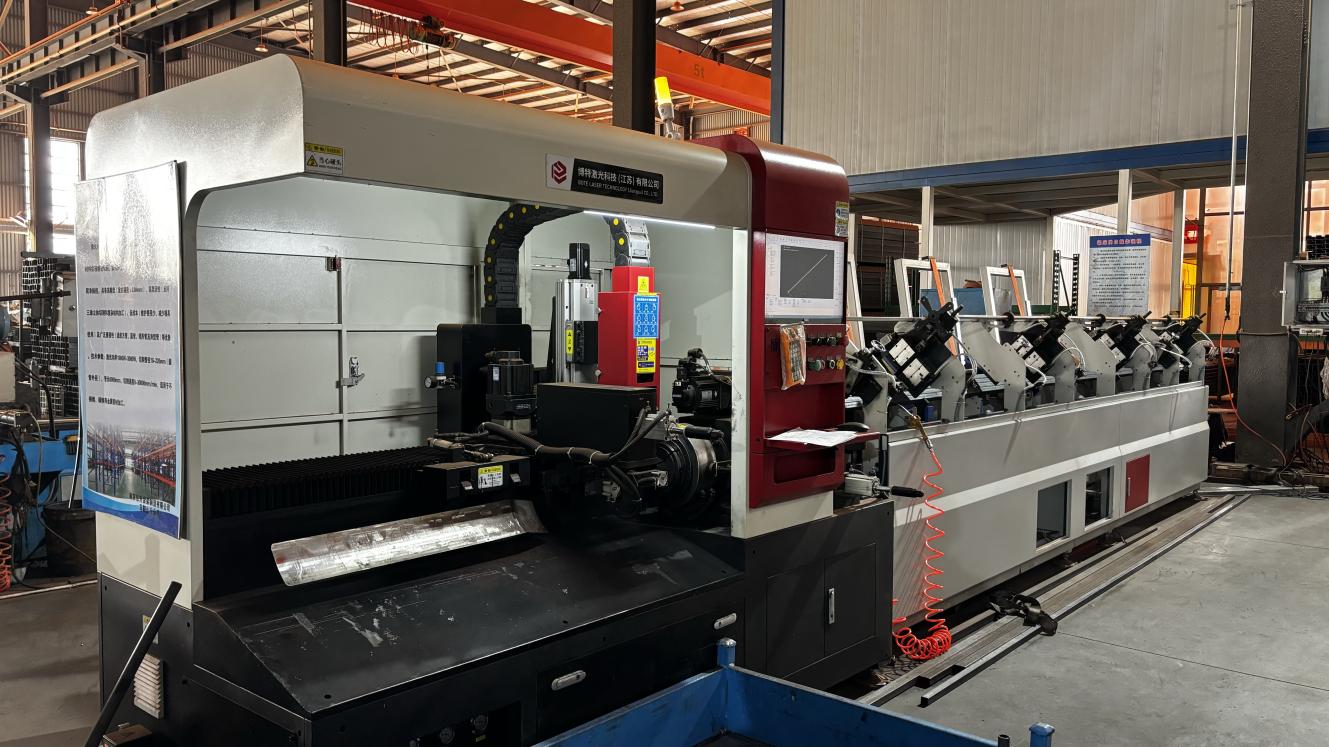
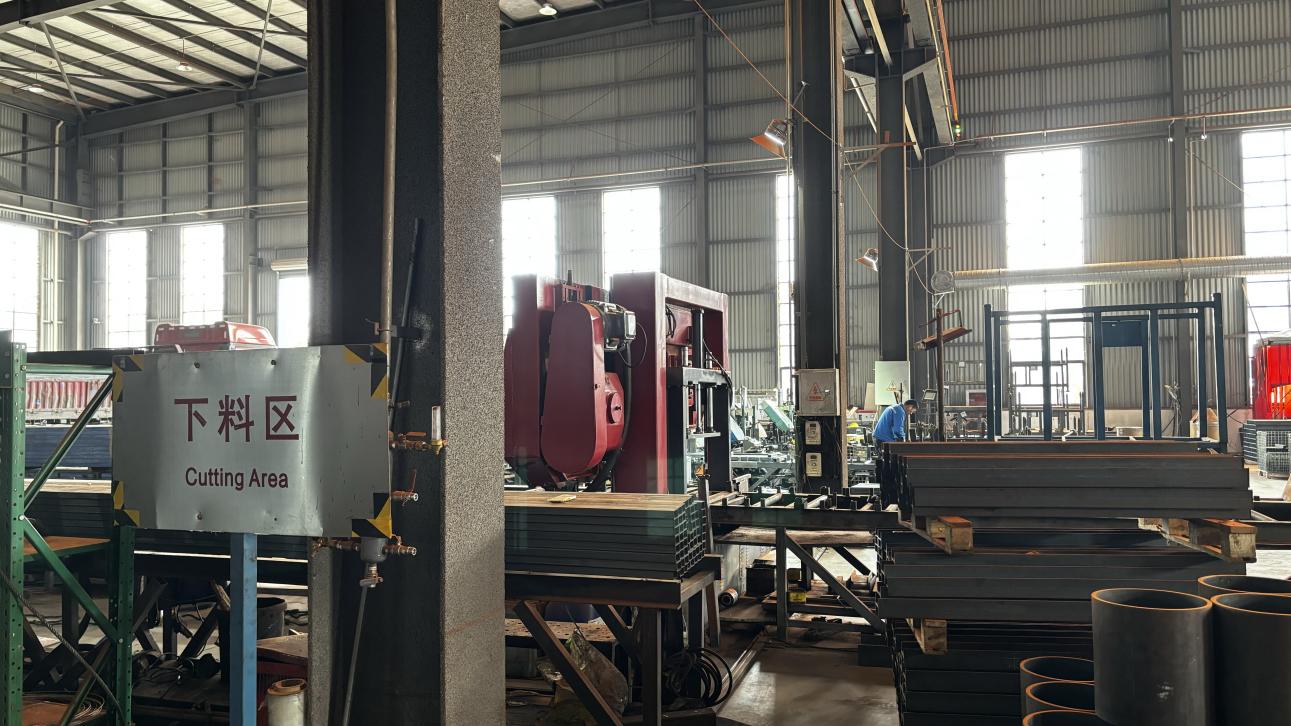
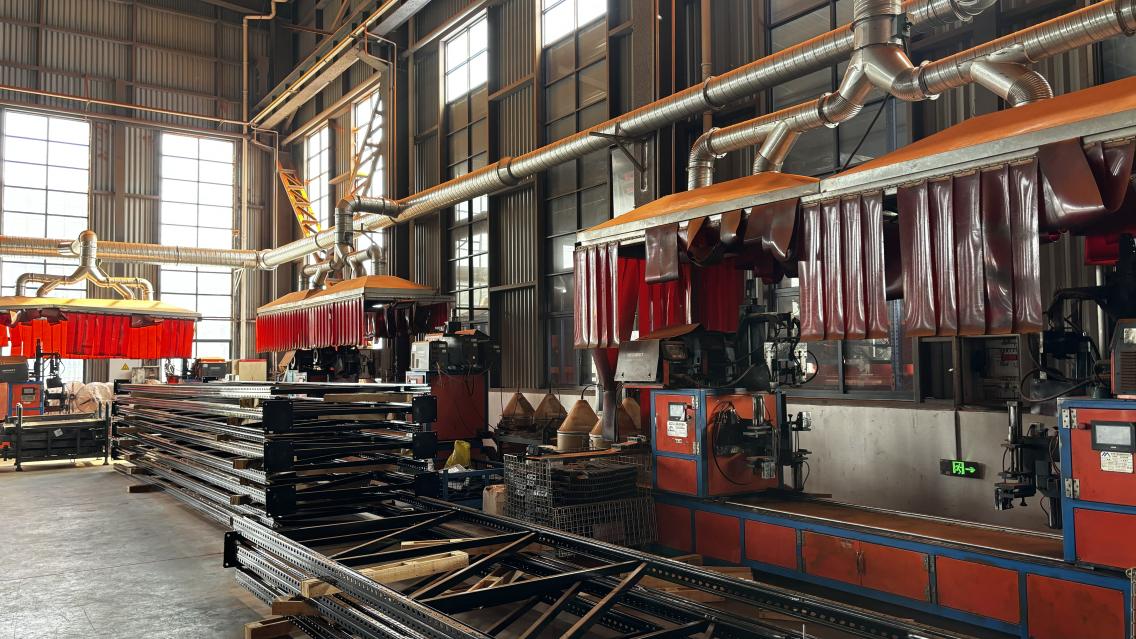
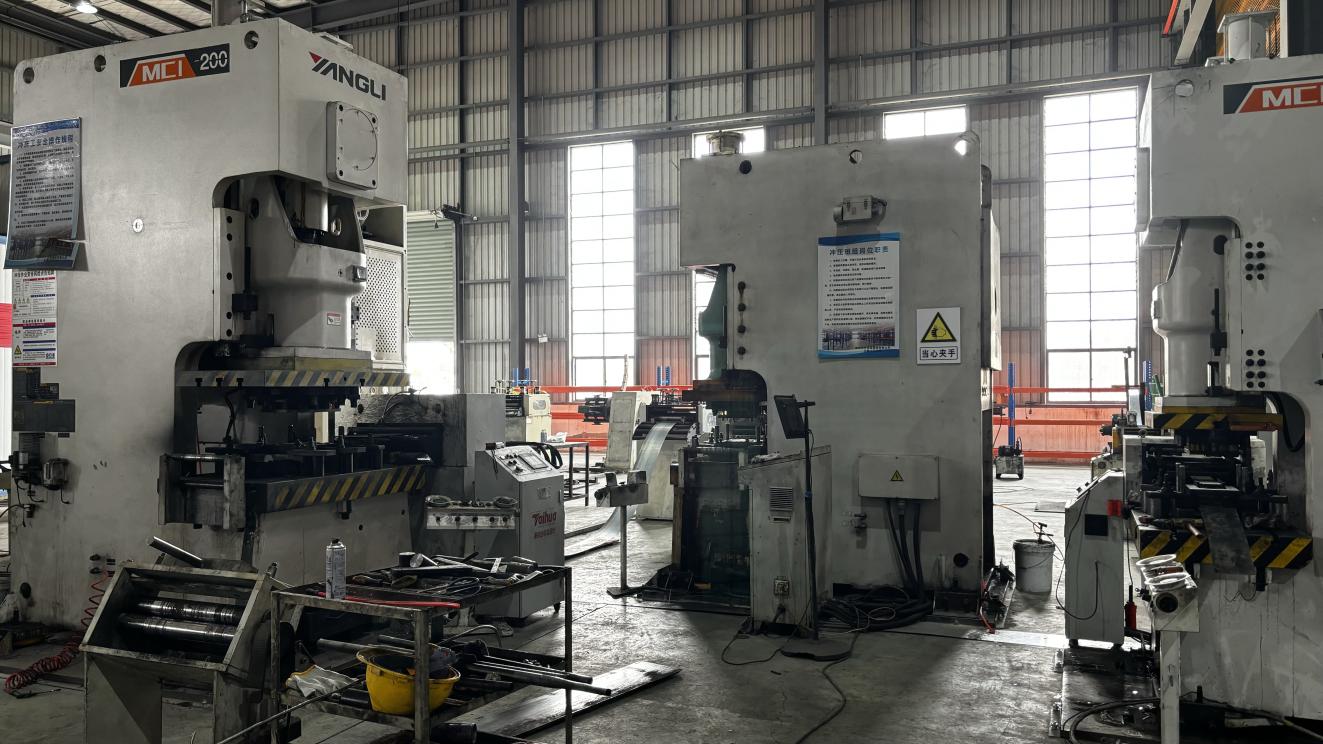
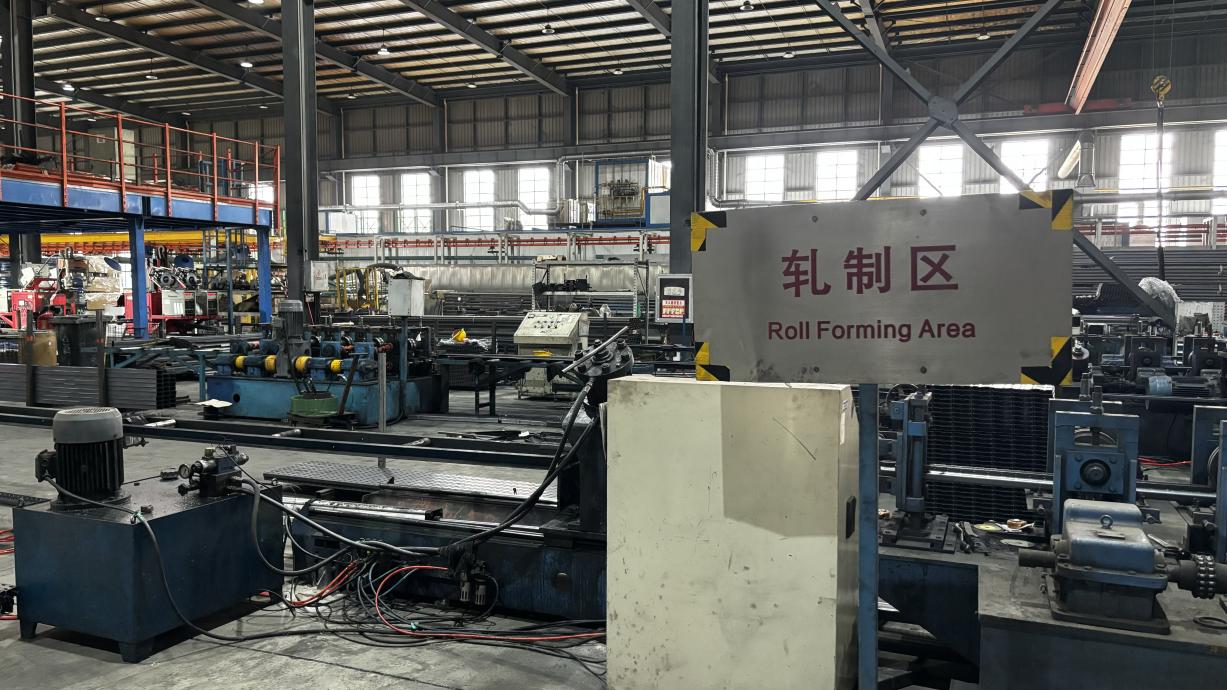
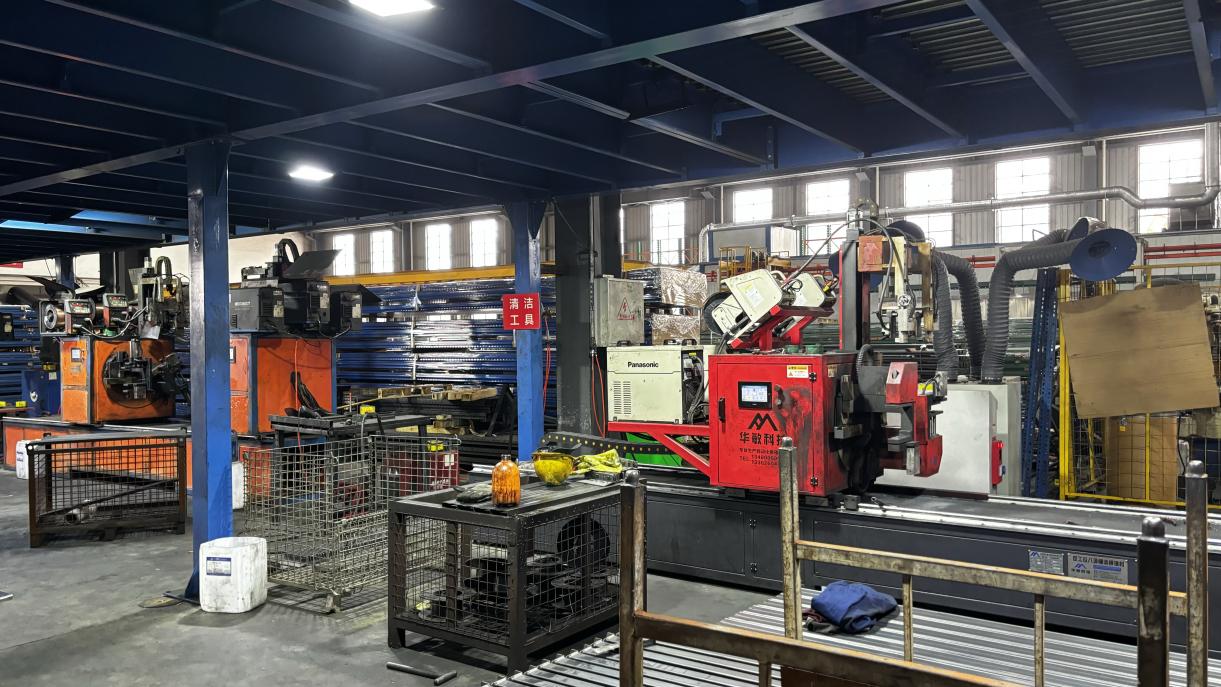
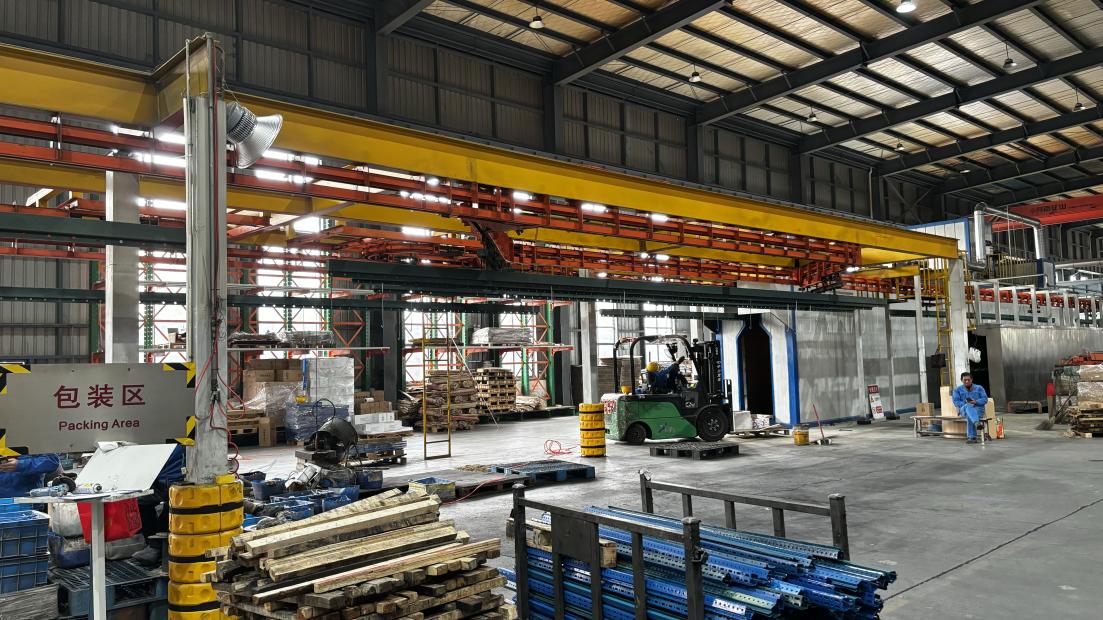
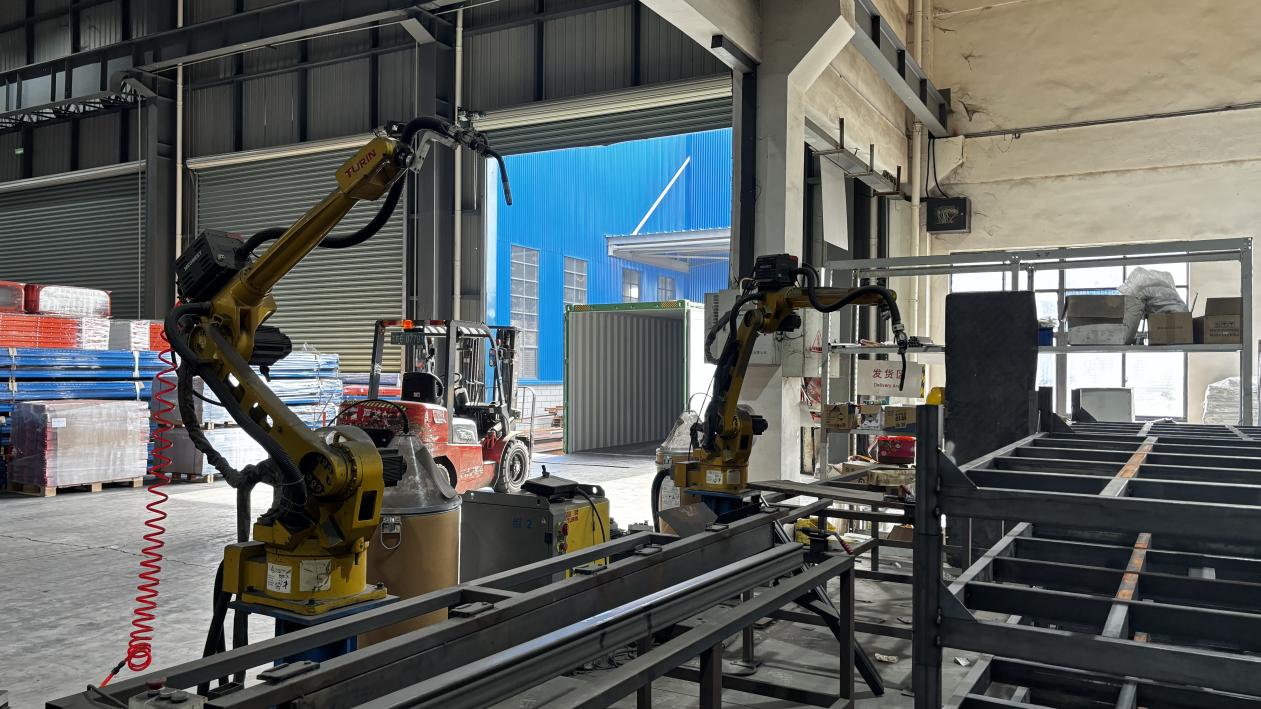
Founded in 2014, Foshan FlexiRack Intelligent Logistics Equipment Co., Ltd. operates a state-of-the-art manufacturing facility spanning 32,000 m². With 12 years of industry experience and 8 years of dedicated export experience, the company achieves an annual export revenue of $18 million. Quality is paramount, backed by ISO9001 and CE certifications, utilizing rigorous ultrasonic flaw detection and dynamic load testing conducted by a dedicated QA team of 35 specialists. Operating as an OEM/ODM export manufacturer, our primary markets cover North America, Europe, and Southeast Asia. We maintain strong ties with over 850 supply chain partners, primarily serving third-party logistics (3PL) providers, industrial distribution centers, and e-commerce fulfillment hubs. Supported by 45 R&D engineers, we offer full-spectrum custom engineering (including custom load capacities, seismic designs, and automated ASRS integration), having launched 120 new storage solutions last year.
Our precision engineering utilizes automated workflows. Structural integrity begins during the Blanking and Punching stages, where precision dies establish structural mounting points on cold-rolled steel channels. The Rolling Line and Punch Press shape the upright columns, keeping structural straightness within tight limits.
Welding is executed through manual expert welding and multi-axis Robot Welding Machines, guaranteeing continuous weld penetration and high joint reliability. Post-fabrication, products go through Shot Blasting to remove surface impurities, mill scale, and rust. This creates the optimal surface profile for the Large-Scale Spray Painting Line. We use a thermosetting polyester powder coating to produce a protective, scratch-resistant barrier that withstands continuous mechanical stress in busy commercial and industrial environments.
Procurement teams at major supermarkets and supply chain operators evaluate display systems based on total cost of ownership (TCO) and structural safety. Key parameters include:
Foshan FlexiRack's technical development focusses on three major vectors:
First, Smart Sensor Integration: Embedding IoT chips and weight sensors directly into heavy-duty wire shelves and display frames. This connects inventory levels to central ERPs, enabling real-time replenishment signals.
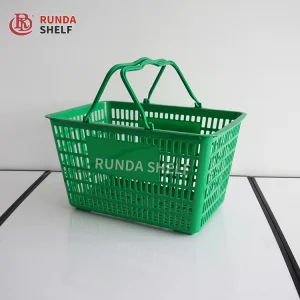
Second, Next-Generation Powder Formulations: Transitioning our coating processes to lower-curing powders. This reduces manufacturing energy consumption and introduces antimicrobial additives, providing cleaner contact points for customer-facing display racks and shopping baskets.
Third, High-Tensile Thin-Wall Profiling: Advancing our cold-rolled processes to shape high-yield, thin-wall profiles. This offers the same or higher weight capacities with reduced deadweight, reducing logistics costs and simplifying onsite installation.
Answering Key Questions on Material Specifications, Load Performance, and Safety Standards
Commercial-Grade Hardware for Retail Front-of-House and Industrial Back-of-House Management
 FlexiRack