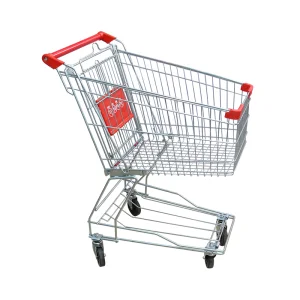
Discover our flagship supermarket shopping trolleys and premium retail assets optimized for mobility, load stability, and space efficiency.
In the hyper-competitive global retail landscape, the efficiency of checkout and retail asset fleet operations is a crucial contributor to bottom-line profitability and customer retention. Shopping carts, far from being simple mechanical receptacles, represent the critical touchpoint of customer physical interactions. As supermarkets transition to experiential and hybrid retail environments, the demand for highly engineered, ergonomic, and durable retail carts has reached unprecedented levels.
Industrial distribution networks, hypermarkets, and warehouse clubs demand shopping trolleys that offer high volume capacity, dynamic load-bearing integrity, and minimal maintenance overhead. The global market is shifting from cheap, commoditized steel cages to optimized steel-plastic hybrids and advanced composite designs. These modern fleets mitigate retail shrinkage via integrated security systems (such as mechanical and smart coin-locks) while providing smooth maneuvering over uneven surfaces via specialized heavy-duty caster sets.
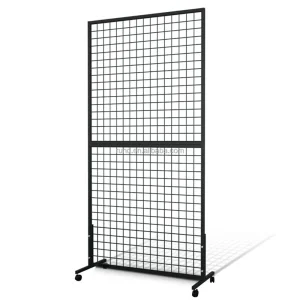
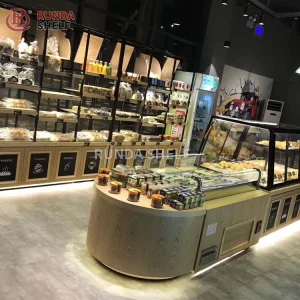
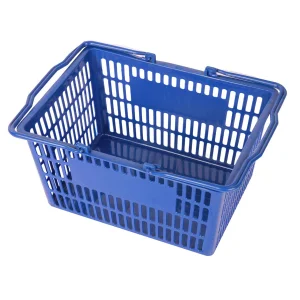
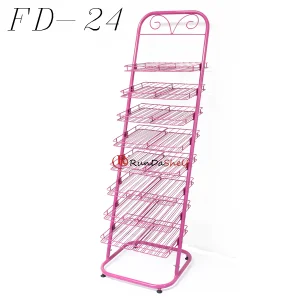
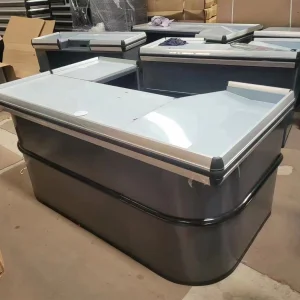
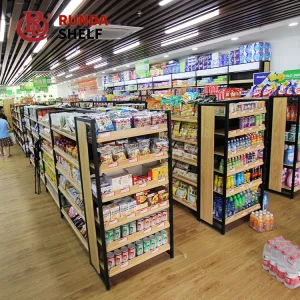
Modern supermarket setups require deep integration between physical shopping trolleys and downstream store systems. From checkout lanes that feature automatic pushers for compact inventory to heavy-duty display stand setups that handle high-volume goods, every touchpoint must align. Incorporating advanced security accessories, customized basket colors, and tailored load capacities ensures store brands can deliver seamless customer journeys from the entrance gates to the motorized checkout counters.
To address the diverse needs of different retail landscapes, supermarket shopping trolleys must be engineered to specific mechanical and localized constraints. The physics of cart construction depends heavily on materials science, balancing tensile strength with flexible design choices.
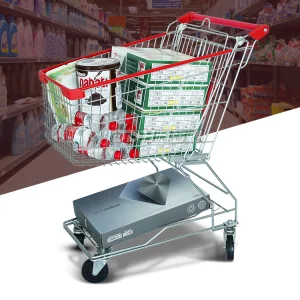
North America & Large-Format Club Stores: In markets dominated by big-box membership warehouses, carts require massive capacities (180L to 250L) and robust, double-welded steel bases. Heavy dynamic loads demand high-grade polyurethane (PU) wheels with dust caps and robust chassis configurations to prevent structural deformation.
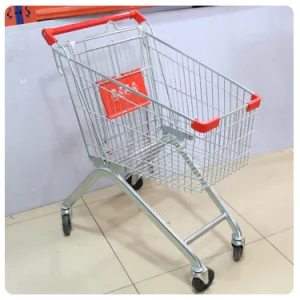
European Hypermarkets & Flat-Travelator Escalators: European retail structures prioritize high nesting density, space efficiency, and integration with flat-travelator escalators. Trolleys are equipped with specialized caster wheels that feature grooved guide pads and internal mechanical brakes. Furthermore, integrated coin-locks (zinc or reinforced plastic bodies) are standard to enforce neat nesting practices and minimize retrieval labor costs.
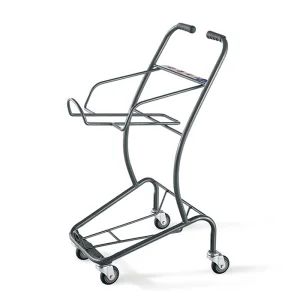
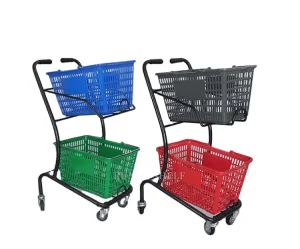
Southeast Asian & Asian Compact Supermarkets: Focused on narrow-aisle supermarkets and wet markets, these areas require dual-basket chassis options and lightweight materials. Hybrid designs utilizing PP (polypropylene) baskets and stainless steel or aluminum structures offer maximum rust prevention in high-humidity zones.
The retail industry's digital transformation is reshaping shopping trolley engineering. The modern technological roadmap focuses on three main developments:
Exploring the 32,000 m² state-of-the-art production facility of Foshan FlexiRack Intelligent Logistics Equipment Co., Ltd. (Founded in 2014)
Foshan FlexiRack Intelligent Logistics Equipment Co., Ltd. operates a highly automated production facility, delivering premium storage systems and supermarket accessories globally. Backed by 12 years of industry experience and 8 years of dedicated export experience, the company achieves an annual export revenue of $18 million. Underpinned by ISO9001 and CE certifications, quality control is maintained via ultrasonic flaw detection and dynamic load testing conducted by a dedicated QA team of 35 specialists.
Serving as a premier OEM/ODM manufacturer, FlexiRack exports primarily to North America, Europe, and Southeast Asia. We maintain strategic alliances with over 850 supply chain partners, supplying major third-party logistics (3PL) providers, industrial distribution hubs, and global e-commerce retail networks. Supported by 45 R&D engineers, we specialize in complex custom engineering—including customized load capacities, seismic layouts, and automated ASRS integration—launching 120 new storage systems last year alone.
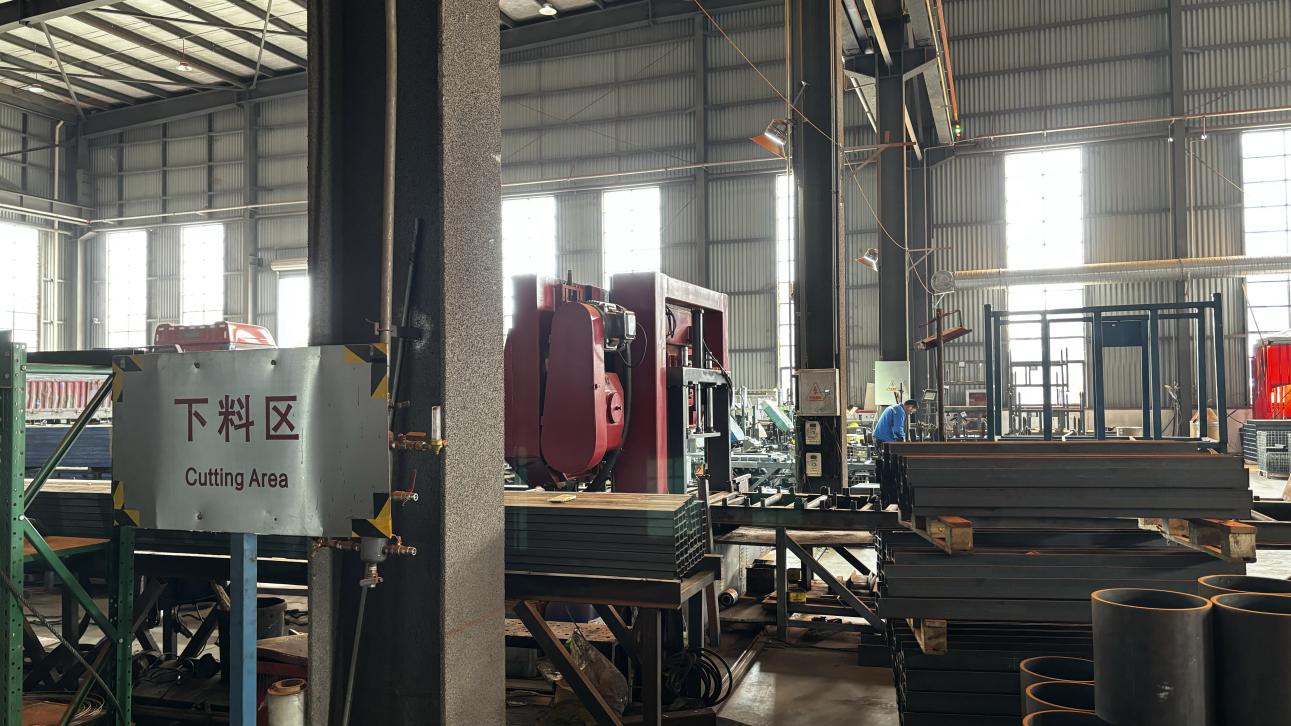
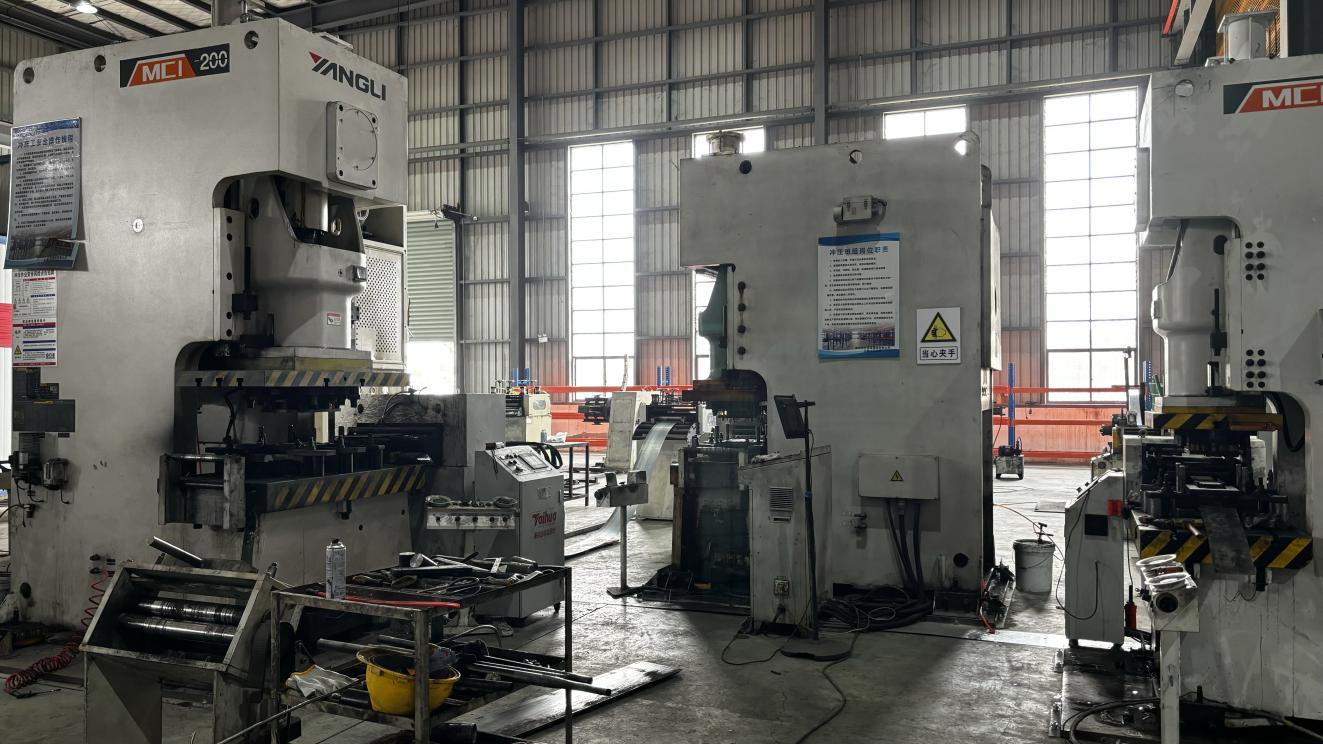
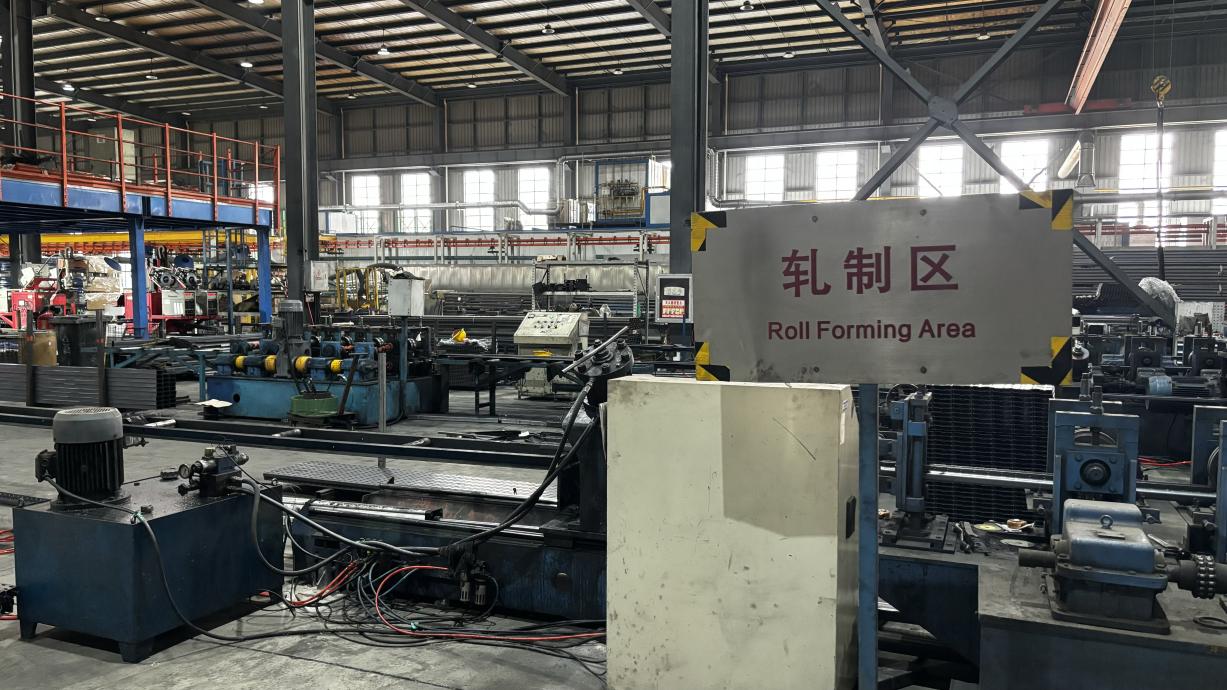
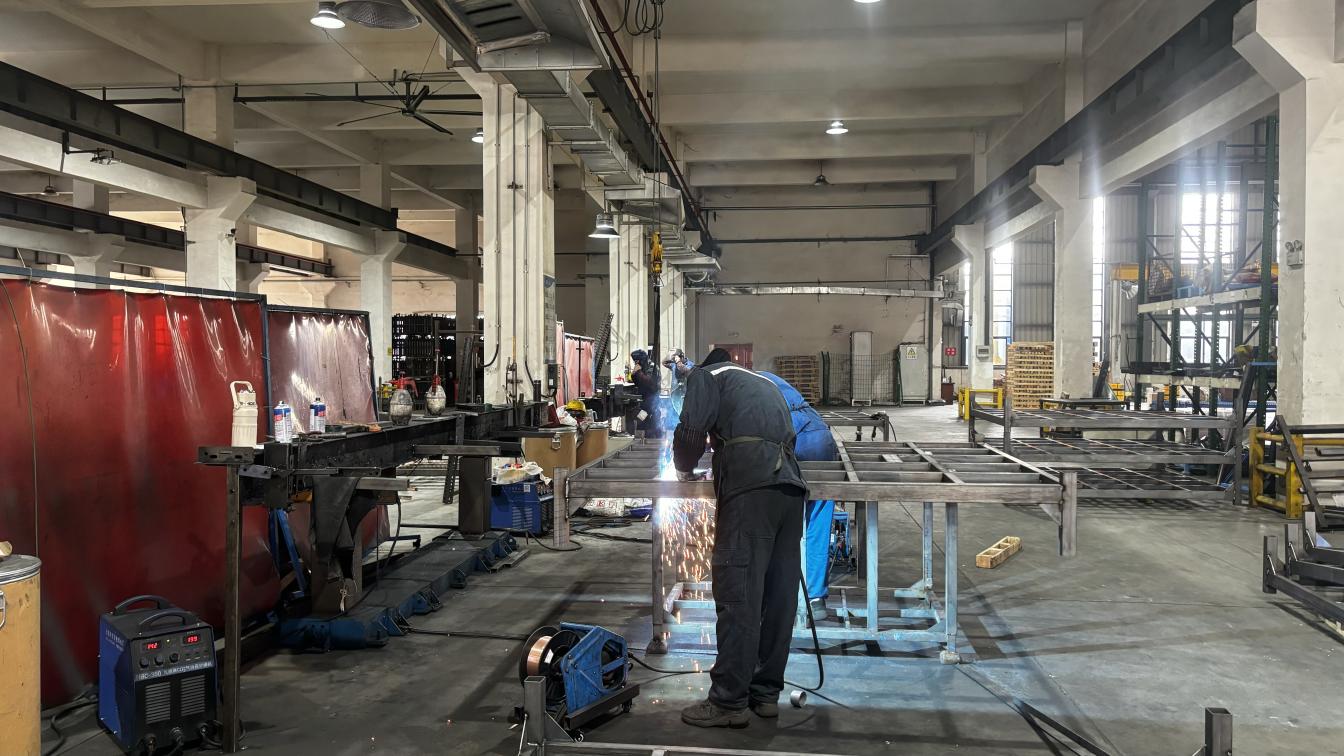
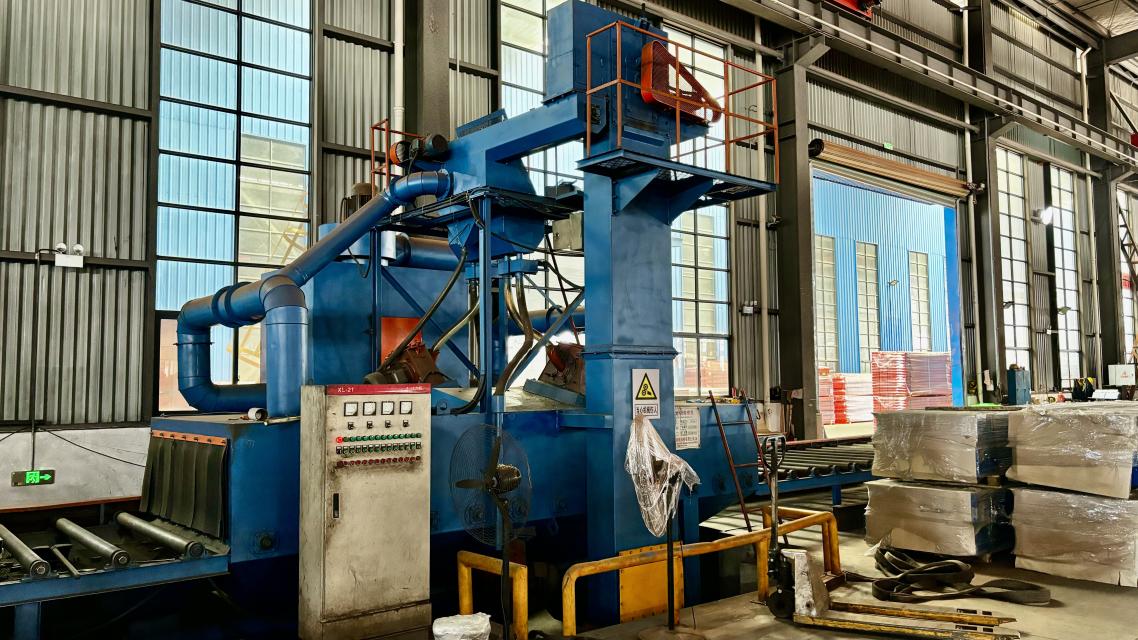
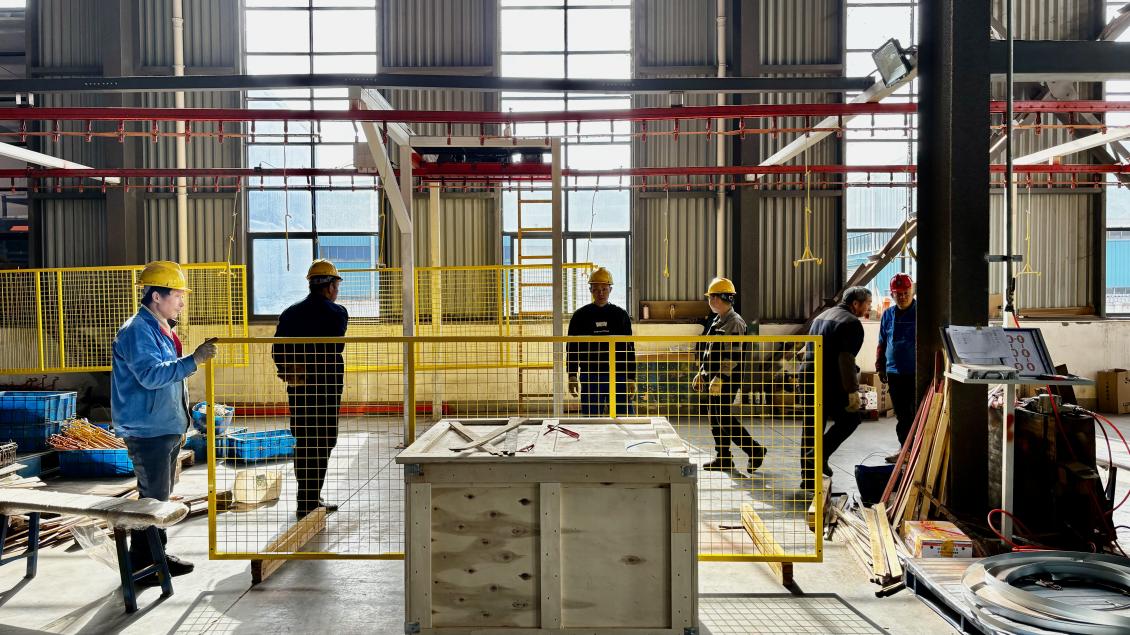
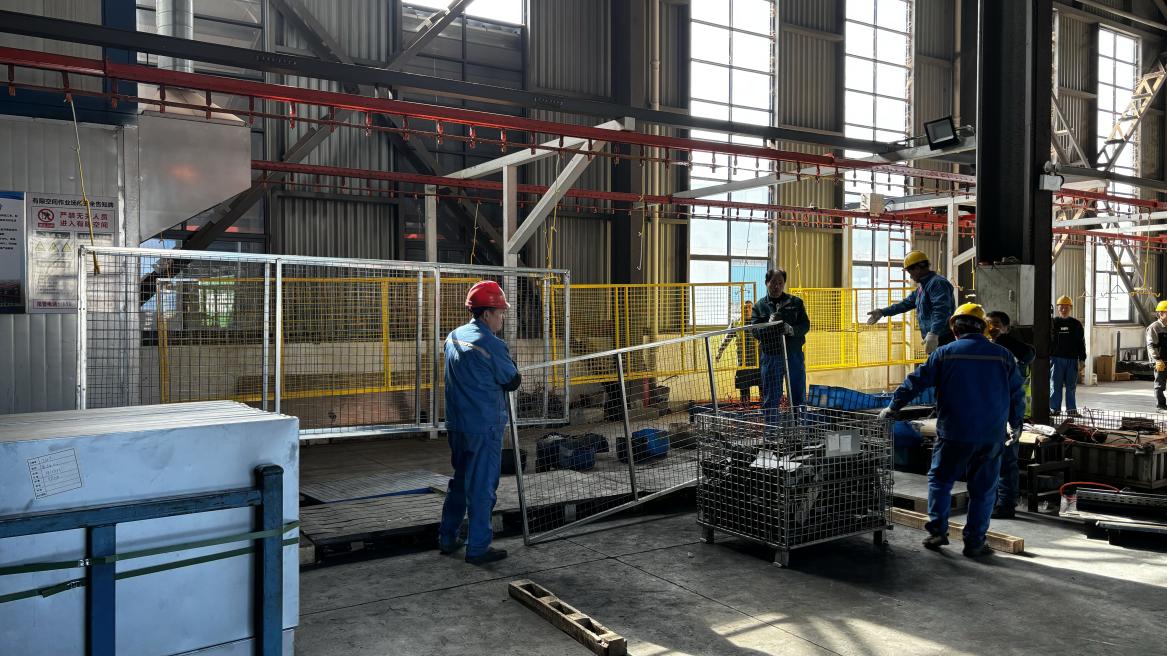
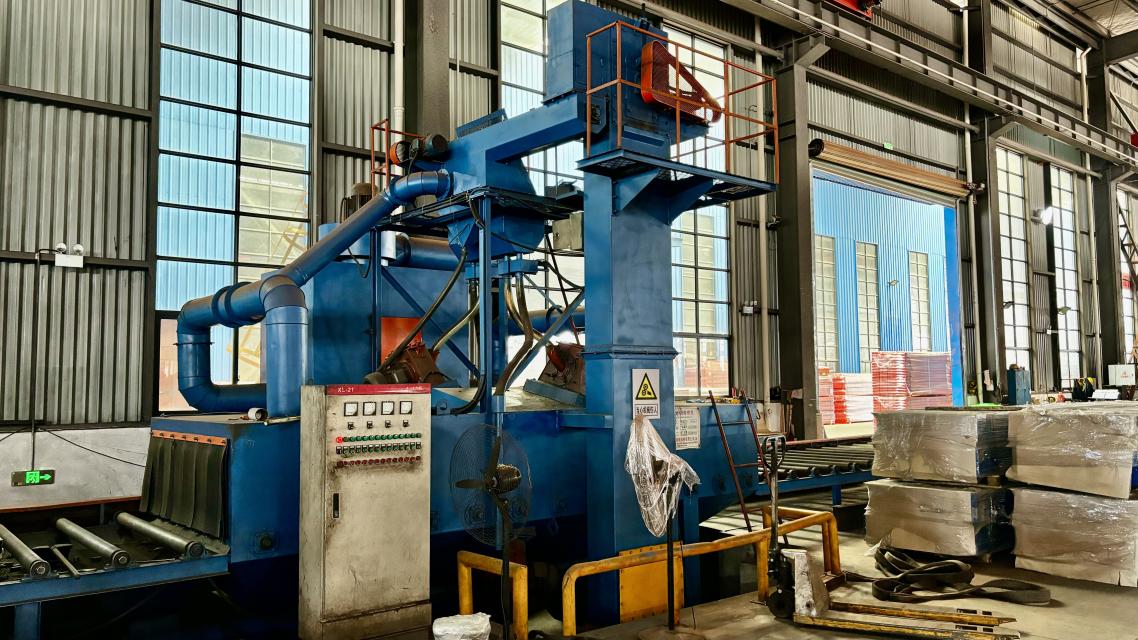
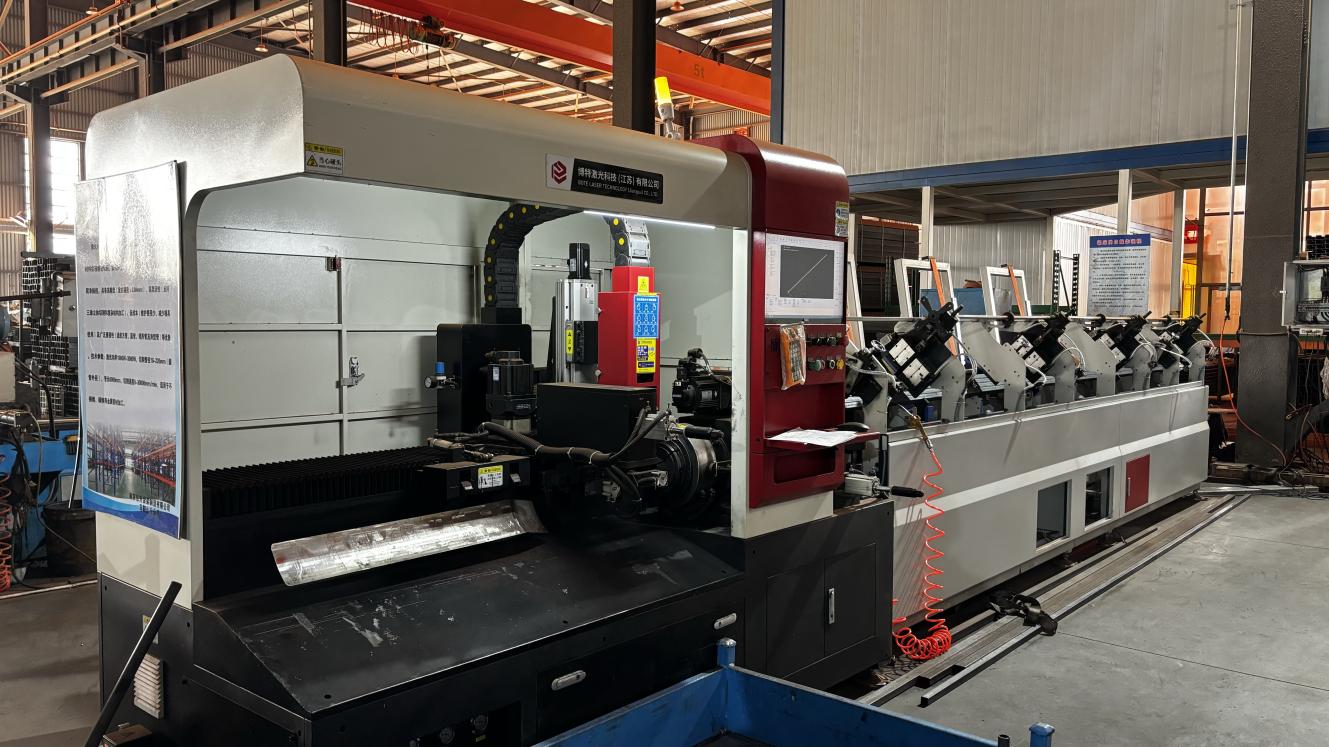
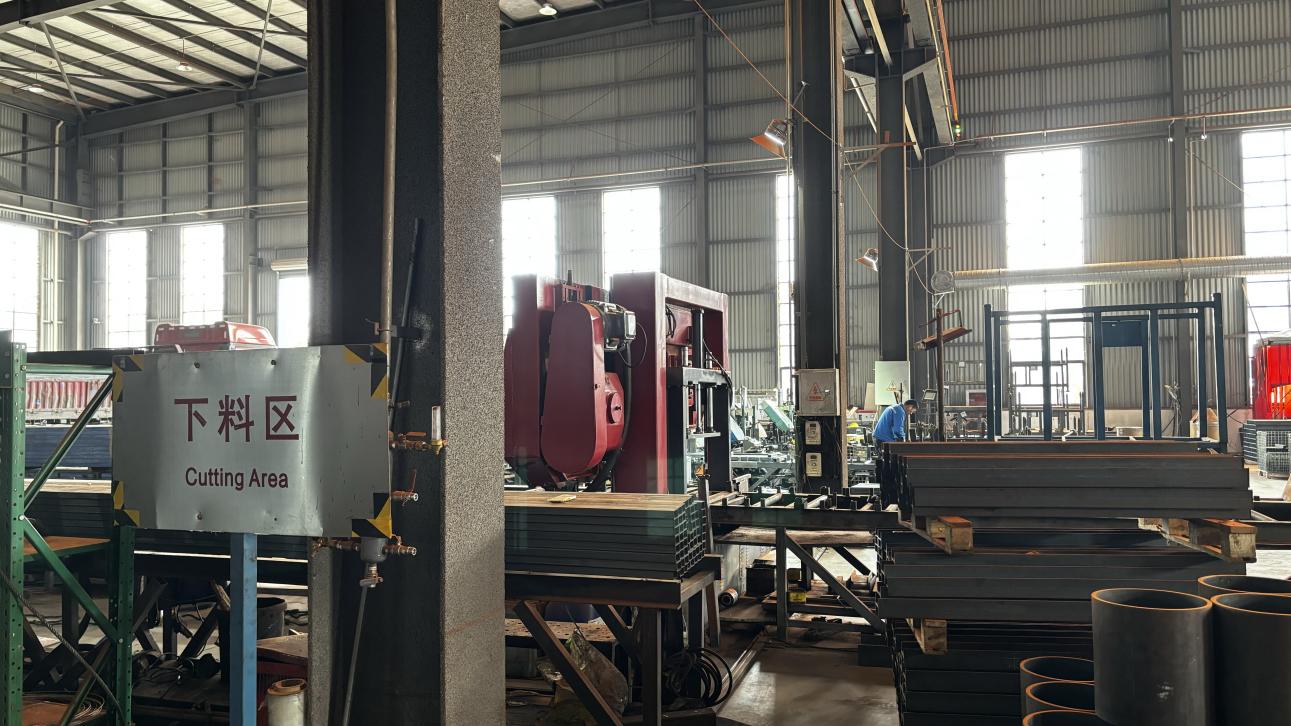
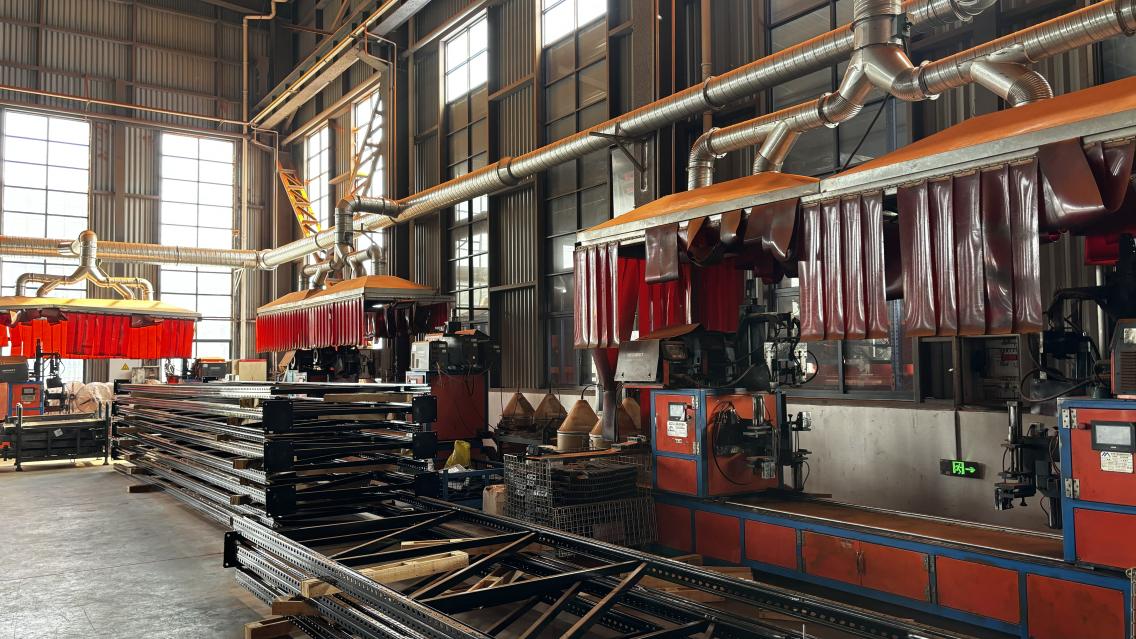
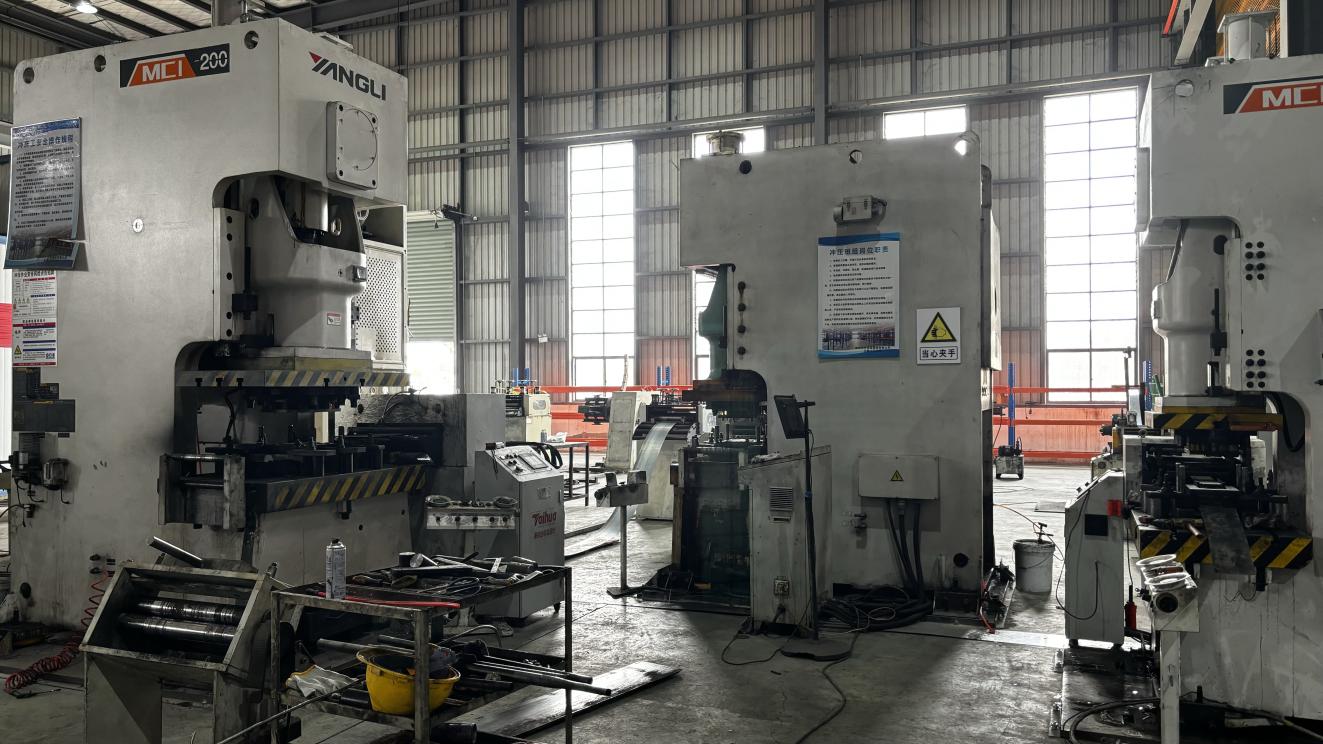
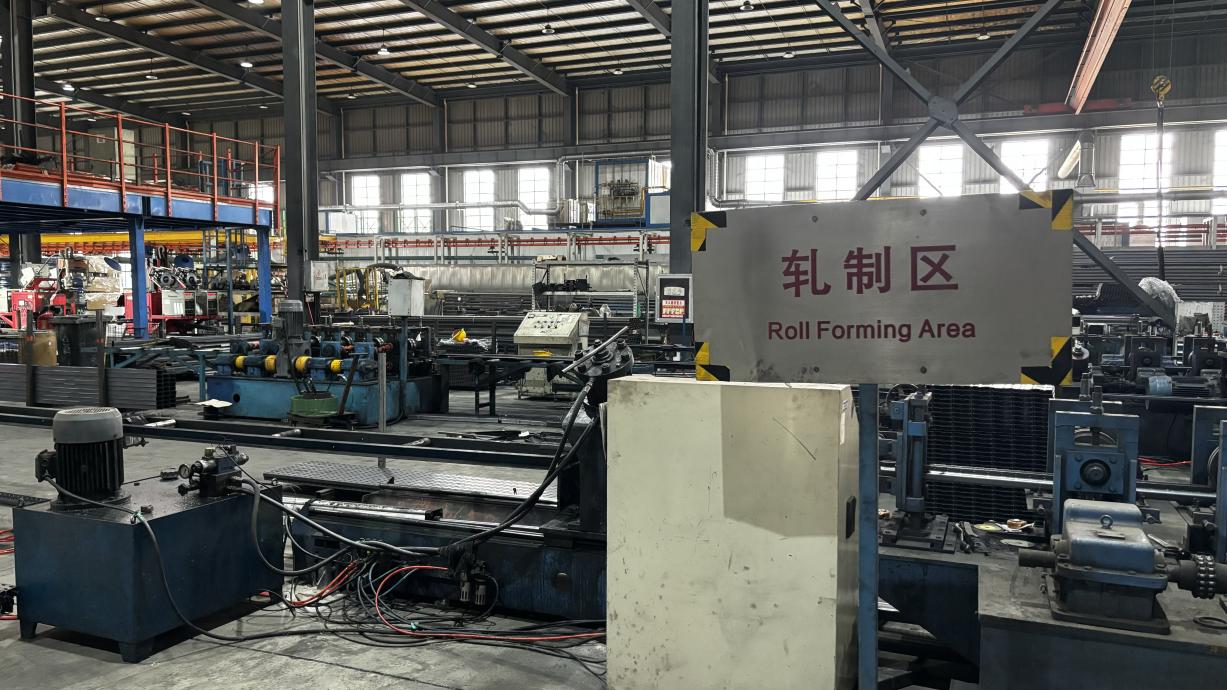
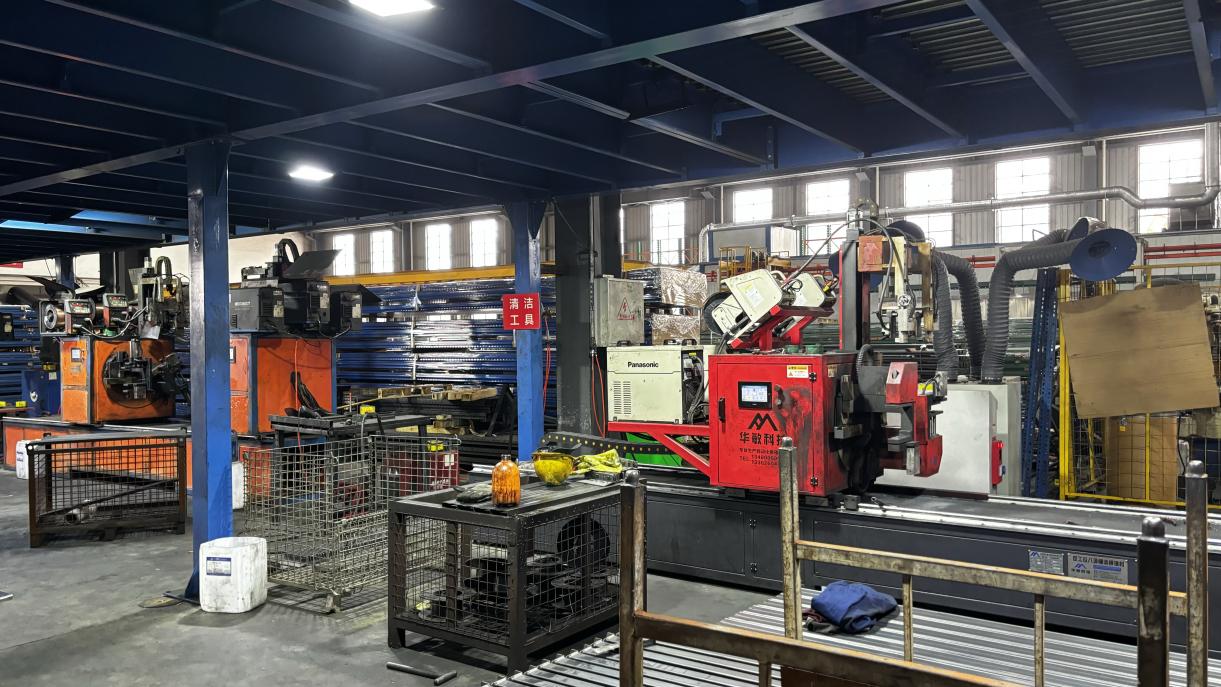
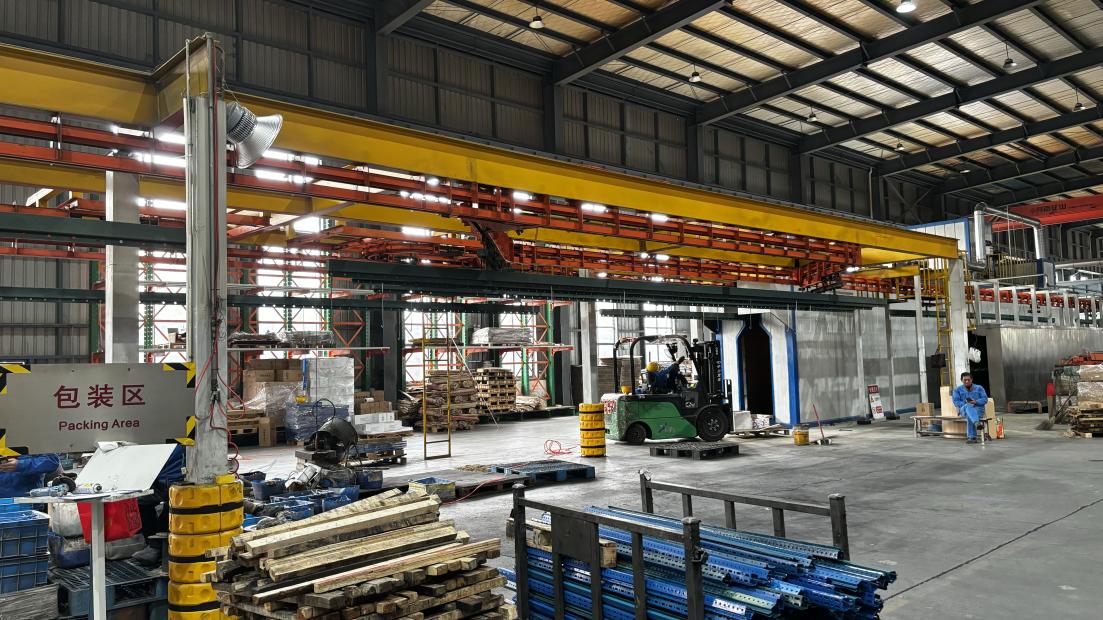
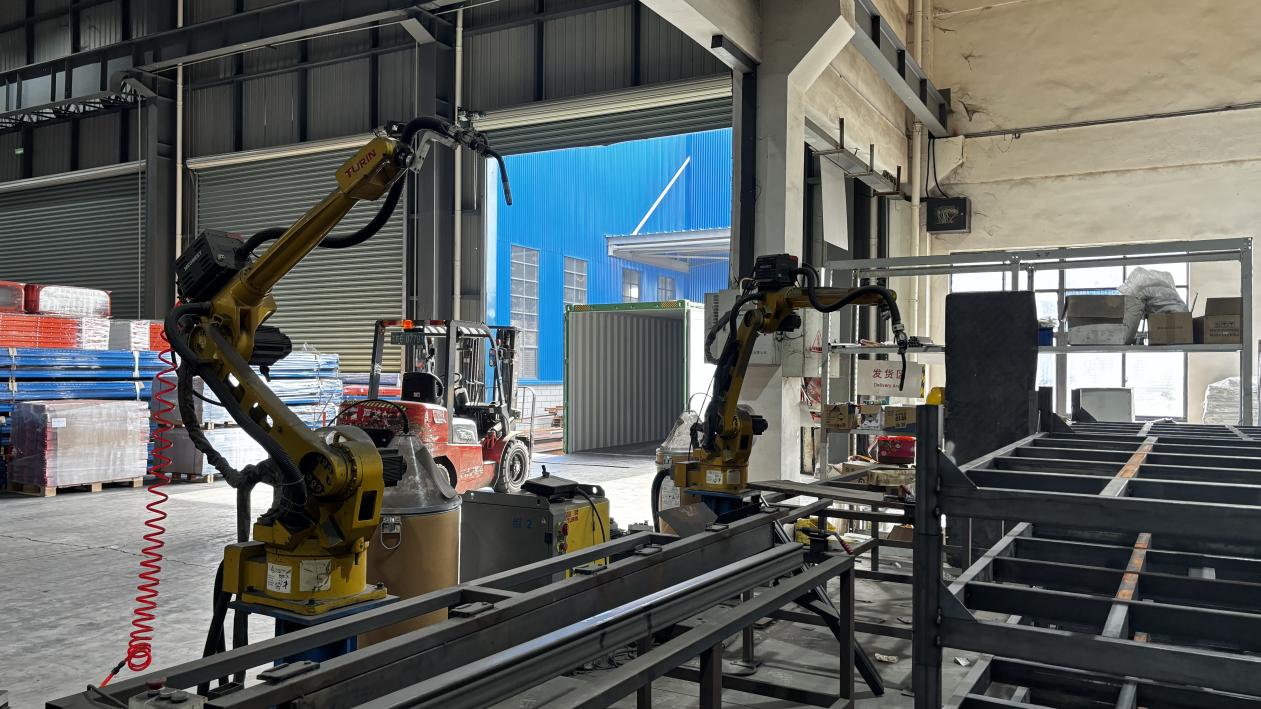
Foshan FlexiRack operates under strict Quality Management Protocols, satisfying the highest benchmarks of structural performance and longevity. From material intake to finish inspection, our systems ensure zero mechanical failures.
Our QA program includes Ultrasonic Flaw Detection across weld joints to guarantee seam reliability under heavy stress. Further, Dynamic Load Tests evaluate carts up to 1.5 times their rated capacity to verify wheel alignment and check for frame deformation.
Our surface coatings consist of advanced powder coatings and zinc plating lines, protecting carts from aggressive environmental conditions, temperature fluctuations, and impact wear.
Key technical answers for logistics directors and retail procurement heads.
For high-humidity climates, we recommend either Grade 304 stainless steel or specialized hybrid designs that feature thick polypropylene (PP) baskets with zinc-plated, clear-coated carbon steel chassis. Zinc plating topped with protective powder coating provides superior salt-spray corrosion resistance.
Nesting distance determines how closely carts slot together when stored. Standard European carts have a nesting increment of 200mm to 260mm. Optimizing this geometry allows supermarkets to store up to 50 trolleys within a 12-meter queue line, maximizing floor space.
Precision double-ball bearings (such as 6200ZZ) enclosed in thermoplastic elastomer (TPE) or polyurethane (PU) wheels offer the longest service life. Integrated plastic thread guards and dual-sealing keep out hair, dust, and liquids, avoiding premature bearing failures.
Coin locks require users to insert a deposit to unlock a cart, incentivizing them to return the trolley to designated bays. This self-regulation prevents stray carts in parking lots, lowers risk of vehicle damage, and reduces cart retrieval times by up to 60%.
Yes. Our engineering division designs shopping carts with custom frame angles and dimensions, matching the scanner heights and belt systems of modern motorized checkouts to ensure swift and efficient unloading.
We use ultrasonic flaw detection on high-stress weld junctions (such as the basket-to-chassis connection). This non-destructive testing method identifies micro-voids or interior cracks that are invisible to the eye, ensuring total load reliability.
All our storage systems and high-capacity carts undergo dynamic and static load tests. Carts are loaded with calibrated weights and run through obstacle routes for several hours to simulate years of heavy service.
Our team of 45 R&D engineers creates custom seismic-resistant structures based on regional code regulations (e.g., ASCE 7). We adjust structural steel dimensions, baseplate specifications, and floor anchorage details to guarantee stability in seismically active zones.
Optimize your storefront storage and logistics setups with our industrial-grade shelving systems and display accessories.
 FlexiRack