Engineered with high-tensile structural steel and optimized for multi-scenario retail applications.
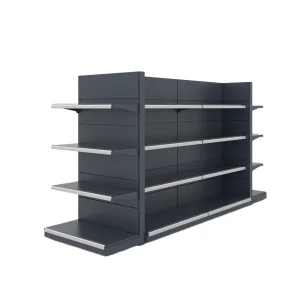
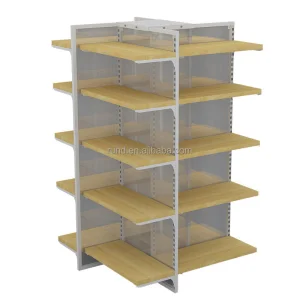
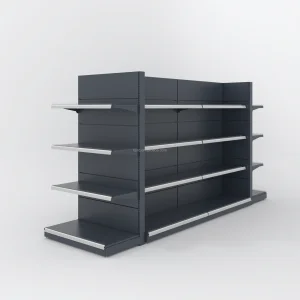
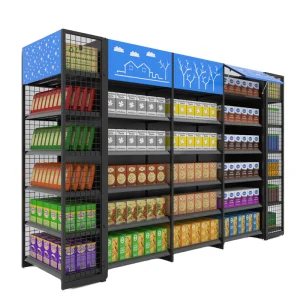
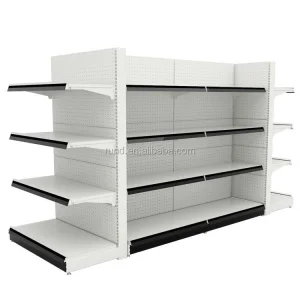
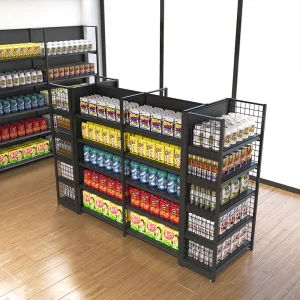

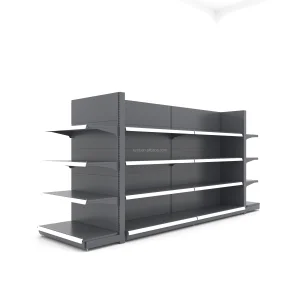
In the hyper-competitive global retail landscape, supermarket shelving systems have evolved far beyond mere merchandise display units. Modern retail spaces operate as high-density micro-fulfillment hubs, demanding structural configurations that withstand extreme daily load stresses, constant mechanical stock handling, and high consumer traffic. Choosing heavy-duty supermarket shelves represents a critical investment in supply chain resilience, commercial safety, and retail space optimization.
Heavy-duty supermarket shelving systems must satisfy rigorous engineering requirements. Unlike standard convenience store racks, which support light-duty packages (30 kg to 50 kg per level), industrial-grade heavy supermarket shelves are rated for loads ranging from 100 kg to over 250 kg per shelf tier. This capacity is essential for heavy product categories, such as grains and cooking oils, wholesale club merchandise, multi-pack beverages, home hardware tools, and automated retail dispensers.
“Strategic structural engineering of upright geometries, cold-rolled steel thickness, and paint layer durability directly controls retail shelf lifespan, floor safety compliance, and overall merchandise density.”
To address these specialized demands, Foshan FlexiRack Intelligent Logistics Equipment Co., Ltd. (founded in 2014) leverages advanced mechanical engineering and computerized manufacturing lines to produce high-load gondola racks, hybrid shelving, and retail rack systems. Spanning a state-of-the-art facility of 32,000 square meters, our factory fuses logistics intelligence with retail practicality, delivering robust racking systems that meet the rigorous standards of global markets including North America, Europe, and Southeast Asia.
Explore our integrated production line, tracing raw material sheet processing to our heavy-duty automated electrostatic powder-coating line.
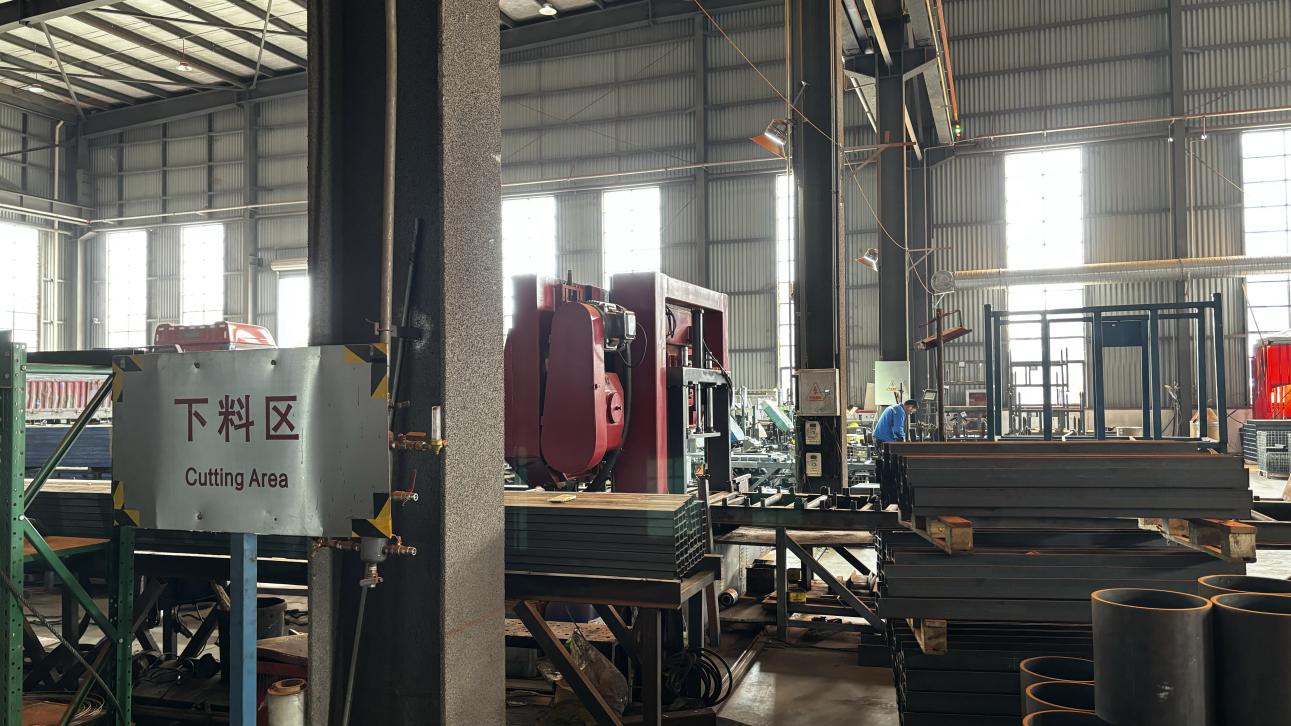
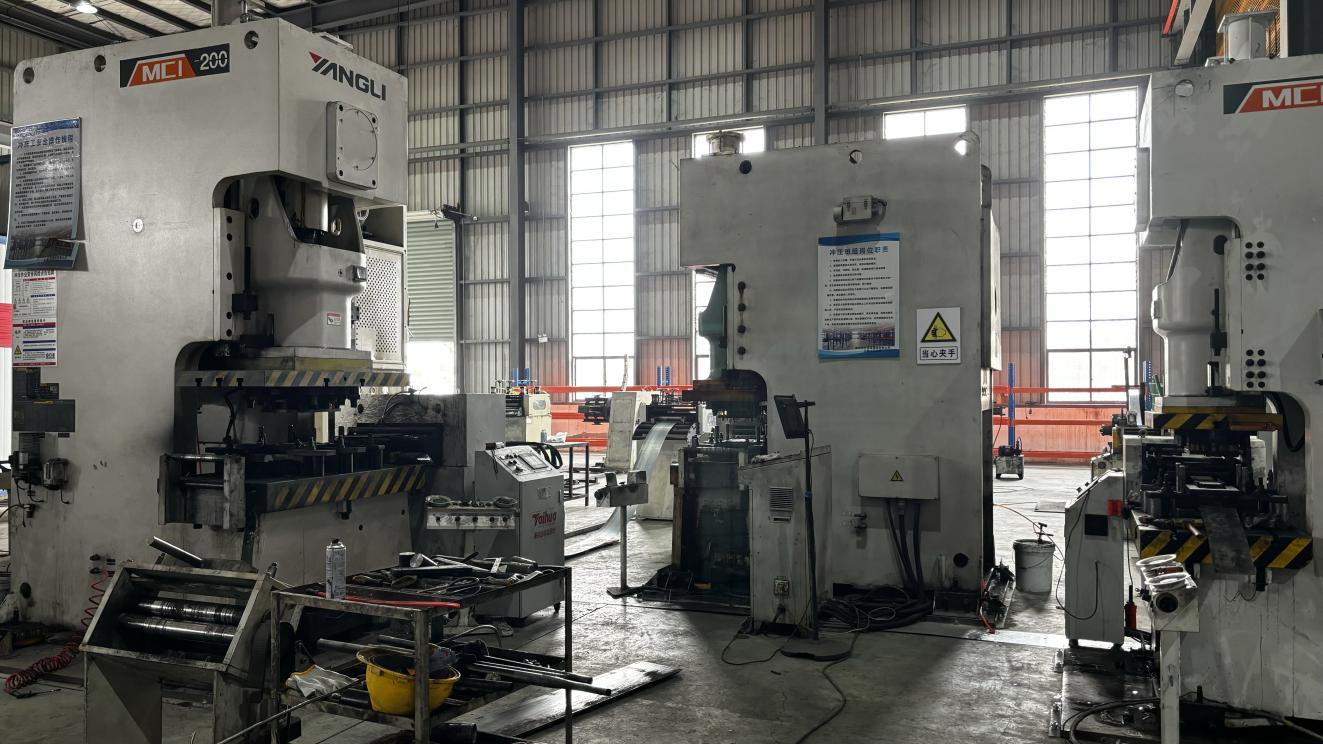
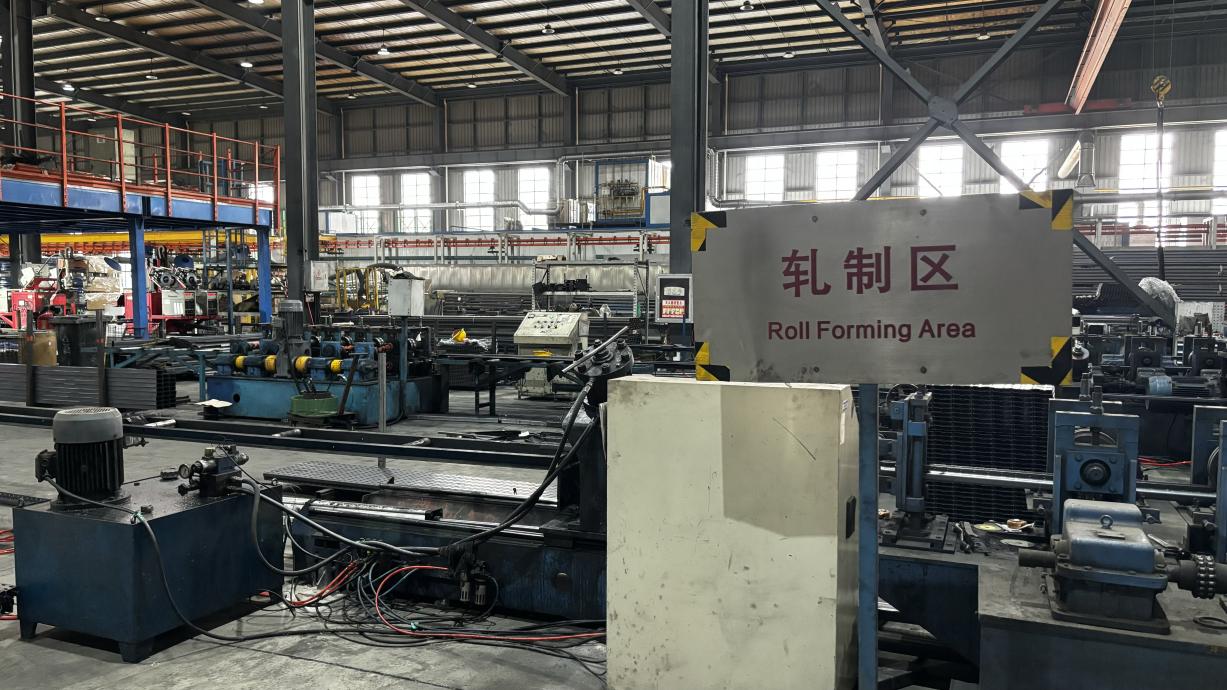
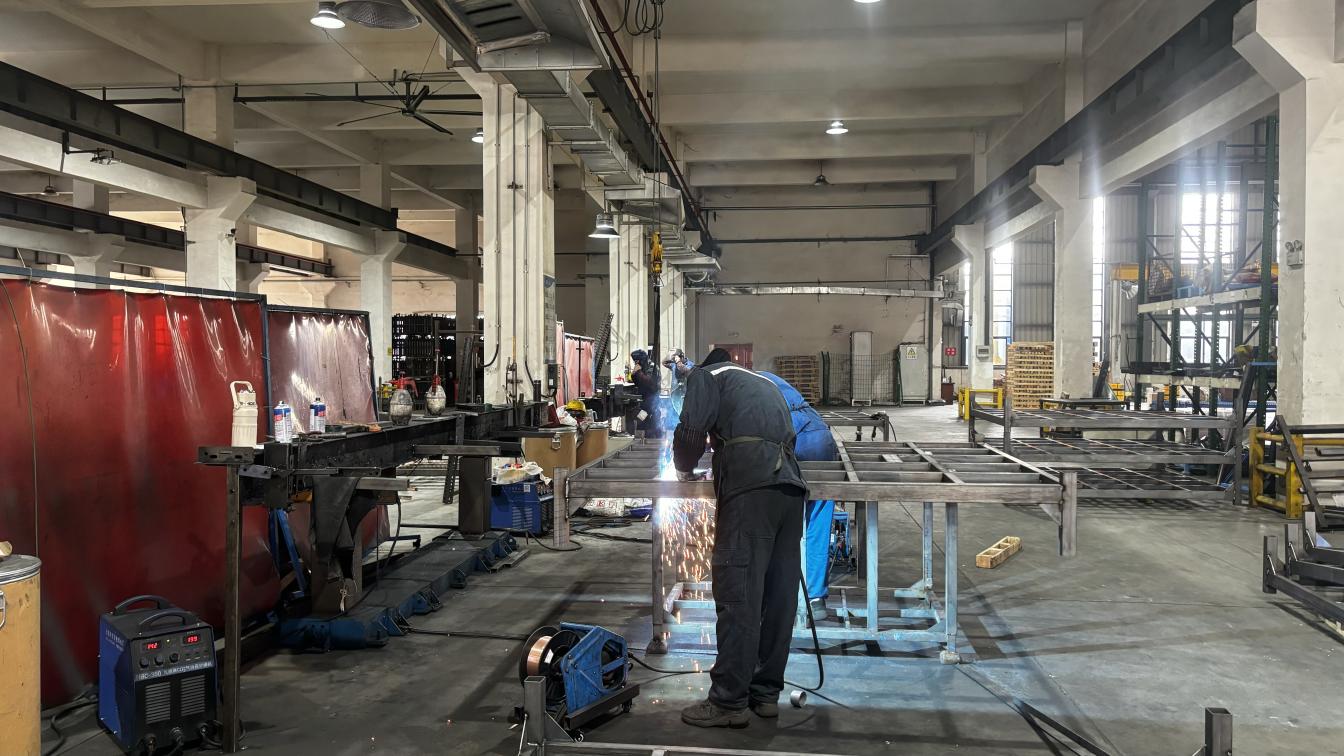
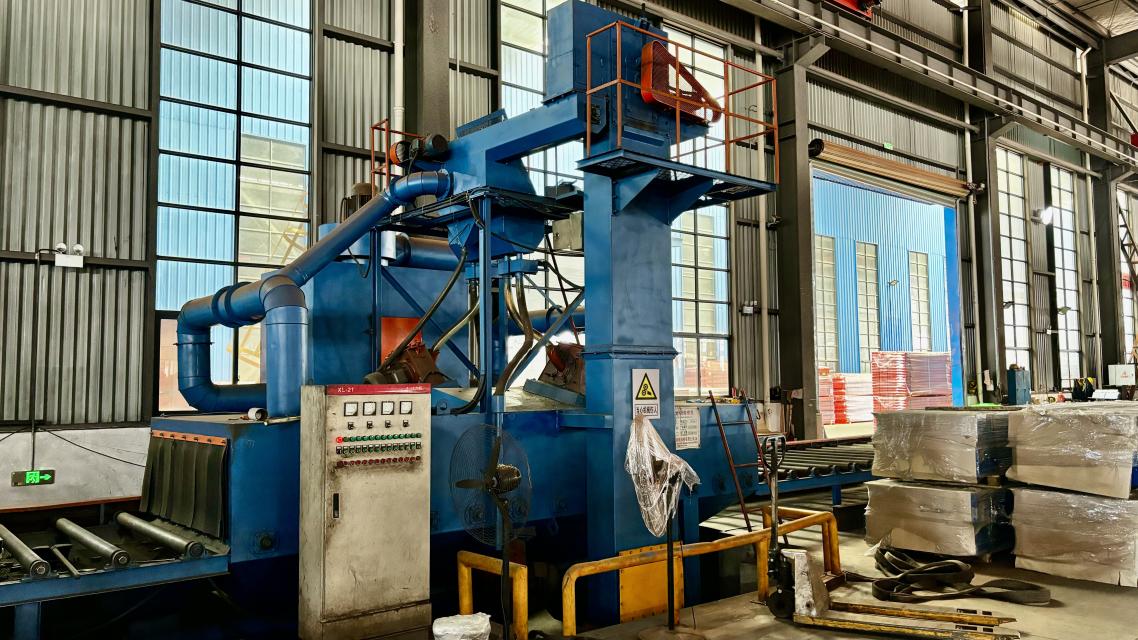
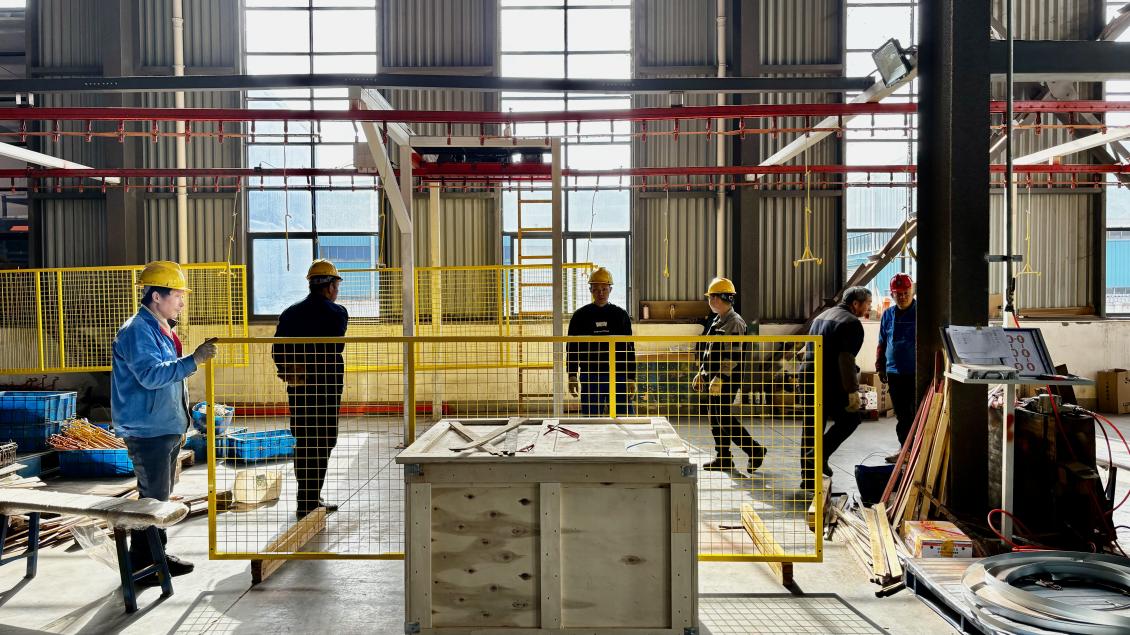
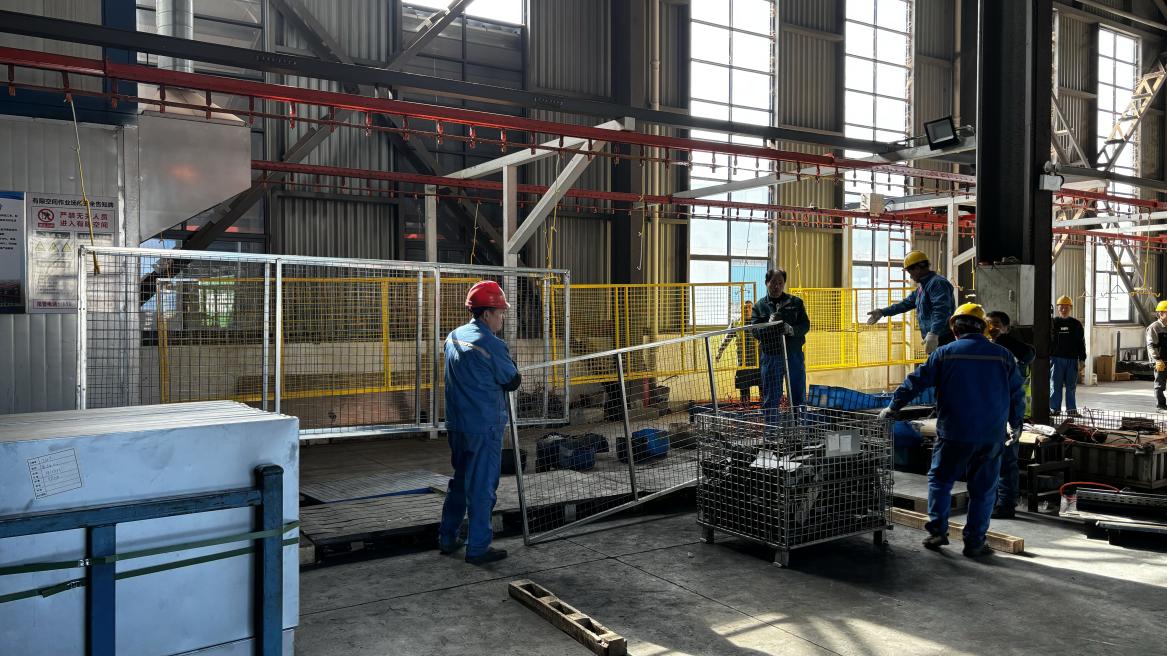
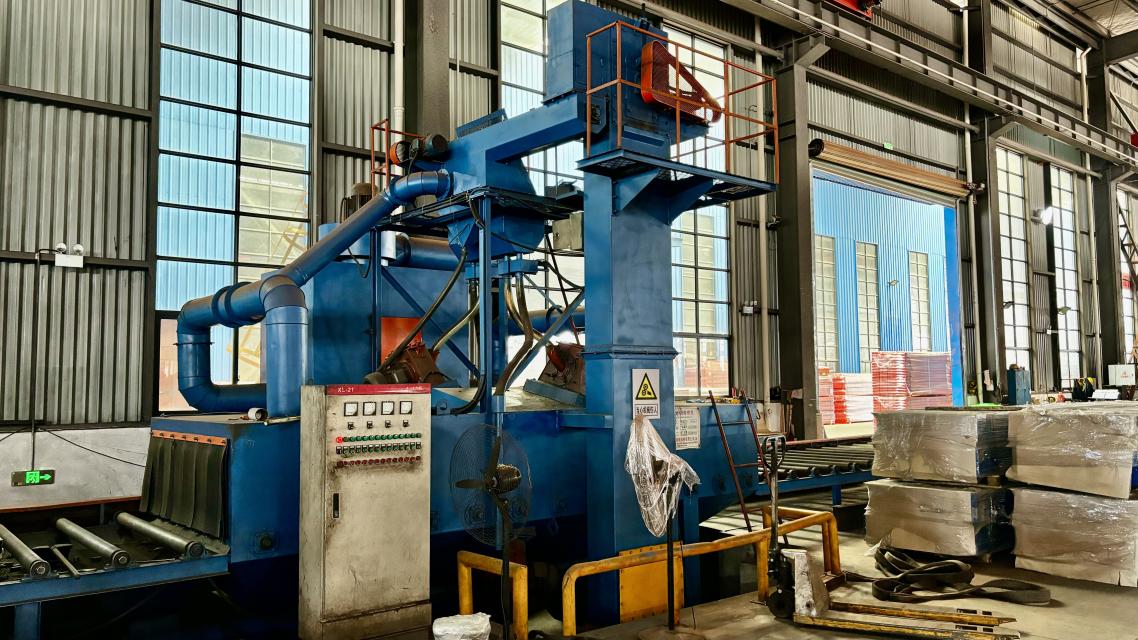
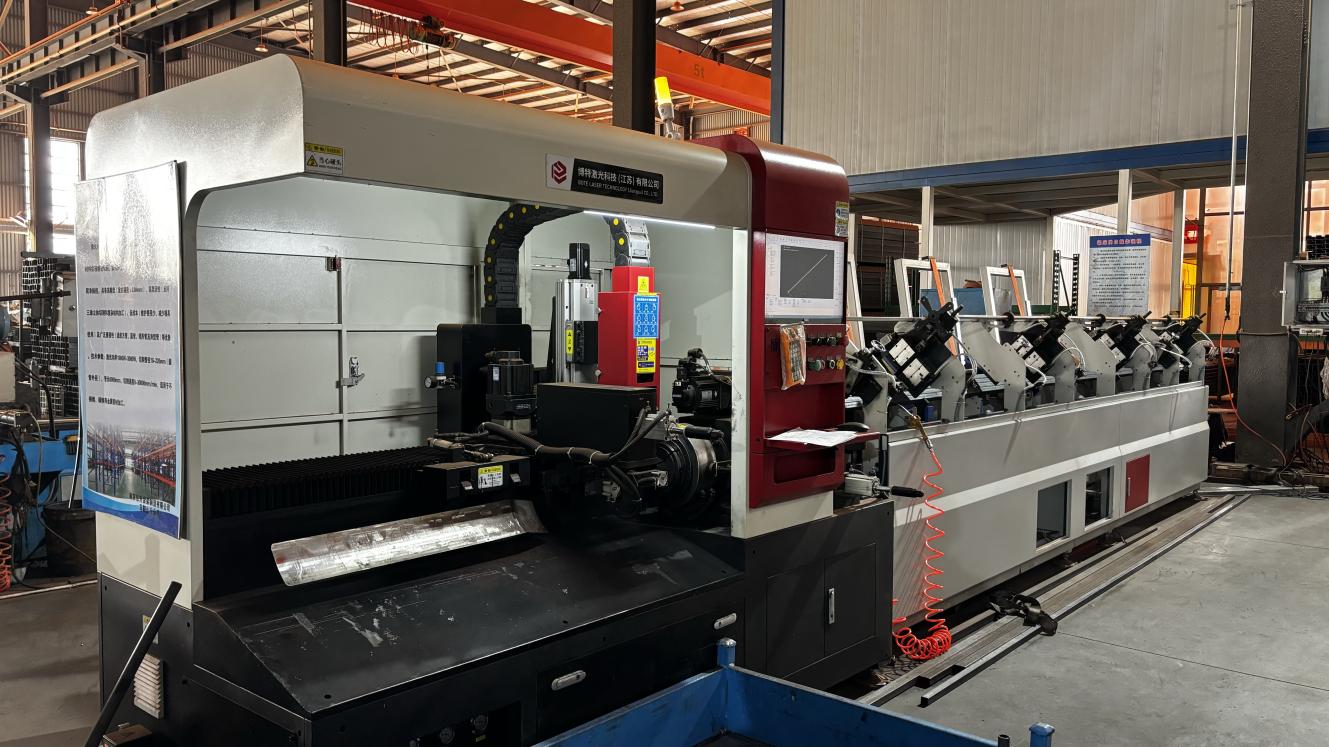
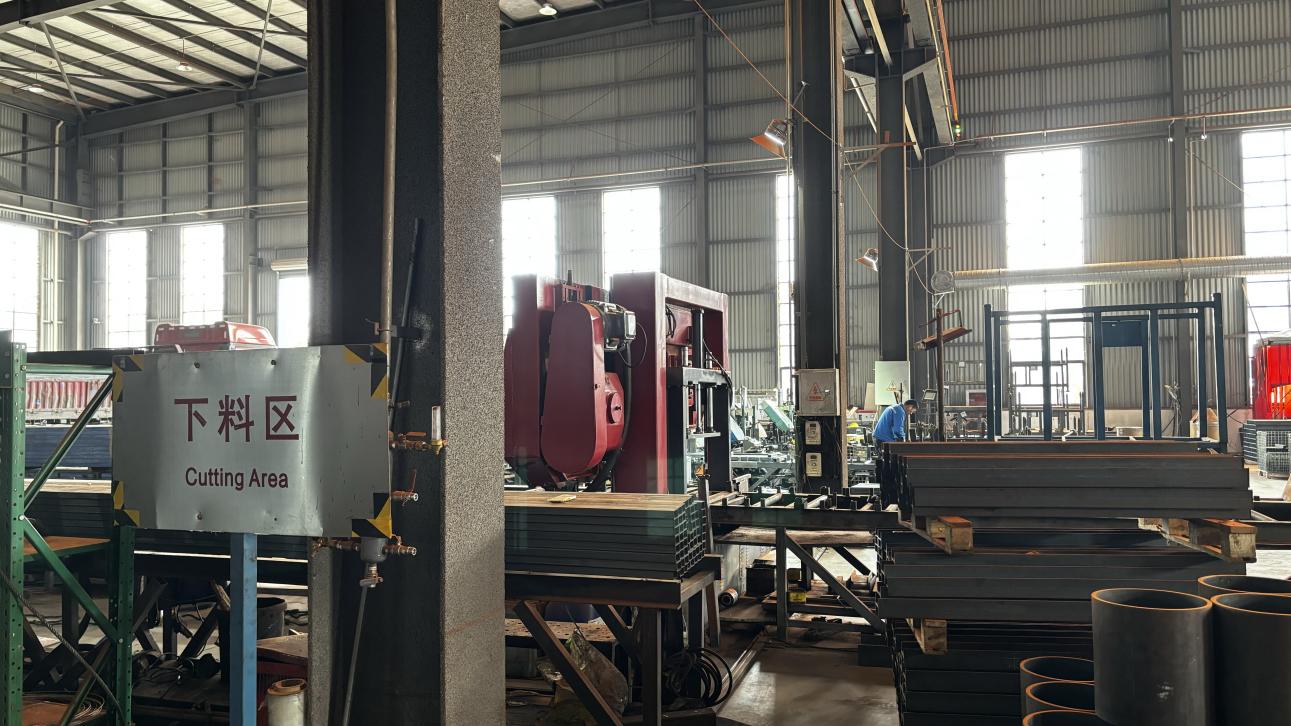
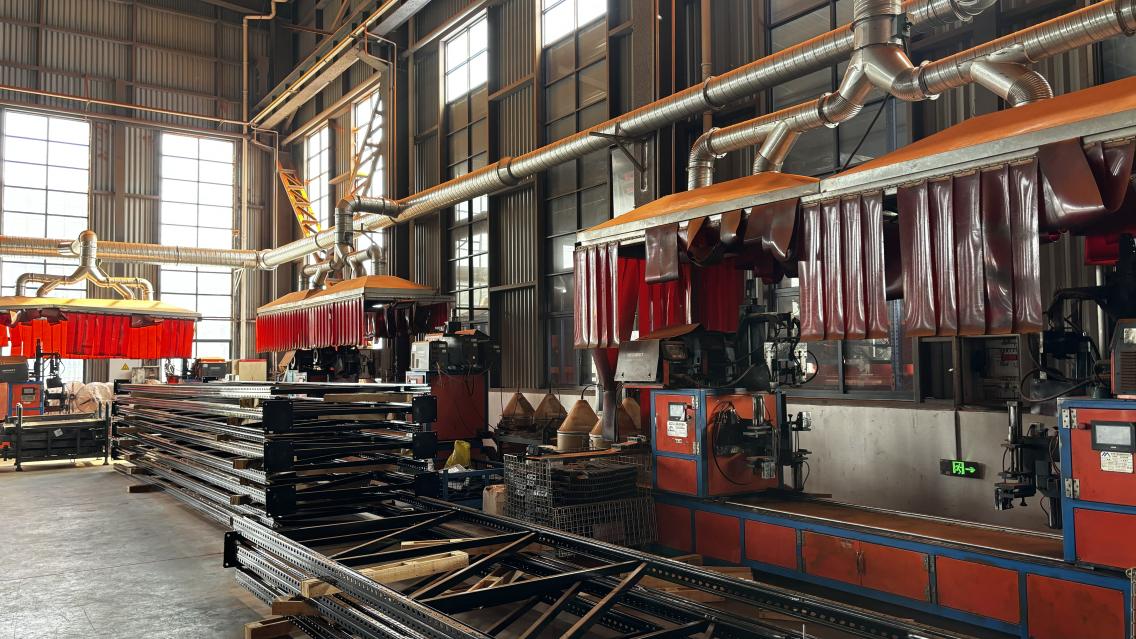
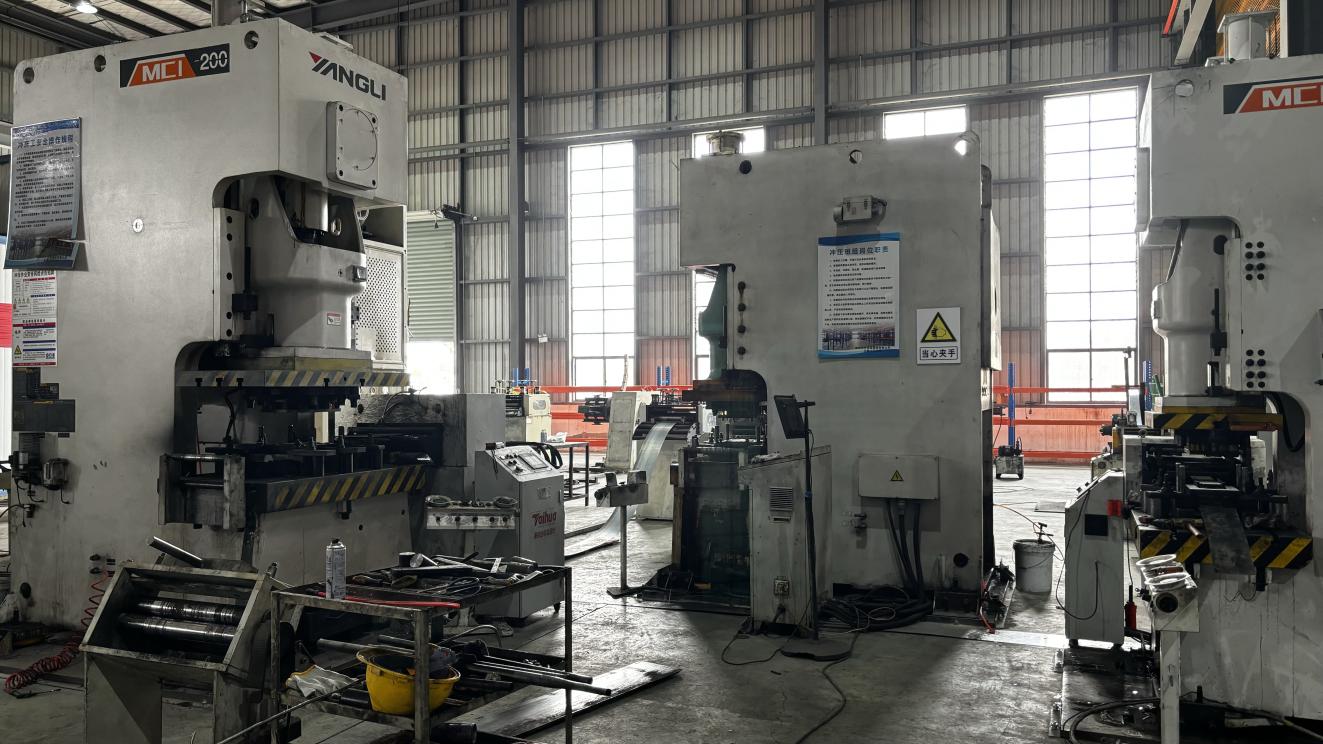
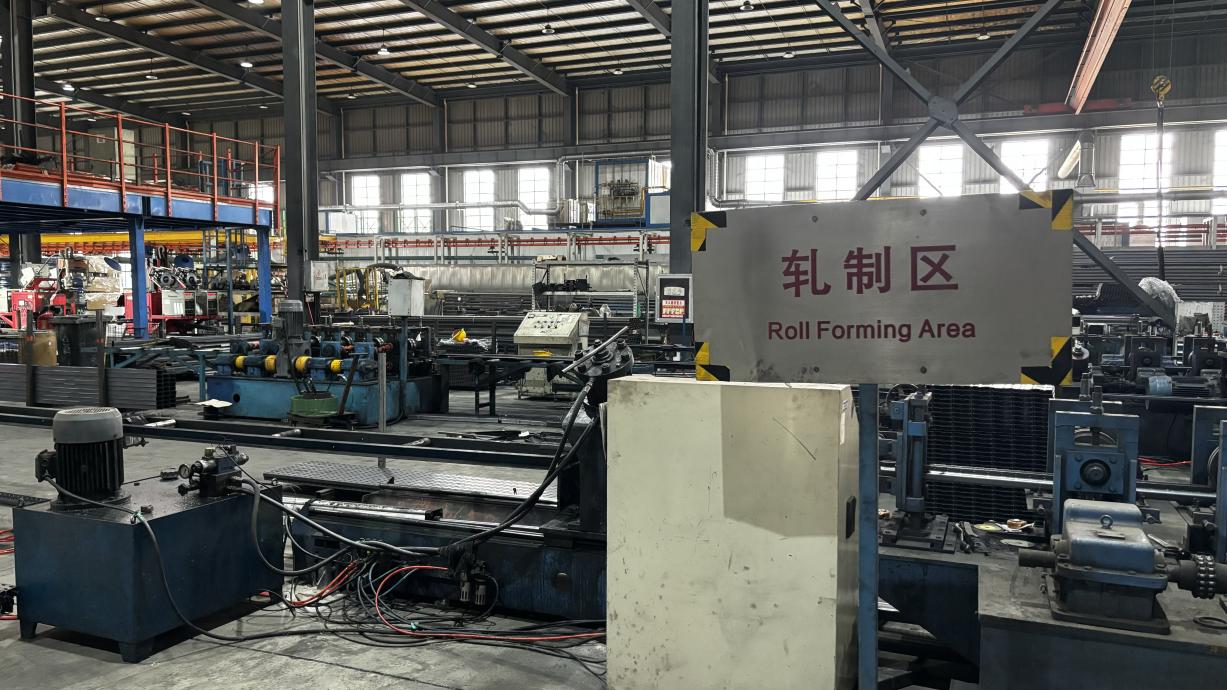
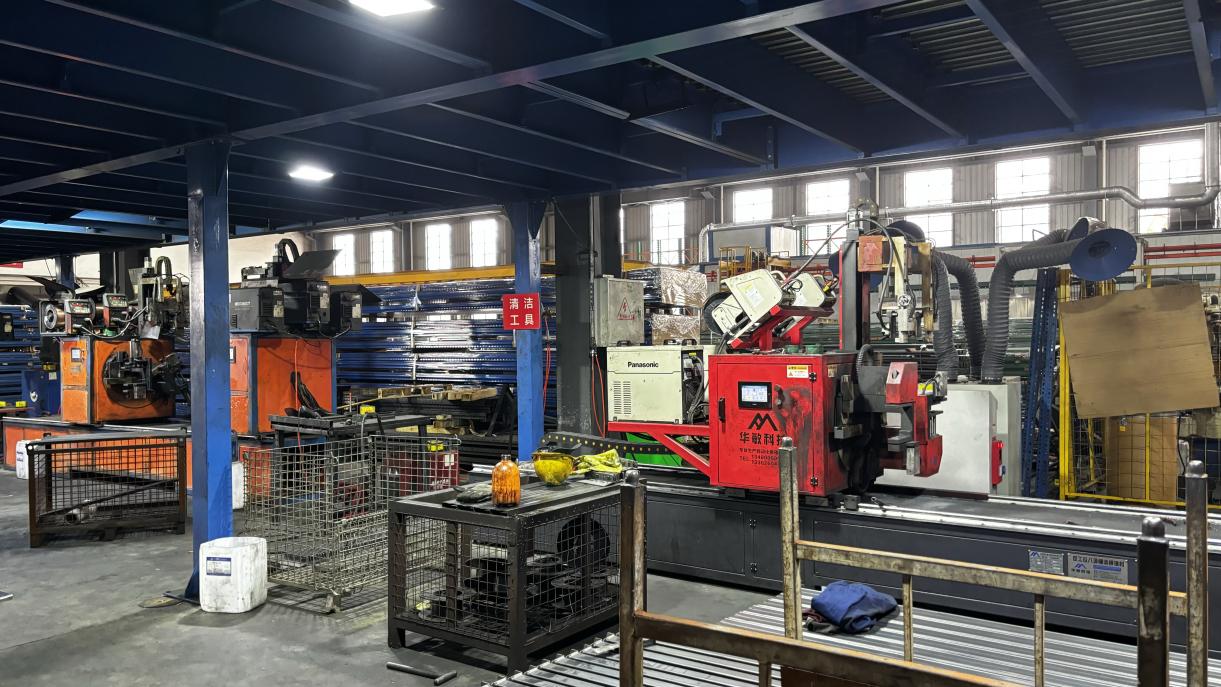
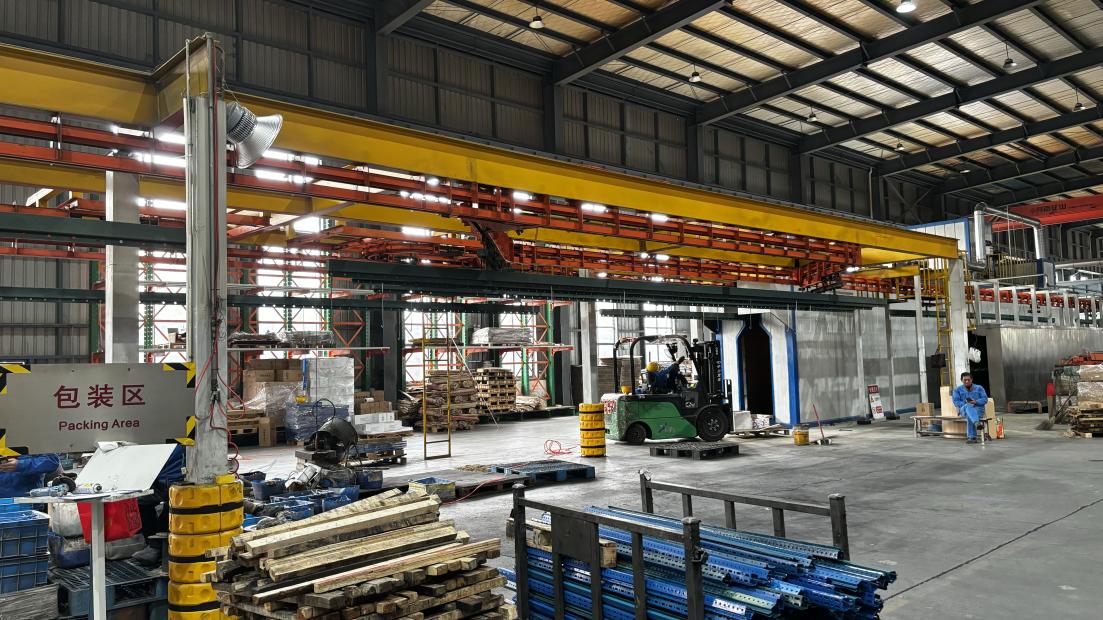
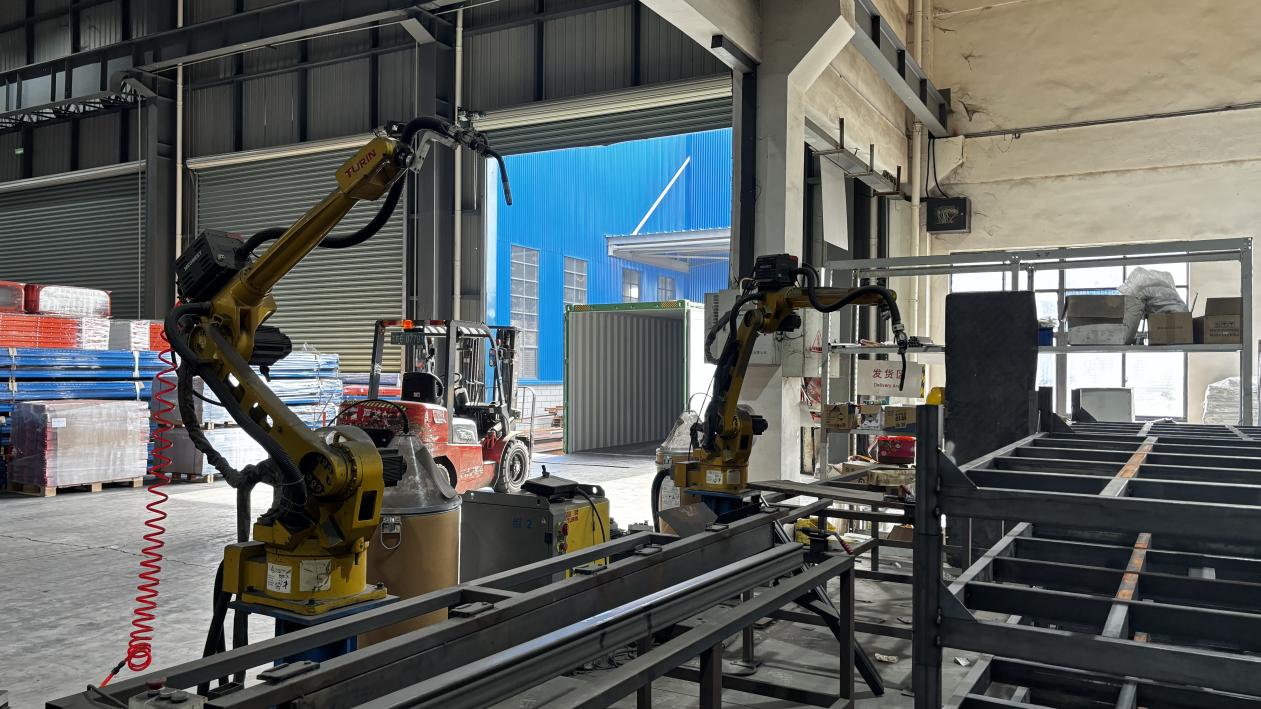
Our factory utilizes advanced CNC machinery, automated laser cutting systems, and robot welding cells to maintain load consistency across all components. Our quality verification protocols employ ultrasonic flaw detection to identify internal weld cavities and dynamic load testing rigs to monitor deflection values under load limits. Our 35-specialist QA team oversees this manufacturing cycle, ensuring compliance with global certifications like ISO9001 and CE.
Strategic geographical and metallurgical advantages that secure pricing stability and supply continuity.
Foshan is recognized as one of the world's most concentrated steel processing and metal manufacturing clusters. By locating our operations within this key industrial corridor, FlexiRack gains direct access to domestic raw steel material supplies, high-efficiency tool making, and integrated maritime shipping channels. This proximity minimizes logistical friction and stabilizes costs against fluctuations in global commodity markets.
Direct partnerships with key national steel mills ensure reliable access to certified Q235B cold-rolled steel, offering exceptional ductile yield strength and structural uniformity.
Our specialized engineering team adapts product dimensions, post layouts, back-panel perforations, and paint specifications to meet custom branding and load profile guidelines.
Proximity to major ports like Nansha, Yantian, and Shekou enables flexible scheduling, optimized container loading, and cost-effective ocean freight options.
How large-scale distributors, 3PL logistics networks, and global supermarket brands minimize procurement risks.
Procurement divisions at multinational supermarkets, cash-and-carry stores, and warehouse clubs balance product durability against total cost of ownership. Purchasing low-cost, substandard retail shelving often leads to accelerated sag (excessive elastic deflection), mechanical joint failure under heavy loads, and safety hazards that risk inventory damage or customer injuries.
FlexiRack addresses these procurement risks by integrating high-grade manufacturing with thorough design verification. Our 45 specialized R&D engineers design customized shelving systems that calculate stress points, load ratings, and seismic requirements. Last year alone, our design department introduced 120 customized new storage solutions tailored to the structural and operational demands of our clients.
Our heavy-duty supermarket shelving systems feature integrated upright locking systems, gusseted shelf supports, and heavy-duty steel wire grid overlays, preventing structural failure under eccentric or unbalanced loading.
Our products serve major distribution links, including third-party logistics (3PL) warehouses, industrial distribution centers, and automated e-commerce fulfillment hubs. We maintain collaborative partnerships with over 850 international supply chain partners, streamlining supply chains from raw steel processing to final store installation.
Adhering to localized building codes, store safety regulations, and international load-bearing standards.
Exporting to diverse regions demands strict compliance with regional engineering codes. In North America, supermarket shelving must conform to the ANSI/RMI MH16.1 specifications established by the Rack Manufacturers Institute, along with local fire and seismic requirements. European markets require compliance with EN 15512 and EN 15620 structural standards, which regulate deflection limits and safety safety factor margins.
FlexiRack engineers customized designs that incorporate regional factors directly into our calculations:
Focuses on safety shear pins, seismic baseplate anchoring, specific aisle clearance requirements, and compliance with local ADA guidelines.
Enforces strict load safety factors, clear load chart labels on every aisle, and non-toxic, eco-certified powder coating formulations.
Features robust floor anchoring and reinforced diagonal bracing patterns to withstand seismic activity in active geological zones.
Exploring structural trends: smart retail integration, sustainable powder coatings, and warehouse-retail hybrids.
Modern retail shelving is evolving rapidly to keep pace with new technologies and structural demands. Five major developments are currently redefining heavy-duty supermarket shelving design:
1. Integration of Smart Retail & Electronic Shelf Labels (ESL): Modern shelving systems feature built-in wireways and clip-on mounting tracks designed to house digital price tags and electronic shelf labels. This design simplifies cable management, protects electrical connections, and supports real-time pricing updates.
2. Hybrid Warehouse-Retail Environments: The rise of cash-and-carry formats and dark stores has popularized hybrid racking. These systems feature heavy-duty pallet racks on upper levels to store reserve stock, with customer-facing gondola shelving at eye level, optimizing both storage capacity and retail floor space.
3. Eco-Friendly Powder Coatings: Environmental initiatives have driven a transition toward zero-VOC (volatile organic compound) electrostatic powder coatings. Modern coating lines use closed-loop recovery systems to reclaim and reuse overspray, reducing waste while producing durable, scratch-resistant finishes.
4. Modular Structural Configurations: Retailers are prioritizing modular shelving that can be reconfigured without specialized tools. System designs like perforated uprights and boltless snap-fit brackets allow store staff to adjust shelf heights quickly, minimizing downtime during floor redesigns.
How customized configurations meet the distinct storage and display requirements of varied commercial operations.
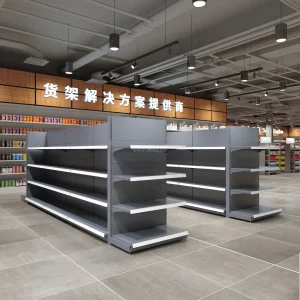
Features reinforced base legs and heavy double-sided gondolas designed to hold bulk pallets and heavy boxes, supporting high turnover and dense storage.
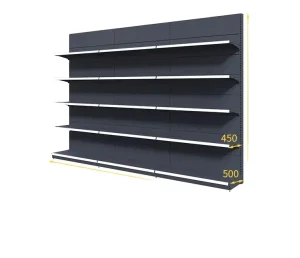
Uses reinforced sheet metal construction and heavy-duty steel shelves to display high-density products, such as grain sacks, cooking oils, and liquid detergents.
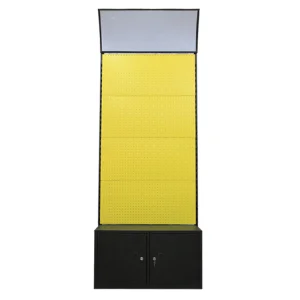
Combines structural pegboards with heavy steel shelving, allowing stores to organize hand tools, plumbing fixtures, and construction supplies safely.
Answers to common structural, materials, and customization questions from procurement teams.
The primary differences are sheet steel thickness and structural design. Standard light-duty shelves use 0.5mm to 0.7mm steel plates and are rated for 30 kg to 50 kg per level. Heavy-duty shelves utilize 0.8mm to 1.2mm cold-rolled steel plates, reinforced support brackets, and multi-point welded gussets, allowing them to support 100 kg to over 250 kg per level while resisting deflection.
Our quality assurance process uses ultrasonic flaw detection to verify the integrity of load-bearing welds. We also conduct physical load testing on our dynamic test rigs, loading systems to 1.5 times their rated capacity to verify safety margins and ensure compliance with CE and ISO9001 standards.
Yes. Our 45 R&D engineers design custom solutions to meet regional requirements, including ANSI/RMI MH16.1 in North America and EN 15512 in Europe. For seismically active regions, we customize baseplate widths, increase floor anchor points, and incorporate diagonal reinforcement frames to handle seismic loads.
All steel parts undergo a multi-stage pretreatment process, including mechanical shot blasting and acid pickling, to remove mill scale and oil. We then apply an electrostatic powder coating cured at high temperatures, creating a scratch-resistant barrier that protects against rust and wear in high-humidity or high-traffic environments.
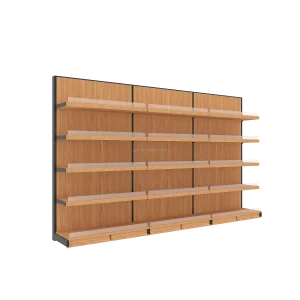
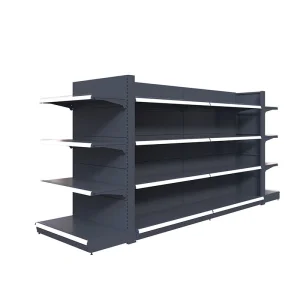
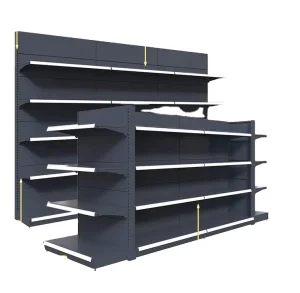
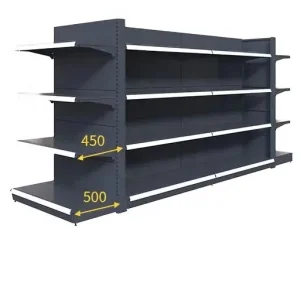
Heavy-duty wire mesh racks, pegboards, and specialty display systems built for commercial environments.
 FlexiRack