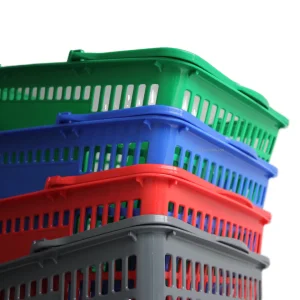
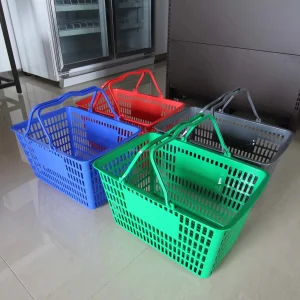
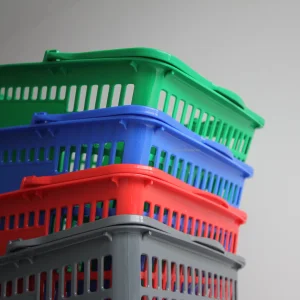
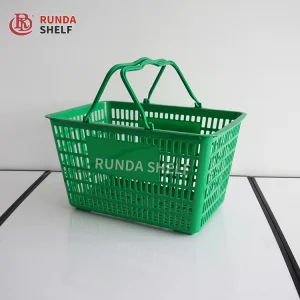
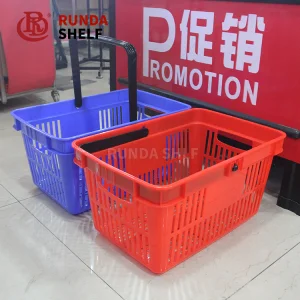
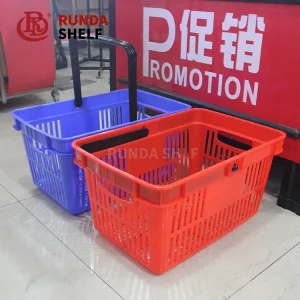
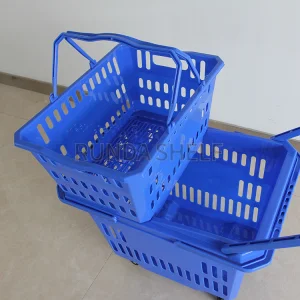
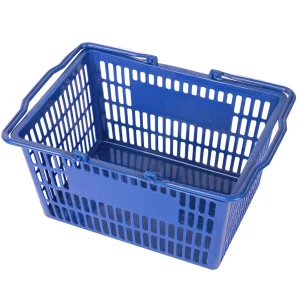
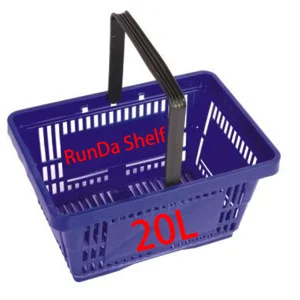
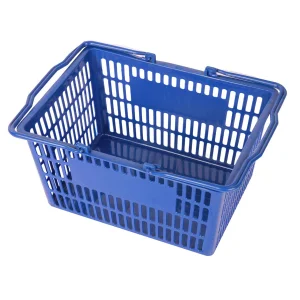
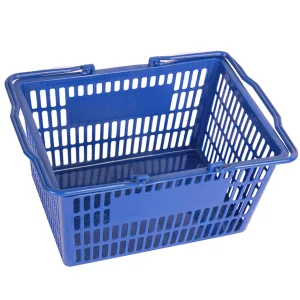
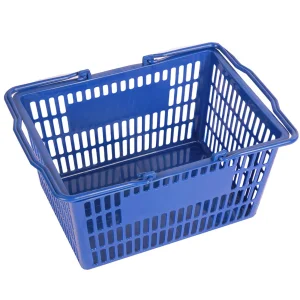
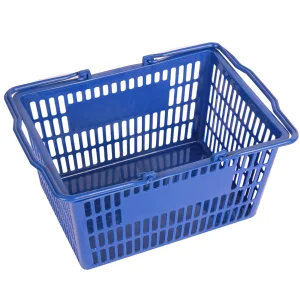
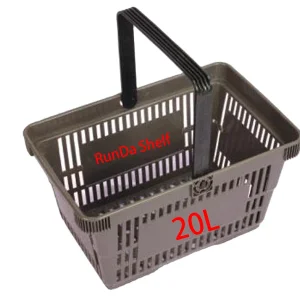
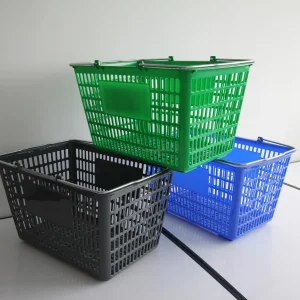
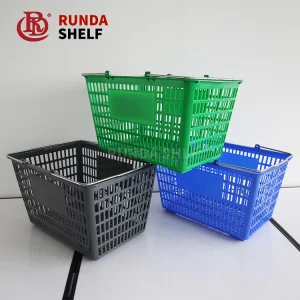
Precision-engineered, impact-resistant retail storage and transport equipment optimized for high-volume consumer operations. Our units leverage structural ribbing, high-density polyethylene/polypropylene blends, and ergonomic design dynamics.
Modern supermarket accessories are no longer treated as simple convenience containers. They are precision tools engineered to enhance user experience, optimize path-to-purchase volume, and withstand high-stress environments. In structural mechanics, the selection of raw materials defines the product lifecycle. Most high-performance hand baskets are formulated using premium-grade Polypropylene (PP) or High-Density Polyethylene (HDPE) polymers, designed with chemical additives that safeguard against dynamic strain, environmental fatigue, and microbial growth.
By blending mechanical property enhancers with pure PP, manufacturers achieve high yield strength capable of carrying up to 50 times the basket’s empty weight. The structural thickness is optimized through finite element analysis (FEA) to eliminate micro-fractures under rapid drop stresses.
Double-sided handle variations require high tensile metal inserts to distribute weight across the palms evenly. This minimizes user fatigue, encouraging longer dwell time and higher average transaction values (ATV) across retail shop layouts.
With global hygienic regulations tightening, modern shopping baskets incorporate antimicrobial agents directly into the masterbatch during plastic injection, reducing viral and bacterial longevity on high-touch handle surfaces.
Founded in 2014, Foshan FlexiRack Intelligent Logistics Equipment Co., Ltd. operates a state-of-the-art manufacturing facility spanning 32,000 m². Backed by 12 years of industry experience and 8 years of dedicated global export experience, the company drives over $18 million in annual export revenue. Maintaining quality is paramount, validated by our ISO9001 and CE certifications, and utilizing rigorous quality controls such as ultrasonic flaw detection and dynamic load testing conducted by a dedicated QA team of 35 specialists.
Operating as a premium OEM/ODM export manufacturer, our primary markets cover North America, Europe, and Southeast Asia. We maintain strong supply chains with over 850 partners, serving major third-party logistics (3PL) providers, industrial distribution networks, and massive e-commerce fulfillment hubs. Guided by our R&D group of 45 engineers, we provide custom load capacities, seismic structures, and automated ASRS integration, launching over 120 new storage solutions last year alone.
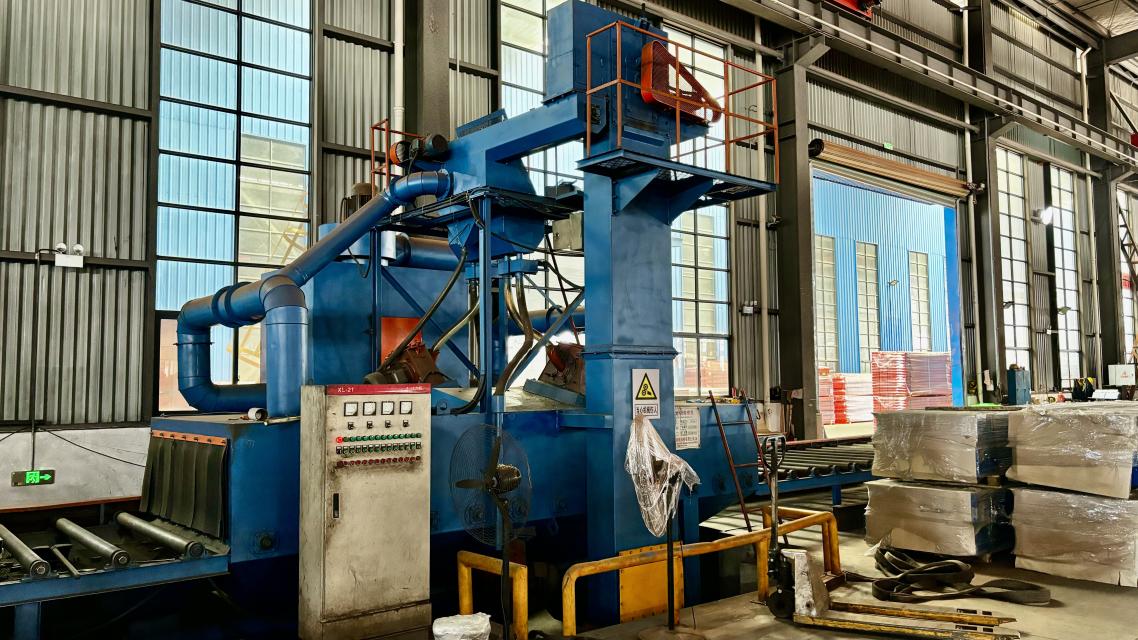
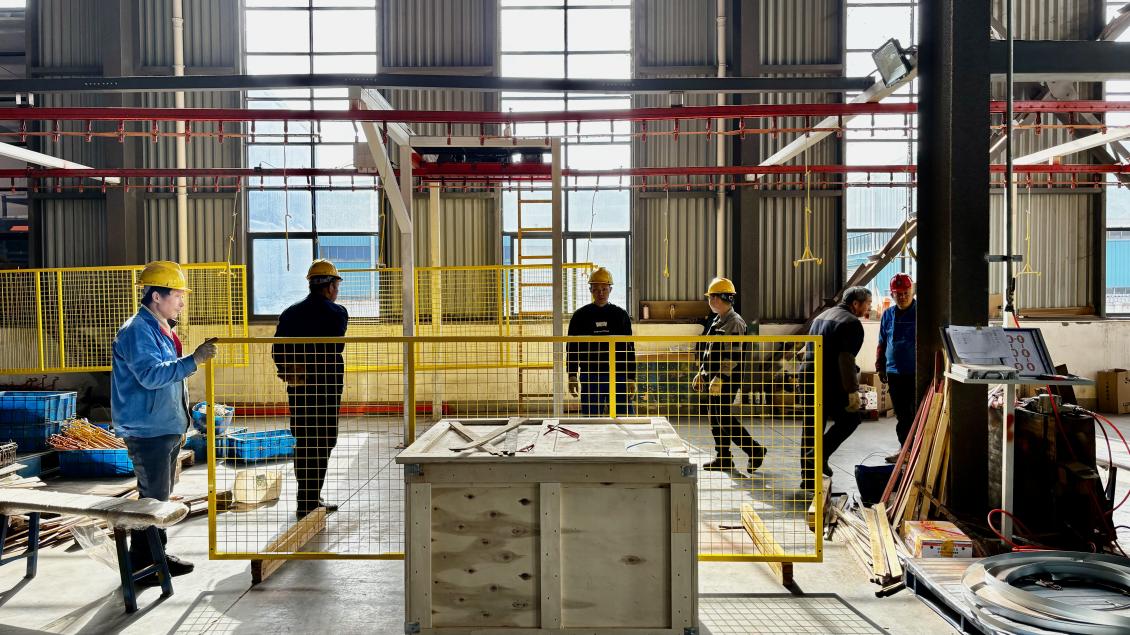
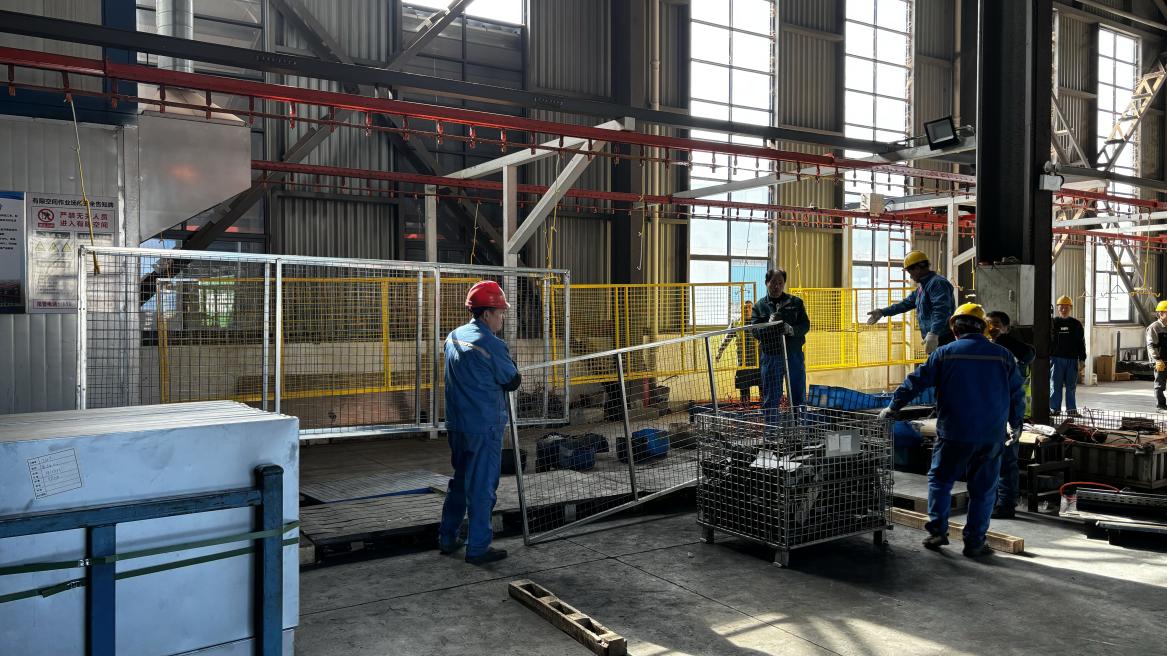
Our production floor leverages advanced automation, robotics, and precise steel processing lines to guarantee the structural integrity of every shopping display stand and basket weld. Below is the step-by-step layout of our industrial processes:
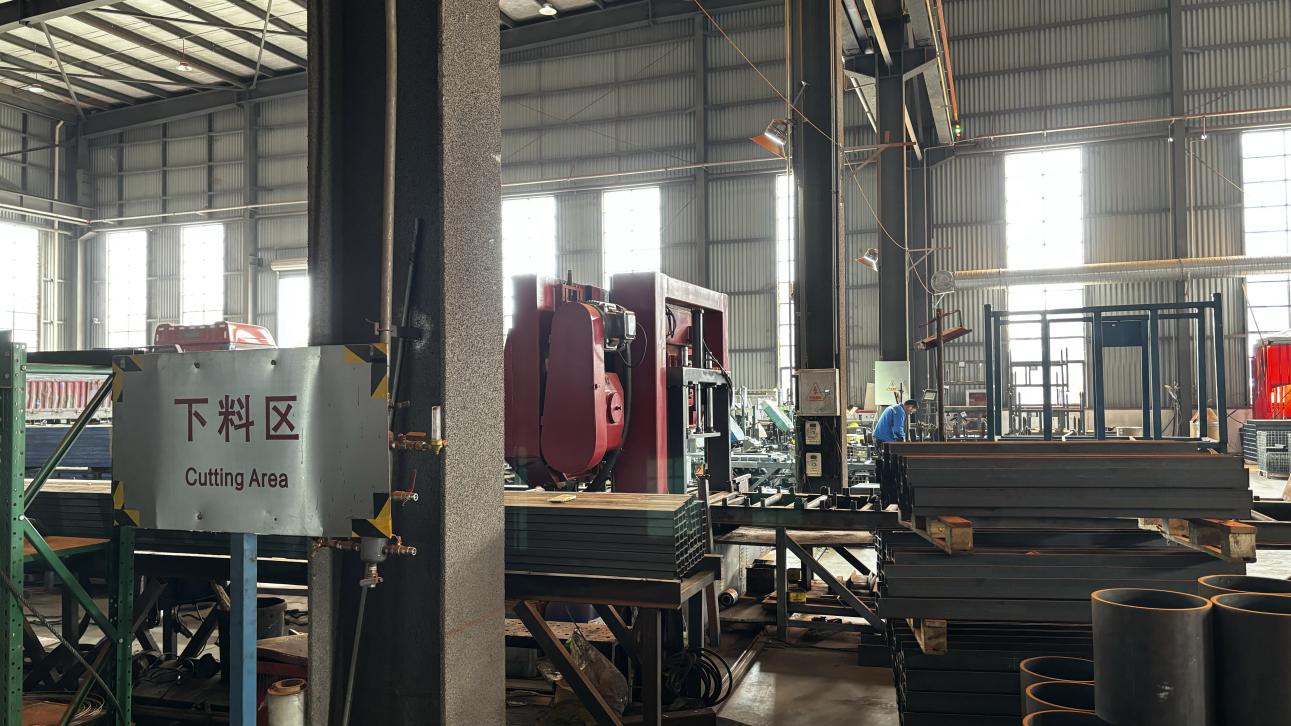
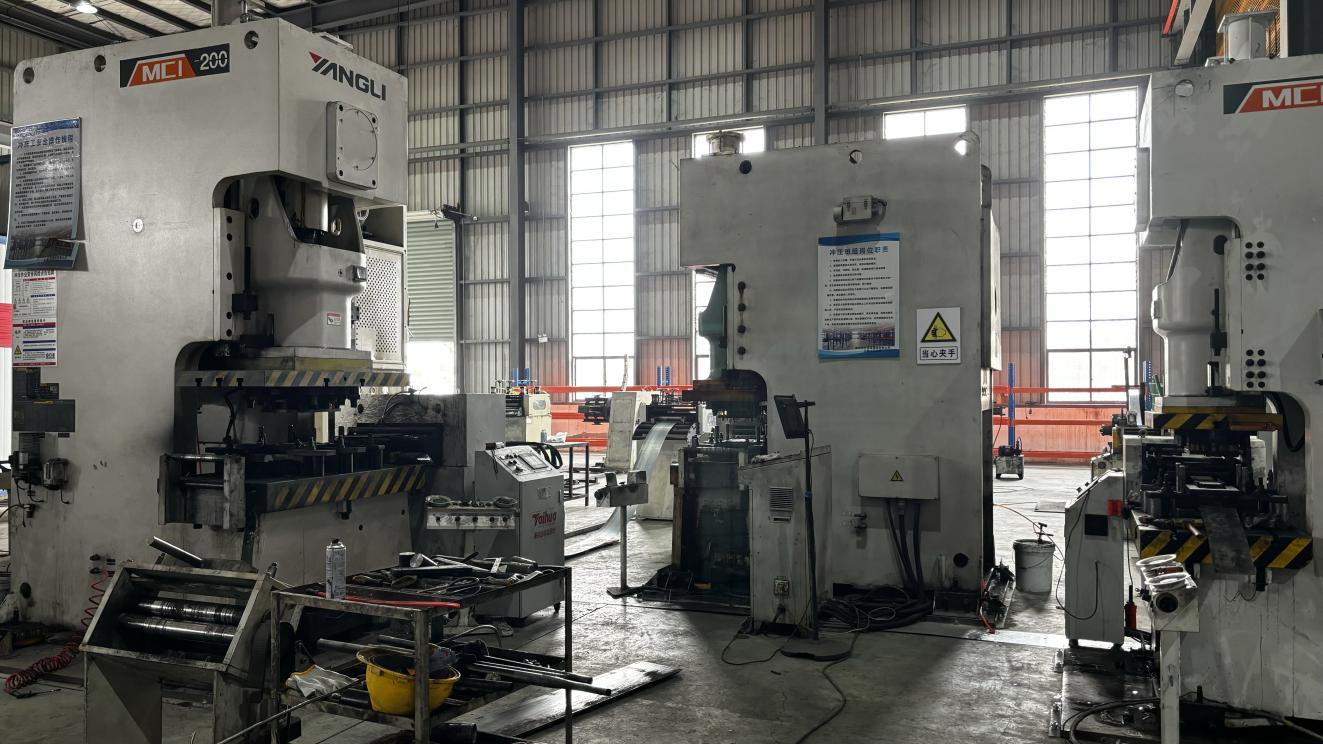
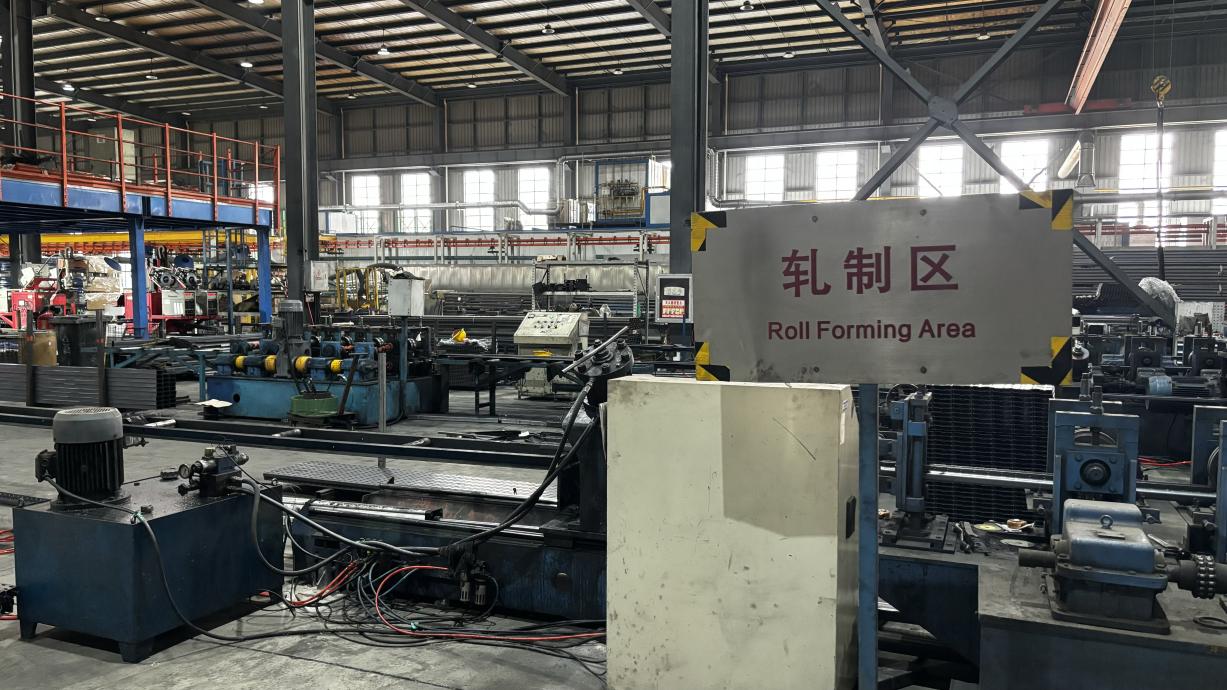
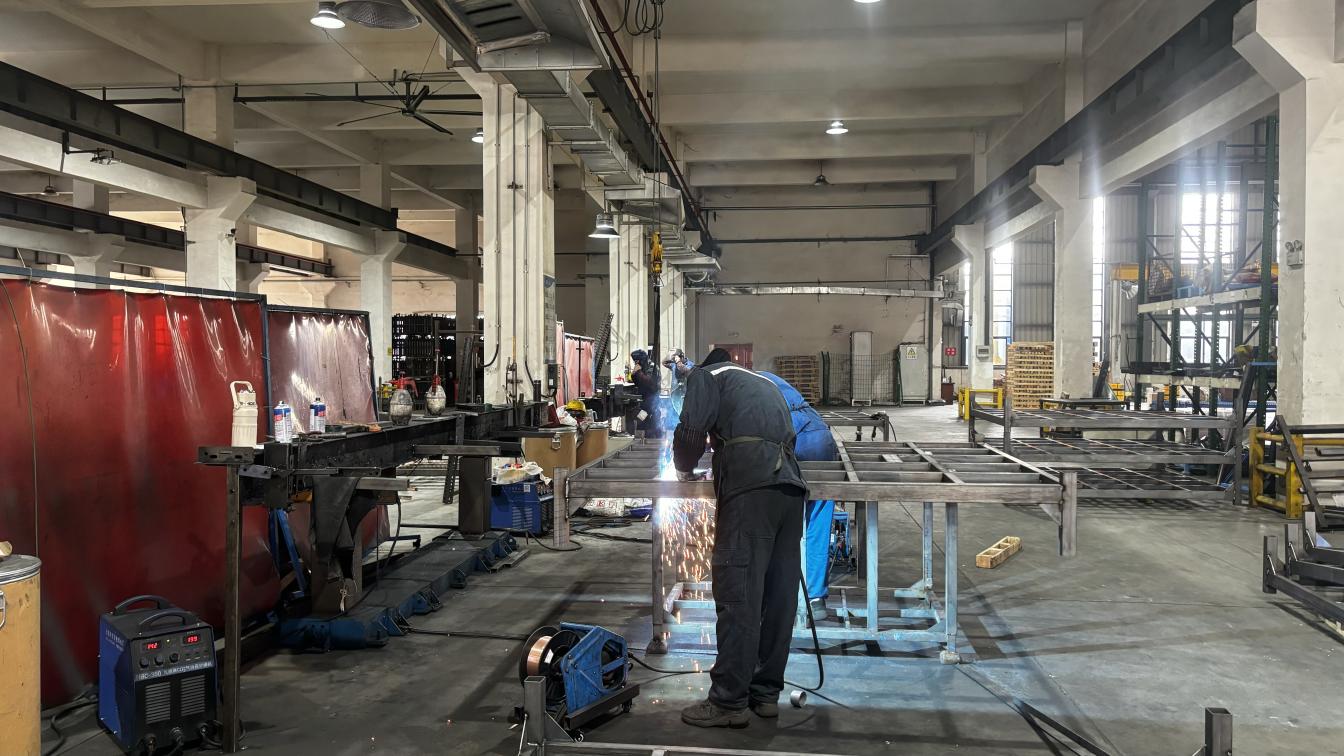
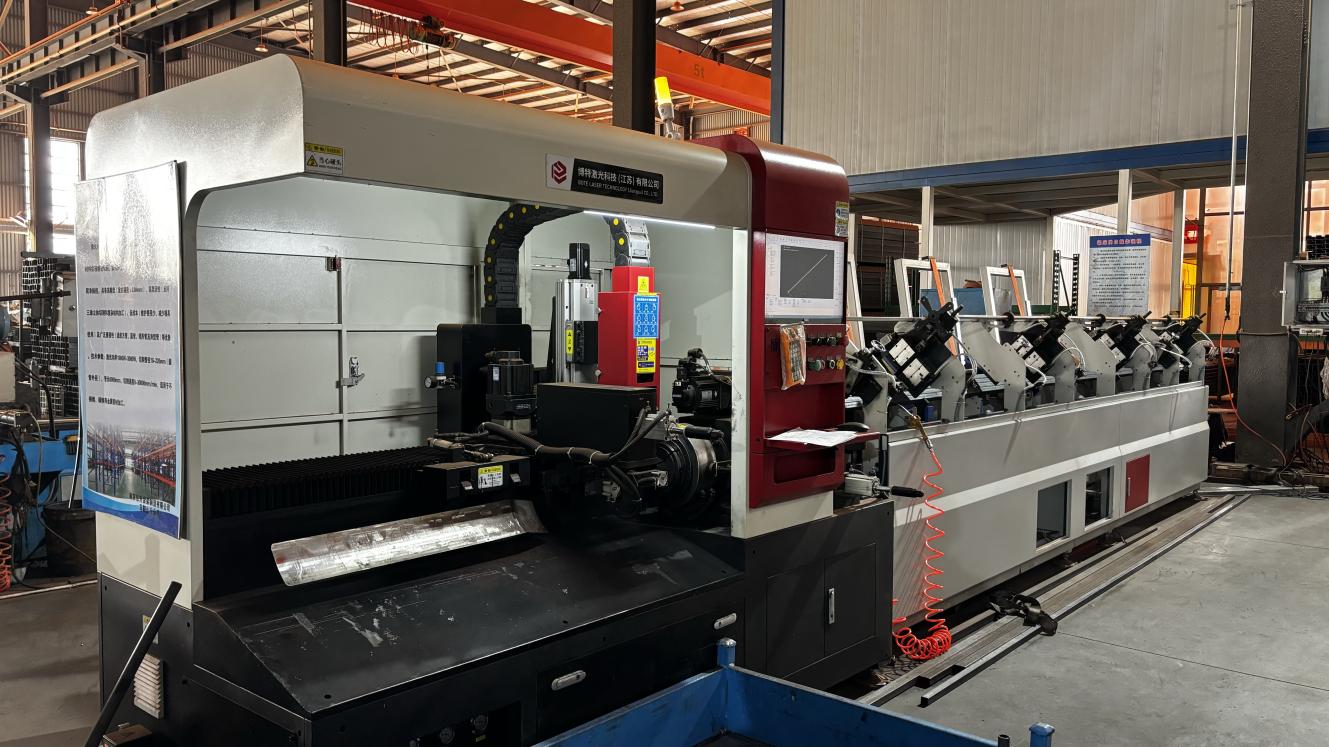
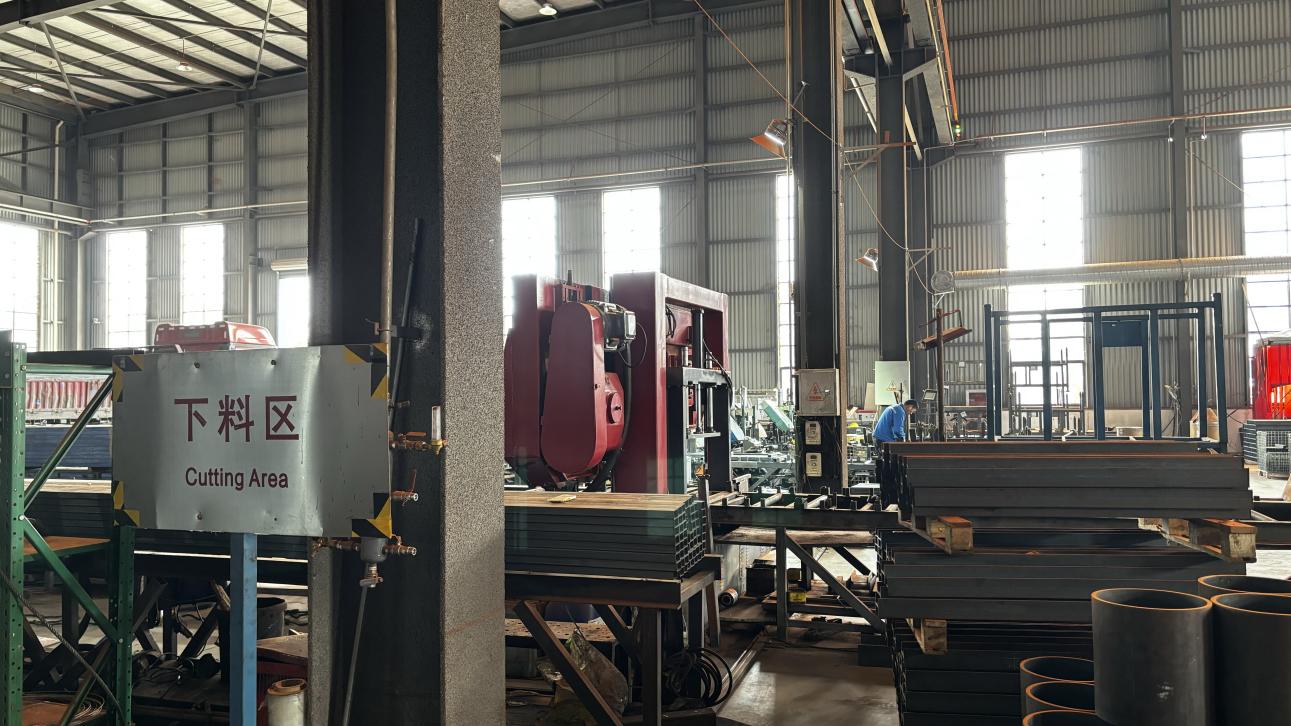
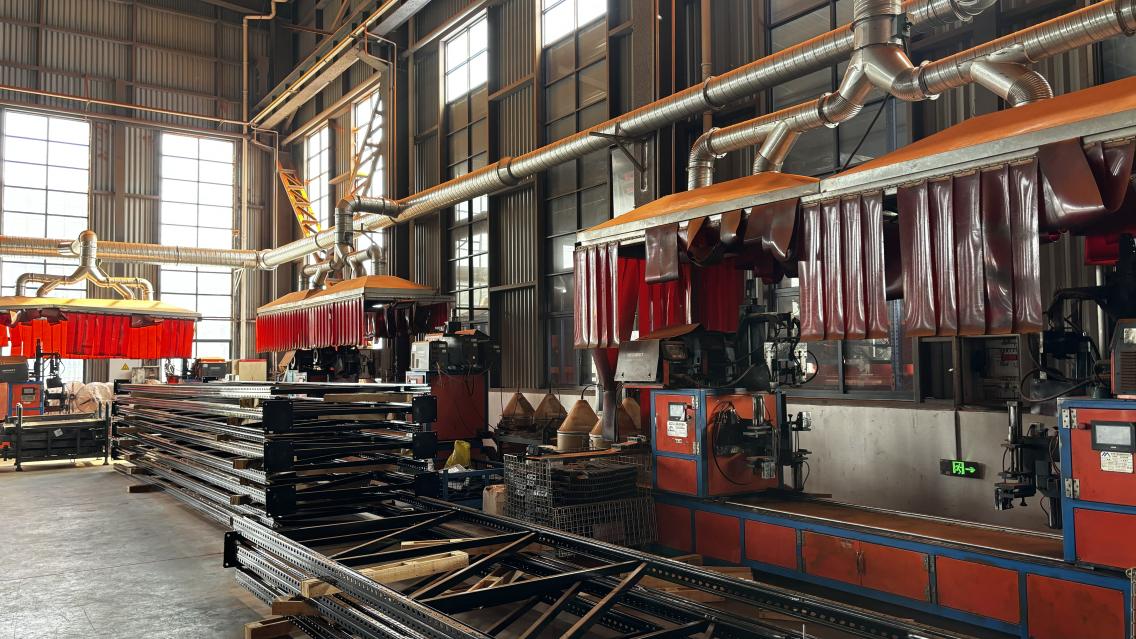
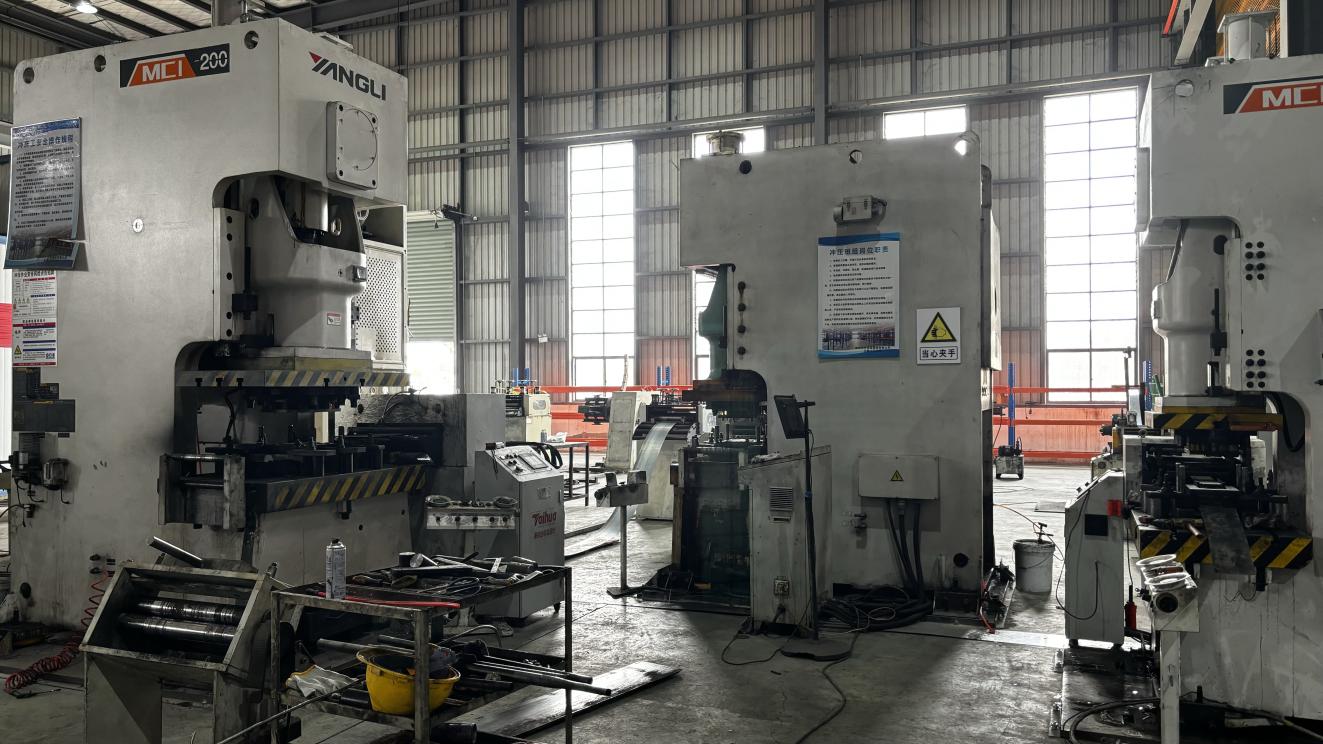
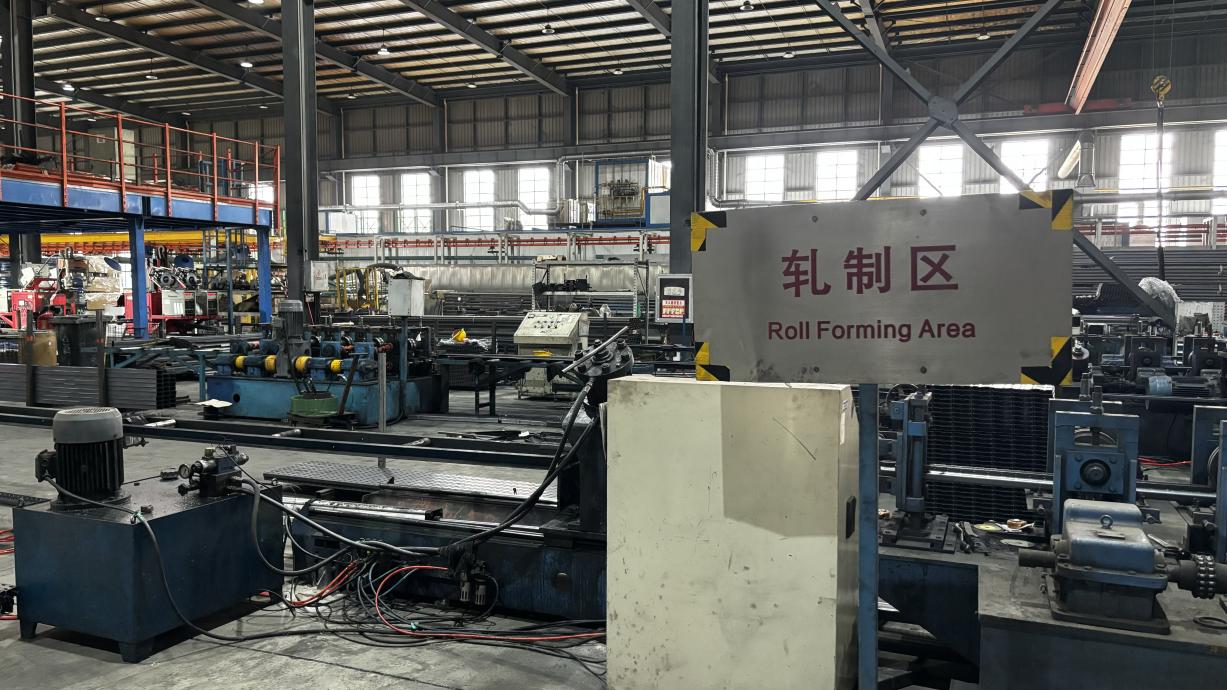
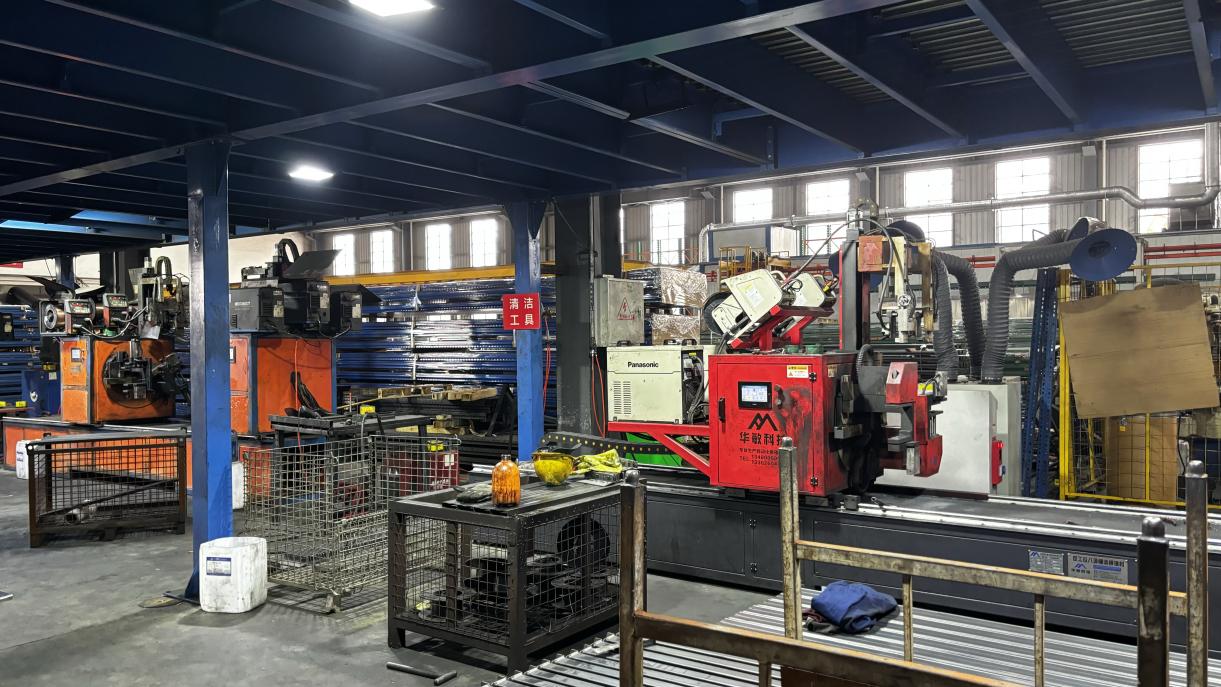
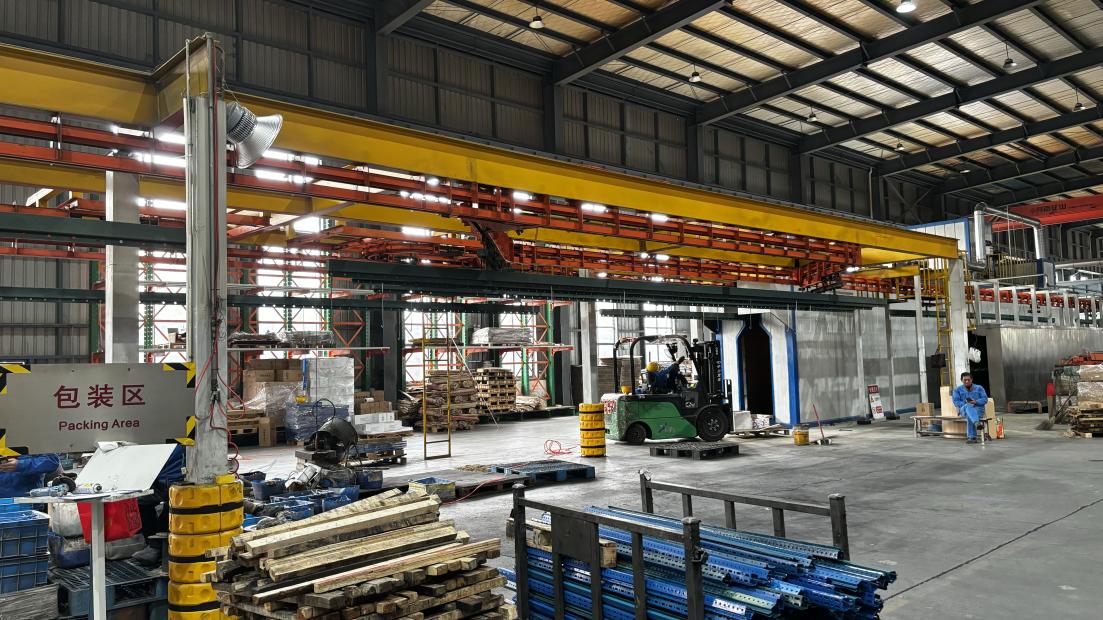
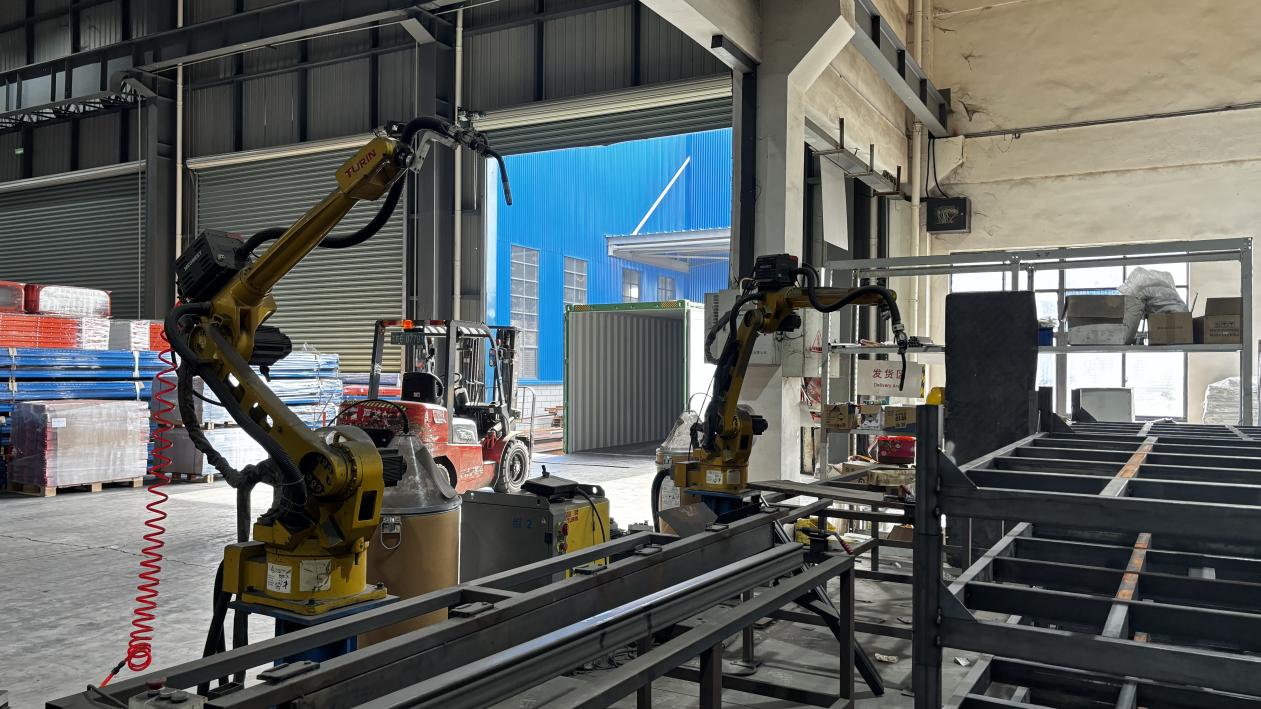
Navigating the complex landscape of global logistics requires more than high quality products; it demands supply chain flexibility and efficiency. Southern China, particularly the Foshan region, represents the absolute global epicentre of metal fabrication and plastic injection technologies. Our strategic proximity to deepwater ports in Guangzhou and Shenzhen guarantees fast shipping turnarounds and minimal transit delays.
By integrating direct raw material sourcing, automated high-pressure injection molding machines, and robotic sheet metal welding under one roof, we eliminate intermediate manufacturing margins. The net benefit to our procurement partners is a direct 15-22% reduction in overall acquisition cost compared to regional European or North American domestic production, without compromising raw material specifications or standard load testing guidelines.
Our raw material supply consists of verified tier-1 polymer producers. We run strict QC metrics on every melt index batch to ensure consistency in density and color fastness, keeping our global clients protected against unexpected structural failures.
Different retail formats require customized equipment sizes, materials, and transport designs. Understanding these local requirements prevents operational friction and ensures alignment with shopper habits in diverse markets.
Engineered for high-volume purchases, North American retailers require large 50L+ capacity baskets, heavy-duty rolling bases, and stackable frames. Materials must withstand extreme parking lot temperature drops and long outdoor storage exposures.
European shopping centers often feature compact configurations, focusing on ergonomic design, visual integration, and eco-friendly plastics. Smaller 20L-30L handheld configurations with recycled materials are the primary standard.
Due to humid conditions in wet-markets and convenience hubs, basket materials require UV stabilizers and anti-fungal properties. Drainage-focused patterns prevent water pooling, keeping units hygienic.
The retail industry is shifting towards automation, integration, and environmental sustainability. Traditional physical accessories are evolving to adapt to digital customer journeys and circular economies.
Next-generation baskets feature built-in RFID tags and self-scanning sensors. These integrations enable automated checkouts, dynamic inventory updates, and cart tracking within stores.
We are expanding the use of certified ocean plastics and post-consumer recycled PP. Our target is to offer a 100% circular polymer composition that matches the structural durability of virgin plastics.
Designing basket geometries that align with inline chemical disinfection systems, helping supermarkets sanitize equipment rapidly with zero manual labor.
As shopping equipment handles items that touch food products, global safety compliance is critical. We ensure our operations meet strict regional import and chemical regulations.
Our products are free from restricted plasticizers, heavy metals, and harmful chemical stabilizers, conforming to strict EU imports.
Polymer formulations undergo regular FDA migration tests to confirm zero chemical leakage when baskets come in contact with raw food.
Our manufacturing stages follow standardized international procedures, ensuring consistent production quality and component traceabilities.
Explore our specialized range of retail hardware, including woven designs, display systems, senior mobility solutions, and heavy-duty logistics options:
 FlexiRack