Choosing the right Modular Shelving system is rarely a simple price comparison. Global buyers must assess load capacity, adjustability, material quality, delivery distance, and local installation support. A shelf that performs well in a London showroom may struggle in a humid warehouse near Singapore. Small details matter, including beam thickness, locking mechanisms, floor anchors, and corrosion protection.
Industry data supports this wider view. Grand View Research identifies warehouse automation and space optimization as continuing growth areas, driven by e-commerce and tighter fulfillment requirements. The MHI 2024 Annual Industry Report also highlights supply-chain resilience, technology investment, and operational visibility as major business priorities. These trends make adaptable storage more valuable. Modular designs can respond to changing stock sizes, labor patterns, and facility layouts without requiring a complete rebuild. They are not automatically efficient, however. Poor planning can create wasted aisles, unsafe access points, or expensive unused capacity.
This guide reviews seven shelving systems for international purchasers. It considers everyday usability, structural flexibility, maintenance, customization, and supplier reliability. Relevant safety expectations, including recognized furniture and storage standards such as ISO 7170 and EN 16121, also deserve attention. Market reports vary in scope and methodology. Treat their figures as directional, not absolute. Real performance still depends on site conditions, installation accuracy, and staff behavior. That is easy to overlook.
The strongest option is not always the most advanced. Sometimes, a simple boltless unit offers better long-term value. Each recommendation therefore balances measurable specifications with practical experience, helping buyers compare systems more carefully across different markets.
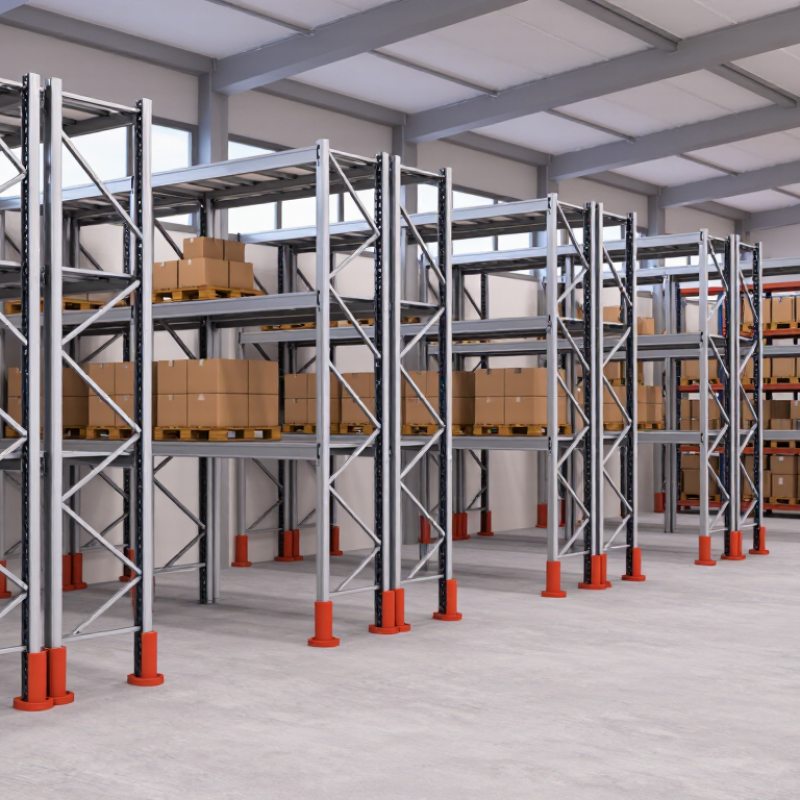
Modular shelving systems are storage structures built from interchangeable parts. Typical components include upright frames, shelves, brackets, connectors, and leveling feet. Buyers can change the layout without replacing the entire unit. This makes the system useful in homes, offices, shops, warehouses, and archives.
The shelves usually attach to vertical frames through slots, clips, or bolts. A user can raise one shelf to clear a storage box, then lower another for smaller items. Some systems use adjustable feet to compensate for uneven floors. That small detail matters. A tilted unit can become unstable, especially when heavy cartons are stored above waist height. Check the stated load per shelf, not only the total capacity.
In practical installations, planning starts with wall length, ceiling height, aisle width, and item weight. Measure twice. A neat drawing can still fail when doors, sprinklers, or skirting boards reduce usable space. Global buyers should also review material thickness, corrosion protection, assembly instructions, replacement-part access, and packaging strength. Climate affects performance; humid coastal locations may require better surface protection than dry interiors. Local safety and building requirements should be confirmed before installation. The first layout is rarely perfect. Modular design allows revision, but repeated changes may loosen connections or waste space. A careful inspection after assembly remains essential.
Modular shelving systems use interchangeable shelves, frames, brackets, posts, or panels to create storage that can be reconfigured as space and load requirements change. The comparison below focuses on common system types and practical buying criteria for international projects.
| Modular Shelving System | Typical Construction | Typical Shelf Load | Adjustment Method | Common Height Range | Best Applications | Global Buyer Considerations |
|---|---|---|---|---|---|---|
| Boltless Rivet Shelving Fast assembly | Steel uprights with rivet beams and particleboard, wire, or steel decking. | 150–500 kg per shelf, depending on span, decking, and load distribution. | Shelves usually adjust in vertical increments of approximately 35–75 mm. | 1.8–2.4 m for common freestanding units. | Garages, stockrooms, workshops, archives, and light warehouse storage. | Confirm beam compatibility, floor-leveling requirements, corrosion protection, and whether the stated capacity is per shelf or per bay. |
| Slotted-Angle Shelving Highly configurable | Perforated steel angle sections joined with bolts, nuts, and shelf panels. | 75–250 kg per shelf in typical light- to medium-duty layouts. | Bolted connections allow shelves and frames to be repositioned or extended. | 0.9–2.4 m, with custom configurations available. | Retail back rooms, school storage, workshops, utility rooms, and irregular spaces. | Useful for custom dimensions, but installation is generally slower than rivet shelving and exposed fasteners may require periodic tightening. |
| Adjustable Slot-and-Clip Shelving Tool-light installation | Vertical steel posts with punched slots, shelf supports, and steel, wood, or laminated panels. | 80–300 kg per shelf, subject to shelf width and support spacing. | Clips or brackets relocate along regularly spaced vertical slots. | 1.2–2.4 m for most modular installations. | Offices, libraries, retail displays, storerooms, and mixed-size inventory. | Check clip locking design, shelf deflection limits, panel moisture resistance, and the availability of replacement supports in the destination market. |
| Wire Shelving Ventilated storage | Chrome-plated, epoxy-coated, or stainless-steel posts and wire shelves. | 90–350 kg per shelf for common commercial units. | Shelves commonly adjust using split sleeves or locking collars. | 0.9–2.1 m for standard modules. | Kitchens, food-service areas, healthcare spaces, clean storage, and humid environments. | Open wire improves airflow and visibility; select stainless steel or suitable coatings where cleaning chemicals, salt, or humidity are present. |
| Longspan Shelving Wide shelf spans | Heavy-duty steel frames with broad particleboard, MDF, wire, or steel shelves. | 200–800 kg per shelf in typical medium-duty configurations. | Beam levels are commonly adjustable through slots, clips, or bolt connections. | 1.8–3.0 m for many warehouse and stockroom layouts. | Bulky cartons, archive boxes, tools, spare parts, and manually handled inventory. | Measure aisle width, door openings, and lift access before ordering; wide shelves need careful attention to center loading and deflection. |
| Mobile Sliding Shelving Space efficient | Storage bays mounted on manually operated or electrically powered mobile bases. | 100–500 kg per shelf, with total bay and floor-load limits also applying. | Shelves adjust within each bay; entire rows move on rails to open one access aisle. | 1.8–2.4 m for common office and archive systems. | Archives, libraries, records rooms, museums, and high-density inventory storage. | Requires a level floor, rail planning, anti-tip protection, safety controls, and verification of local electrical standards for powered versions. |
| Cantilever Shelving Long-item storage | Vertical steel columns with horizontal arms and optional decking or supports. | 100–1,000 kg per arm or level, depending on arm length and column design. | Arms are repositioned vertically on slotted or bolted columns. | 1.8–3.6 m for indoor applications; taller systems require engineered assessment. | Timber, pipes, tubing, mouldings, carpets, metal profiles, and other long products. | Specify upright spacing, arm length, seismic conditions, anchoring, and whether loads are stored on one or both sides of the frame. |
Boltless steel shelving works well for cartons and stockrooms. Check rated capacity, frame thickness, and shelf spacing.
Wire shelving improves airflow around visible stock. It suits kitchens, laboratories, and humid rooms, if its coating resists corrosion.
Mobile units move on rails or locking casters. They reduce unused aisles, but access becomes slower during busy periods.
Cantilever shelving handles timber, tubes, and rolled materials. Use end stops and keep loads balanced.
Yes. Bin shelving keeps small parts visible and organized. Label each compartment clearly, because clutter returns quickly.
Request tested capacity data, installation drawings, samples, and replacement-part details. A smooth finish can hide weak joints.
Check carton dimensions, gross weight, export packing, insurance, customs documents, and unloading fees. Unit price alone can mislead.
Measure doorways, aisles, floor levels, and seasonal loads. Also review local safety requirements and future equipment changes.
Bent posts and missing connectors can delay work for weeks. Keep spare connectors nearby and request clear assembly guidance.
Not necessarily. Confirm beam spans, testing methods, column deflection, and floor conditions. Real warehouses are rarely perfect.
Modular Shelving systems are flexible storage structures made from interchangeable components such as posts, shelves, brackets, and connectors. They can be assembled, adjusted, expanded, or relocated without replacing the entire unit, making them suitable for homes, offices, retail spaces, warehouses, and professional environments. This guide explains how these systems work and compares them using key criteria, including load capacity, dimensions, materials, durability, adjustability, installation method, safety, and long-term value.
It also introduces seven leading system types for global buyers, from lightweight boltless designs to heavy-duty industrial configurations and decorative space-saving options. Each system is matched to different room sizes, storage loads, and usage patterns, helping buyers select the most practical solution. The guide also highlights international purchasing factors such as packaging, shipping volume, assembly instructions, regional safety standards, replacement parts, warranty coverage, and after-sales support. Together, these insights help buyers choose reliable Modular Shelving that fits both their operational needs and local requirements.

 FlexiRack