What is the Best Warehouse Storage System for Your Business?

Time:2026-08-22 Author:Amelia
0%

In the rapidly evolving world of logistics, selecting the right Warehouse Storage Systems is crucial for operational efficiency. According to a report by the Warehousing Education and Research Council (WERC), inefficient storage can lead to a 30% increase in operational costs. This statistic underscores the importance of choosing a suitable storage solution tailored to your business needs.

Optimal warehouse storage is not just about space; it’s also about process efficiency. A study from McKinsey highlights that effective storage systems can boost picking efficiency by up to 25%. However, businesses often overlook this aspect, leading to missed opportunities for improvement.

Choosing the right Warehouse Storage Systems involves understanding your unique requirements. Factors such as inventory turnover and space utilization play a significant role. Many businesses struggle with these decisions, so researching various systems can provide valuable insights. Ultimately, investing time in evaluating your options will prove beneficial in the long run.
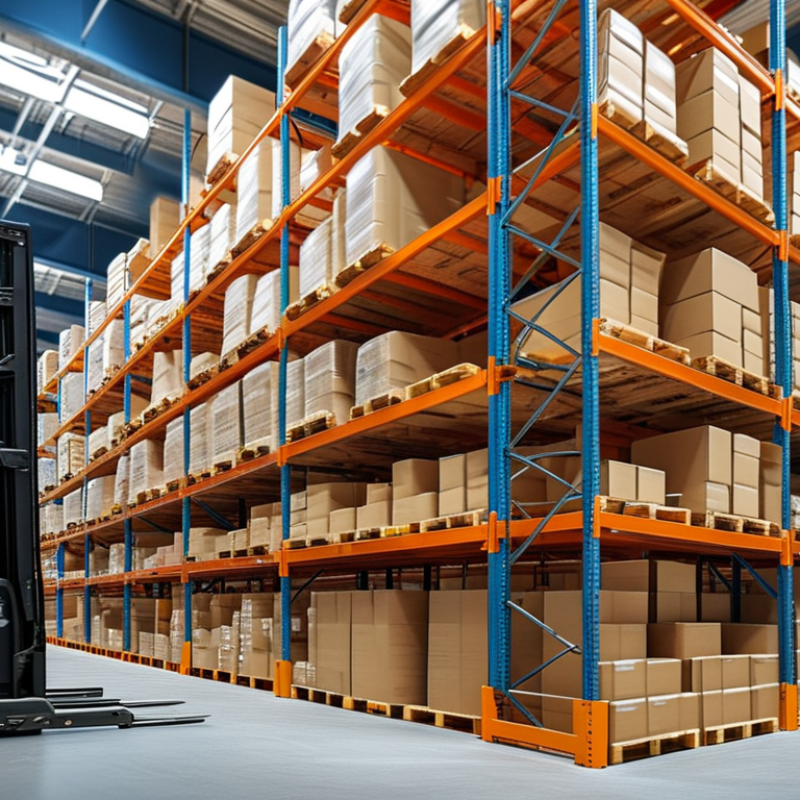
What is the Best Warehouse Storage System for Your Business?

Understanding Different Warehouse Storage Systems for Business Needs

When evaluating warehouse storage systems, it is essential to understand the specific needs of your business. Each operation is unique, influencing the choice of storage methods. According to the Warehousing Education and Research Council, approximately 80% of warehouse operations must adapt to a range of product sizes and types. This variance necessitates flexible storage solutions to enhance efficiency.

Traditional shelving and racking are common, but many businesses are moving toward automated systems. Automated storage and retrieval systems can boost efficiency by up to 30%, as reported by the Material Handling Institute. This helps reduce labor costs and minimize human error. However, automation requires an upfront investment that may not suit every company.

Pallet racking remains popular for its versatility across different products. A study from Modern Material Handling notes that over 70% of warehouses utilize selective racking, which allows for easy access to each pallet. However, this method often leads to wasted space in narrow aisles. Therefore, businesses should weigh the pros and cons of each system carefully. Efficient space utilization is vital, yet a one-size-fits-all approach can fall short in meeting operational challenges.

What is the Best Warehouse Storage System for Your Business? - Understanding Different Warehouse Storage Systems for Business Needs

Storage System Type Description Best For Advantages Disadvantages
Pallet Racking Vertical storage system using shelves and pallets. Large inventory and heavy goods. Maximizes vertical space, flexible, and easily adjustable. May require a forklift for access; upfront cost can be high.
Shelving Units Open storage units for smaller items. Manual picking and smaller loads. Low cost, easy to set up, good for quick access. Limited vertical storage; less stability for heavy items.
Mobile Racking Racking systems on mobile bases for compact storage. High-density storage needs. Maximizes floor space, organized, and improved accessibility. Higher initial investment; requires floor reinforcement.
Cantilever Racks Racks designed for storing long or bulky items. Steel, lumber, furniture storage. Easy access and loading/unloading, customizable heights. Not ideal for small items; can take up larger floor space.
Automated Storage and Retrieval Systems (AS/RS) Automated systems for handling items with robotic systems. High volume, fast retrieval needs. Increases efficiency, reduces labor costs, optimizes space usage. Very expensive; complex to install and maintain.

Evaluating the Efficiency of FIFO vs. LIFO Storage Methods

FIFO (First In, First Out) and LIFO (Last In, First Out) are two prevalent storage methods in warehousing. Each has its advantages and challenges. FIFO is often favored for perishable goods. Research indicates that 75% of businesses using FIFO report reduced spoilage rates. This method prioritizes efficiency in stock rotation, ensuring older products are sold before new ones. For example, in the food industry, outdated stock can lead to significant financial losses.

Conversely, LIFO may be beneficial for non-perishable items or in environments with fluctuating prices. A study by the Warehousing Education and Research Council revealed that 62% of companies employing LIFO experience enhanced cash flow management. However, the complexity of this method can lead to confusion in inventory tracking. LIFO complicates forecasting, especially in dynamic markets. Businesses must weigh these factors carefully when choosing a storage system. Balancing cost advantages against potential stock inaccuracies is crucial.

Understanding these methods' implications can directly impact your business's efficiency. Assess your product type and market dynamics. Consider how your inventory strategy aligns with overall financial health. Reflecting on these elements will aid in making informed decisions amidst evolving industry landscapes.

Assessing Vertical Space Utilization in Warehouse Design

When designing a warehouse, vertical space utilization is crucial. Many warehouses fail to maximize their vertical height. This can lead to wasted space and inefficient storage. Racking systems can increase storage density significantly. High shelves enable businesses to store more items without expanding the facility's footprint. However, they also require careful planning.

Choosing the right racking system is critical. Consider the products being stored. Fragile items may need more accessible shelving. Heavier products might benefit from sturdy, high-density racking. Moreover, don't overlook the importance of safety. An improperly designed vertical system can result in accidents. This highlights the need for regular assessments and adjustments.

Designing a warehouse is a complex task. It’s essential to keep the workflow in mind. Workers should be able to access items easily. Poor layout can lead to delays and frustration. Utilizing vertical space is not just about stacking. It’s about creating an efficient, user-friendly environment. Regularly revisiting and reflecting on your design can yield improvements. Remember, good design evolves with time.

Comparing Static vs. Dynamic Storage Solutions for Inventory Management

When choosing a storage system for your warehouse, you must weigh the pros and cons of static and dynamic solutions. Static storage is often straightforward, catering to organized stock keeping. It typically requires less upfront investment. However, studies show that it may lead to slower order fulfillment rates. According to a report by the Warehouse Education and Research Council, static systems can decrease picking efficiency by 20% compared to dynamic systems.

Dynamic storage solutions leverage advanced technology for optimal space utilization. They adapt to changing inventory levels with greater flexibility. Automated systems can significantly reduce labor costs. A recent industry survey reported that businesses using dynamic storage see a 30% improvement in picking speed. Yet, initial costs and implementation can be challenges. Some companies may hesitate to transition from simpler systems, fearing disruptions.

Both options have their place. A clear understanding of your workflows can guide you. Consider your inventory type, order volume, and growth plans. Static systems offer reliability but may constrain efficiency. Dynamic solutions promise agility but require investment and training. Evaluating these factors is essential for effective inventory management.

Analyzing the Impact of Automated Storage Systems on Cost and Productivity

Automated storage systems have transformed warehouses significantly. These systems enhance productivity by optimizing storage space and reducing operational costs. When implemented effectively, they can streamline picking processes and minimize human errors. However, not every business should rush toward automation.

Some challenges come with automated storage systems. Initial investments can be substantial, and ongoing maintenance may require specialized knowledge. Companies must weigh these costs against potential savings. Furthermore, training staff to adapt to new technology can also slow down operations initially. It is crucial to observe how a system functions in practice before fully committing.

Incorporating automation may lead businesses to overlook the basics. This can create reliance on technology, which might be risky. Human oversight remains vital, especially when dealing with complex logistics. By reflecting on these aspects, businesses can make informed decisions about the right storage system for their needs.

Warehouse Storage Systems Productivity Analysis

FAQS

: What should businesses consider when choosing a warehouse storage system?

: Each business has unique needs, influencing their choice of storage methods. Flexibility is key.

How do automated storage systems impact efficiency?

Automated systems can improve efficiency by up to 30%, reducing labor costs and human errors.

Why is pallet racking still common?

Pallet racking is versatile. It allows easy access but may waste space in narrow aisles.

What is essential for vertical space utilization in warehouses?

Maximizing vertical space is vital. Many warehouses fail to use their height effectively.

What factors influence the choice of racking systems?

Consider product types. Fragile items need accessible shelving, while heavier products require sturdy racks.

How can warehouse design affect workflow?

A poor layout can cause delays. Workers should access items easily to maintain efficiency.

What is the importance of safety in warehouse design?

Improper vertical systems can lead to accidents. Regular assessments are necessary for safety.

Why is it important to reassess warehouse designs?

Good design evolves. Regular reflection can lead to important improvements in efficiency.

Can a one-size-fits-all approach work for storage systems?

No, each operation has unique challenges. Custom solutions often yield better results.

What are some common mistakes in warehouse design?

Wasting vertical space and poor layout are common. Both can hinder efficiency and safety.

Conclusion

When considering the best Warehouse Storage Systems for your business, it is crucial to understand the various options available to meet specific operational needs. Different storage systems can significantly impact efficiency, especially when evaluating methods like FIFO (First In, First Out) versus LIFO (Last In, First Out). Additionally, the effective utilization of vertical space in warehouse design can enhance storage capacity and streamline operations.

Another key aspect involves comparing static versus dynamic storage solutions, which play a vital role in inventory management. Dynamic systems often provide more flexibility and faster access to products, while static systems offer simplicity and reliability. Furthermore, the implementation of automated storage systems can lead to significant cost savings and improved productivity by optimizing space and minimizing manual labor. By carefully assessing these factors, businesses can identify the most suitable Warehouse Storage Systems to enhance their overall efficiency and performance.

Amelia

Amelia

Amelia is a seasoned marketing professional with a wealth of expertise in our company’s core offerings. With an unwavering passion for driving growth and innovation, she plays a pivotal role in shaping our marketing strategies and enhancing brand visibility. A key aspect of her responsibilities......