China Top Endcap Displays for Global Buyers?

Time:2026-10-16 Author:Charlotte
0%

China has become a major sourcing base for Endcap Displays, serving supermarkets, pharmacies, convenience stores, and specialty retailers worldwide. Yet “top” should not mean the lowest quotation. It should reflect tested materials, stable production, clear communication, and reliable delivery.

POPAI’s Mass Merchant Shopper Engagement Study reported that 82% of grocery purchase decisions occurred in-store. That finding gives endcap placement practical importance. A well-built display can place a new product at eye level, beside a promotional message, or near a high-traffic aisle. NielsenIQ’s retail research also emphasizes the importance of visibility, availability, and in-store execution. These factors matter when global buyers compare Chinese suppliers.

Retail analyst Paco Underhill said, “The best way to find out what people want is to watch them.” His observation fits Endcap Displays closely. Buyers should study shopper movement, shelf reach, product weight, and replenishment speed before approving a design. A striking unit can still fail if staff cannot assemble it quickly.

This guide will examine leading Chinese suppliers through practical criteria. These include engineering experience, material options, load-bearing tests, printing quality, packaging protection, certifications, and export records. It will also consider steel, MDF, acrylic, cardboard, and mixed-material constructions. Costs deserve attention, but they should not dominate the decision.

No supplier is perfect. Some factories excel at large rollouts but struggle with small custom orders. Others offer creative prototypes but lack consistent quality control. Global buyers should request samples, inspection records, production photos, and clearly defined tolerances. This approach reduces surprises and creates a more dependable sourcing process.
China Top Endcap Displays for Global Buyers?

What Are Endcap Displays and Why Source Them from China?

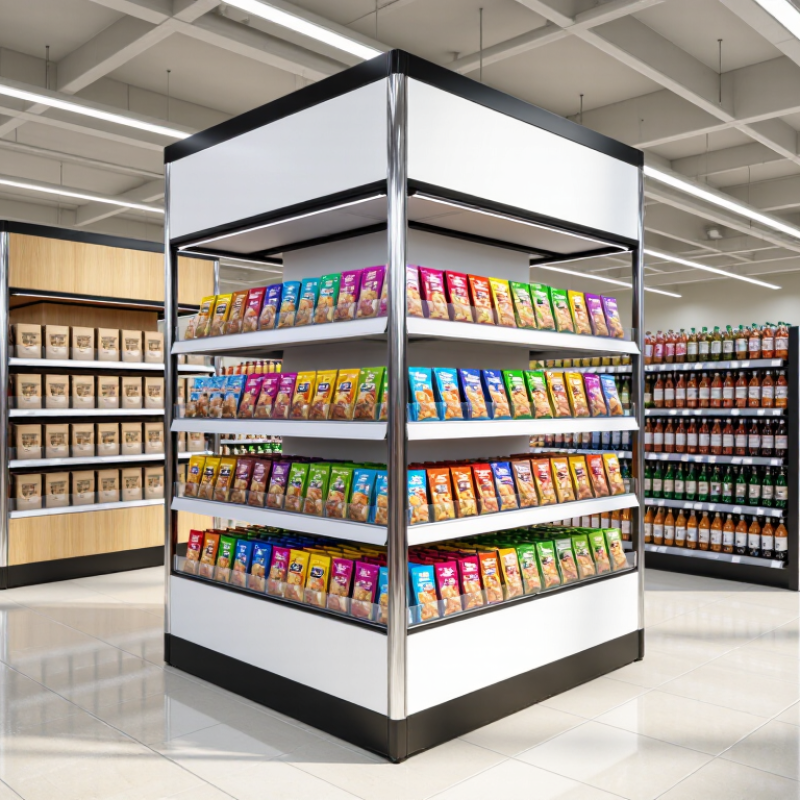
Endcap displays are freestanding retail fixtures placed at the end of an aisle. They attract attention, organize products, and support short promotional campaigns. Global buyers often source them from China because manufacturers can provide metal, wood, acrylic, and mixed-material structures at different price points. Many factories also offer custom sizes, printed panels, lighting options, and flat-pack shipping. A practical example is a 120-centimeter-wide steel frame with adjustable shelves and removable graphics. It can fit supermarkets, pharmacies, or specialty stores. However, customization requires clear drawings. Vague requests create delays.

China sourcing can also support larger purchase volumes and coordinated production. Experienced buyers should request material specifications, load testing, surface-finish details, and packaging photos before approval. Independent inspections can check dimensions, welding quality, color consistency, and carton strength. Compliance matters too. Electrical parts, coatings, and packaging may need to meet destination-market requirements. A low quotation is not always a low total cost. Freight, assembly labor, damage, and replacement parts can change the calculation. I have seen attractive prototypes fail because shelves bent under real products. That mistake is worth remembering.

Tips: Share product weights, aisle measurements, target quantity, and delivery location early. Ask for a physical sample when the display is complex. Confirm tolerances in writing. Keep a backup finish or material option. It may save time. Do not rely only on factory photos; request recent production evidence and a written quality plan. Clear communication, staged payments, and documented inspections make China sourcing more reliable for global buyers.

China Top Endcap Displays for Global Buyers

What Are Endcap Displays and Why Source Them from China?

Endcap displays are promotional fixtures positioned at the end of retail aisles to increase product visibility and support seasonal or promotional campaigns. The chart compares widely used pallet footprints that can serve as practical reference sizes for endcap display bases. Standardizing the footprint helps global buyers plan store compatibility, shipping, and modular production when sourcing from China.

Reference dimensions: Euro pallet 1200 × 800 mm, ISO/China common pallet format 1200 × 1000 mm, and North American GMA pallet 1219 × 1016 mm.

Key Types of China-Made Endcap Displays for Retail Stores

China Top Endcap Displays for Global Buyers?

China-made endcap displays come in several practical formats for retail stores. Gondola endcaps suit packaged goods and use adjustable metal shelves. Slatwall endcaps support hooks, shelves, and small accessories. Pegboard units work well for hanging products in clear view. Wire baskets create an open, lightweight display for snacks or promotional items. For bulky merchandise, pallet-style endcaps offer strong floor support and quick replenishment.

Modular endcaps are useful when product sizes change often. Their panels, hooks, and shelves can be replaced without rebuilding the whole unit. Retailers may also request dump bins for soft packages or seasonal goods. These displays usually use steel, MDF, acrylic, or a combination of materials. Powder-coated steel handles daily contact well. Acrylic adds visibility, but it can scratch during shipping.

Good sourcing requires more than attractive drawings. Ask for load testing, material details, edge finishing, and carton protection. Check whether shelf depth matches local product packaging. A display that fits the sample product may fail with larger stock. The first sample can look excellent, yet the final batch may need closer inspection. Small color differences are common and should be controlled with approved samples. Confirm assembly time, replacement parts, and flat-pack instructions before production. Experienced buyers also review aisle width, floor stability, and cleaning access. Low price alone is a weak measure of value.

How to Evaluate Chinese Endcap Display Manufacturers

China Top Endcap Displays for Global Buyers?

Choosing a Chinese endcap display manufacturer requires more than comparing quoted prices. Check whether the factory understands your product weight, shelf dimensions, retail traffic, and installation conditions. Request a working sample, not only polished photographs. Inspect its joints, edge finishing, fasteners, and surface coating. A display may look impressive online but feel unstable in person.

Ask for material specifications, load-test records, quality-control procedures, and production lead times. Reliable manufacturers explain tolerances clearly and provide drawings before mass production. They should also confirm packaging details, carton strength, replacement parts, and inspection responsibilities. During factory communication, notice small gaps. Vague answers can become costly delays. I have found that a detailed checklist often reveals more than a confident sales presentation.

Tips: Compare at least three samples. Test each shelf with the intended load. Measure the assembled unit, not just the drawings. Verify certifications for your destination market. Discuss color consistency under retail lighting. Keep one approved sample for future inspections. A pre-shipment inspection is useful, but it is not perfect. Even careful buyers can overlook assembly time or damaged packaging. Allow room for correction.

Materials, Customization, and Quality Standards to Compare

China Top Endcap Displays for Global Buyers?

Materials, Customization, and Quality Standards to Compare

Material selection affects appearance, stability, shipping cost, and long-term retail performance. MDF offers smooth surfaces and efficient painting. Plywood usually provides stronger screw retention and better resistance to repeated assembly. Steel frames support heavier products, while acrylic creates clean, high-visibility shelves. Mixed-material displays can look attractive, but joints need careful inspection.

Customization should begin with product weight, shelf spacing, shopper access, and store dimensions. Ask for technical drawings before approving a sample. Confirm board thickness, metal gauge, coating type, edge treatment, and adjustable components. A small dimensional error can create visible gaps across several units. It happens. Suppliers should also provide carton layouts, drop-test records, and assembly instructions. Flat-pack designs may reduce freight costs, yet they can increase installation time.

Quality comparison requires measurable standards, not attractive photos. Check load-bearing tests, surface adhesion, color consistency, weld quality, and packaging protection. Request material declarations and relevant compliance documents for each destination market. Formal quality systems can improve traceability, but certificates alone do not guarantee a strong display. Factory inspections, pre-shipment sampling, and recorded corrective actions offer better evidence. A perfect prototype can still hide production variation. Allow a realistic tolerance for color and dimensions, then define it in writing. Fresh thinking helps, although some buyers focus too heavily on the lowest unit price.

Ordering, Shipping, and Importing Endcap Displays Globally

China Top Endcap Displays for Global Buyers?

Ordering, Shipping, and Importing Endcap Displays Globally

China offers flexible endcap display production for retailers, distributors, and store-fixture buyers worldwide. The strongest orders begin with a precise specification sheet. Include finished dimensions, shelf load, materials, colors, graphics, lighting, and assembly requirements. Photos help, but measured drawings reduce confusion. Small details matter.

Request a production sample before approving a large quantity. Check edge finishing, coating consistency, print quality, stability, and carton protection. Ask for material descriptions and test records when applicable. A factory audit, video inspection, or independent quality check can reveal practical problems. One mistake still happens often: approving attractive samples without testing shipping durability.

Shipping terms must be understood before payment. Confirm whether the quotation covers export packing, inland transport, ocean or air freight, insurance, and destination charges. Compare the full landed cost, not only the unit price. For ocean freight, provide accurate carton dimensions and weights. Incorrect data can change freight charges sharply. Air freight suits urgent replenishment, but bulky displays become expensive quickly.

Prepare commercial invoices, packing lists, transport documents, and accurate product descriptions. Confirm tariff classification with a qualified customs professional in the destination market. Duties and local taxes vary by country. A reliable supplier should share production updates and packing photos. Still, do not depend on promises alone. Keep written approvals, inspection criteria, and delivery milestones. Global importing is manageable, but delays can begin with one missing measurement or unclear responsibility.

FAQS

Which materials suit endcap displays for different retail needs?

MDF provides smooth surfaces and efficient painting. Plywood holds screws better during repeated assembly. Steel supports heavier products. Acrylic improves visibility. Mixed materials look appealing, but inspect every joint.

What details should buyers confirm before approving customization?

Confirm product weight, shelf spacing, shopper access, and store dimensions. Request technical drawings before approving samples. Check board thickness, metal gauge, coatings, edges, and adjustable parts. Small errors create visible gaps.

Can flat-pack displays reduce total costs?

Flat-pack designs may lower freight costs and storage needs. However, installation usually takes longer. Include assembly labor in the budget. Cheap shipping is not always cheaper.

How should buyers evaluate display quality?

Use measurable standards, not attractive photos. Check load tests, surface adhesion, color consistency, welds, and packaging protection. Request material declarations and destination-market documents. Certificates help, but they cannot prove everything.

Why is production sampling important before a large order?

A sample reveals edge finishing, coating consistency, printing, stability, and carton protection. A perfect prototype can hide production variation. It happens. Inspect multiple units when possible.

What information belongs in a precise order specification?

Include finished dimensions, shelf load, materials, colors, graphics, lighting, and assembly requirements. Measured drawings reduce confusion. Photos alone are risky. Small details matter.

Which shipping costs should global buyers compare?

Compare the complete landed cost, not only the unit price. Confirm export packing, inland transport, freight, insurance, and destination charges. Accurate carton dimensions and weights are essential. Incorrect data can sharply change freight charges.

What documents and controls support smoother importing?

Prepare commercial invoices, packing lists, transport documents, and accurate product descriptions. Confirm tariff classification with a qualified customs professional. Keep written approvals, inspection criteria, and delivery milestones. Promises are not enough.

Conclusion

This guide explains why Endcap Displays are essential for improving product visibility, organizing retail spaces, and encouraging impulse purchases at the ends of store aisles. It introduces the main types of China-made endcap solutions, including freestanding units, shelving displays, promotional stands, and customized structures designed for different products and store layouts. Sourcing from China may offer a broad selection, flexible production capacity, competitive pricing, and customization options, but buyers should carefully assess each manufacturer’s experience, communication, production capabilities, and quality-control procedures.

The article also outlines how to compare materials such as metal, wood, acrylic, and corrugated board, while considering durability, appearance, assembly, branding, and safety requirements. It highlights the importance of reviewing samples, technical drawings, packaging standards, inspections, and certifications before placing an order. Finally, buyers will learn how to plan production schedules, shipping methods, import documentation, product protection, and total landed costs when purchasing Endcap Displays for international retail operations.

Charlotte

Charlotte

Charlotte is a seasoned marketing professional with a deep understanding of the company's portfolio and a passion for elevating its presence in the market. With a keen eye for detail and a commitment to excellence, she ensures that our professional blog is regularly updated with insightful articles......