Retail Displays play a crucial role in shaping consumer behavior and boosting sales. In today’s competitive market, businesses must capture attention quickly. Effective displays engage customers and create memorable shopping experiences. They serve not just to display products, but also to communicate a brand's identity.
When designed thoughtfully, Retail Displays can highlight key products and encourage impulse purchases. Bright colors, innovative structures, and interactive elements make a significant difference. Nevertheless, not every display will resonate with all customers. It is essential to adapt strategies based on target demographics.
Reflecting on past experiences, many retailers discover that simple changes can yield surprising results. A poorly designed display might turn away potential buyers. Regularly assessing the effectiveness of your Retail Displays is key. Striving for continuous improvement can set your business apart from the competition.
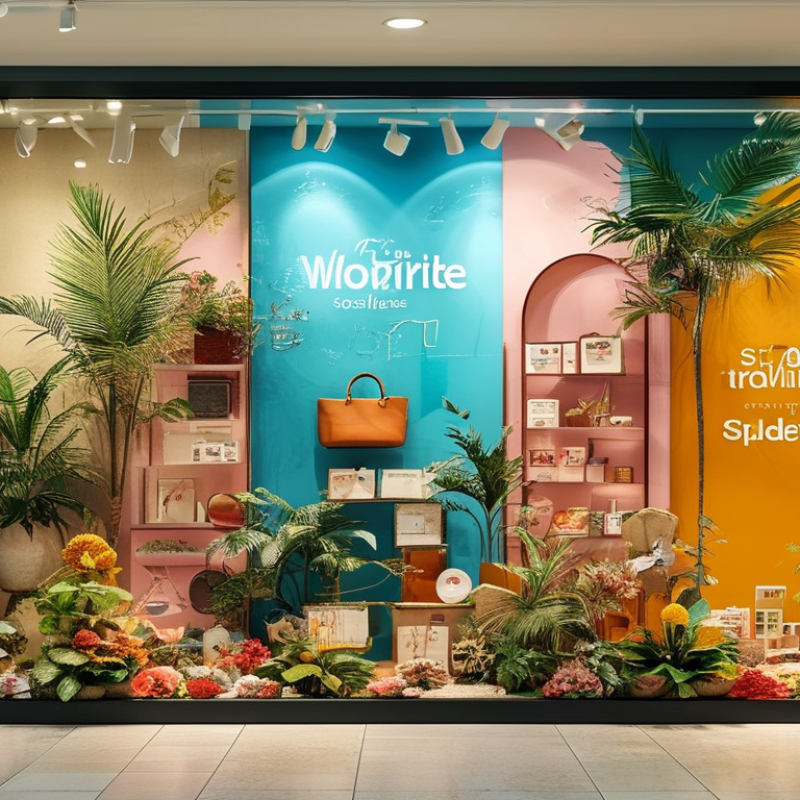
Effective retail displays play a crucial role in attracting customers and driving sales. They serve as the first impression a shopper gets upon entering a store. This initial encounter can make or break a potential sale. Creative and well-organized displays draw attention to products, enticing customers to explore further. Bright colors and strategic placements can highlight promotions, limited editions, or seasonal items. This visual appeal can create an emotional connection, which is essential for influencing purchasing decisions.
Different display styles yield varied effects. For instance, an open layout invites exploration and encourages interaction. On the other hand, a closed display can signal exclusivity. However, not every display strategy works for every product or brand. Store owners need to continuously assess and adapt their displays to meet the evolving tastes of their customers. Often, what seems like an attractive display may not resonate with all shoppers. Regular feedback and observation help retailers refine their approach, balancing aesthetic appeal with customer preferences.
Retail displays serve as a crucial element in a retailer's strategy, directly impacting customer engagement and sales. A recent study from the Point of Purchase Advertising International (POPAI) indicates that over 70% of purchase decisions are made in-store. This highlights the vital role displays play in influencing consumer behavior. Interactive displays are particularly effective, as they engage customers and encourage them to spend more time in-store. Research shows that products featured in interactive displays see a sales increase of up to 30%.
Promotional displays can also create urgency. According to the Display Search report, temporary promotions can drive a 20% increase in sales during the campaign period. Effective display techniques include effective lighting, clear signage, and strategic placement. However, not all displays yield positive results. Sometimes, cluttered or poorly thought-out arrangements can alienate customers. Retailers are advised to regularly assess their displays for effectiveness.
In conclusion, understanding the functions of various retail displays is essential. Continuous testing and adaptation can optimize effectiveness. Specialty displays, such as end caps or freestanding structures, help in targeting specific demographics. The key lies in balancing creativity with clarity, ensuring that displays resonate with the target audience while also showcasing products effectively. Retailers must remain agile, reflecting on what works and what doesn’t in real-time.
Creating a visually appealing display is essential for attracting customers and boosting sales. A well-designed retail display draws attention. It should showcase products effectively. Consider using vibrant colors and eye-catching graphics. This approach creates a memorable impression. Lighting plays a crucial role too. Well-lit displays can highlight key items and create an inviting atmosphere.
Balance is necessary in your design. Too much clutter can overwhelm customers. They may struggle to focus on products. Aim for a clean layout. Use props or thematic elements to enhance the display without being distracting. Additionally, placement matters. Position displays near high-traffic areas for maximum visibility. Test different arrangements to see what works best.
Reflecting on customer feedback can also provide insights. What do they notice or find appealing? Implement changes based on their reactions. This practice not only improves your skills but also builds trust. Strive for continuous improvement in your displays. It’s an ongoing journey that can evolve with your brand and customer preferences. The goal is to create an engaging experience that fosters connection and encourages purchases.
Effective retail display placement is pivotal for enhancing customer engagement. Strategically positioning products can lead to increased sales. Consider using end caps to catch shoppers' attention. These displays should feature seasonal items or promotions. Make them visually appealing and easy to access.
Another approach is to use aisle displays. Place them near high-traffic areas to draw in customers. Bright colors and bold signage can create excitement. Use textures to make products stand out. However, overloading displays may confuse shoppers. Keep it simple and focused.
Lighting plays a crucial role in display engagement. Proper lighting can highlight key products and enhance their appeal. Experiment with different lighting techniques to find what works best. Yet, be cautious; too much brightness can be off-putting. Finding the right balance is essential for effective display strategy.
| Display Type | Engagement Level | Sales Impact (%) | Placement Strategy |
|---|---|---|---|
| End Cap Displays | High | 30% | Position at aisle ends for visibility |
| Table Displays | Medium | 20% | Place near checkout areas |
| Floor Stands | High | 25% | Use in high traffic areas |
| Wall Displays | Medium | 15% | Integrate into long wall sections |
| Signage and Banners | High | 35% | Position at eye-level |
| Product Demonstrations | Very High | 40% | Set up in-store events or weekends |
| Interactive Kiosks | High | 30% | Place near main entrances |
| QR Code Displays | Medium | 18% | Incorporate with product displays |
| Shelf Talkers | Medium | 12% | Attach to shelves at eye level |
| Product Bundles | High | 28% | Showcase together at checkout |
Understanding the impact of retail displays on sales performance is crucial for any business. Effective displays draw attention and entice customers. A well-designed display can significantly increase foot traffic and encourage purchases. Colors, lighting, and arrangement all play vital roles in capturing customer interest. Retailers need to experiment to find the combinations that resonate with their target market.
However, measuring the effectiveness of these displays can be challenging. Retailers often rely on sales data to gauge the impact. Advanced analytics can provide deeper insights into customer behavior. Observing customer interactions with different displays can also reveal preferences. Sometimes, what seems appealing may not yield the desired results. Not all displays lead to increased sales, and this creates room for reflection and improvement.
Regularly reassessing display strategies is essential. Monitoring sales performance after changes can guide future decisions. Gathering customer feedback helps retailers understand why certain displays work better. By adopting a test-and-learn approach, businesses can continuously optimize their retail environments. This not only boosts sales but also enhances the overall shopping experience.
: Retail displays are crucial. They create the first impression and influence potential sales.
Use vibrant colors, eye-catching graphics, and effective lighting to attract attention.
Strategic placement in high-traffic areas increases visibility and engagement, leading to more sales.
Customer feedback helps retailers refine displays. It fosters trust and improves effectiveness.
Too much clutter can overwhelm customers and distract from products. Keep layouts clean.
End caps should feature seasonal items and promotions. They need to be visually appealing.
Yes, proper lighting highlights products. Balance is key; too much brightness can deter customers.
Regular assessments are necessary to adapt to evolving customer tastes and preferences.
No, not every strategy suits all products. Continual adaptation is essential for success.
Focus on creating an engaging experience. This fosters connection and encourages purchases.
Effective retail displays play a crucial role in enhancing a sales strategy by attracting customer attention and driving engagement. Understanding the different types of retail displays and their functions is essential for retailers looking to create a dynamic shopping environment. Key elements such as visual appeal and strategic placement contribute to maximizing interaction with customers, ultimately leading to increased sales performance.
Creating visually stunning retail displays involves careful consideration of design elements, colors, and layouts. Additionally, retailers should implement strategies for optimal display placement to enhance visibility and accessibility. By measuring the impact of these retail displays on sales performance, businesses can refine their strategies and ensure that their displays effectively convert customer interest into purchases, thereby boosting overall sales and customer satisfaction.

FlexiRack