Why Choose Metal Shelving for Your Business?
Every business eventually confronts the same challenge: valuable products, limited floor space, and rising storage demands. Metal Shelving offers a practical answer because it combines strength, adaptability, and long-term value. In a busy stockroom, steel shelves can support cartons, tools, spare parts, and archived files without bending easily. Their open design also improves visibility, helping employees locate items faster and reduce unnecessary movement.
Lean manufacturing authority Shigeo Shingo once said, “The most dangerous kind of waste is the waste we do not recognize.” His observation applies directly to storage planning. Poorly arranged shelving can create hidden waste through blocked aisles, unused vertical space, and repeated searching. Adjustable Metal Shelving allows businesses to change shelf heights as inventory changes. That flexibility matters in retail stores, workshops, warehouses, and offices.
Still, metal shelving is not automatically the perfect choice. Weak frames, unsuitable load ratings, or careless installation can create expensive problems. Measure the room carefully. Check floor conditions. Confirm each unit’s capacity before loading it. A practical layout should leave enough clearance for people, carts, lighting, and emergency access. It should also consider future growth, not only today’s stock.
Experience often reveals details that product brochures overlook. Dust collects on lower shelves. Small parts disappear in deep spaces. Labels become difficult to read under poor lighting. These issues deserve attention. With proper selection, secure assembly, and regular inspections, Metal Shelving can create a cleaner, safer, and more efficient working environment. It is not a glamorous investment. That may be its greatest strength.
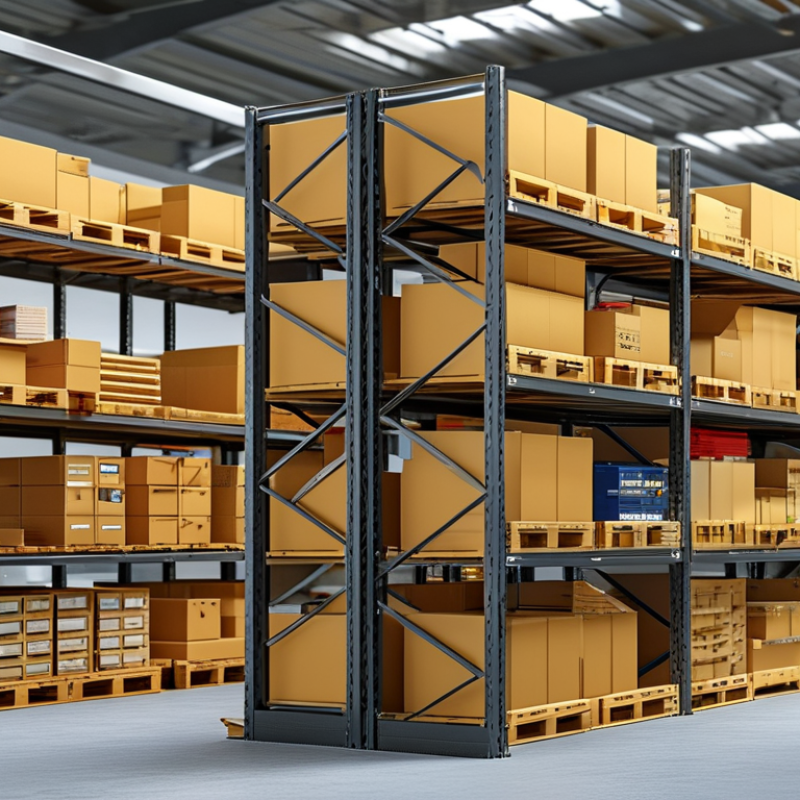
Metal shelving is a storage system built from steel uprights, beams, shelves, and connectors. Unlike fixed wooden cabinets, it uses adjustable levels to hold cartons, tools, documents, or spare parts. Workers can change shelf heights as inventory changes. That simple flexibility matters in busy stockrooms. A 2024 MHI Annual Industry Report, based on more than 1,700 supply-chain professionals, found that 55% planned to increase technology investment. Metal shelving supports that shift by creating clear, measurable storage zones for scanners and inventory software.
The system works through load distribution. Uprights carry vertical weight, while beams transfer pressure across each shelf. Steel panels or wire decks then support stored products. Proper anchoring, even loading, and visible capacity labels reduce operational risk. OSHA’s Materials Handling and Storage guidance emphasizes stable stacking and safe access. In practical use, a shelf near the packing bench may hold fast-moving cartons, while higher levels store slower items. The arrangement is not always perfect. Poor spacing can waste aisle room. Heavy items placed too high can also create handling problems.
Tips: Measure aisle width before ordering. Check the manufacturer’s rated capacity for every level. Keep heavier products low. Leave enough clearance for hands, carts, and safety inspections. Review the layout after one month; real movement often exposes flaws that a floor plan misses.
Metal shelving gives business operations a practical structure.
In a stockroom, steel shelves can hold cartons, tools, files, and spare parts securely. Their open design keeps labels visible and reduces time spent searching. That matters during busy receiving hours. From daily warehouse observations, I have found that stable shelving also makes aisle checks easier.
Durability is a major advantage.
Properly coated metal resists scratches, moisture, and repeated handling better than many lighter materials. Adjustable levels let teams change storage layouts as inventory changes. A shelf that supports heavier loads can reduce floor clutter and protect walking space. However, capacity should never be guessed. Staff should check load ratings, anchor tall units where needed, and inspect joints after relocation. Ignoring those steps creates avoidable risk.
Metal shelving can also support cleaner operations.
Smooth surfaces are easy to wipe. Raised storage keeps boxes away from damp floors. For offices, modular shelves can organize records, spare equipment, and supplies without consuming every wall.
The weak point is weight. Overloading causes bowed levels and makes access awkward. I have seen teams add one more box during busy periods, then forget the limit. Leaving empty space between rows may feel inefficient, but it improves visibility and supports safer handling.
Metal shelving suits businesses that need strength, visibility, and flexible storage. In my experience, the best choice depends on the items, room conditions, and handling routine.
Boltless shelving uses simple uprights and beams, so workers can adjust levels without special tools. It works well in warehouses, stockrooms, garages, and small workshops. Rivet shelving offers similar flexibility and handles cartons, containers, and spare parts efficiently. Wire shelving improves air circulation and visibility. It is useful in kitchens, laboratories, healthcare storage, and humid areas. However, wire shelves may not support very small loose items without liners. That detail is easy to overlook.
Cantilever shelving supports long materials, including pipes, timber, and metal bars. Its open sides allow forklifts or workers to load materials quickly. Mobile shelving runs on tracks and can increase archive or office storage in limited spaces. Stainless steel shelving resists corrosion and supports strict cleaning routines. It is often selected for food preparation areas and clean workrooms. I have seen businesses choose heavy-duty shelves for light inventory, wasting floor space and budget. Measure the load, aisle width, and ceiling height first. Check capacity labels regularly. Shelves can weaken when loads shift, even if they look stable. Anchoring may also be necessary in active work areas. No system fits every room perfectly.
Why Choose Metal Shelving for Your Business?
How to Choose the Right Metal Shelving System
Choosing metal shelving starts with the goods you store, not the shelf’s appearance. Measure package sizes, weights, and available floor space carefully. A narrow aisle may save room but slow daily picking. Leave enough clearance for hands, carts, and safe movement. Adjustable shelves are useful when inventory changes often. Fixed shelves can work better for stable product lines.
Check the shelf’s rated capacity at each level. Do not rely only on the total system rating. Heavy cartons should stay on lower shelves, while lighter items can occupy higher levels. Consider the storage environment too. Dry indoor areas may need basic coated steel. Damp spaces require stronger corrosion protection and regular inspection. Sharp edges, loose bolts, or bent beams should never be ignored.
A practical selection also includes installation and future changes. Confirm ceiling height, floor condition, access routes, and possible expansion. Shelving that fits today may become restrictive after six months. This is easy to overlook. Clear labels and visible load information support safer daily use. Review the system after installation, especially when workers rearrange levels or add heavier goods. No plan is perfect, and real operations often expose mistakes. A small trial section can reveal awkward reach distances, blocked walkways, or wasted space before a larger purchase.
A practical comparison of metal shelving types, performance factors, and selection criteria for commercial storage applications.
| Evaluation Dimension | Common Metal Shelving Option | Typical Specification or Performance | Best-Fit Business Use | Selection Guidance |
|---|---|---|---|---|
| Load Capacity | Light-duty steel shelving | Approximately 90–225 kg per shelf when the load is evenly distributed | Office supplies, packaged goods, retail back stock, and small parts | Choose a system with a rated capacity above the heaviest planned load and avoid concentrated point loads. |
| Load Capacity | Heavy-duty steel shelving | Approximately 225–900 kg per shelf, depending on the frame, beam, deck, and installation | Maintenance parts, tools, industrial components, and bulk cartons | Confirm the manufacturer’s rating for the complete shelf assembly rather than relying on the capacity of an individual component. |
| Material and Finish | Powder-coated carbon steel | Durable painted finish with resistance to normal abrasion, chipping, and surface corrosion | Warehouses, stockrooms, workshops, and general commercial storage | Inspect the coating quality and select a finish appropriate to the humidity, cleaning method, and expected wear level. |
| Corrosion Resistance | Galvanized steel | Zinc-coated surface providing stronger corrosion protection than untreated carbon steel | Garages, utility rooms, semi-outdoor areas, and damp storage locations | For frequent water exposure, chemical contact, or food-processing environments, verify the required hygiene and corrosion standards. |
| Shelf Adjustment | Adjustable-slot shelving | Shelf levels can commonly be repositioned in regular vertical increments, often around 25–50 mm | Inventory with changing carton sizes, mixed product ranges, and growing stock levels | Adjustable shelves improve space utilization and reduce unused vertical clearance. |
| Accessibility | Open-frame shelving | Items remain visible and accessible from the aisle; airflow is generally better than with enclosed cabinets | Fast-moving inventory, picking areas, archives, and maintenance rooms | Use labels, shelf dividers, and clear aisle spacing to improve picking speed and reduce handling errors. |
| Storage Density | Mobile metal shelving | Shelves move on tracks so multiple units can share a reduced number of access aisles | Archives, records rooms, spare-parts storage, and high-value space-constrained areas | Evaluate floor loading, track installation, emergency access, and the frequency of item retrieval before choosing this format. |
| Mobility | Metal shelving with casters | Units can be repositioned for cleaning, layout changes, or temporary storage needs | Workshops, event operations, laboratories, and flexible stockrooms | Check total loaded capacity, caster locking performance, floor condition, and safe movement procedures. |
| Assembly | Boltless or clip-in shelving | Faster assembly than fully bolted systems and often easier to reconfigure | Small warehouses, retail storage, offices, and facilities with frequent layout changes | Ensure every connector is fully seated and use the recommended bracing for the shelf height and load. |
| Stability and Safety | Anchored shelving system | Fixed to the floor, wall, or another approved structure to reduce movement and tipping risk | Tall installations, seismic areas, busy warehouses, and high-traffic workspaces | Follow local building and workplace-safety requirements, especially for tall units or unevenly distributed loads. |
| Space Planning | Standard bay shelving | Common commercial depths include approximately 300–600 mm, with widths selected according to the stored items | General-purpose stockrooms and inventory rooms | Measure item dimensions, aisle width, door clearances, sprinkler clearances, and available ceiling height before ordering. |
| Maintenance | Steel shelving with replaceable parts | Individual shelves, beams, braces, dividers, and panels can be replaced or added in compatible systems | Businesses expecting operational growth or changing storage requirements | Confirm component compatibility and long-term availability to reduce replacement costs and downtime. |
| Total Cost of Ownership | Modular metal shelving | Higher initial cost than basic temporary storage may be offset by reusability, durability, and reconfiguration | Businesses seeking a long-term storage solution | Compare purchase price, installation, accessories, maintenance, usable capacity, and expected service life. |
Note: Capacity ranges are indicative planning values only. Actual safe working loads vary by shelf dimensions, steel thickness, support spacing, configuration, installation method, and applicable safety requirements. Always verify the rated capacity of the complete shelving system before use.
Why Choose Metal Shelving for Your Business?
Metal shelving supports maintenance routines that busy storage areas can realistically follow. Its steel surfaces resist daily knocks, moisture, and repeated loading better than many weaker materials. However, metal shelving is not maintenance-free. Dust gathers on horizontal beams, while small bends can remain unnoticed behind cartons. A monthly inspection should check uprights, shelves, fasteners, corrosion, and overloaded sections. Replace damaged parts promptly. A quick visual check is useful, but it can miss hidden stress.
Safety deserves equal attention. The U.S. Bureau of Labor Statistics reported 2.4 recordable injury and illness cases per 100 full-time private-industry workers in its 2023 Survey of Occupational Injuries and Illnesses. Storage design cannot prevent every incident, but stable shelves and clear aisles reduce avoidable risks. OSHA’s warehousing guidance emphasizes orderly storage, unobstructed walkways, and routine hazard checks. Load ratings must remain visible. Heavy boxes belong on lower levels. Uneven loading is a quiet problem.
Long-term value comes from service life, adaptability, and repairability. A steel unit can often be reconfigured when inventory changes, reducing unnecessary replacement. The ANSI MH16.1 standard provides engineering guidance for steel storage systems, but workplace conditions still matter. Humidity, cleaning chemicals, and forklift traffic may shorten useful life. It is tempting to calculate value from purchase price alone. That approach is incomplete. Maintenance records, downtime, replacement parts, and worker safety costs deserve equal attention. A practical improvement is photographing each inspection area, because memory is less reliable than evidence.
Metal shelving offers scalable storage capacity, predictable maintenance, and durable performance for commercial environments. The chart shows representative evenly distributed load ratings commonly specified for light-, medium-, and heavy-duty steel shelving.
Load ratings are typical planning ranges for commercial steel shelving and vary by design, shelf span, installation, and loading method. Always verify the rated capacity for the selected system.
: It can hold cartons, tools, files, spare parts, and daily supplies. Labels stay visible. This reduces searching during busy receiving periods.
Raised shelves keep boxes away from damp floors and reduce floor clutter. Clear aisles matter. Open layouts also make stock checks easier.
Many units support substantial loads, but capacity must be checked before use. Never guess. Keep heavy boxes on lower levels and distribute weight evenly.
No. Dust collects on beams, and small bends may hide behind cartons. Inspect monthly. Check shelves, uprights, fasteners, corrosion, and overloaded sections.
Keep walkways unobstructed and display load ratings clearly. Anchor tall units when necessary. Inspect shelves after moving them or changing their layout.
Weight is a practical weakness, especially during relocation. Overloading can bow shelves and restrict access. One extra box can matter. Teams often forget limits during busy periods.
Adjustable levels allow teams to change storage heights and layouts. Useful, but not perfect. Different cartons may still leave awkward gaps or unused space.
Its value includes service life, repairability, adaptability, and reduced replacement needs. Purchase price is only part of the picture. Track maintenance, downtime, replacement parts, and safety-related costs.
Metal Shelving is a practical storage solution designed to organize products, tools, materials, and equipment in business environments. Built with strong metal frames and adjustable shelves, it uses vertical space efficiently while supporting substantial loads. Its open structure allows quick access, clear visibility, and improved airflow, making it suitable for warehouses, retail areas, workshops, offices, stockrooms, and service facilities. Compared with temporary storage options, metal shelving offers durability, flexibility, and a professional appearance.
Businesses can choose from units such as boltless, mobile, heavy-duty, or modular shelving, depending on available space, load requirements, and workflow needs. The right system should match the weight and size of stored items, fit the room layout, and allow future expansion. To protect long-term value, shelves should be assembled correctly, loaded evenly, inspected regularly, and kept clean and dry. Safe use also requires clear aisles, secure placement, visible load limits, and prompt replacement of damaged components. With thoughtful selection and maintenance, Metal Shelving can improve efficiency, organization, and storage capacity over many years.
FlexiRack