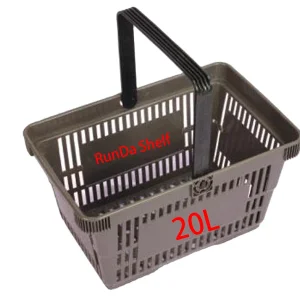
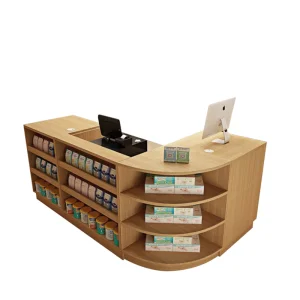
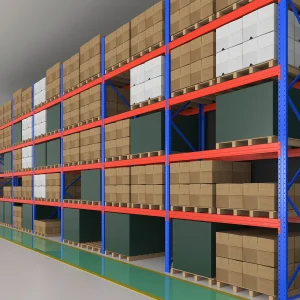
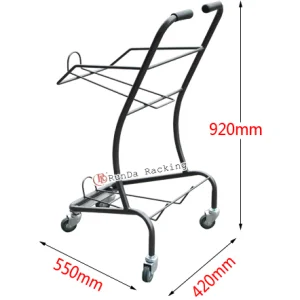
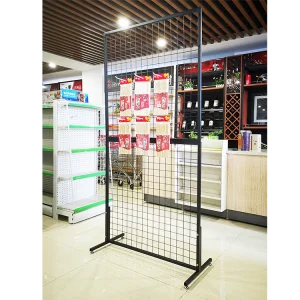
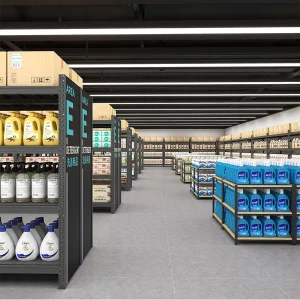
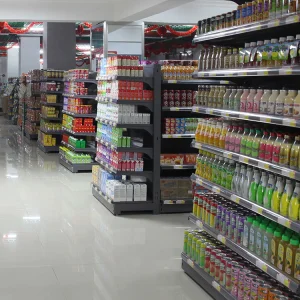
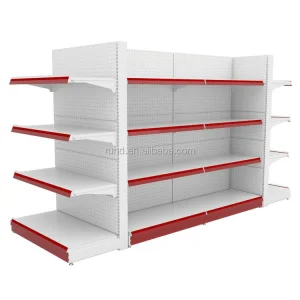
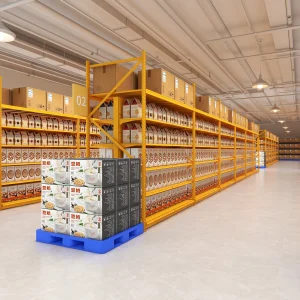
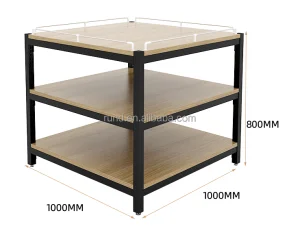
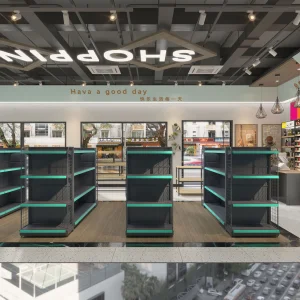
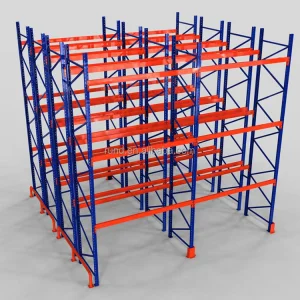
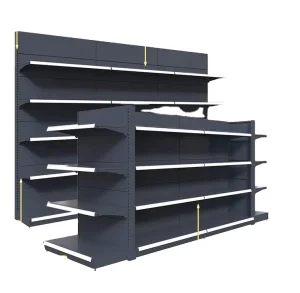
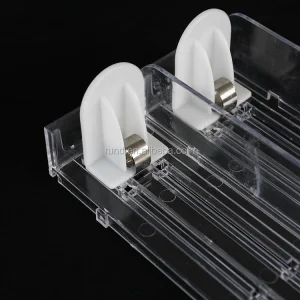
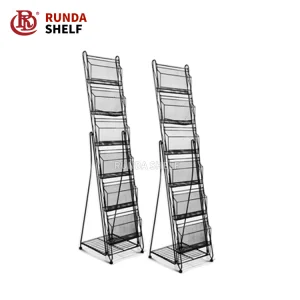
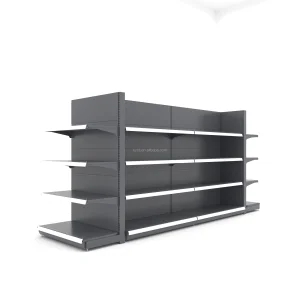
Our heavy-duty retail shelving and modular warehouse racking systems represent the baseline configuration of Foshan FlexiRack Intelligent Logistics Equipment Co., Ltd. These structural components are specifically optimized to serve as the baseline physical layouts for both high-traffic supermarkets and advanced cold chain logistics networks worldwide.
Modern refrigerated shelves represent the intersection of thermodynamic management, material science, and supply chain logistics. In food retail, pharmaceutical storage, and fresh-cut distribution centers, refrigerated shelving is no longer just a static steel beam layout. It is a critical component of the cold chain, responsible for maintaining thermal integrity, optimizing airflow, and preventing moisture pooling or microbial colonization.
Foshan FlexiRack Intelligent Logistics Equipment Co., Ltd. (established in 2014) leverages its extensive 32,000 m² modern facility to pioneer structural innovations in low-temperature environments. Standard supermarket shelving fails when exposed to sub-zero temperatures: steel embrittlement occurs, traditional powder coatings peel, and moisture pooling breeds bacteria. Engineered refrigerated shelving addresses these vulnerabilities by using custom-formulated stainless steels and antimicrobial coatings, combined with physical configurations designed to maximize cold-air distribution.
On a macro scale, the global demand for refrigerated retail space and cold-storage distribution is surging, driven by urbanization and the rapid growth of the fresh food and e-commerce grocery sectors. To maintain operating margins, businesses must focus on reducing the high electricity costs associated with continuous refrigeration. This is where thermal efficiency becomes crucial.
Conventional solid metal shelves obstruct air circulation in display coolers, causing temperature variations. Our custom wire-grid and perforated-plate configurations are optimized to promote laminar flow. This allows cold air to circulate freely around stored goods, reducing compressor run-time by up to 15%.
Standard low-carbon steel undergoes a ductile-to-brittle transition when exposed to sub-zero temperatures. FlexiRack's specialized low-temperature carbon steel and high-grade 304/316 stainless steels maintain high yield strength and impact resistance in temperatures down to -40°C.
Condensation in commercial display cases creates a highly corrosive environment. Our advanced dual-layer electrostatic epoxy powder coating, applied after automated shot blasting, provides an anti-microbial barrier that withstands frequent washdowns with harsh cleaning chemical solutions.
Our 32,000 m² factory integrates automated lines, robotics, and advanced quality assurance tools. To deliver structural reliability under extreme cold stress, each fabrication step—from blanking to final coating—is precisely calibrated. Our 35 QA specialists perform regular ultrasonic flaw detection and dynamic load testing to verify weld integrity.
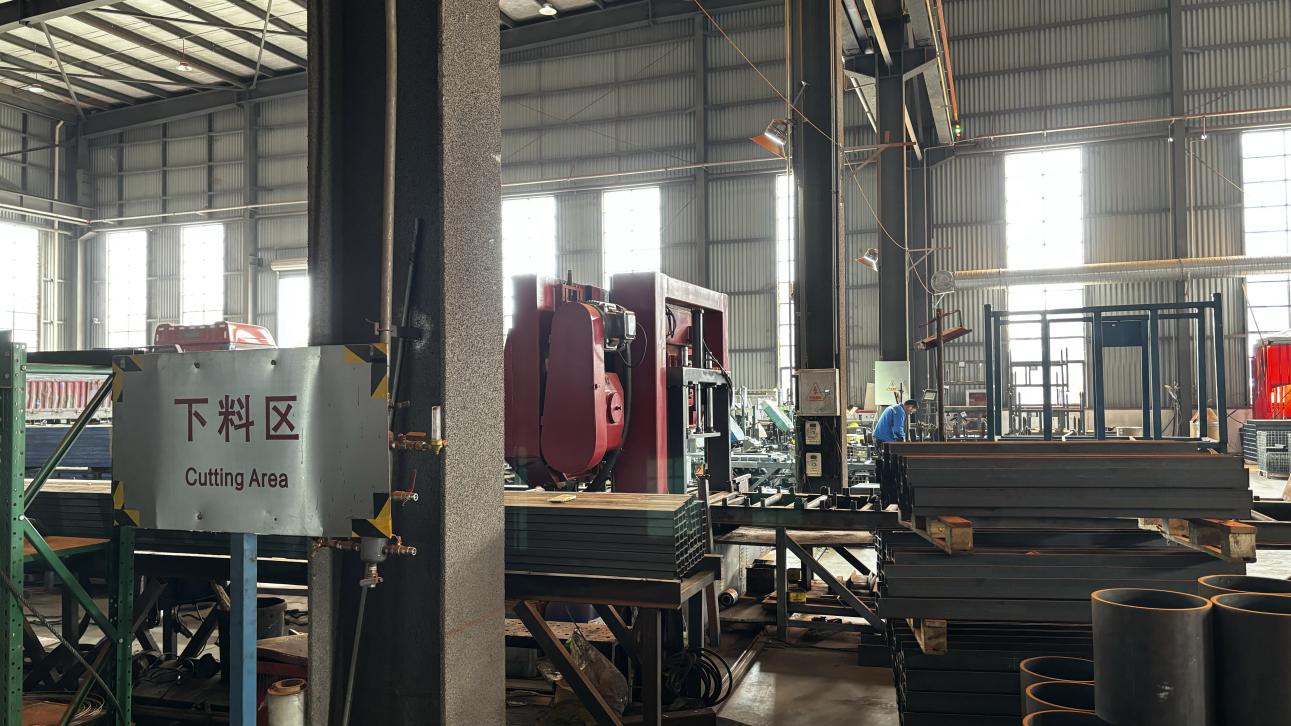
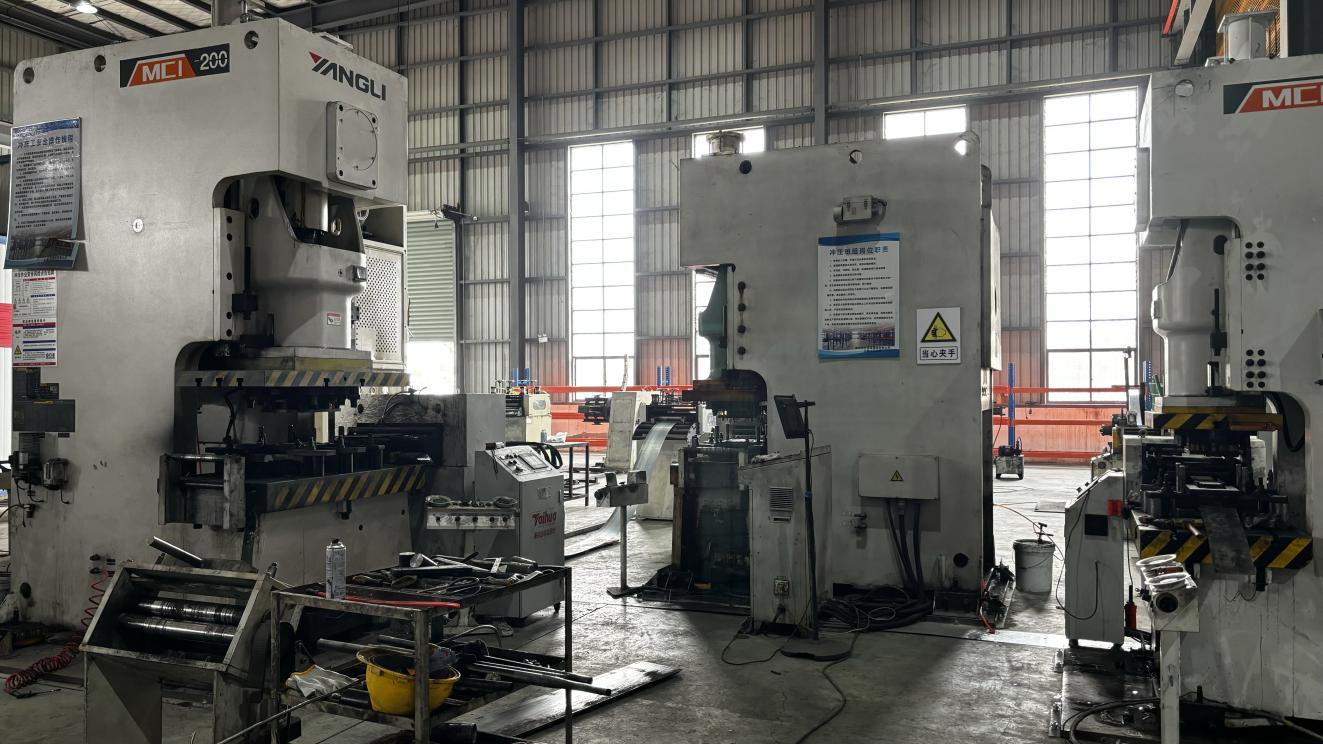
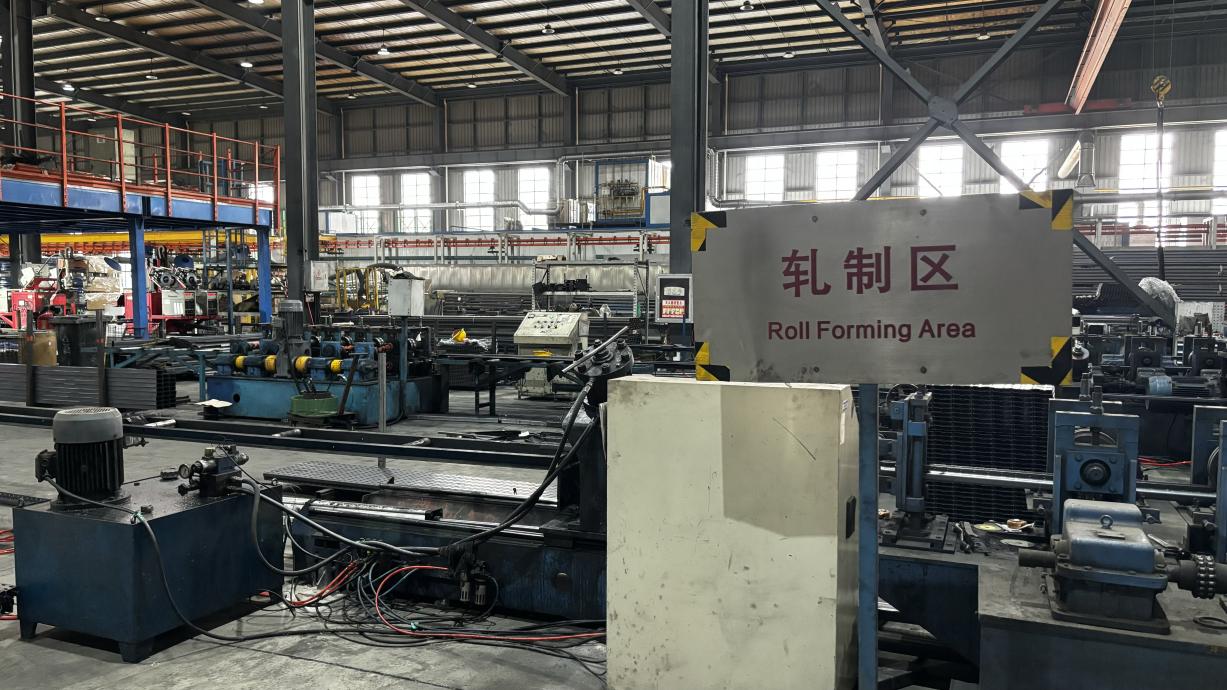
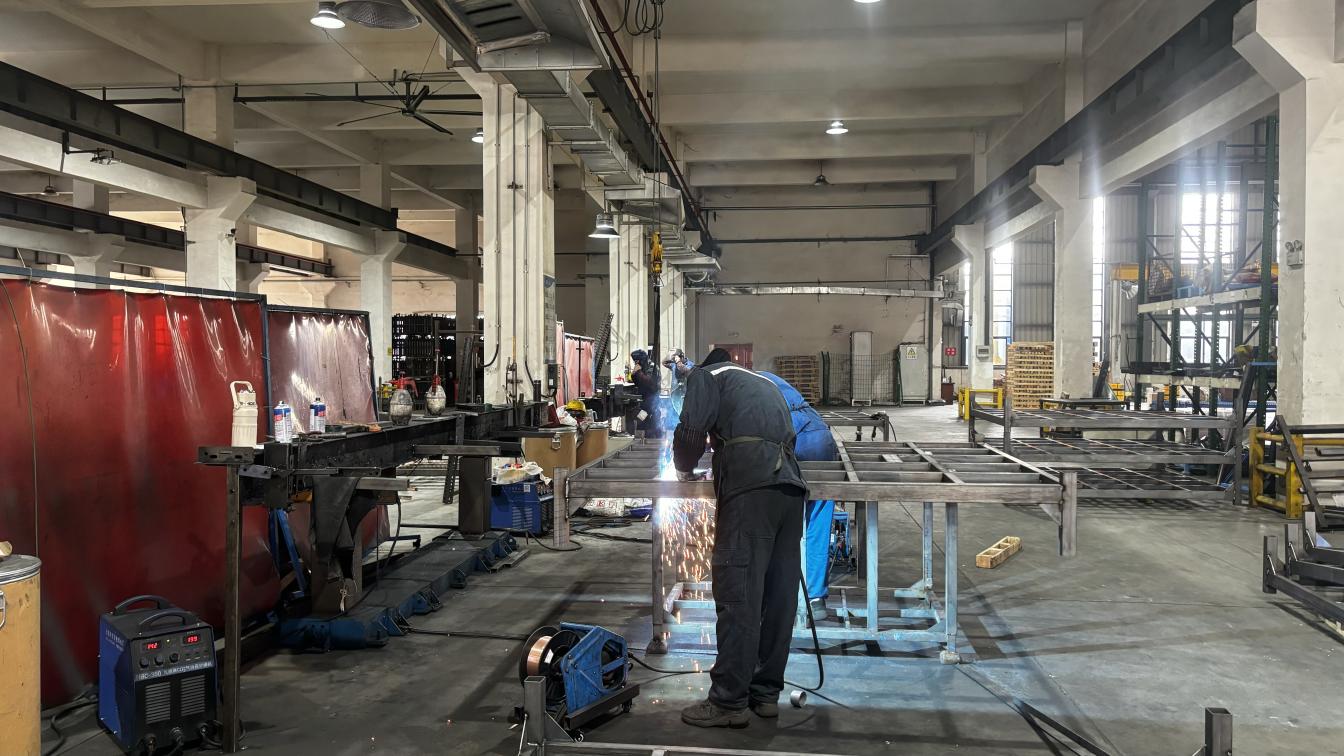
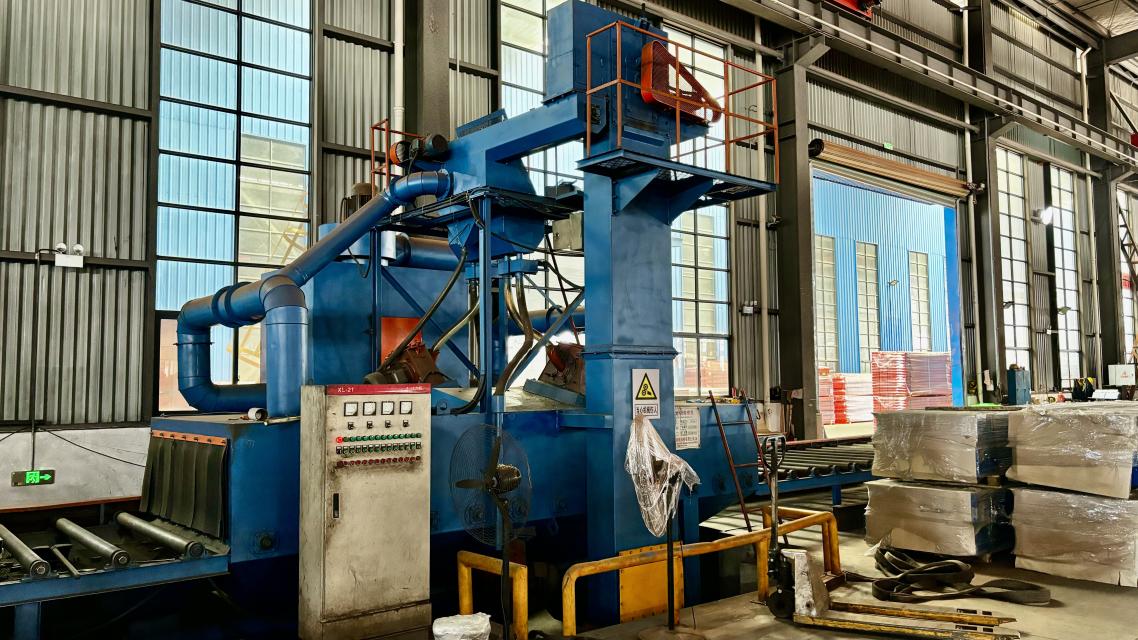
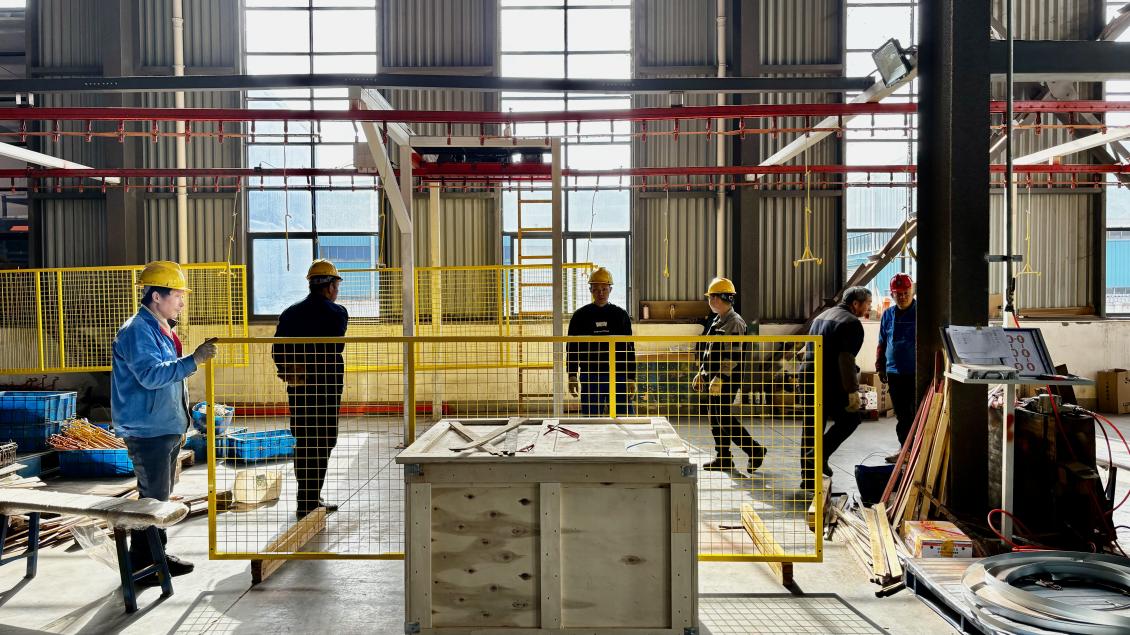
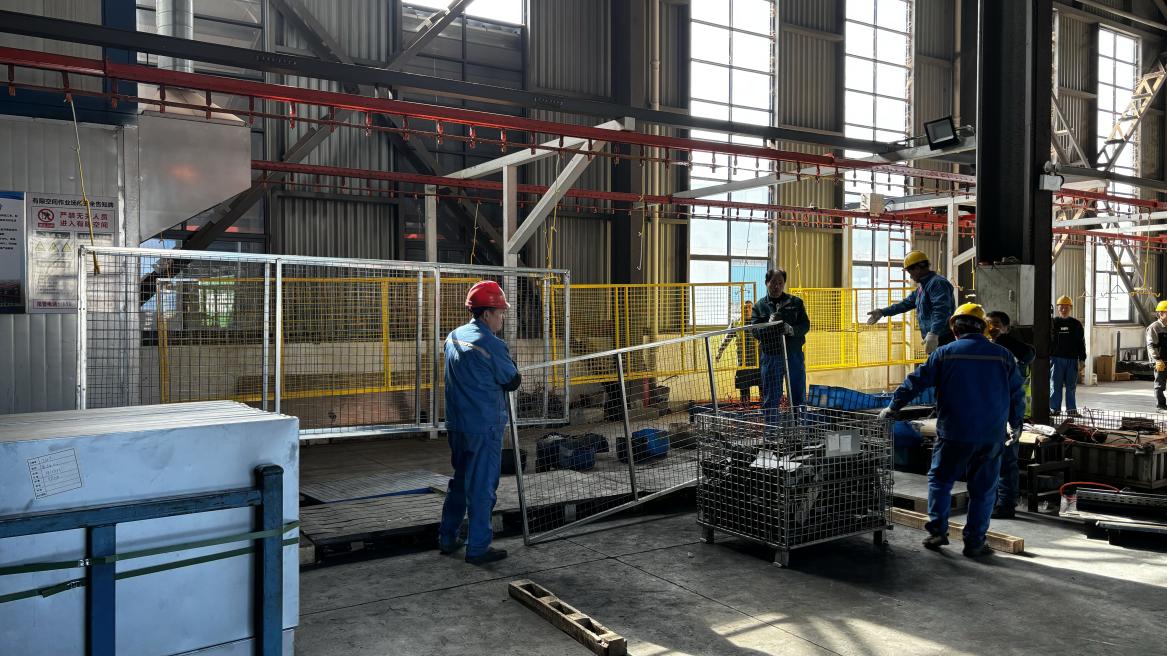
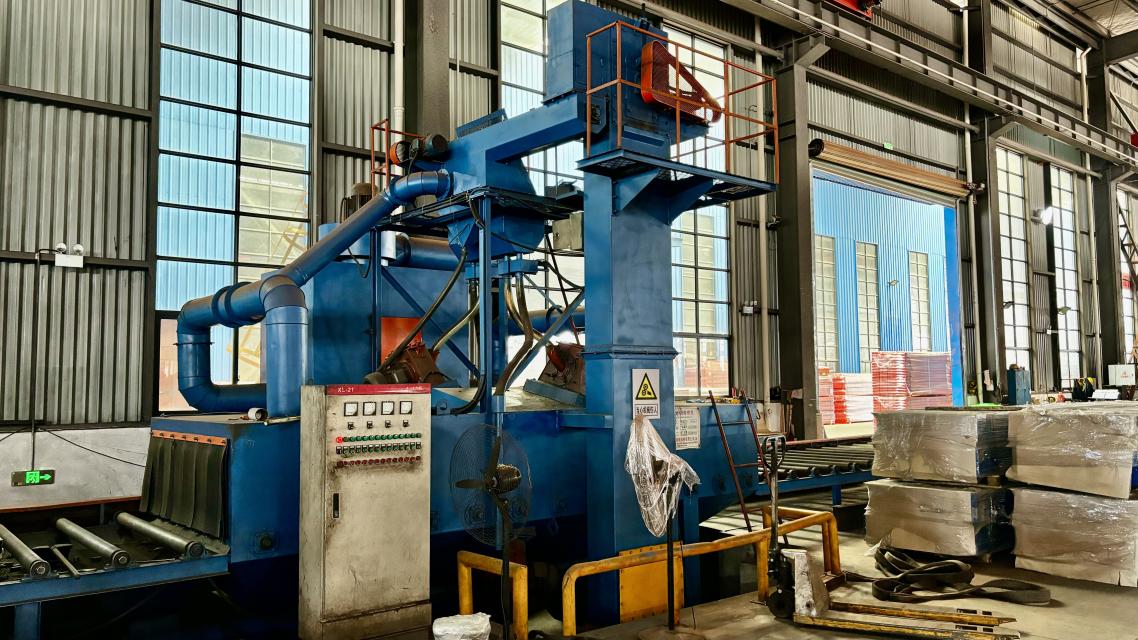
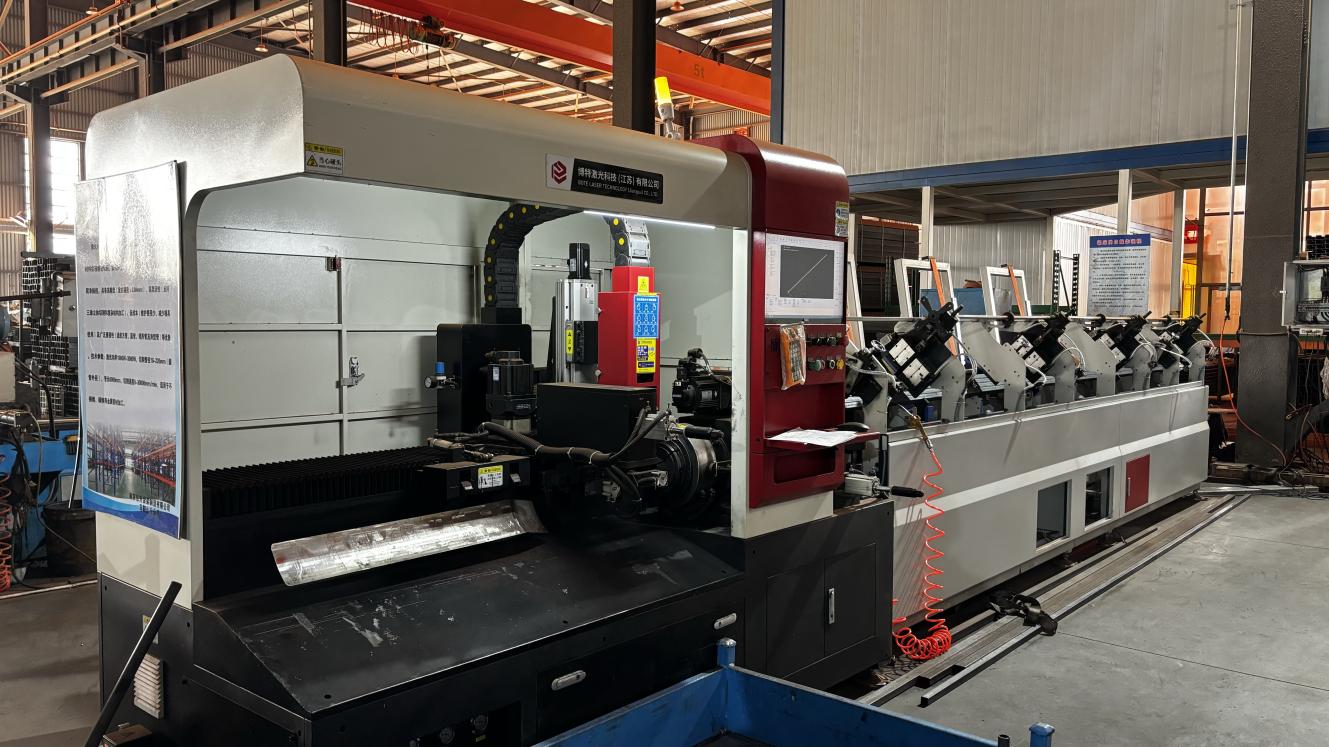
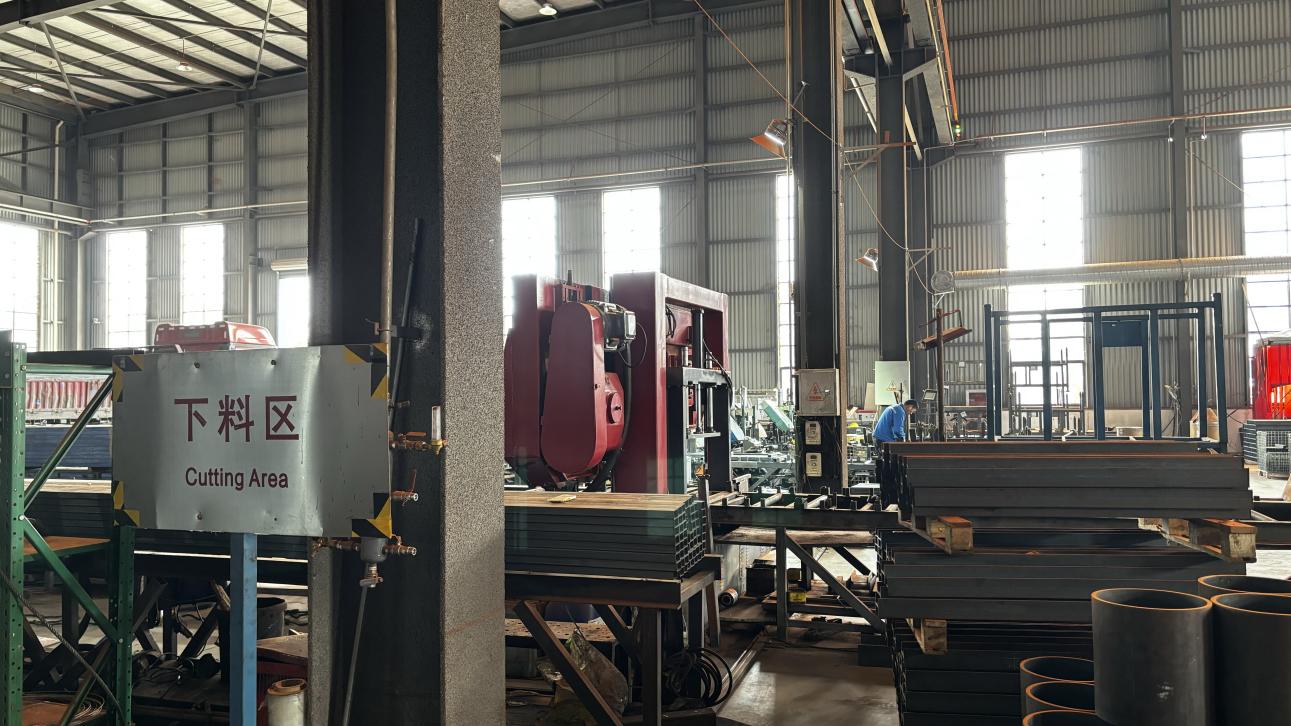
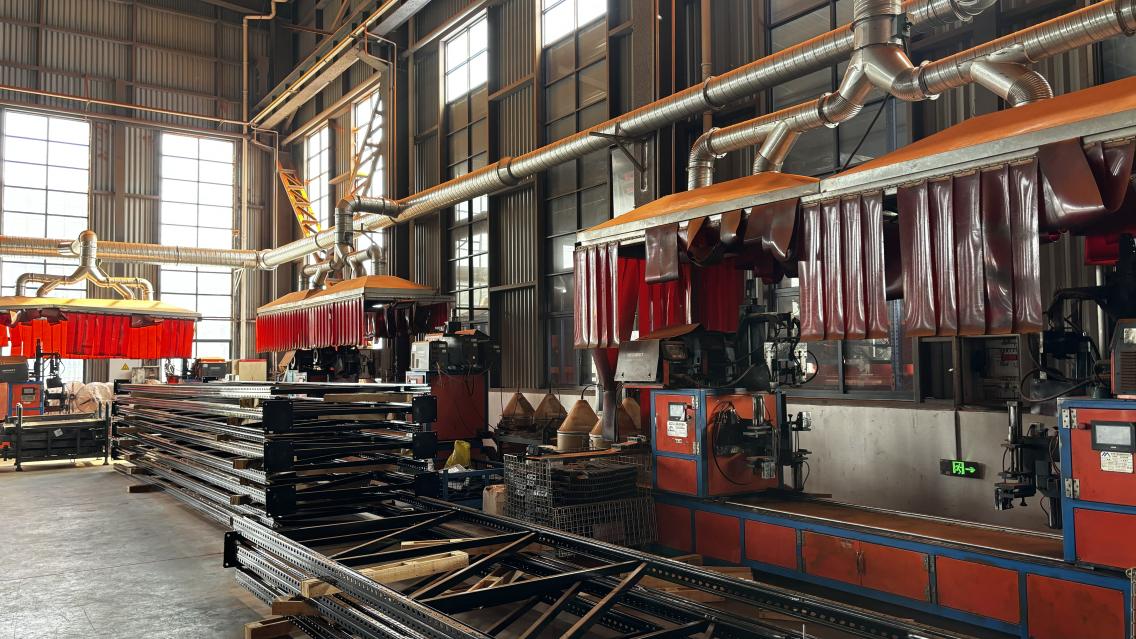
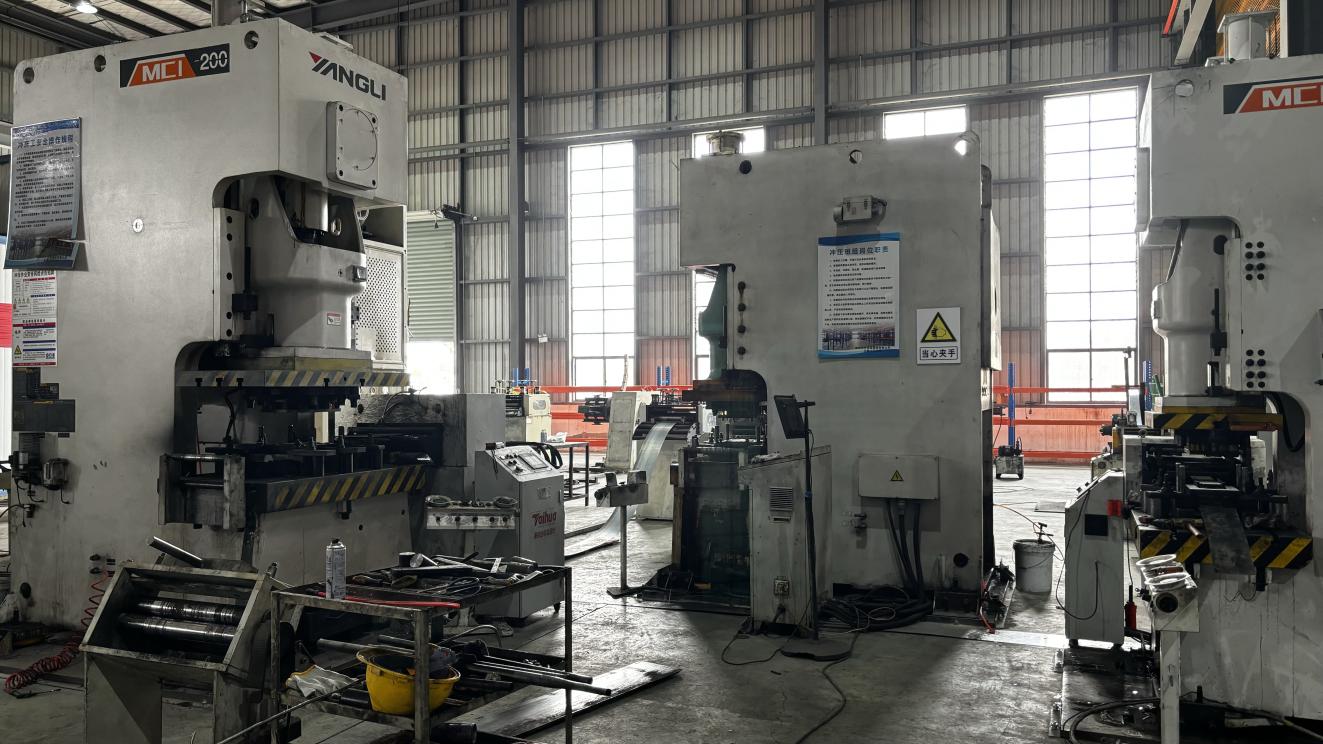
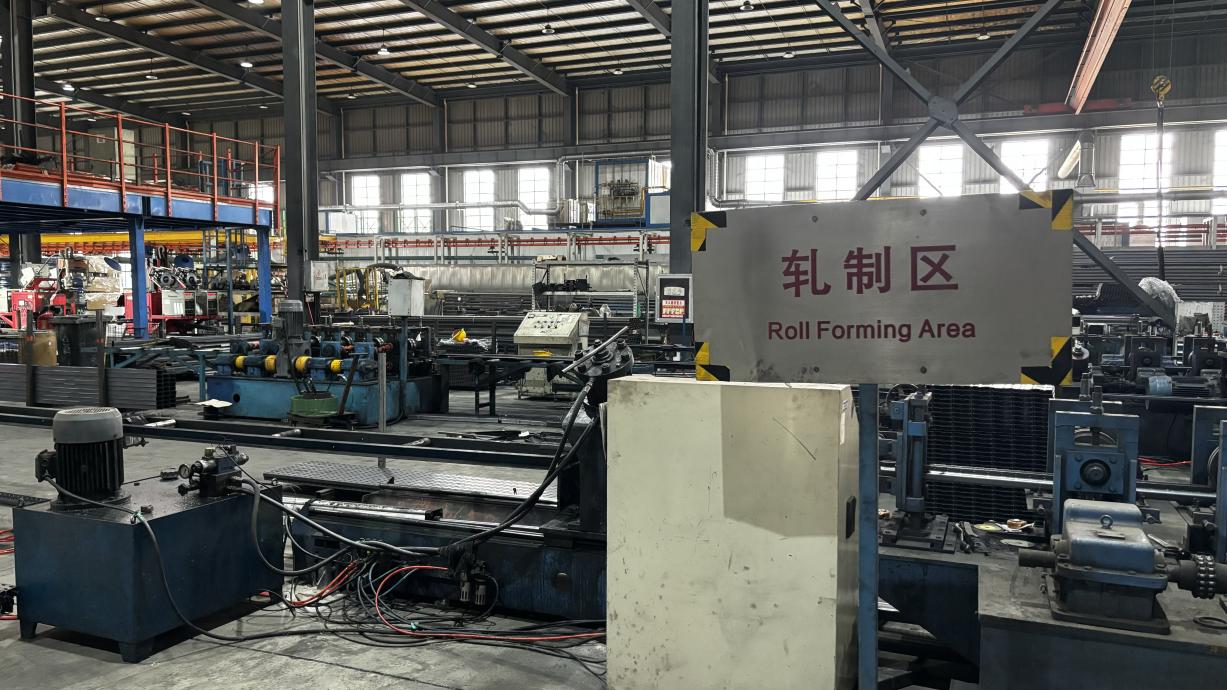
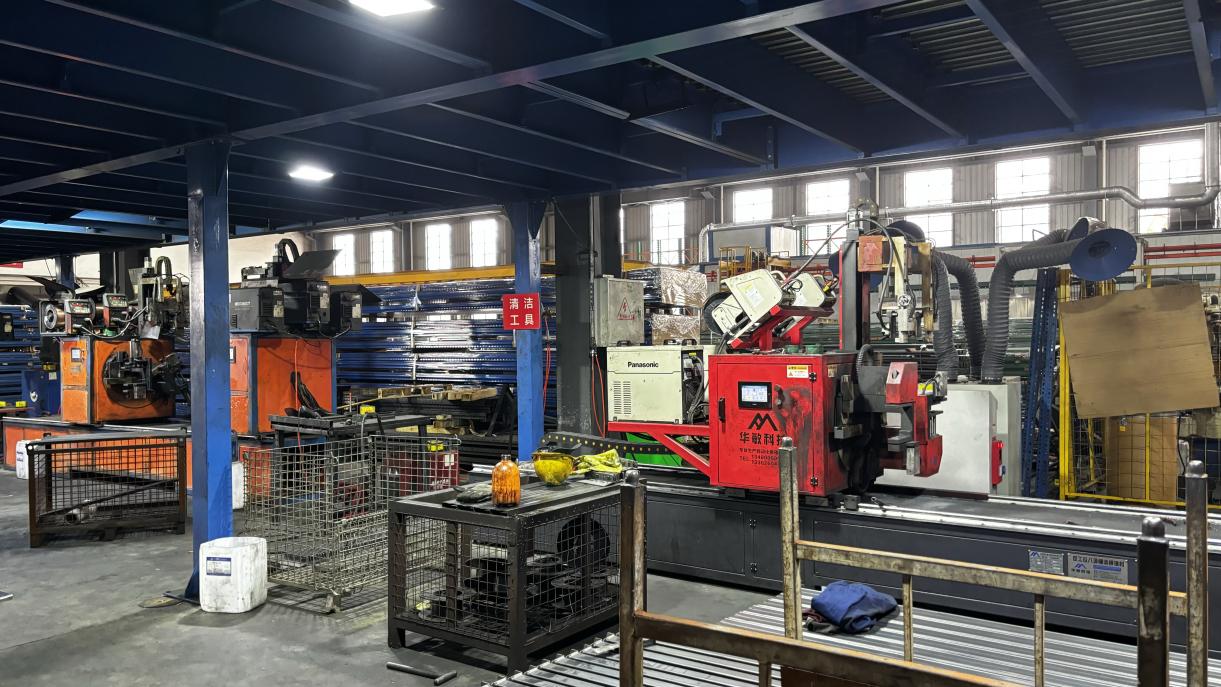
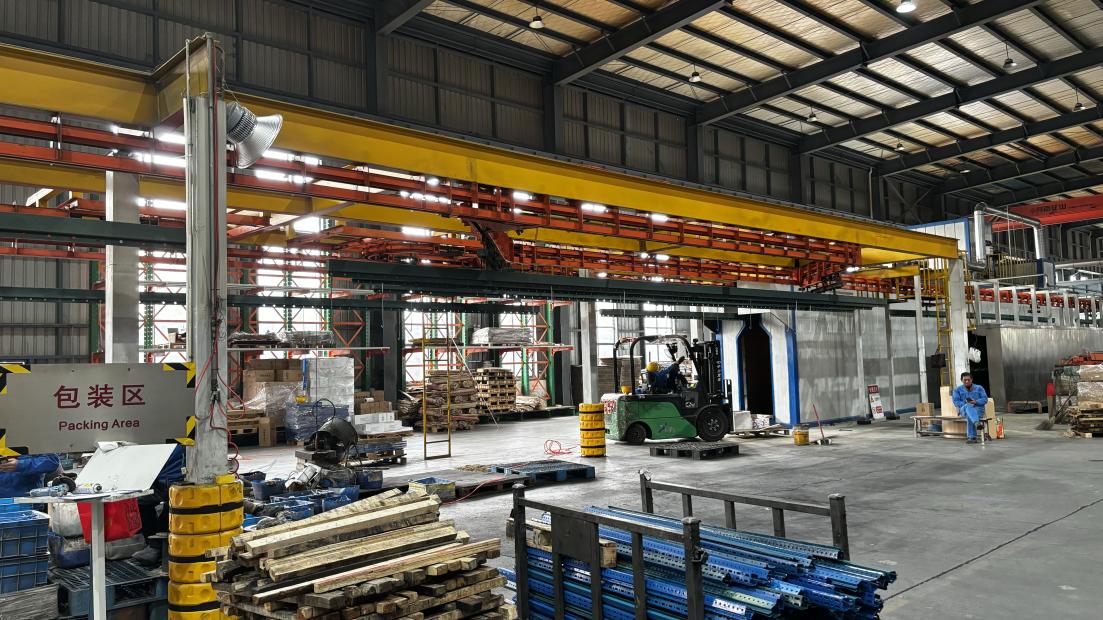
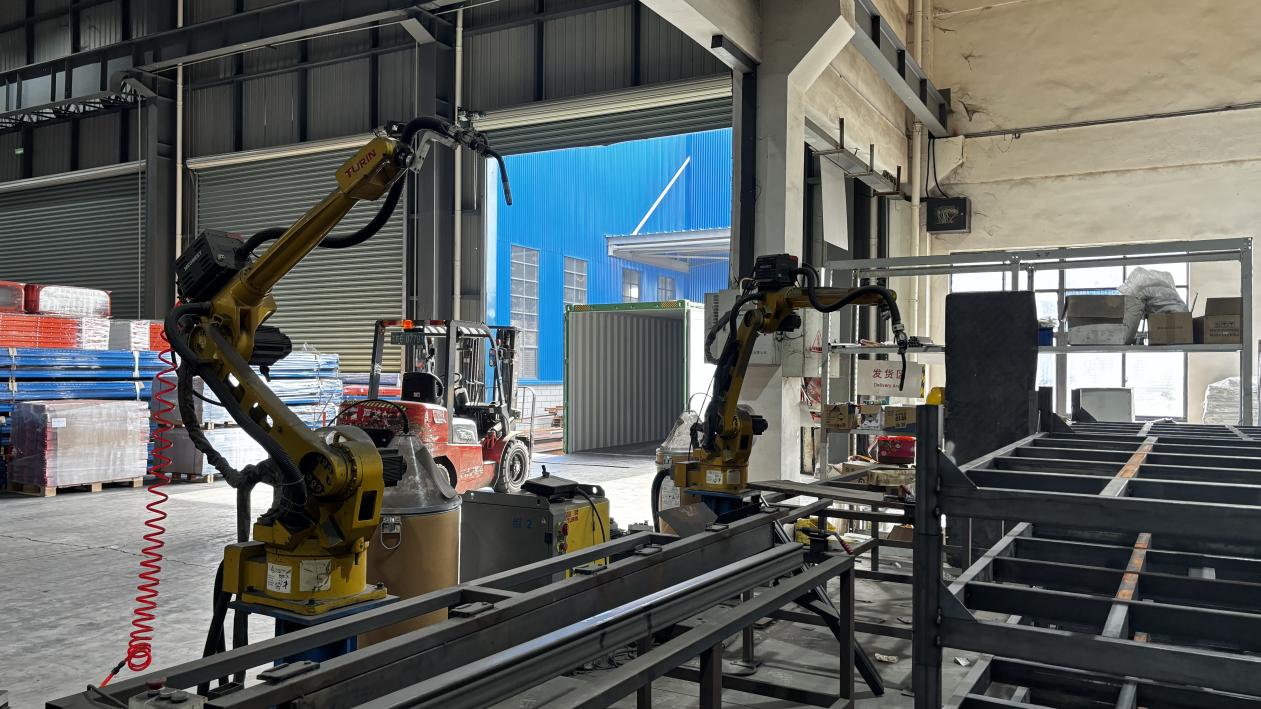
Operating as an experienced OEM/ODM exporter, FlexiRack has built a distribution network across North America, Europe, and Southeast Asia, serving over 850 supply chain partners, 3PL providers, and cold storage operators. Each jurisdiction has its own regulatory framework governing hygiene and structural integrity in commercial environments. Our engineered solutions are designed to comply with these local standards, minimizing deployment friction.
In the United States and Canada, our components comply with NSF/ANSI Standard 2 for food equipment and the ANSI/RMI MH16.1 standard for industrial steel storage racks. For European deployments, all configurations carry the CE Mark and comply with EN 15635 structural safety guidelines. This ensures our systems can withstand the high-humidity washdown routines common in USDA-regulated facilities. In Southeast Asian markets, where humidity levels are high, our hot-dip galvanized and epoxy-coated systems prevent premature rust, extending the service life of cold-storage equipment.
Our customization options cover specific load capacities, seismic conditions, and automated ASRS integrations. Supported by 45 R&D engineers, we design and manufacture bespoke configurations tailored to unique environments. Last year alone, we launched 120 new storage solutions, validating our ability to execute complex custom requests quickly and reliably.
The future of cold chain warehousing and commercial retail is driven by automation and smart infrastructure. Over the next five years, FlexiRack is focusing its research and development on several key areas:
Integrating micro-sensors and RFID tag-readers directly into the shelf structure. This allows warehouse managers and retail operators to track stock levels, monitor storage temperatures, and identify slow-moving inventory in real time.
We are exploring lightweight, high-strength composite polymers for structural bracing. These materials resist low-temperature embrittlement and reduce overall structural weight, lowering shipping costs and facilitating installation.
Our engineers are refining automated storage and retrieval system (ASRS) structures to handle higher speeds in cold-storage environments. By tightening manufacturing tolerances and using wear-resistant surface treatments, we ensure smoother operation for automated shuttles and cranes operating down to -30°C.
To help you select the right system, we have compiled answers to common technical questions from our global engineering and distribution partners.
Explore our broader line of commercial display systems, material handling carts, and high-density warehouse storage configurations. Designed with the same durability and engineering standards as our cold-chain systems, these products help optimize space and efficiency across your entire operation.
 FlexiRack