Top 10 Warehouse Storage Systems Factories & Industrial Engineering Blueprint

Maximizing Space Efficiency, Dynamic Load Safety, and Supply Chain Velocity for Modern Intralogistics & Global Distribution Hubs

Premium High-Density & Heavy-Duty Storage Solutions

Engineered for global warehouse standards, featuring high-grade Q235 structural steel, certified corrosion resistance, and adaptive modular designs.
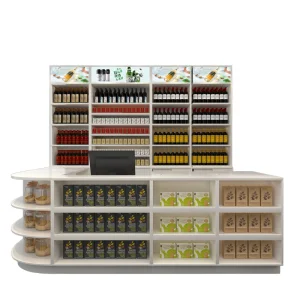
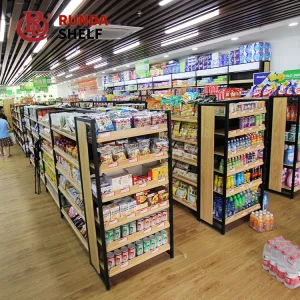
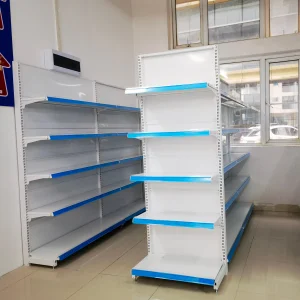
High-Density Single-Sided Supermarket Rack with Light Duty Checkout Counter

High-Density Single-Sided Supermarket Rack with Light Duty Checkout Counter Convenient Design for Convenience Stores

Explore Specifications
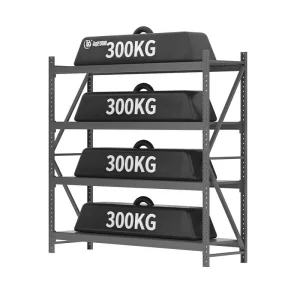
Bestselling Heavy-Duty Pallet Rack

Bestselling Heavy-Duty Pallet Rack for Warehouses 500 kg Capacity Galvanized Surface Treatment OEM/ODM Supplier

Explore Specifications
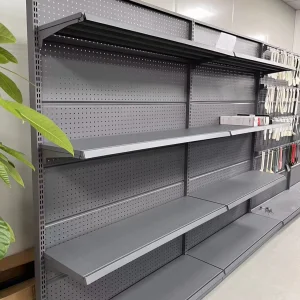
Heavy-Duty Boltless 5-Layer Metal Storage Rack

Heavy-Duty Boltless 5-Layer Metal Storage Rack Industry-Grade Corrosion Protected Steel for Warehouse Use

Explore Specifications
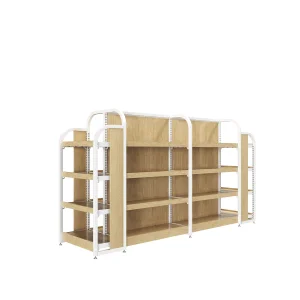
Customized Double-Sided Light Duty Wood Metal Combination Display Stand

Customized Double-Sided Light Duty Wood Metal Combination Display Stand for Pharmacy Gift Store or Supermarket

Explore Specifications
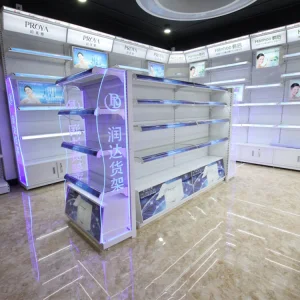
Makeup Stand Checkout Counters

Makeup Stand Convenient Checkout Counters for Beauty Product Display

Explore Specifications
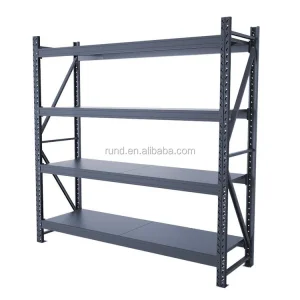
RD-33 Q235 Steel Multilayer Storage Rack

RD-33# Q235 Steel Multilayer Tier Adjustable Storage Rack Medium Duty Powder Coated Cargo Material Multi Level for Heavy Weight

Explore Specifications
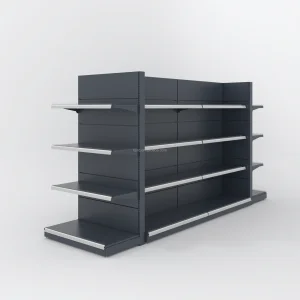
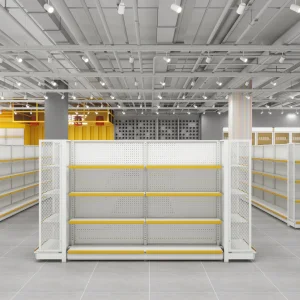
Heavy-Duty Double-Sided Steel Gondola Shelf

Heavy-Duty Double-Sided Steel Gondola Shelf for Retail Department Store and Grocery Rack Supermarket Metallic Storage Solution

Explore Specifications
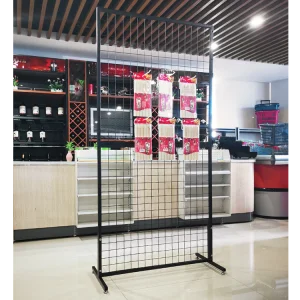
High Quality Heavy Duty Single-Sided Wire Gridwall Panel

High Quality Heavy Duty Single-Sided Wire Gridwall Panel Multifunctional Supermarket Rack for Shop Product Display Made of Steel

Explore Specifications
32,000 m²
Production Footprint
12+ Years
Industry Experience
$18M
Annual Export Revenue
35 Specialists
Dedicated QA/QC Team

Global Warehouse Storage Infrastructure & Architectural Trends

A comprehensive research-based whitepaper outlining technical specs, spatial dynamics, structural safety, and industrial sourcing strategies.

1. The Evolution of Modern Industrial Warehousing & Material Handling

In the modern era of logistics, warehousing has transitioned from a mere space holding system into a highly dynamic, technology-driven component of the global supply chain. Fueled by the exponential rise of e-commerce, high-throughput retail, and complex industrial distribution networks, today's operations require racking infrastructure that goes far beyond traditional capabilities. The implementation of modern Warehouse Storage Systems is centered on optimizing spatial cubic utilization, streamlining inventory accessibility, and maximizing safety.

As international distribution models adapt to tighter delivery timelines, storage solutions must adapt to support higher velocities, heavier dynamic load capacities, and integration with automated material handling equipment. This transformation has elevated industrial racking systems from static ironmongery into highly calibrated, load-bearing engineering structures. Specifying the correct system requires careful assessment of floor slab capacities, dynamic load factors, SKU profiles, forklift navigation clearances, and local seismic parameters.

2. Technical Roadmaps: High-Density Storing and Structural Specifications

The technical path to selecting an optimal racking system begins with raw material composition. Industrial standards demand high-yield structural steel, predominantly Q235 or Q355 grades, cold-rolled to precise profiles. These components undergo extensive testing to ensure they can withstand rigorous operational cycles. Modern configurations span a range of styles including selective pallet racks, drive-in systems, push-back racking, and gravity flow options.

For light-to-medium retail distribution and pharmacy hubs, the integration of wood-metal combinations and double-sided gondolas provides spatial adaptability and high structural rigidity. In industrial distribution hubs, heavy-duty adjustable pallet racks equipped with galvanized finishes are the preferred choice, offering excellent resistance against moisture, chemical exposure, and mechanical impacts.

3. Automated Storage & Retrieval Systems (ASRS) Integration

The future of intralogistics lies in automation. Modern warehousing relies heavily on integrating structural storage racking with ASRS (Automated Storage & Retrieval Systems). This integration demands extreme precision, with structural tolerances measured in millimeters rather than centimeters. Precision roll-formed uprights, dynamic guide rails, and heavy-duty beam configurations must align perfectly to prevent misalignment in automated crane and shuttle systems. Foshan FlexiRack's specialized R&D team works closely with automated logistics providers to design and construct systems that accommodate crane accelerations, dynamic payloads, and horizontal braking forces.

4. Supply Chain Resilience and Global Sourcing Dynamics

Sourcing industrial storage infrastructure requires careful consideration of global supply chain stability, manufacturing capacities, and transportation logistics. Foshan FlexiRack Intelligent Logistics Equipment Co., Ltd. sits at the heart of the Guangdong industrial manufacturing cluster, utilizing localized raw material sourcing, advanced structural steel processing hubs, and direct access to major international ports like Shenzhen and Guangzhou.

This strategic location allows us to maintain a stable cost structure, reliable raw material supply, and short lead times even during global supply chain fluctuations. By utilizing automated welding lines, continuous roll-forming systems, and automated powder coating processes, we provide global markets with high-precision racking that complies with EN, ANSI, and AS4084 standards.

Engineering Excellence

  • Factory Footprint: 32,000 m² Facility
  • QA/QC Standards: ISO9001, CE Certification
  • Ultrasonic Flaw Detection: Checks for micro-cracks in weld seams
  • Dynamic Load Testing: Exceeds nominal load capacities by 1.25x
  • Seismic Design: Site-specific configurations available
  • Export Reach: North America, Europe, Southeast Asia
  • Customization: OEM/ODM tailored sizes, load profiles, and colors

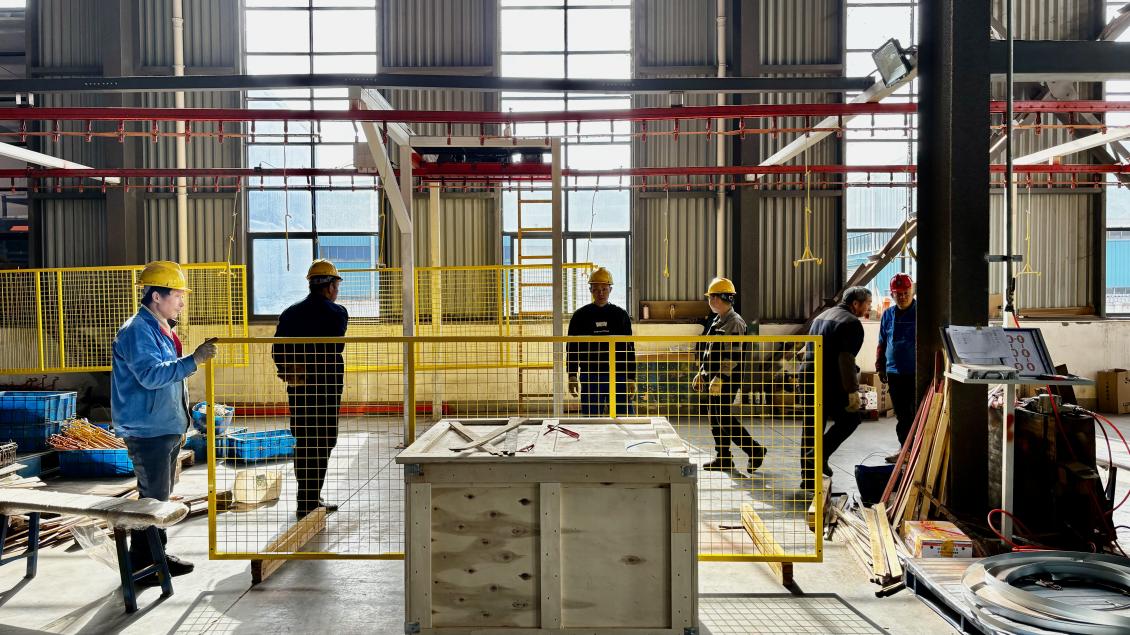
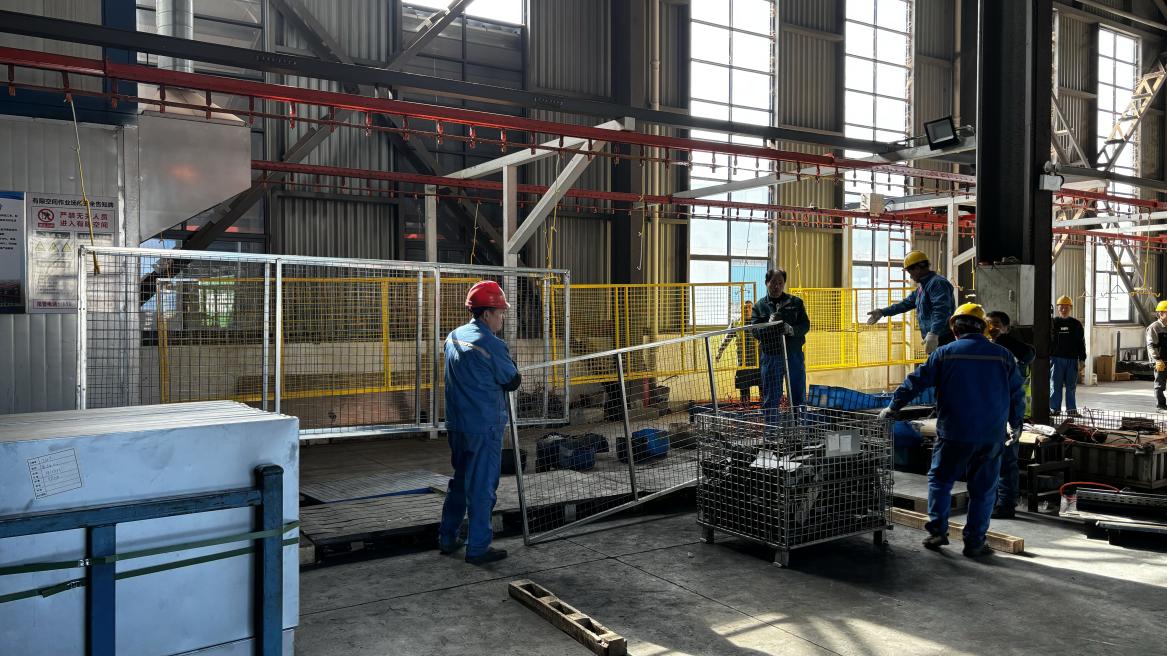
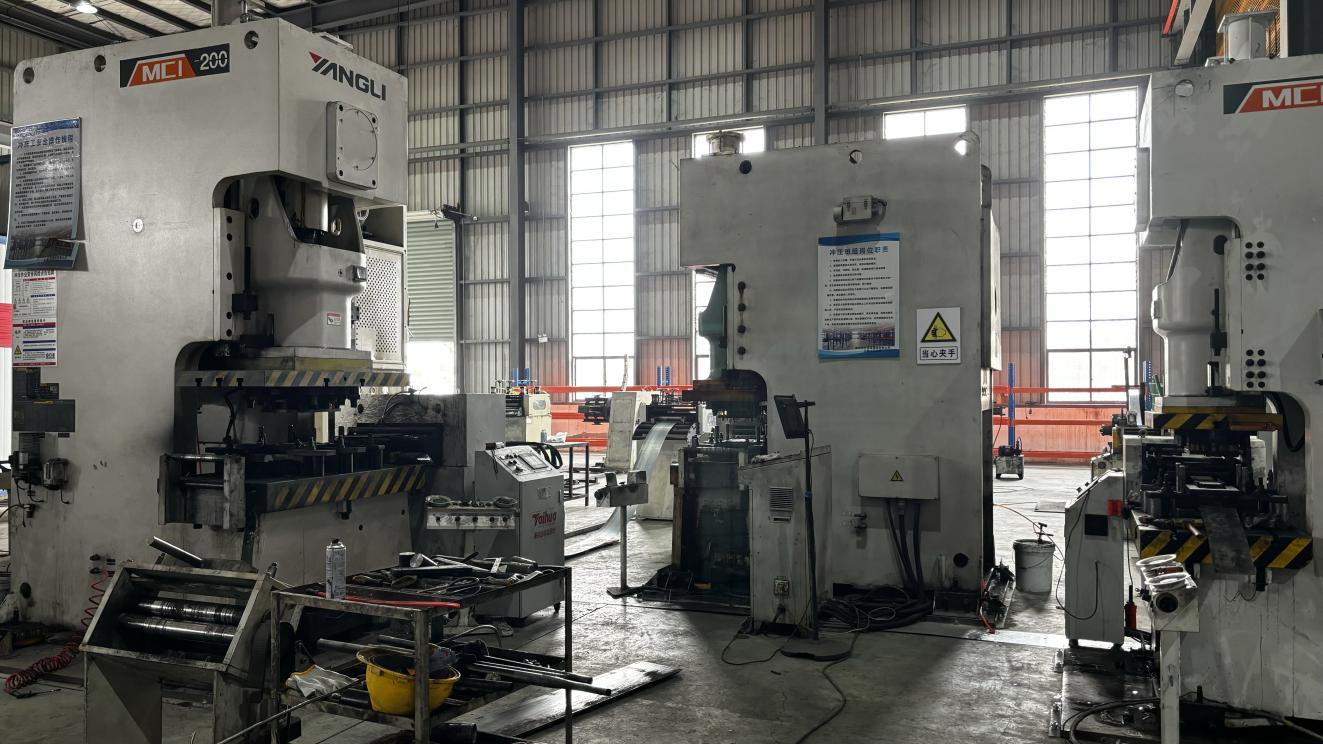
Advanced Manufacturing Facility & Quality Control

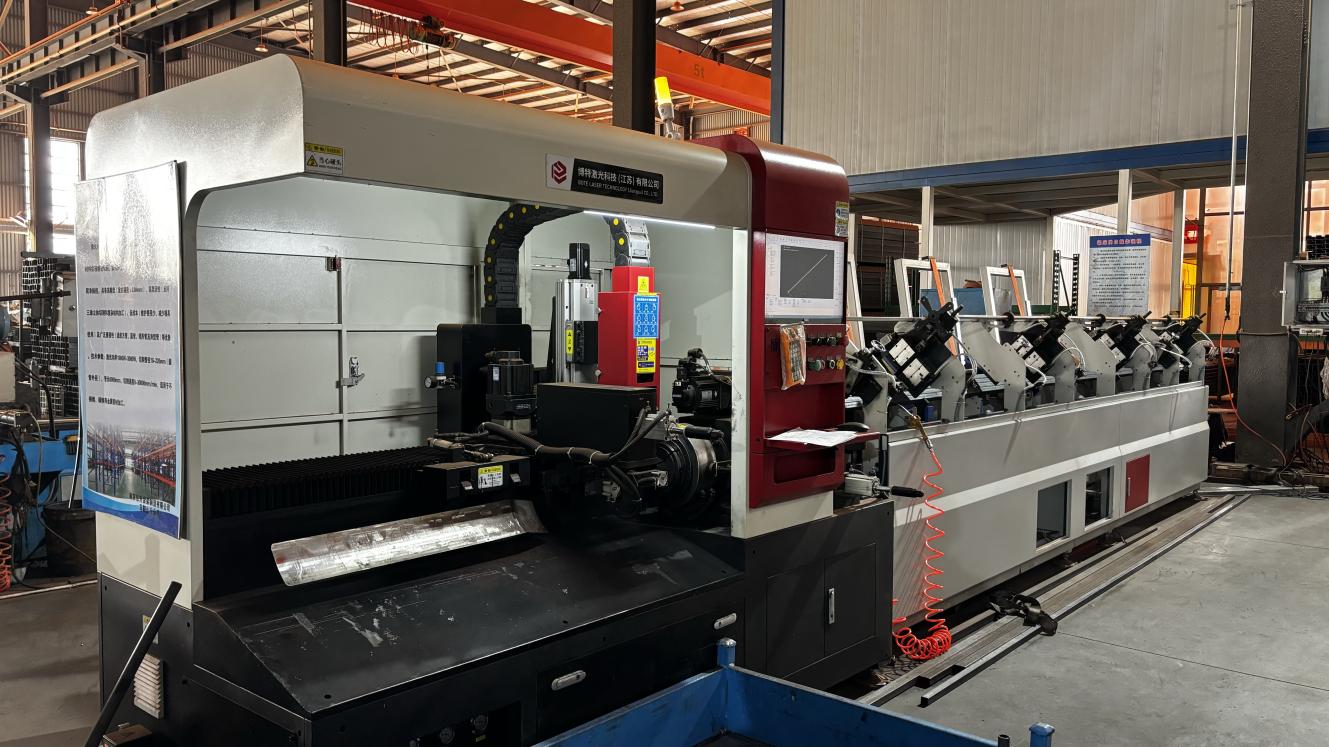
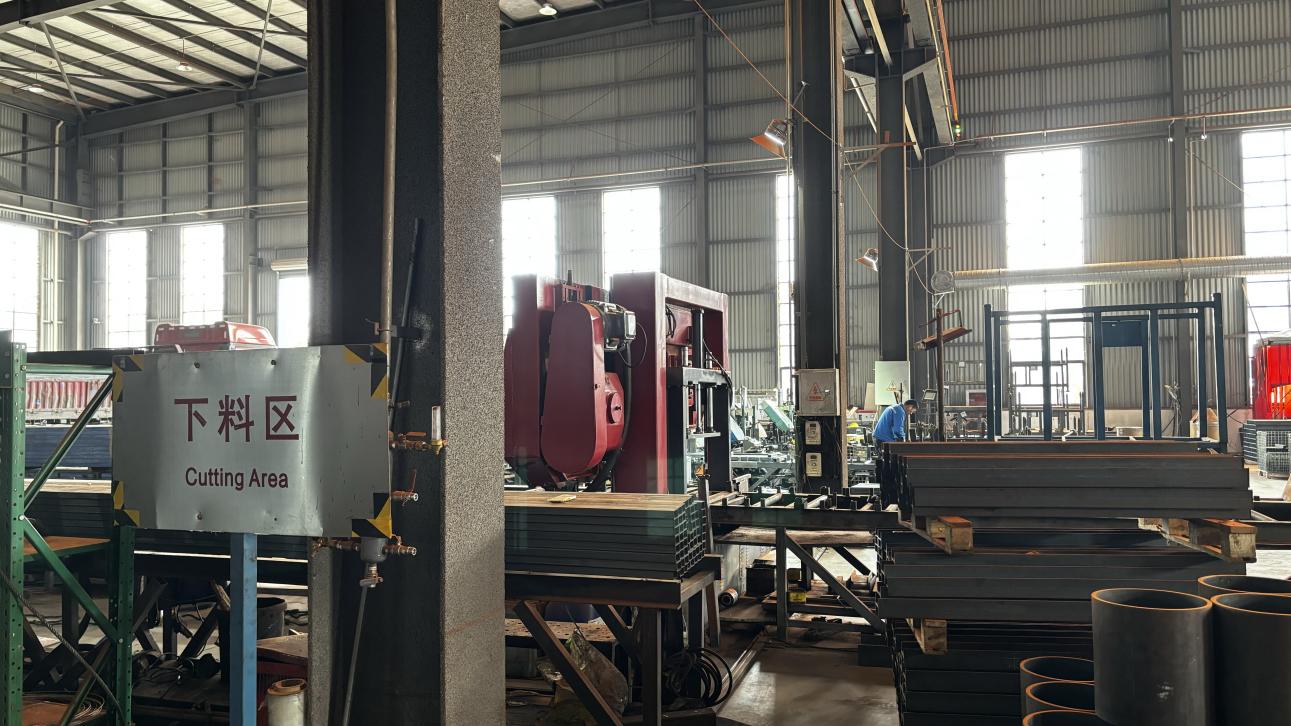
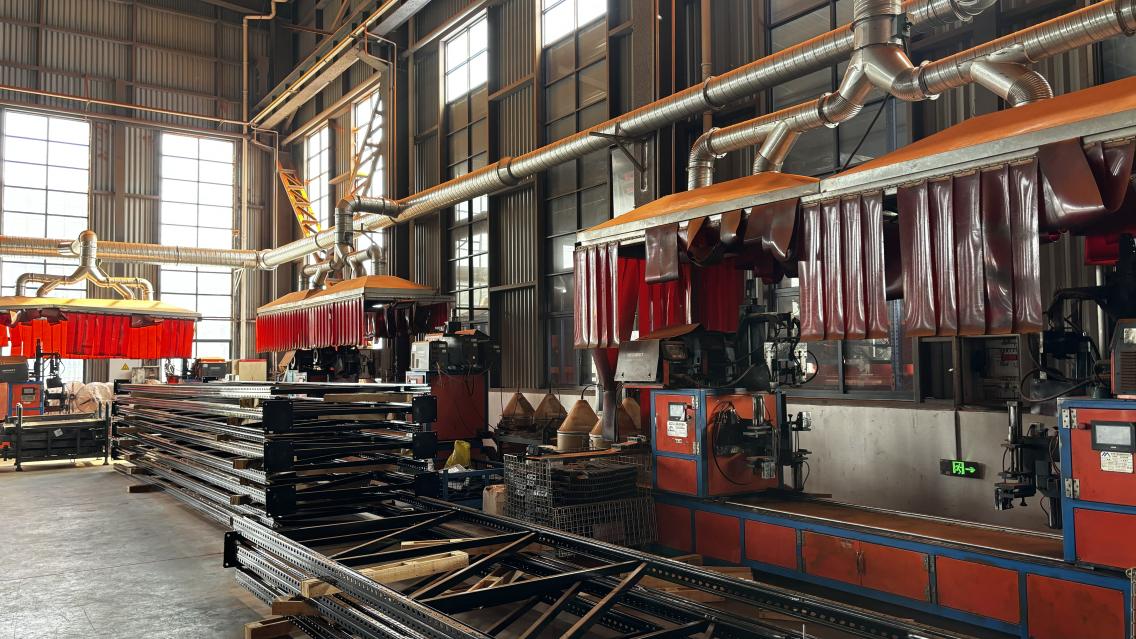
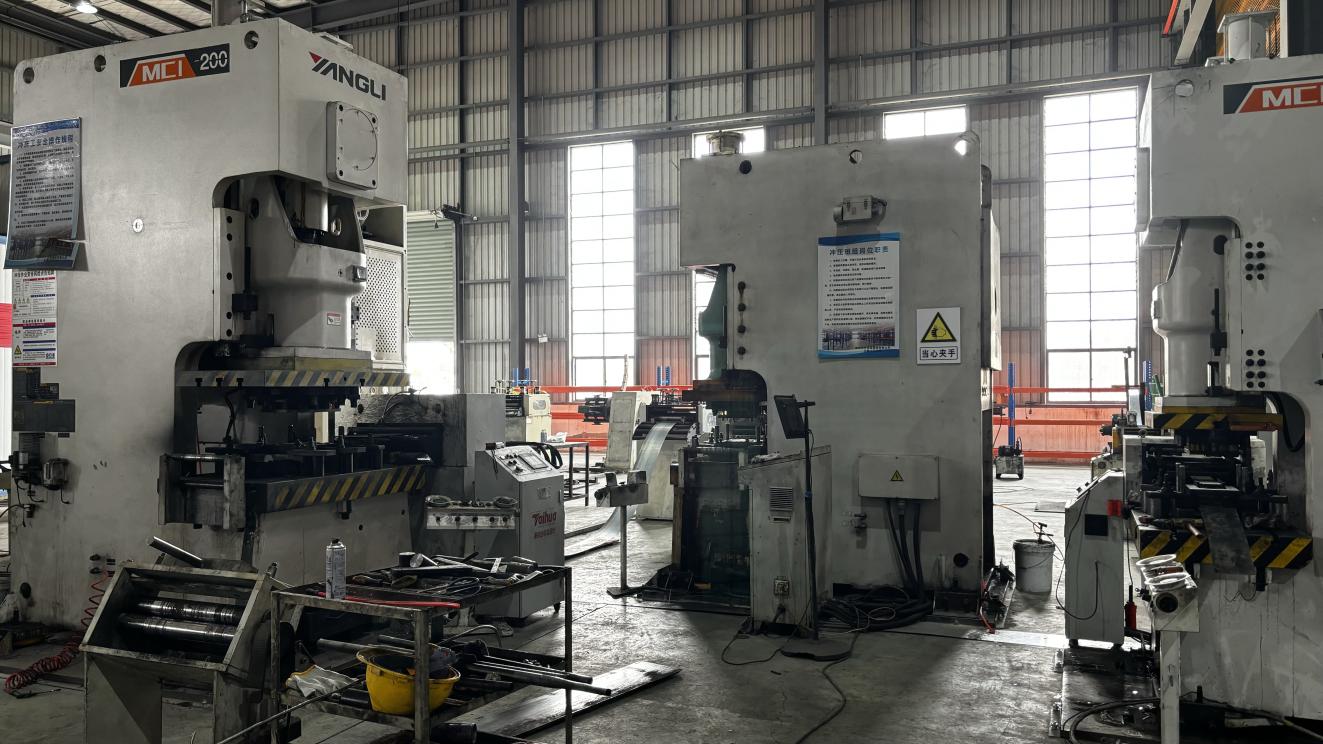
A behind-the-scenes look at our 32,000 m² state-of-the-art facility, showing the manufacturing steps from raw steel to the finished product.
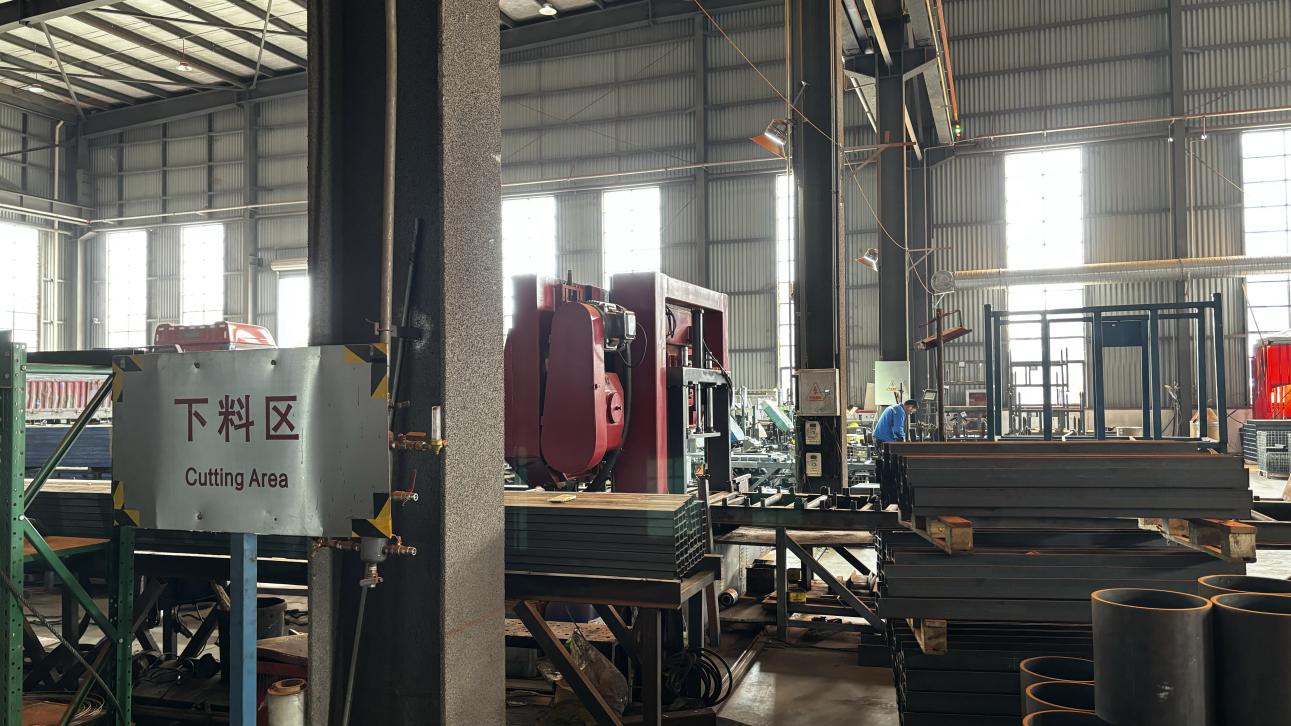
Blanking
Blanking Process
Punching
High-Precision Punching
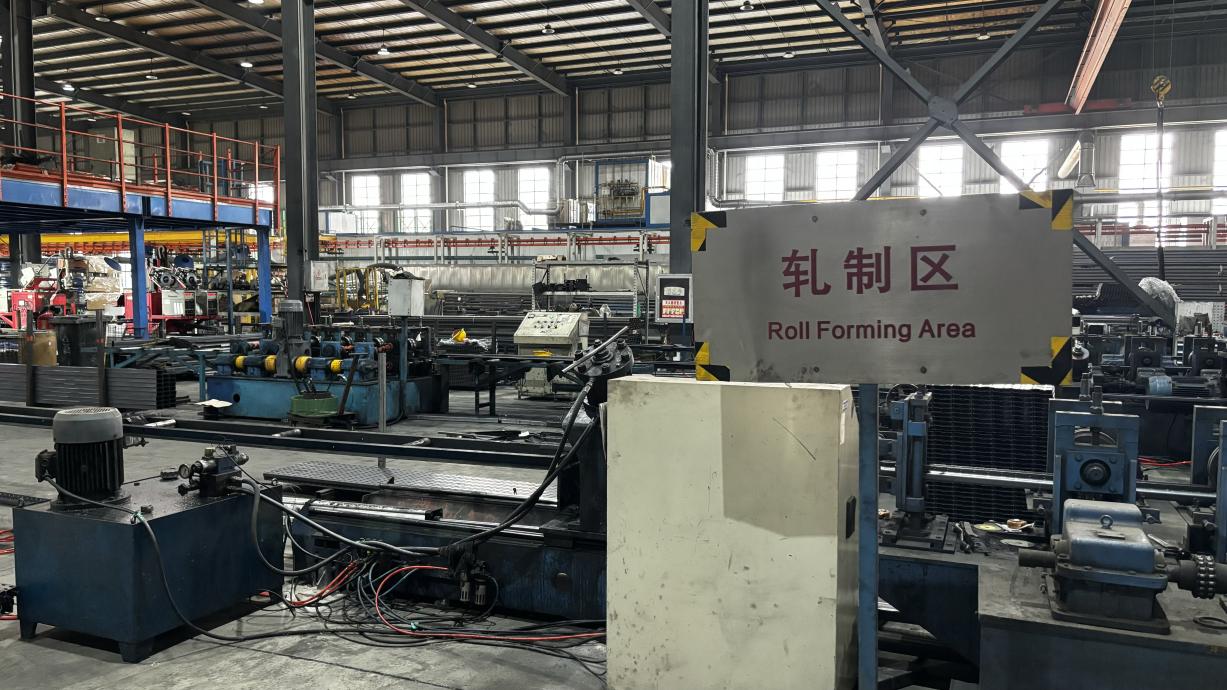
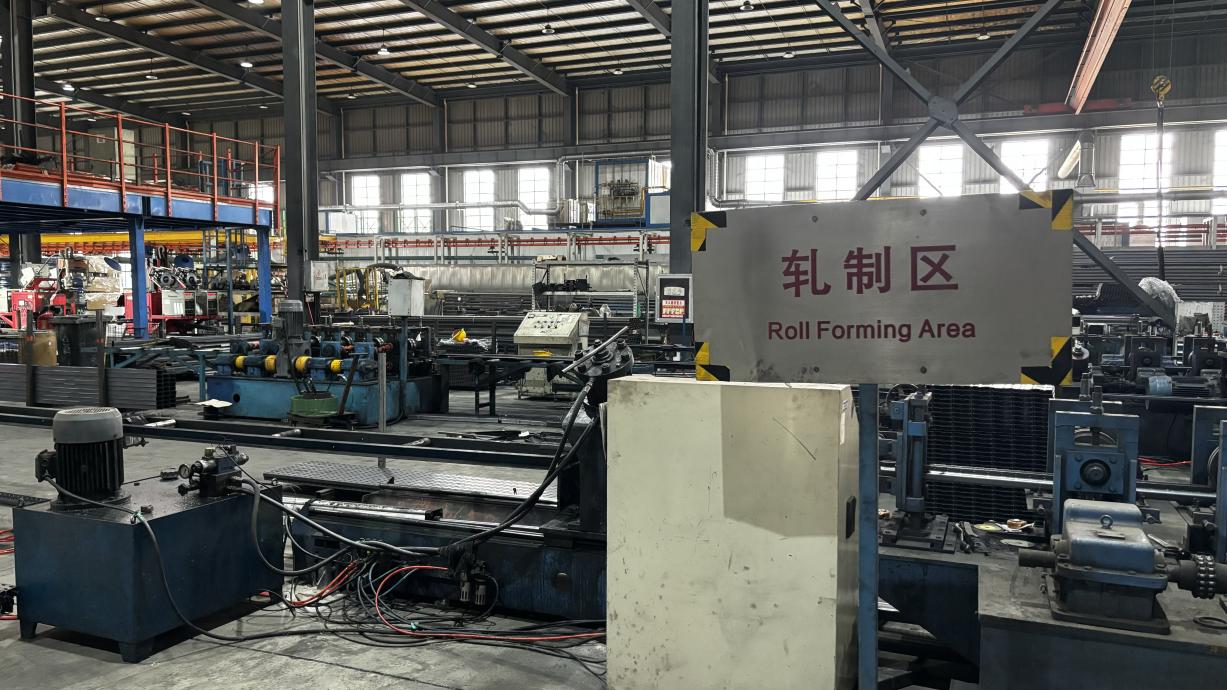
Rolling
Continuous Profile Rolling
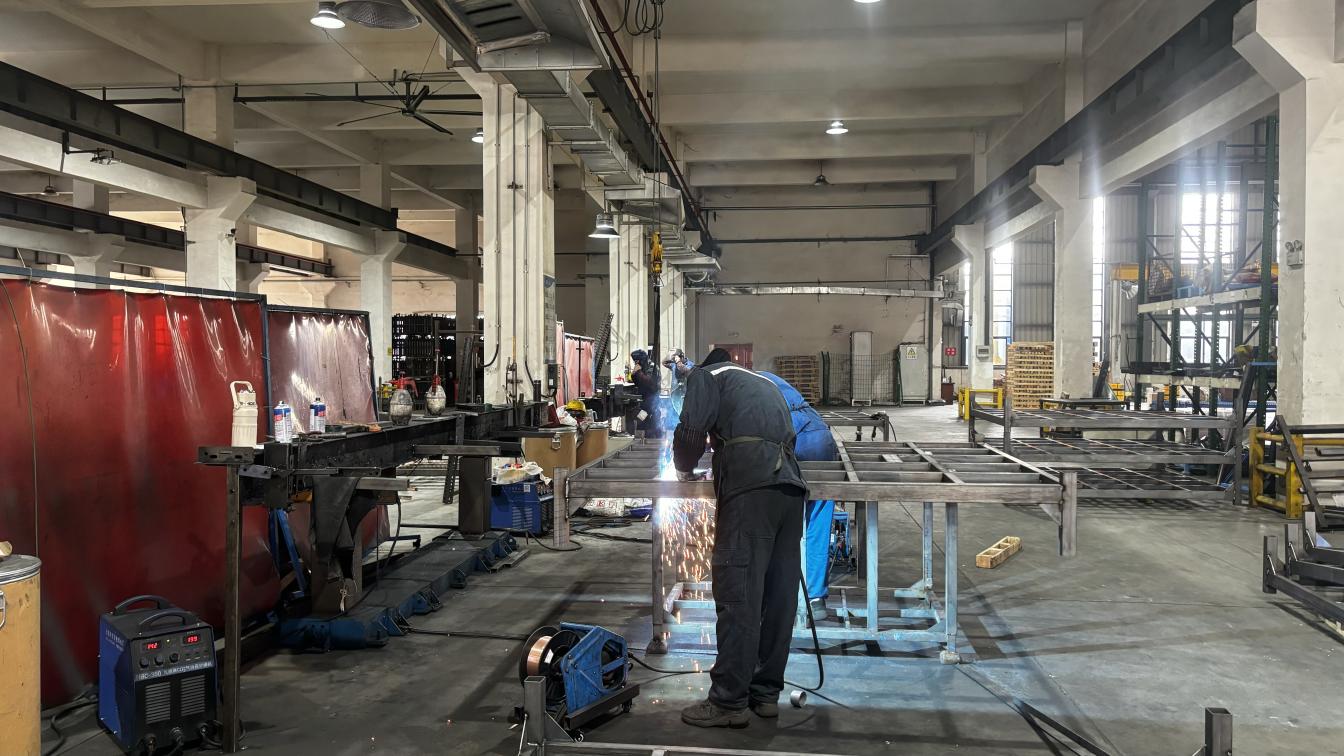
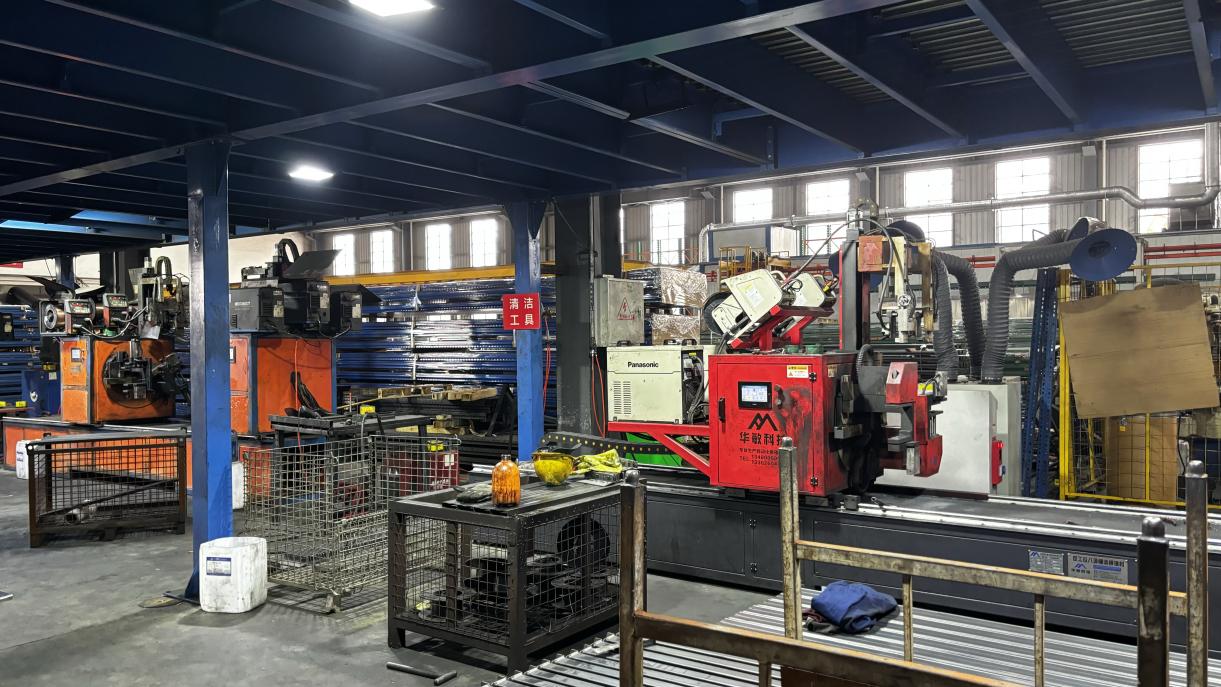
Welding
Welding Stage
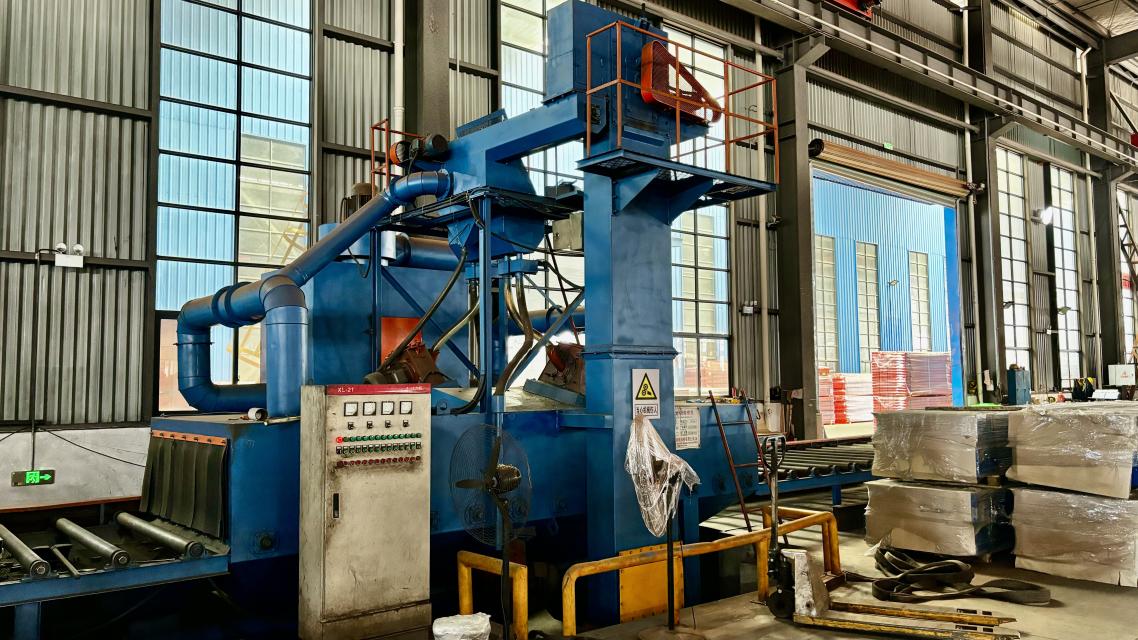
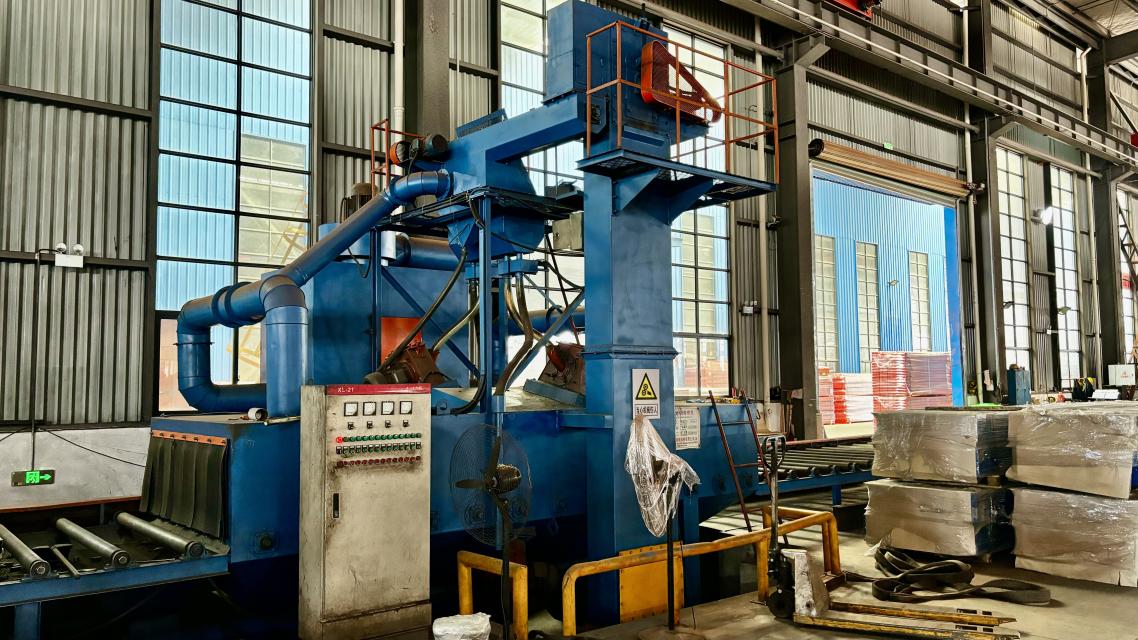
Shot Blasting
Shot Blasting Surface Treatment
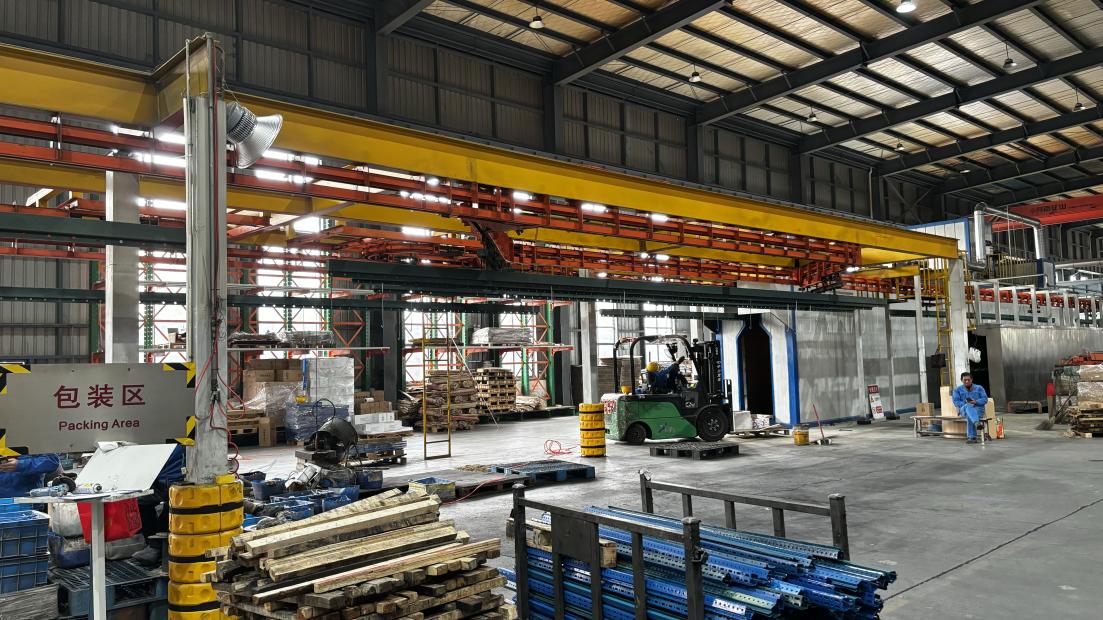
Powder Coating
Electrostatic Powder Coating
Powder Coating Line
Powder Coating Line
Shot Blasting Machine
Pipe Cutting Machine
Blanking Machine
Automatic Blanking Machine
Automatic Welding Machine
Punch Press
High-Tonnage Punch Press
Rolling Line
High-Speed Rolling Line
Welding Machine
Standardized Welding Station
Large-Scale Spray Painting Line
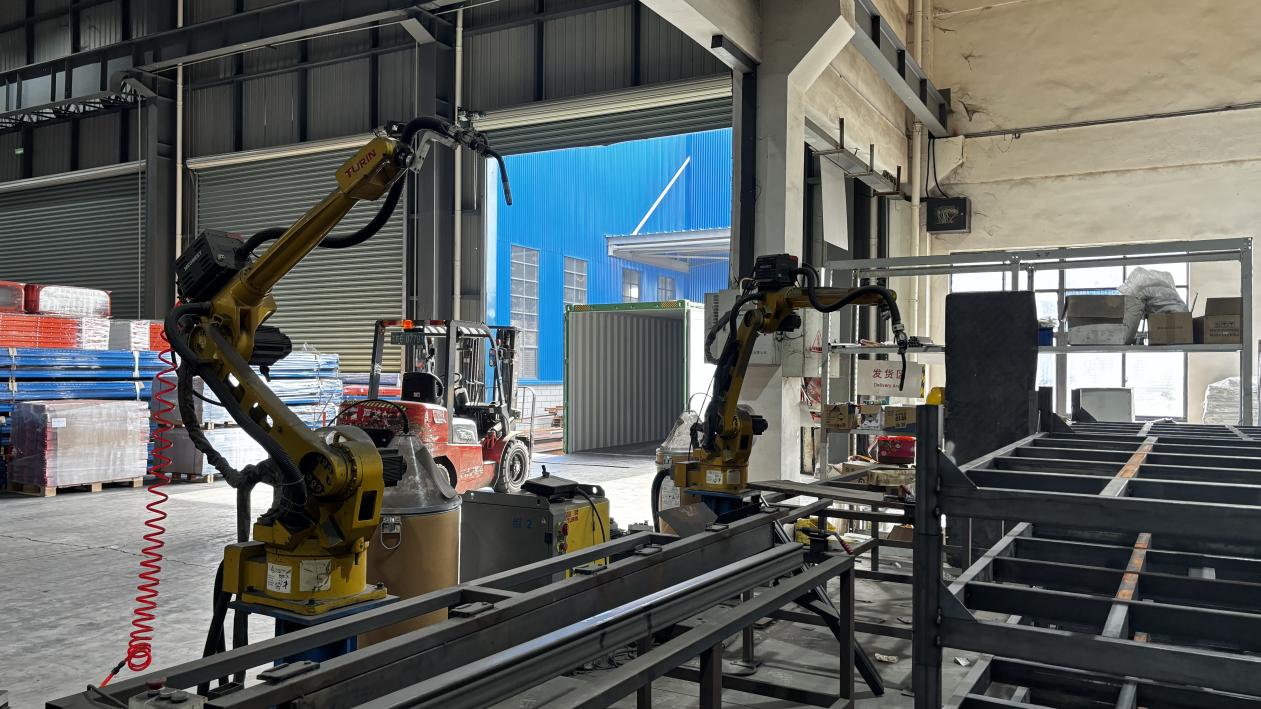
Robot Welding Machine
Robotic Precision Welding

Regional Application Scenarios & Strict Quality Standards

Ensuring structural reliability across different environments through localized engineering compliance and material verification.

North American Seismic Compliance

Our products are engineered to comply with RMI (Rack Manufacturers Institute) and AISC specifications. We utilize baseplates designed for high-stress anchoring and perform structural calculations based on specific local seismic accelerations (Sds values) to ensure reliability in earthquake-prone regions.

European Standard EN 15512

Designed to meet European standards for steel static storage systems. Our production processes ensure the structural safety of columns, beam end connectors, and bracings under dynamic operating conditions, backed by CE and ISO certifications.

Southeast Asian High-Humidity Protection

For tropical, high-humidity storage environments, our dual powder-coating lines and specialized hot-dip galvanizing options provide durable corrosion protection, helping to prevent structural degradation over extended operational life cycles.

Commercial Merchandising & Modular Retail Racks

Enhancing merchandising visibility and storage capacity with dual metal-wood frames, heavy-duty display solutions, and versatile retail fixtures.
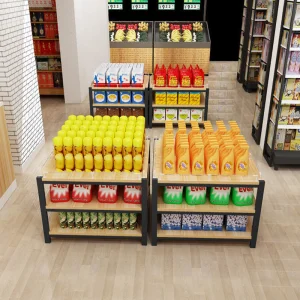
Supermarket Promotion Display Shelf

Supermarket Promotion Stack Display Shelf Chemical Washing Stack Head Rack Daily Steel and Wood Shelves Milk, Grain and Oil

Explore Specifications
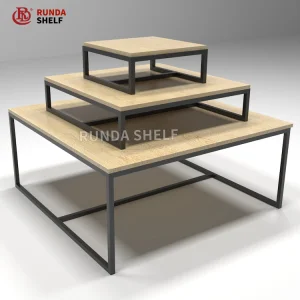
Heavy-Duty Display Table

Supermarket Rack 3-Layer Heavy Duty Display Table Single-Sided Promotion Stand in Wood and Steel for Promotions

Explore Specifications
Promotional Metal Display Shelf Rack

Promotional Single-Sided Metal Display Shelf Rack Not Second-Hand for Supermarket Wood Shelf Used for Usage

Explore Specifications
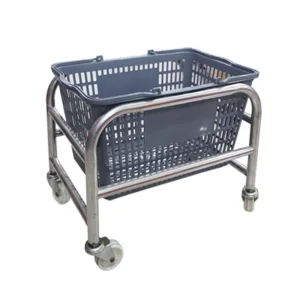
Stainless Steel Rolling Shopping Basket

Supermarket Equipment Rolling Baskets Stand Stainless Steel Shopping Basket with Four Wheels Unfolding Feature

Explore Specifications
Convenience Store Shelves

Convenience Store Shelves, Storage Shelves, Snack Shelves, Supermarket Shelves

Explore Specifications
Metallic Heavy Duty Double-sided Shelves

Metallic Heavy Duty Double-sided Convenience Store & Supermarket Shelves Storage Racks for Snacks

Explore Specifications
Heavy Duty Rack Shelf

Heavy Duty Rack Shelf Customizable Warehouse Storage Shelves Large Sale Pallet Storage Rack Industrial Storage Rack

Explore Specifications
Heavy Duty Double-Sided Metallic Shelves

Heavy Duty Double-Sided Metallic Merchandise Shelves for Stationery Pet Convenience Stores

Explore Specifications

Expert Q&A: Warehouse Storage Racking Systems

Answering common design, structural, and procurement questions for logistics operators and procurement managers.

What steel grades are typically used in heavy-duty racking, and why?
High-strength carbon structural steels, primarily Q235 and Q355, are the industry standards. Q235 is commonly used for standard warehouse storage racks due to its balance of cost, ductility, and weldability. For heavy-duty applications requiring larger spans or higher structural load capacities, Q355 steel is selected for its higher yield strength (355 MPa compared to 235 MPa), allowing the structure to carry heavier loads without requiring excessively thick profiles.
How does Foshan FlexiRack verify the load-bearing capacities of its systems?
Foshan FlexiRack maintains a 35-person quality control team that carries out testing protocols. These include finite element analysis (FEA) during design, raw material tensile testing, ultrasonic weld seam flaw detection, and physical load testing. The physical tests subject both upright frames and pallet beams to 1.25 times their rated load capacities to verify structural safety margins.
What are the key considerations for integrating racking with ASRS automated systems?
Integrating racking with automated systems requires strict tolerance controls. While standard warehouse storage racks can accommodate variance tolerances of several millimeters, ASRS configurations require high precision (often ±1.5mm to ±2mm maximum deviation). This level of precision is necessary to prevent automated shuttles and cranes from jamming, requiring robotic welding, precise punching, and stiffened upright profiles to handle dynamic braking forces.
How does powder coating protect against corrosion, and what options are available?
Our powder coating line uses a multi-stage process: acid pickling and shot blasting to remove scale and rust, followed by electrostatic application of thermosetting powder (epoxy-polyester), which is cured at 200°C. For harsh environments (such as cold storage or tropical settings), we offer hot-dip galvanizing, which coats the steel in a layer of zinc to provide enhanced protection against moisture and rust.
Can Foshan FlexiRack accommodate custom engineering requests?
Yes, our R&D division has 45 engineering specialists focused on customized designs. We tailor structural load capacities, profile geometries, and frame depths to match specific material handling equipment, and configure anchoring and bracing systems to align with local building codes.