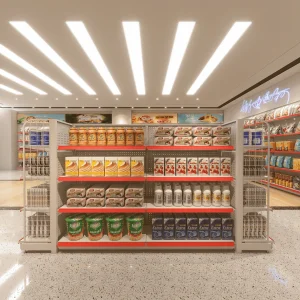
High load capacity structures optimized for beverage crates, high-frequency loading, and maximum visual engagement.
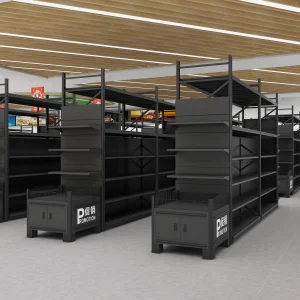
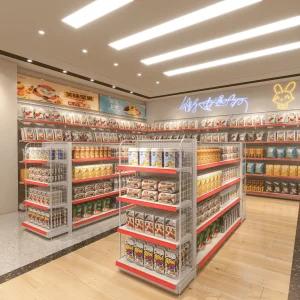
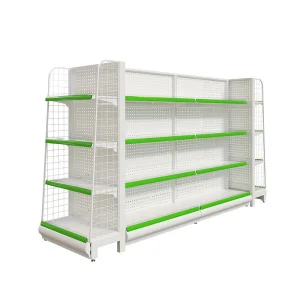
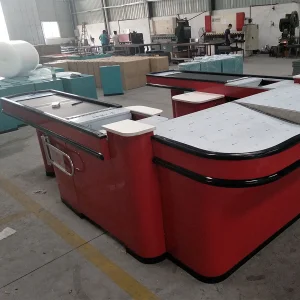
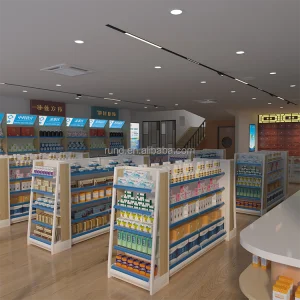
An authoritative analysis of load mechanics, surface treatment, and material sourcing for modern enterprise procurement.
In the highly competitive beverage retail landscape, a display is no longer a passive holding unit. It acts as an active structural solution designed to manage high volumetric weight, accelerate FMCG replenishment, and survive aggressive environmental variables (such as cold-room condensations and high cart-impact zones). Global brands like PepsiCo, Coca-Cola, and AB InBev rely on heavy industrial engineering to prevent unit structural failures. Seeking top-tier manufacturing partnerships in China has evolved from simple cost-arbitrage to securing integrated technological and engineering expertise.
Foshan FlexiRack Intelligent Logistics Equipment Co., Ltd., founded in 2014, has positioned itself at the intersection of retail merchandising aesthetics and warehouse-grade structural engineering. By utilizing heavy-duty steel profiling alongside high-precision robotic fabrication, FlexiRack produces retail display architectures that conform to both high-traffic visual marketing standards and strict ISO9001 and CE compliance rules.
Beverages present one of the highest weight-per-square-meter challenges in modern retail. Standard supermarket shelves are calibrated for static loads of up to 40-50 kg per shelf. In contrast, fully loaded double-sided beverage display racks must withstand continuous, dynamic structural weights exceeding 120-180 kg per shelf level. An engineered beverage display system utilizes cold-rolled structural steel (such as high-grade SPCC or Q235B) formulated for higher yield strength. This ensures long-term resistance against permanent deflection (bowing) under continuous loading.
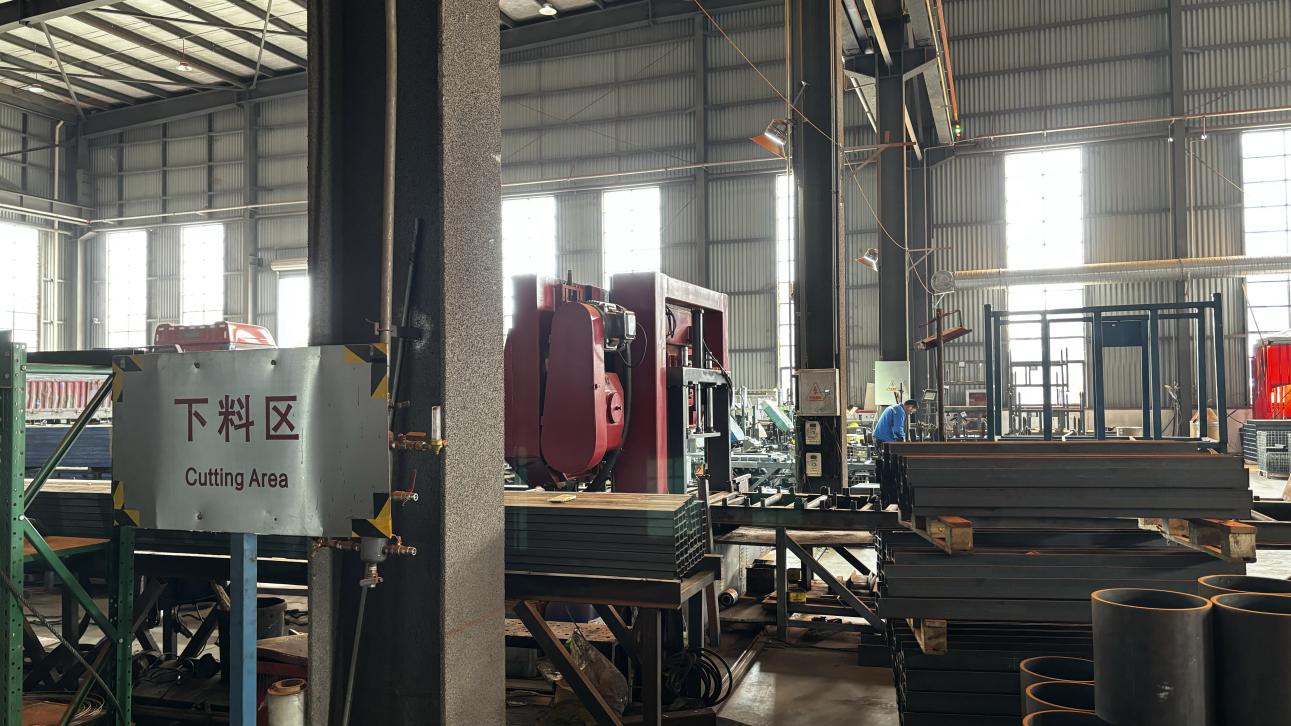
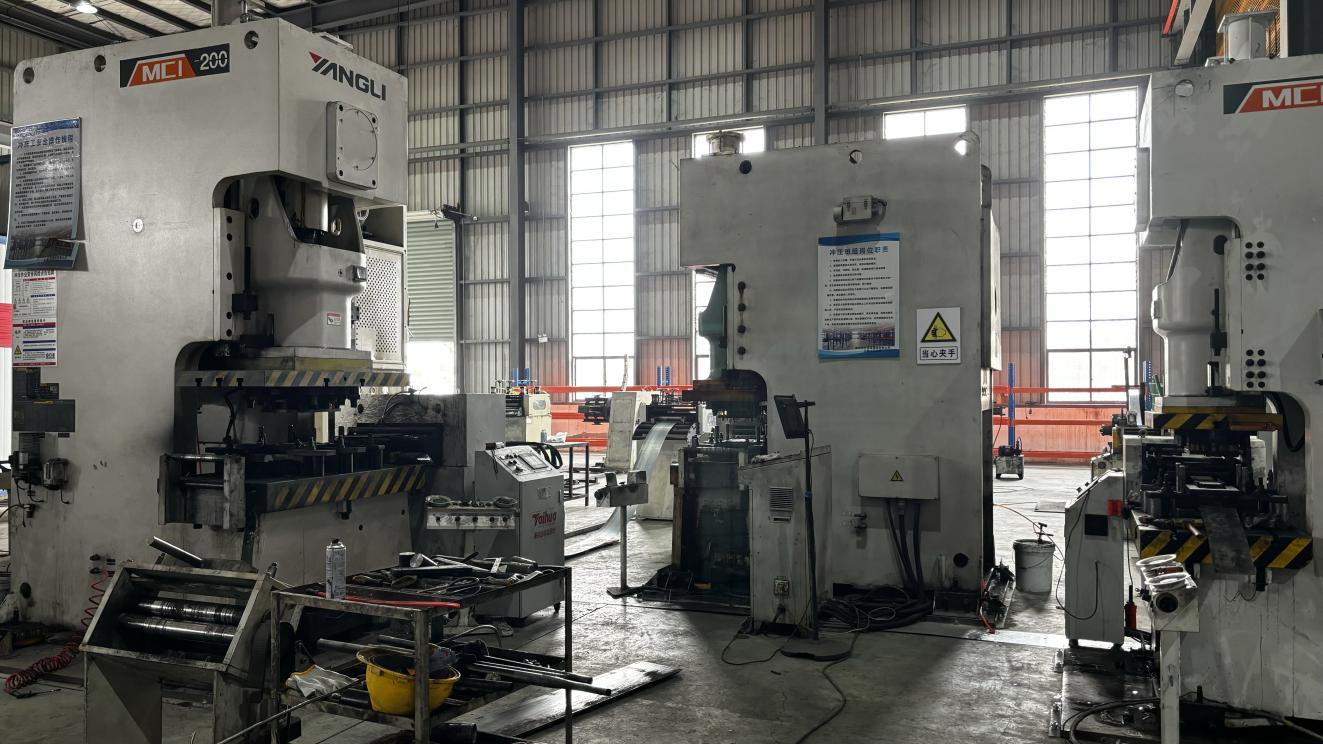
Deep vertical manufacturing, high-volume automated lines, and strict quality assurance methodologies.
Serving third-party logistics (3PL) providers, industrial distribution centers, and high-frequency e-commerce fulfillment hubs, Foshan FlexiRack bridges the gap between massive distribution center logistics and point-of-sale retail execution. Operating as a comprehensive OEM/ODM developer, we understand that structural integrity requires rigorous verification. Our quality assurance team uses non-destructive testing, ultrasonic flaw detection, and real-time dynamic load simulators to guarantee that every retail run maintains structural load-rating integrity throughout its operational lifespan.
From raw metal feedstocks to industrial powder-coated finishes, inspect our internal manufacturing workflow.
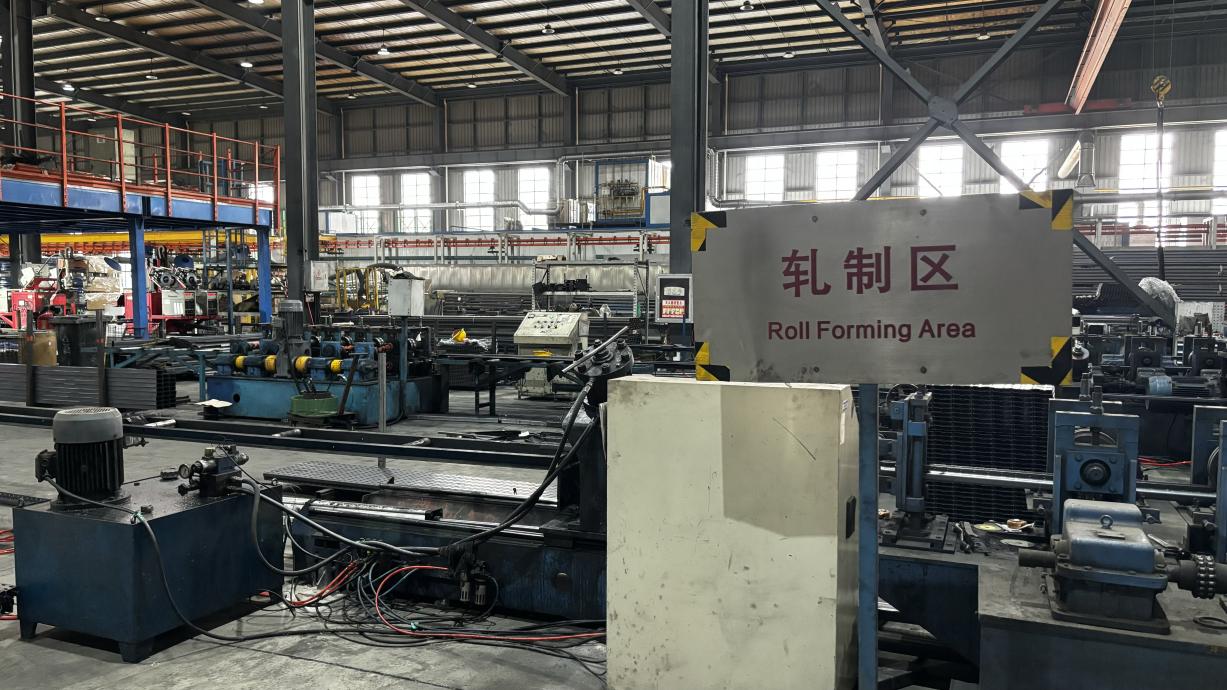
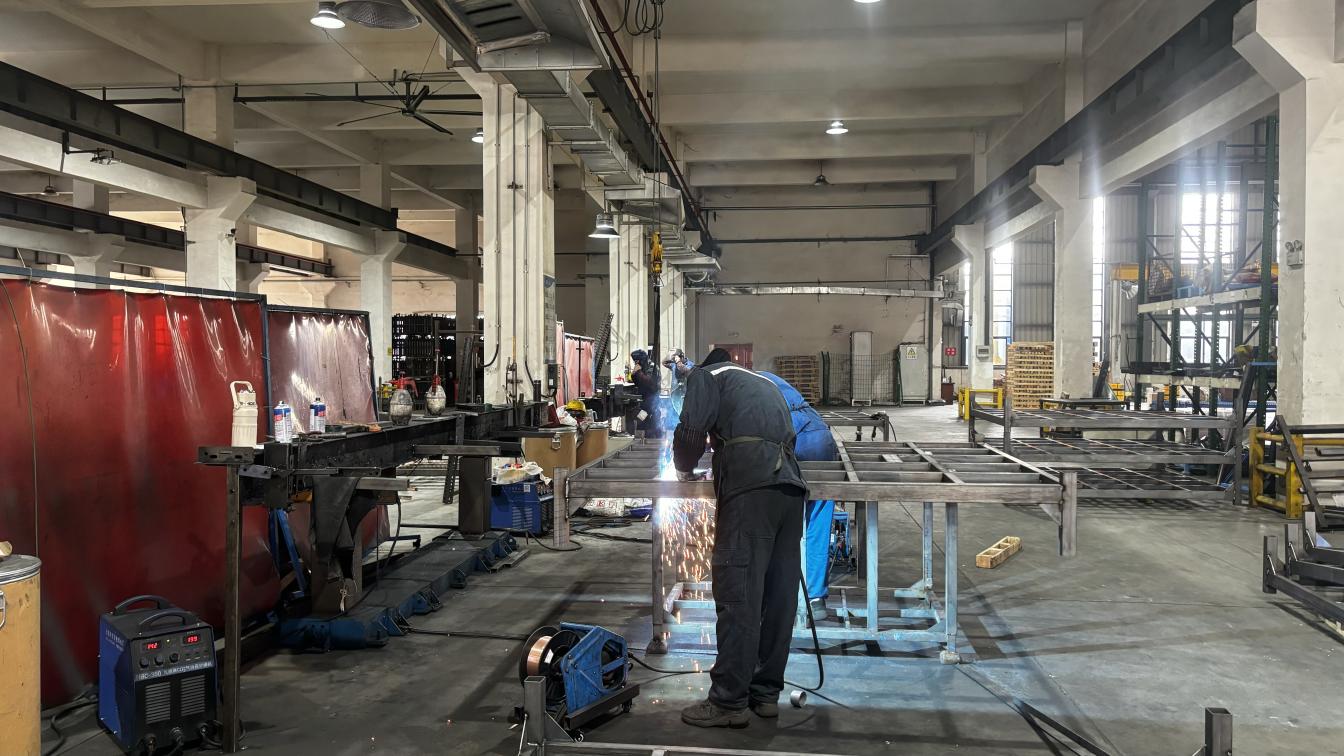
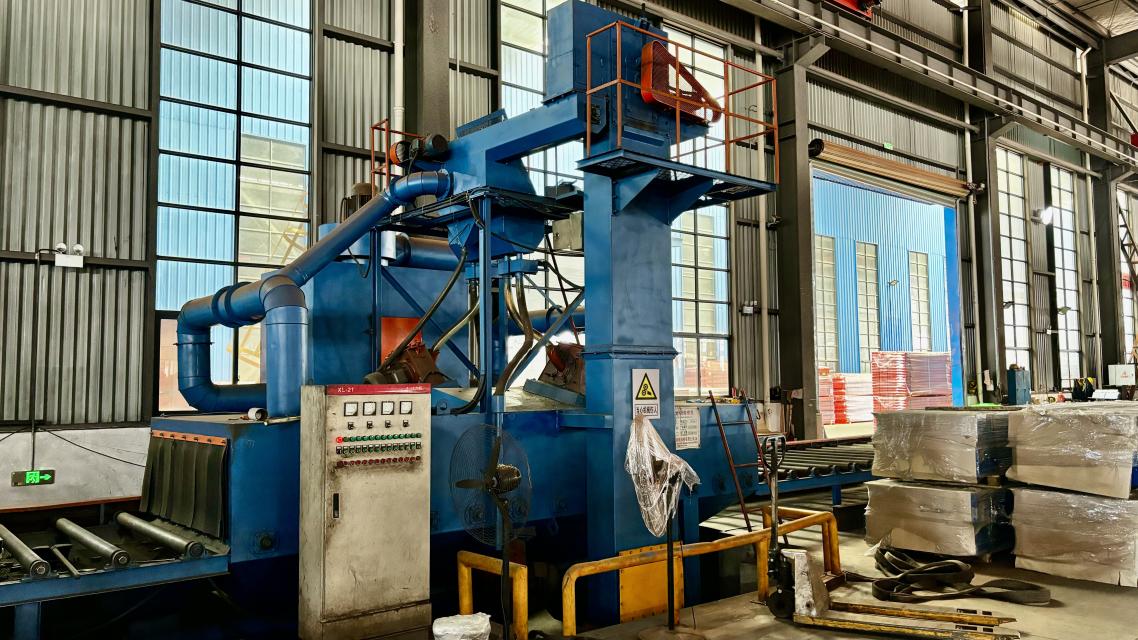
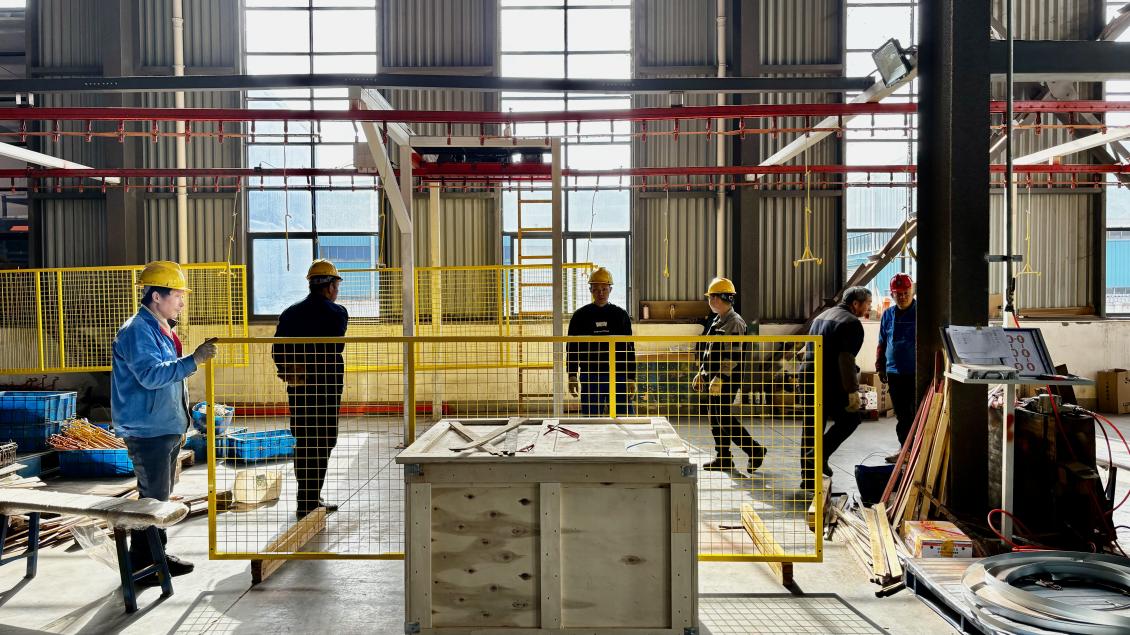
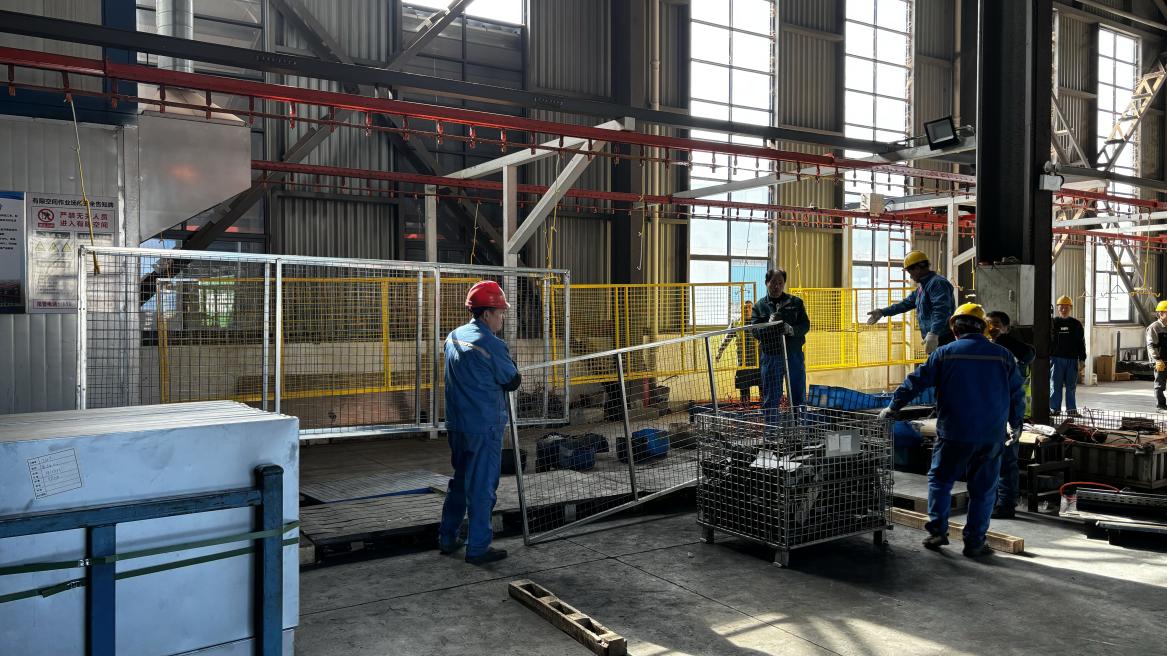
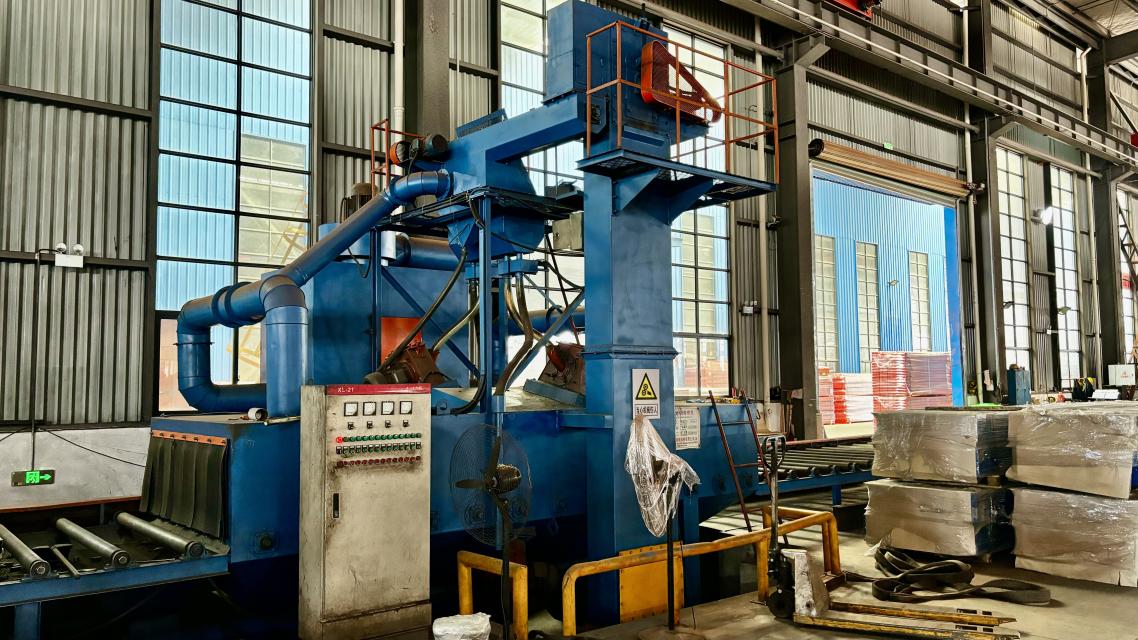
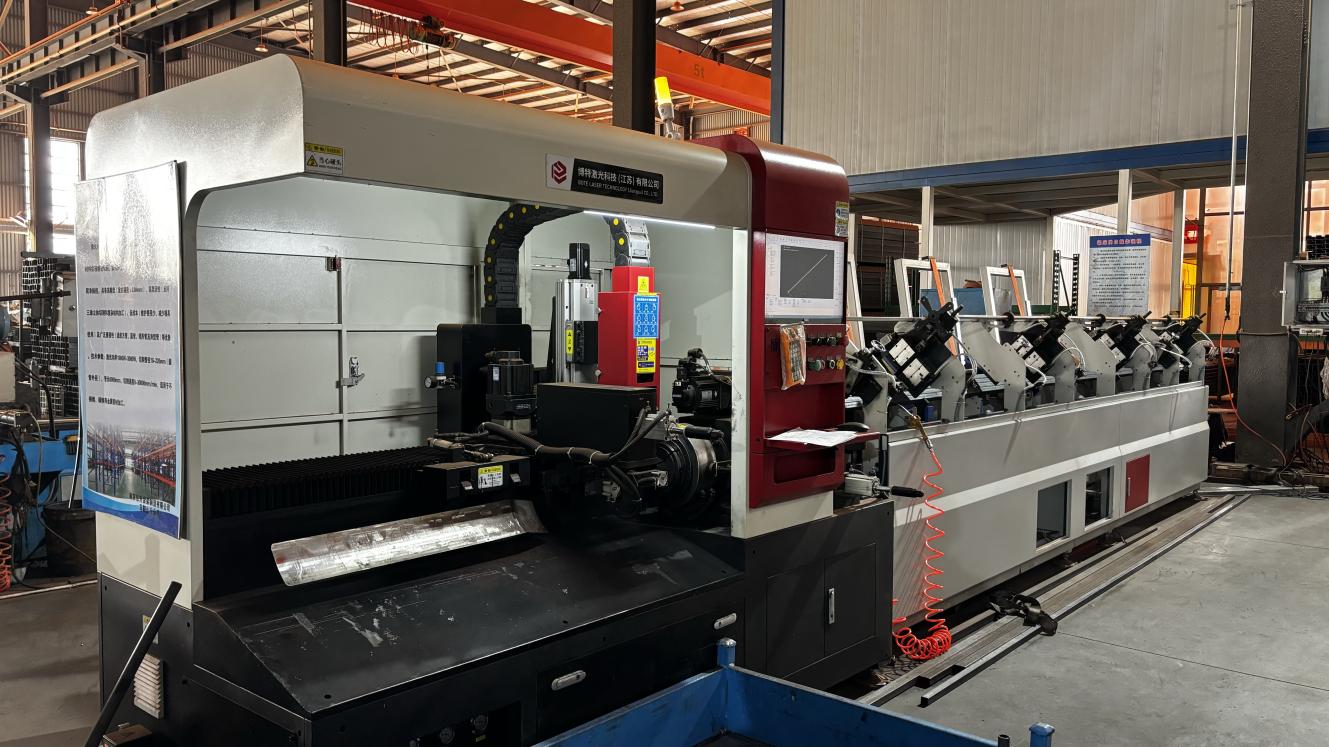
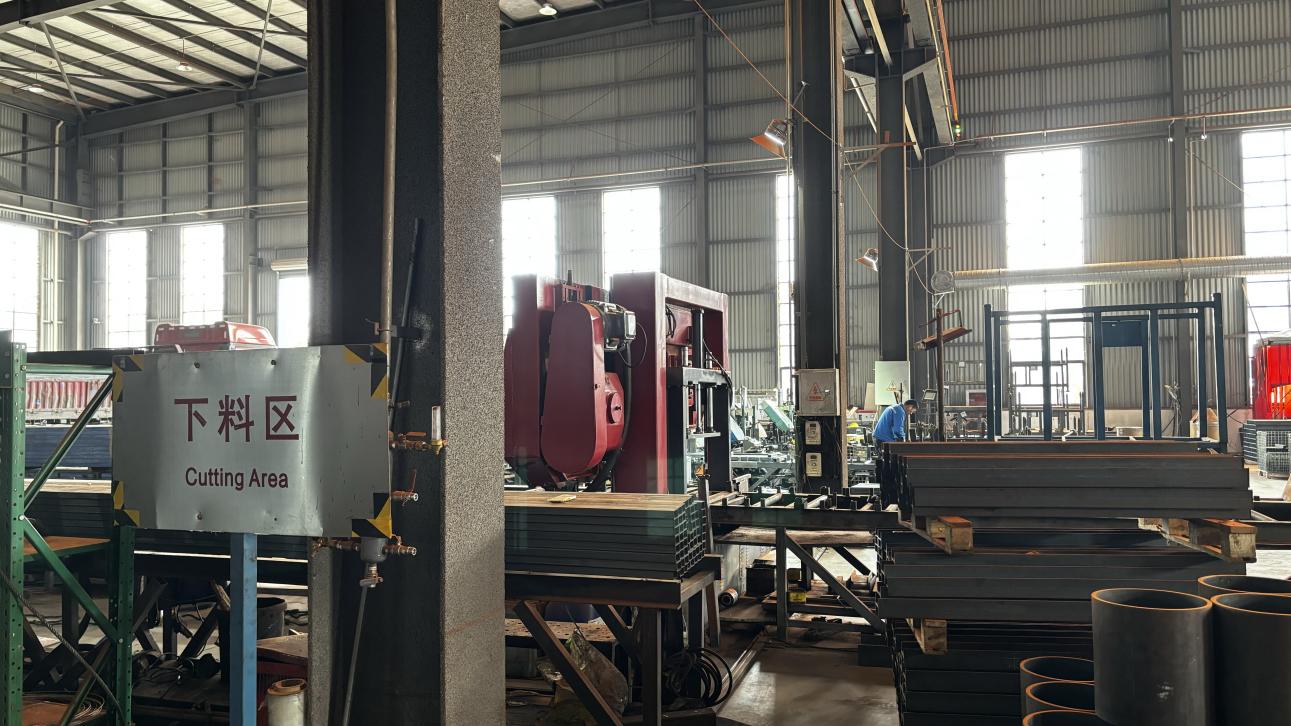
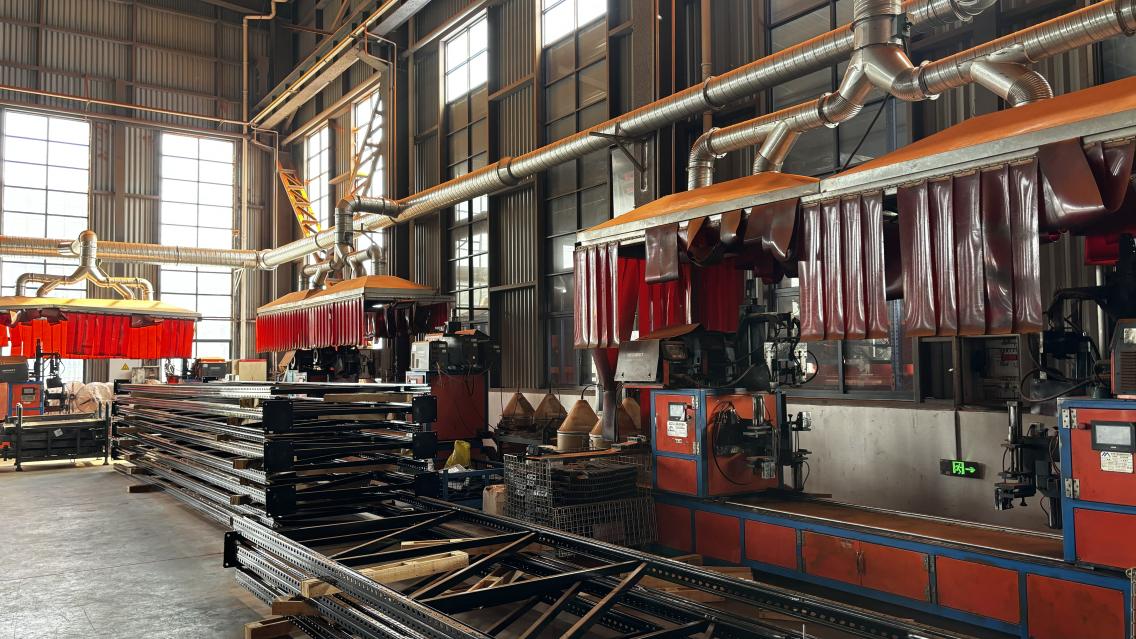
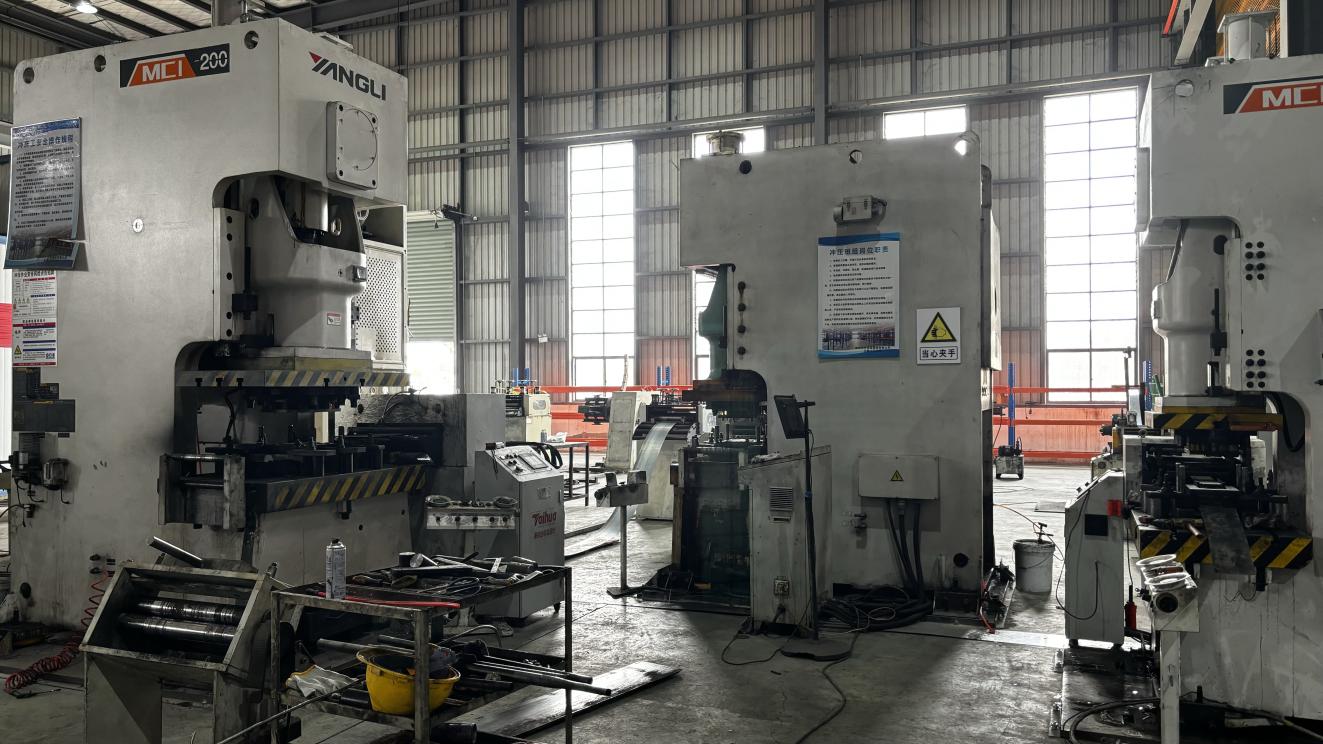
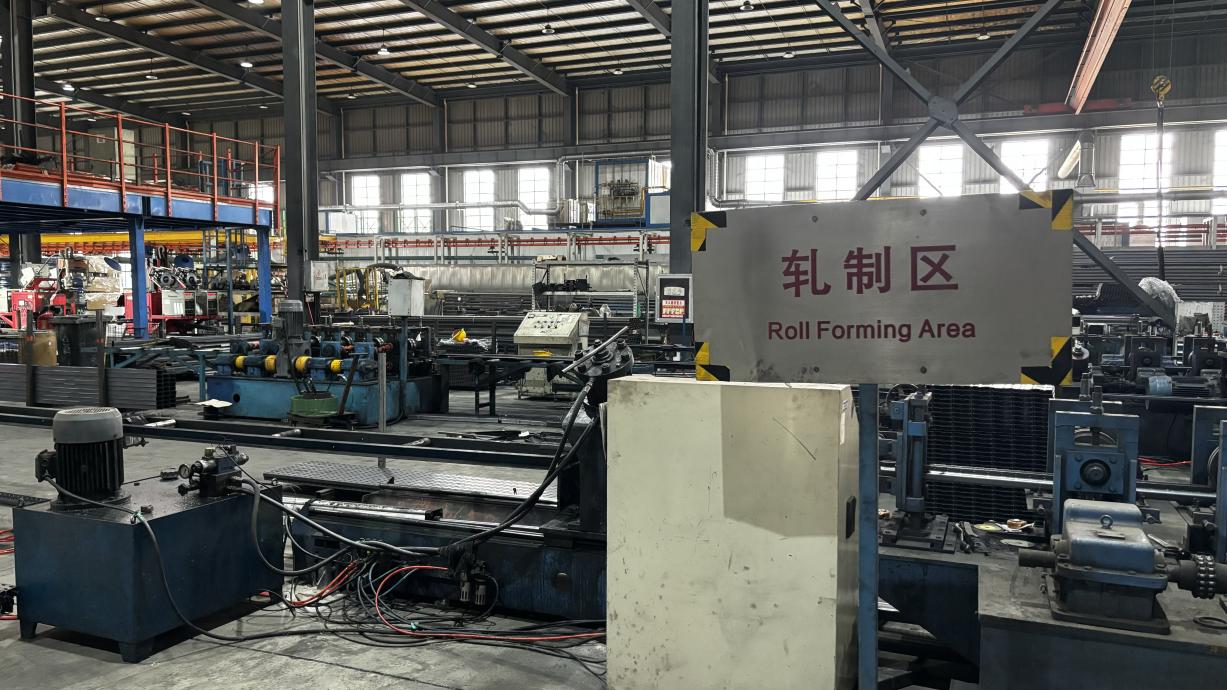
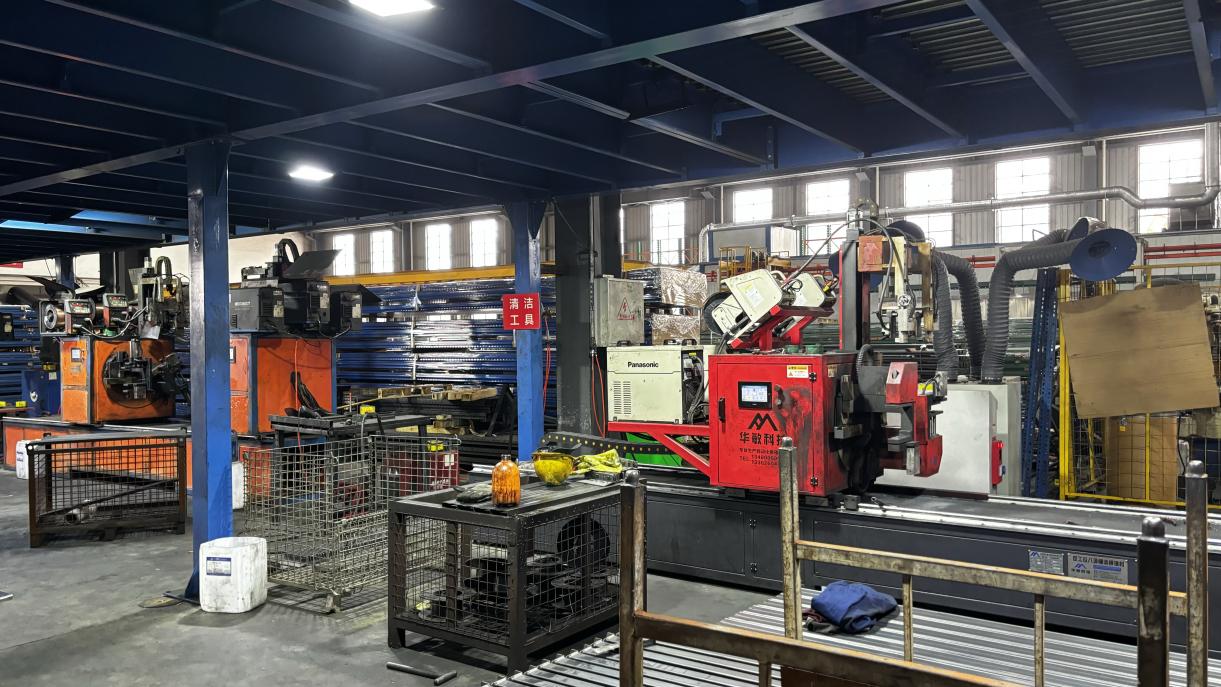
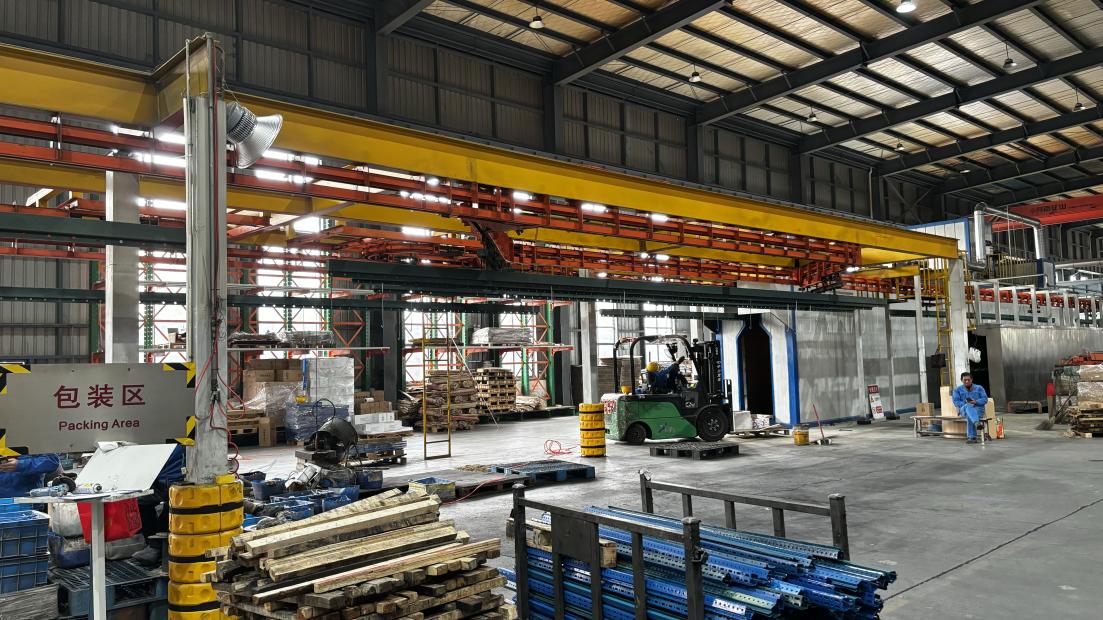
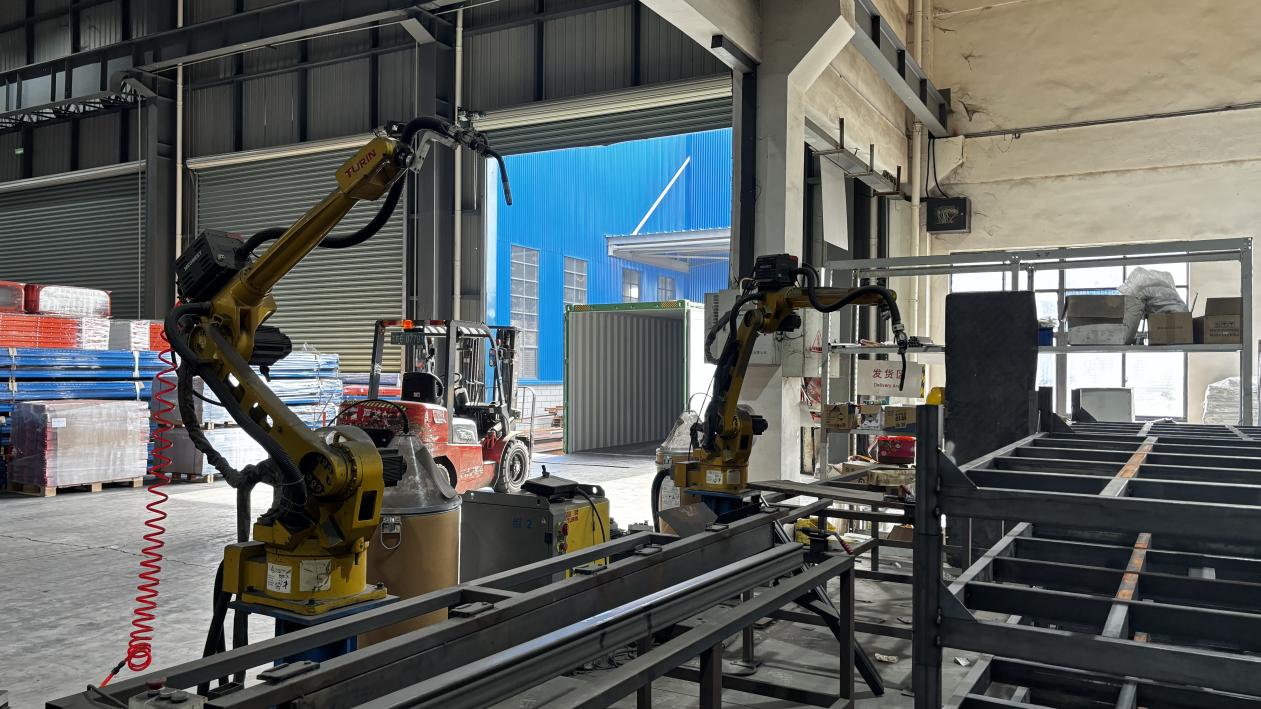
Analyzing global cost efficiencies, raw material accessibility, and rapid engineering prototyping cycles.
Beverages housed inside high-humidity reach-in chillers or walk-in coolers are vulnerable to oxidation. Our automated multi-stage shot blasting removes all micro-scale mill scale, preparing metals for dual-layer thermosetting powder coating that prevents oxidation and keeps units sanitary.
High-density retail shelving arrays require specialized stability margins. Through finite element analysis (FEA) modeling, our engineers optimize upright column thicknesses and baseplate designs to comply with localized seismic requirements in North America, Japan, and parts of Europe.
As supermarkets move toward automated back-room micro-fulfillment, our racks are engineered with precise tolerances. This ensures compatibility with Automated Storage and Retrieval Systems (ASRS), shuttle systems, and smart pick-and-pack robotics.
Tailoring structural storage systems for regional regulations, layout styles, and merchandise categories.
Different international retail markets require specific display adaptations to balance visual appeal, floor-space efficiency, and safety. Below is a breakdown of how regional markets apply specific racking setups:
In Costco or Sam's Club formats, beverage displays must function as both a point-of-sale display and bulk warehouse storage. Racks must support entire pallets of water bottles or beer cases directly off the forklift. This layout relies on structural steel profiles with integrated front safety barriers to shield vertical supports from forklift strikes. FlexiRack's heavy-duty shelving provides dynamic load ratings up to 1000 kg per bay, combining safety with high-capacity volume.
European retail spaces are often compact, emphasizing footprint efficiency and easy customer access. Shelving structures must offer narrow profile frames and adjustable shelf angles. This allows stores to tilt juice or wine bottles forward, improving label visibility. FlexiRack designs customizable modular display stands with adjustable heights and angle settings, maximizing visibility in tight store layouts.
In tropical locations, high humidity and continuous cooling condensation place extra strain on metal retail equipment. Standard cold-rolled steel will rust within months if its surface finish has micro-fissures. Our specialized treatment process coats every component in a protective epoxy finish, sealing corners and welds against moisture. This makes these units ideal for beverage display racks and open-front milk chillers in high-temperature environments.
Technical insight and practical logistics advice for procurement managers and supply chain directors.
High load capacity racking, specialty pharmacy systems, and material handling tools built for intensive daily use.
 FlexiRack