Engineered to maximize storage efficiency, load stability, and workspace productivity across global distribution networks.

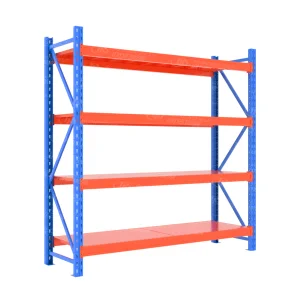

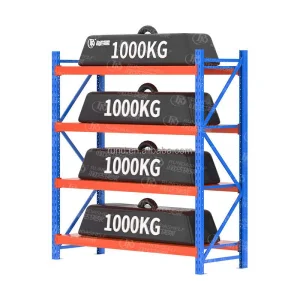
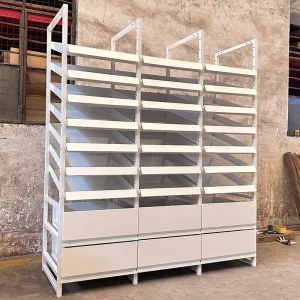
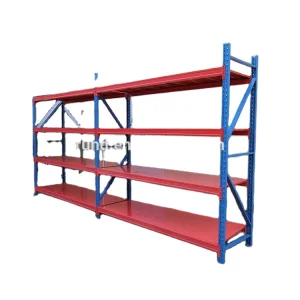
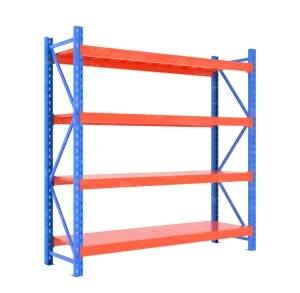
In modern industrial logistics, optimization of physical space translates directly into margin growth. Standard static racking requires extensive aisle widths to accommodate traditional forklifts. Pantograph Shelving, utilizing heavy-duty scissor mechanisms (pantographs), addresses this challenge by allowing shelving units or forklift reach configurations to extend and retract dynamically. By integrating scissor mechanics directly into the material storage workflow, distribution hubs can transition from single-deep storage to high-density double-deep configurations, effectively reducing aisle footprints by up to 30-40% while preserving selective accessibility.
China has established itself as the global epicenter for the precision engineering of high-load scissor extension mechanisms and raw structural steel profiling. Backed by extensive local raw material clusters, modern manufacturing facilities like Foshan FlexiRack Intelligent Logistics Equipment Co., Ltd. leverage economies of scale and highly automated production processes to deliver structural systems that exceed global design safety codes, including the RMI (Rack Manufacturers Institute) guidelines in North America and FEM standards in Europe.
"Integrating pantograph deep-reach mechanics reduces spatial overhead, enabling 3PL operators and e-commerce distribution networks to double their SKU densities without purchasing additional warehouse real estate."
At the core of pantograph shelving is structural kinematics. The scissor linkage relies on high-tensile structural steel profiles connected via high-shear pivot pins. Under stress, these linkages must exhibit negligible lateral deflection. In double-deep shelving environments, the extendable frame supports dynamic loads of over 1,000 kg per pallet position at full reach extension. When the scissor arm extends, it experiences a combination of vertical compressive load and horizontal shear stress. Structural engineers use Finite Element Analysis (FEA) to determine the ideal thickness of structural hollow sections (HSS) and the placement of reinforcement gussets at critical pivot joints.
Designed for resilience, safety, and continuous operations in demanding high-volume distribution networks.
Constructed with cold-rolled micro-alloyed steel profiles, providing high strength-to-weight ratios to endure continuous cyclic loadings.
Equipped with self-lubricating pivot bushings and induction-hardened steel pins, offering maintenance-free operations up to 250,000 extension cycles.
Independently calculated to withstand localized seismic zone conditions, including structural bracing and floor anchorage solutions.
Explore the vertically integrated production line at Foshan FlexiRack's 32,000m² manufacturing facility.
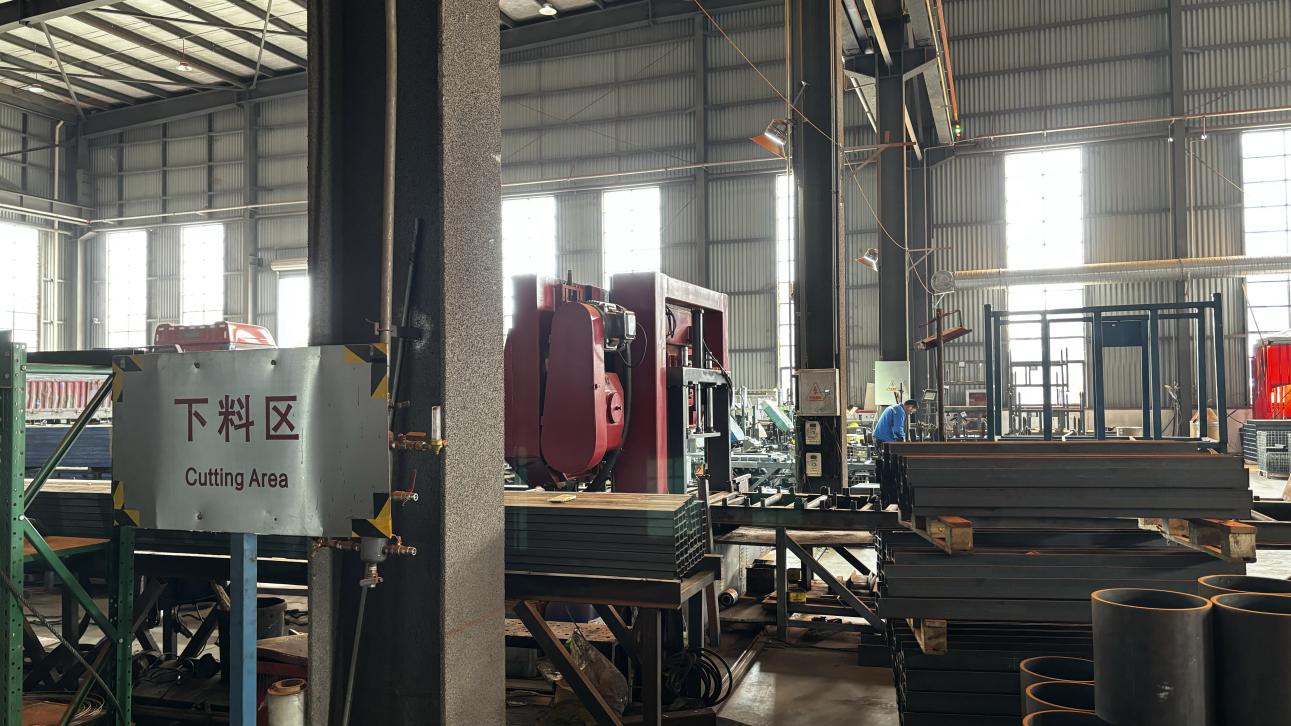
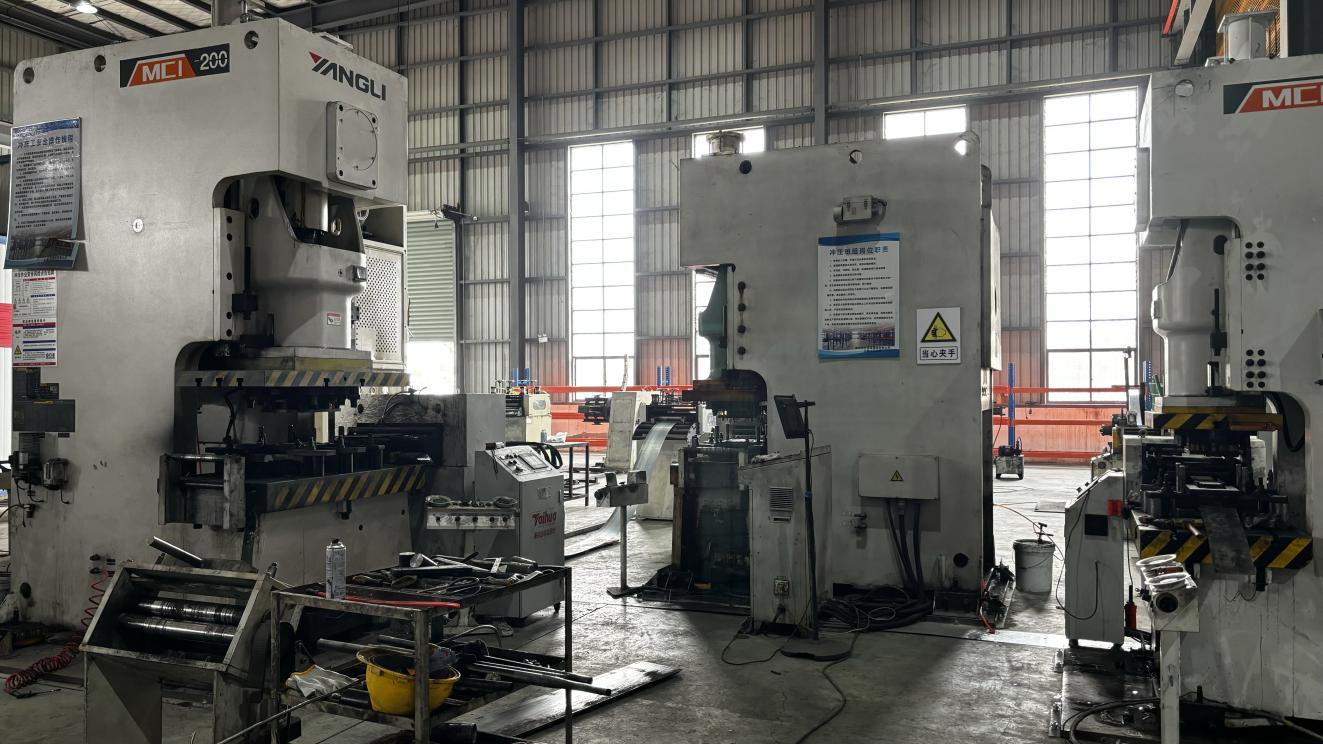
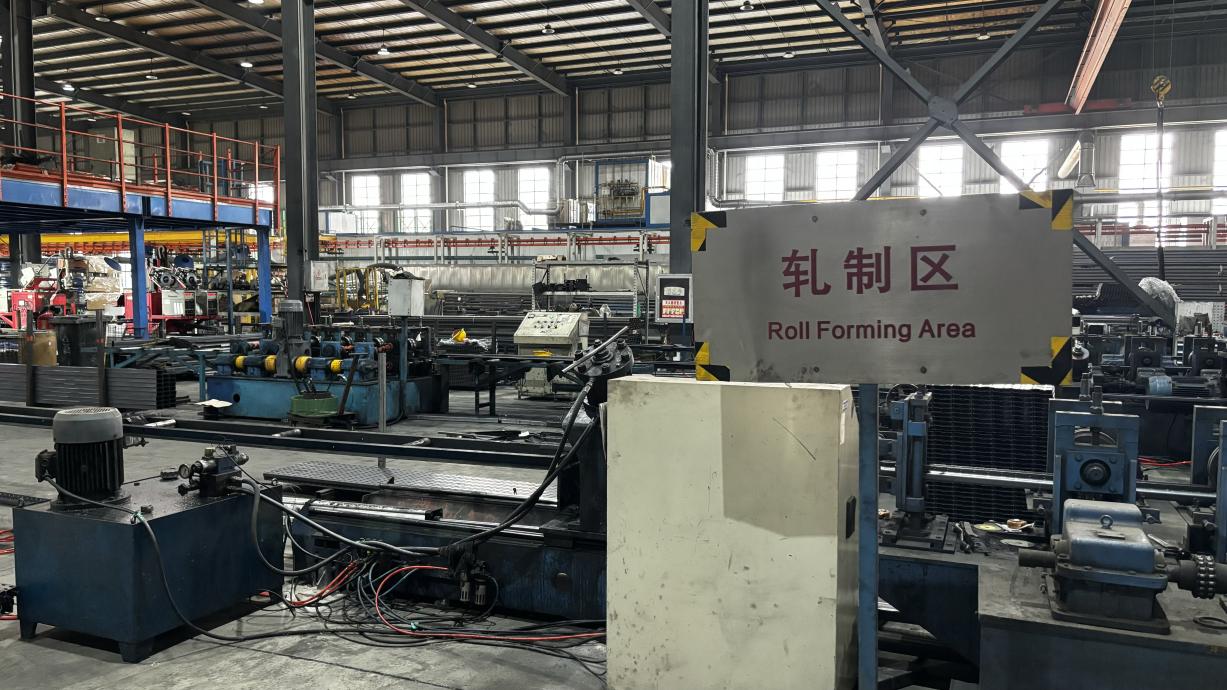
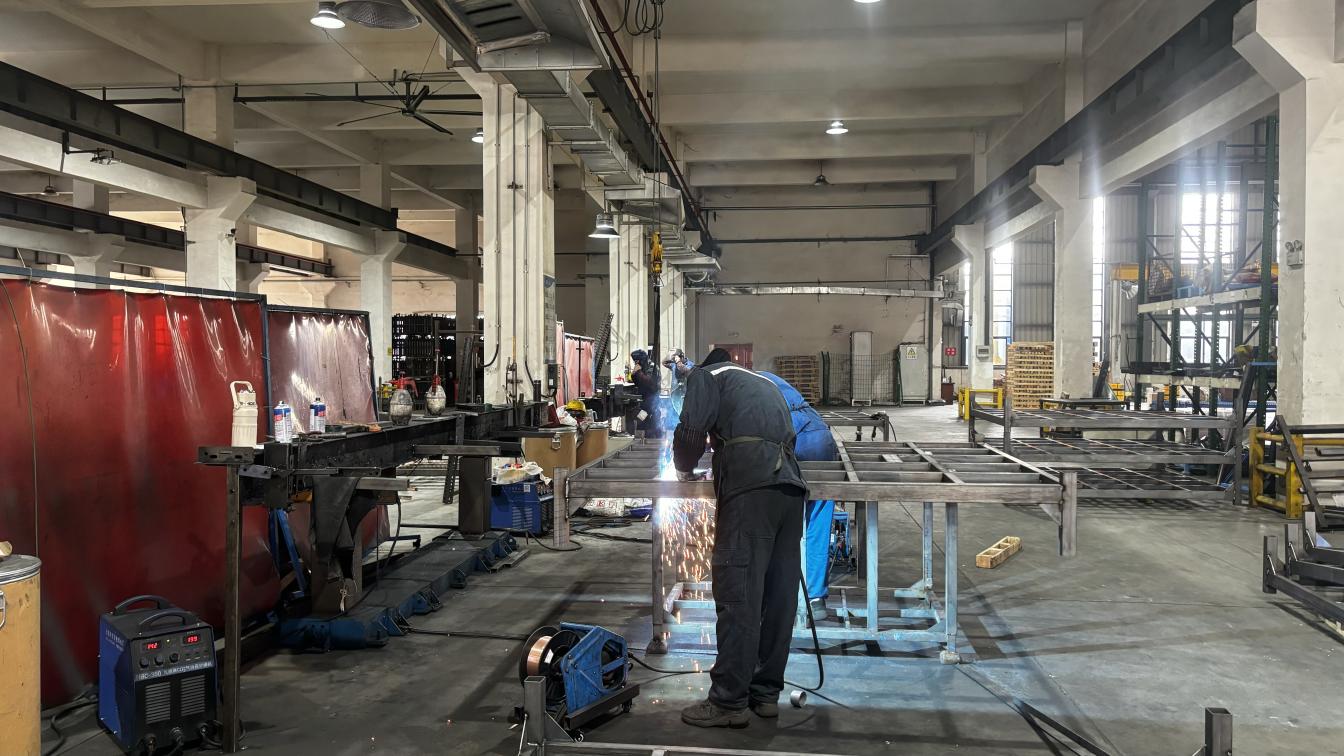
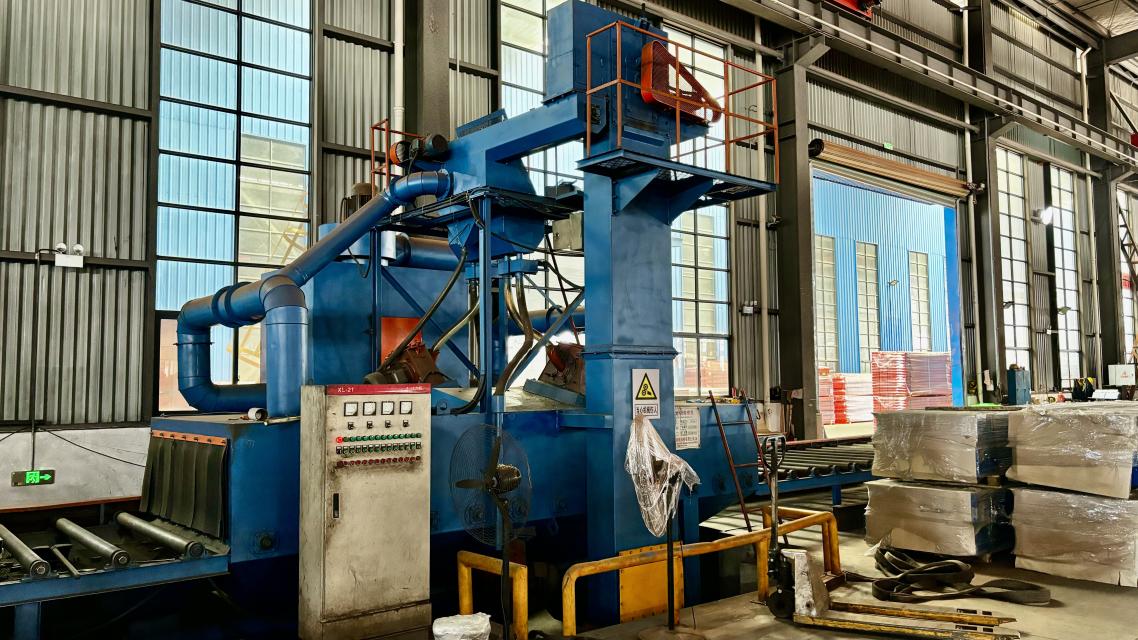
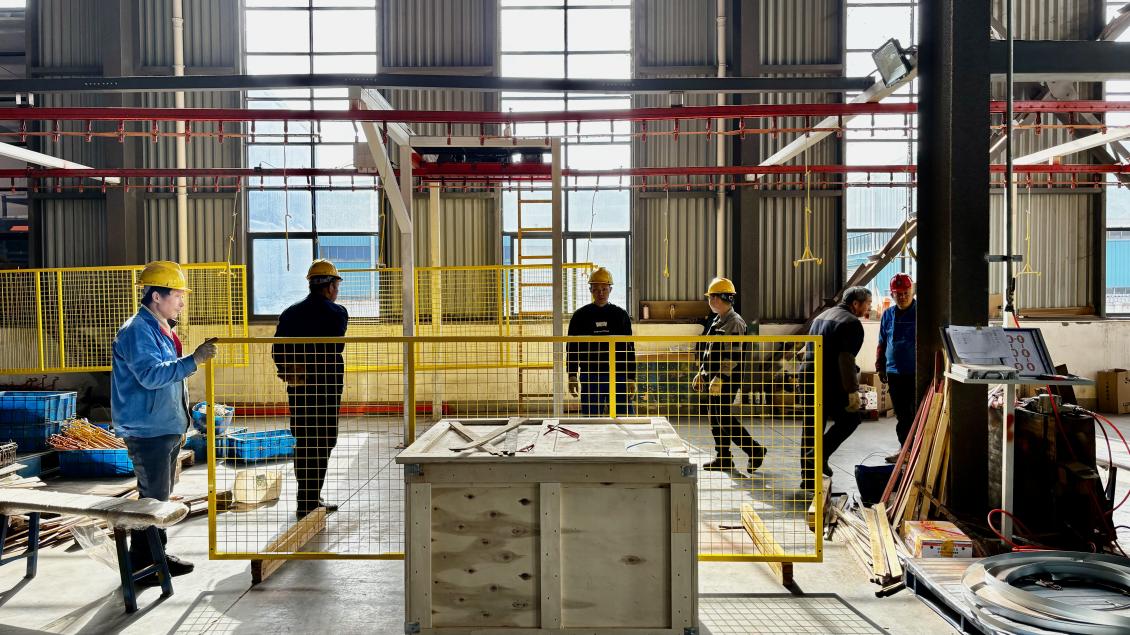
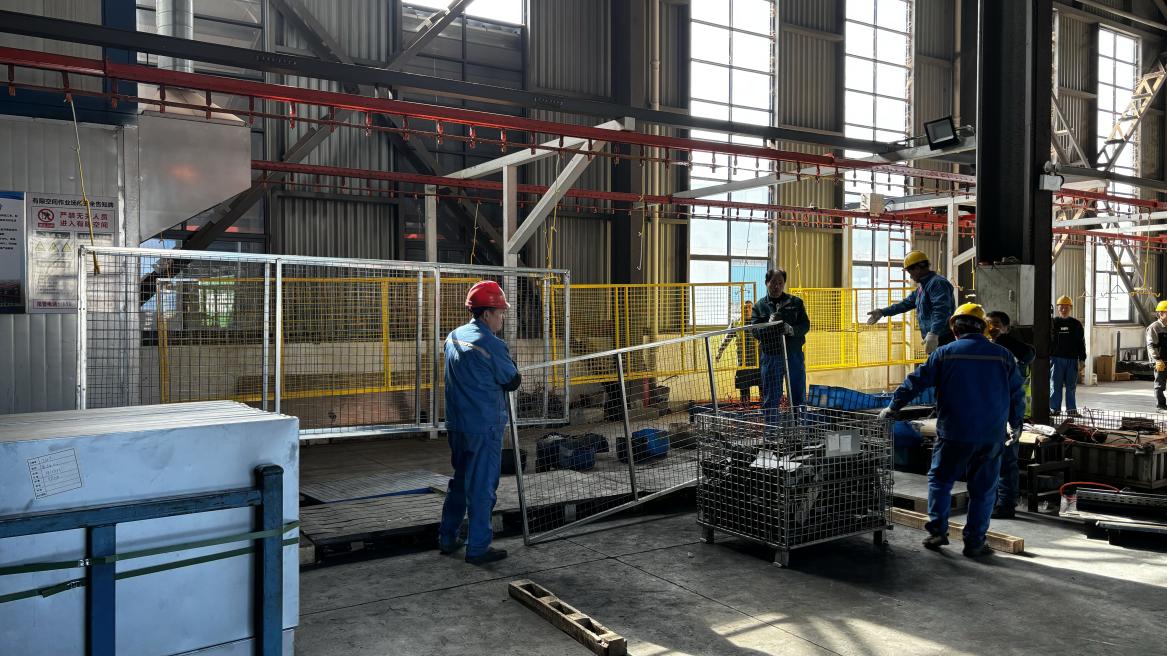
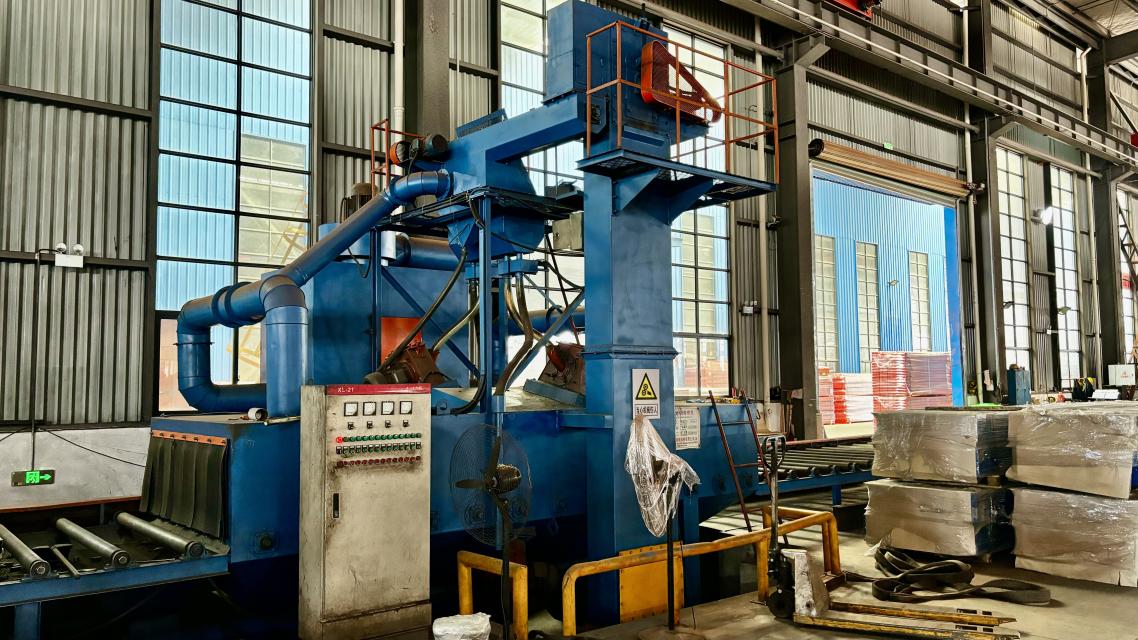
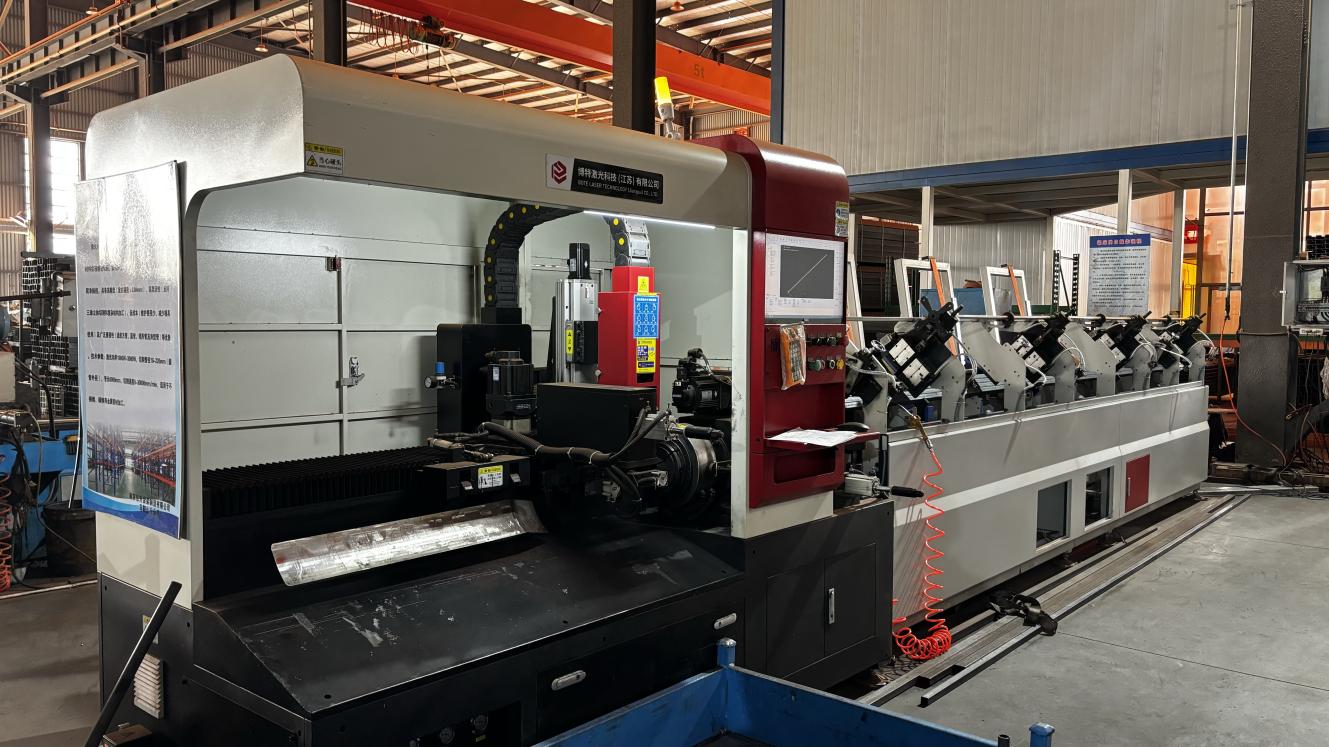
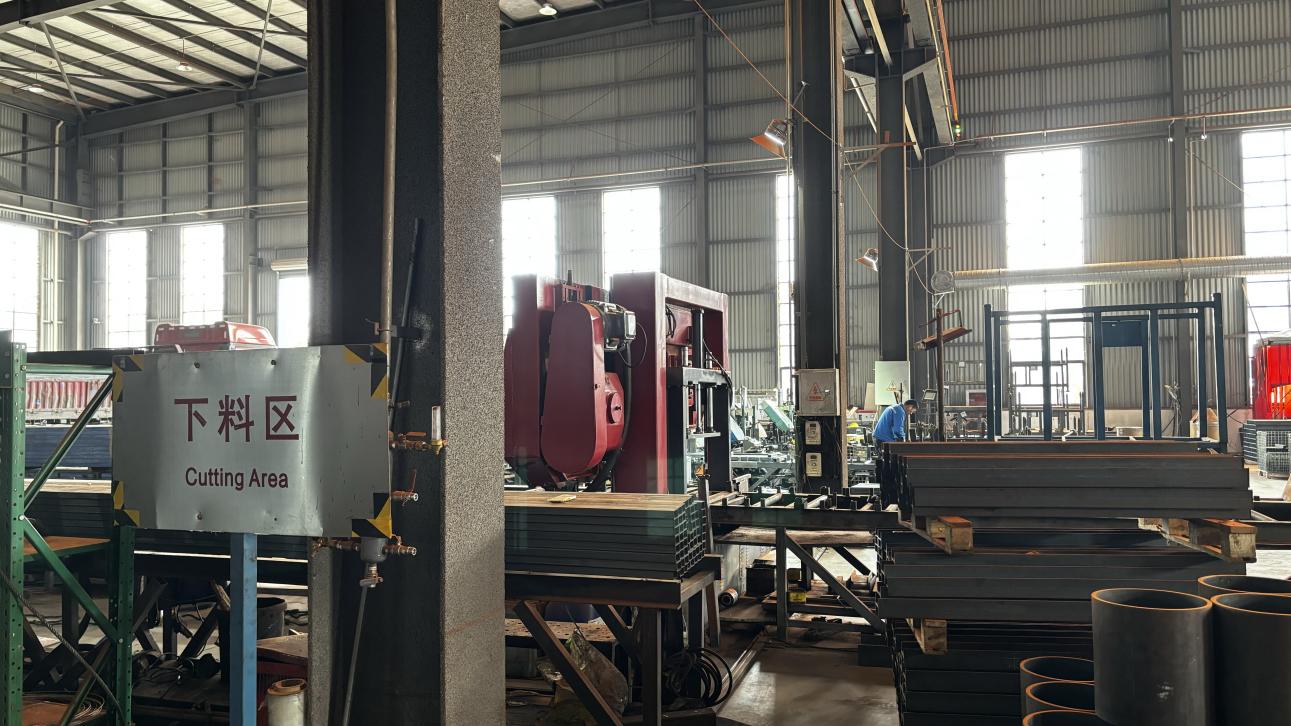
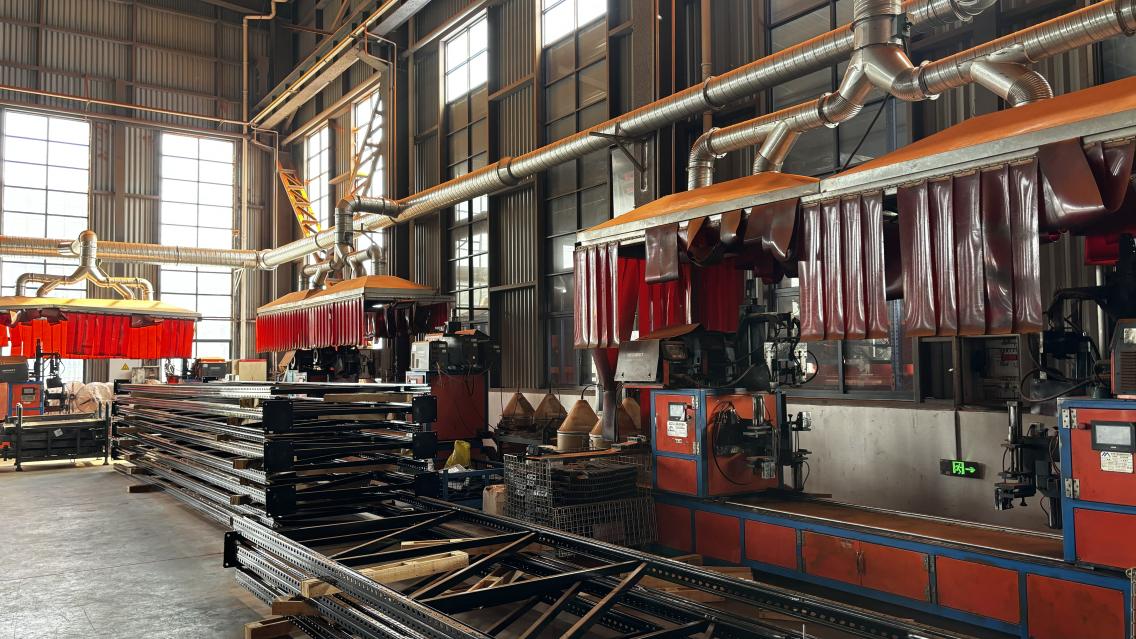
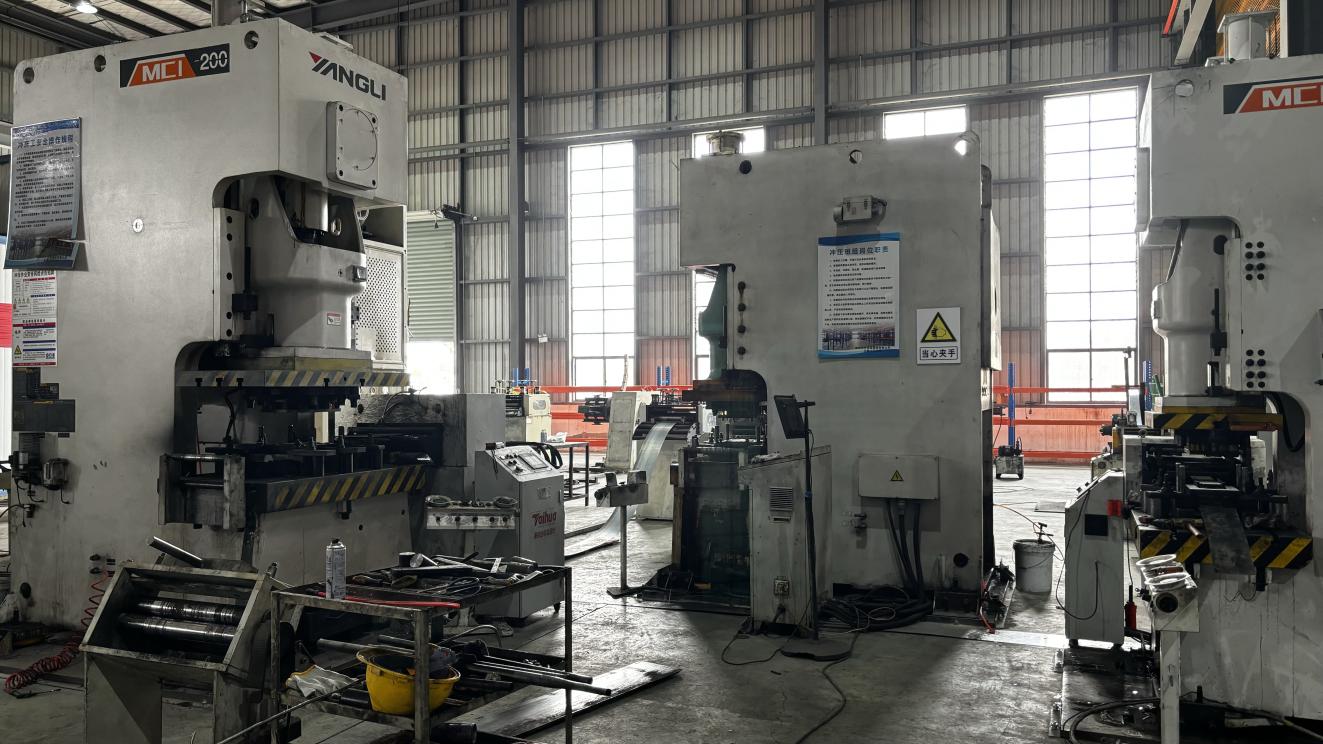
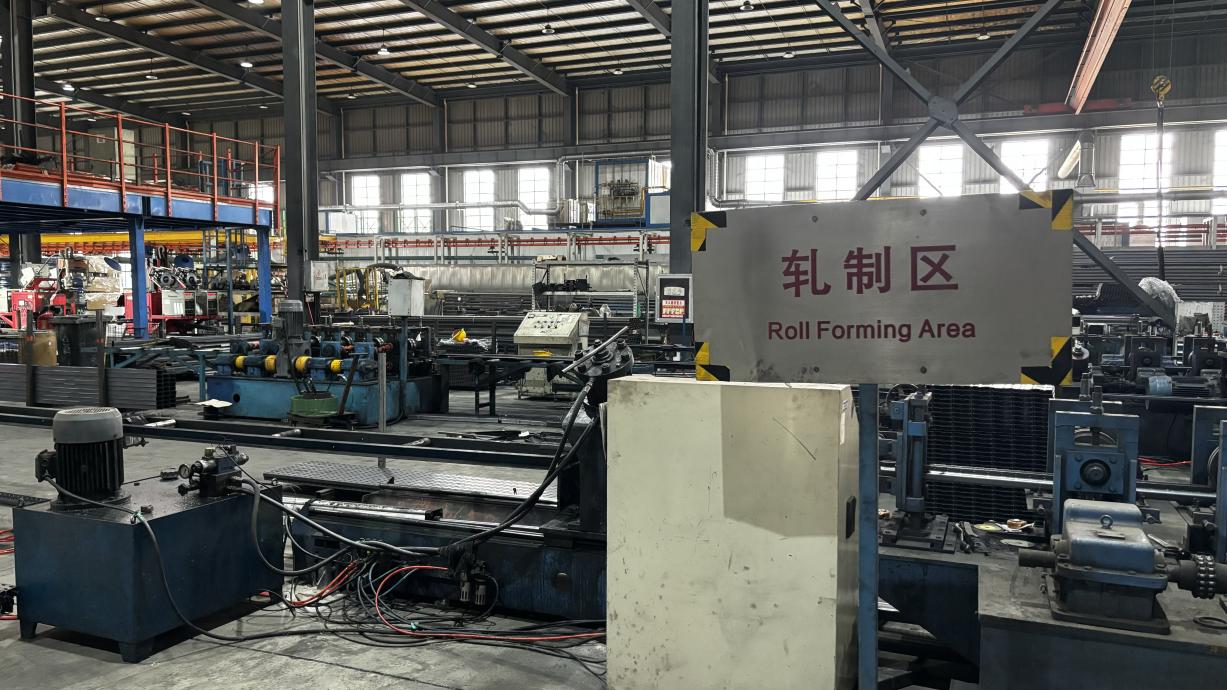
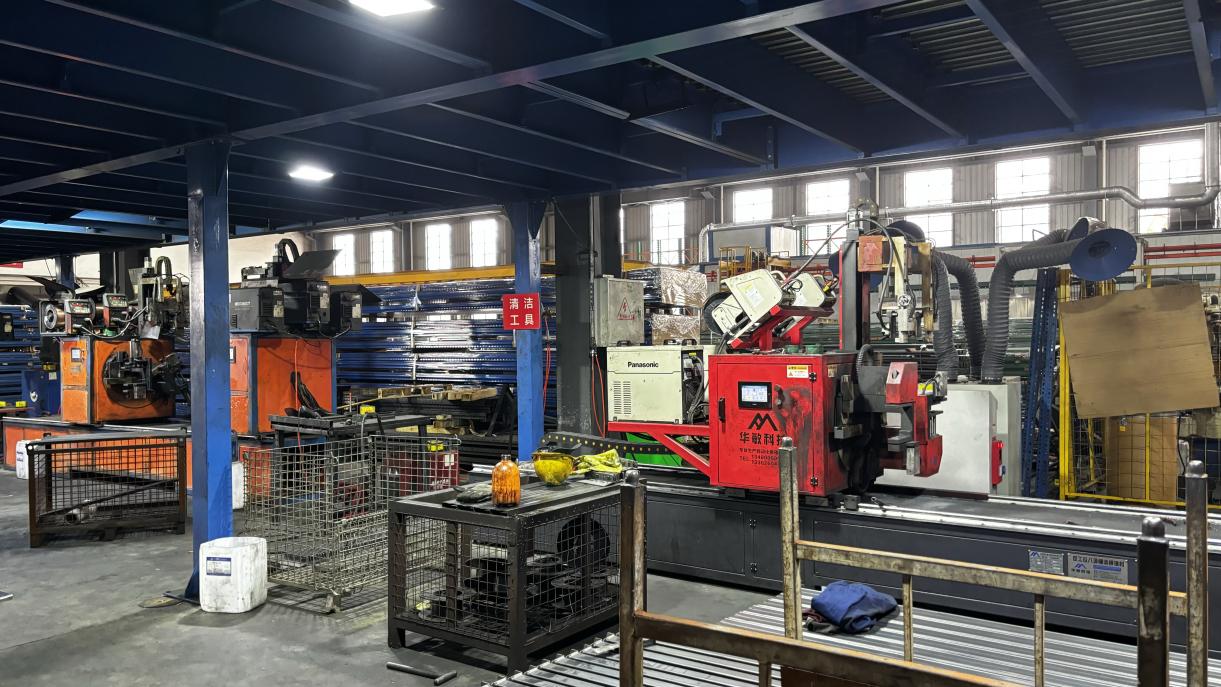
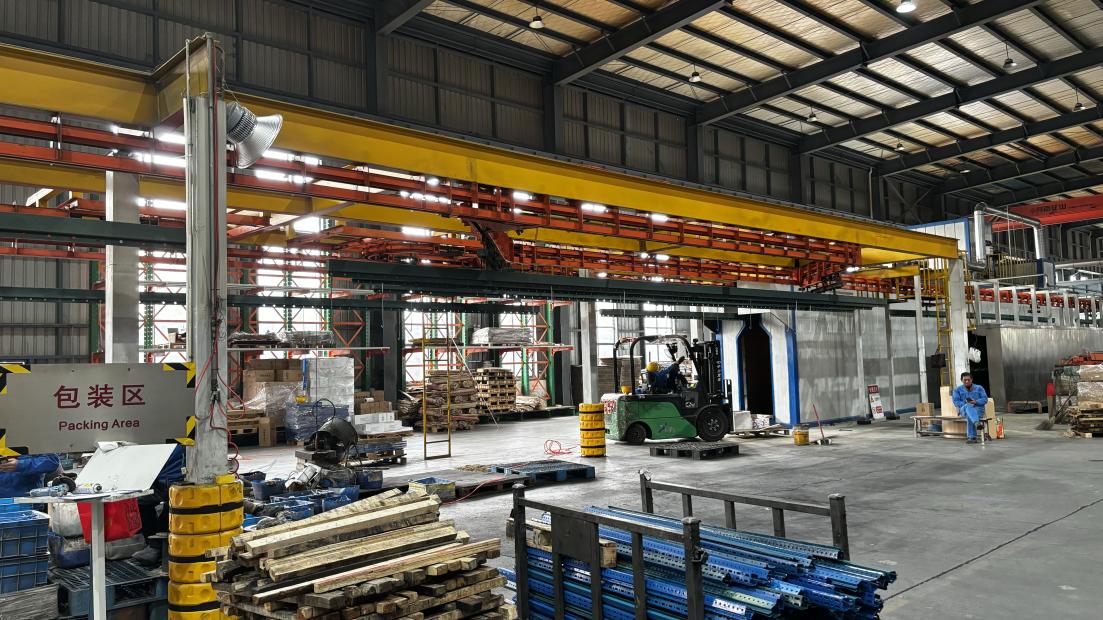
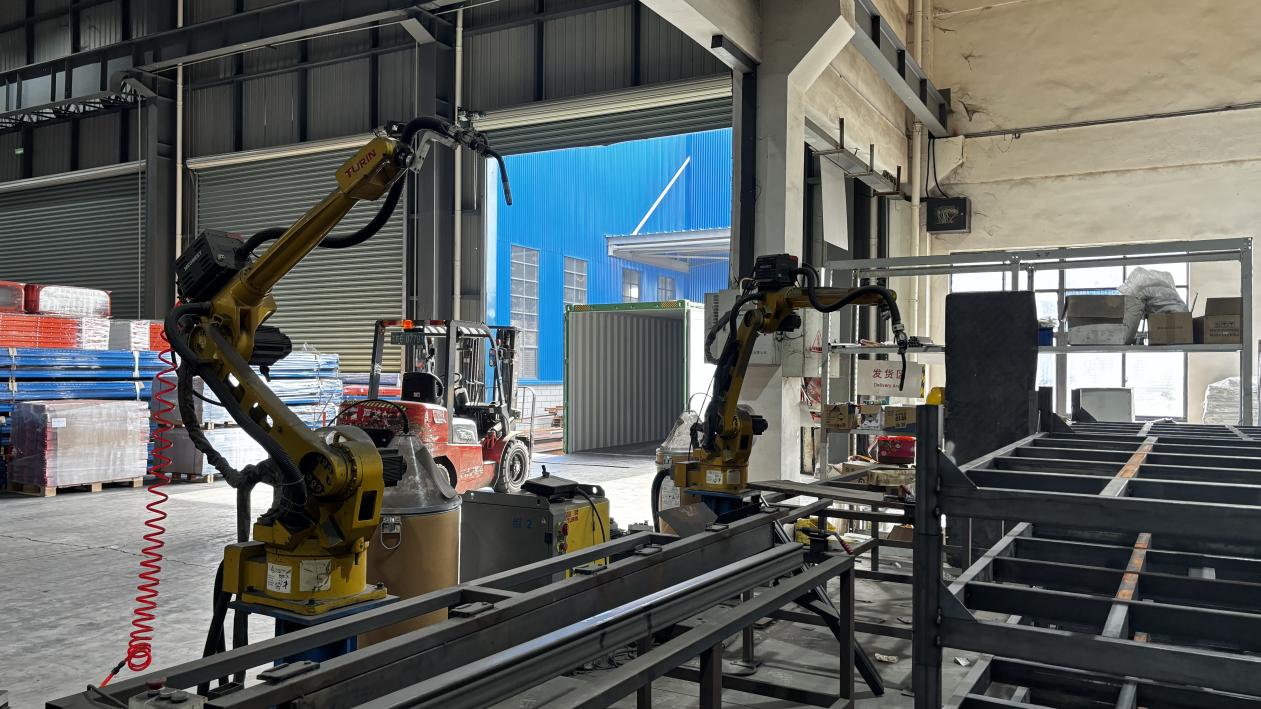
The global storage racking market operates on tight timelines. Delaying the commissioning of a warehouse by even a few weeks can disrupt the entire regional supply chain. Chinese logistics equipment manufacturers, particularly those in the Foshan region, offer unique supply chain advantages that combine advanced fabrication, raw material integration, and global distribution logistics.
Foshan's proximity to the Shunde steel manufacturing clusters provides raw material availability, ensuring that high-grade structural steels such as Q235B and Q355B are acquired under favorable terms. Additionally, the localized integration of ancillary services—such as chemical surface treating, custom powder-coating plants, and robotic welding component manufacturers—helps minimize transportation delays and production bottlenecks. As a result, Foshan FlexiRack can consistently achieve a standard production lead time of 20 to 30 days, even for custom projects with bespoke load profiles.
Moreover, Foshan FlexiRack's ISO9001 and CE certifications are backed by a dedicated QA team of 35 specialists who perform ongoing structural checks. Every custom run undergoes ultrasonic flaw detection on major load points to verify penetration and eliminate structural failures. Dynamic testing machines simulate real-world operations by placing structural frames under continuous load cycles, confirming compliance before shipment. In this way, clients in North America, Europe, and Asia-Pacific receive systems that comply with local guidelines and are ready for integration.
| Production Metric | Global Baseline Average | Foshan FlexiRack Standard | Strategic Procurement Benefit |
|---|---|---|---|
| Production Lead Time | 45 - 60 Days | 20 - 30 Days | Expedites project turnaround and warehouse commissioning |
| R&D Customization Cycle | 8 Weeks | 2 - 3 Weeks | Accelerates path to structural compliance and custom deployment |
| Raw Material Sourcing | Fragmented / Regional | Direct mill-cluster sourcing | Provides price stability and reliable material grades (Q355B) |
| Quality Control Cost Overhead | High (3rd Party Inspection) | In-House QA Team (35 staff) | Offers certified ultrasonic testing without external premiums |
Pantograph shelving systems are deployed across various industries, each with specific requirements for structural configuration and material selection:
How we are designing future logistics systems to meet the challenges of automated, high-density warehousing.
Integrating high-strength, lightweight steel alloys into scissor linkages to reduce overall tare weight while maintaining structural safety factors under load.
Developing load-cell array sensors inside shelf structures to provide real-time weight updates and automated slotting recommendations to the WMS.
Standardizing optical guides and docking interfaces to allow automated guided vehicles (AGVs) to interact seamlessly with dynamic pantograph racks.
Answers to common structural, procurement, and shipping questions for logistics operators and procurement specialists.
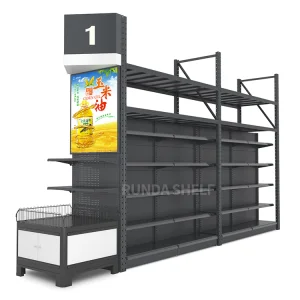
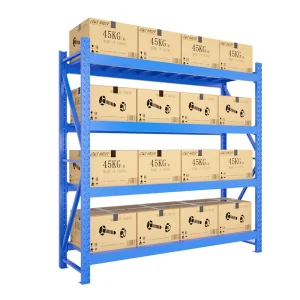
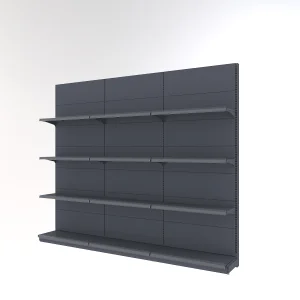
Industrial components built to optimize space efficiency and reliability in heavy warehousing and retail environments.
 FlexiRack