Explore our top industrial, retail, and pharmaceutical configurations engineered for ultimate space optimization and durability.
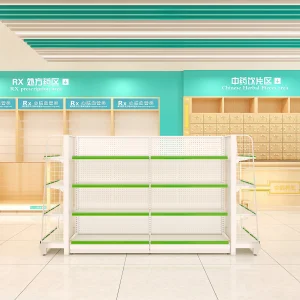
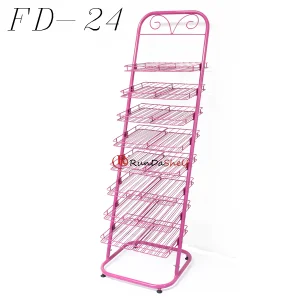
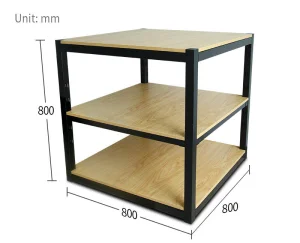
Modern supply chain infrastructures demand unparalleled performance from physical storage frameworks. As third-party logistics (3PL) providers, high-velocity e-commerce fulfillment hubs, and global industrial distributors adapt to automation, the static components of warehousing—racking, shelving, and heavy-duty structural frames—must evolve. Foshan FlexiRack Intelligent Logistics Equipment Co., Ltd., founded in 2014, is at the forefront of this manufacturing transition, providing complex custom structural layouts, automated storage and retrieval systems (ASRS) interfaces, and high-performance retail racking.
This industry document explores the engineering parameters, macro trends, and supply chain variables critical to international procurement professionals evaluating Chinese storage manufacturers. Backed by state-of-the-art metallurgical testing and compliance protocols, FlexiRack offers a resilient roadmap to optimizing storage volume density and mechanical safety.
The global industrial storage landscape is undergoing a structural paradigm shift driven by land cost escalation and high-throughput operational demands. Key trends impacting global procurement decisions include:
Procuring raw racking systems from international suppliers introduces multiple vectors of risk—compliance, delivery delay, QA inconsistency, and structural failure. Modern enterprises address these challenges through strict vetting criteria:
Total Cost of Ownership (TCO): Beyond initial capital expenditure (CAPEX), enterprise buyers calculate maintenance costs, downtime risks, and replacement cycles. Rigid powder coatings, corrosion-resistant galvanization, and anti-collision upright guards significantly reduce TCO.
Certifications and Material Traceability: Underwriters and safety regulators require traceable mill test certifications. FlexiRack meets these demands with comprehensive ISO9001 and CE credentials, verifying structural capacities via certified laboratory tests.
OEM/ODM Flexibility: Off-the-shelf catalog sizes rarely maximize cubic space. Manufacturers must possess high engineering capacity to design customized heights, widths, beam connectors, and specialized safety components tailored to specific material handling equipment.
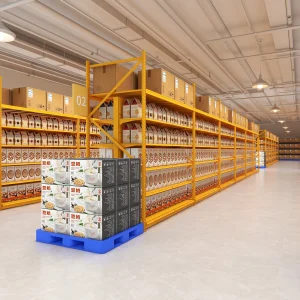
To maximize Return on Investment (ROI) per square meter, warehouses utilize different layout strategies depending on product turnover rates and inventory characteristics:
Utilizing structural systems such as Drive-In, Push-Back, and Gravity Flow, warehouses can increase pallet positions by up to 75% compared to standard selective layouts. These heavy-duty configurations require precision manufacturing to ensure smooth operations of rollers, slopes, and load plates under continuous load stress.
ASRS structures call for manufacturing tolerances within millimeters. Out-of-plumb uprights can cause system faults in high-speed stacker crane operations. Our manufacturing tolerances are held to strict standards, allowing automation components to operate seamlessly up to 40 meters high.
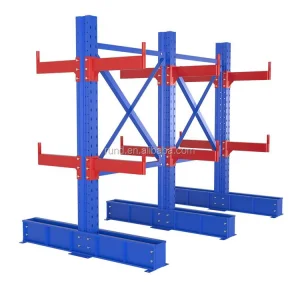
For long, non-standardized loads such as steel tubing, lumber, or industrial rolls, cantilever racks must offer high deflection resistance. By employing adjustable arms and specialized structural steel, these racks maintain precise verticality even under asymmetrical load distributions.
Foshan FlexiRack's engineering ethos revolves around material science integrity. Cold-rolled structural columns feature specialized profile geometries designed to resist torsional buckling. Connectors employ multi-point safety locks to prevent accidental beam disengagement from forklift impact.
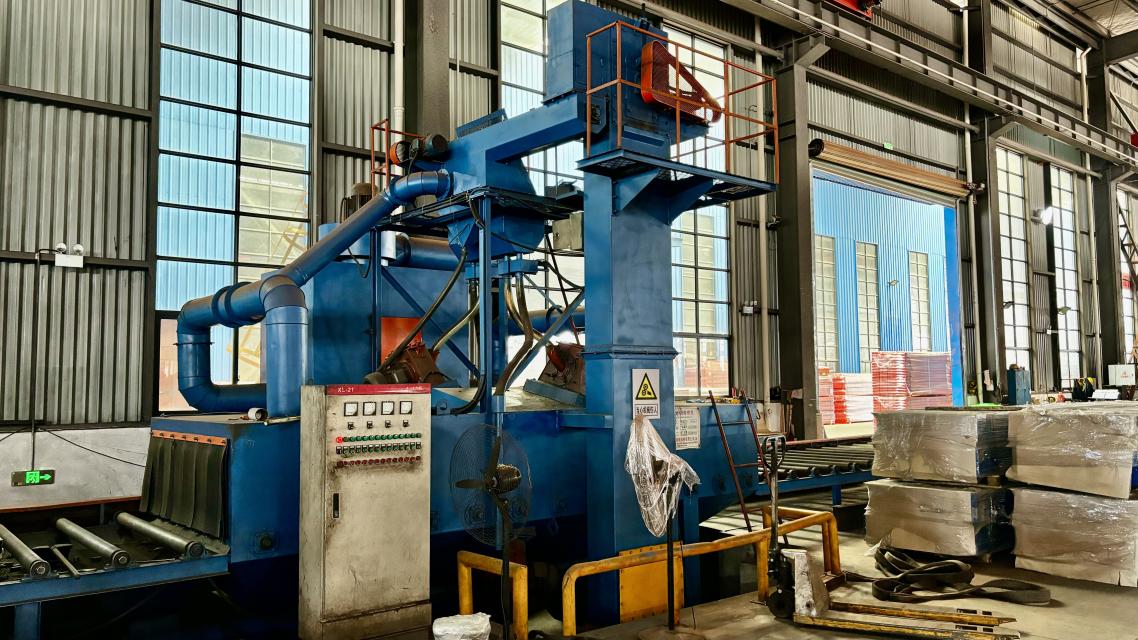
Finishing technologies include automatic multi-stage chemical pre-treatment followed by electrostatic epoxy-powder coating. This results in a non-porous, chemical-resistant shell designed to prevent corrosion in humid environments and cold storage facilities.
Our facility operates highly automated production lines, ensuring high structural load capacities, tight dimensional tolerances, and uniform finish quality.
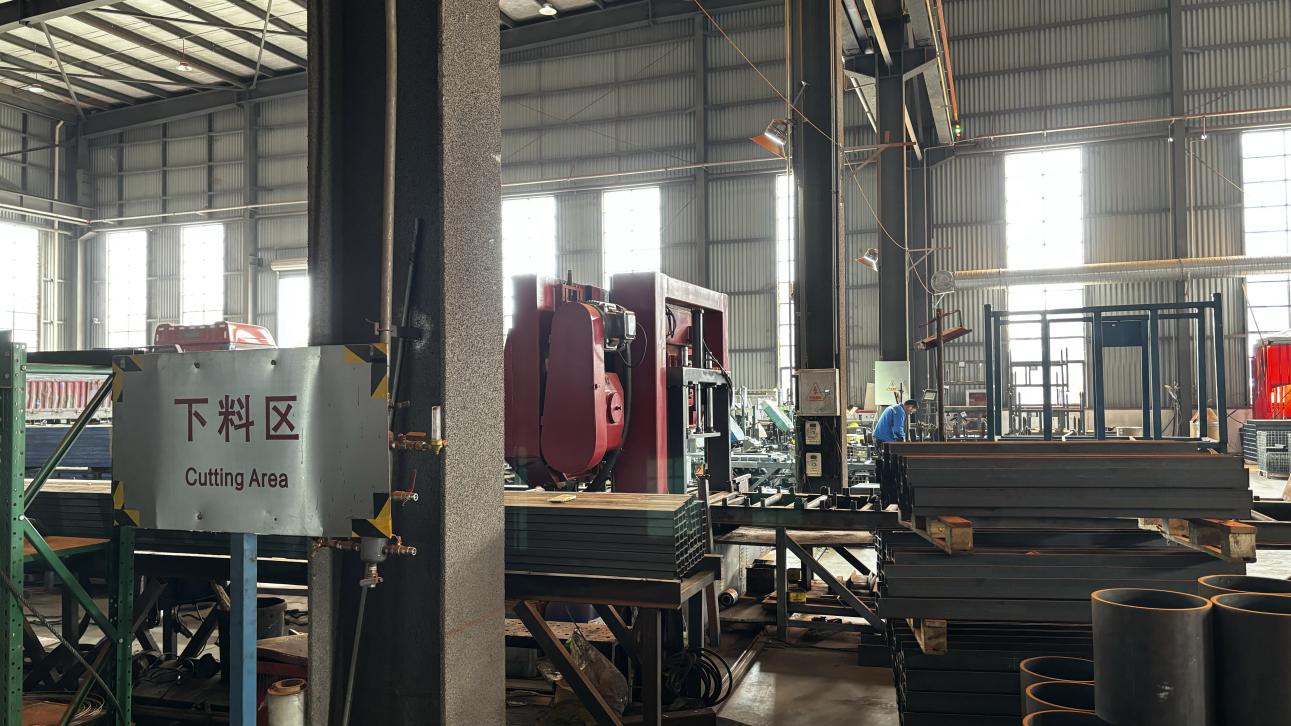
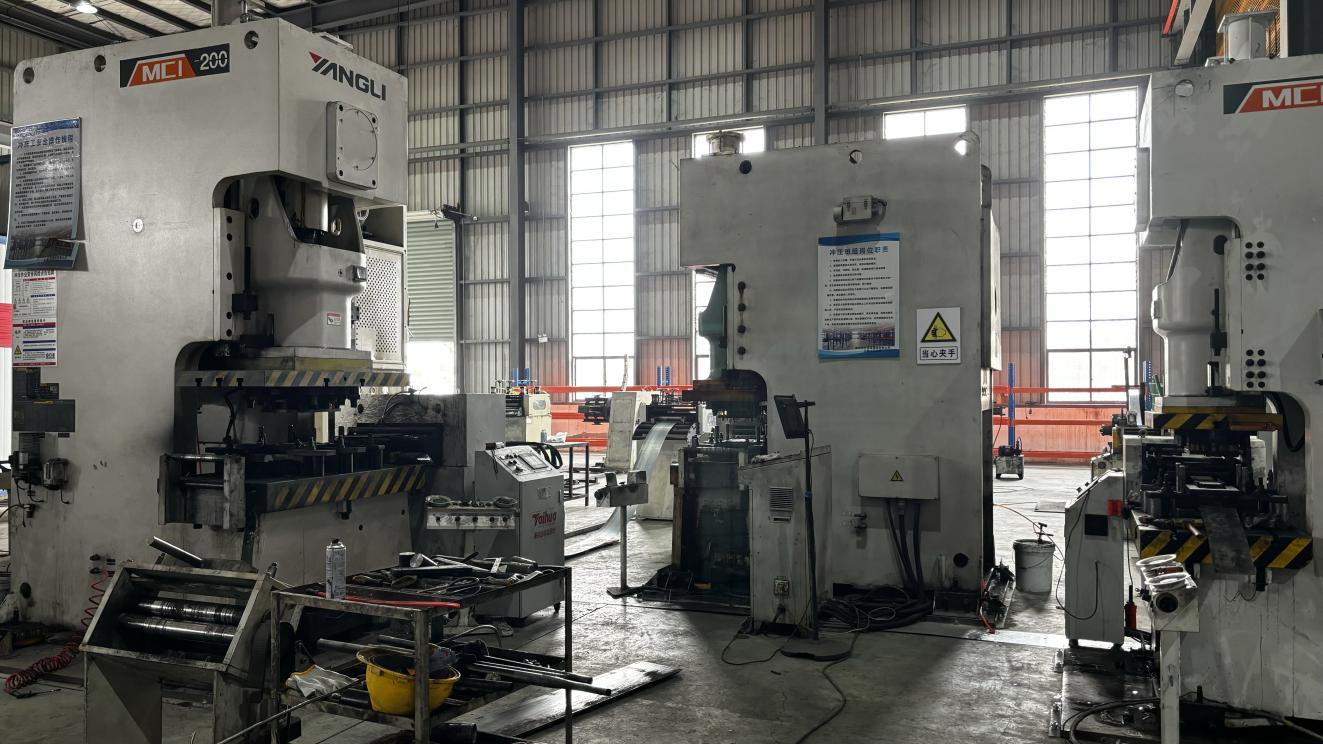
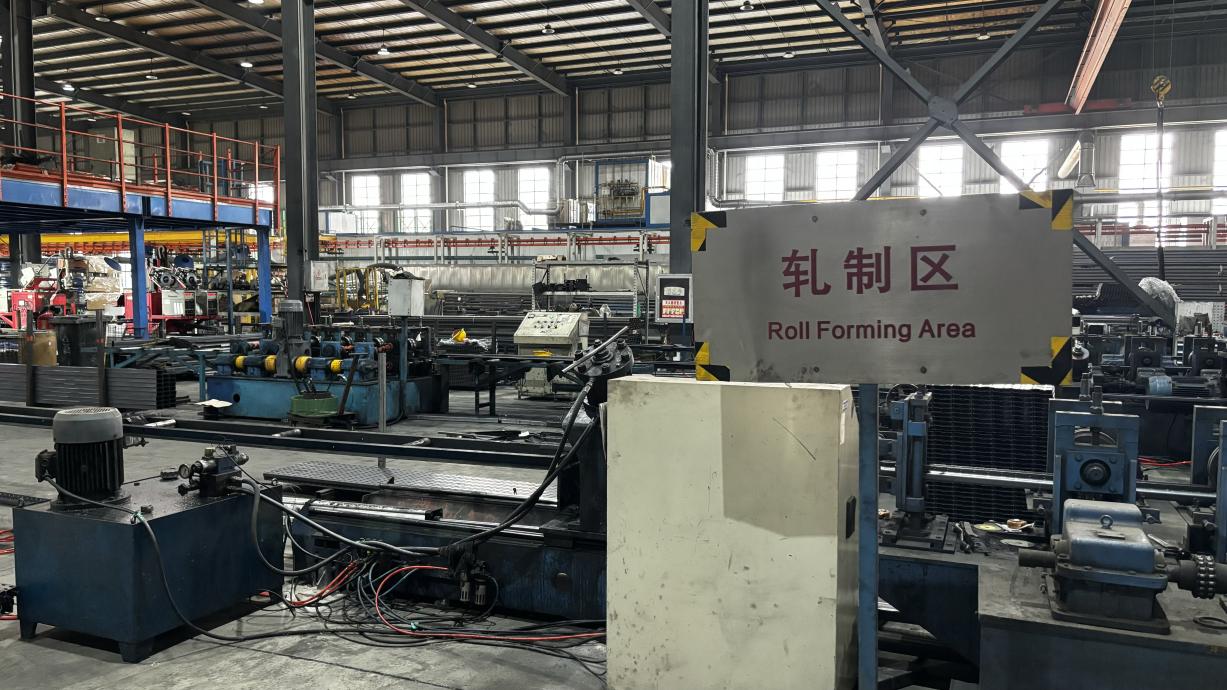
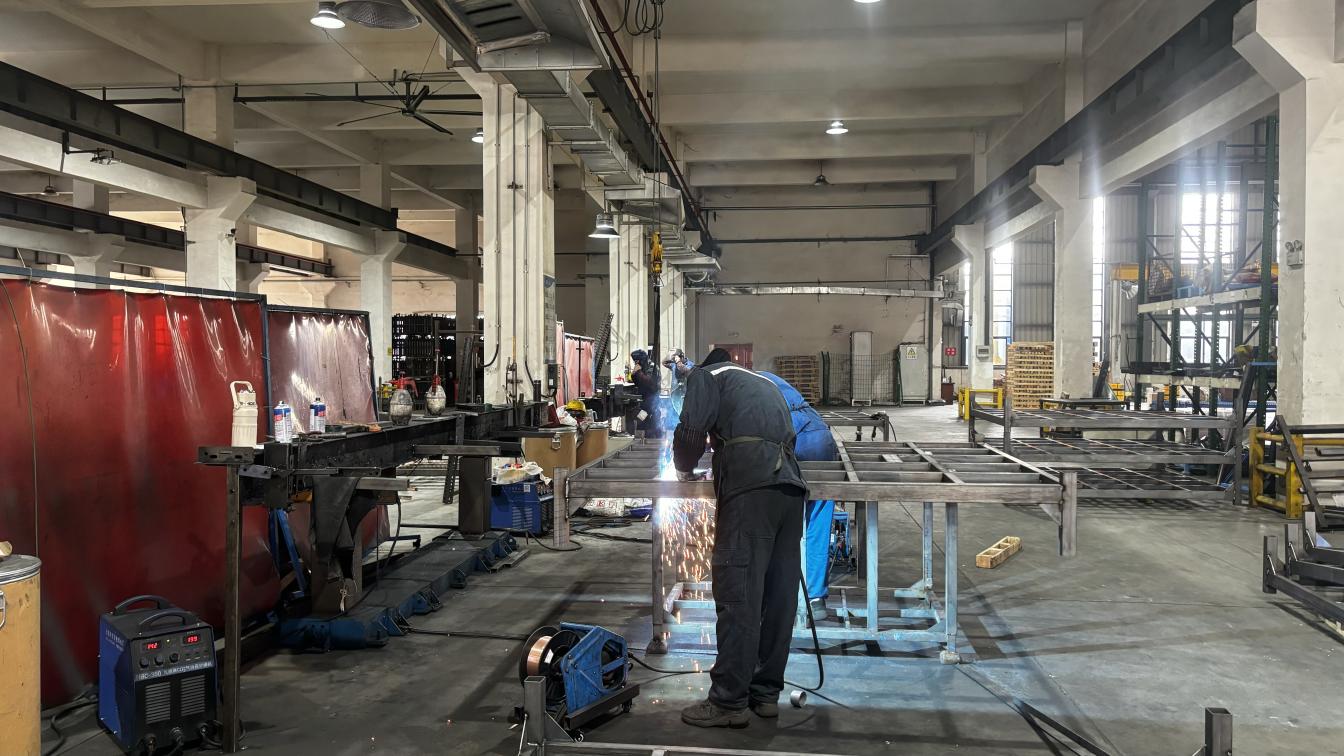
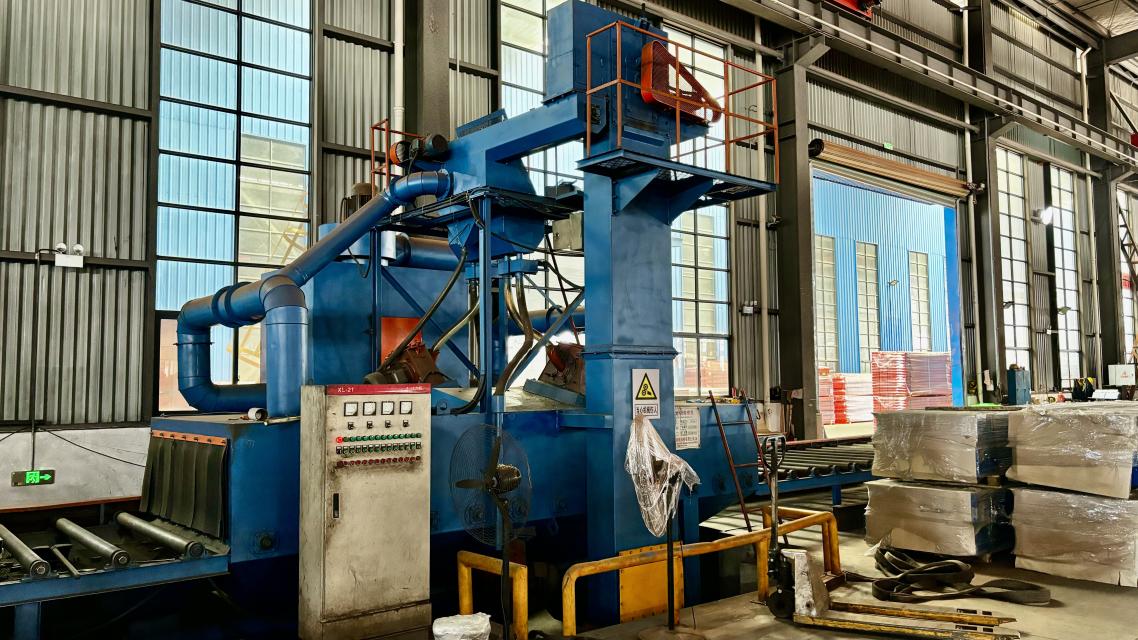
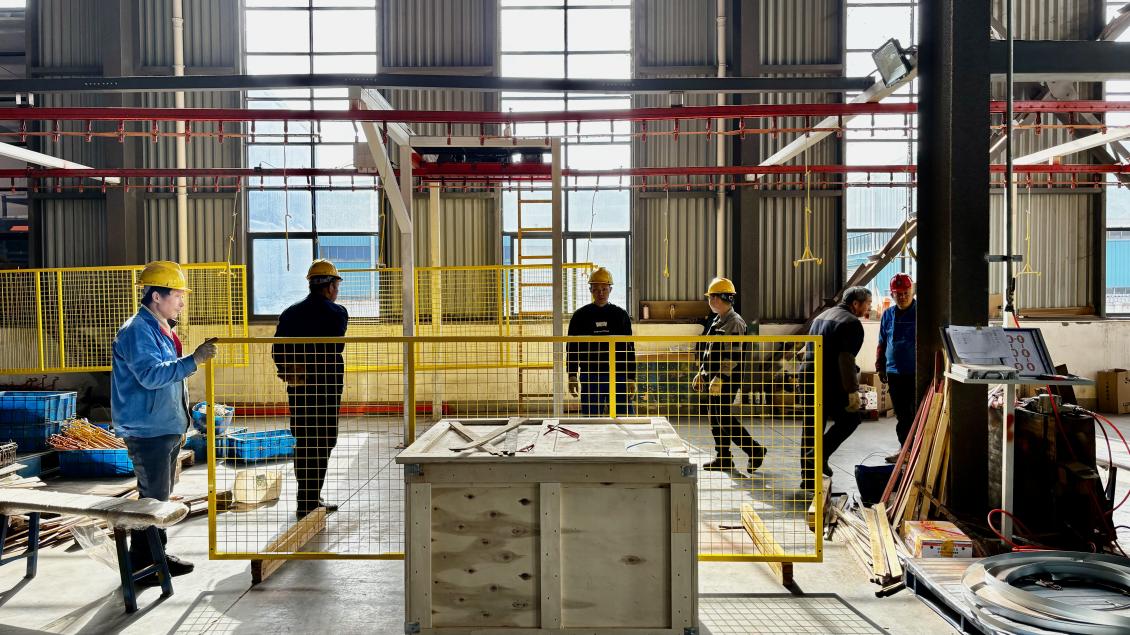
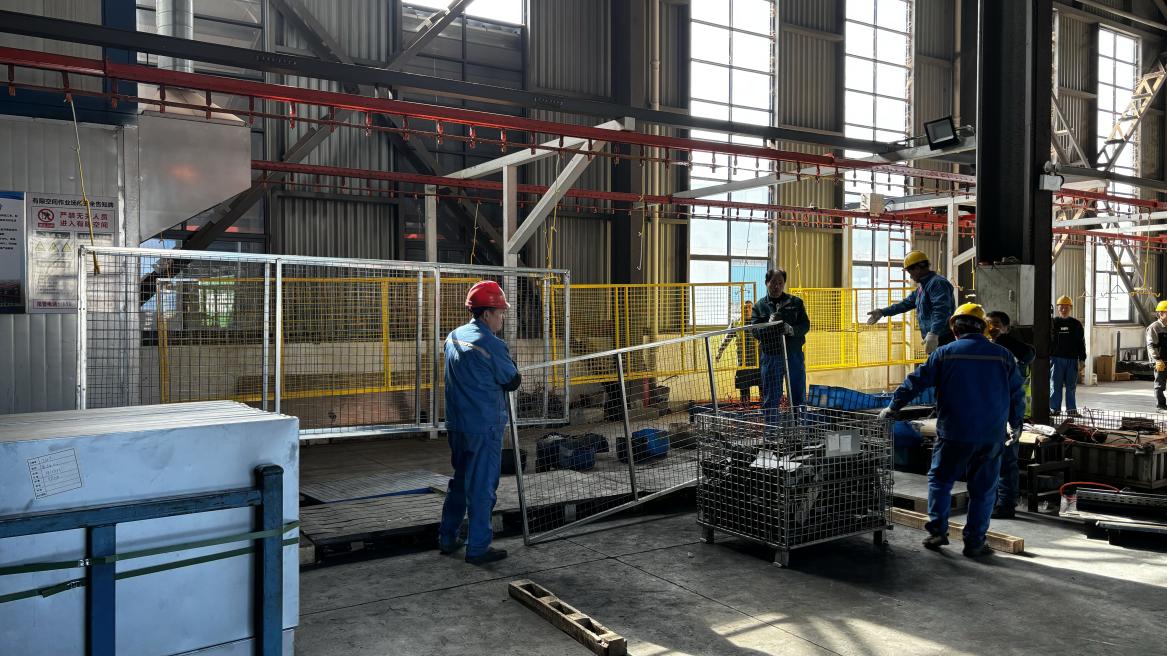
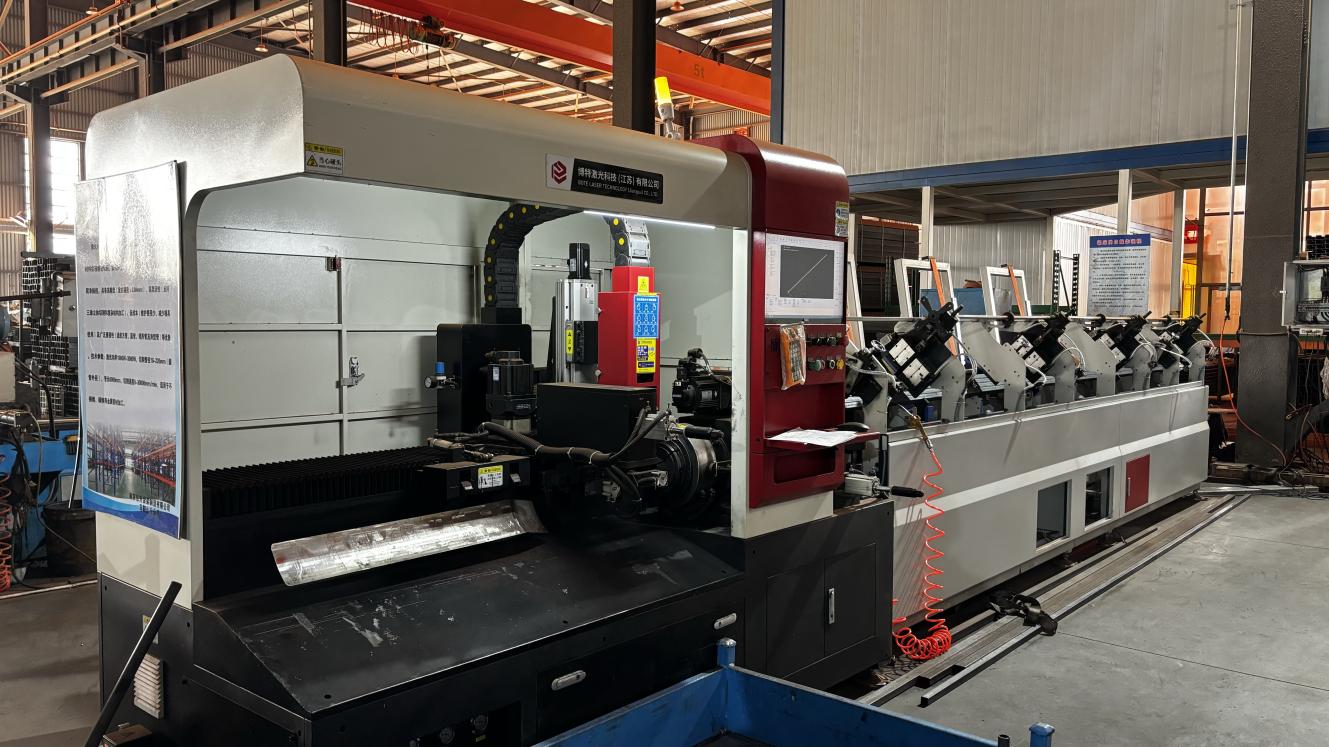
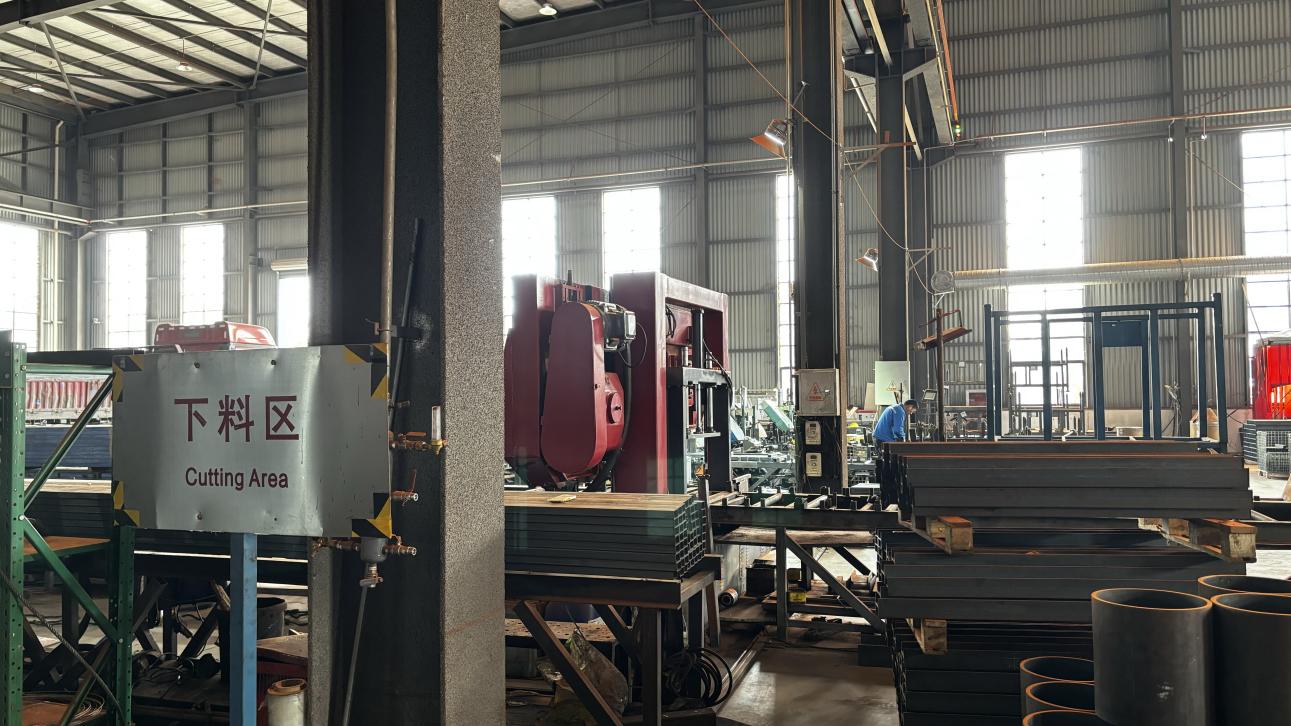
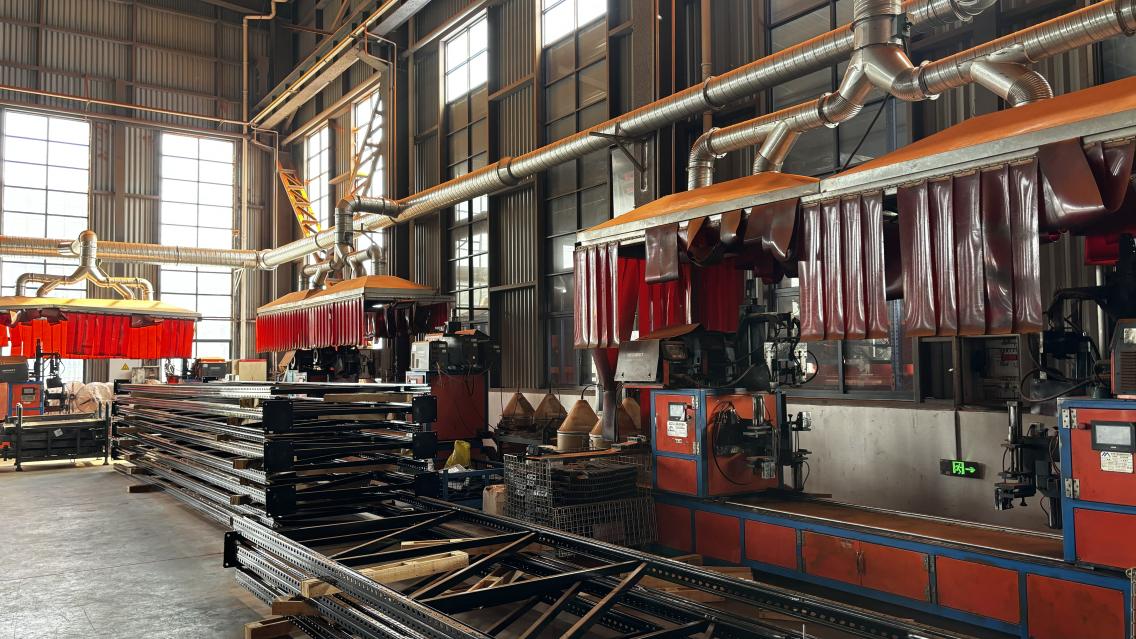
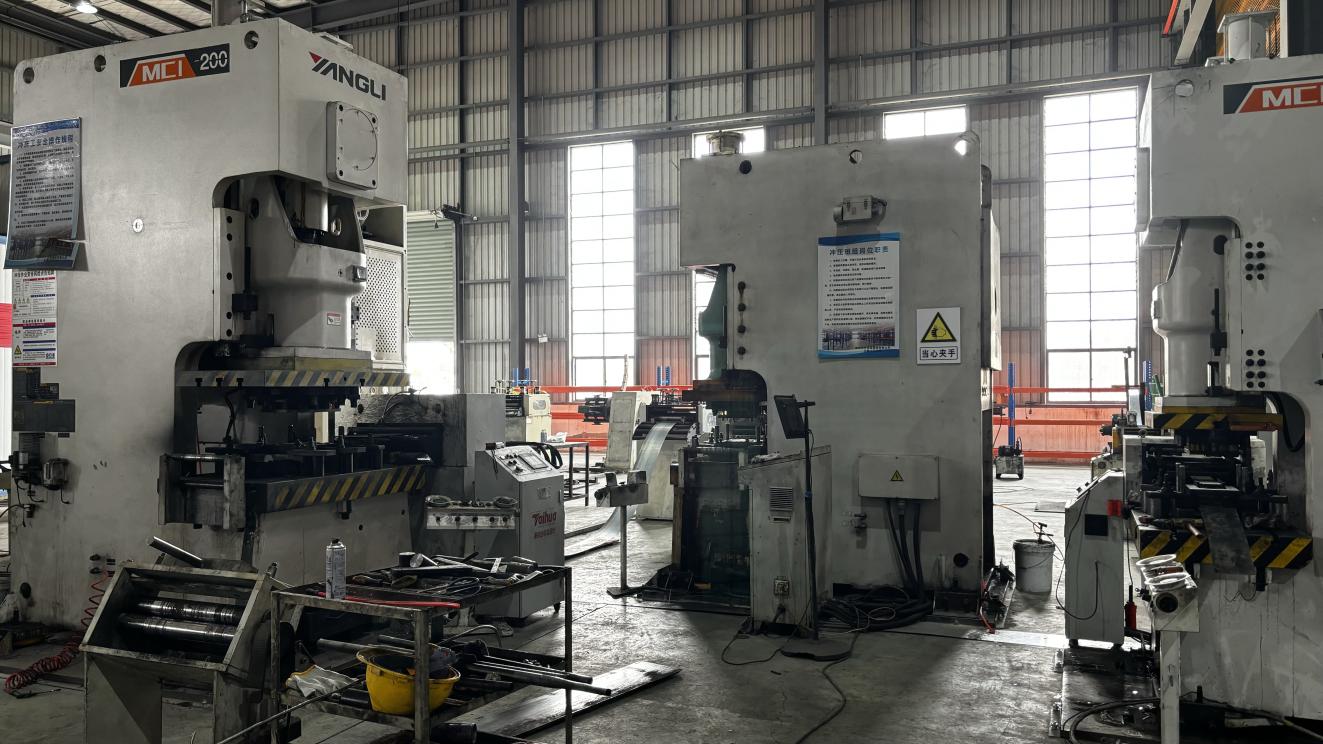
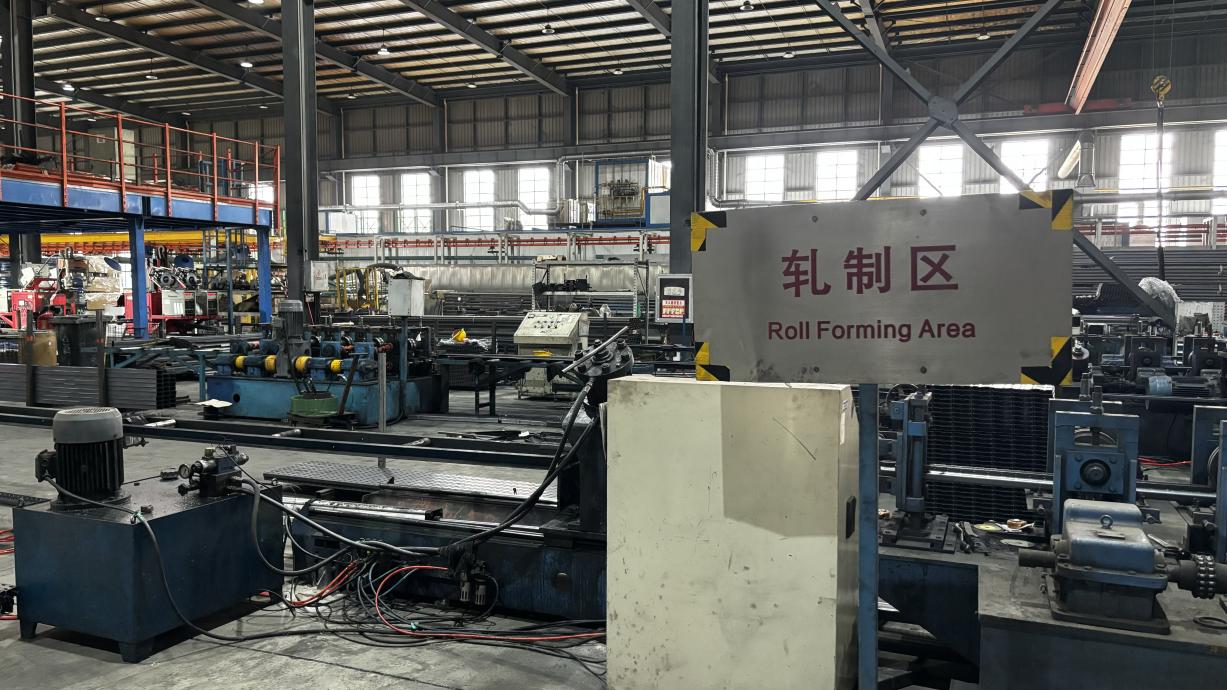
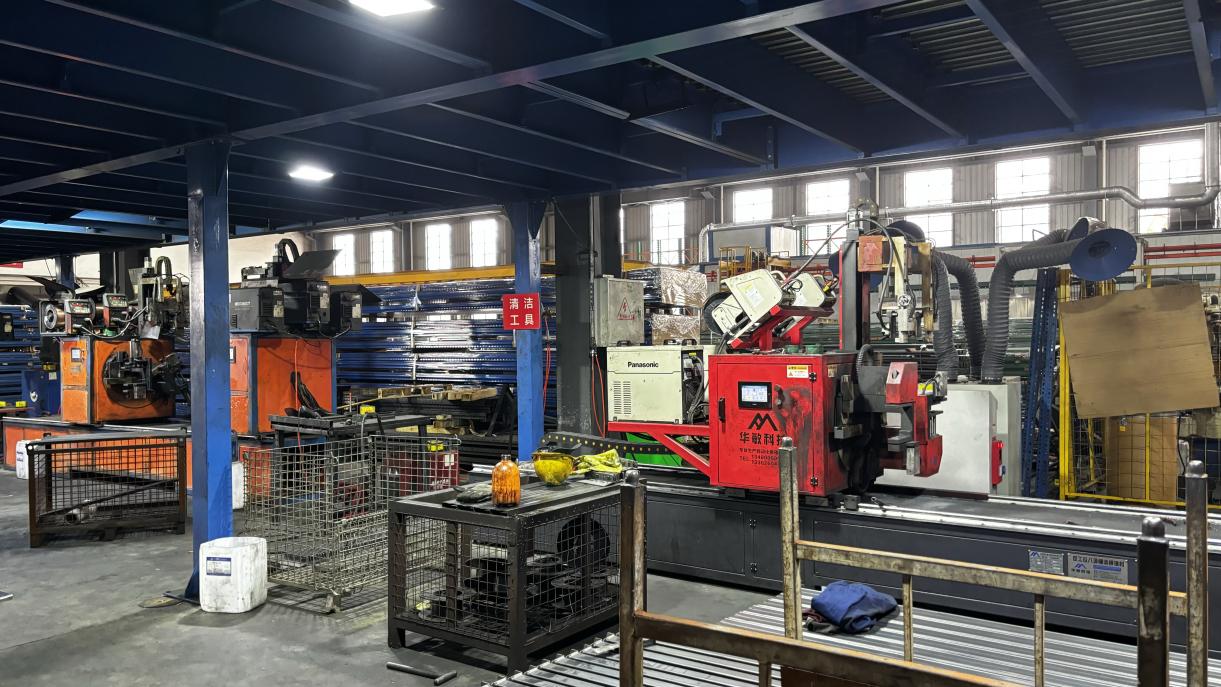
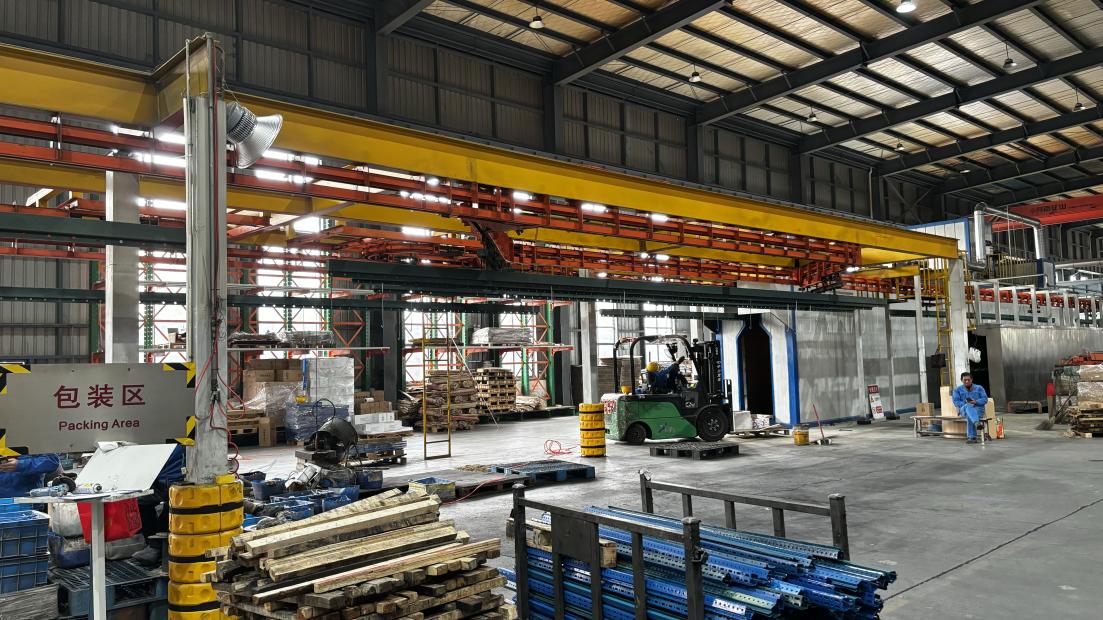
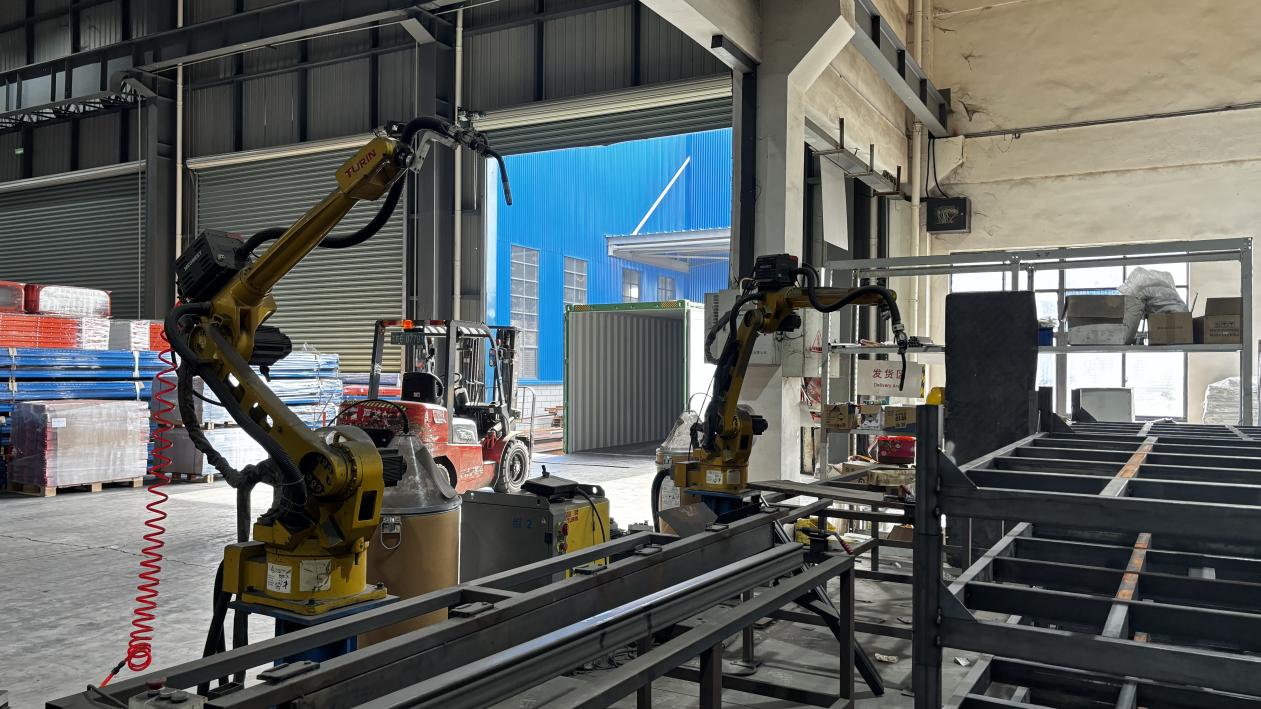
To eliminate material defect risks before structural integration, FlexiRack's quality control department (consisting of 35 dedicated QA personnel) executes a rigorous verification protocol. This program consists of physical testing, chemical analysis, and real-time load diagnostics:
Welding joints and heavy stress-bearing connector seams undergo ultrasonic testing to identify microscopic internal air bubbles or micro-fissures. This non-destructive testing methodology ensures structural integrity under continuous peak load ratings.
Prototype setups and continuous product batch runs undergo dynamic load testing. This process subjects components to structural load forces exceeding their rated maximum capacity, measuring structural deflection margins to establish conservative safety factors (such as a 1.5x structural reserve).
Looking ahead, the storage industry will transition from passive structures to intelligent cyber-physical systems. FlexiRack's forward-looking R&D efforts focus on several core areas:
Expert answers regarding engineering specs, customization options, and global logistical operations.
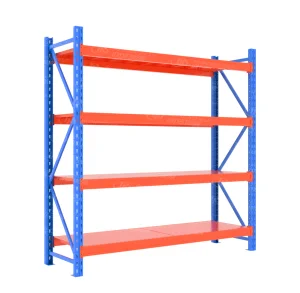
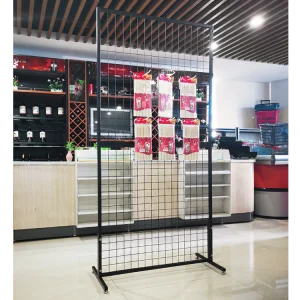
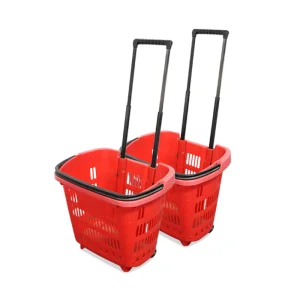
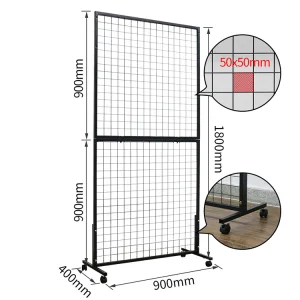
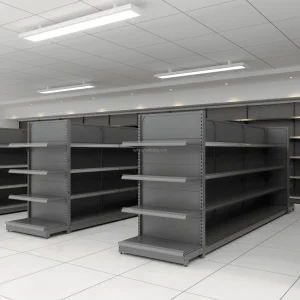
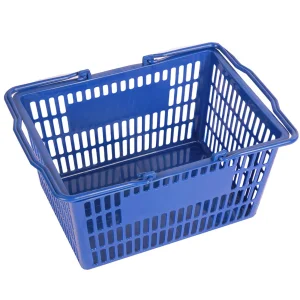
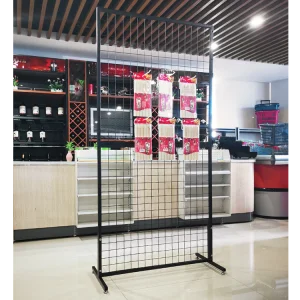
Premium structural racks, modular wall displays, and support hardware for retail environments and distribution hubs.
 FlexiRack