Engineered for high-density space optimization, robust material handling, and architectural display flexibility.
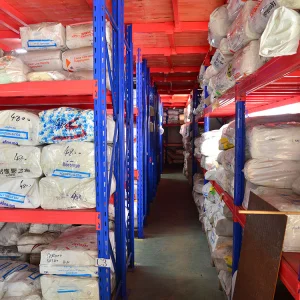
Global supply chains face unprecedented pressure from rising industrial land costs, shifting demand velocity, and the imperative to maximize efficiency in limited footprint configurations. Traditional flat-floor storage models are no longer economically viable. The modern warehouse must leverage the Z-axis, transforming large-span floor operations into dynamic high-density vertical systems. Achieving vertical expansion requires sophisticated mechanical engineering, structural durability analyses, and integration with modern Automated Storage and Retrieval Systems (ASRS).
At Foshan FlexiRack (founded in 2014), we have accumulated over 12 years of industry experience and 8 years of dedicated global export expertise. Our engineering research points to a clear trend: companies that invest in high-performance vertical storage units realize up to a 60% reduction in real-estate overhead while improving material access speeds by over 40%. This report outlines the engineering methodologies, QA processes, and strategic manufacturing capabilities that define our world-class industrial logistics solutions.
Full-spectrum custom designs including site-specific load capacity ratings, custom seismic anchoring, and automated integration pathways matching European and North American building codes.
ISO9001 and CE certified facility featuring ultrasonic weld flaw detection, dynamic load testing, and chemical composition analysis to guarantee zero material fatigue at extreme heights.
Precision manufacturing alignment permitting tolerances within ±1.5mm, ensuring seamless interfacing with crane pickers, automated guided vehicles (AGVs), and smart shuttles.
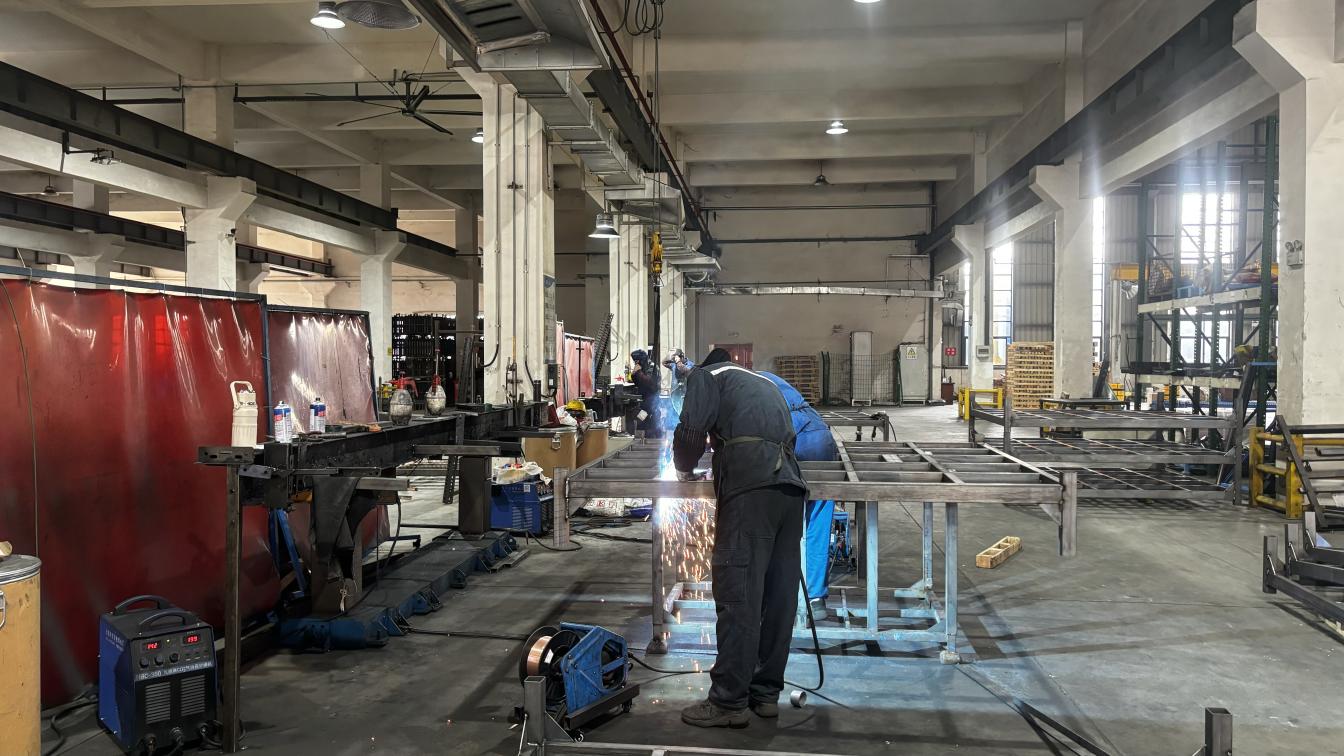
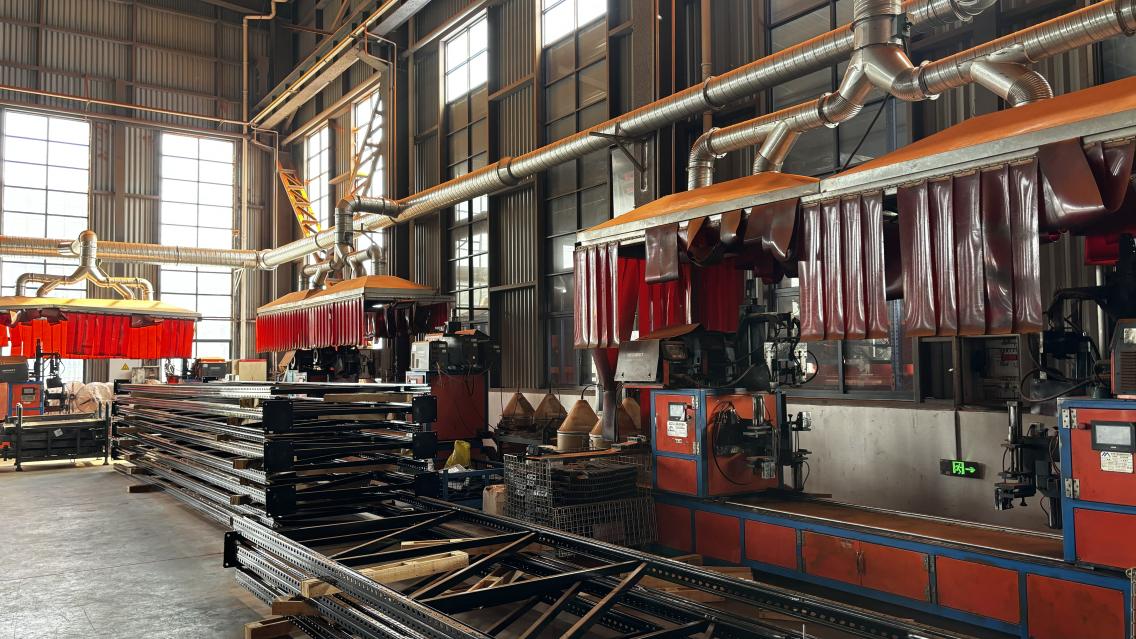
High-performance vertical storage units require stringent mechanical strength, perfect dimensional consistency, and defect-free finishes. Our production processes utilize computer-controlled automated systems that guarantee each vertical unit can withstand heavy static and dynamic loads over decades of constant usage. Below is the precise walkthrough of the production flow active at our 32,000 m² Foshan facility.
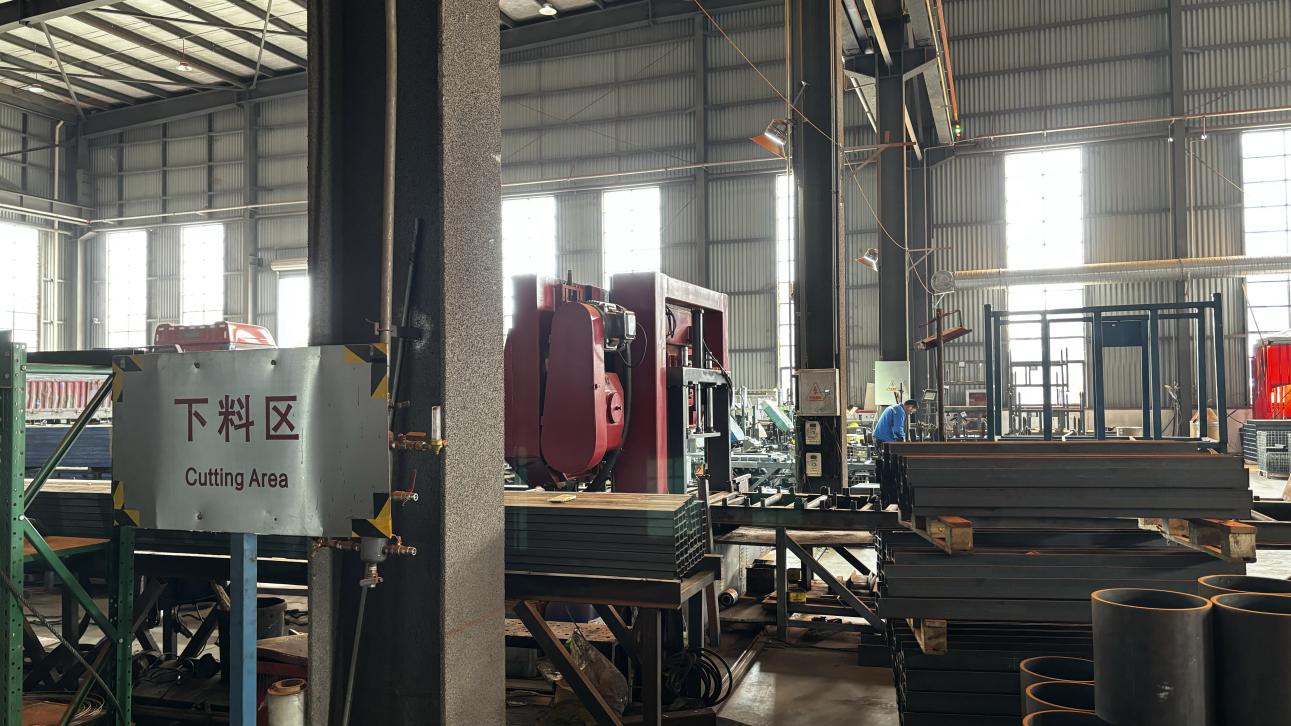
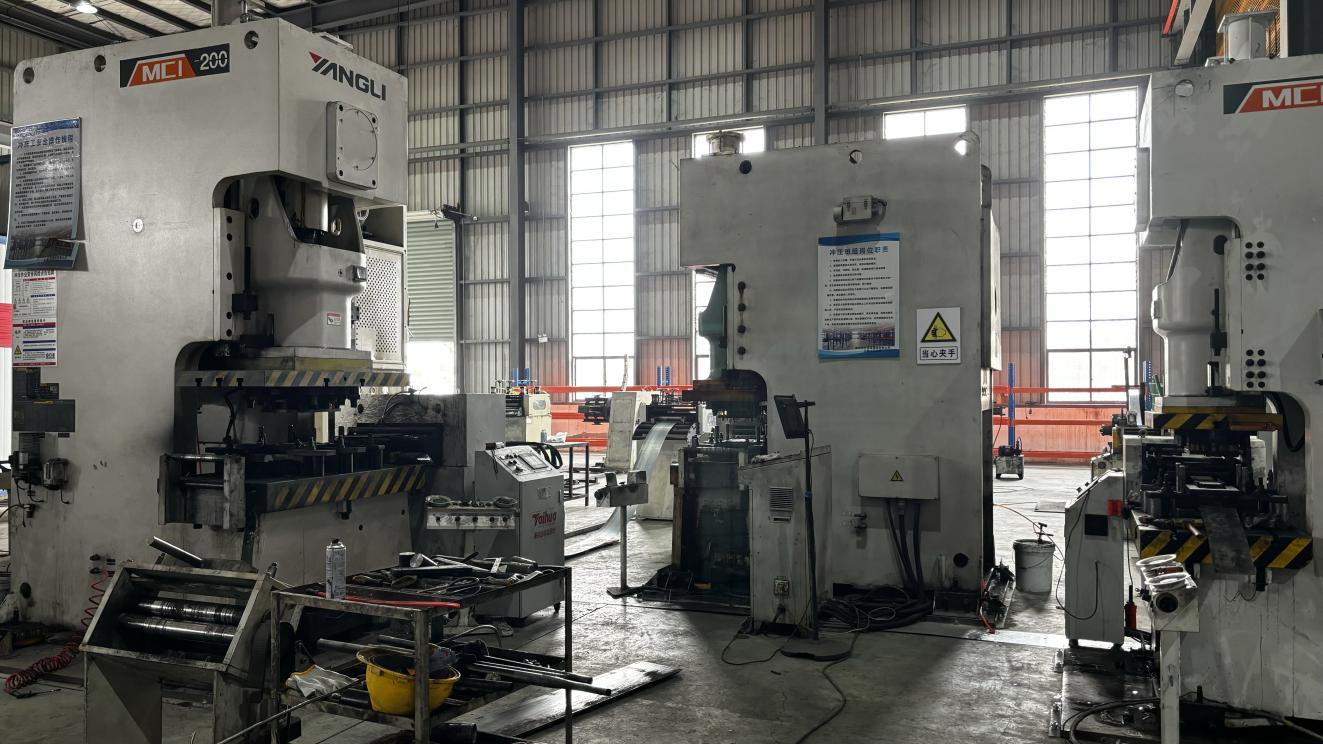
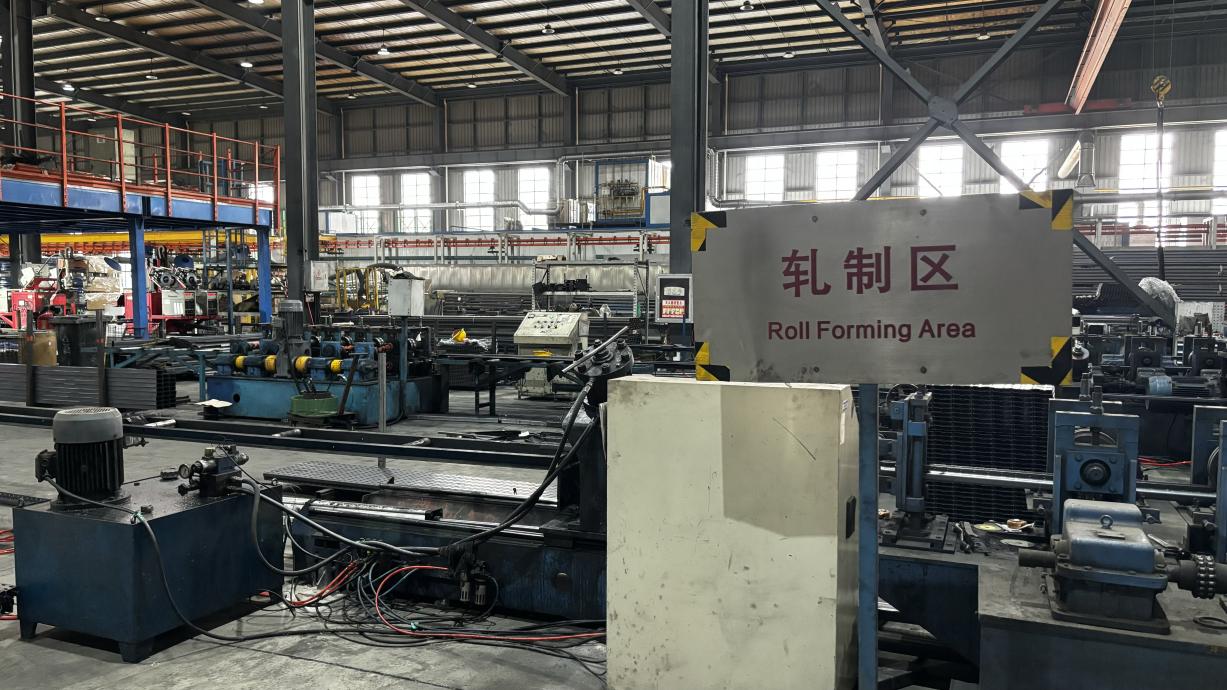
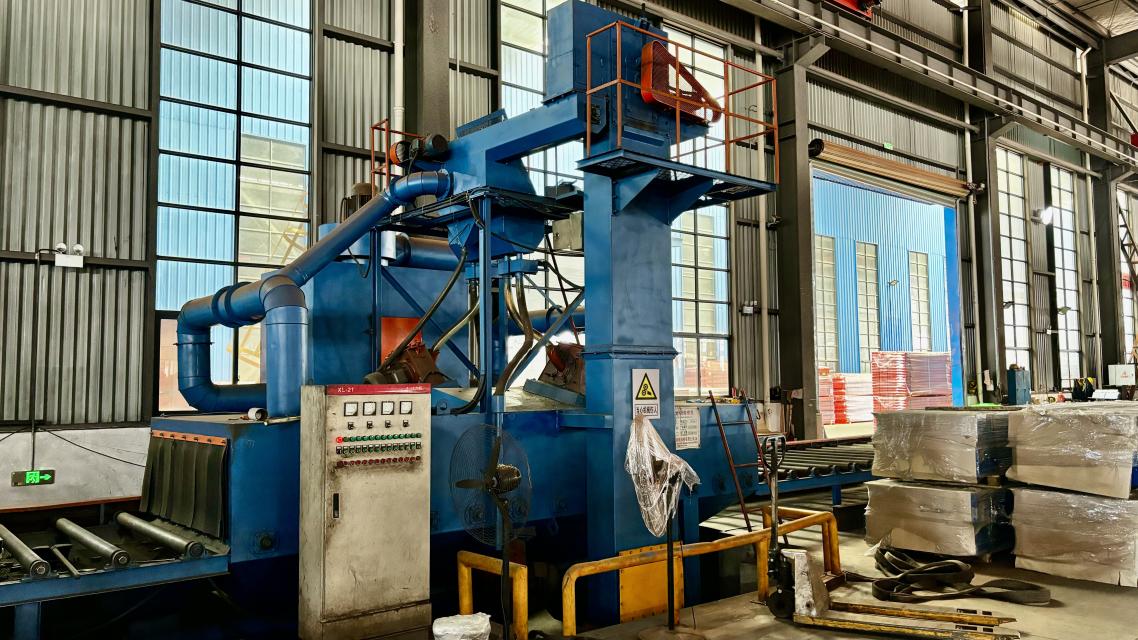
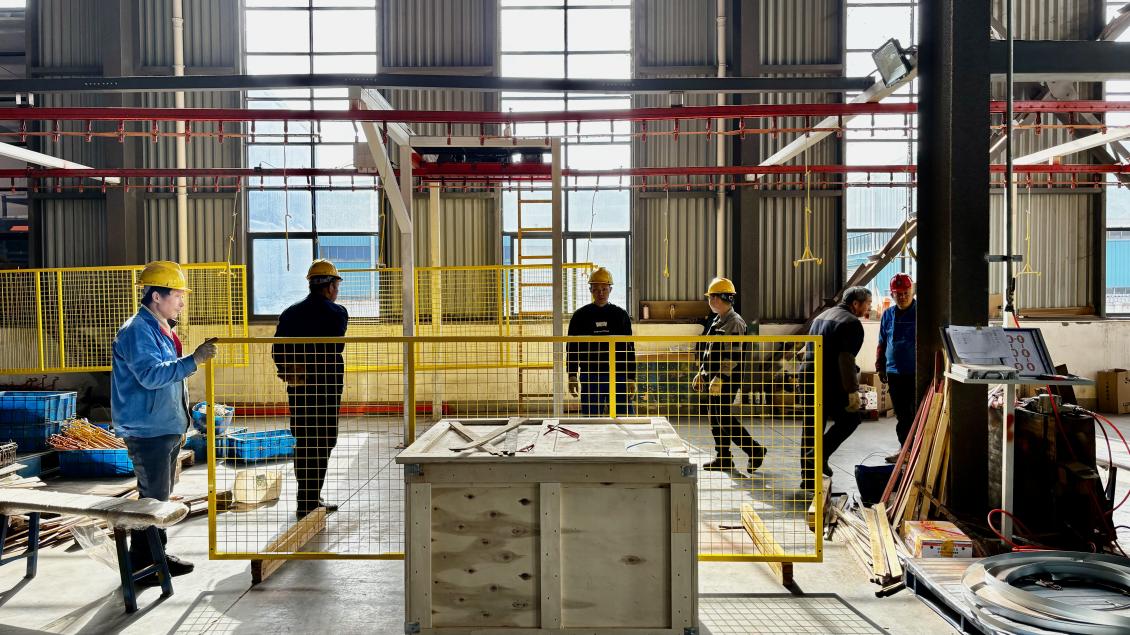
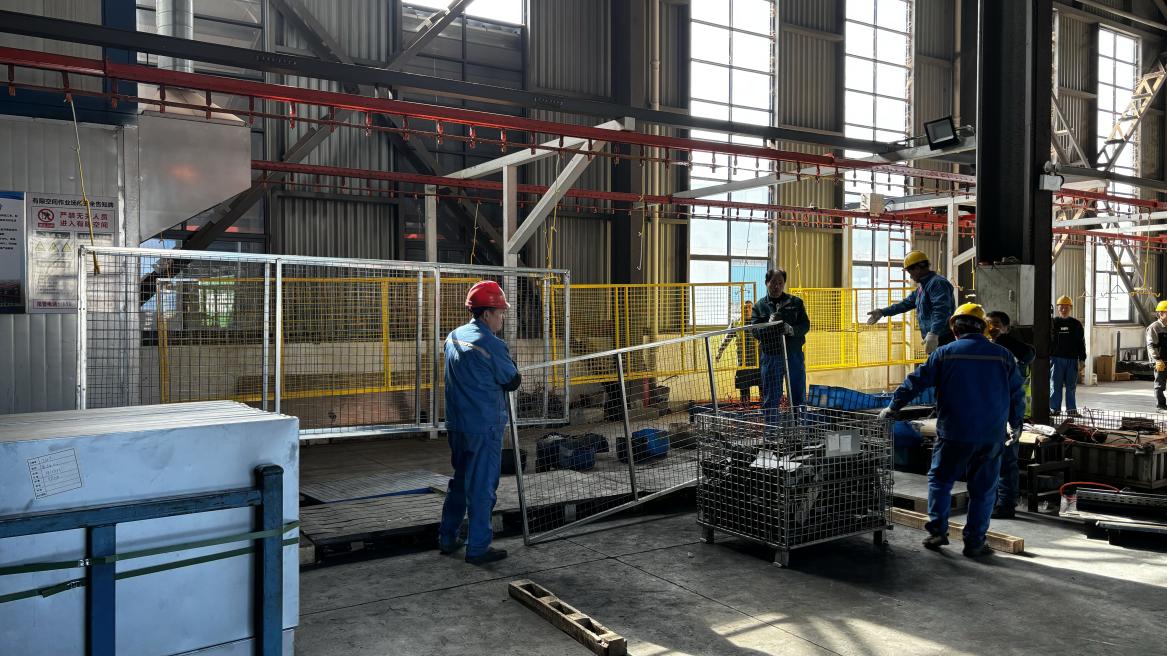
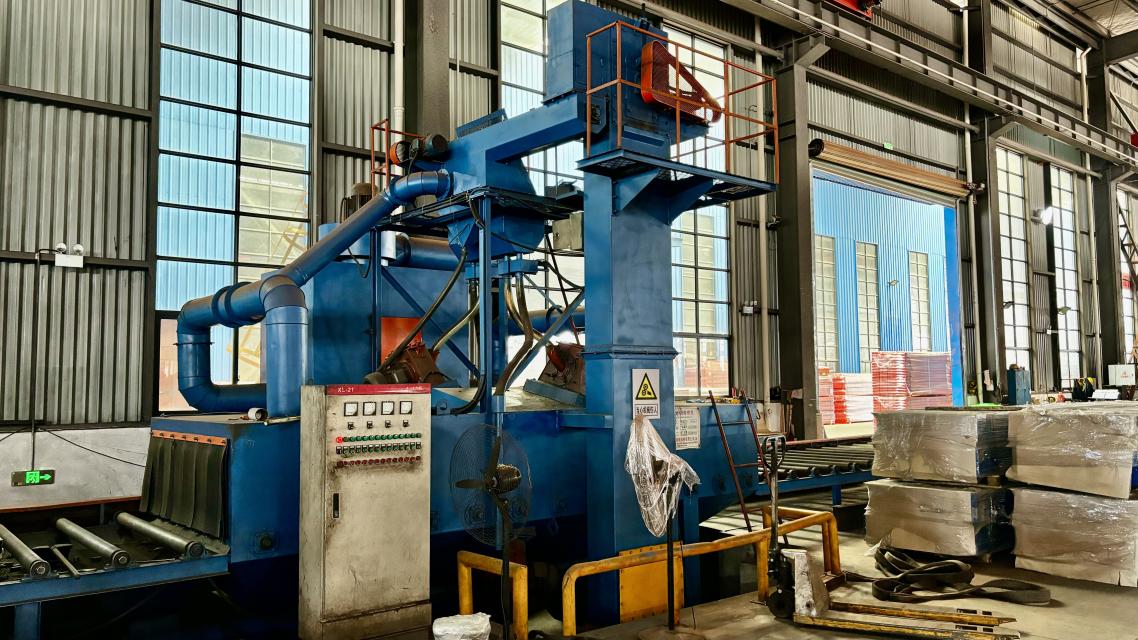
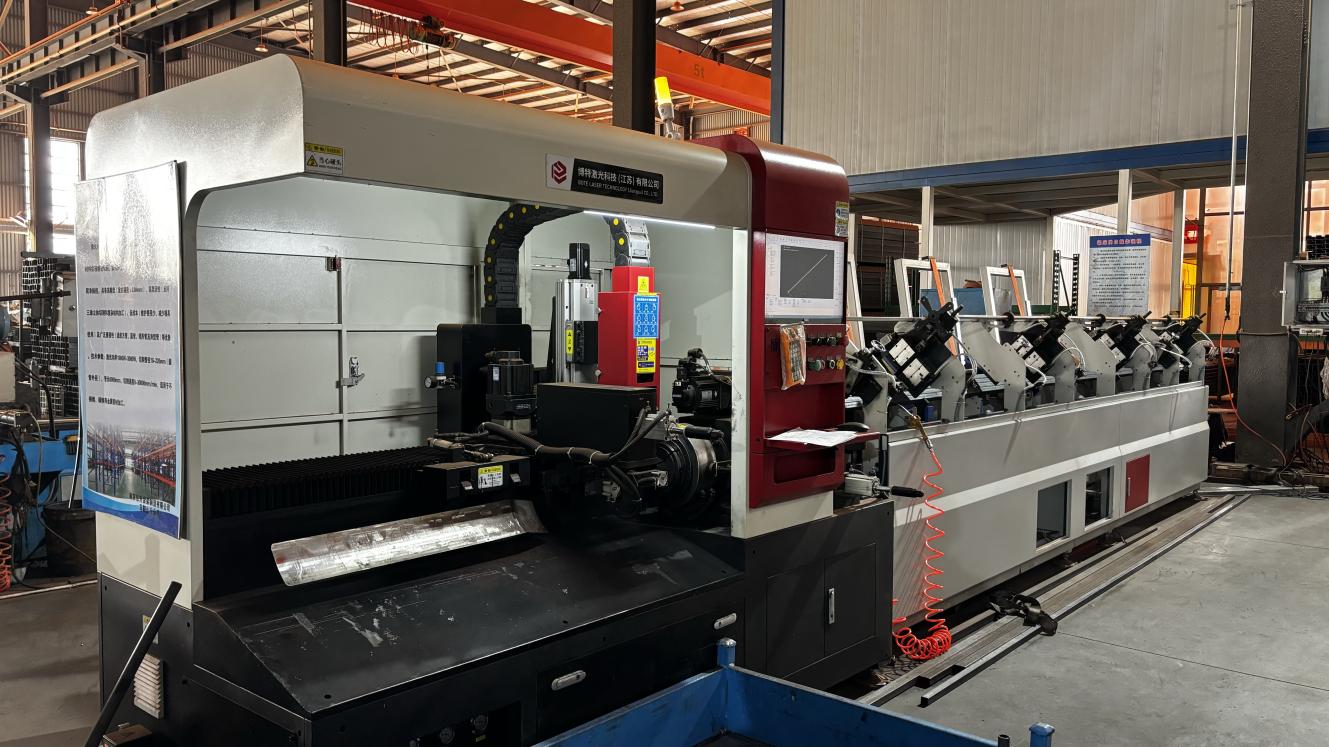
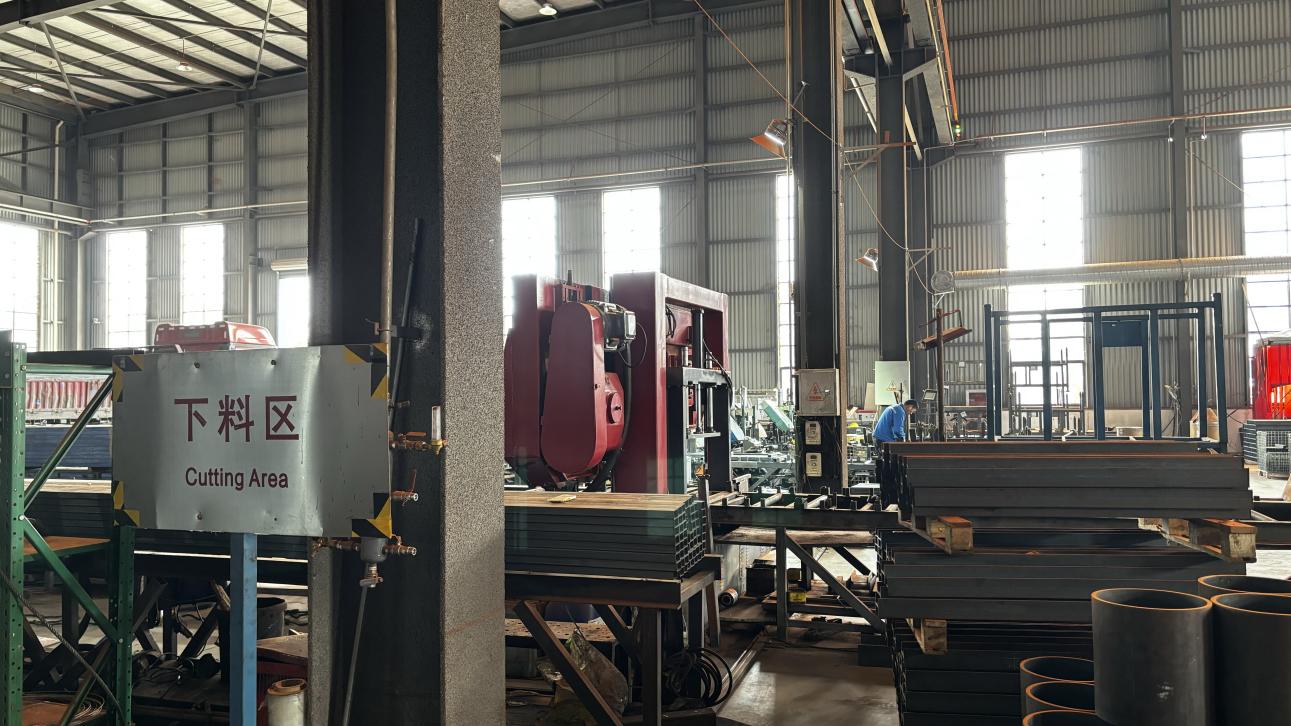
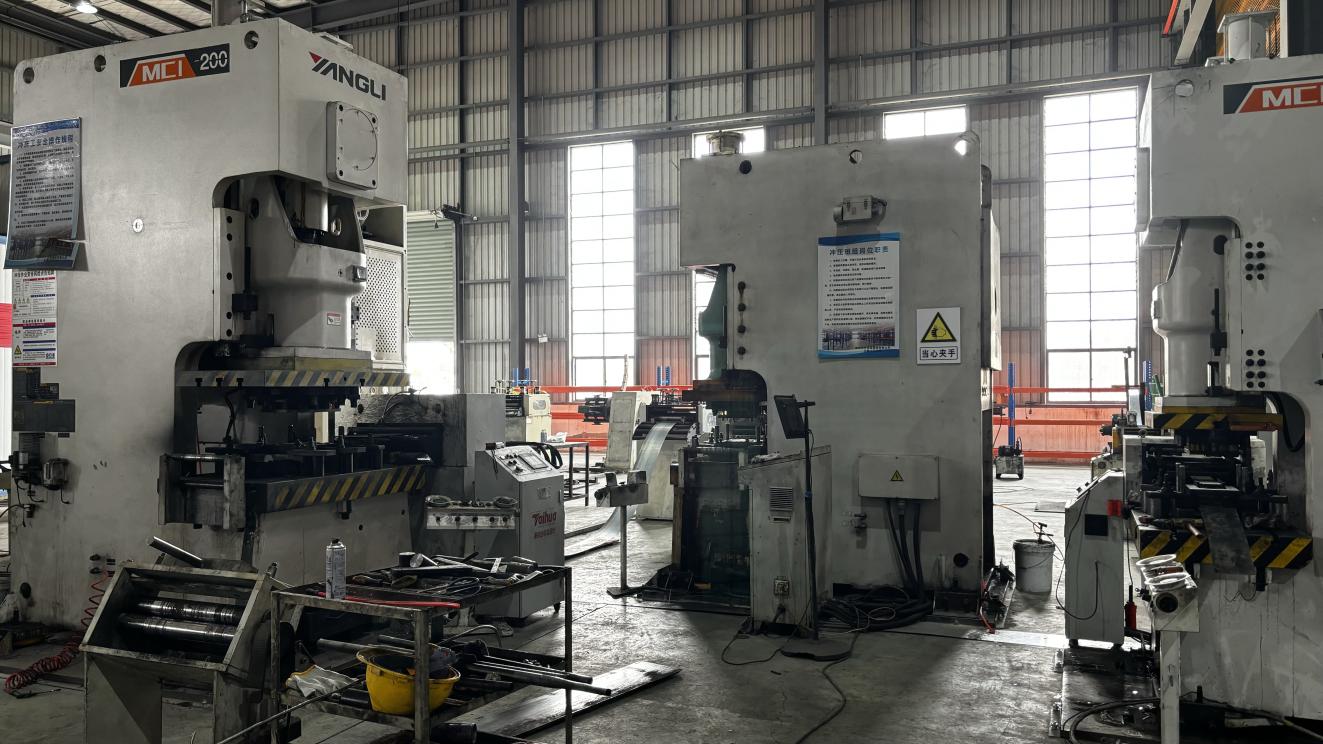
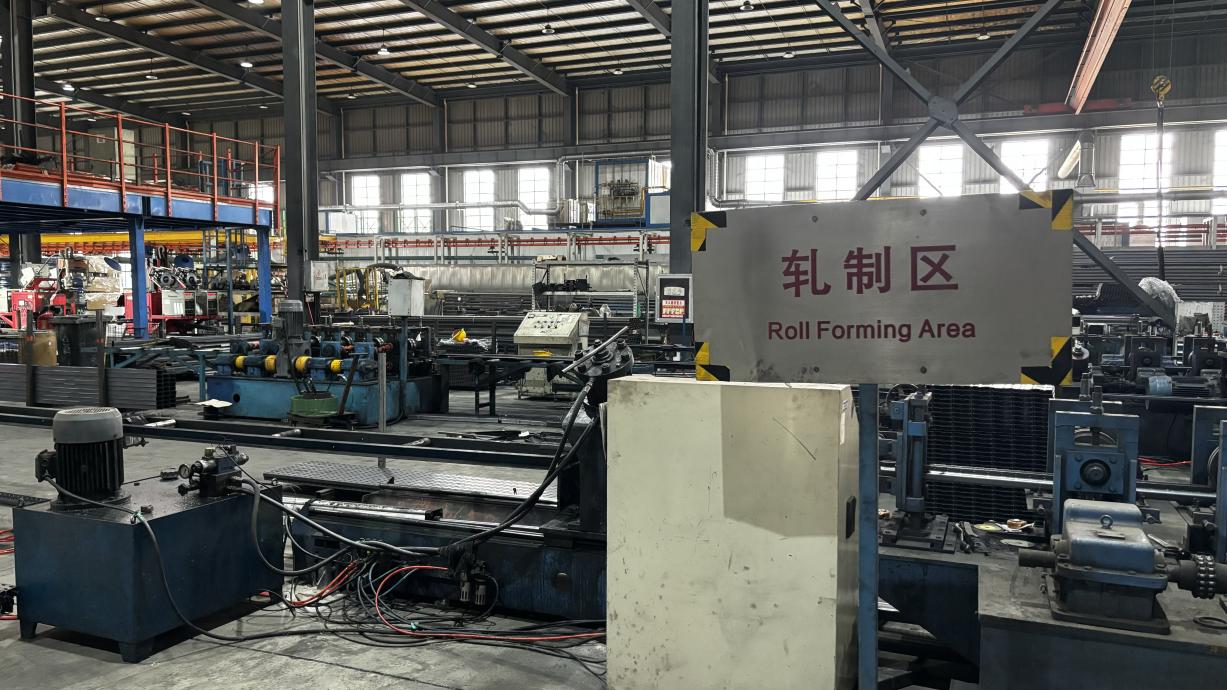
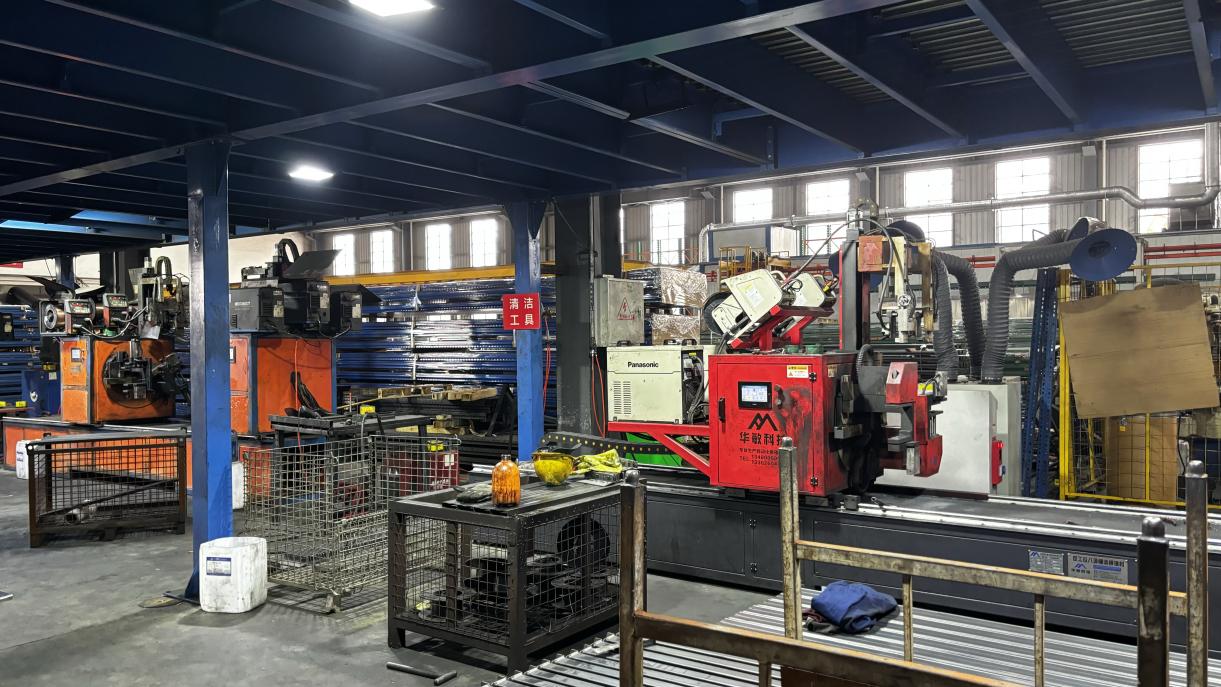
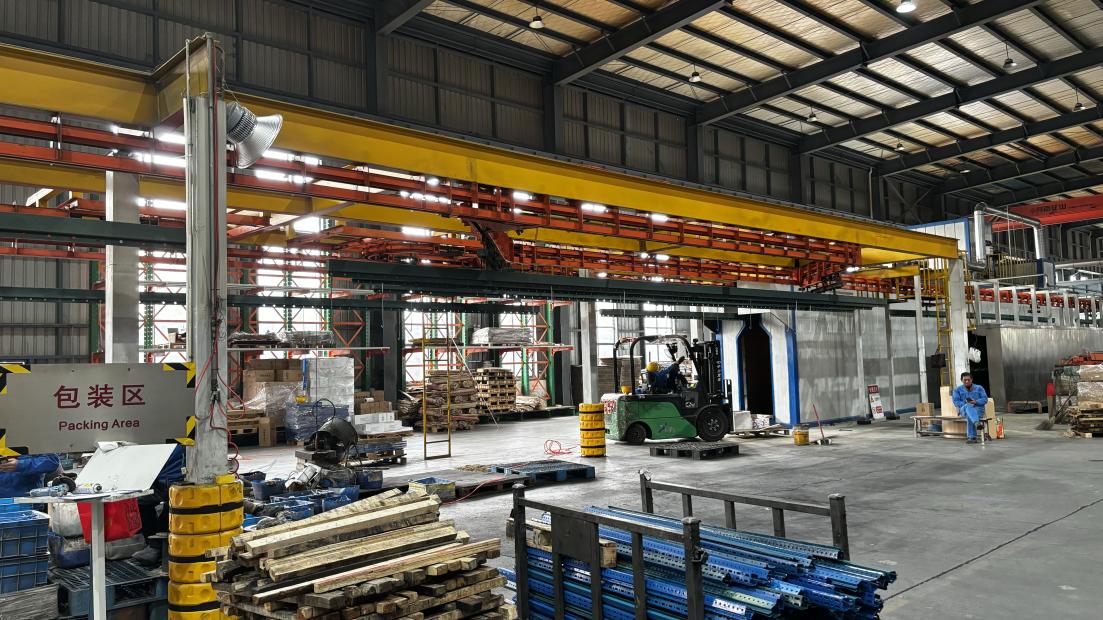
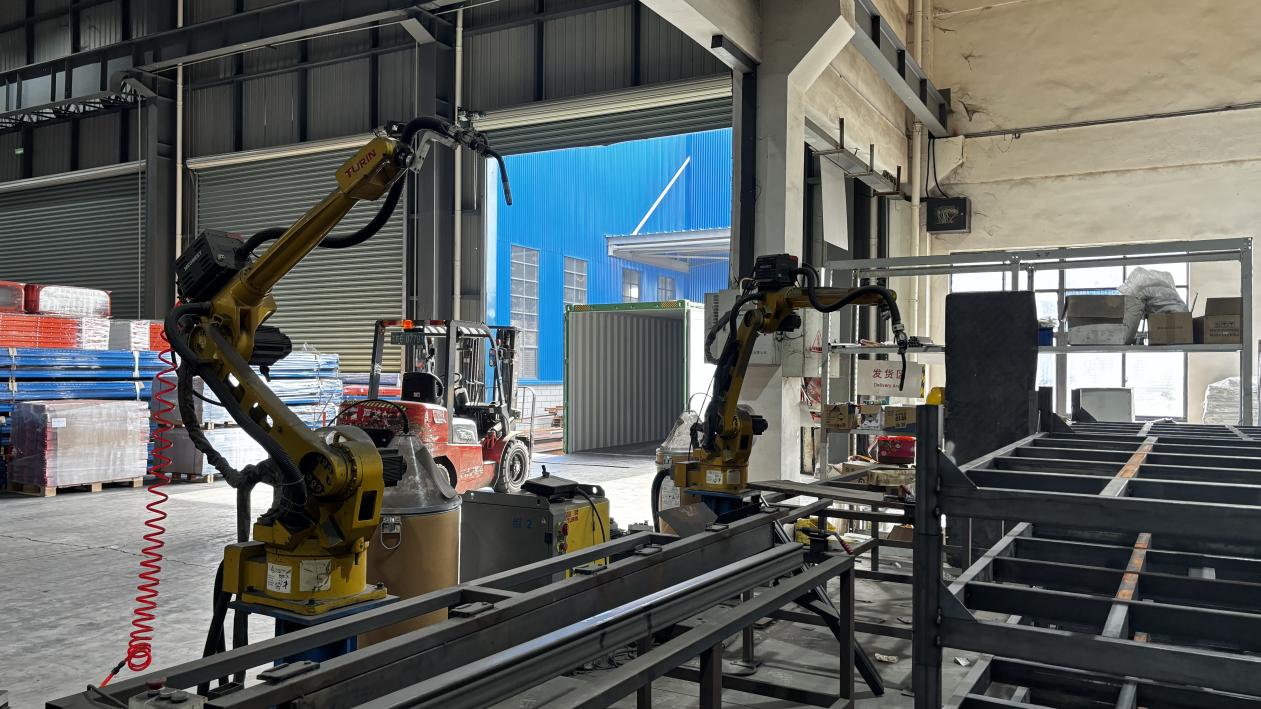
Each phase of our production line is governed by standard operating procedures (SOPs) designed to minimize variance. The process begins with raw high-tensile steel coils (sourced from Tier-1 domestic steel mills). Through the Blanking and Punching phases, CNC punch presses create the perforation arrays necessary for customizable shelving pitch configurations.
The Rolling lines then feed the steel sheets through a sequence of progressive cold-roll dies to construct upright frames with complex geometries, which dramatically increases structural rigidity. Automated and Robot Welding Machines secure heavy-duty connector clips and baseplates under inert-gas shielding, ensuring deep penetration welds free from gas pockets or slag inclusions.
For optimal coating adhesion and lifetime corrosion resistance, all fabricated steel components undergo an intensive cleaning process. The Shot Blasting Machine removes surface oxidation and mills scale, producing an optimal surface anchor profile. The components then enter our state-of-the-art Large-Scale Spray Painting Line and electrostatic Powder Coating Line. The powder is cured at temperatures between 180°C and 200°C, producing a high-density, scratch-resistant, and chemical-tolerant protective barrier.
Procurement teams representing multi-national enterprises (3PL, retail giants, automotive components, and heavy industry) operate under rigorous engineering compliance frameworks. Importing structures from China requires a high degree of confidence in safety margins, design transparency, and local installation certifications.
Foshan FlexiRack matches these stringent expectations through localized engineering adaptations. We ensure our technical calculations align directly with international design guidelines, satisfying the requirements of diverse building codes:
| Compliance Standard | Target Region | Core Technical Requirements | FlexiRack Implementation Protocol |
|---|---|---|---|
| RMI (ANSI MH16.1) | North America | Seismic displacement factors, column impact margins, cold-formed steel engineering calculations. | Third-party certified calculations, high-grade Q355B steel utilization, integrated column protectors. |
| EN 15512 (FEM 10.2.02) | Europe / United Kingdom | Semi-rigid joint classification, global and local frame buckling limits, structural load testing. | Dynamic joint stiffness testing, European CE certification, deflection limits strictly set at L/200. |
| AS 4084 | Australia / Oceania | Pallet rack structural safety specifications, vertical tolerances, annual inspection configurations. | Locking pin shear force ratings, double upright reinforcements, certified baseplate configurations. |
Our in-house design capabilities utilizing Finite Element Analysis (FEA) software allow our 45 R&D engineers to simulate wind, load, and seismic accelerations. By modeling stress distributions across uprights, beams, and diagonal bracing, we eliminate structural weak points before mass manufacturing commences.
For vertical systems exceeding 8 meters in height, seismic accelerations can induce severe torsional stresses on rack uprights. FlexiRack incorporates custom-designed box beams with double-crimped profiles and heavy-duty, multi-tang connector brackets. This increases structural elasticity under seismic waves, preventing brittle fracture failures and ensuring full compliance with high-risk zone classifications (such as Seismic Design Categories D, E, and F in North America).
The trajectory of industrial warehousing points toward autonomous, high-density environments. Over the next five years, static steel components will become fully integrated within digital supply chain fabrics. Our product development pipeline focuses on three key technological pillars:
As shuttle and crane systems accelerate, structural tolerances must contract. Typical manual racking allows tolerances of ±5.0mm. To prevent shuttle jams and ensure laser sensor alignment, our next-generation ASRS racking conforms to tolerances of less than ±1.5mm. This demands continuous calibration of our CNC rolling lines and robot welding units.
We are currently prototyping load-cell-embedded baseplates and strain-gauge-equipped beams. These sensors feed real-time load deflection data to the warehouse management system (WMS). If an operator accidentally overloads a bay or if a minor forklift collision compromises structural integrity, the system triggers an immediate safety warning.
With multinational organizations targeting net-zero carbon footprints, we are transitioning to zero-emission powder coatings and optimizing raw material usage. Through advanced steel geometries, we can reduce overall steel volume by 8% to 12% while maintaining identical structural safety factors, lowering both transportation footprints and capital costs.
Expert engineering answers addressing critical purchasing, structural safety, and manufacturing specifications.
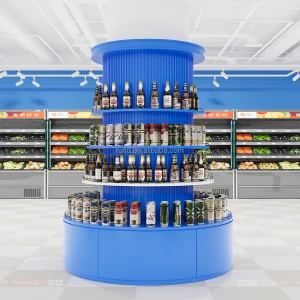
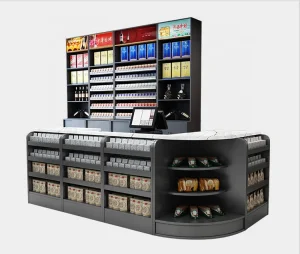
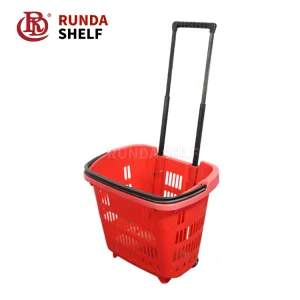
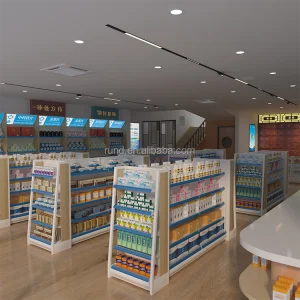
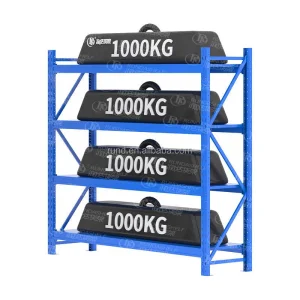
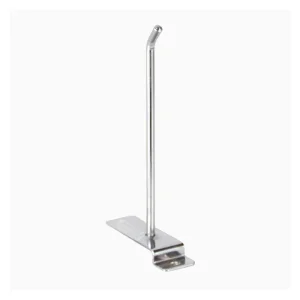
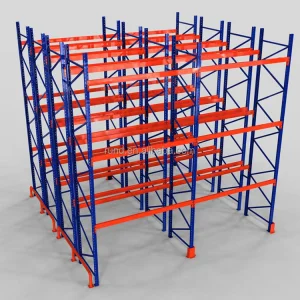
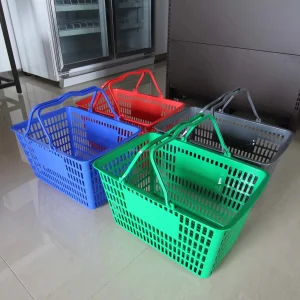
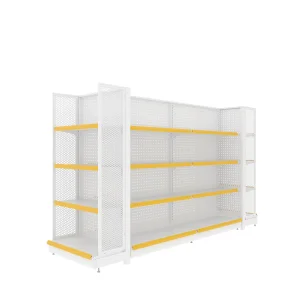
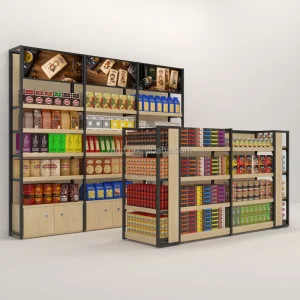
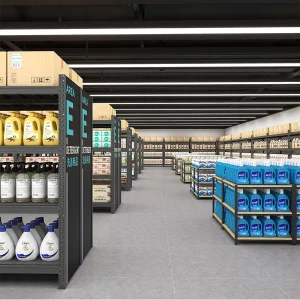
Explore our highly integrated ancillary products designed to complement modern retail, distribution, and warehouse layouts.
 FlexiRack