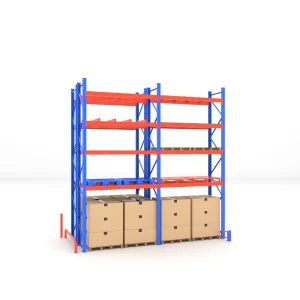
Explore our top-tier load-bearing structures engineered for warehouse storage, supermarkets, and complex heavy-duty industrial environments.
Analyzing sub-zero warehouse automation, global supply chain pressures, and thermodynamic structural requirements.
The global cold chain logistics market has witnessed exponential growth, accelerated by shifts in consumer dining habits, pharmaceutical storage demands, and e-commerce distribution expansions. Within this ecosystem, industrial freezer racks serve as the structural backbone. Unlike standard ambient-temperature warehouse systems, sub-zero storage systems operate under extreme thermal conditions ranging from -18°C down to -40°C. Under these conditions, standard carbon steel undergoes a physical transformation known as the ductile-to-brittle transition, making the material highly vulnerable to sudden structural failures and cracks under heavy dynamic loads.
As a result, leading global exporters and engineers now employ custom-engineered alloys and specialised surface coatings to prevent catastrophic collapse. Globally, the demand is transitioning from traditional selective pallet racking to high-density systems like Drive-In, Push-Back, and ASRS (Automated Storage and Retrieval Systems). ASRS solutions minimise the footprint of cold rooms, where energy consumption per square meter is 3 to 5 times higher than ambient warehouses. Optimising space efficiency directly translates to reducing a facility's carbon footprint and operational utility costs.
Furthermore, the surge in biological cold chains—specifically vaccine and biopharmaceutical storage—requires micro-level configuration flexibilities. Racks must not only hold massive payload capacities but must also allow for clean airflow profiles. Obstructed airflow in a freezer warehouse leads to localized hot spots, which compromise perishable goods and result in regulatory non-compliance under FDA, HACCP, or EMA standards.
Delving into the structural safety standards, coating processes, and design criteria that differentiate elite freezer systems.
Under temperatures lower than -10°C, typical structural carbon steels (such as Q235A) experience a sharp decrease in impact energy absorption. This leads to brittle fracture risk, meaning the steel can shear or crack without warning under standard loads. Foshan FlexiRack relies on premium Q235B and Q345B steel grades, which undergo rigorous Charpy V-Notch impact testing to prove toughness down to -40°C.
Our engineering teams implement Finite Element Analysis (FEA) to model load-displacement curves under extreme thermal contraction. As the metal contracts, internal stresses concentrate on joints and welds. Special expansion connections are designed into long racking rows to absorb thermal movement without causing column misalignment or buckle triggers.
Freezing environments are prone to condensation and ice accretion, particularly during door opening and defrost cycles. This moisture triggers accelerated corrosion on unprotected steel. We resolve this by applying specialized zinc-rich primers, followed by high-adhesion electrostatic epoxy powder coatings designed for sub-zero environments, maintaining a thickness of 80 to 120 microns.
For high-humidity applications or seafood cold storage, hot-dip galvanizing (complying with EN ISO 1461) is recommended. The zinc coating chemically bonds with the steel, forming an impervious barrier that resists mechanical scratches from forklifts and prevents rust creep beneath the coating layer.
Structural Assurance standard: All Foshan FlexiRack low-temperature profiles comply with CE standards, featuring 100% weld verification via ultrasonic flaw detection and regular dynamic load testing at maximum rated capacities plus a safety factor of 1.5.
From micro-electronics manufacturing to industrial food processing hubs, discover specialized racking setups.
Objective: First-In, First-Out (FIFO) compliance to prevent expired inventory and ensure continuous fresh-to-frozen transitions.
Solution: Gravity Flow or Dynamic Push-Back systems. Multi-level pallet flow lanes utilize slight inclines and speed controllers to slide pallets to the picking aisle smoothly, minimizing reliance on mechanical forklifts within the cold zone.
Objective: Hyper-strict temperature consistency, cleanroom compatibility, and elimination of physical contamination risks.
Solution: Premium grade stainless steel (SUS304 or SUS316) wire mesh shelving, promoting laminar airflow. Open-wire architecture ensures zero dust collection and permits unhindered cooling air circulation across sensitive vaccine batches.
Objective: High inventory turnover rates, variable pallet sizes, and rapid customization to match shifting customer requirements.
Solution: Double-deep or mobile racking solutions mounted on motorized guided floor rails. Eliminates fixed access aisles, effectively doubling storage capacity in the same physical footprint.
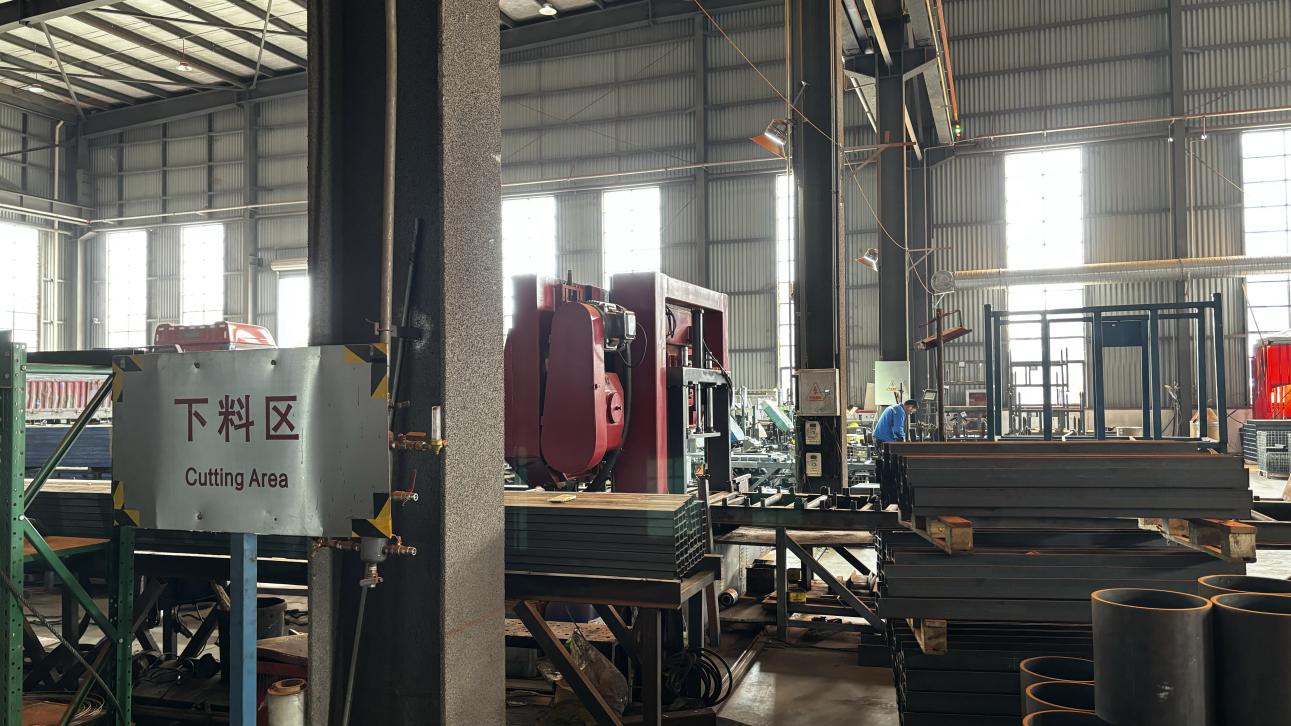
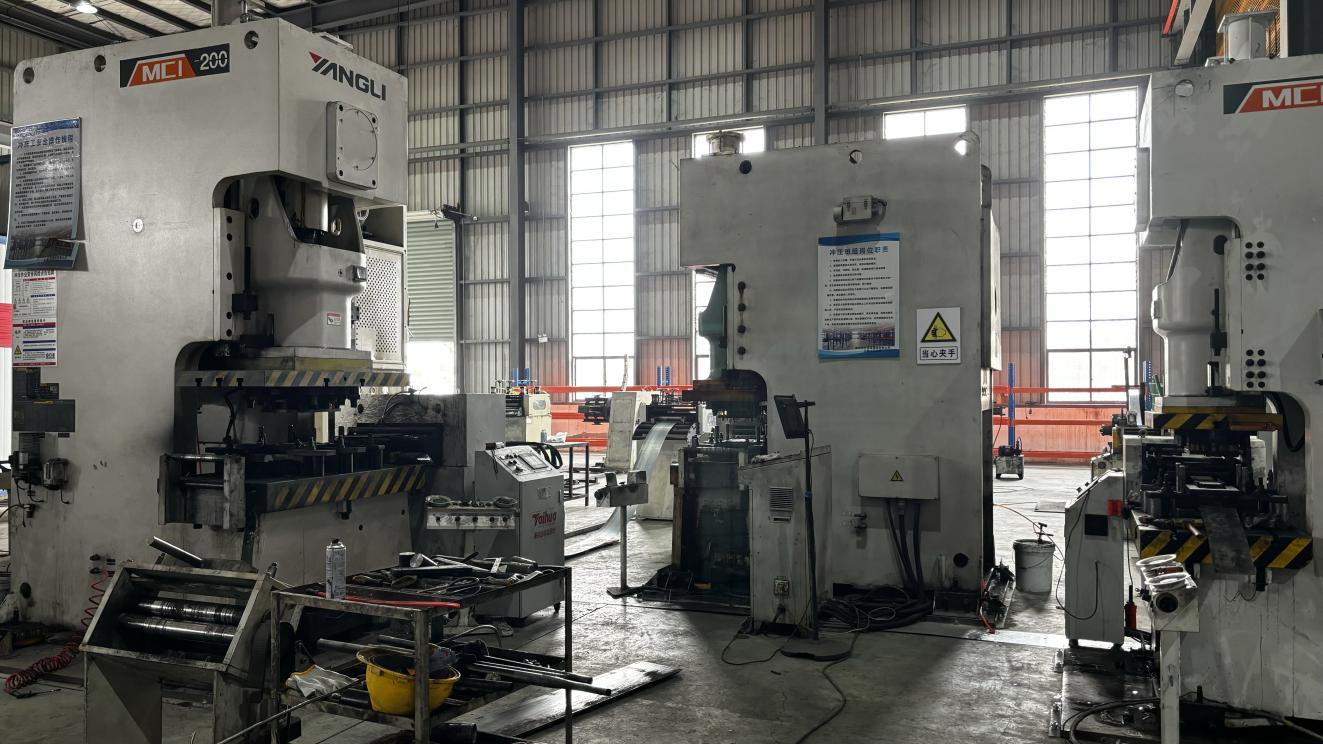
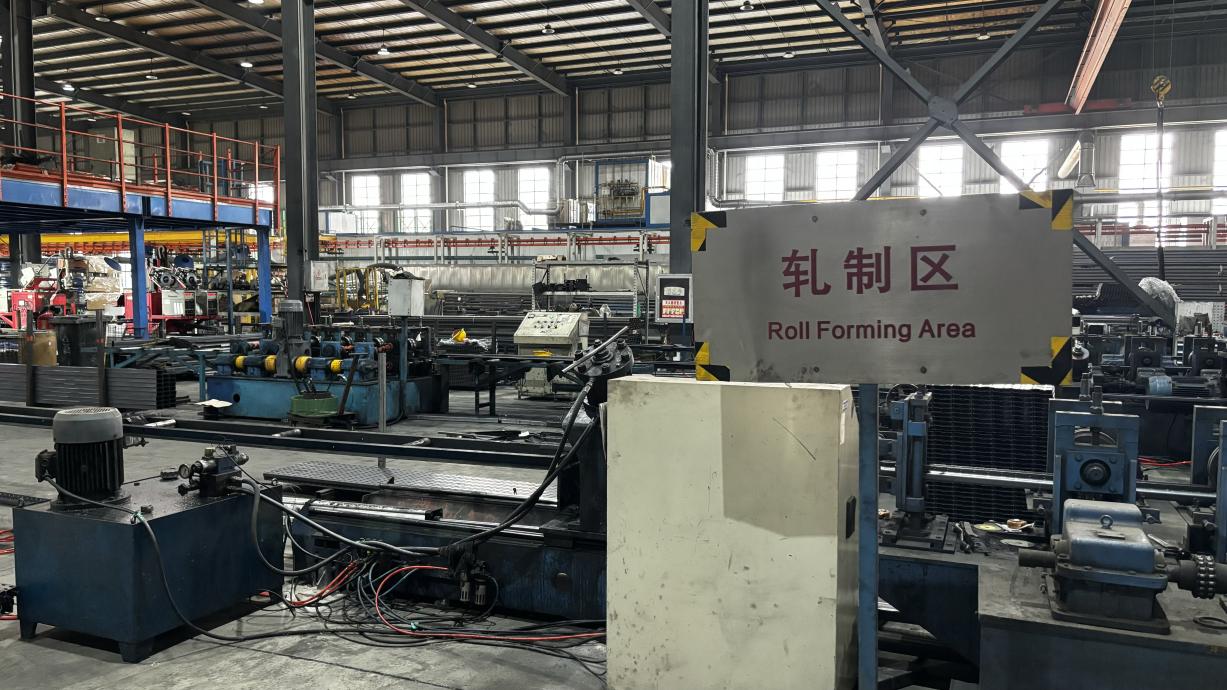
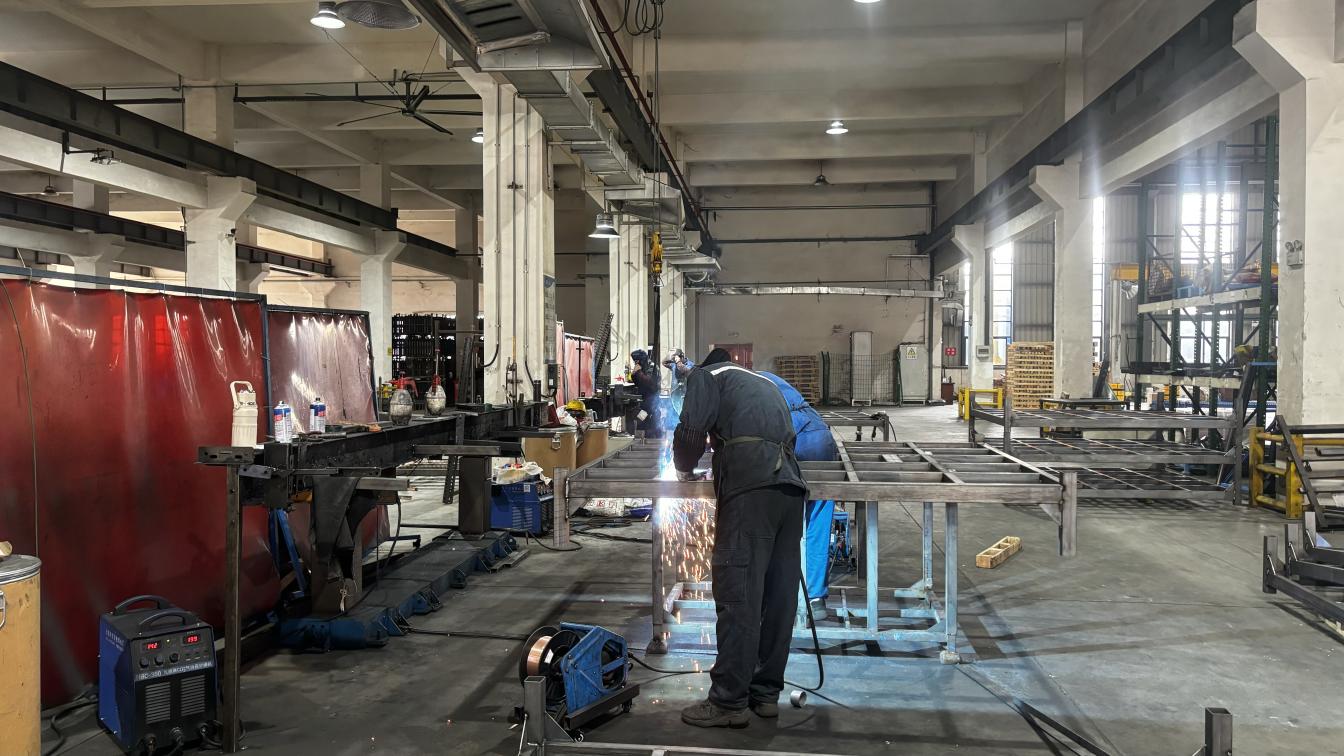
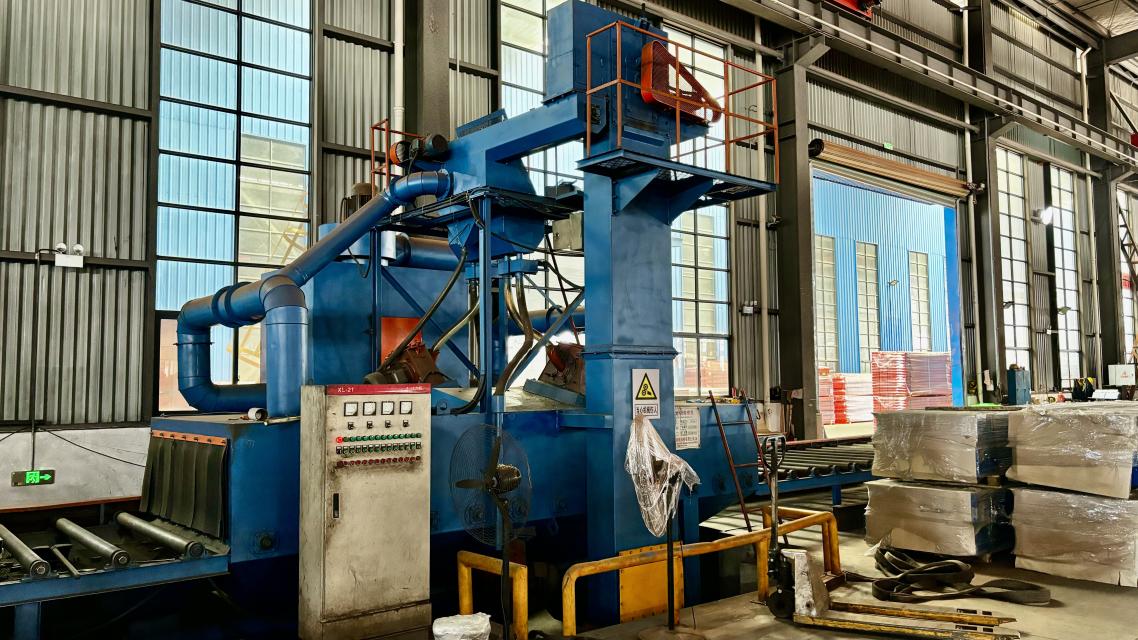
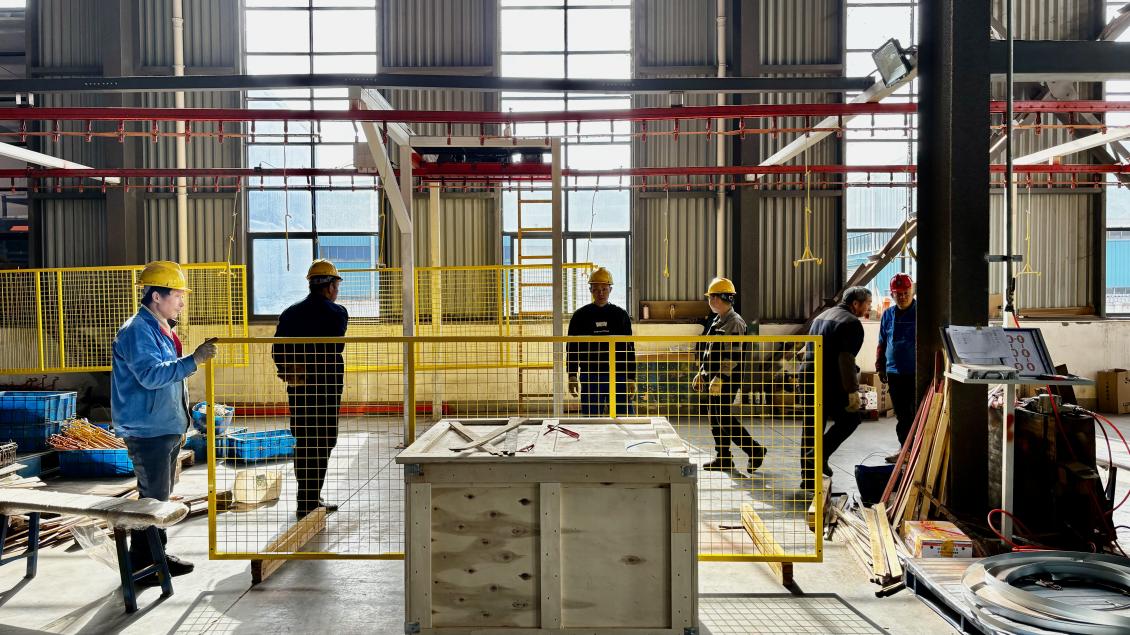
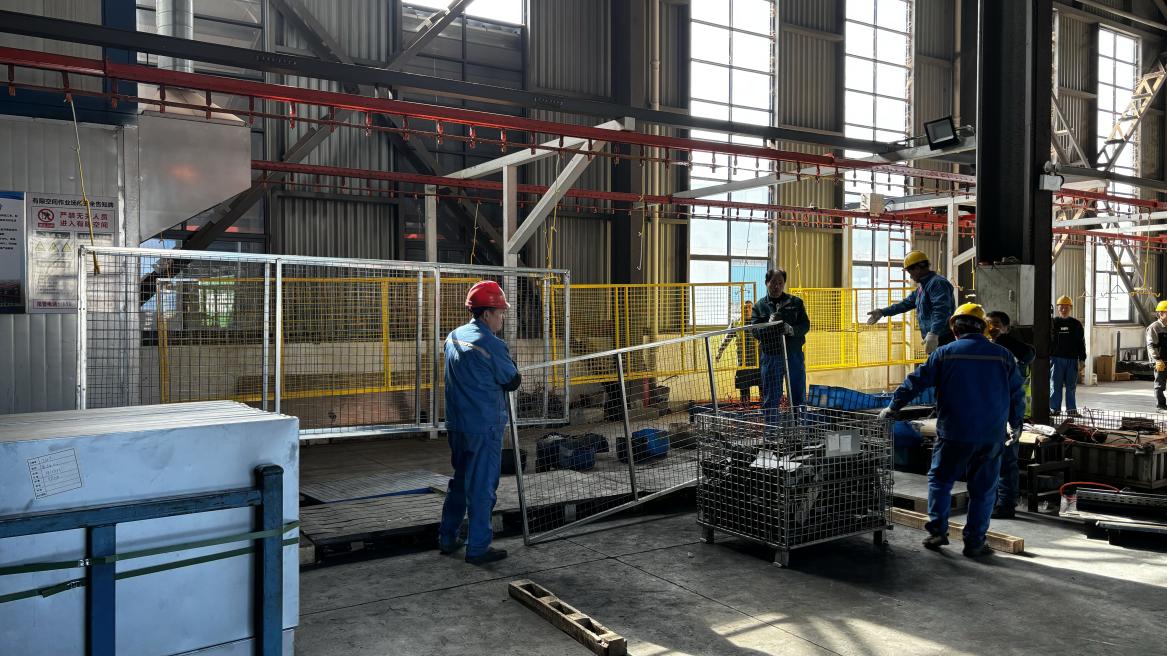
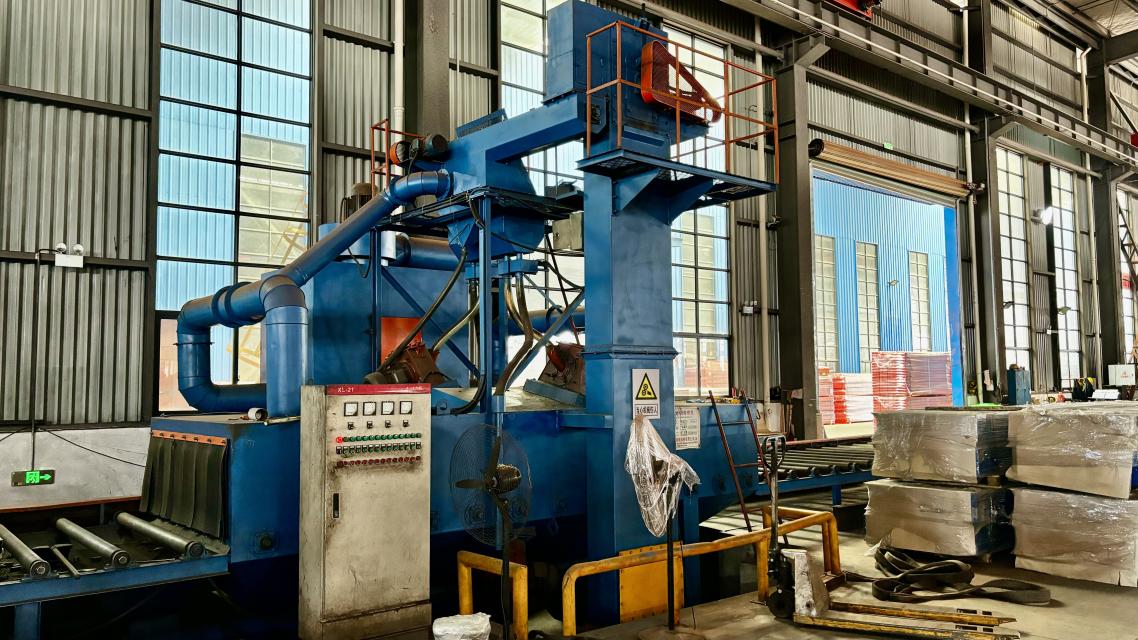
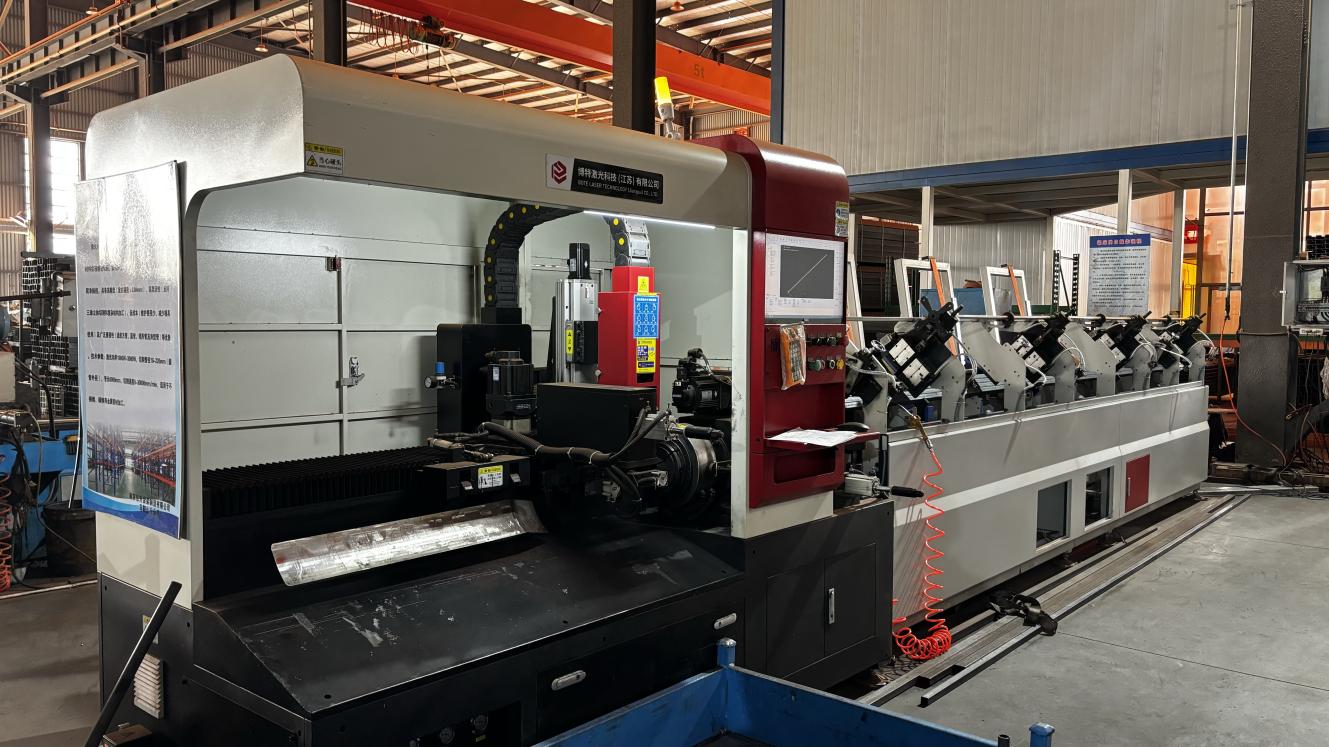
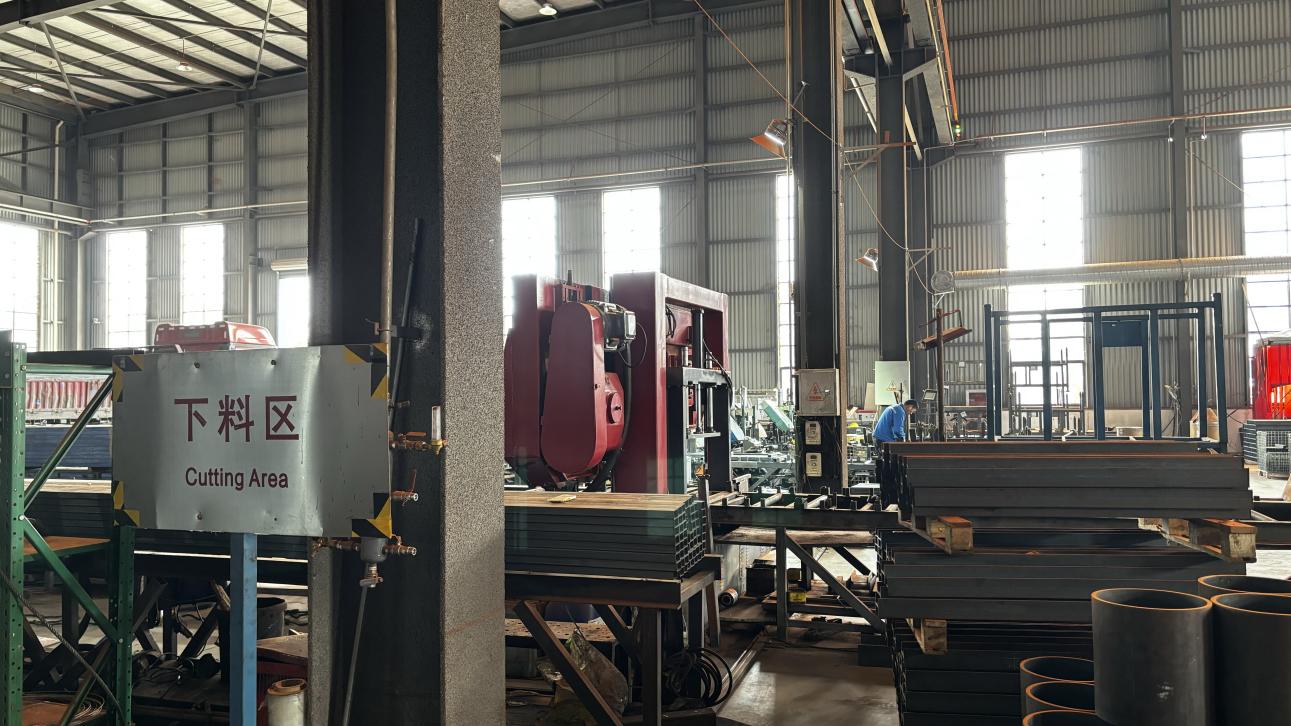
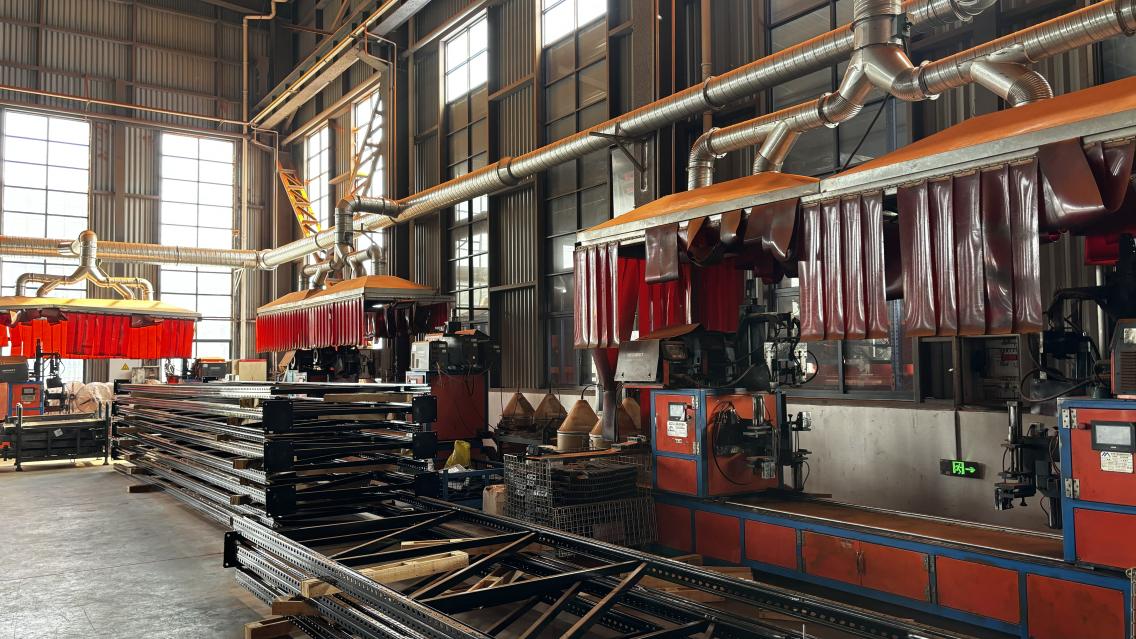
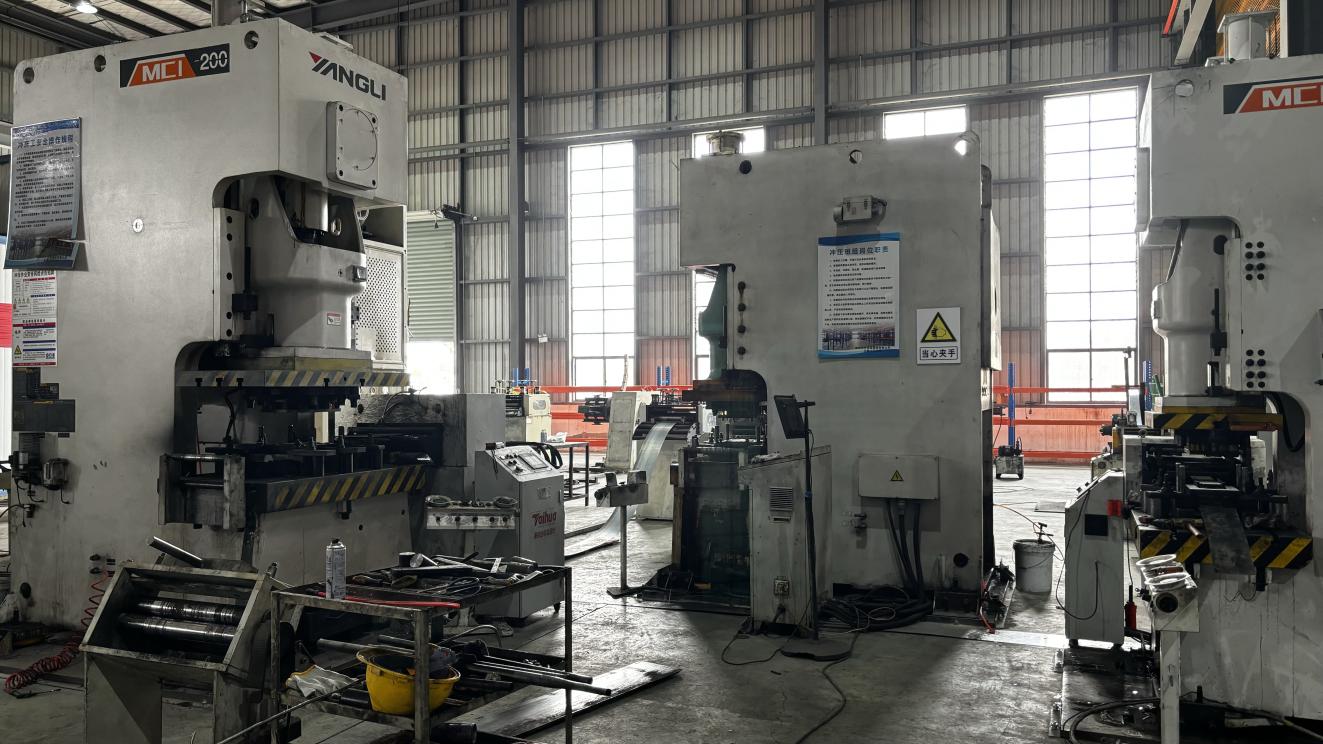
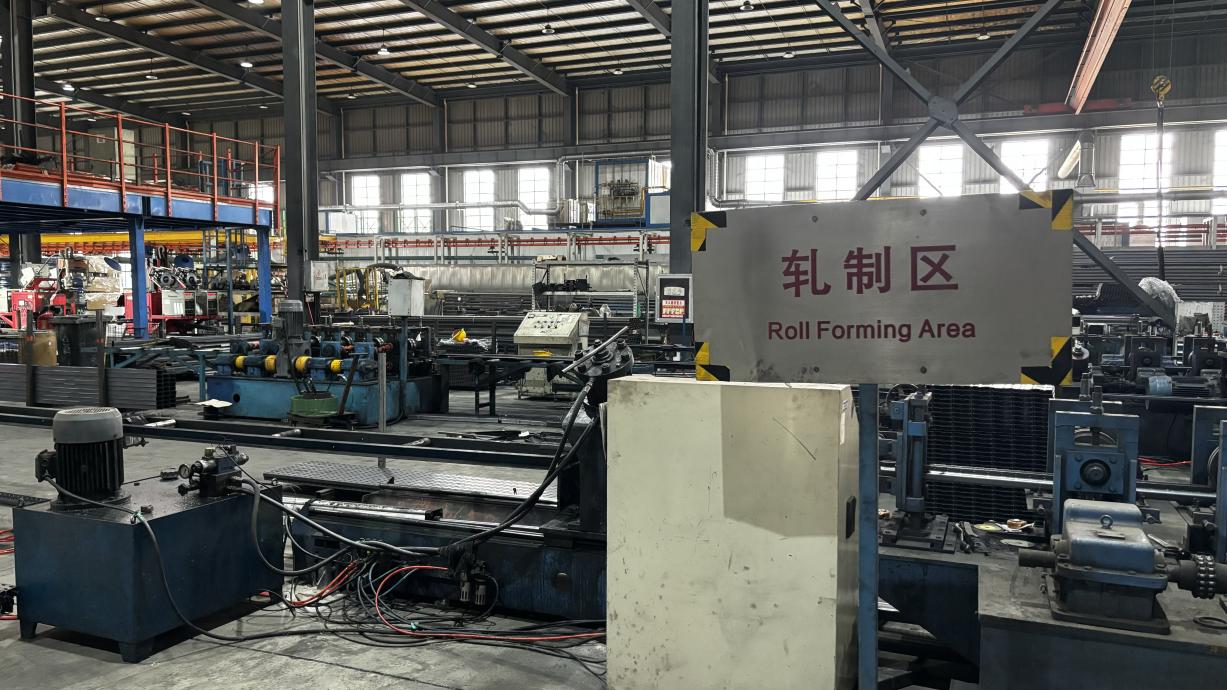
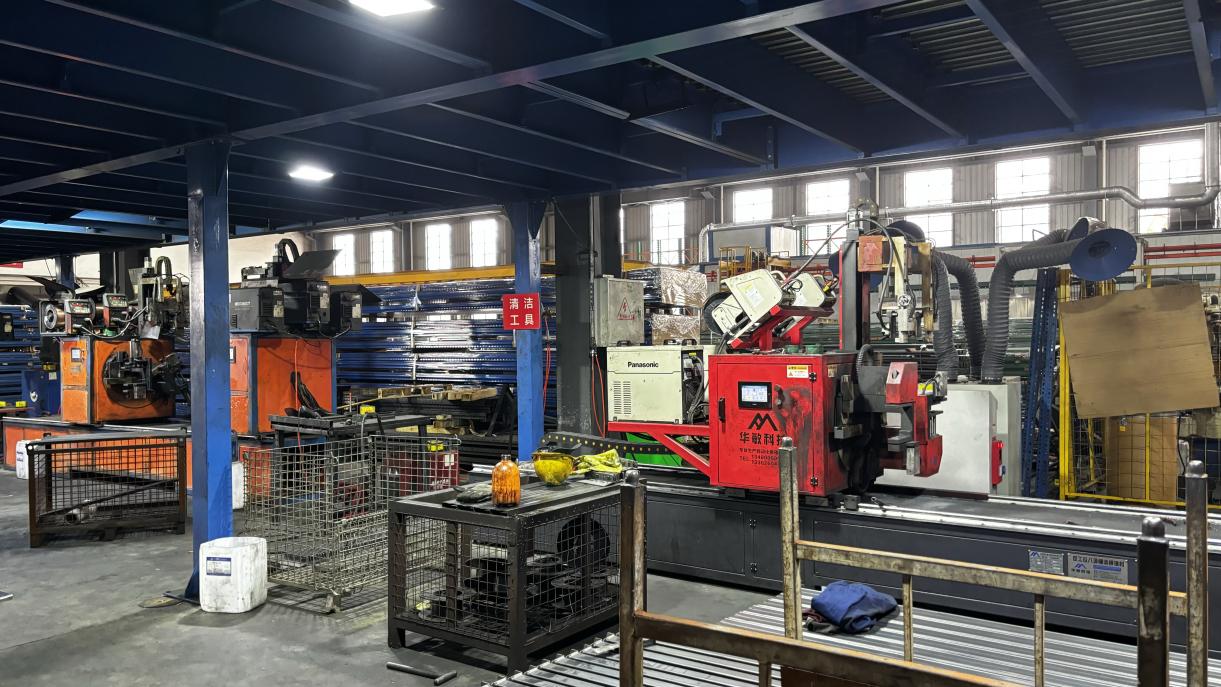
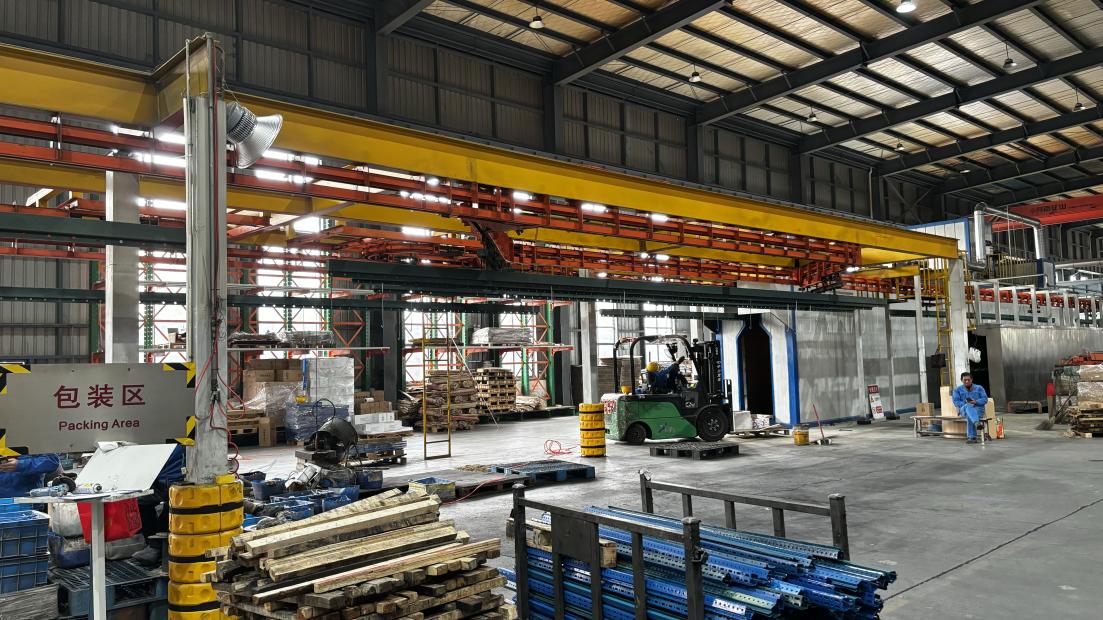
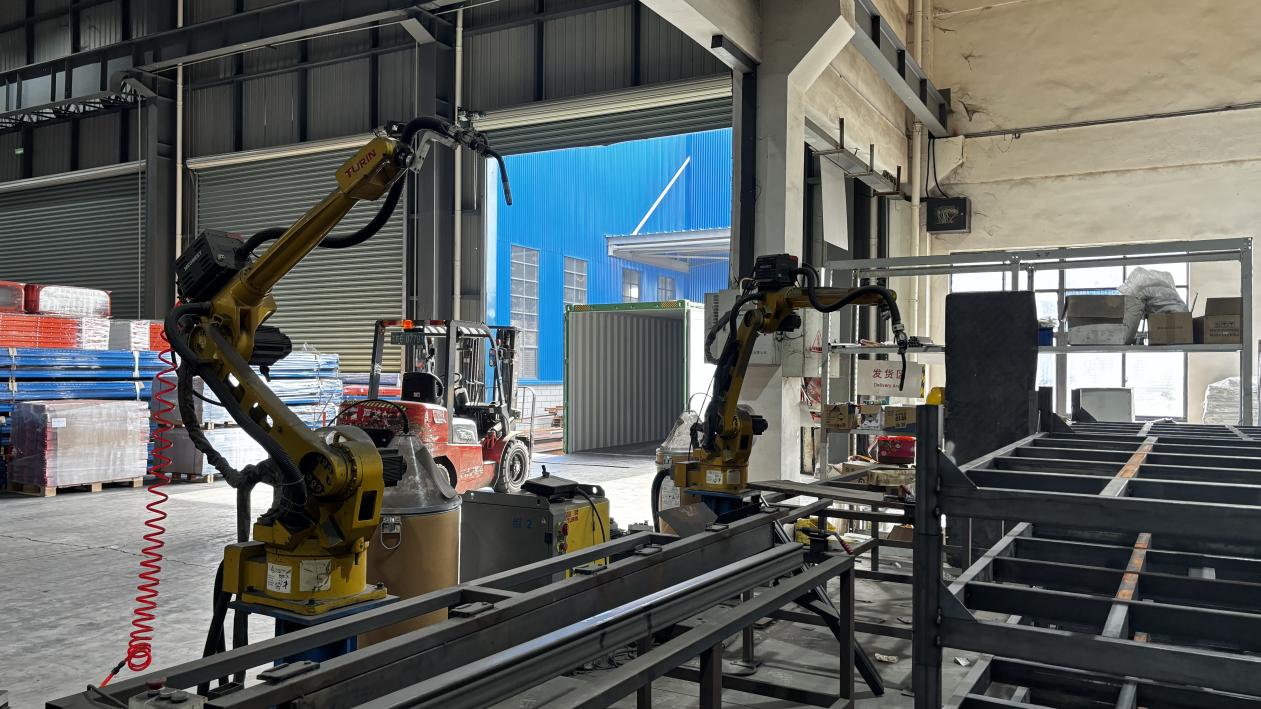
Our ISO9001:2015 certified 32,000 m² factory integrates automated rolling, robotic welding, and shot blasting lines to guarantee absolute structural precision.
Get professional technical guidance on layout optimization, structural safety, and sub-zero operation parameters.
Standard commercial steel grades like Q235A can become brittle in extreme cold, posing structural failure risks. We utilize certified Q235B and Q345B steel grades, which undergo Charpy impact tests to confirm stability, impact resistance, and structural strength down to -40°C.
Every batch of raw materials is tracked and verified. Our dedicated quality assurance (QA) team of 35 specialists performs non-destructive ultrasonic testing on all load-bearing weld seams and conducts dynamic load simulations using FEA software to verify performance under thermal contraction.
For dry, controlled deep freezers, electrostatic epoxy powder coating is highly cost-effective and provides sufficient protection. For high-humidity cold rooms (such as fish, seafood, or fresh meat processing), hot-dip galvanization is recommended due to its sacrificial anode protection properties and resistance to mechanical impacts.
Steel contracts as temperatures drop. In long runs, this contraction can accumulate, causing alignment issues. We integrate expansion joints into our racking systems and design anchor plates with sliding tolerances to prevent anchoring failures and stress fatigue on the concrete floor.
Yes. With 45 experienced R&D engineers, we provide tailored seismic calculations in compliance with local structural standards (such as RMI in North America or EN 15512 in Europe) to ensure the stability of the racking structure under dynamic load stresses.
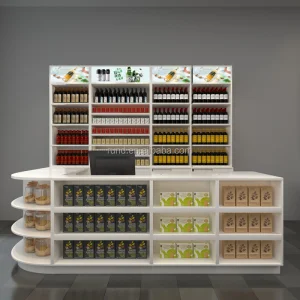
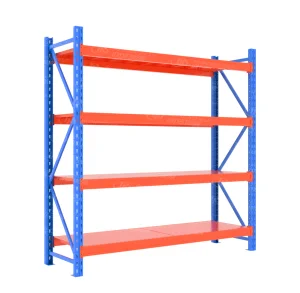
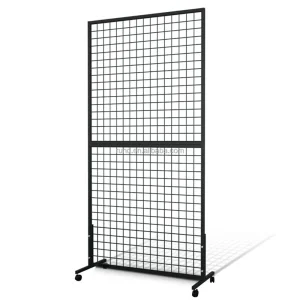
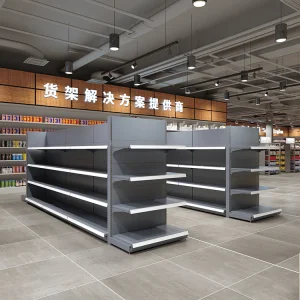
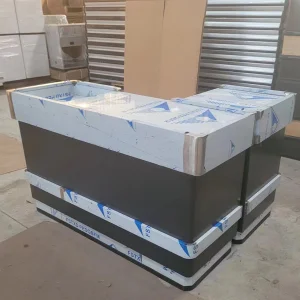
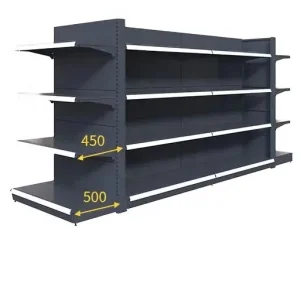
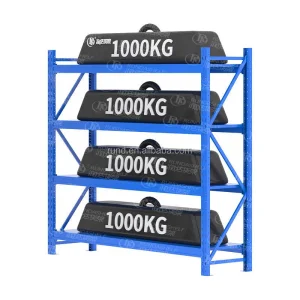
Discover our comprehensive collection of warehouse storage systems, checkout counters, and versatile retail display equipment.
 FlexiRack