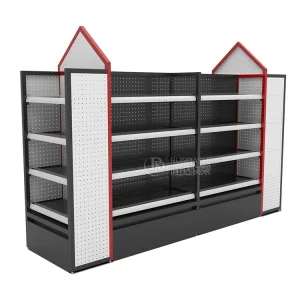
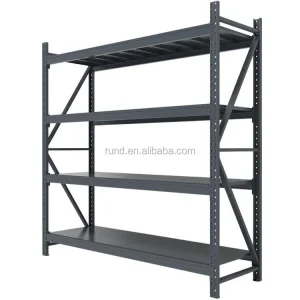
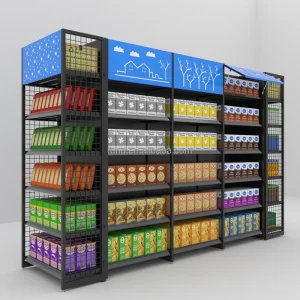
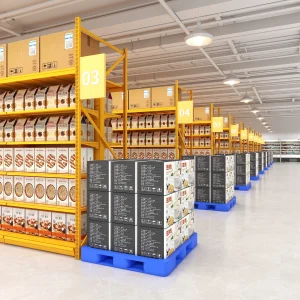
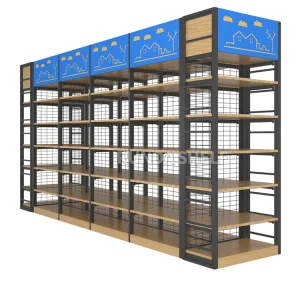
Explore our flagship display solutions designed for ultimate reliability, high load-bearing capacity, and optimized commercial footprint utilization.
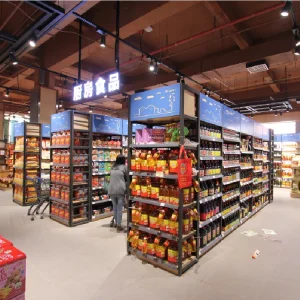
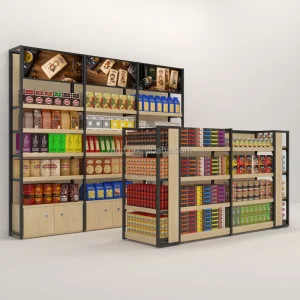
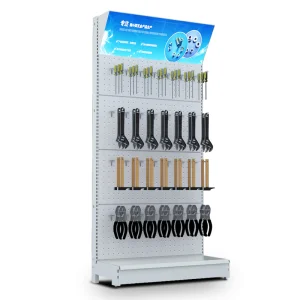
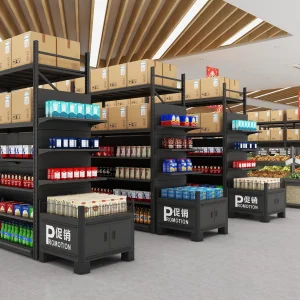
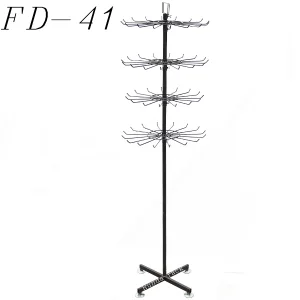
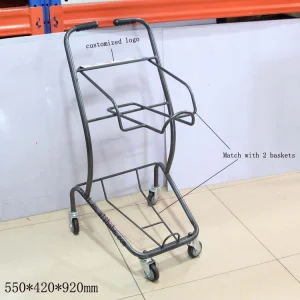
Modern knowledge centers have transcended traditional book storage. Today’s structural planning for universities, research libraries, and archives requires heavy-duty engineering combined with refined aesthetics. The shift toward multi-functional spaces means that shelving systems must act as load-bearing structural installations capable of adjusting to architectural challenges, dynamic load stresses, and high seismic considerations.
As a global leader in intelligent logistics and storage structures, Foshan FlexiRack Intelligent Logistics Equipment Co., Ltd. offers engineered systems that integrate the demands of both commercial aesthetics and heavy industrial load capacities. Our systems leverage high-grade cold-rolled steel, precise physical engineering, and customized structural configurations to fit diverse environments—from high-density mobile library archives to smart modular retail displays.
Through our dedicated research and global implementation footprint, we ensure every shelving unit exceeds standard industrial tolerances. By prioritizing material density, anti-topple mechanics, and adaptive floor layouts, we provide institutional planners and commercial developers with the confidence required for generational installations.
Why Tier-1 institutions, 3PL providers, and major educational facilities trust Foshan FlexiRack for high-capacity projects.
Backed by 45 professional R&D engineers, we execute full-spectrum custom engineering. This includes custom structural analysis, seismic calculations, high-capacity cantilever design, and automated ASRS integration. We launched 120 new storage solutions last year alone.
Our operations are backed by ISO9001 and CE certifications. Quality assurance is maintained by a dedicated QA team of 35 specialists who deploy ultrasonic flaw detection, metallurgy analysis, and dynamic load testing to verify load capacity tolerances.
Operating as an OEM/ODM export manufacturer with over 8 years of dedicated export experience, our primary markets cover North America, Europe, and Southeast Asia. We maintain strong supply chain ties with over 850 strategic partners.
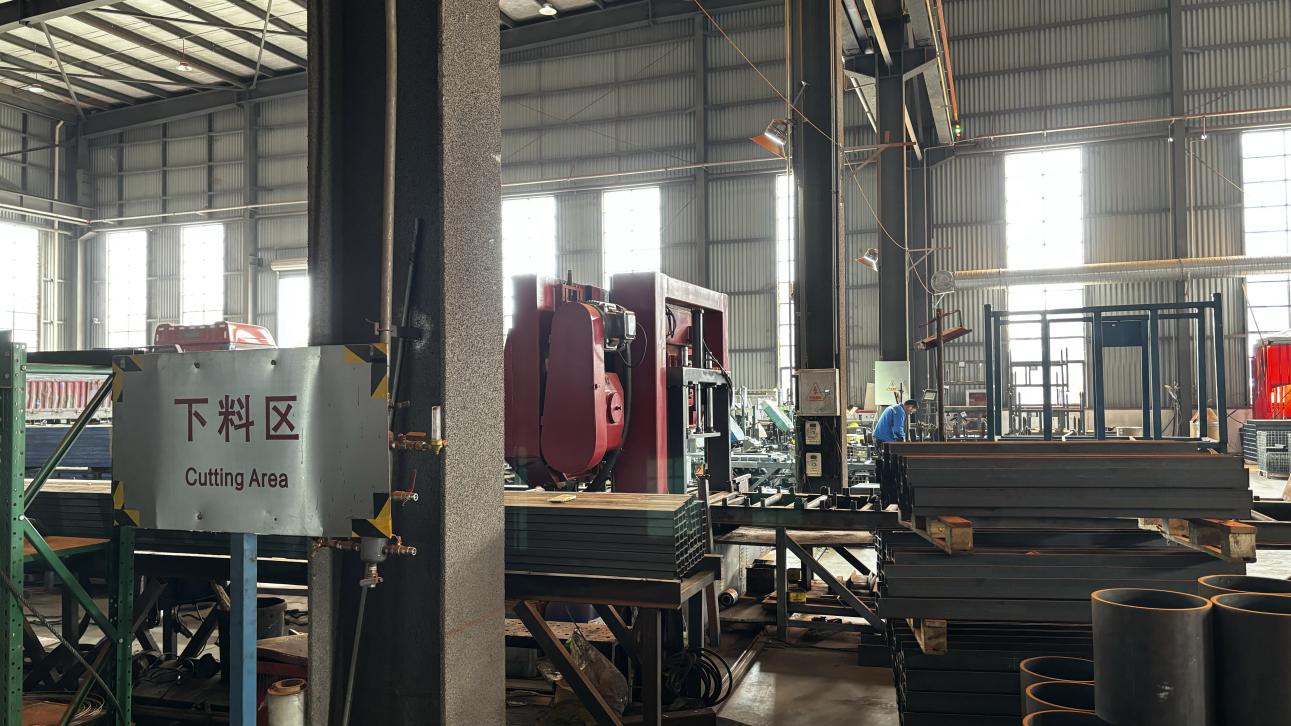
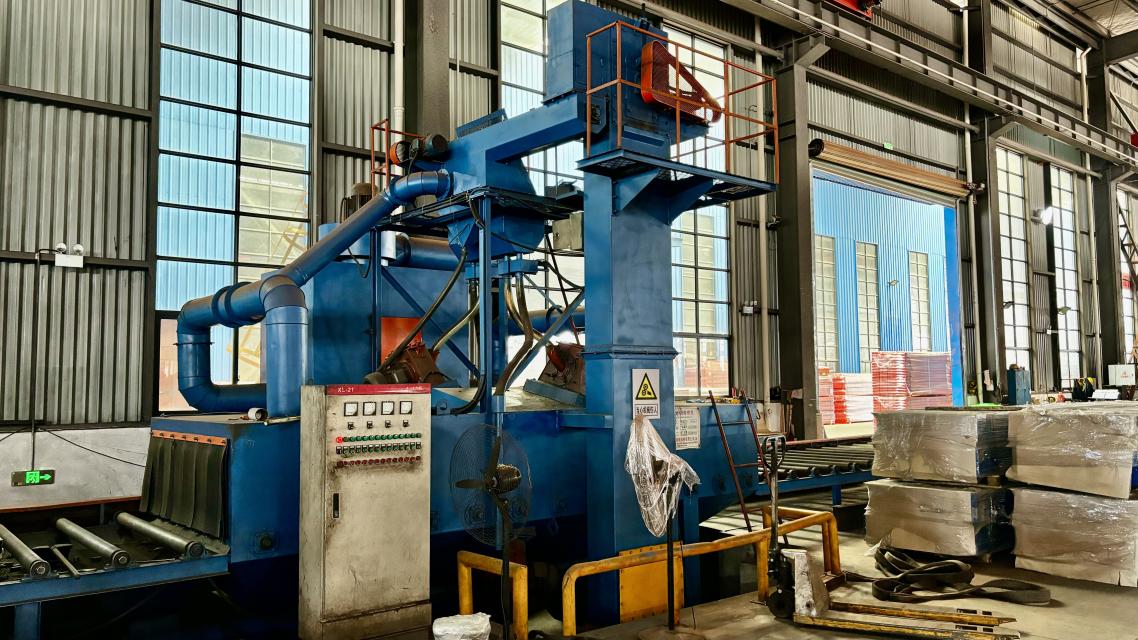
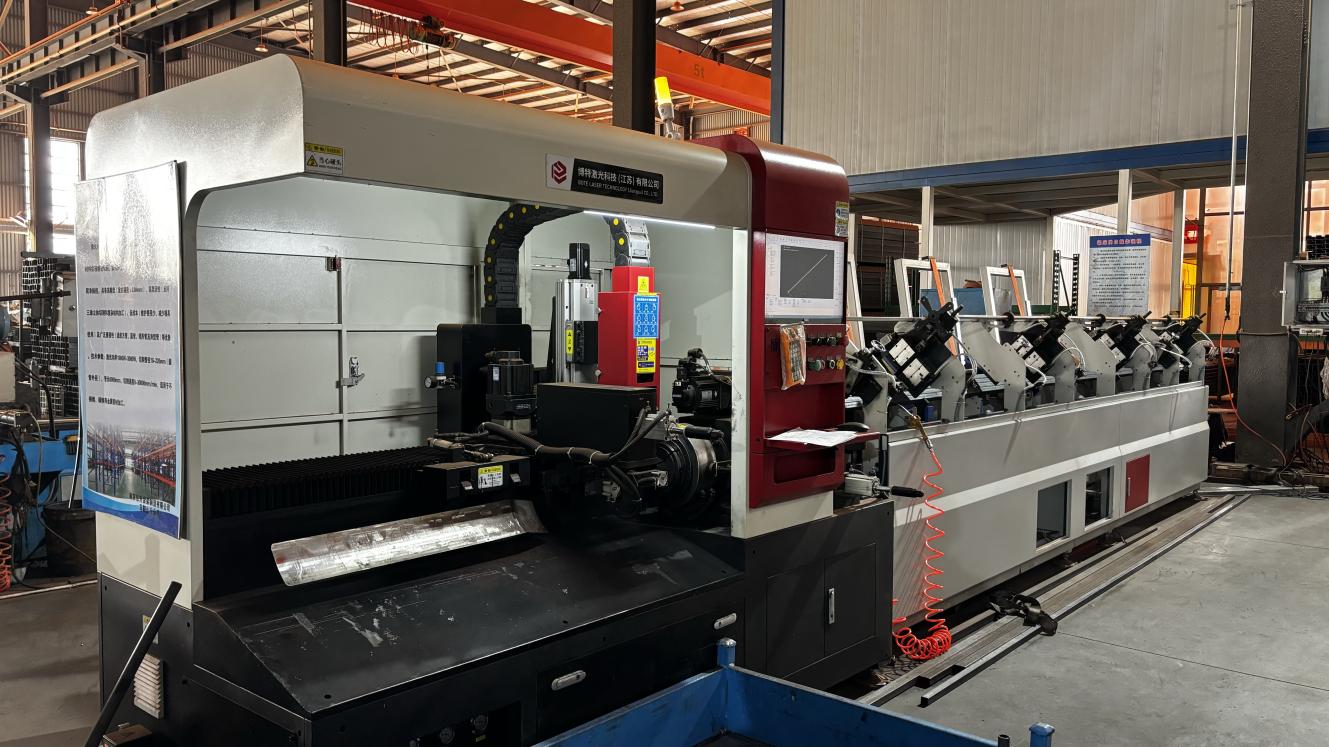
A transparent look at our fully integrated 32,000 m² factory production line in Foshan, engineered to guarantee industrial durability.
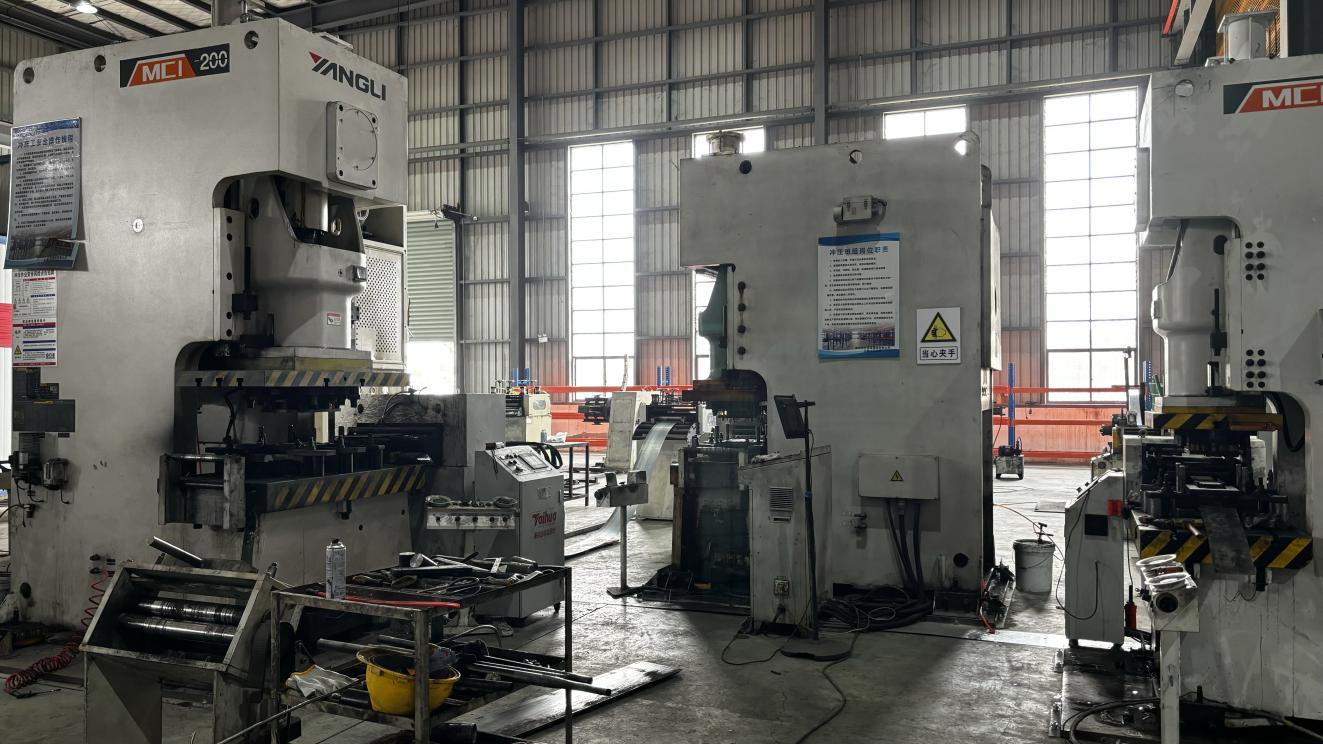
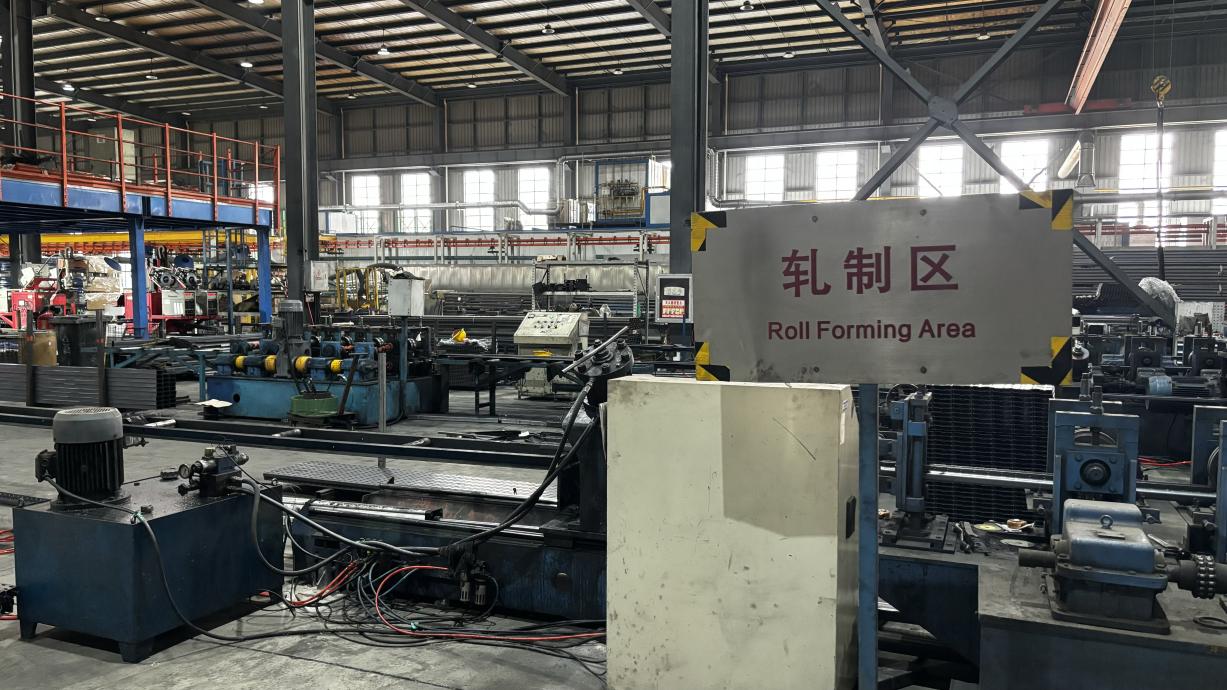
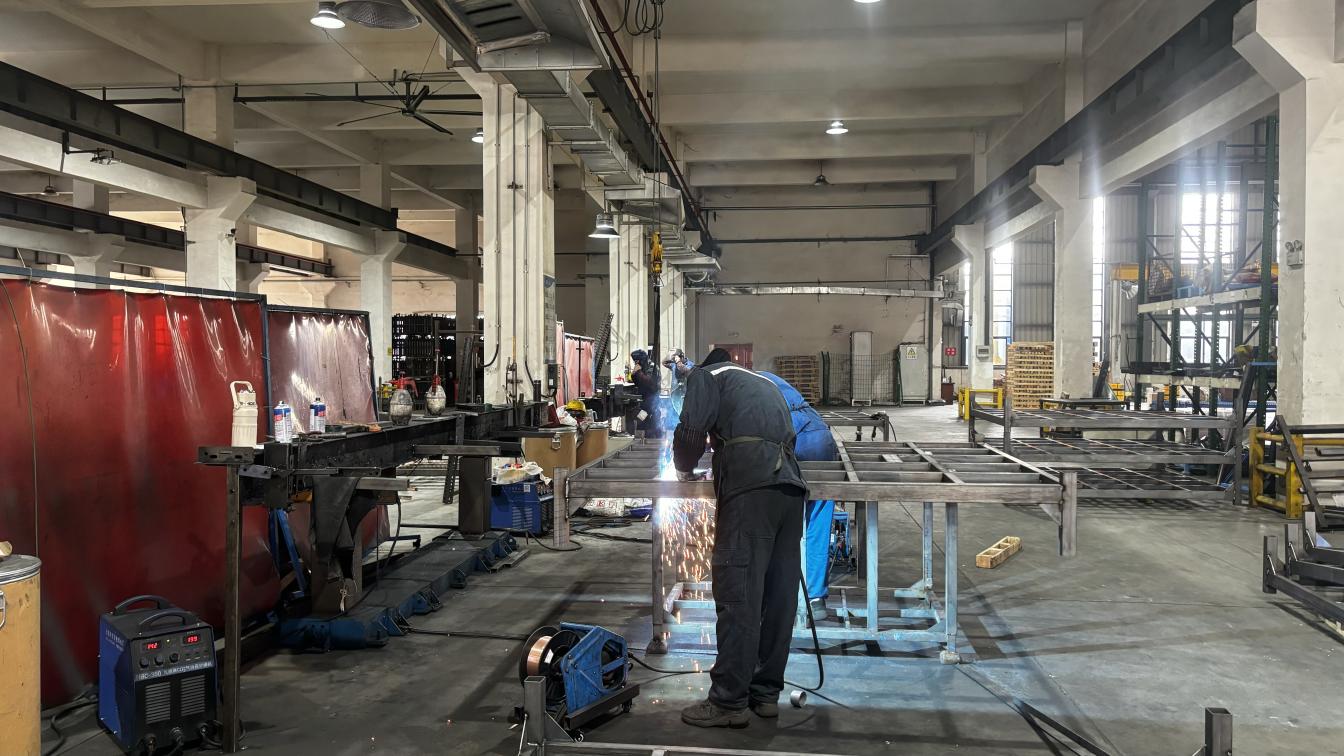
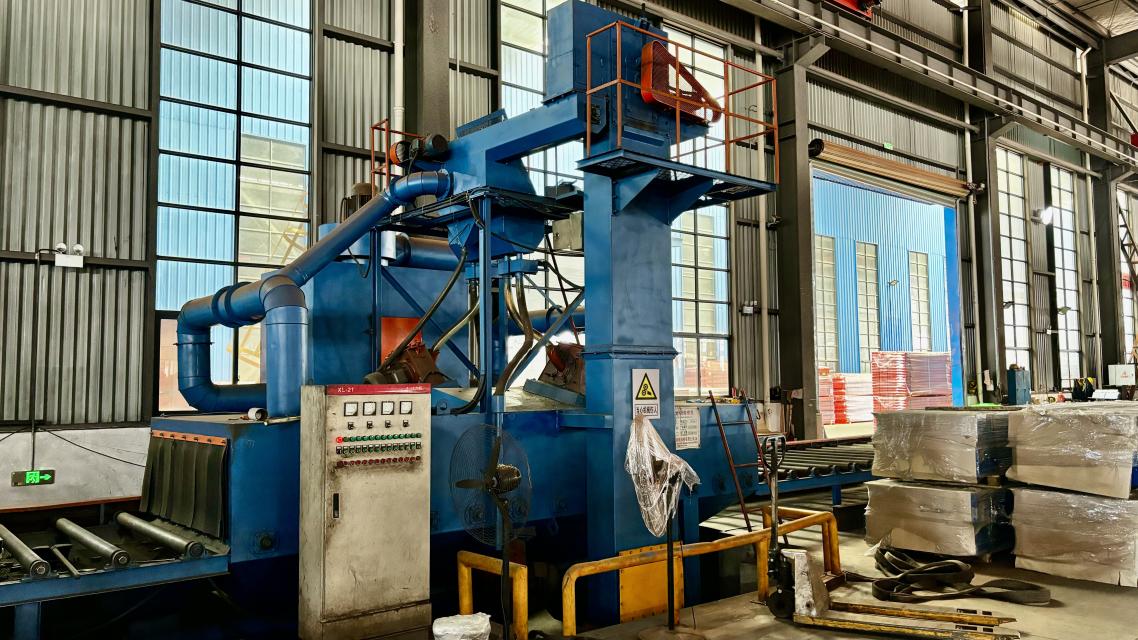
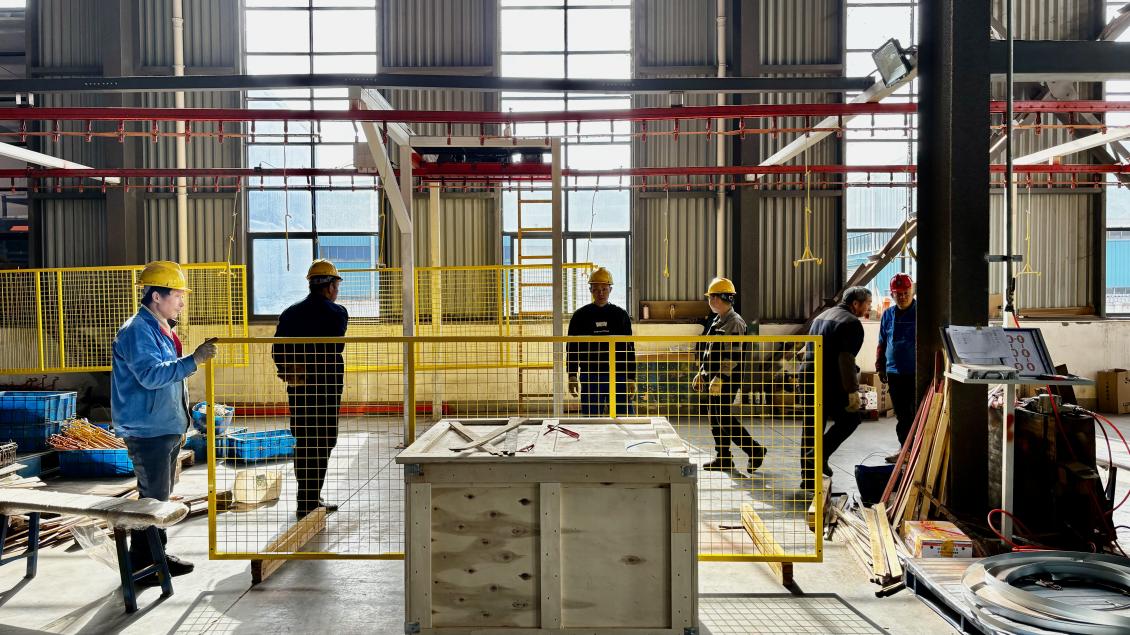
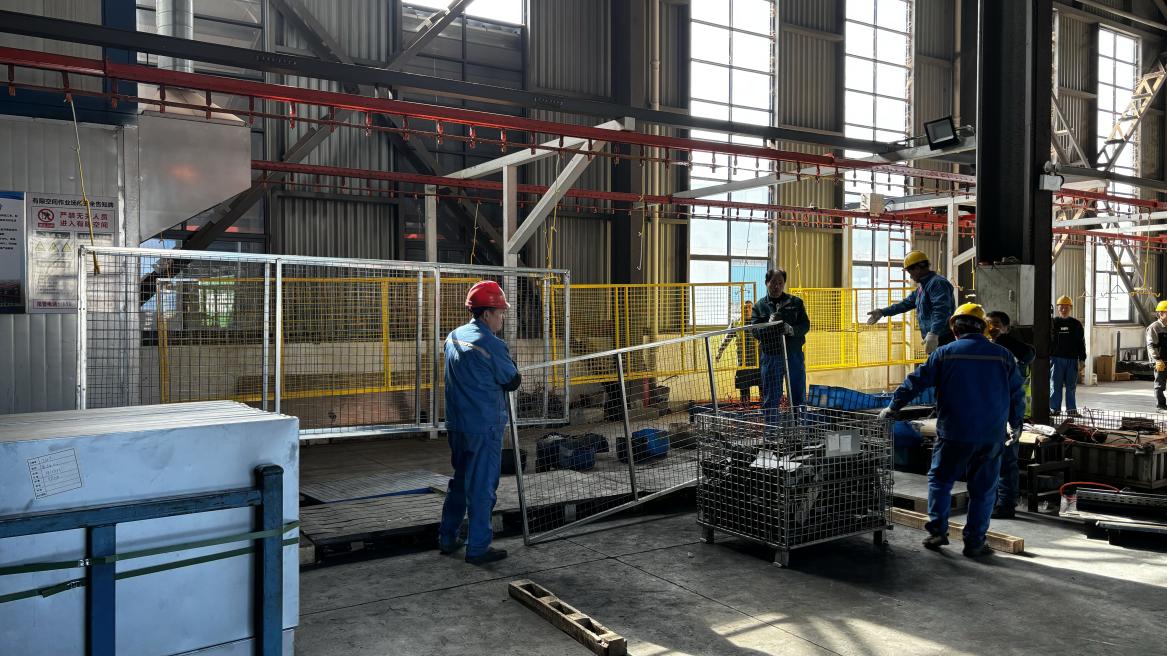
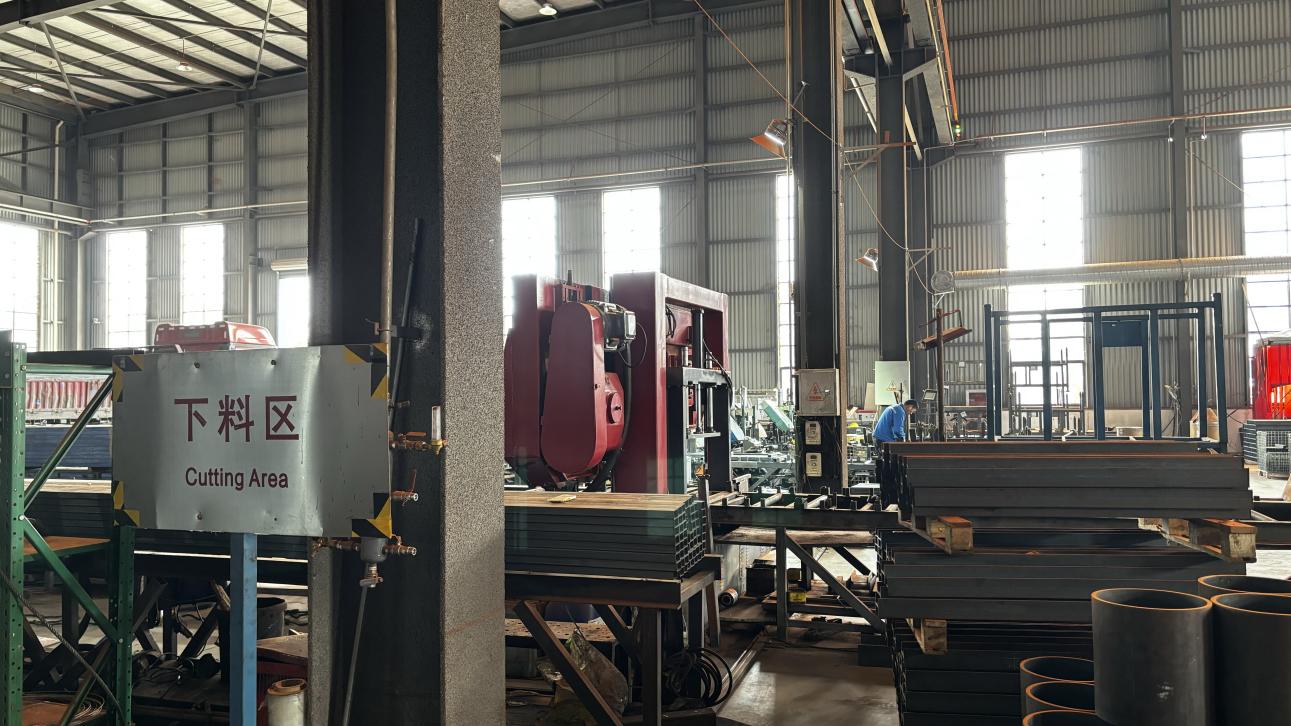
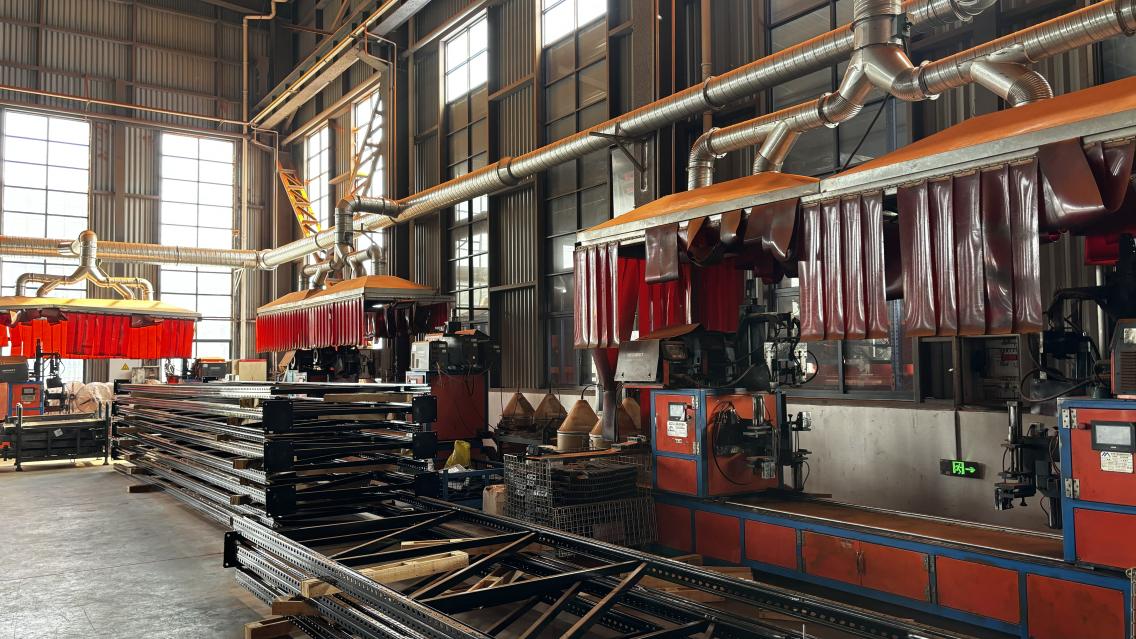
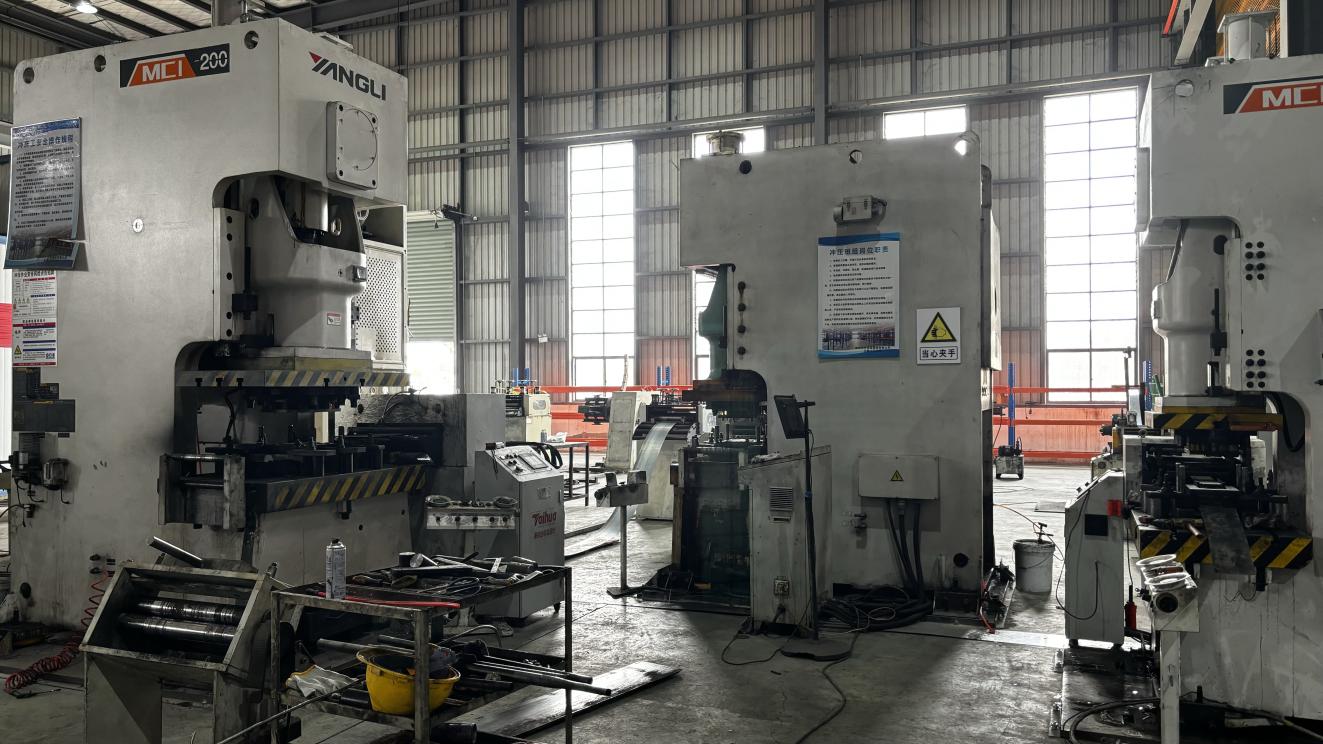
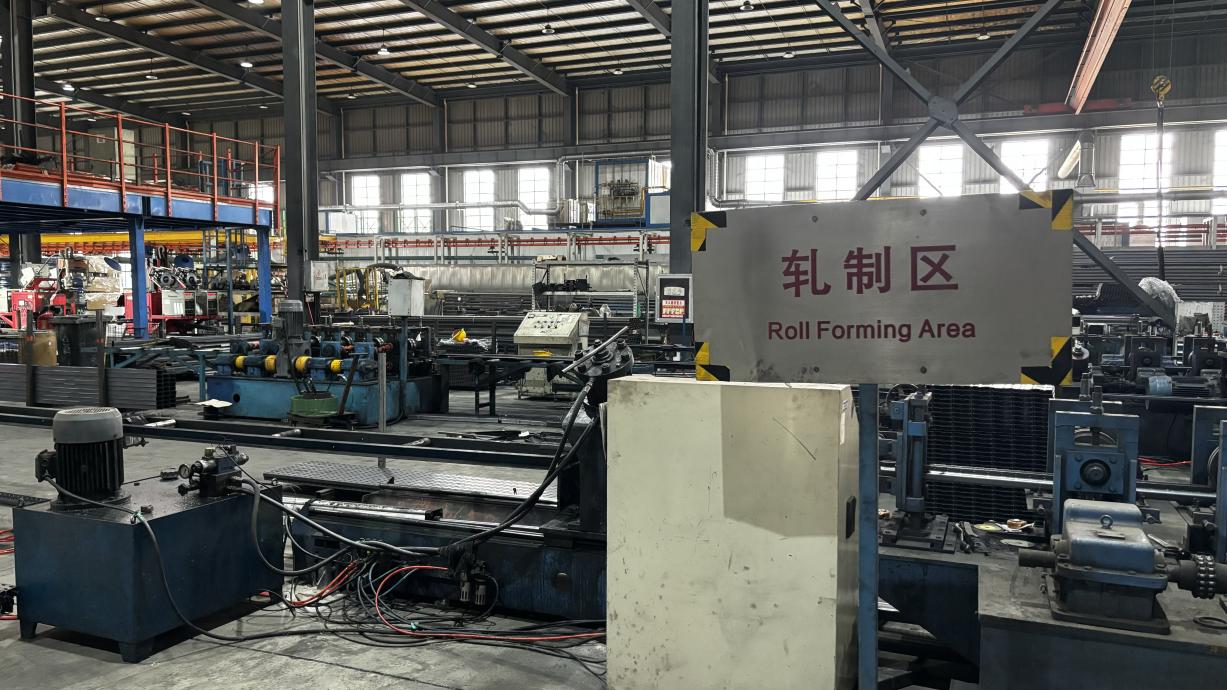
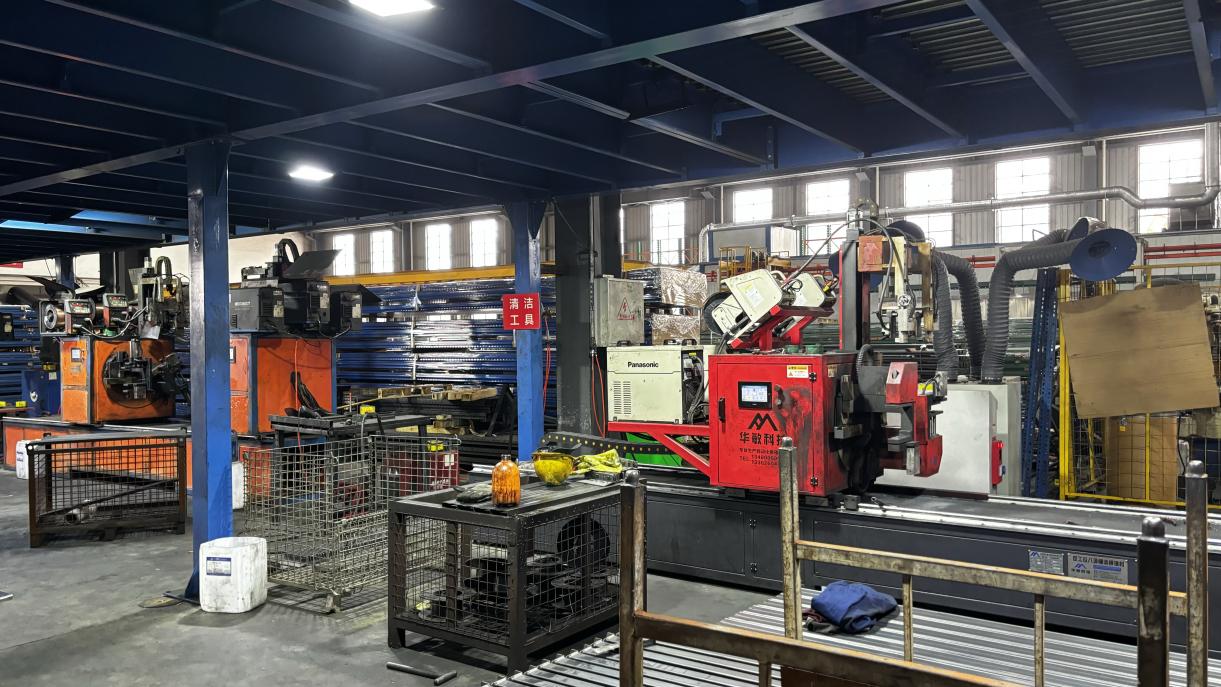
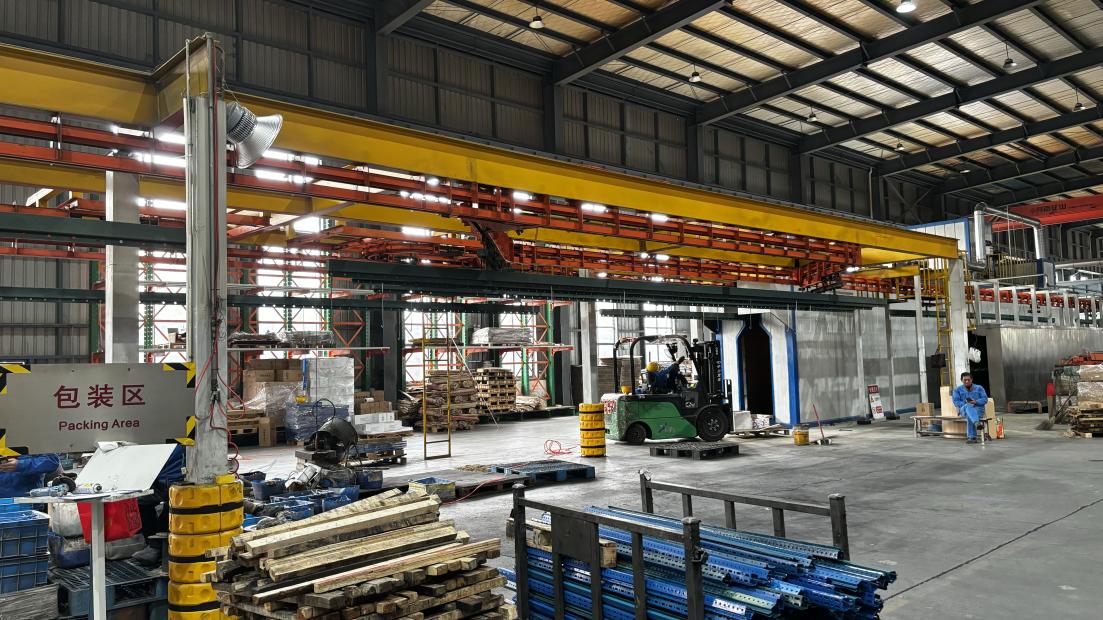
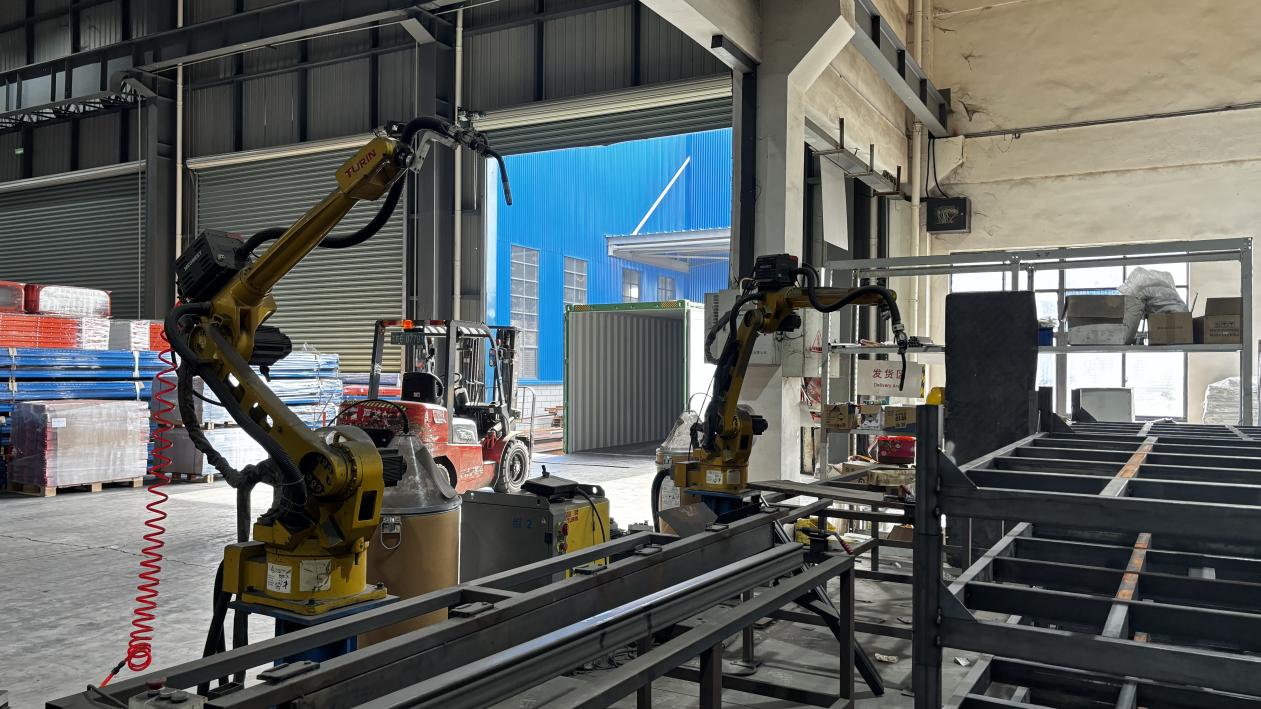
Foshan is the global epicenter for precision metallurgical manufacturing and steel processing. Our geographic advantage provides direct access to high-grade Q235B structural carbon steel. Because we procure our raw coils directly from premium state-owned mills, we eliminate variables in tensile strength, thickness tolerances, and chemical composition.
By leveraging an extensive domestic supply network of over 850 partners, we avoid production bottlenecks even during global energy and shipping shifts. For clients in Europe and North America, this translates into guaranteed production timelines, consistent steel density, and cost-to-strength ratios that cannot be replicated by localized boutique manufacturers.
Safety is the primary metric in public access areas. Library bookstacks and heavy-duty shelving installations must comply with strict regional safety standards. Our engineering team designs products to satisfy complex dynamic load requirements and seismic codes, including the International Building Code (IBC) and Eurocode EN 15512 standards.
Every shelving design undergoes extensive Finite Element Analysis (FEA) to simulate load distribution and physical stress responses. Utilizing our specialized dynamic testing platforms and ultrasonic flaw detection tools, we simulate decade-long fatigue wear, ensuring stability, anti-sway compliance, and zero structural deflection under maximum loads.
Different markets present distinct mechanical challenges. In highly humid tropical climates like Southeast Asia, microclimates within archival vaults can compromise raw steel. To prevent oxidation, Foshan FlexiRack applies an advanced multi-stage pre-treatment, including automated shot blasting and thermosetting epoxy-polyester powder coating. This ensures compliance with salt spray tests (ISO 9227) and guarantees that our shelving systems remain corrosion-free for decades.
Conversely, in Europe and North America, spatial density represents the primary design driver. Academic institutions require double-sided configurations, cantilever shelving, and automated high-density mobile systems that interface with existing RFID sorting hardware. Because our engineering process is entirely vertical, we can customize deck heights, upright perforations, and sway braces to match these localized technologies seamlessly.
As libraries transition into digitized knowledge commons, physical shelves are integrating with IoT sensors, smart indicators, and high-density mobile tracks. Our technical roadmap focuses on the convergence of heavy structural steel and automated warehousing systems (ASRS). We are developing smart, motorized library systems with embedded weight sensors and optical pick-to-light paths to support automated collection management, energy conservation, and improved retrieval speeds.
Understanding the engineering, logistics, and compliance metrics of high-volume commercial shelving procurement.
Our standard steel library shelving systems are engineered to hold between 80 kg and 150 kg per shelf level, assuming uniformly distributed loads (UDL). For industrial storage racks and custom warehouse applications, the loading capacity can be engineered up to 1,500 kg per bay, depending on structural requirements and upright thickness.
We employ seismic hazard analysis based on localized postal codes (such as high-risk zones in Western North America or Southern Europe). Our R&D team provides specialized baseplate dimensions, overhead bracing systems, and floor-anchoring configurations. We perform structural verification using Finite Element Analysis (FEA) to confirm stability under seismic loads.
Our 35-person quality control department conducts standard testing, including dynamic load deflection tests (checking that deflection does not exceed L/240 of the span), weld penetration inspections via ultrasonic flaw detection, and paint adhesion tests. We supply chemical mill test certificates (MTC) and physical test reports for all high-volume runs.
Yes, our automated large-scale powder coating lines can execute custom color matching according to RAL or Pantone systems. In addition, we provide custom steel perforation options, wood grain sublimation transfers, and branding integration for architectural projects and high-end retail configurations.
Depending on design complexity, the typical lead time for custom OEM orders ranges from 25 to 35 days from technical approval. Our efficient manufacturing processes in Foshan enable us to optimize raw material prep, roll forming, robot welding, and powder coating stages, ensuring punctual delivery.
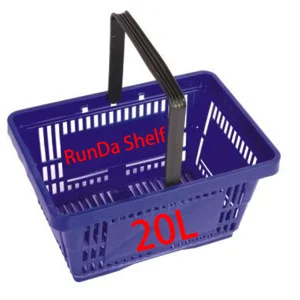
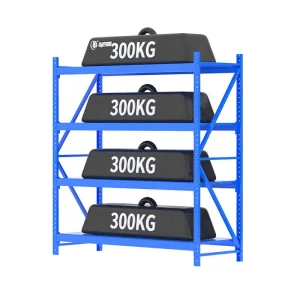
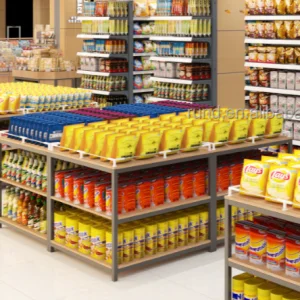
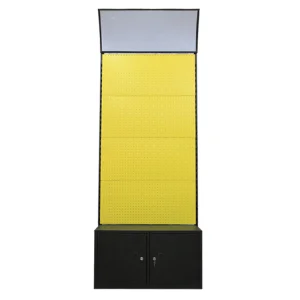
Explore our industrial warehouse racking and retail shelving options, built to handle heavy inventories and maximize storage efficiency.

 FlexiRack