Engineered for dense payload capacities, structural rigidity, and space optimization.
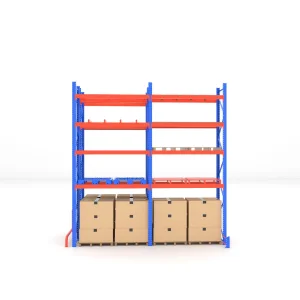
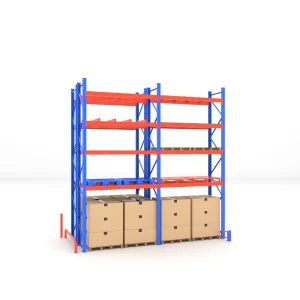
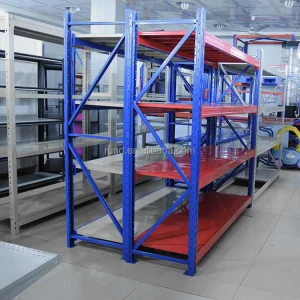
The industrial landscape in the United States is undergoing a seismic paradigm shift. Powered by rapid expansion in e-commerce fulfillment, onshore/nearshore manufacturing initiatives, and 3PL (third-party logistics) integration, modern warehouse space has become premium real estate. Key logistics clusters such as California's Inland Empire, northern New Jersey, the Chicago metropolitan area, and the Dallas-Fort Worth metroplex have seen rental rates climb and vacancy rates compress significantly.
Faced with escalating commercial lease rates and the prohibitive capital costs associated with new structural footprint construction, industrial enterprises are looking upwards. This is where industrial attic shelves and multi-tier mezzanine racks provide a high-value remedy. By turning dead overhead air volume into productive storage, assembly, or packing spaces, companies can increase their overall floor surface utilization by up to 100% to 200% without altering the building envelope.
Unlike standard modular storage shelving, multi-tier attic shelving platforms deployed in the United States must meet strict localized regulatory codes. These include:
Global distribution networks are moving past simple static storage. Modern industrial rack designs are dynamic components of digital logistics frameworks.
Today’s multi-tier attic platforms must handle dynamic stress loads from Automated Guided Vehicles (AGVs) and Autonomous Mobile Robots (AMRs) operating on the floor and intermediate deck levels.
Global standards, especially in seismic-prone areas like the US West Coast, demand rigorous mechanical calculations to prevent catastrophic failure under lateral accelerations.
Rising global steel costs require intelligent engineering. Standardizing high-yield-strength cold-rolled profiles reduces steel mass while maintaining structural load capacities.
Founded in 2014, Foshan FlexiRack Intelligent Logistics Equipment Co., Ltd. operates a state-of-the-art manufacturing facility spanning 32,000 m². With 12 years of industry experience and 8 years of dedicated export experience, the company achieves an annual export revenue of $18 million.
Quality is paramount, backed by ISO9001 and CE certifications, utilizing rigorous ultrasonic flaw detection and dynamic load testing conducted by a dedicated QA team of 35 specialists. Operating as an OEM/ODM export manufacturer, our primary markets cover North America, Europe, and Southeast Asia. We maintain strong ties with over 850 supply chain partners, primarily serving third-party logistics (3PL) providers, industrial distribution centers, and e-commerce fulfillment hubs. Supported by 45 R&D engineers, we offer full-spectrum custom engineering (including custom load capacities, seismic designs, and automated ASRS integration), having launched 120 new storage solutions last year.
Ensuring raw material integrity, exact cold-roll forming, and high-durability finish lines.
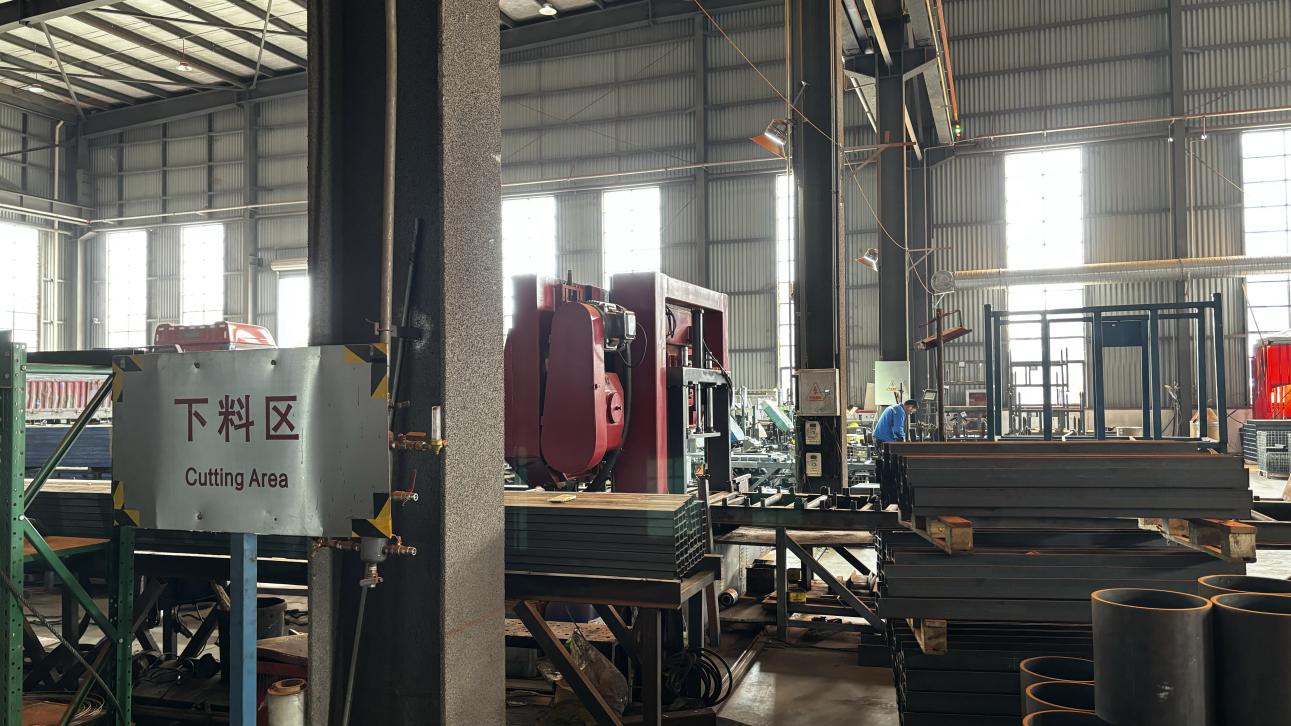
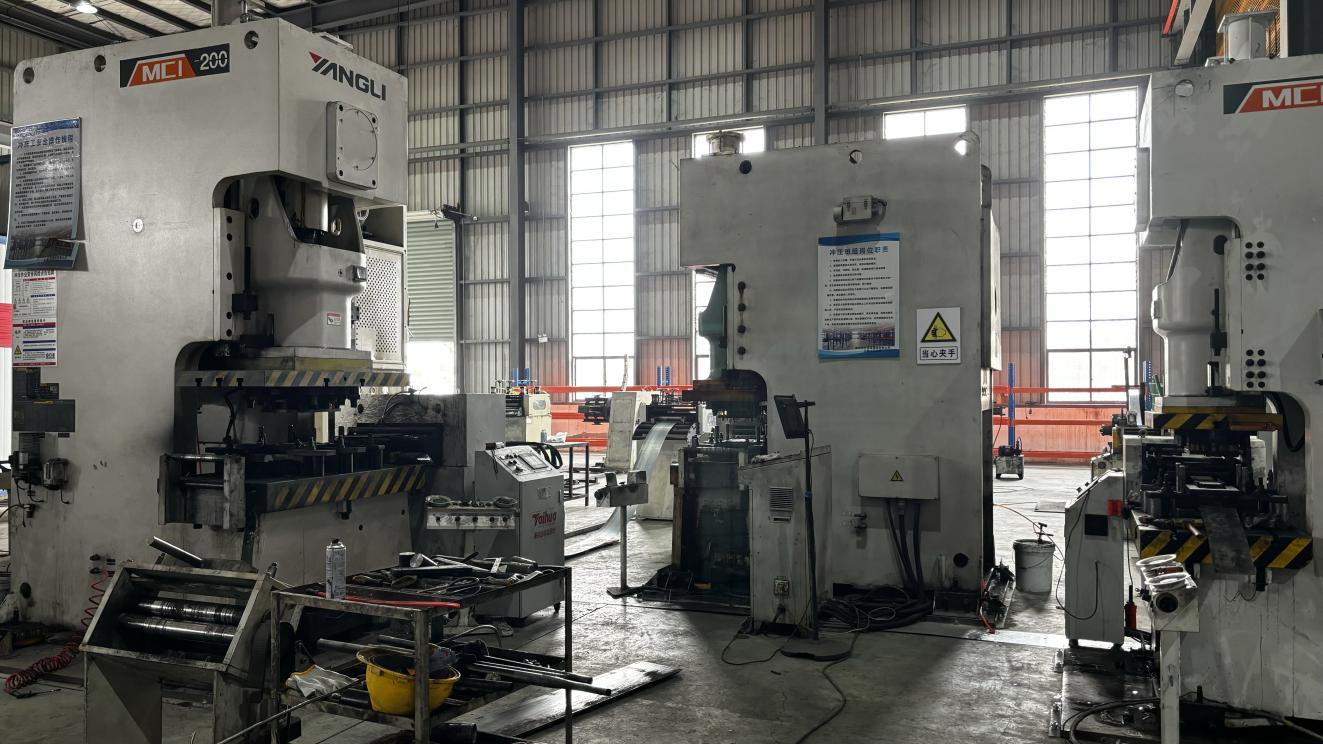
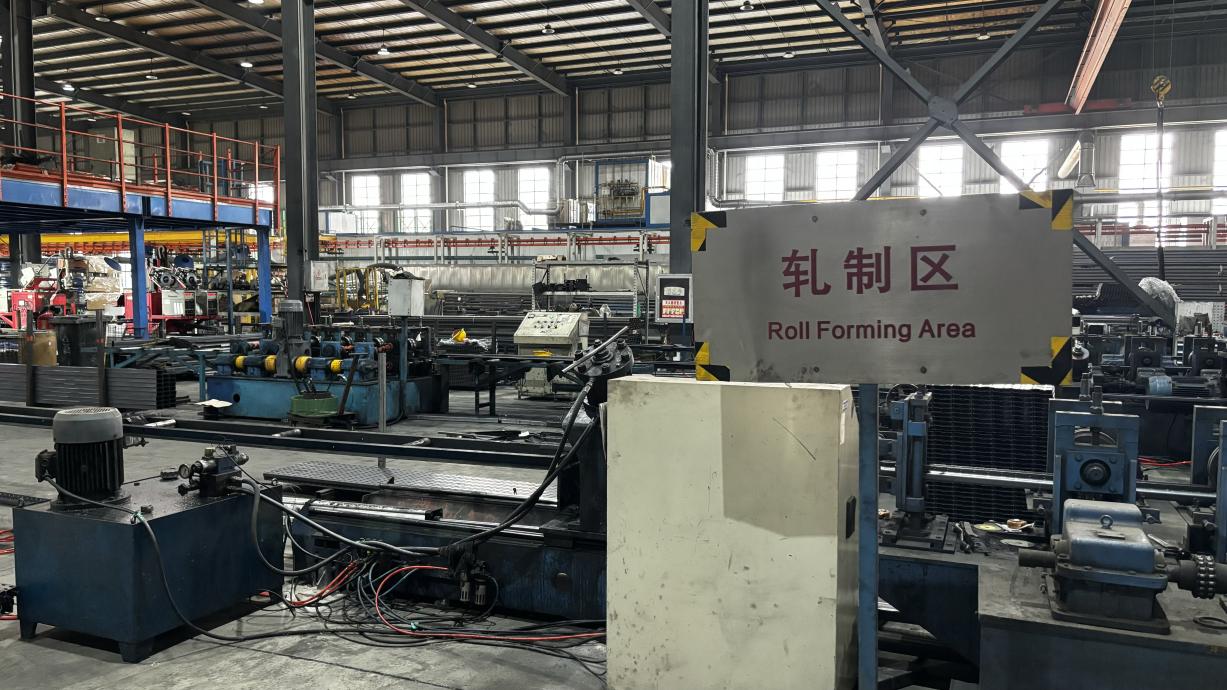
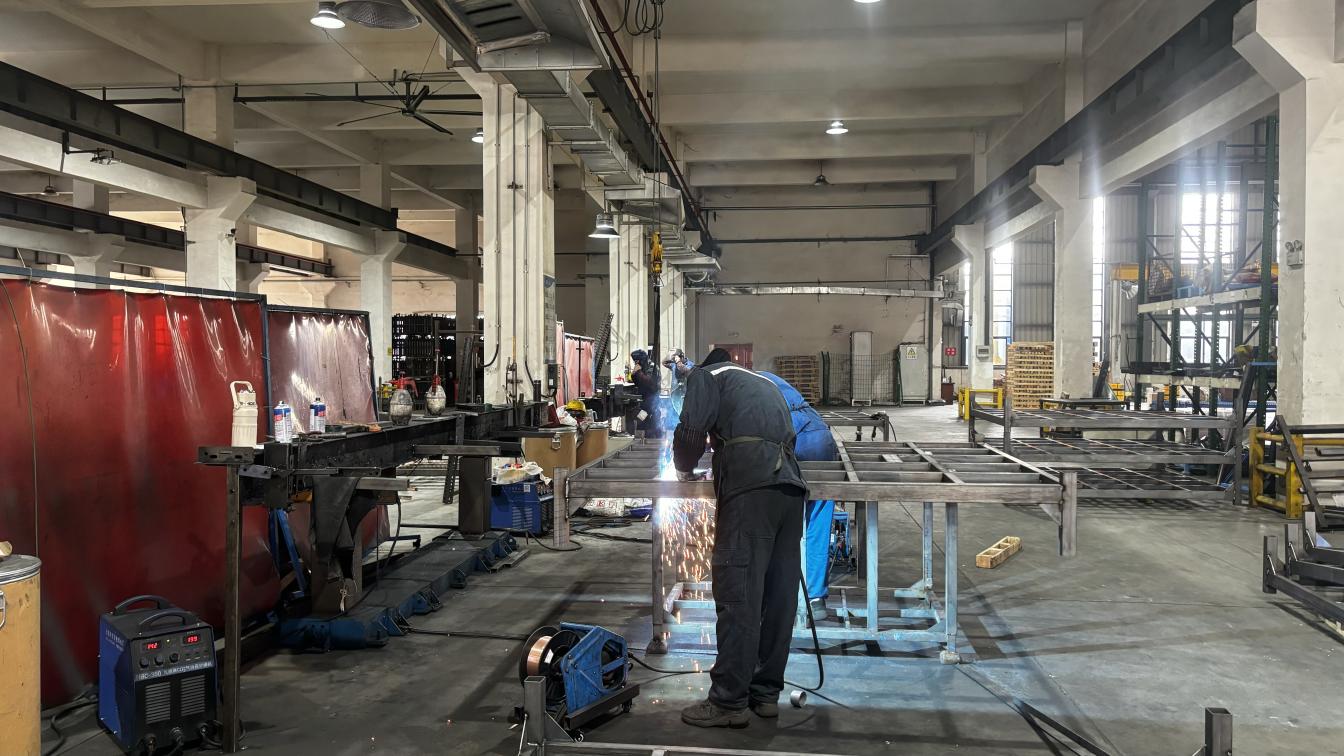
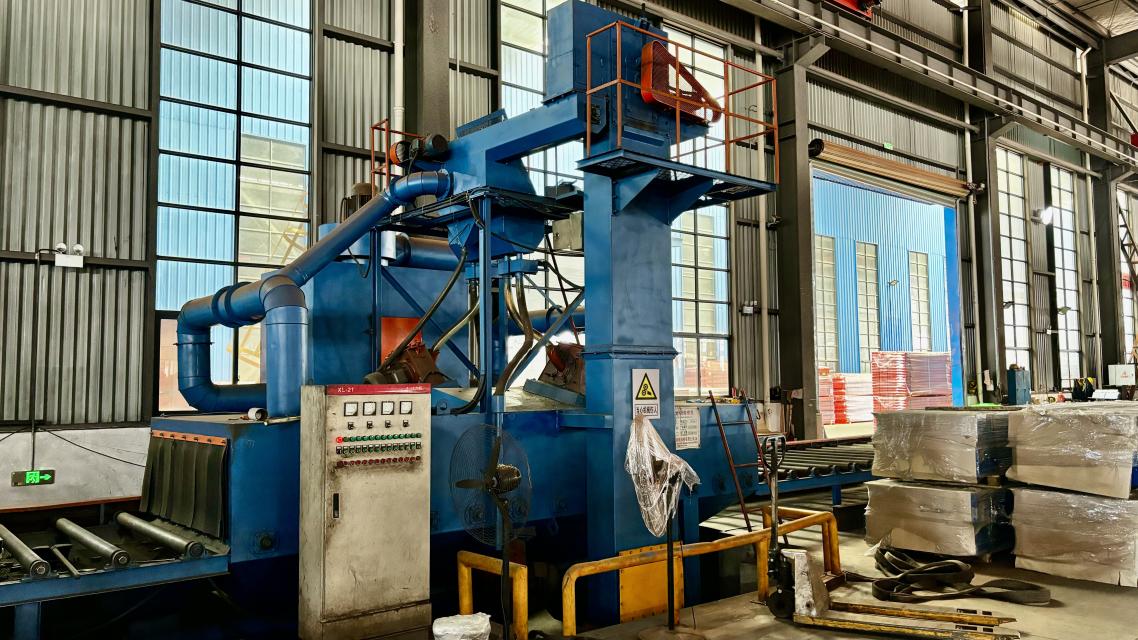
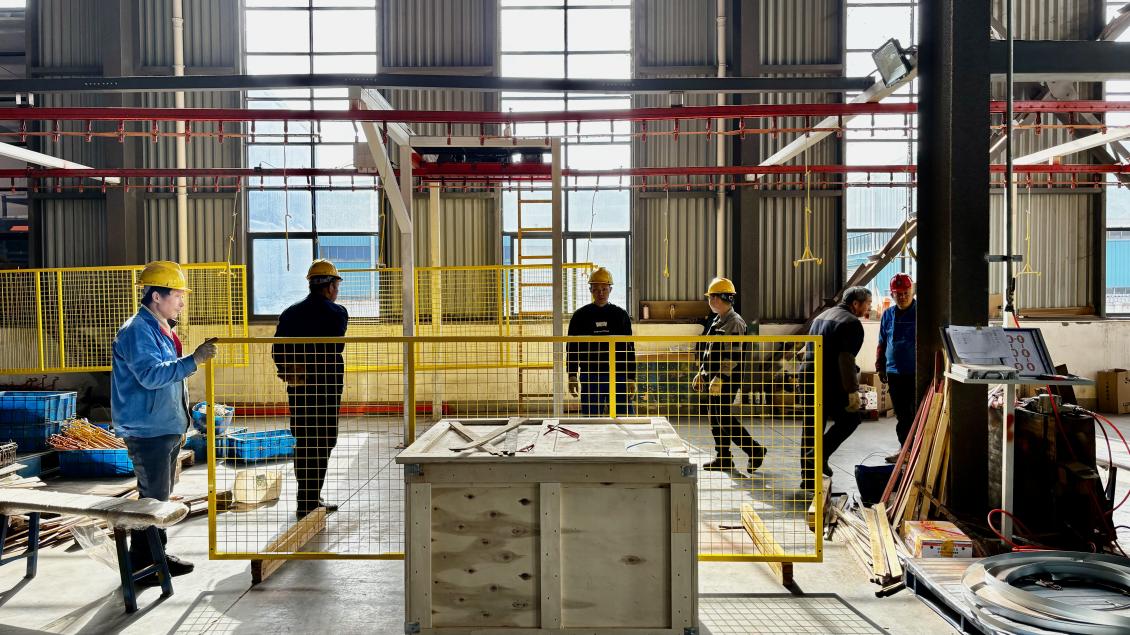
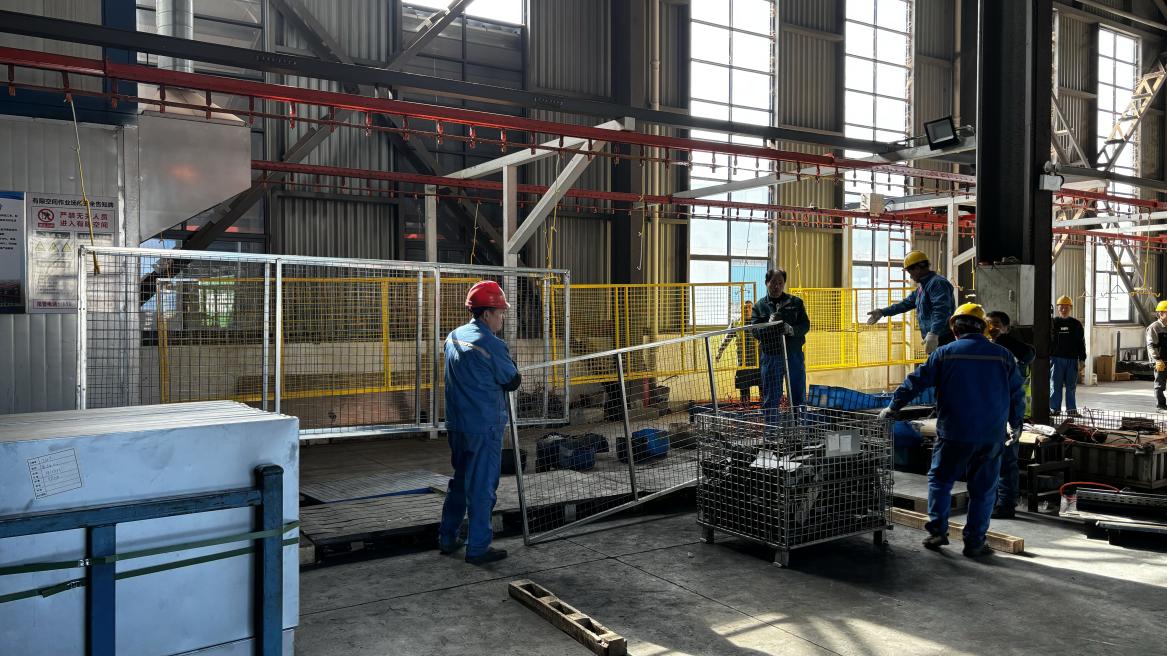
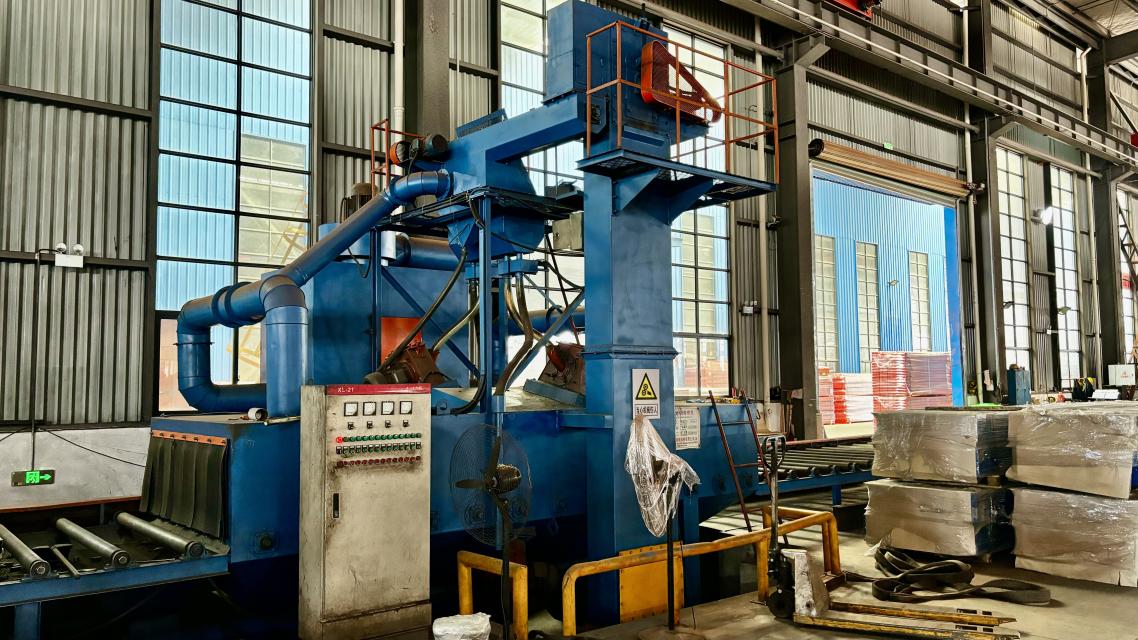
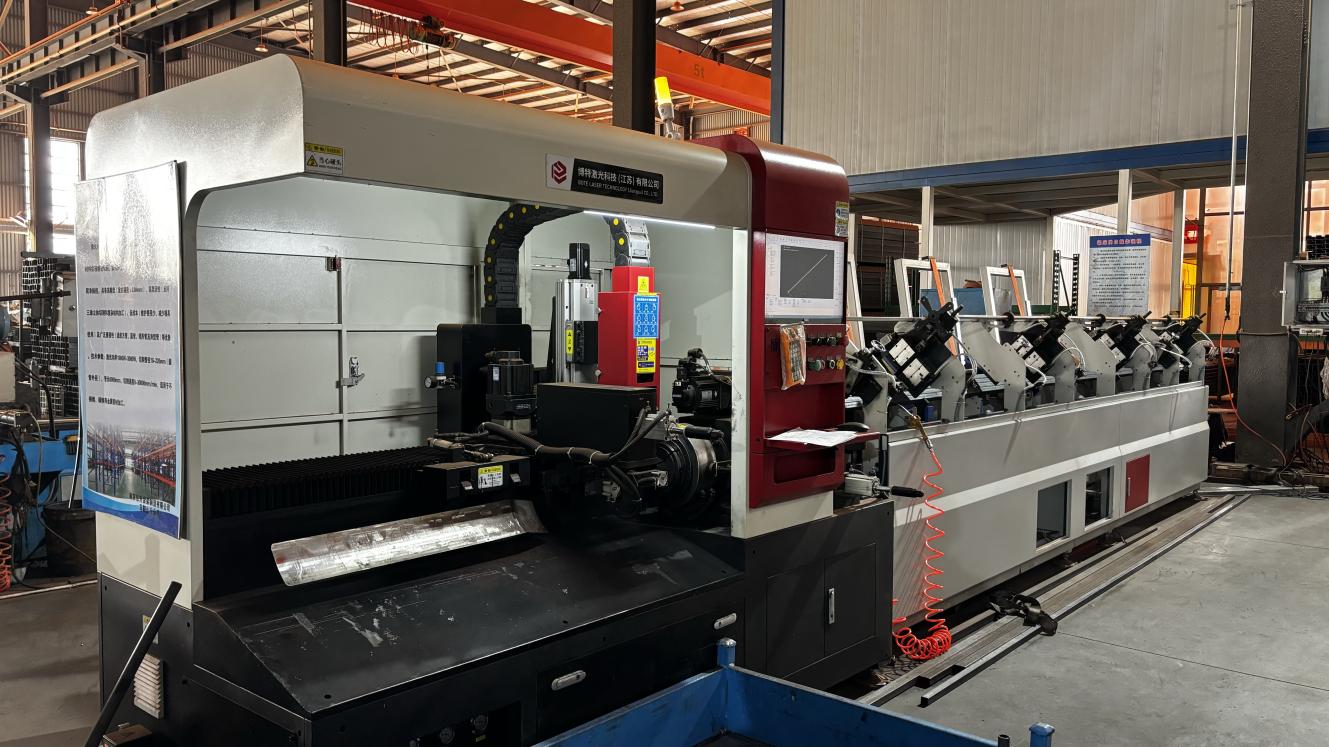
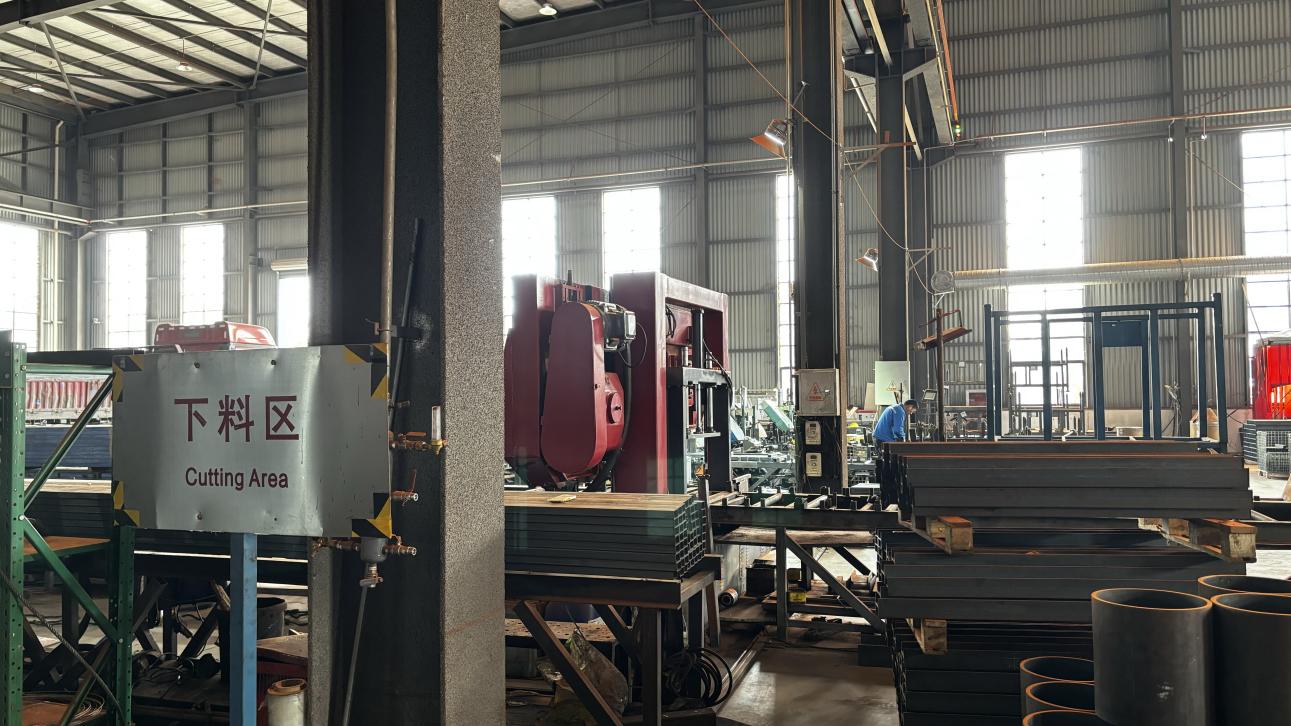
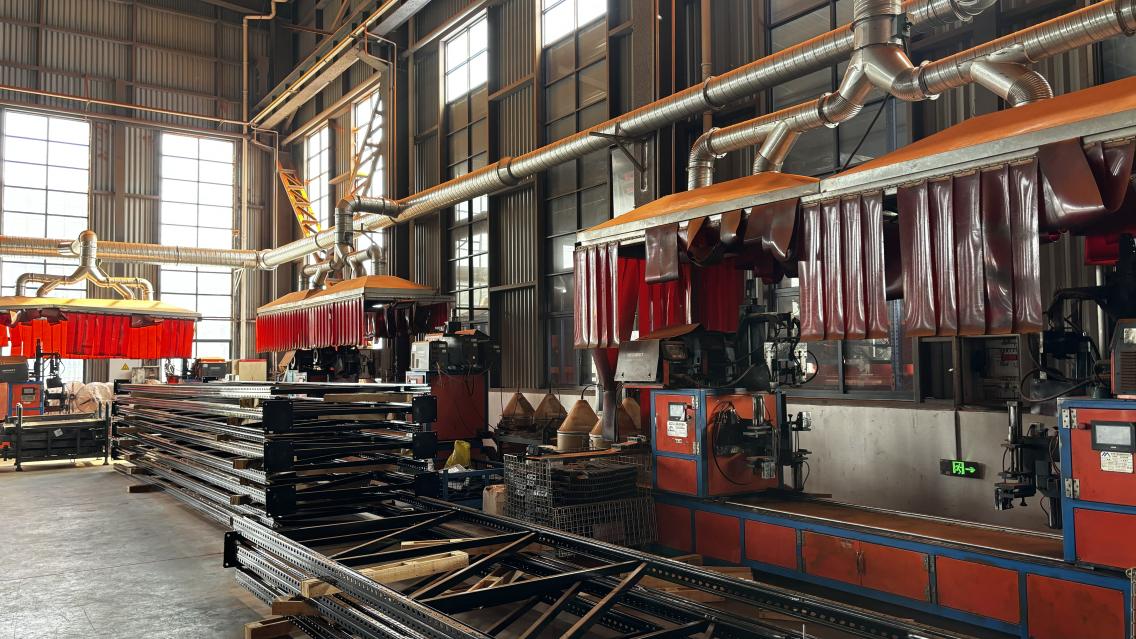
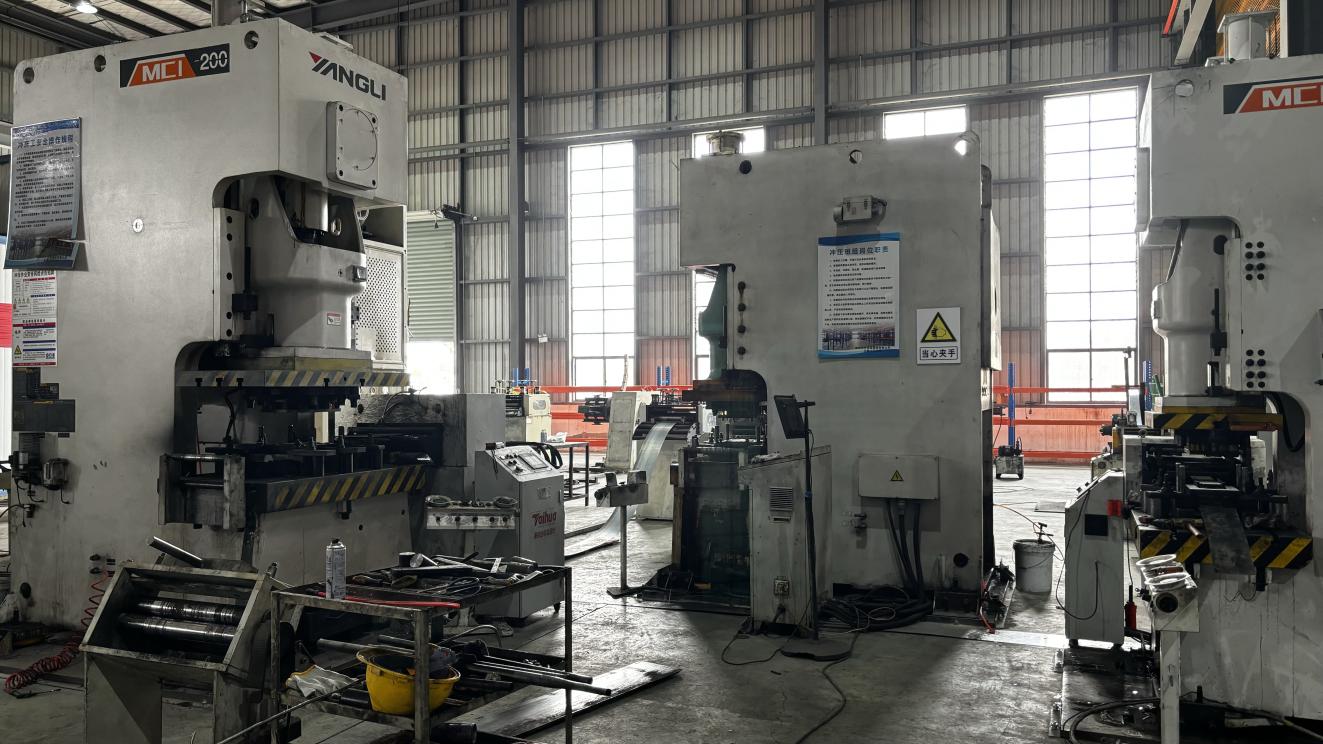
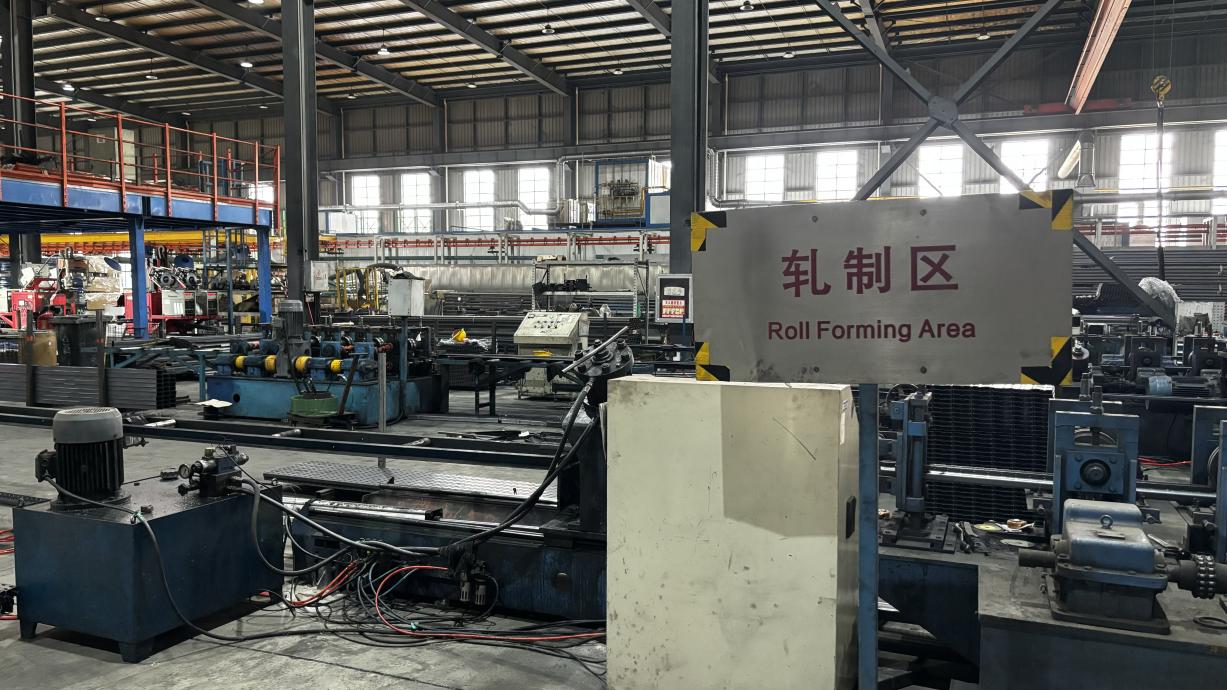
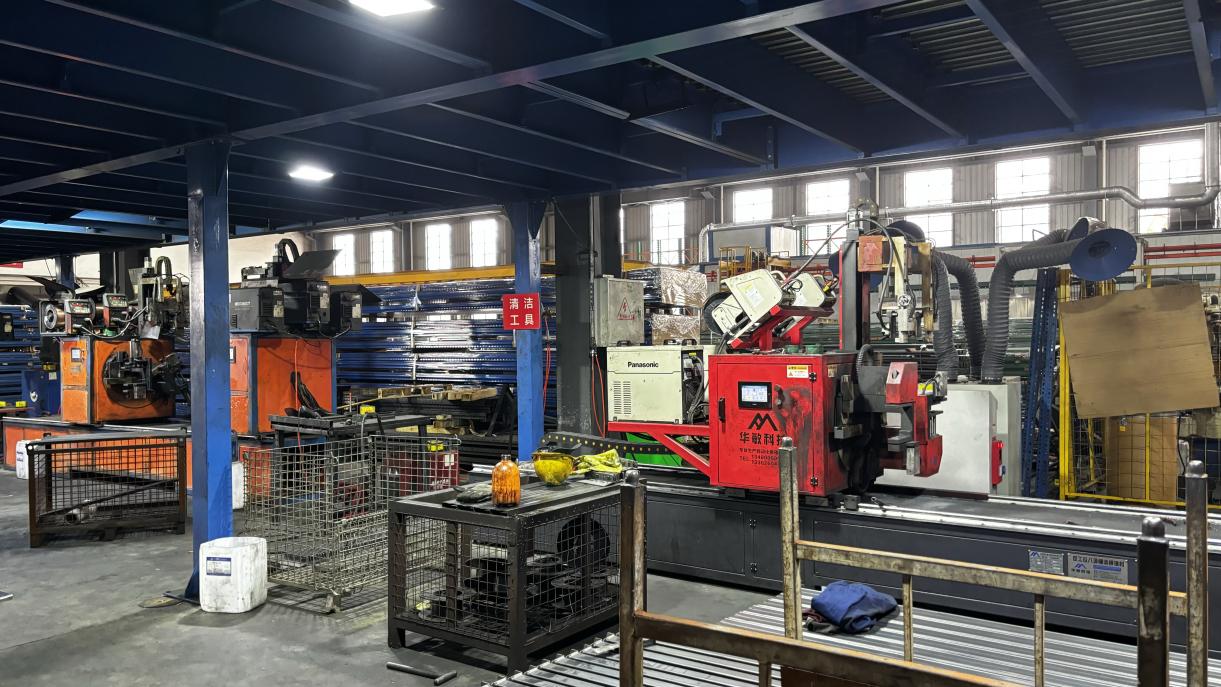
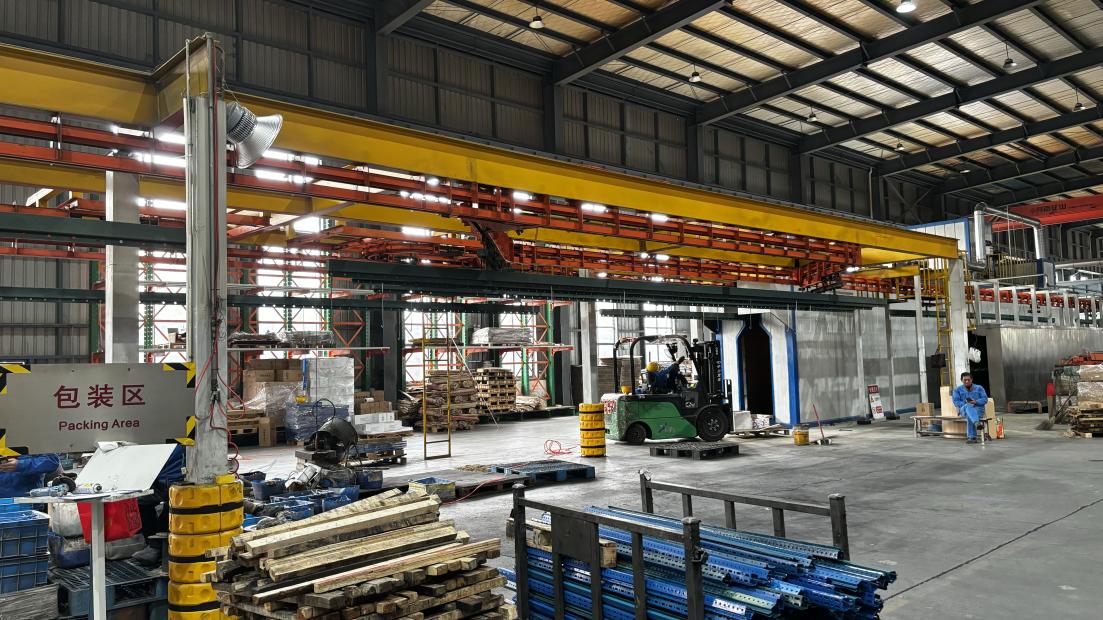
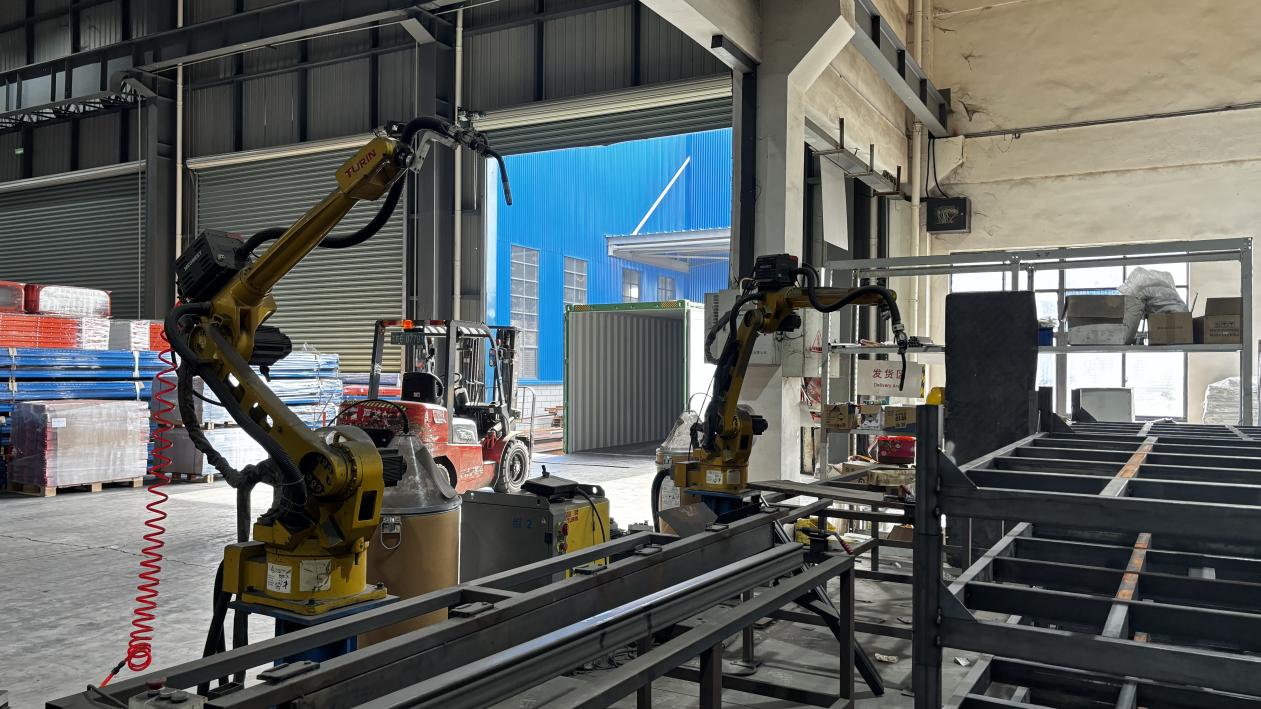
By sourcing raw materials from local premium steel mills and operating in the industrial manufacturing heart of Foshan, FlexiRack achieves production efficiencies that translate to cost-effective storage solutions. We combine advanced automated roll-forming and robotic welding with strict structural engineering standards.
For US procurement managers, this efficiency means access to high-quality racking systems that meet ASTM requirements at a lower landed cost, even after accounting for international logistics. We bridge the gap between regional US engineering requirements and scalable Chinese manufacturing efficiency.
How different industrial sectors in the United States deploy FlexiRack's structural configurations to optimize operations.
With thousands of active SKUs, e-commerce centers use multi-tier shelves to create pick-to-belt zones. Low-profile floor plans are split into dense, two-level processing zones, tripling daily order processing capacity.
Auto dealerships and parts centers require high-density storage for irregularly shaped items. Heavy-duty cantilever levels and customized shelves allow for safe storage of bulky structural components.
Heavy manufacturing plants use attic mezzanine levels to house tools, machinery parts, and testing bays directly above active assembly floors, maximizing production space.
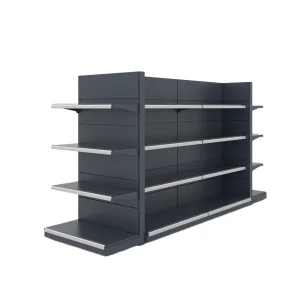
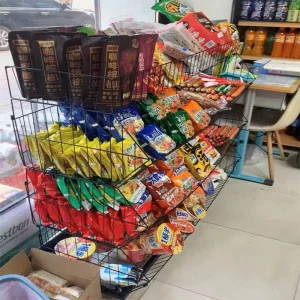
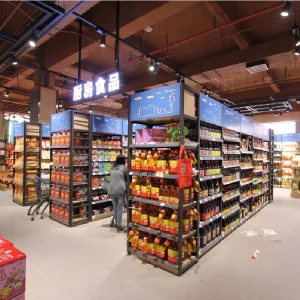
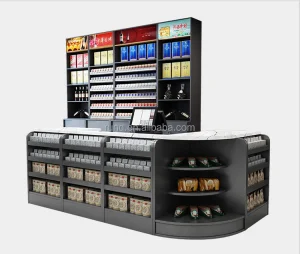
High-performance display racks, utility units, and custom checkout solutions for retail and logistics applications.
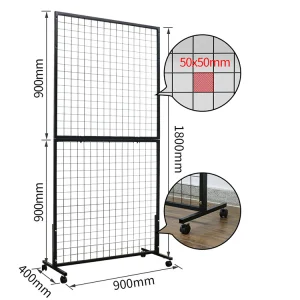
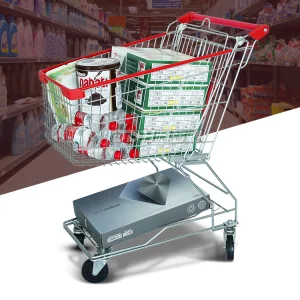
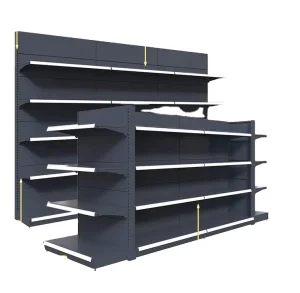
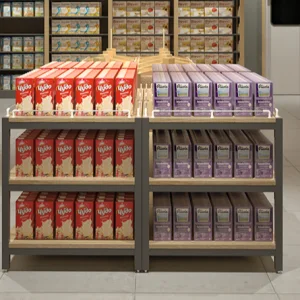
Understanding the Total Cost of Ownership (TCO) is essential for US enterprise buyers comparing localized manufacturing against direct factory importing.
Importing steel products into the United States requires experience with current duty rates, HTS classification codes, and shipping processes. FlexiRack offers DDP (Delivered Duty Paid) shipping to simplify procurement. We handle export customs, ocean freight, US port handling, customs clearance, and inland trucking to your facility.
Our packaging processes optimize ocean container utilization. By nesting structural uprights and step beams, we maximize density inside each 40-foot HQ container, reducing per-unit shipping costs.
Addressing key technical and logistics questions for US engineers, supply chain managers, and procurement buyers.
Yes. All our structural designs, handrails, stairways, and landing areas are engineered to meet IBC and OSHA 1910 Subpart D regulations. We provide engineering drawings to assist with local permitting processes.
Our 45 R&D engineers calculate seismic loads based on local building requirements, particularly for seismic design categories in regions like the West Coast. We configure custom baseplates, heavier upright gauges, and specialized bracing arrays to meet lateral load demands.
We use premium cold-rolled and hot-rolled structural steel (typically Q235B and Q355B, which meet the performance levels of ASTM A36 and ASTM A1011 SS Grade 36/50). Mill test certificates detailing chemical compositions and mechanical properties are available upon request.
Our manufacturing lead time ranges from 25 to 35 days, depending on custom requirements. Ocean transit to West Coast ports (e.g., Los Angeles/Long Beach) is about 18 to 22 days, while East Coast ports (e.g., New York/Savannah) take approximately 30 to 35 days.
Our 35-specialist QA team oversees strict inspections throughout production. This includes raw material verification, regular weld inspections using ultrasonic flaw detection, and dynamic load testing to verify load limits prior to packaging.
Yes, we provide customization for automated storage systems. Our engineers work alongside system integrators to configure racking tolerancing, sensor mounts, and guide rails for seamless ASRS, AGV, and shuttle integration.
Connect with our structural engineering team. We provide layout design, loading calculations, and competitive pricing for projects in the United States.
Send Inquiry Now FlexiRack