FlexiRack
Germany Fresh Produce Logistics Landscape: A Technical Deep-Dive
Unlocking supply chain velocity with dynamic high-density storage and cold-chain compliance.
Germany's Fresh Produce Backbone: Agricultural Processing and Import Hubs
Germany stands as the largest European market for fresh fruit and vegetables, consuming millions of metric tons annually. Domestic processing regions such as Altes Land (the orchard center of northern Germany), Werder (Havel), and the fruit-growing cooperatives around Bodensee demand rapid post-harvest cooling and seamless packaging-to-transport transitions. Concurrently, major logistics ports like the Port of Hamburg and inland dry ports (e.g., Duisburg Logport) serve as the primary conduits for imported bananas, citrus, and leafy greens from global exporters.
To prevent decay, cold chain logistics in Germany must comply with strict food safety regulations (such as HACCP and the German Food Hygiene Regulations - LMHV). The storage equipment inside cooling rooms and regional distribution centers must handle sub-zero temperatures, high relative humidity, and acidic organic emissions from ripening fruit. This requires high-grade steel profiles with advanced anti-corrosion surface treatments, such as hot-dip galvanizing and specialized powder coatings.
Global Cold-Chain Demand and High-Density Warehousing
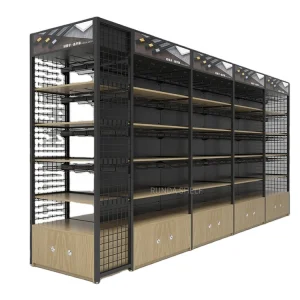
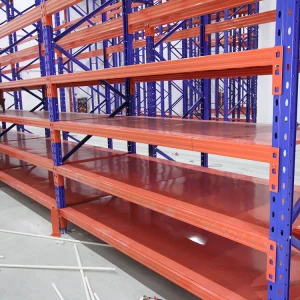
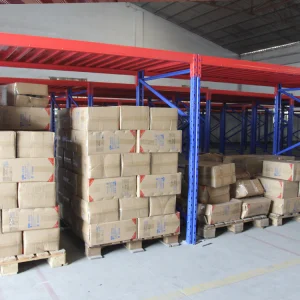
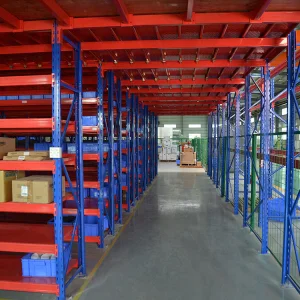
On a global scale, the fresh produce supply chain is transitioning toward automated storage and retrieval systems (ASRS) and shuttle racking. Palletized fruits and vegetables cannot remain in ambient conditions for extended periods. High-density racking systems, including Drive-In, Gravity Flow, and Push-Back systems, are essential to implement the First-In, First-Out (FIFO) batch management principle. This ensures that shipments with shorter shelf-lives are dispatched first, significantly minimizing food waste and maximizing inventory rotation efficiency.
Standard carbon steel becomes brittle under prolonged exposure to temperatures below -10°C, increasing the risk of structural failure under impact. In German cold-storage hubs, warehouses specify steel grades like Q355D or Q460D which possess certified impact energy values at low temperatures. In addition, powder coatings must use UV-resistant, non-toxic, food-safe epoxy-polyester formulas that do not crack or release VOCs when subjected to thermal cycles.
The Efficiency Synergy of Chinese Manufacturing
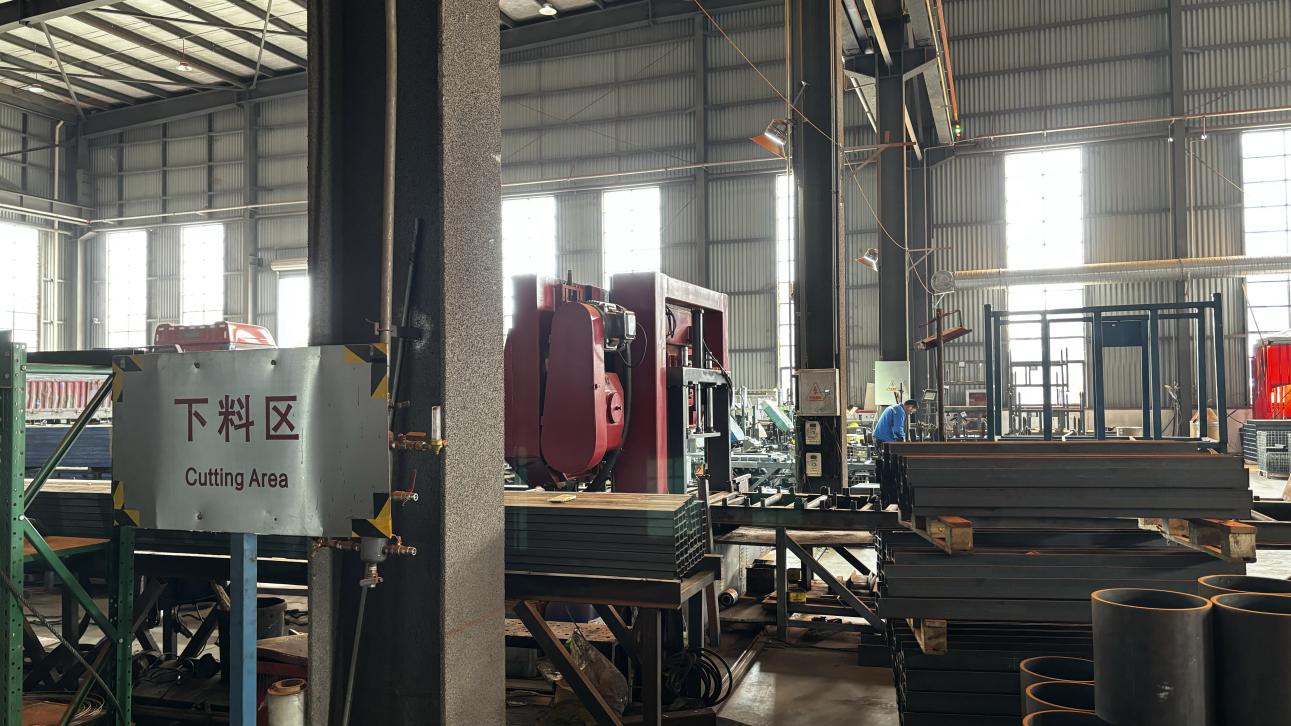
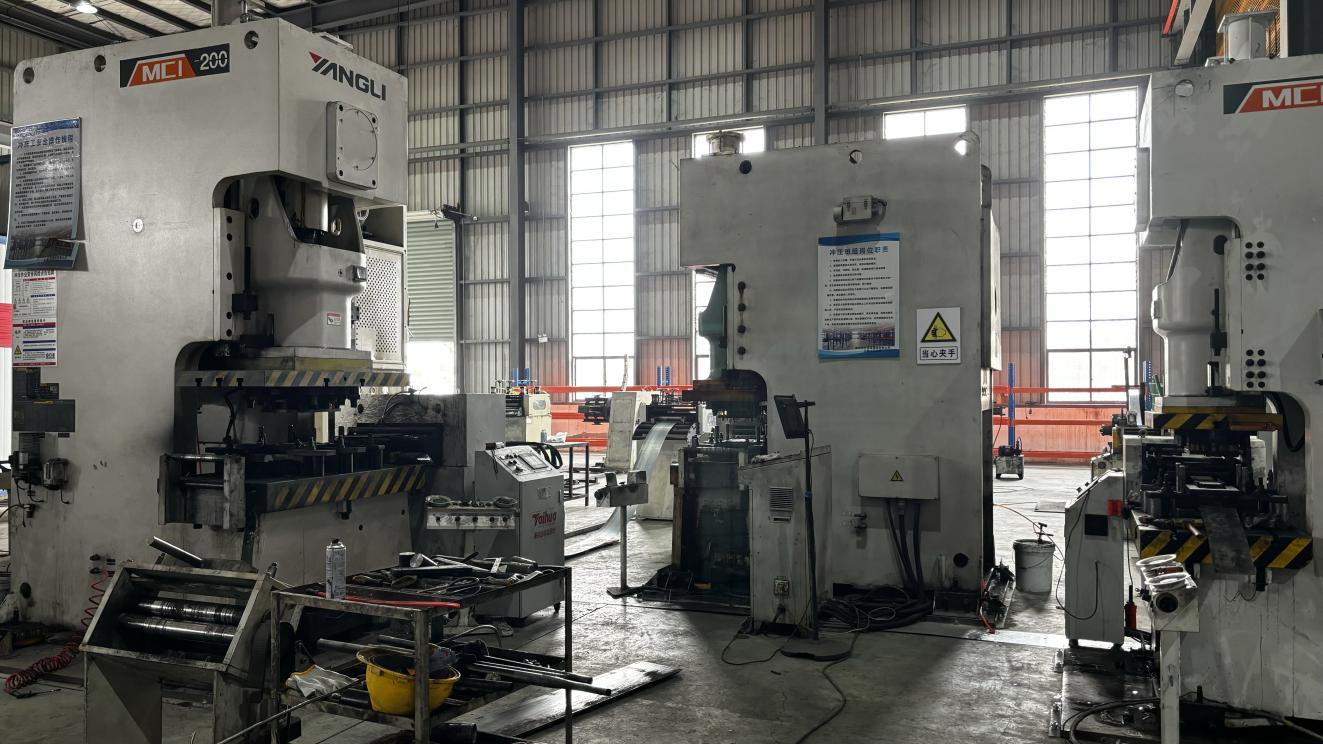
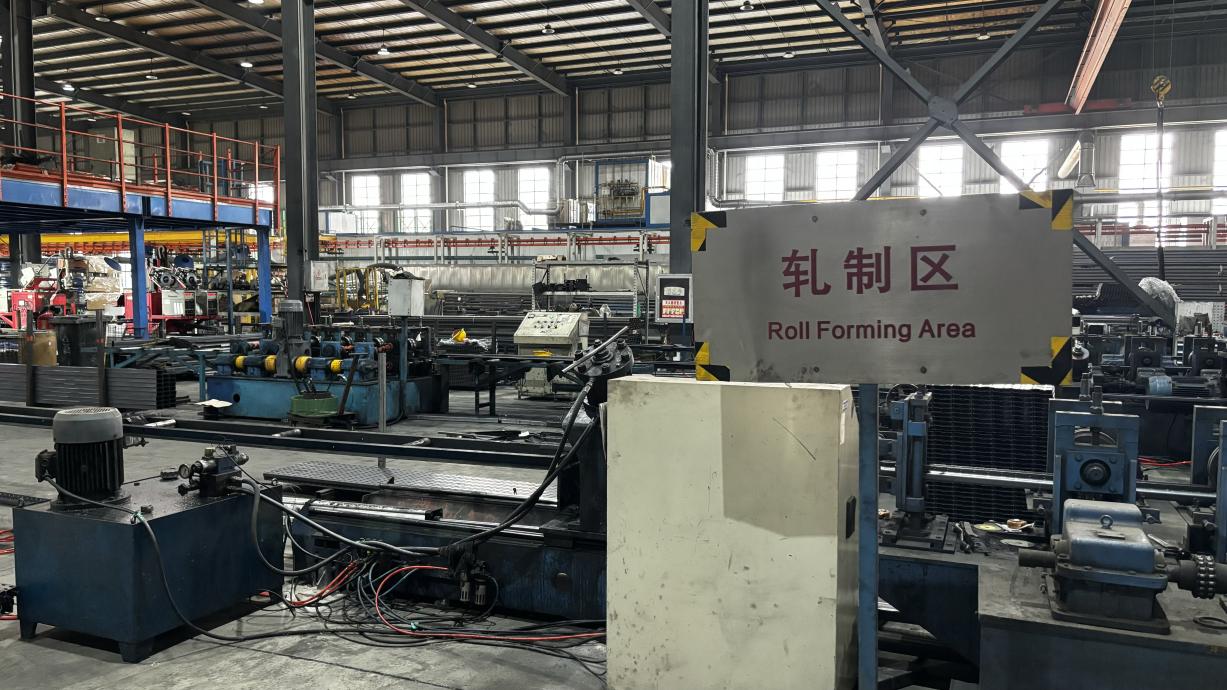
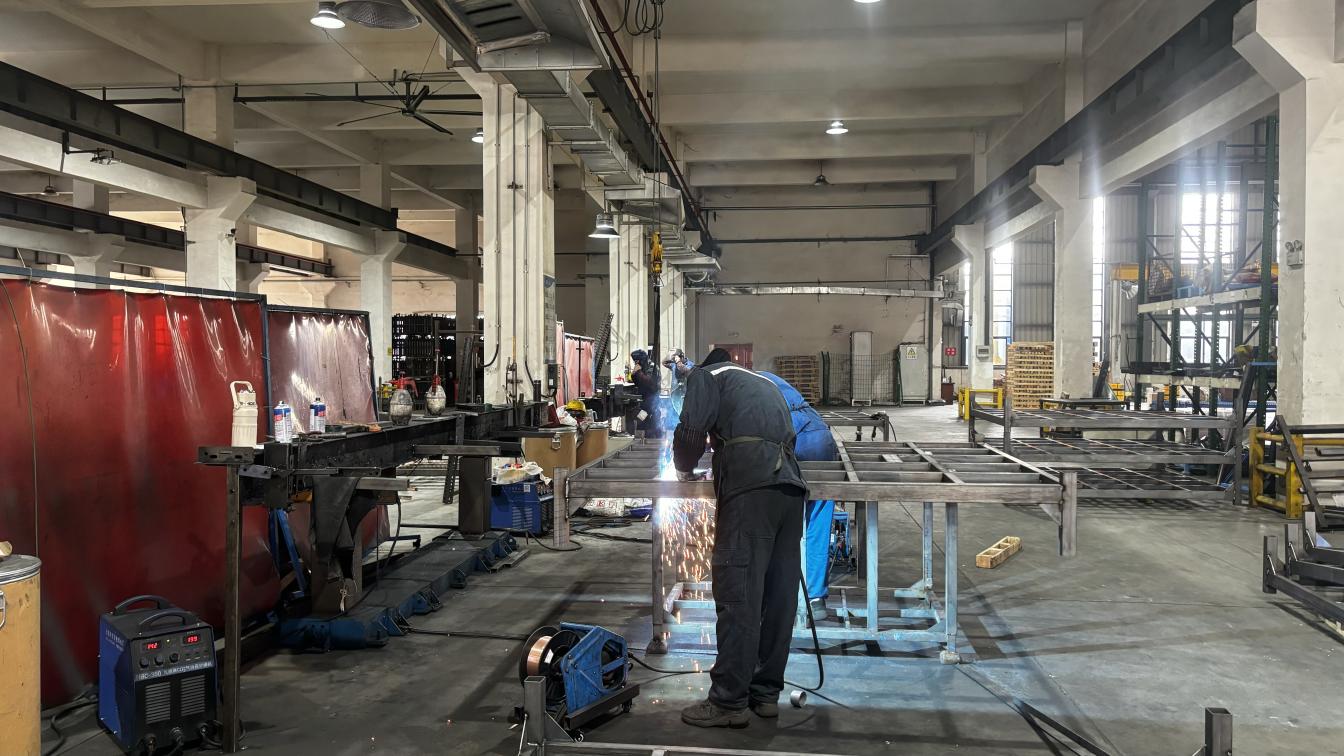
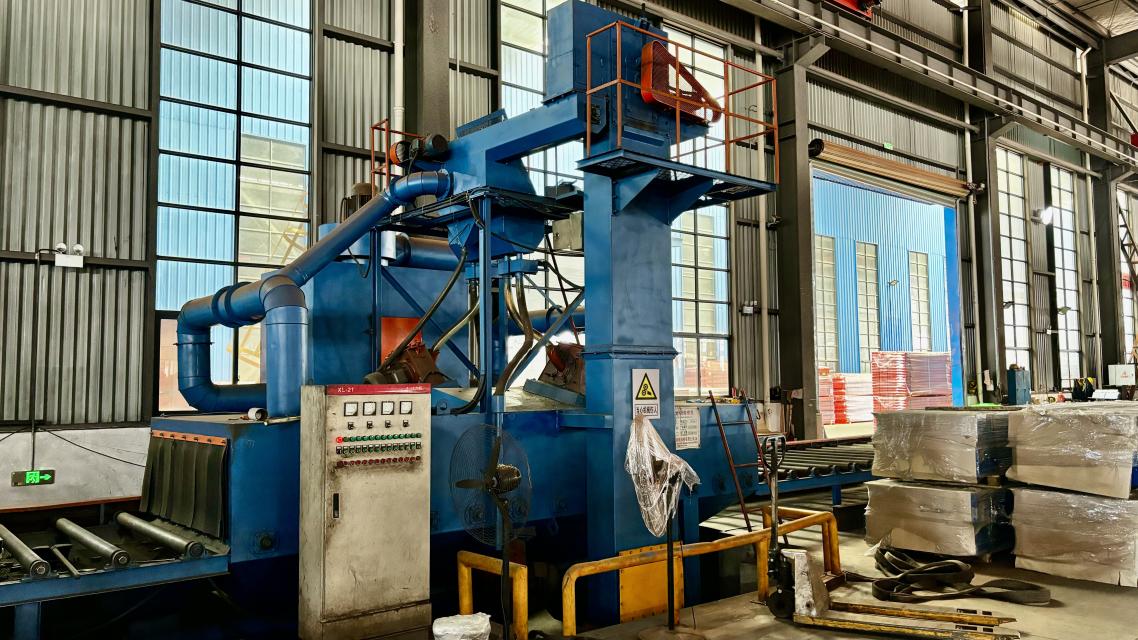
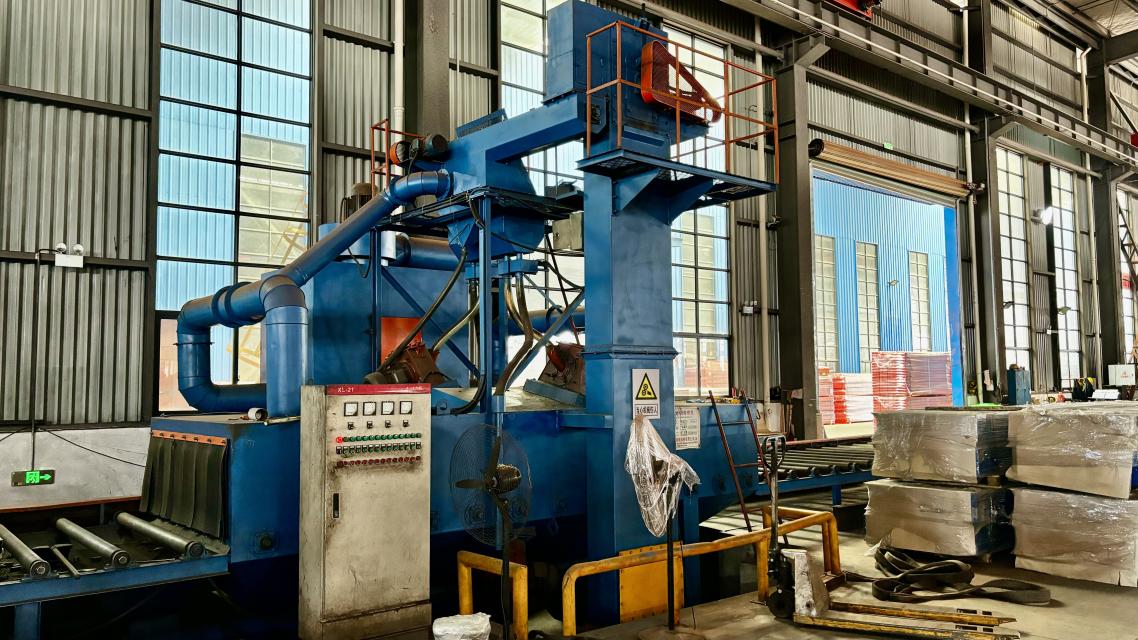
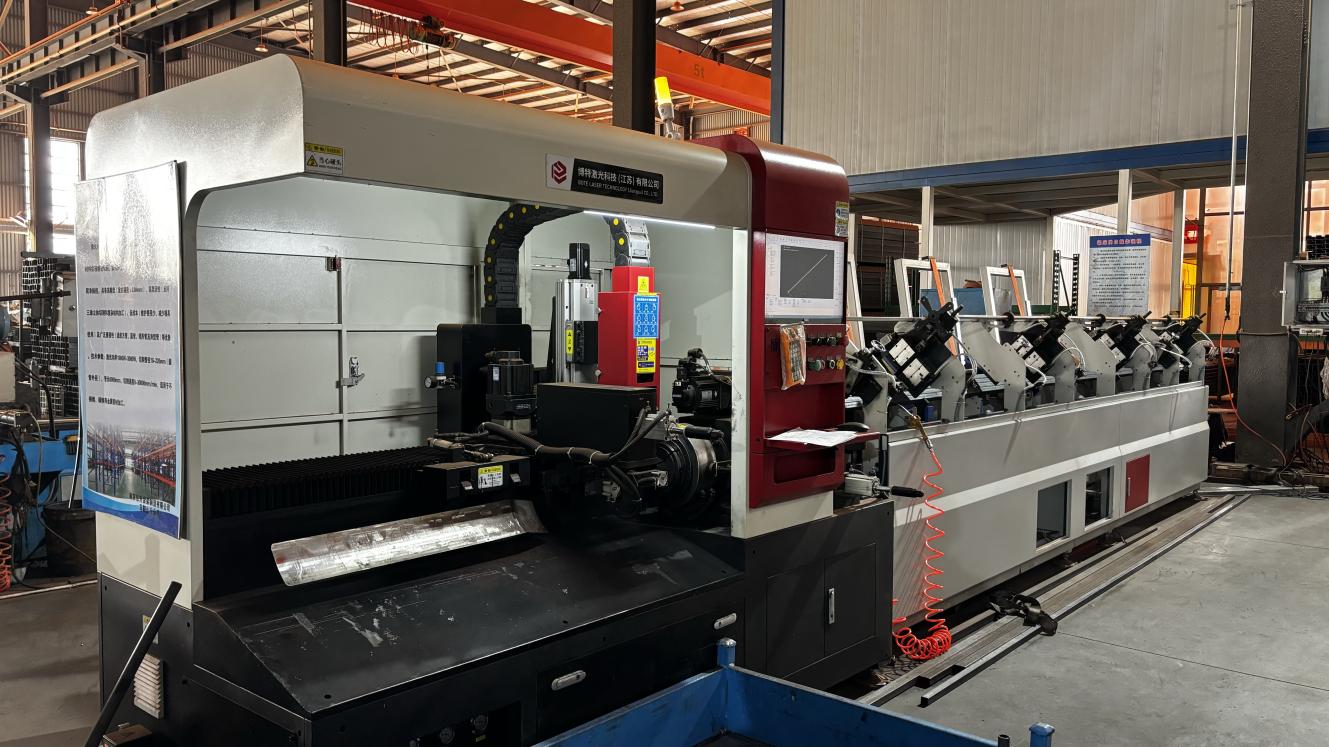
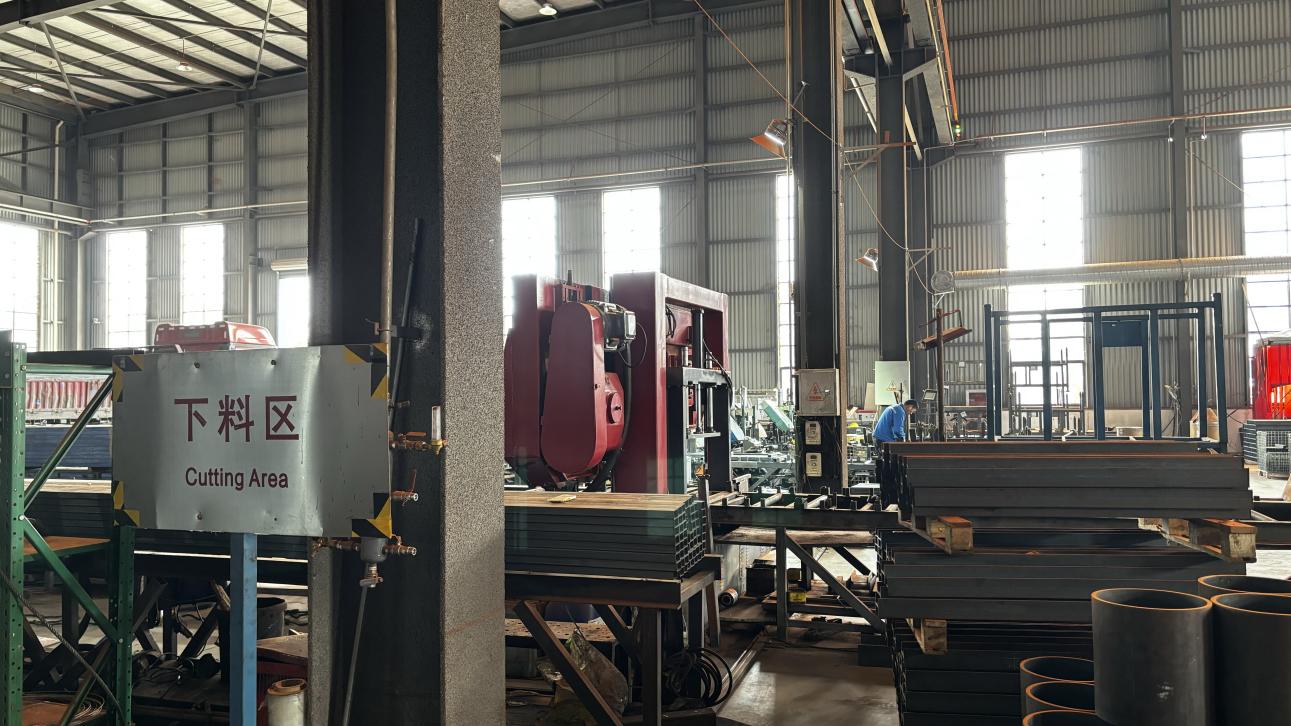
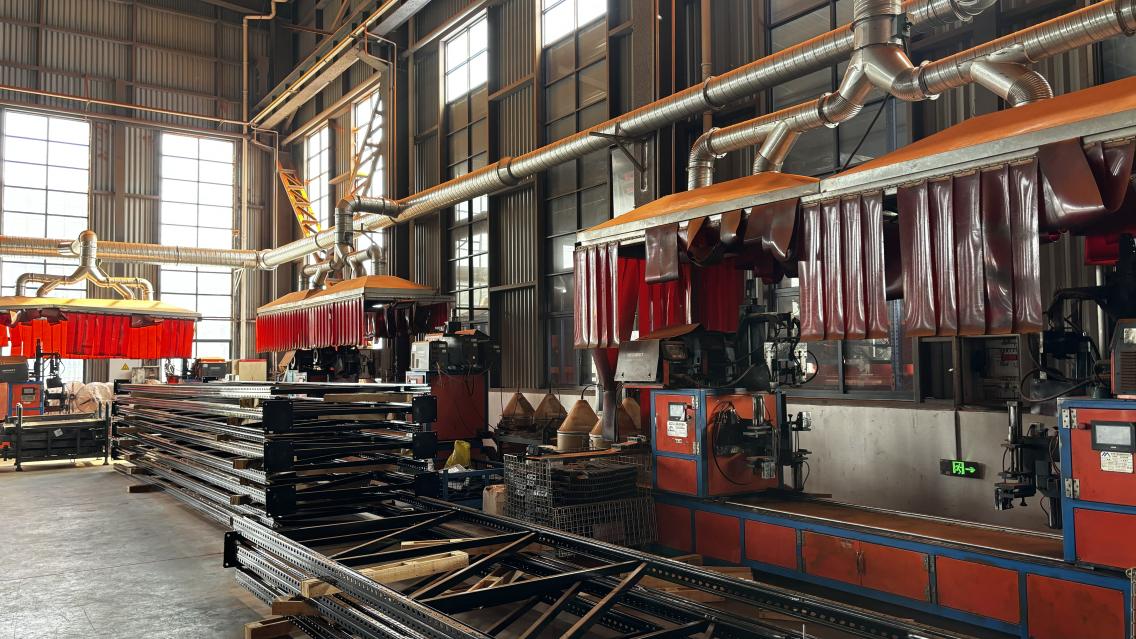
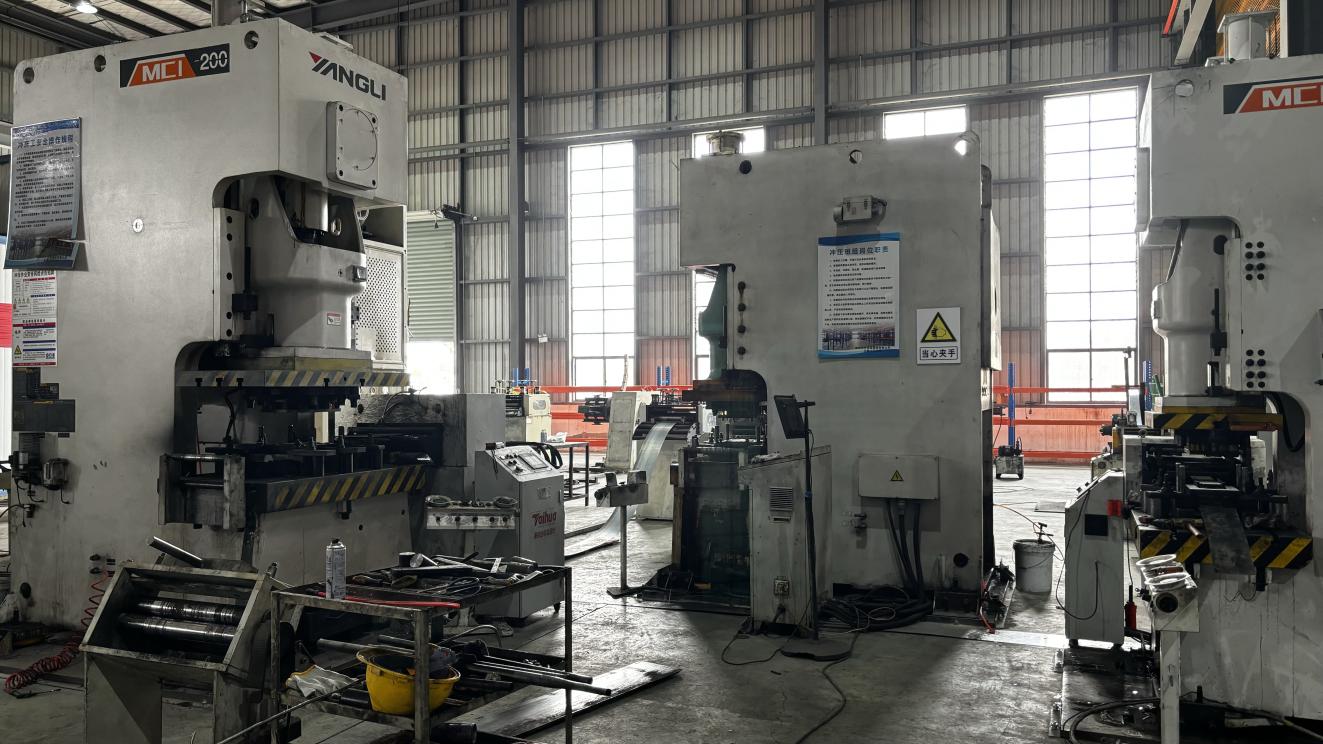
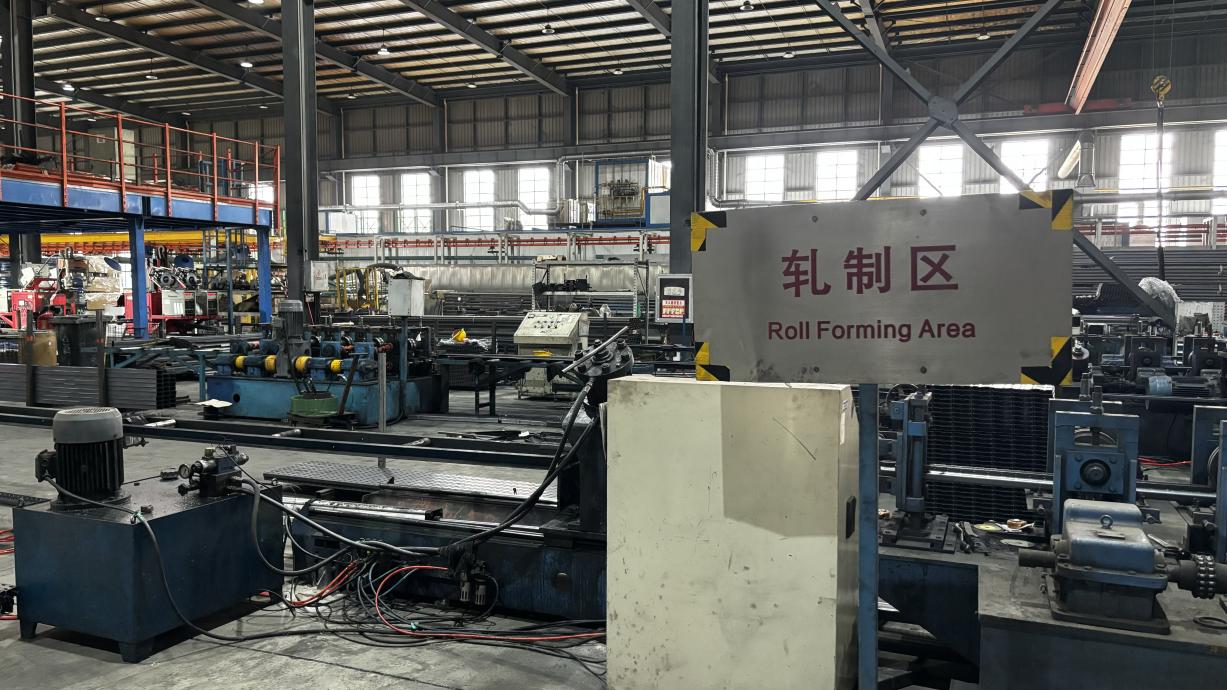
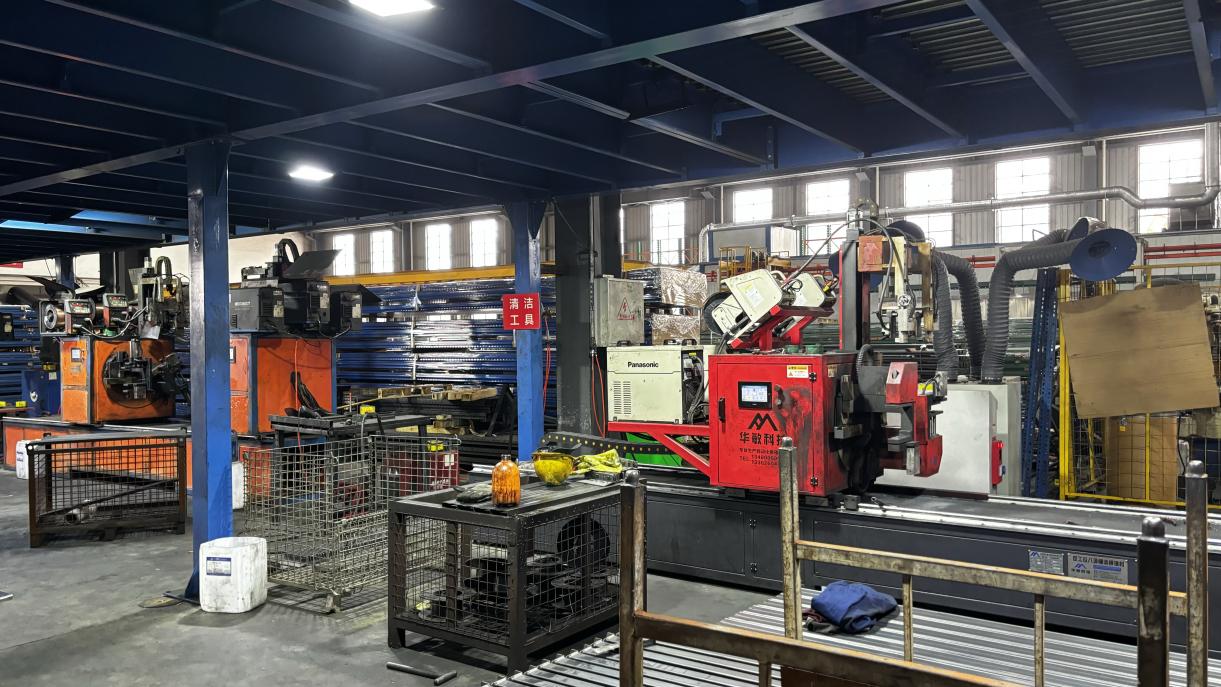
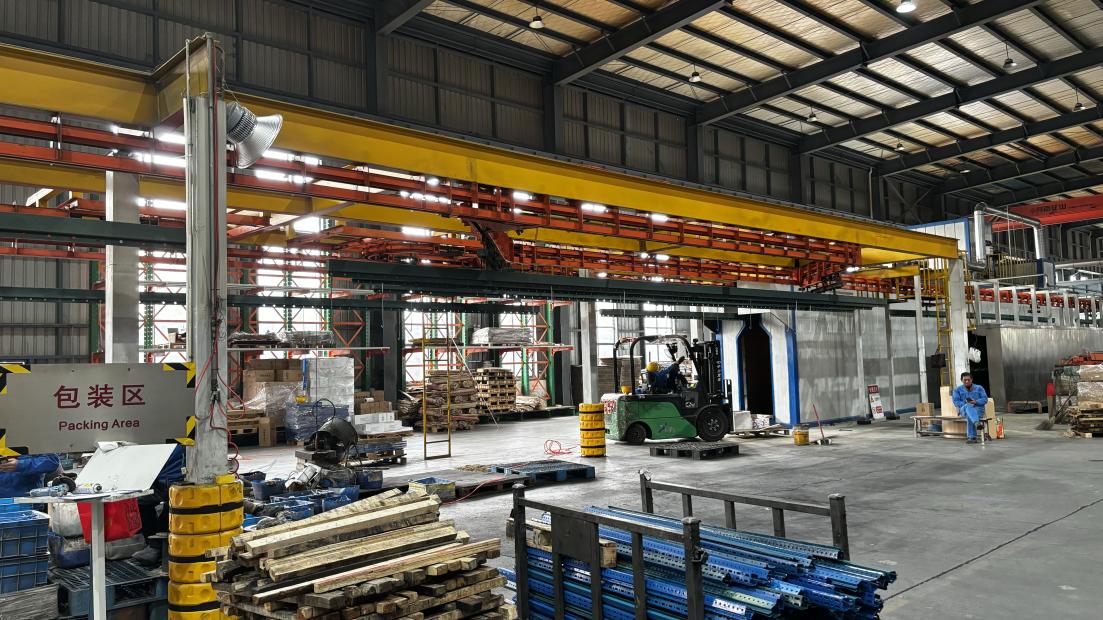
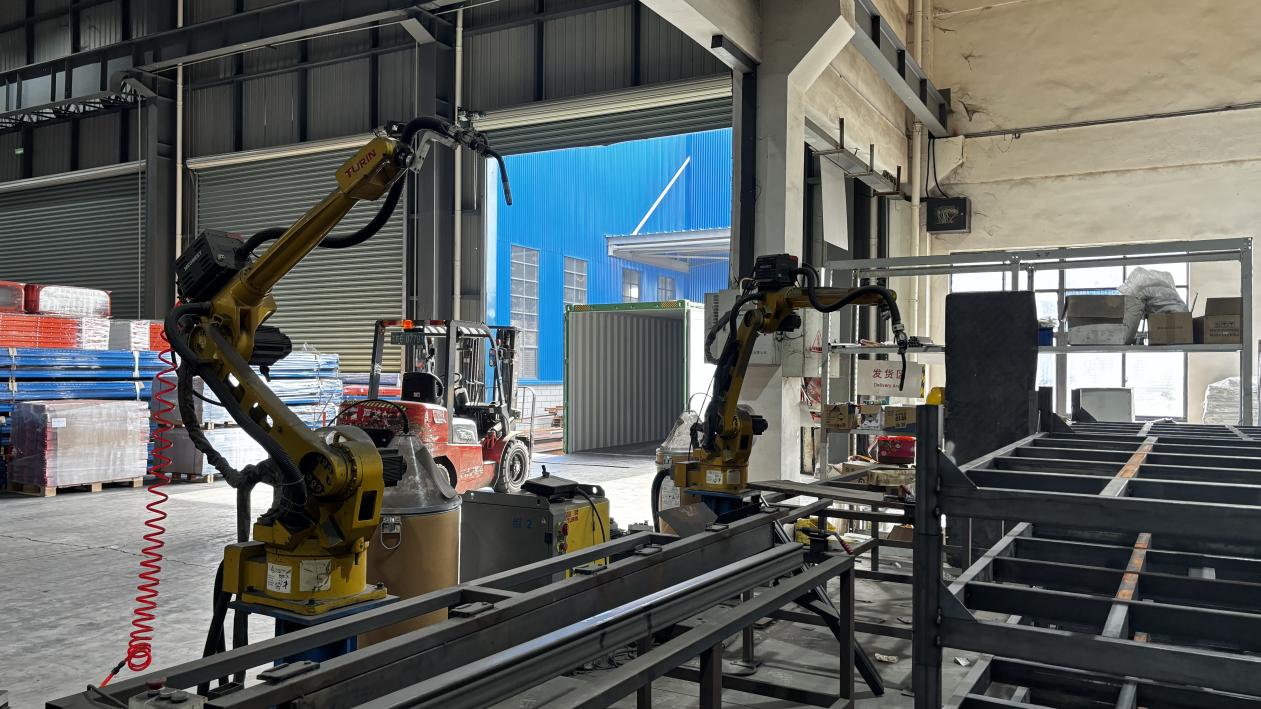
As a leading Chinese OEM/ODM logistics equipment manufacturer, Foshan FlexiRack Intelligent Logistics Equipment Co., Ltd. bridges the gap between cost-efficiency and premium engineering. Our automated production line utilizes precision rolling and robotic welding to ensure consistency across complex structural profiles. This efficiency provides several advantages for European distributors:
- Material Traceability: Every batch of steel is tracked from the mill, conforming to CE certifications and ISO9001 quality metrics.
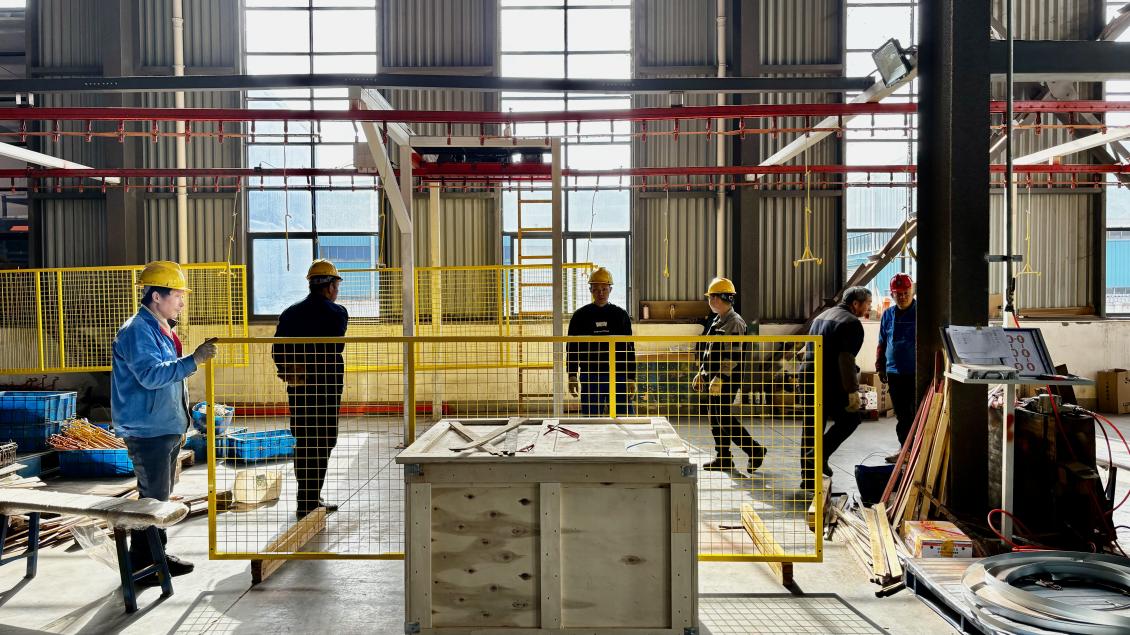
- Rigorous Testing: In-house QA teams perform ultrasonic flaw detection on weld joints and structural load tests to simulate pallet weights up to 4000kg.
- Seismic Engineering: Custom designs accommodate the regional seismic requirements of southern Germany and Central Europe, meeting Eurocode 3 standards.