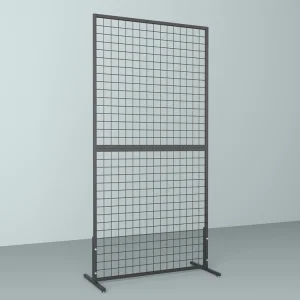
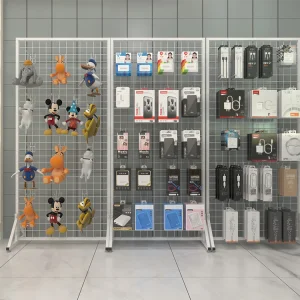
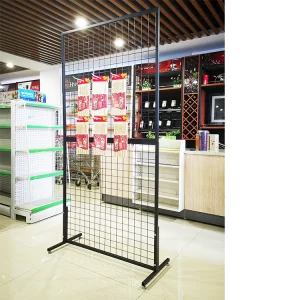
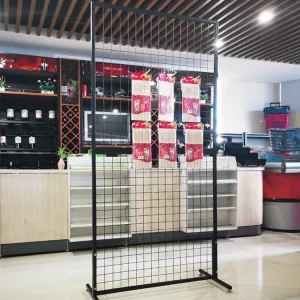
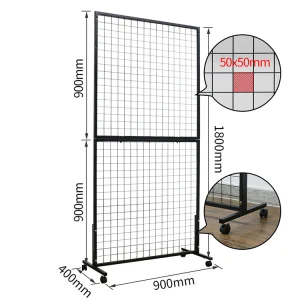
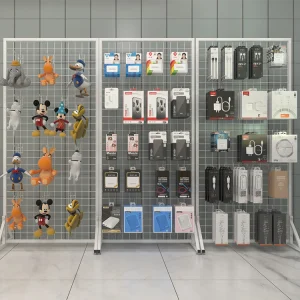
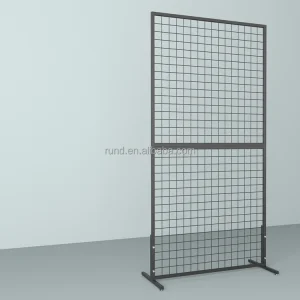
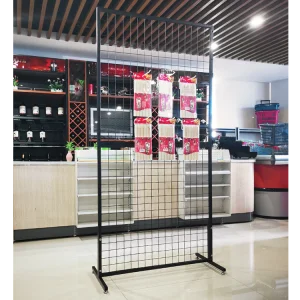
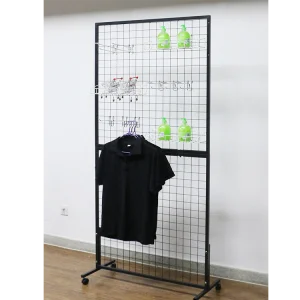
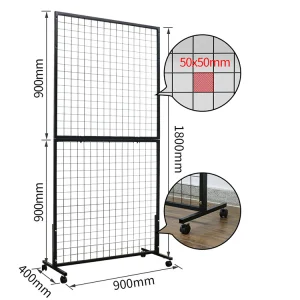
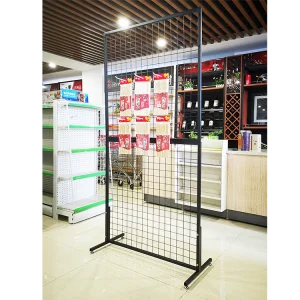
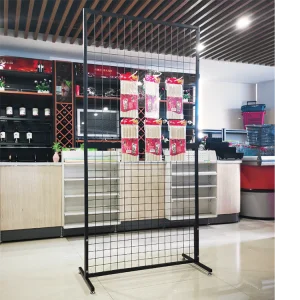
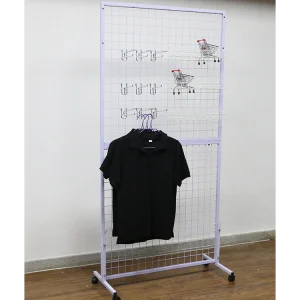
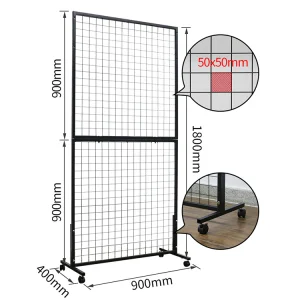
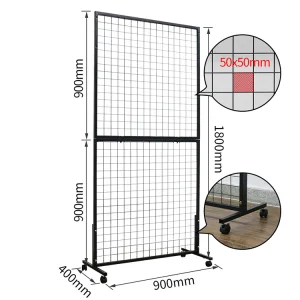
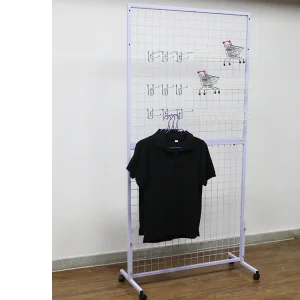
Engineered for immediate integration within retail centers, supermarket chains, and event setups across Melbourne Metro.
Understanding the structural, regulatory, and commercial demands in Victoria's supply chain network.
Melbourne stands as Australia’s fastest-growing metropolitan center, representing a crucial hub for e-commerce, warehousing, large-format retail, and dynamic design sectors. As commercial zones expand outward through corridors like Dandenong South, Truganina, and Derrimut, the requirement for robust, safety-compliant, and modular wire grid infrastructure has escalated dramatically. Melbourne's local businesses—ranging from sprawling 3PL distribution centers to boutique retailers on Chapel Street and Fitzroy—require shelving and structural grid panels that balance high load capacities with configuration flexibility.
In the industrial sectors, wire grid panels are no longer viewed merely as retail accessory holders; they are integral to safety screens, pallet rack backing, and security cages. The regulatory landscape in Australia demands strict adherence to standards such as AS 4084 (Steel Storage Racking) and AS/NZS 1170 (Structural Design Actions for Seismic Performance). This makes raw material selection, metallurgical precision, and welding integrity paramount for procurement managers sourcing grids for industrial applications.
Furthermore, Melbourne’s unpredictable temperate climate and coastal proximity introduce challenging humidity profiles. For outdoor events, botanical wall installations, or open-air market displays at the Queen Victoria Market, standard steel grids can rapidly succumb to rust and structural decay. Consequently, importers and procurement teams require specific finishes: hot-dip galvanization, multi-stage electroplating, or heavy-duty thermosetting powder coatings designed to withstand local coastal conditions.
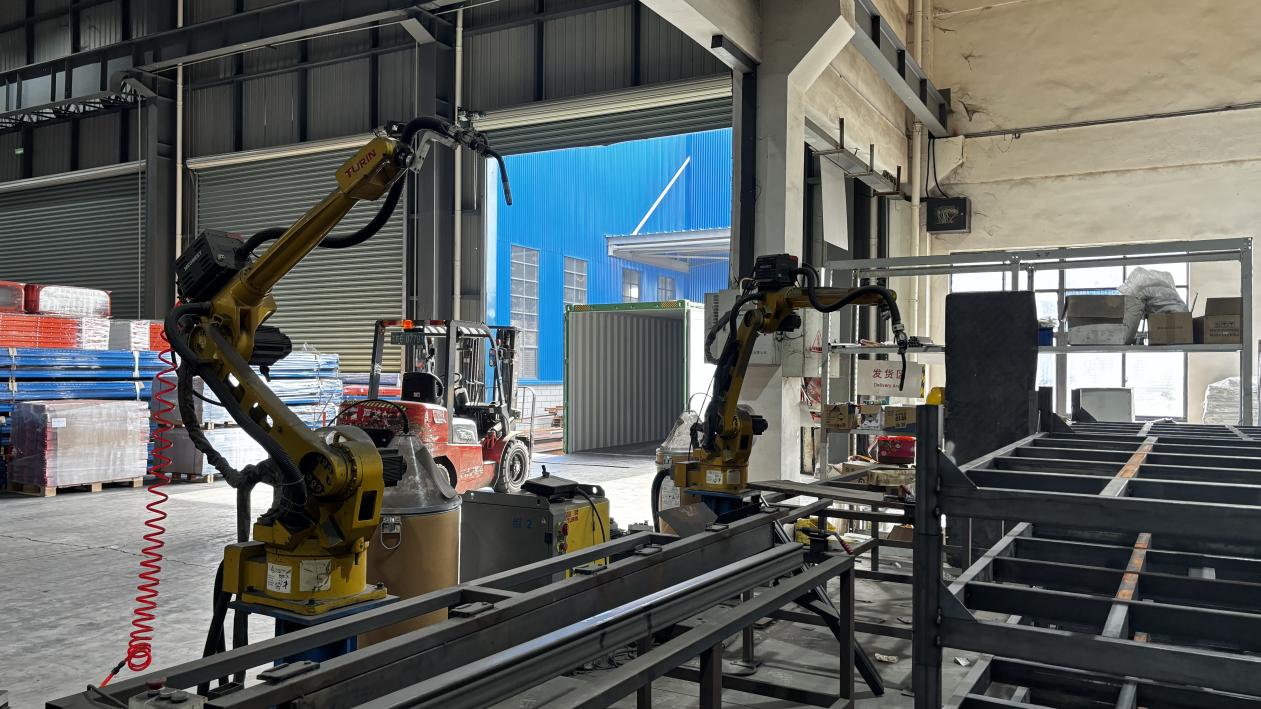
Merging advanced robotics with heavy-duty material sourcing to deliver structural integrity at scale.
Based in Foshan, the global epicenter of metal manufacturing, Foshan FlexiRack Intelligent Logistics Equipment Co., Ltd. operates a sprawling 32,000 m² state-of-the-art facility. Our production methodologies ensure we do not just fabricate wire grid systems, but engineer them to meet the exacting mechanical tolerances expected by Australian tier-1 distributors. By using premium low-carbon steel (Q235 and Q195 grades), our wire structures maintain high tensile strength and yield performance under stress.
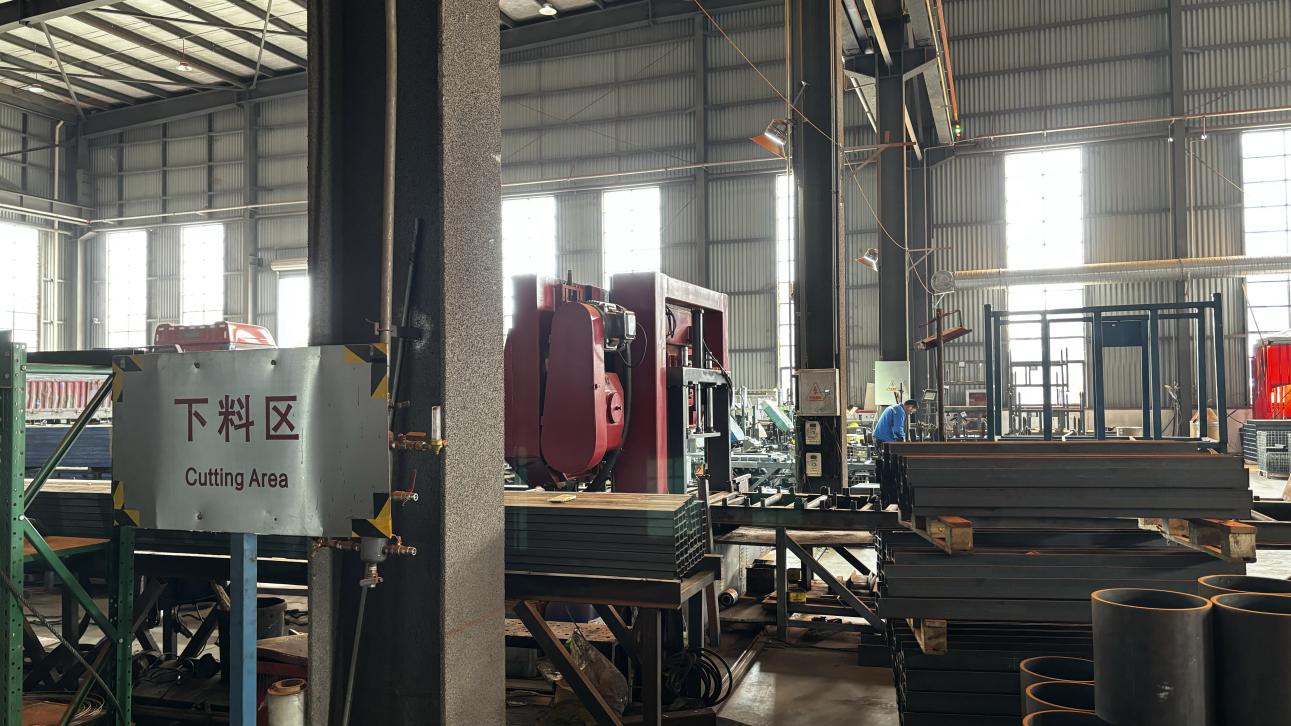
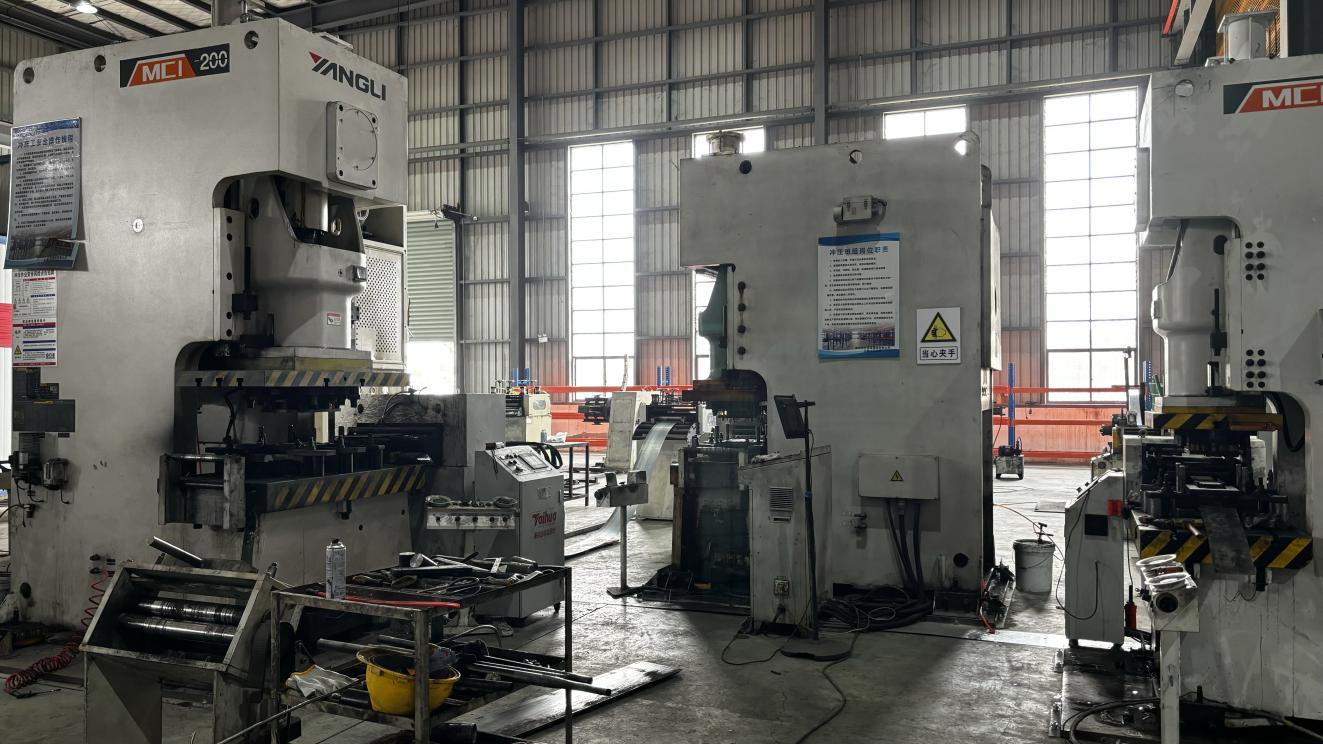
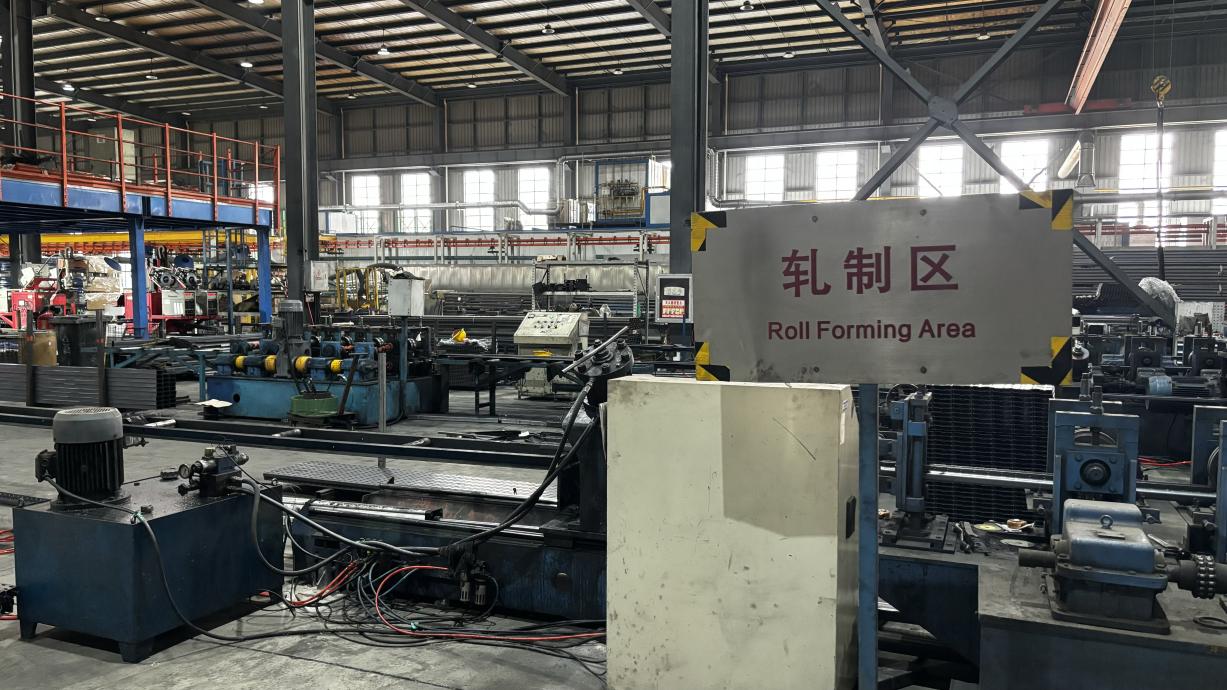
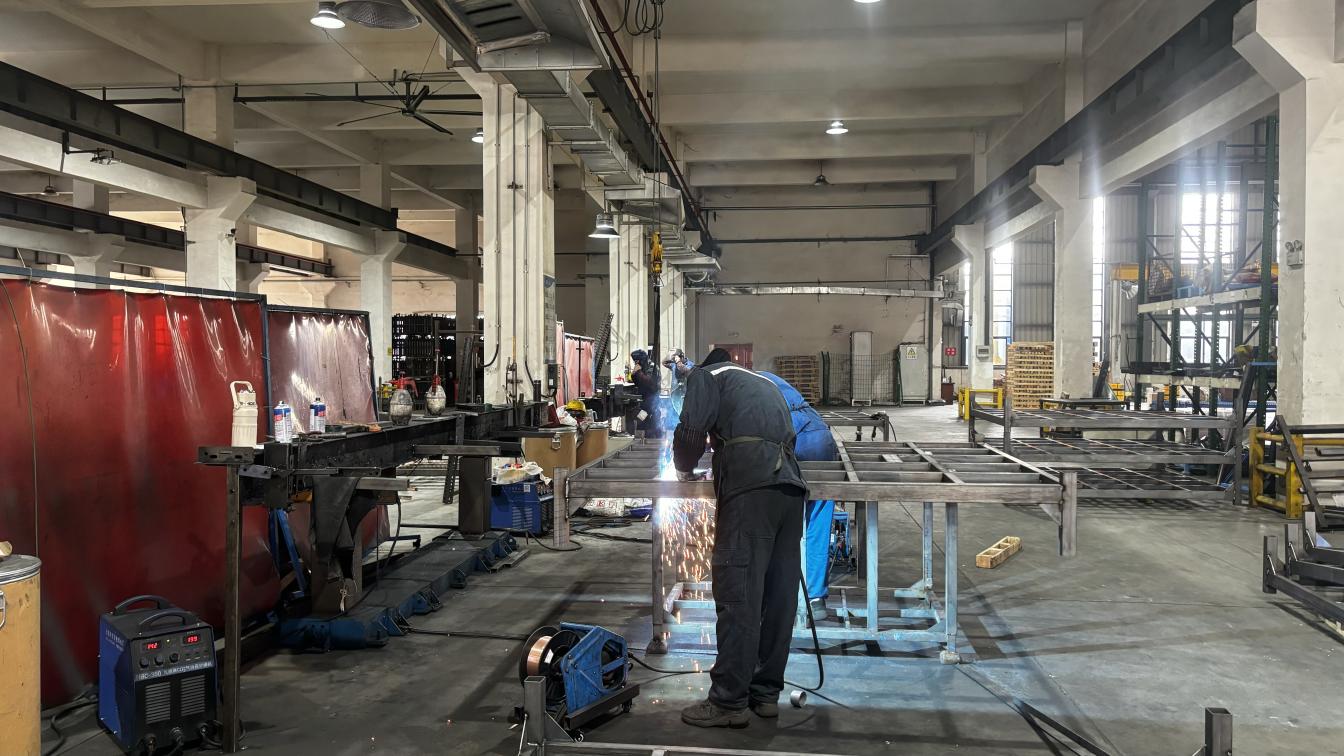
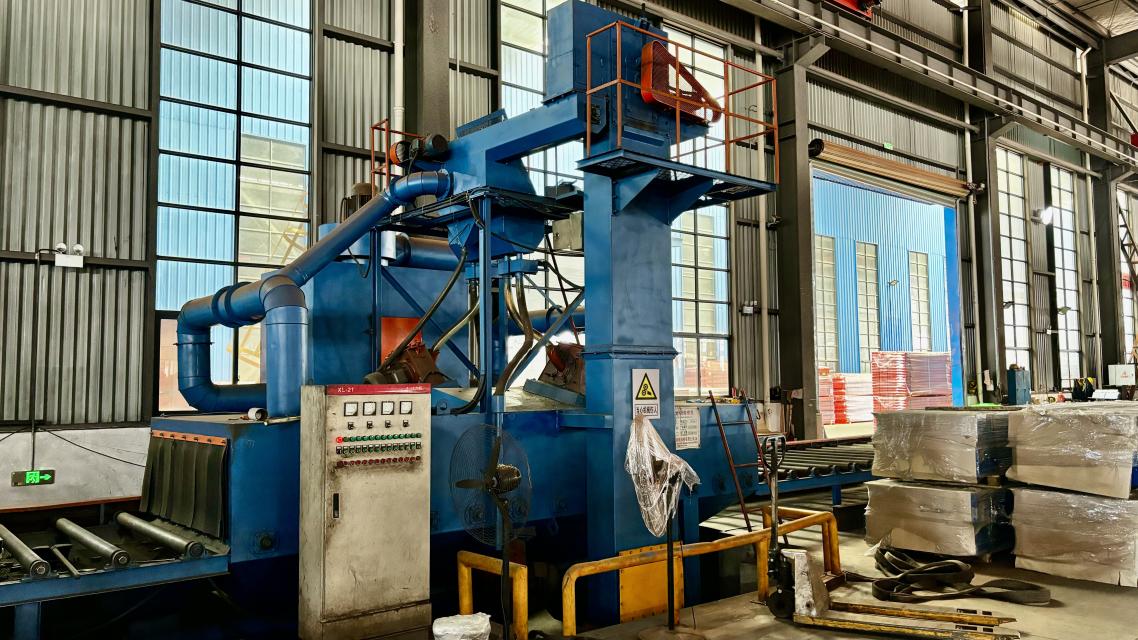
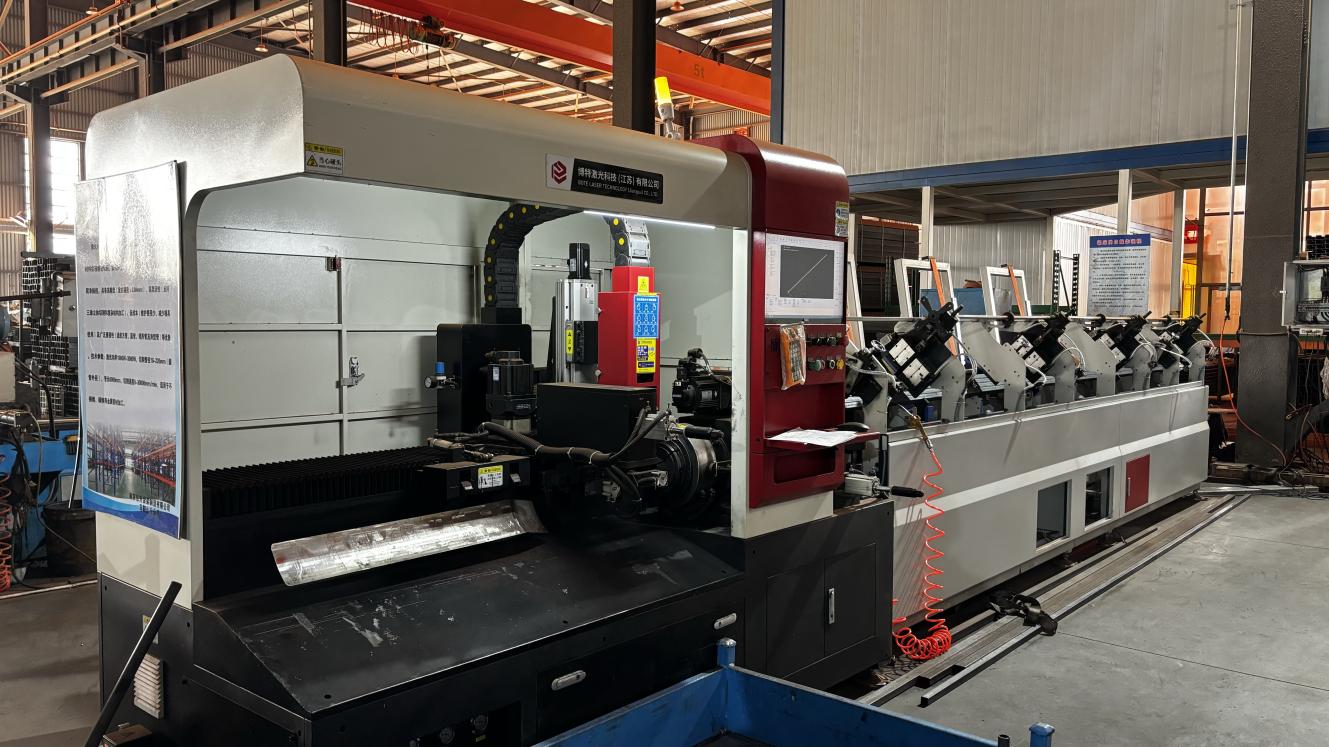
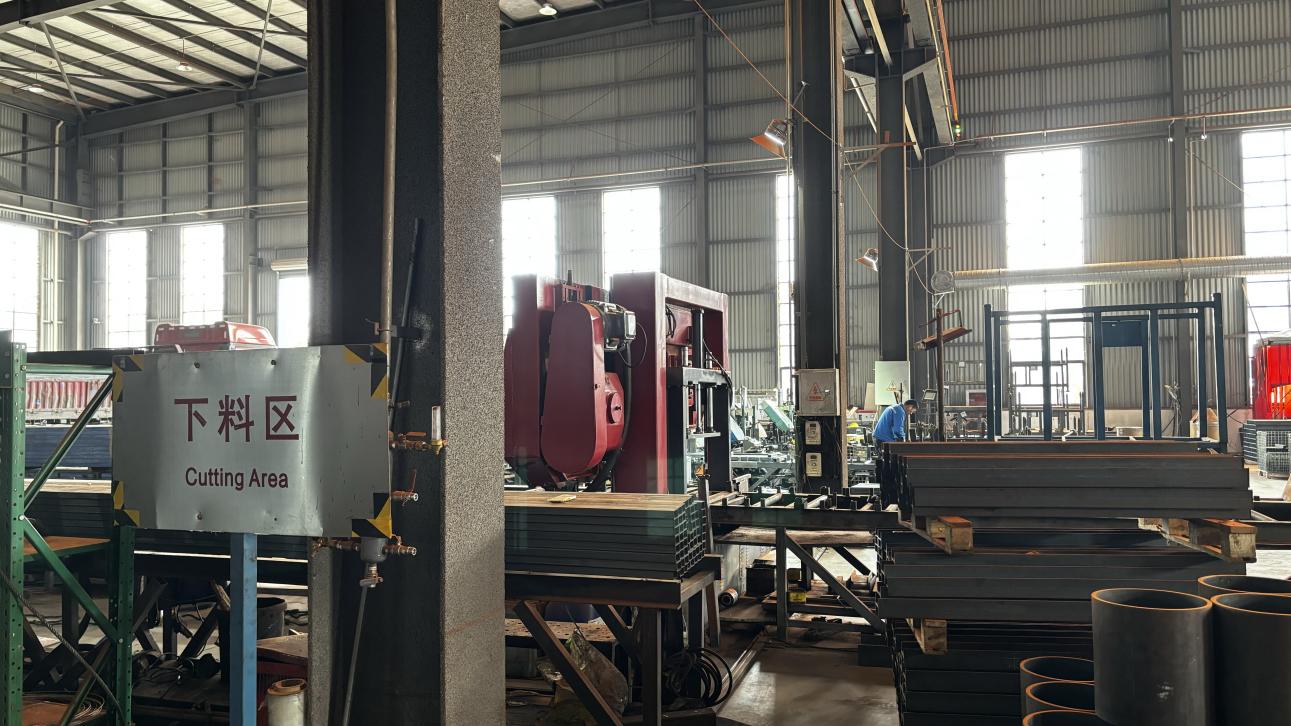
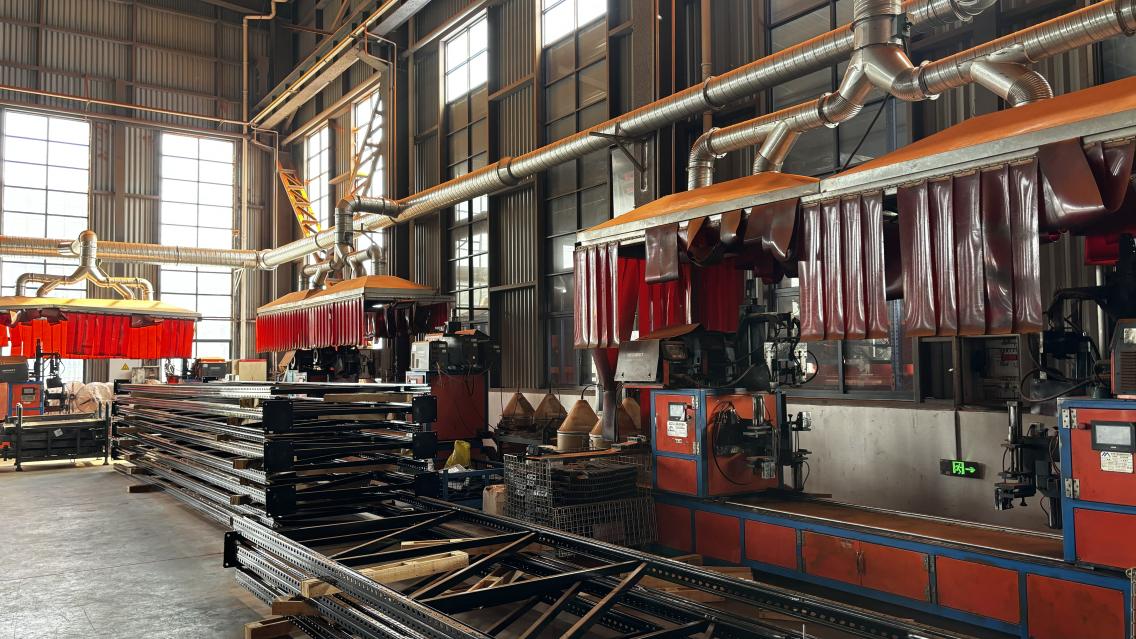
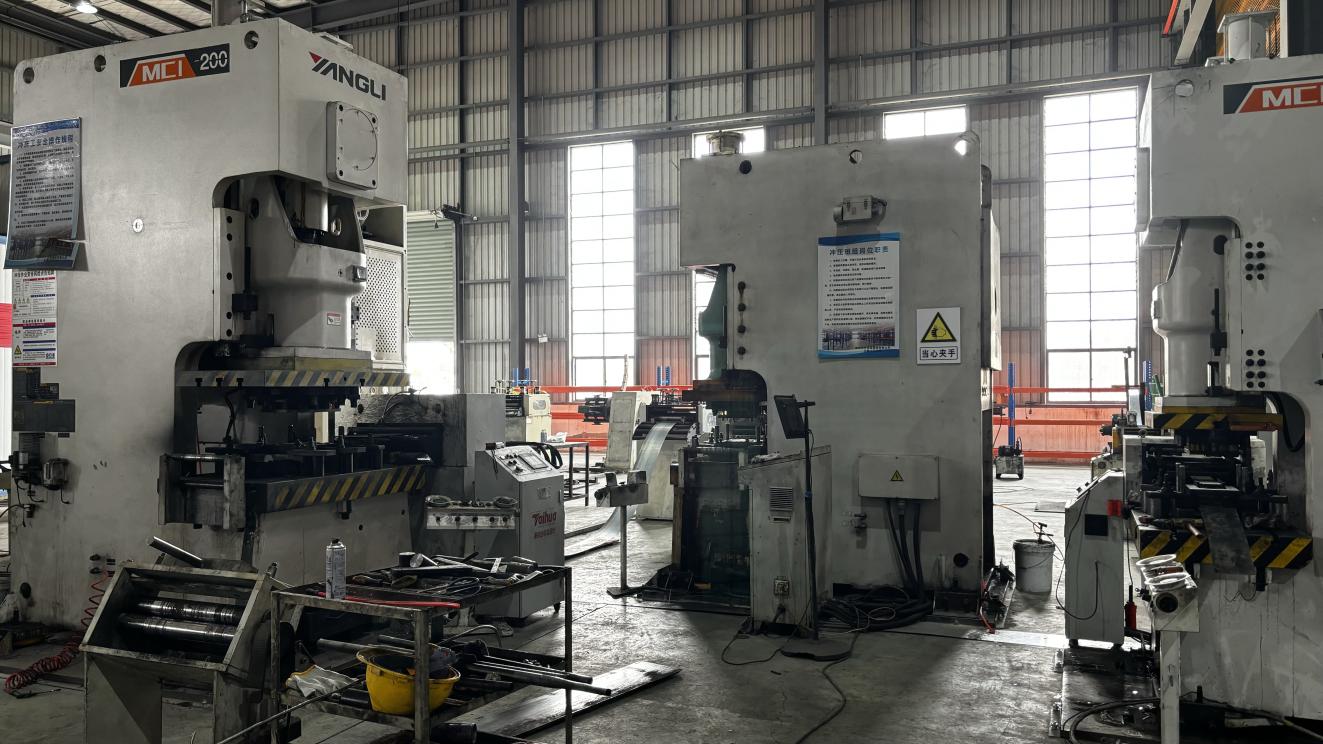
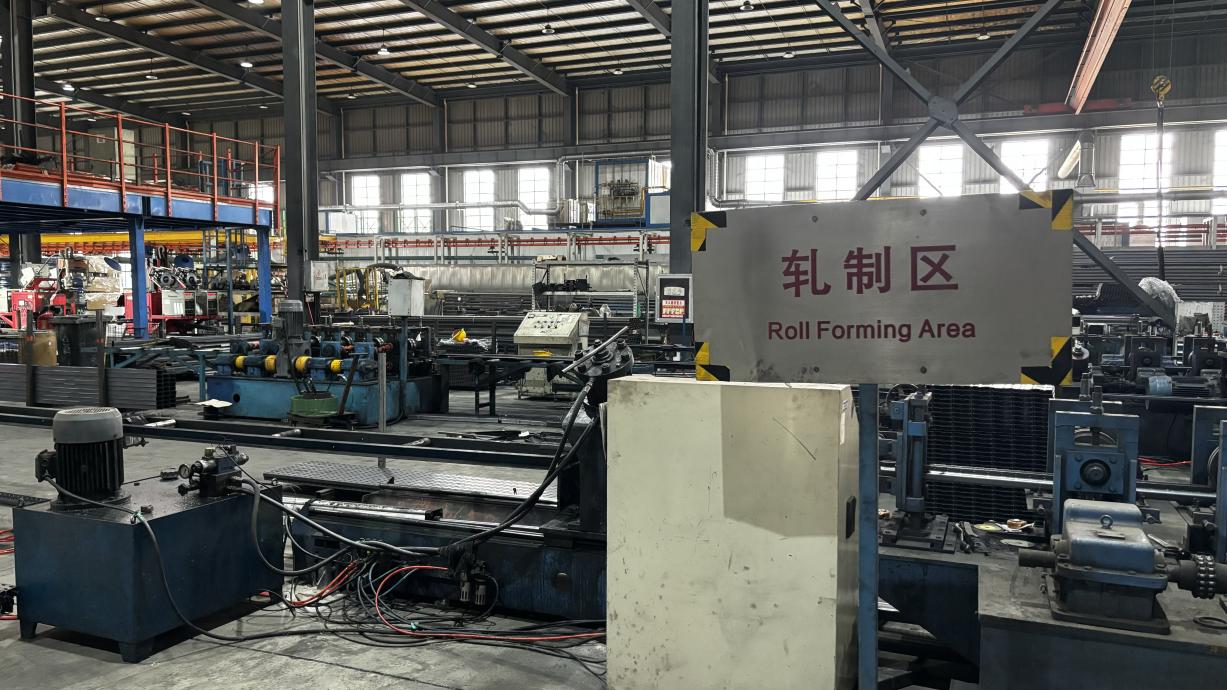
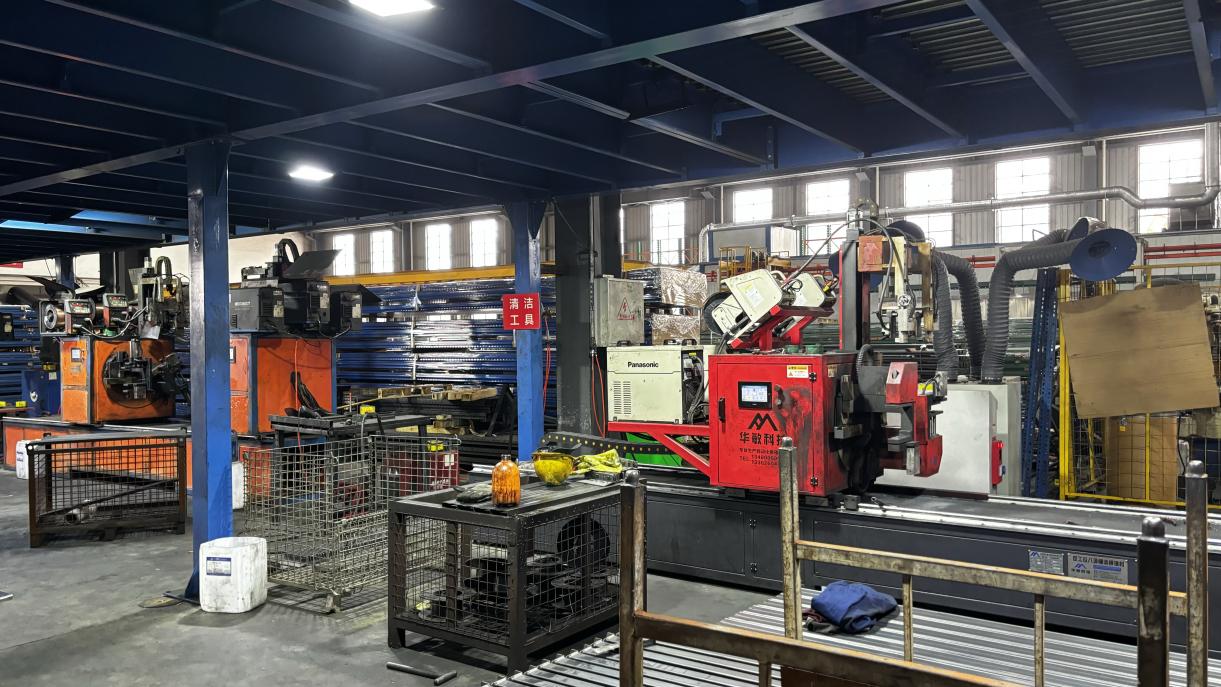
Our competitive advantage lies in integrating vertical production machinery. From automated wire drawing and computer-controlled multi-spot resistance welding to automatic powder coating systems, every step is monitored by a 35-specialist QA team. This setup ensures consistent weld spacing, flat alignment, and smooth edges, eliminating the sharp points and uneven surfaces common in lower-grade alternatives.
Engineered for retail layouts, architectural backdrops, and heavy-duty storage applications.
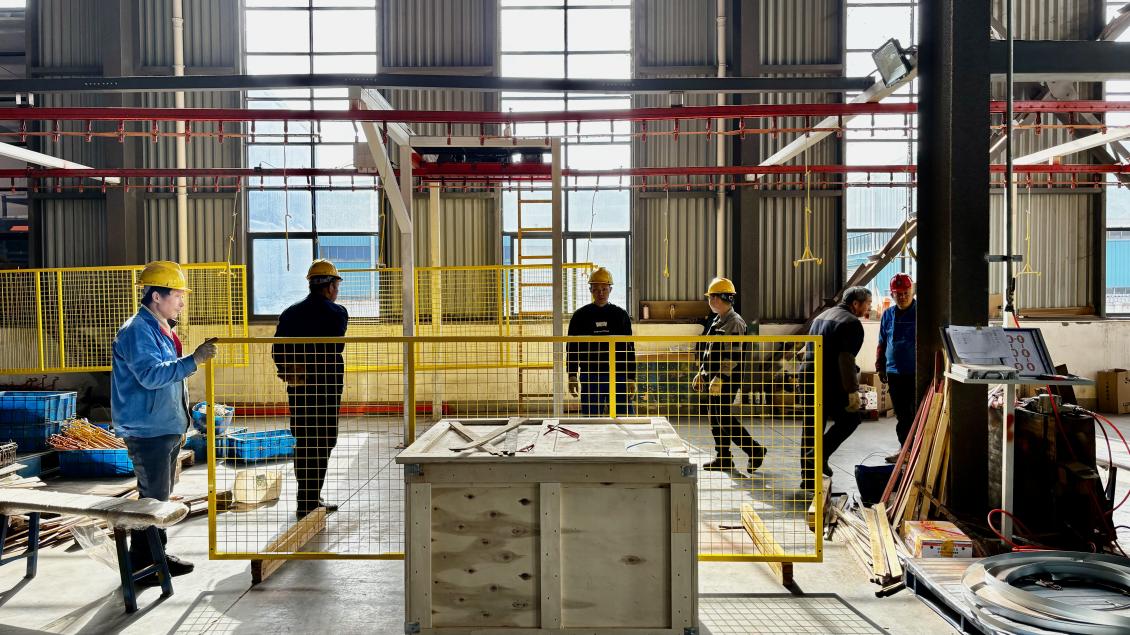
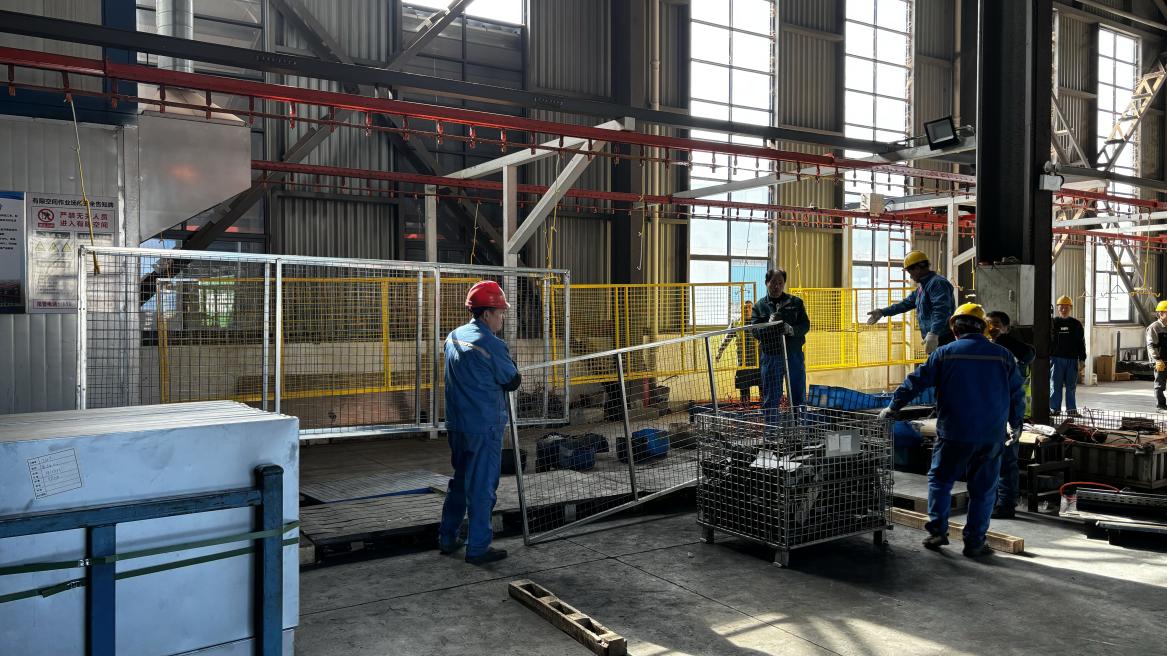
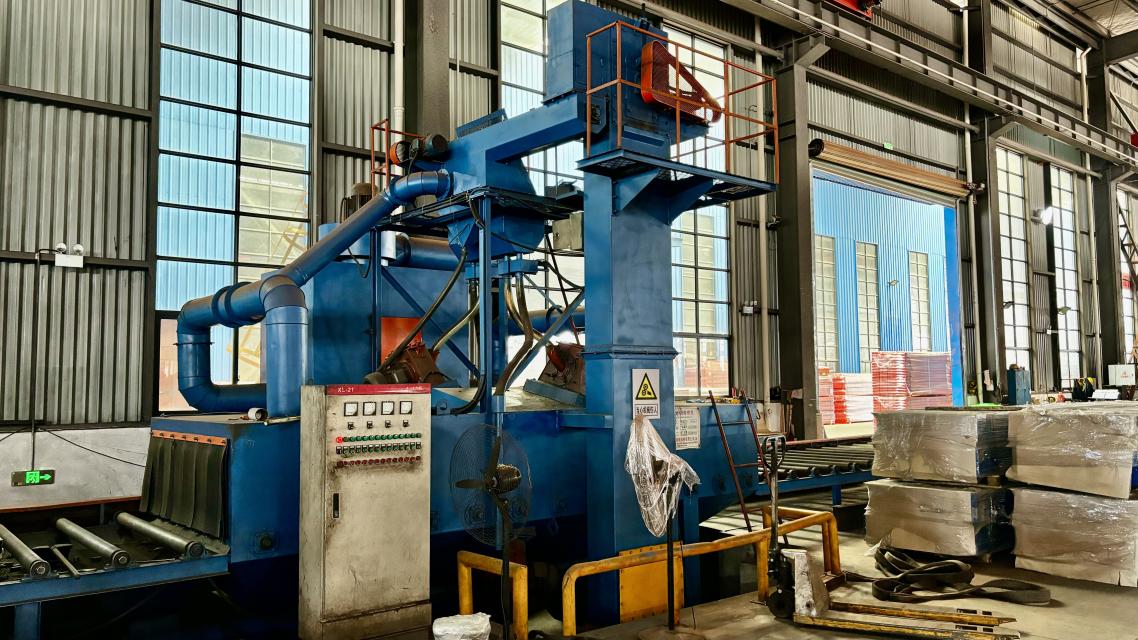
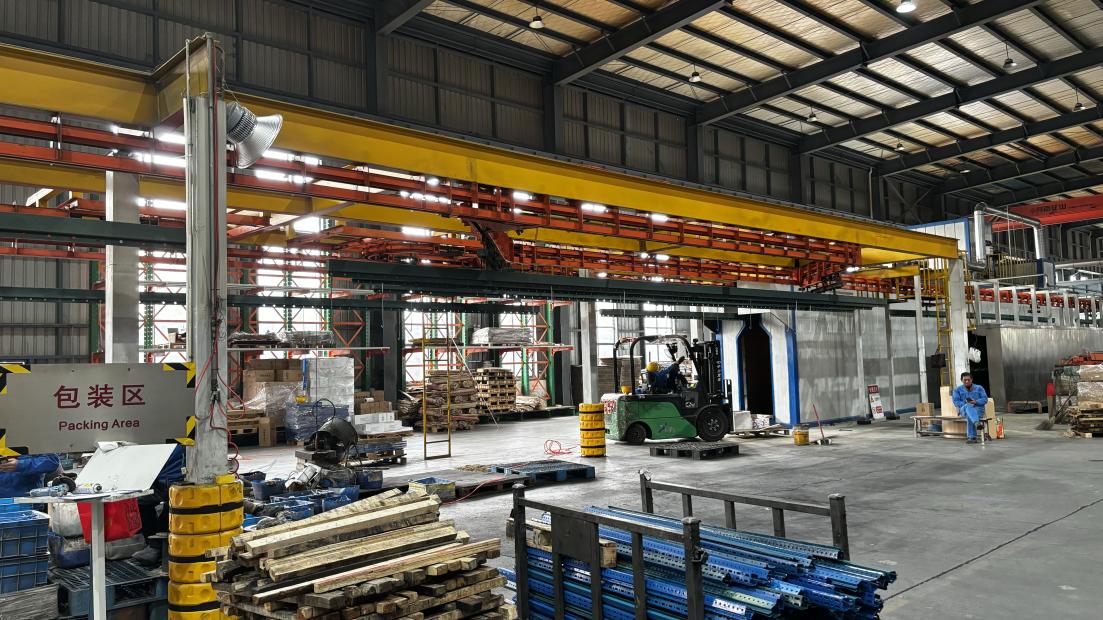
Inside Foshan FlexiRack's automated fabrication lines, delivering structural excellence for international shipping.
Optimized freight planning, custom consolidation, and seamless customs clearance protocols.
For Australian procurement officers, the real cost of importing wire mesh panels goes beyond the factory floor. It includes shipping efficiency, volume optimization, customs compliance, and port handling. Foshan FlexiRack's logistics division leverages extensive experience to optimize container volumes, helping to minimize shipping costs per unit.
Using CAD-driven packing layouts, we pack flat gridwall units and bulky displays to maximize space inside 40ft HQ containers. This approach helps lower the risk of shifting during maritime transit from Shenzhen or Nansha ports to the Port of Melbourne. Additionally, we provide clear documentation—including material certificates, dynamic load validation records, and clean bills of lading—to support a smooth customs process through the Australian Border Force (ABF).
Our technical capabilities also cover custom product development:
1. Custom Load Profiles: Engineering grids with reinforced perimeter wires (up to 8mm) to handle heavy stock without sagging.
2. Architectural Wire Mesh integration: Developing bespoke mesh sizes for interior designers and commercial fit-outs.
3. Direct Modular Compatibility: Designing accessories like euro-hooks, wire baskets, and shelf brackets that fit standard 3-inch (76.2mm) grid patterns seamlessly.
High-capacity structural solutions for Melbourne warehouses, supermarkets, and premium event organizers.
Expert answers to common queries regarding standards, material grades, logistics, and customization options for Australia.
We primarily use premium low-carbon steel grades Q235 and Q195. Q235 offers excellent structural weldability and strength, making it suitable for heavy-duty applications. Q195 is utilized for lighter-gauge components requiring high ductility and clean bending.
Yes. Our heavy-duty grid systems, industrial shelving, and wire mesh decks are designed with load capacities that align with AS 4084-2012 (Steel Storage Racking) specifications. We perform regular load testing to verify compliance.
For humid or coastal environments, we recommend our specialized finishes: thermosetting polyester powder coating, chrome plating with clear acrylic topcoats, or hot-dip galvanization. These treatments undergo ASTM B117 salt spray testing to verify corrosion resistance.
Custom engineering and manufacturing runs typically take 25 to 35 days from technical drawing sign-off, depending on design complexity. Prototyping takes 7 to 10 days.
Our engineers design flat-packable frame configurations and stackable wire designs. Using CAD software, we simulate packing arrangements to optimize container space, helping to lower per-unit freight costs.
Every production batch is evaluated by our 35-specialist QA team. Checks include ultrasonic weld flaw detection, checking wire spacing tolerances with digital calipers, testing coating thickness, and conducting static load deflection tests.
 FlexiRack