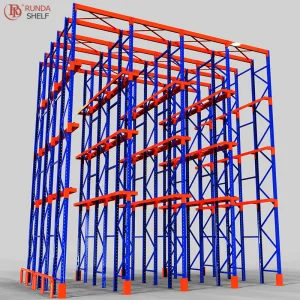
Engineered storage solutions optimized for heavy industrial inventories, multi-level logistics, and structural reliability.
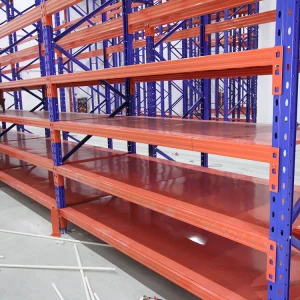
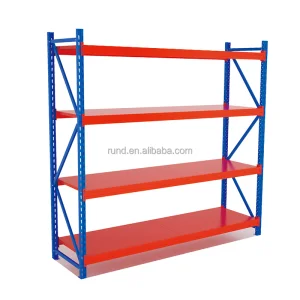
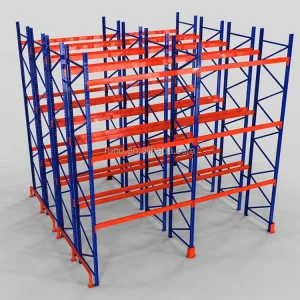
Analyzing key geographic drivers, local warehousing environments, and cold chain variables shaping heavy-duty design requirements.
Canada’s key logistical zones demand varying engineering tolerances. In the Greater Toronto Area (GTA)—including logistics centers in Brampton, Vaughan, and Mississauga—space constraints require vertical, high-bay configurations with severe racking stability metrics. Conversely, in the Metro Vancouver region (Surrey, Delta, Richmond), coastal soil factors and structural considerations demand localized seismic design and anchoring systems certified to handle soil-structure dynamics.
For warehousing facilities operating in Montreal, Calgary, and Edmonton, cold-storage application profiles are vital. Racking exposed to sub-zero temperatures (ranging from -20°C down to -40°C for frozen food storage) is prone to steel embrittlement. FlexiRack ensures structural longevity under these conditions by utilizing specialized steel chemistry with strict controls on carbon equivalents and low-temperature impact toughness, ensuring zero structural failures.
The heavy-industrial sectors in Calgary and Edmonton require racking systems that can support massive, irregularly shaped equipment like valves, drill pipes, and metal tooling. With loading requirements often exceeding 2,000 kg per bay, standard retail-grade shelving is insufficient. We design structural-grade cantilever systems and wide-span heavy beam frameworks that resist the harsh conditions of regional industrial centers.
Detailed engineering guidelines ensuring all safety parameters, load limits, and Canadian certifications are thoroughly met.
In Canada, commercial storage racking is governed by strict provincial occupational safety regulations and building codes, which mandate compliance with the CSA A344 Standard (User-Installed Industrial Steel Storage Racks). Designing structural steel frames for high-capacity applications exceeding 500kg per level requires advanced engineering calculations, structural finite element analysis (FEA), and strict manufacturing tolerances. Below is the technical breakdown of the FlexiRack design parameters tailored for the Canadian market:
We utilize cold-rolled high-strength steel grades such as Q355B (equivalent to ASTM A1011 SS Grade 50), featuring a yield strength of 355 MPa. This ensures exceptional load-bearing performance with minimal plastic deformation under structural load cycles.
Under full load conditions, the maximum allowable beam deflection is engineered to not exceed L/240 (where L is the span of the beam). The safety factor for structural steel stability remains above 1.5 to 1.67 in accordance with CSA S16.
We provide site-specific seismic calculations based on local spectral acceleration values (Sa). Our engineers utilize thicker baseplates, high-grade concrete anchors, and custom cross-bracing to meet the requirements of the National Building Code of Canada (NBCC).
For a standard heavy-duty box beam bay configured to support up to 3000KG per shelf level, the structural calculations include the following variables:
| Engineering Parameter | Formulation / Standard | FlexiRack Target Value | CSA A344 Relevance |
|---|---|---|---|
| Flexural Strength | M_r = phi * Z_y * F_y | > 500 MPa calculated capacity | Mandatory for structural integrity |
| Impact Tolerance | F_impact = M * v^2 / 2d | Resists up to 10kN force (column protectors) | Recommended at base of outer aisles |
| Powder Coating Thickness | ASTM D3359 Cross-Hatch Adhesion | > 70-90 microns thick | Prevents corrosion in humid cold-storage |
| Fastener Torque | Grade 8.8 Structural Bolt Spec | Torqued to minimum 85 Nm | Guarantees rigid node-point connection |
A closer look at our production capacity, quality assurance framework, and high-precision manufacturing equipment.
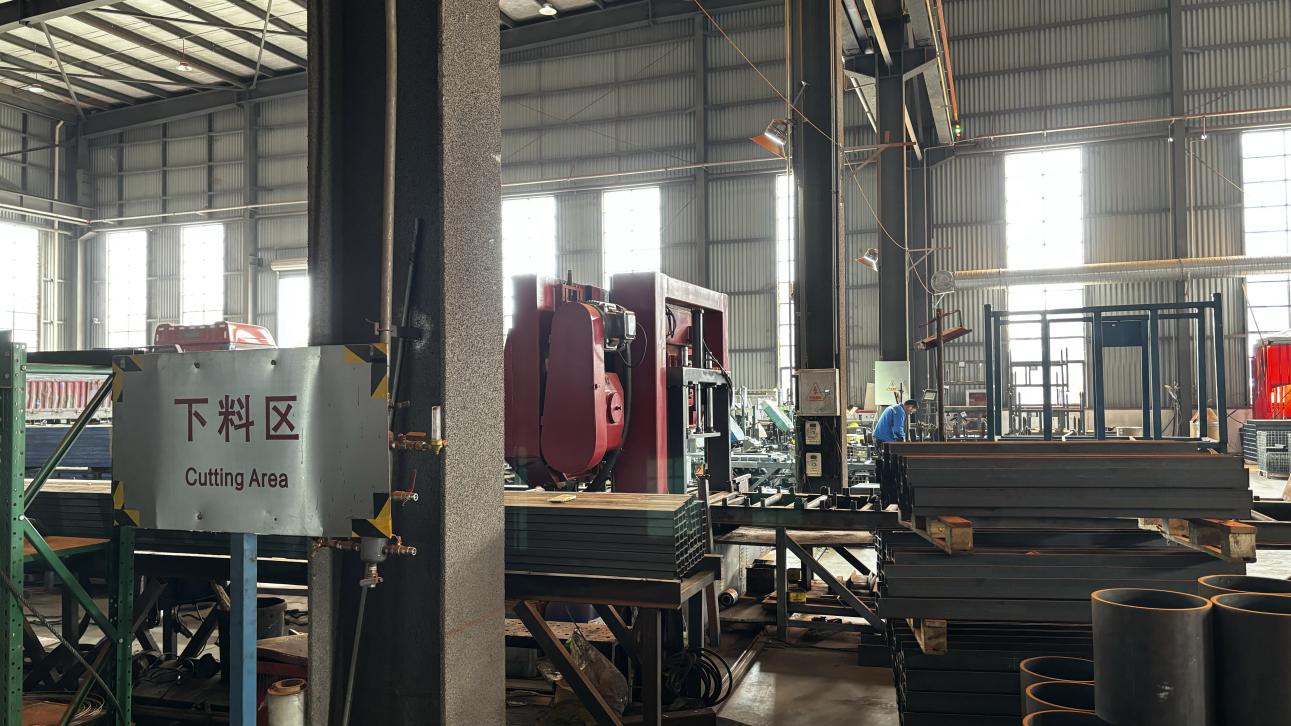
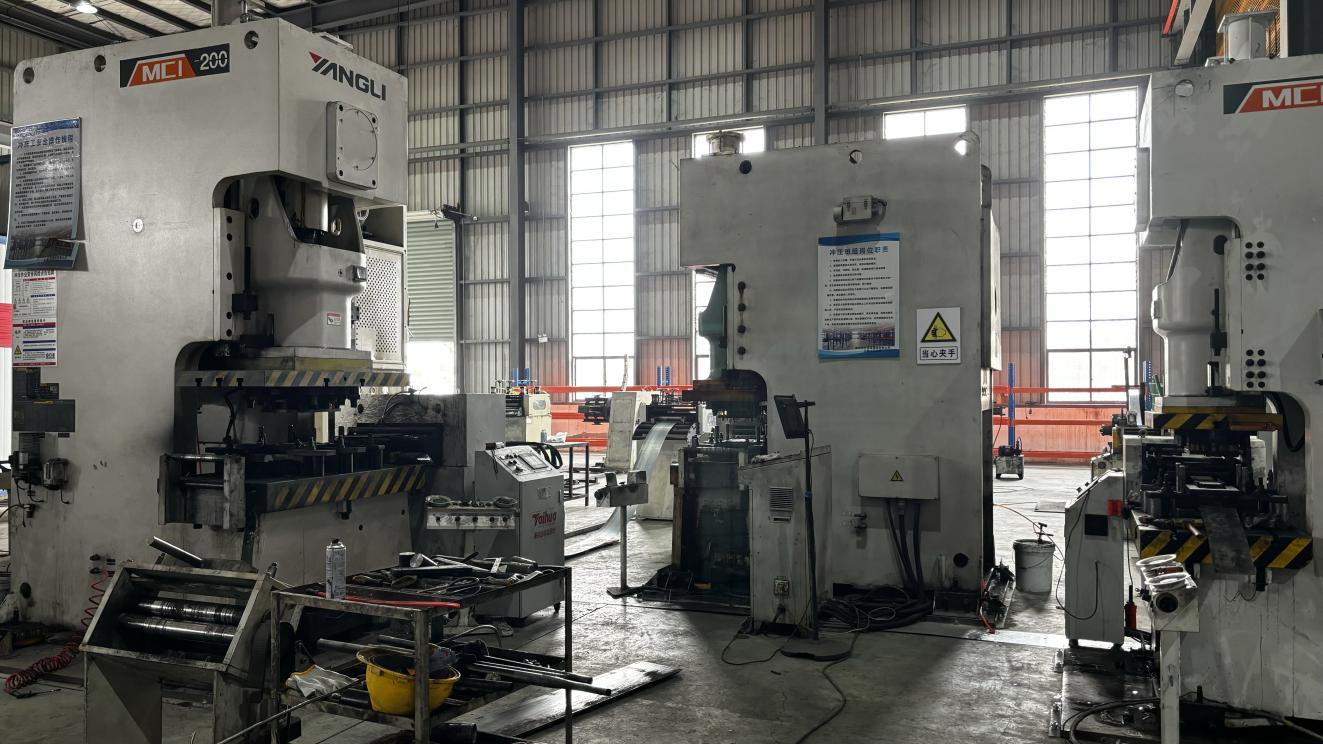
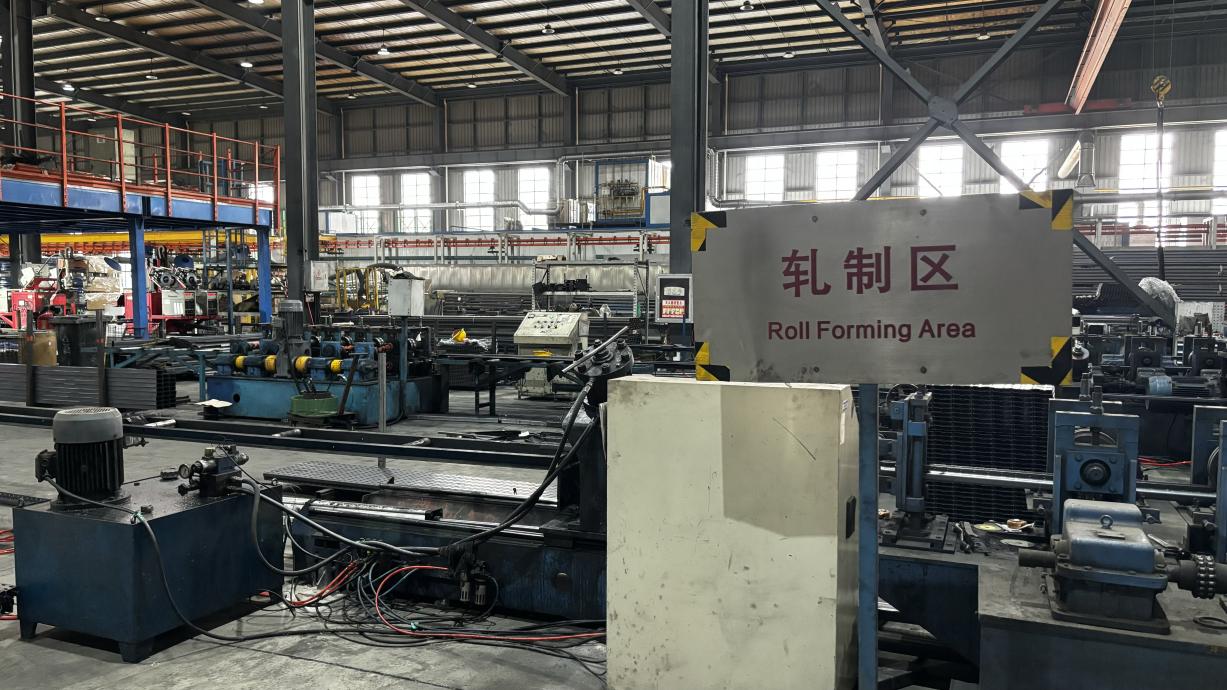
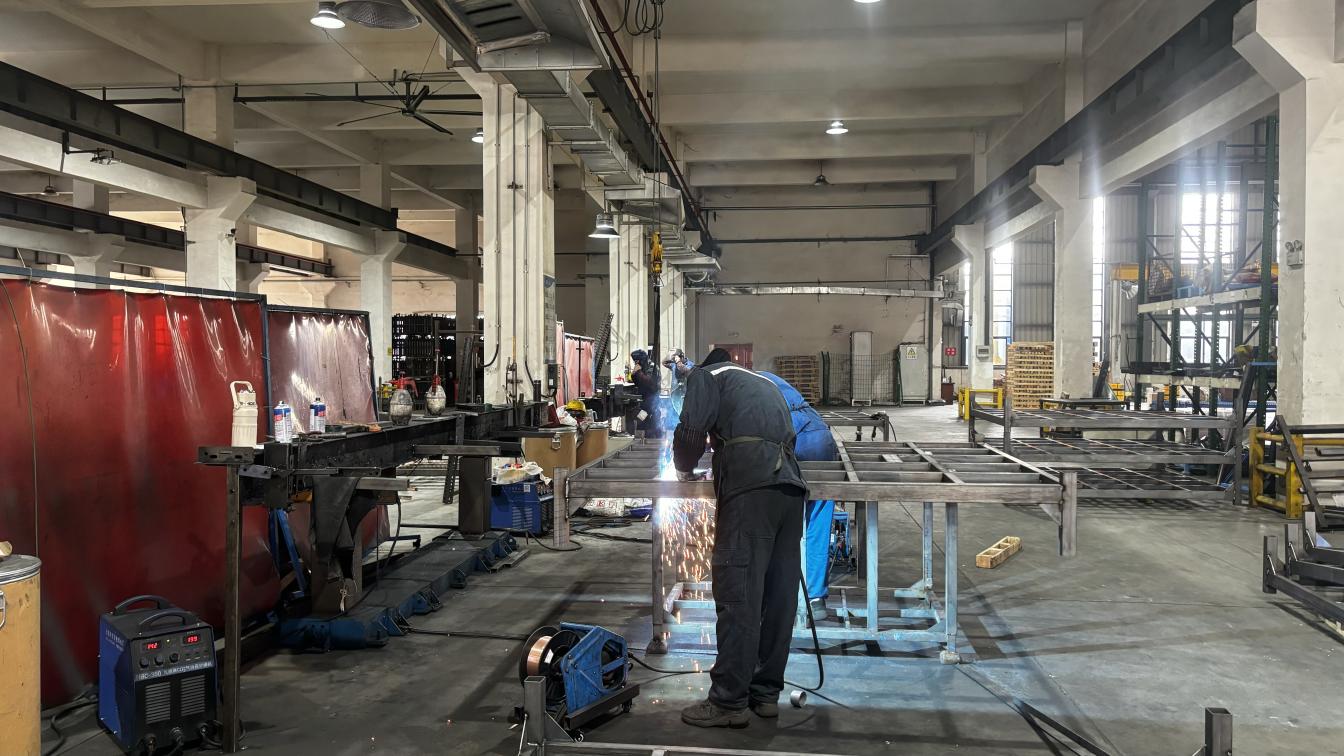
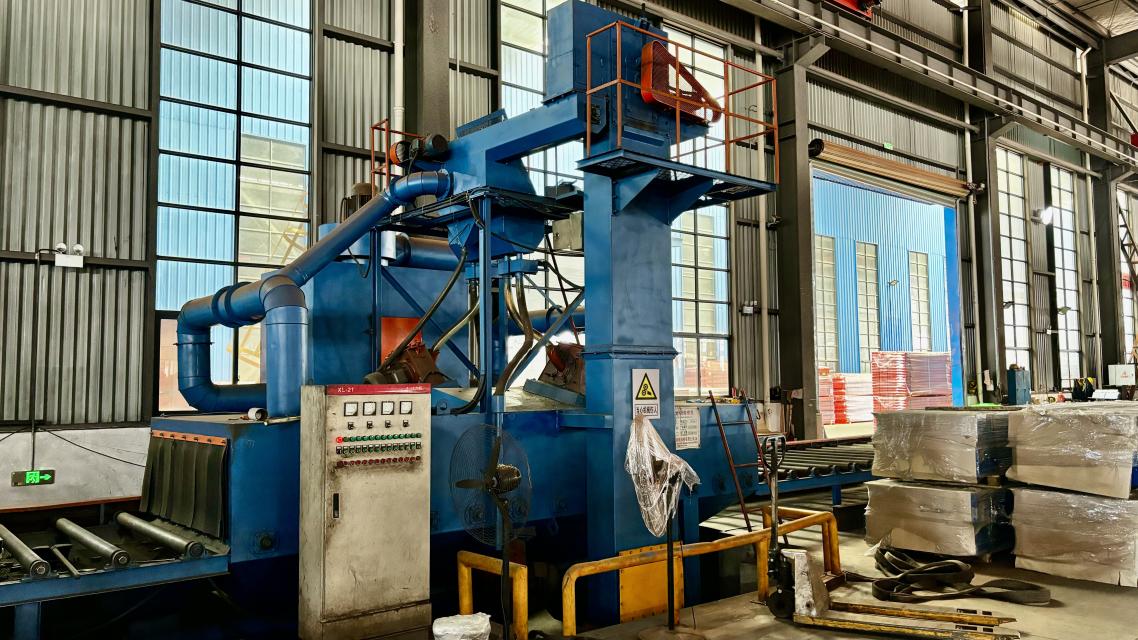
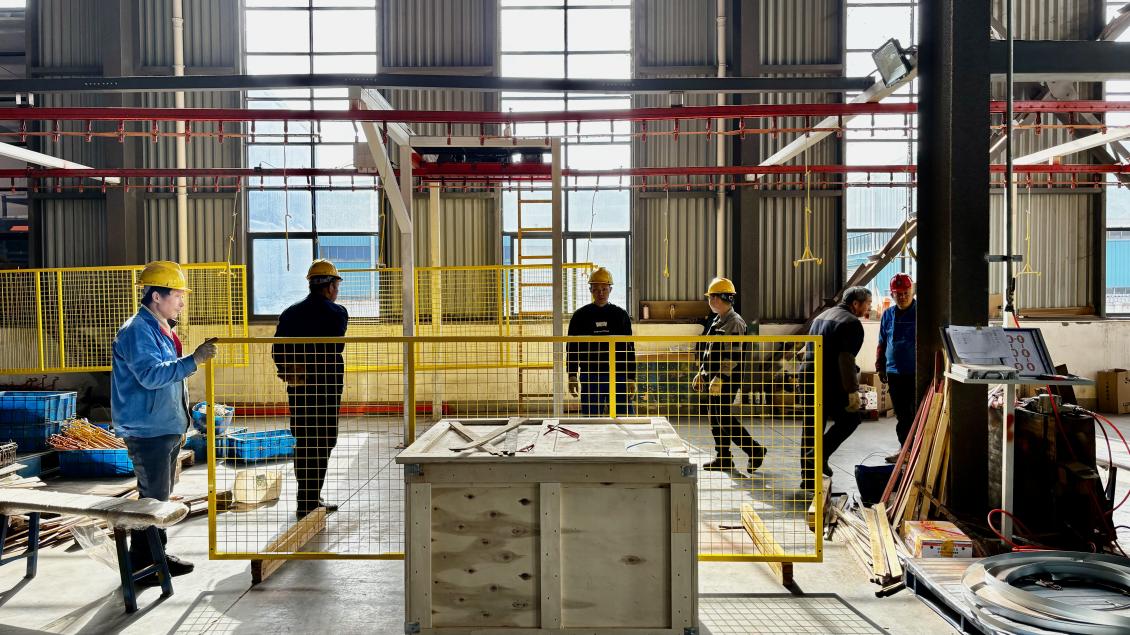
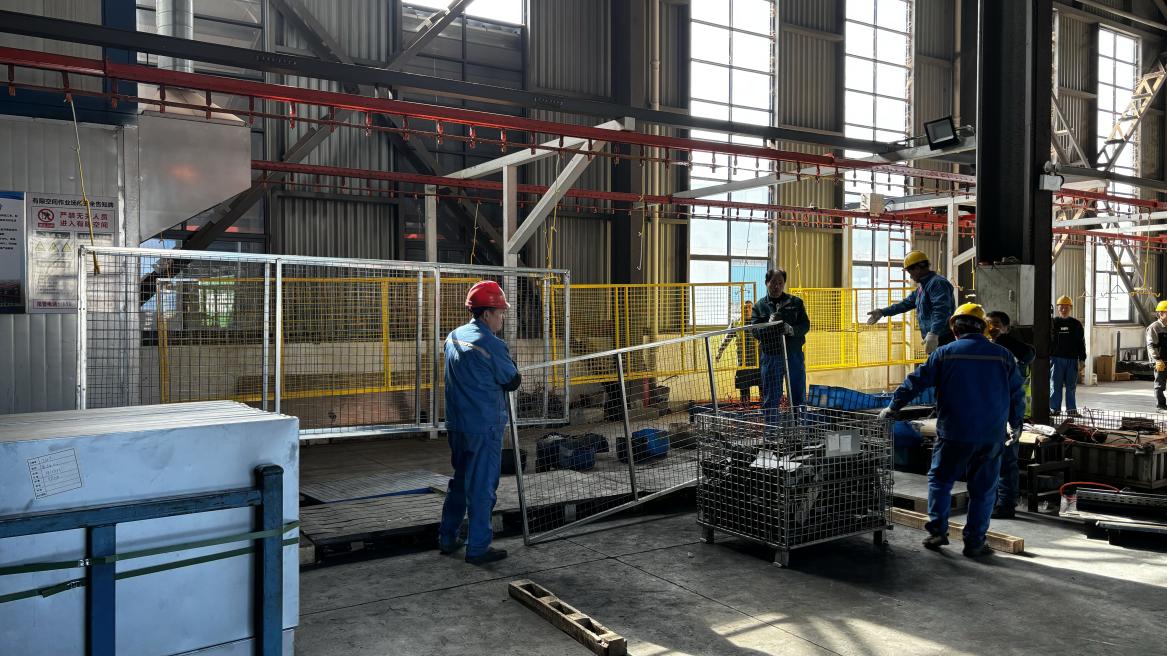
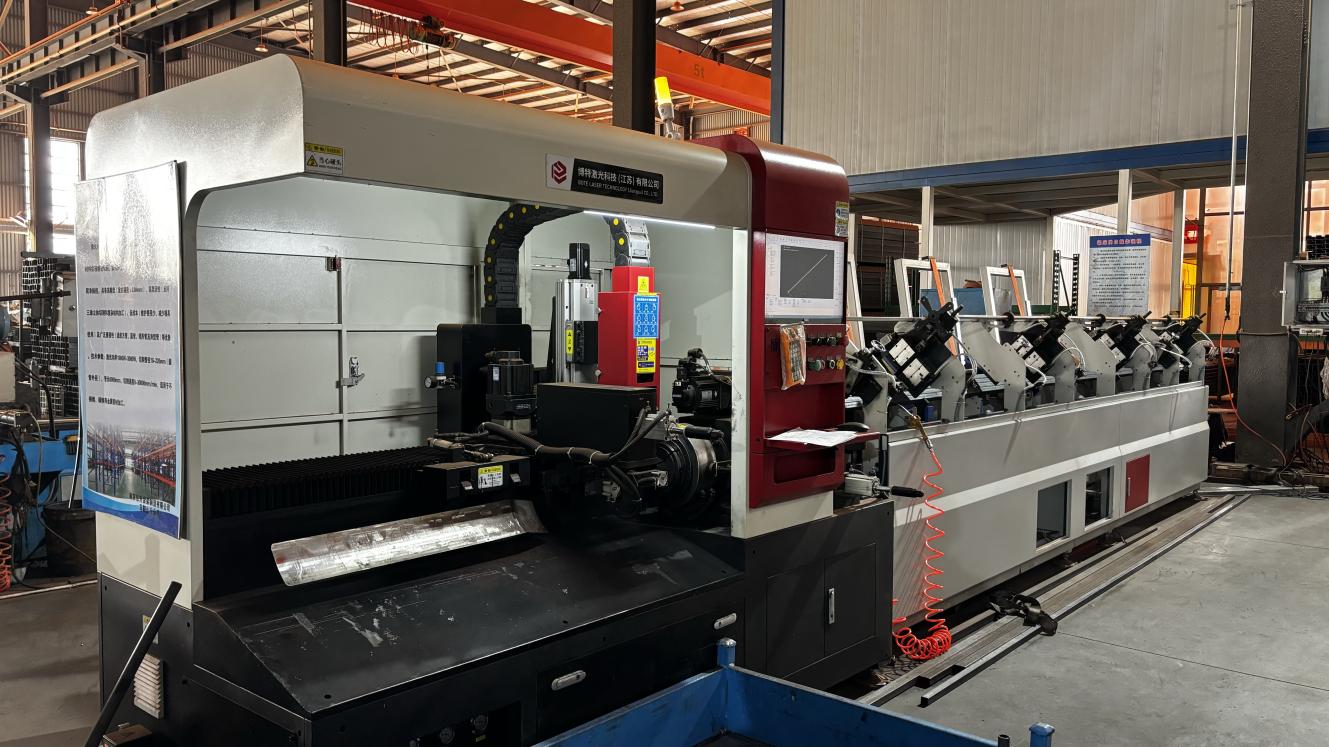
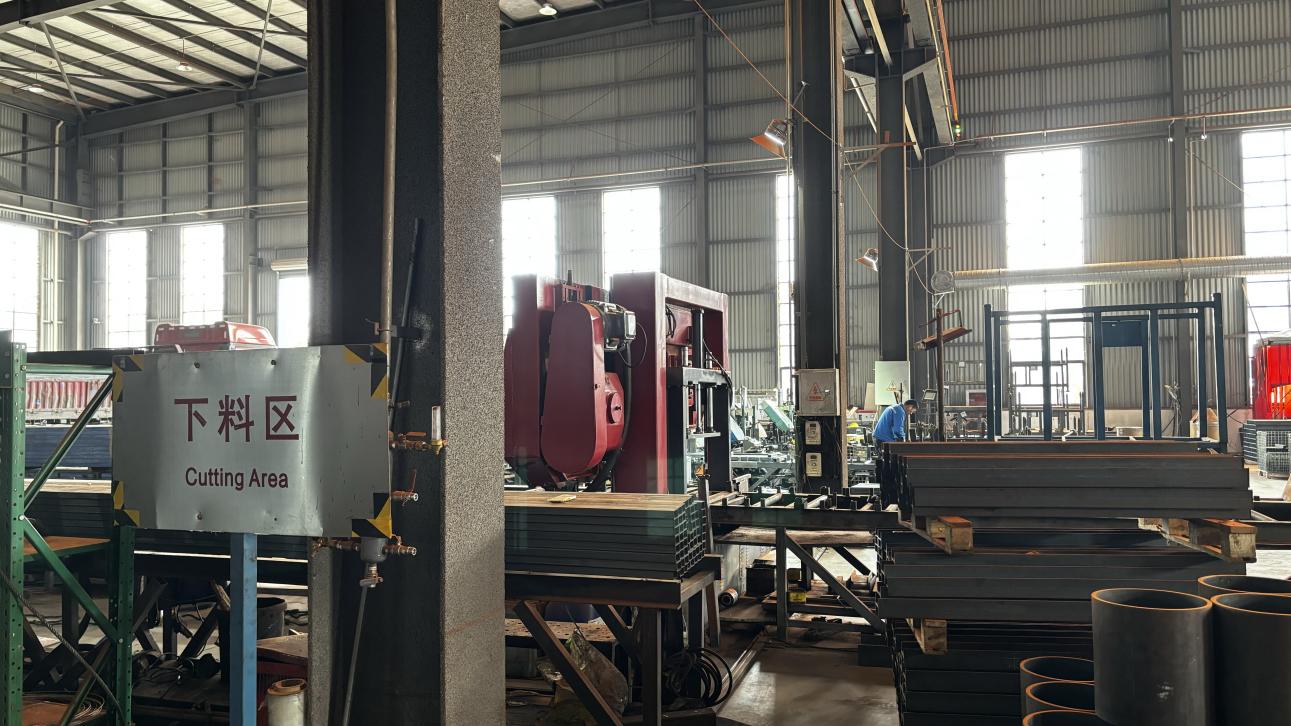
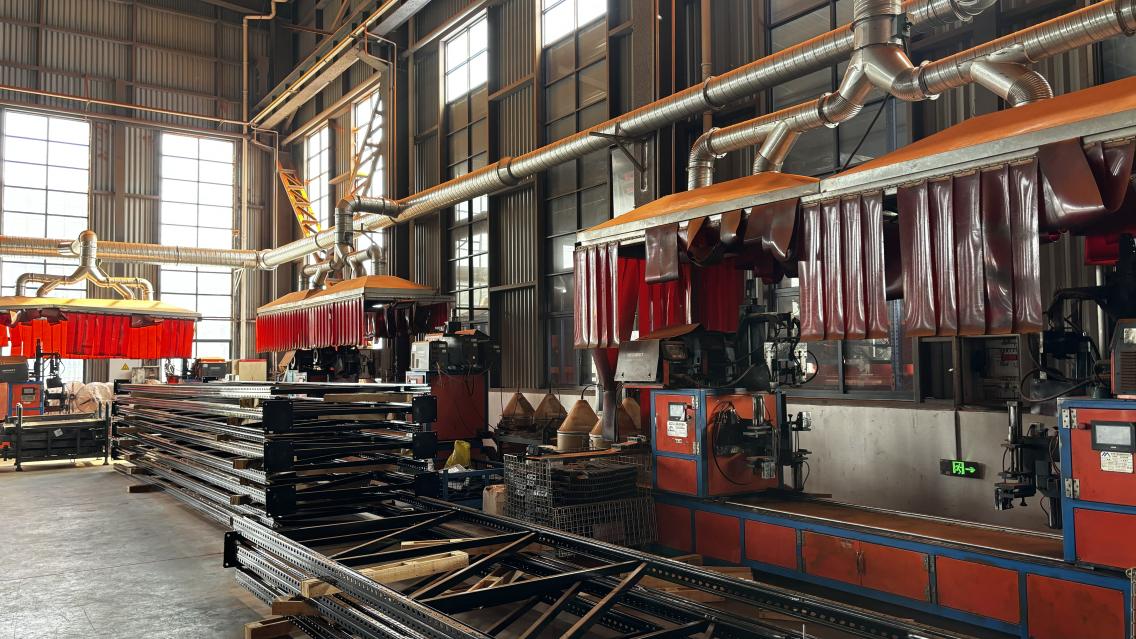
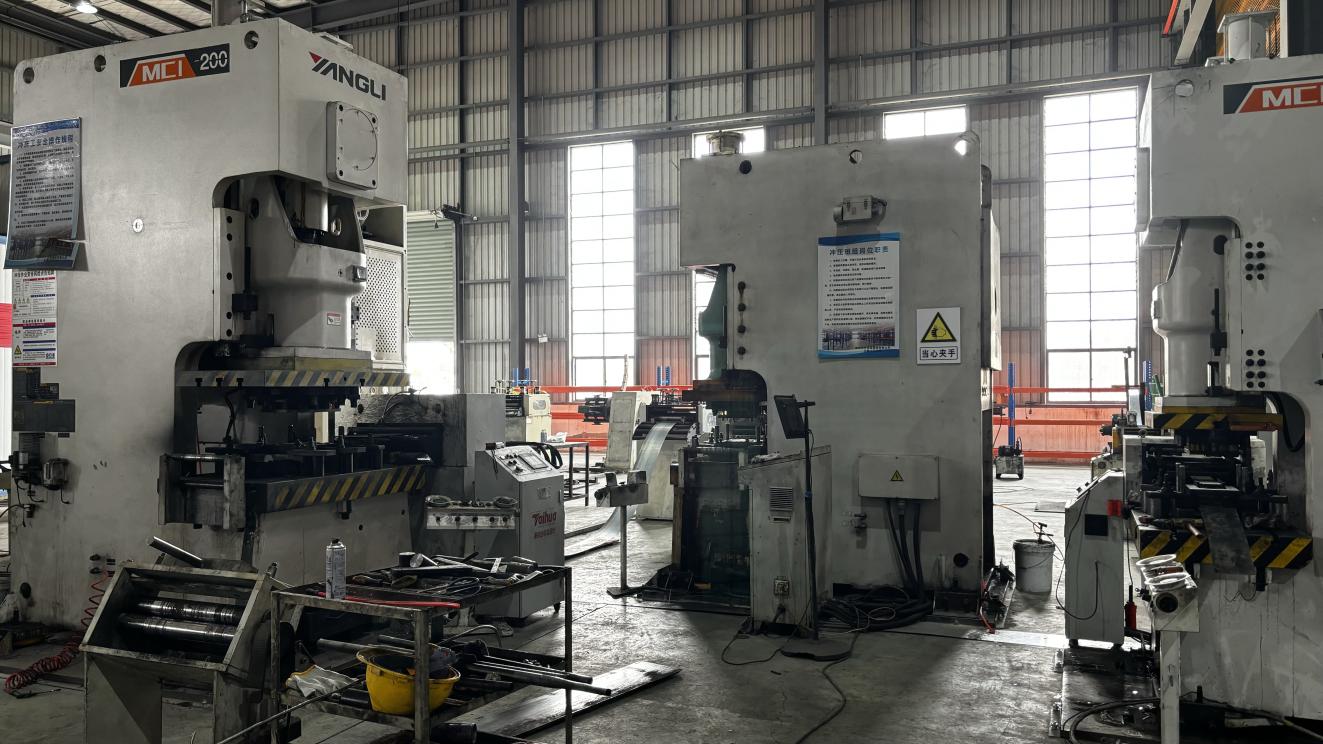
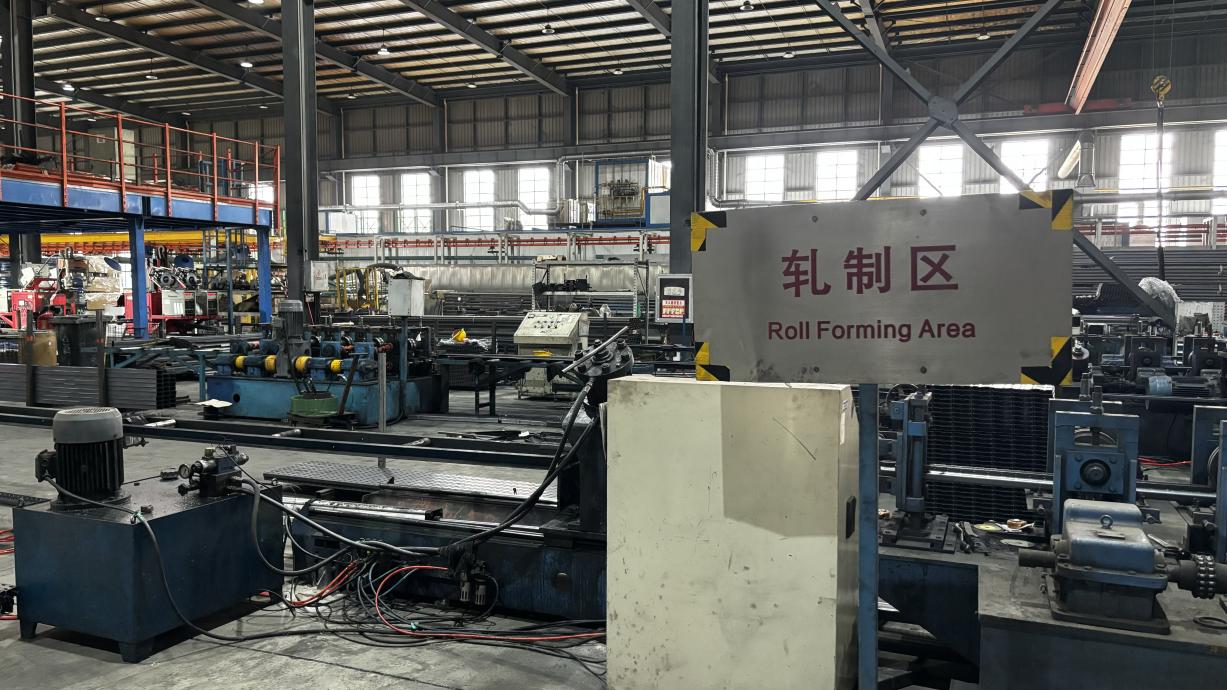
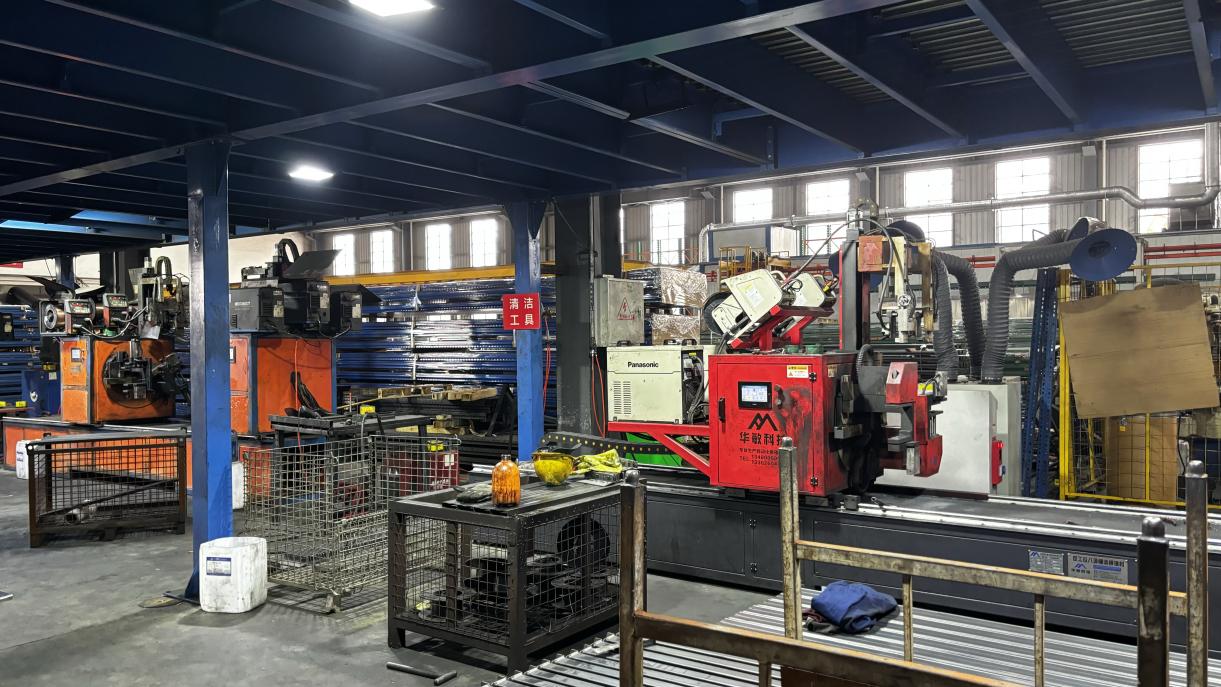
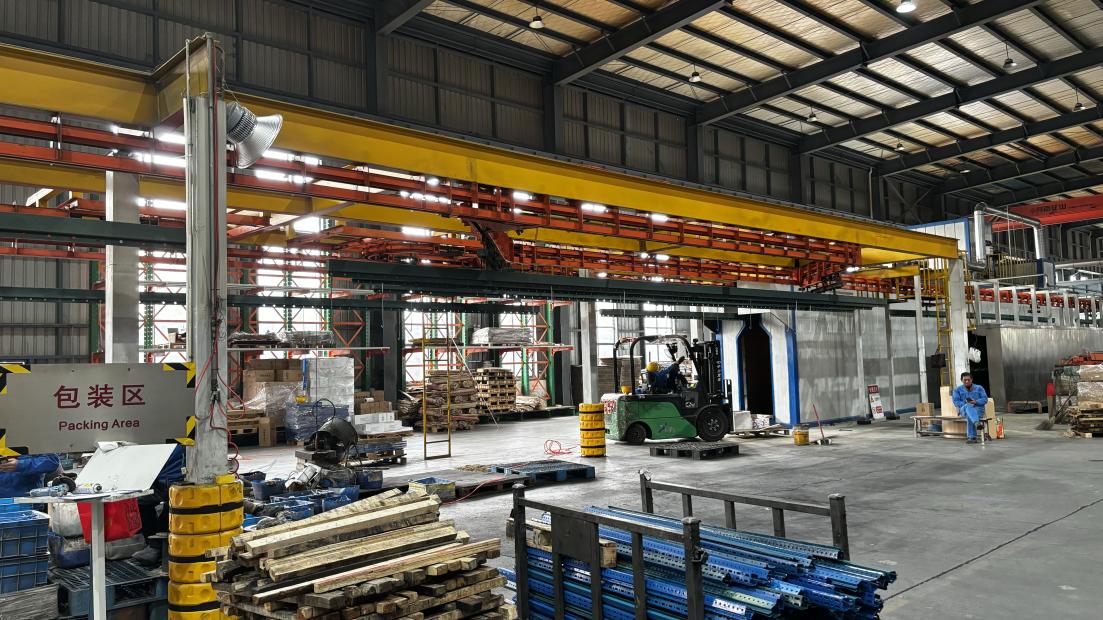
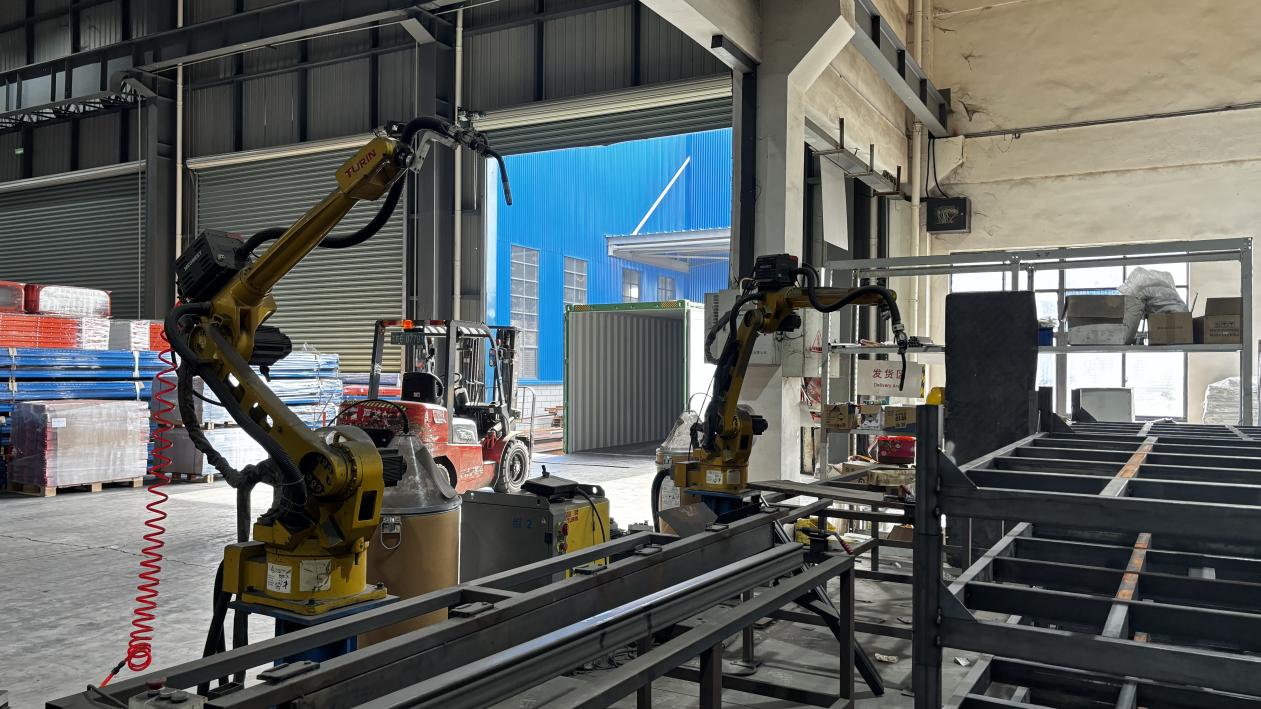
Founded in 2014, Foshan FlexiRack Intelligent Logistics Equipment Co., Ltd. operates a modern manufacturing facility. Our state-of-the-art facility integrates 45 R&D engineers, enabling us to design custom high-capacity racking solutions that align with diverse international safety regulations. Our quality management system is ISO9001 certified and conforms to CE directives. Each batch of steel undergoes rigorous material verification, raw coil dimension checks, structural weld quality checks, and coating adhesion testing.
We manage our entire manufacturing process in-house, ensuring tight quality control from raw steel coils to the finished, packed products.
How the integration of automatic radio shuttles, high-density mezzanines, and smart logistics shapes heavy-duty shelving.
As warehousing real estate costs rise across major Canadian logistical hubs, operations are shifting away from traditional low-density layouts towards automated space utilization. Integrating automated storage and retrieval systems (ASRS) and radio shuttle racking allows warehouses to increase volume capacity by 60% to 100% compared to standard layout structures.
Our engineering team focuses on structural integration to accommodate automated shuttles: frame design alignment, precise beam-level flatness, and guide rail durability under heavy cargo movements. The combination of structural mezzanine structures and smart automation allows Canadian warehouses to optimize vertical storage heights, reduce operational energy footprints, and lower overhead costs.
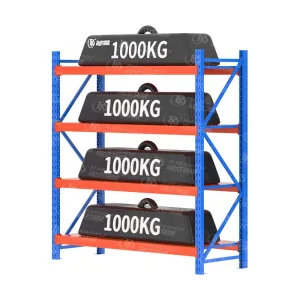
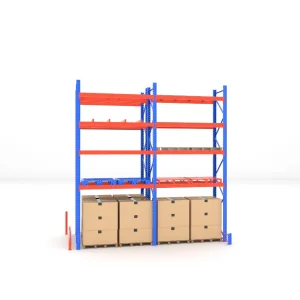
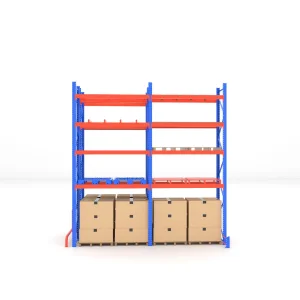
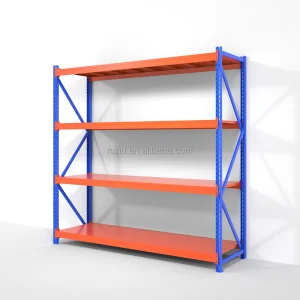
Select specialized racking profiles engineered to handle payloads exceeding 500kg up to 3000kg per level.
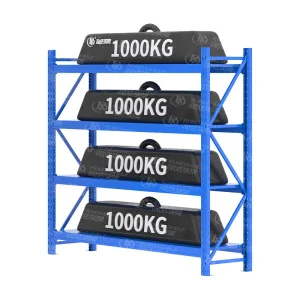
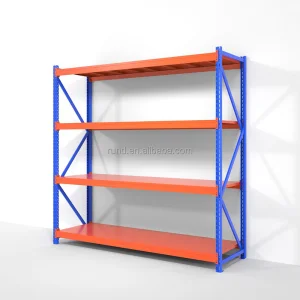
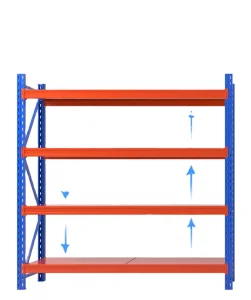
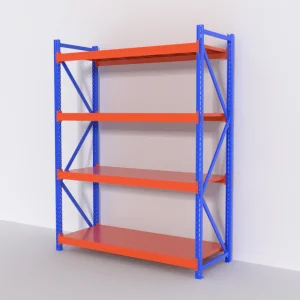
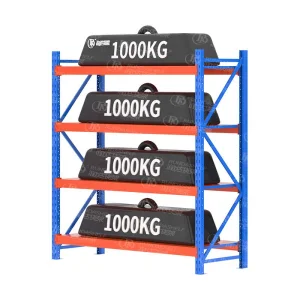
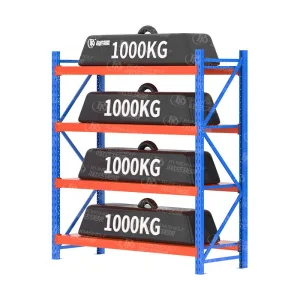
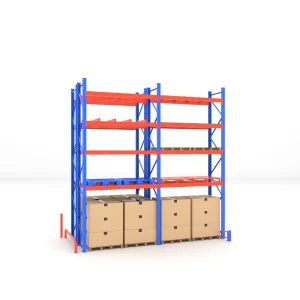
Essential components and structural add-ons to configure high-payload capacity industrial operations.
Streamlined logistics management to guarantee timely shipping, safety compliance, and efficient local delivery.
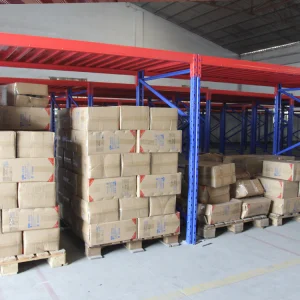
Exporting industrial steel structures to Canada requires careful logistics coordination and compliance with the Canada Border Services Agency (CBSA). Standard roll-formed frames and structural shelves are shipped in compact flat-packs via 20GP or 40HQ ocean containers. This approach maximizes container weight utilization, helping to control ocean freight costs from major shipping ports in Shenzhen and Guangzhou to Canadian entry points.
Direct ocean shipping to the Port of Vancouver or Port of Prince Rupert usually takes 14 to 18 days transit time. This route is ideal for distribution centers in British Columbia, Alberta, and Saskatchewan.
Shipments to the Port of Montreal or Port of Halifax utilize the Panama Canal or a rail connection via Vancouver, delivering to logistics centers in Ontario and Quebec.
We provide pre-engineered technical drawings, steel yield strength test reports, and structural calculations to assist local engineers with building permit applications.
Answers to common questions regarding structural engineering standards, loading capacities, and Canadian certifications.
 FlexiRack