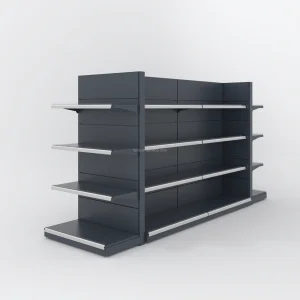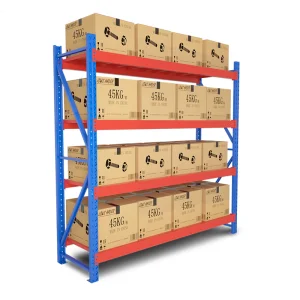
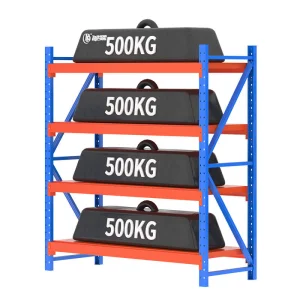
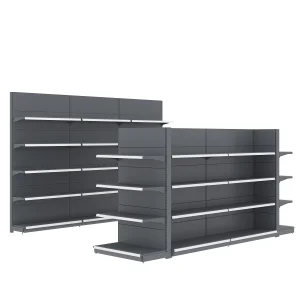
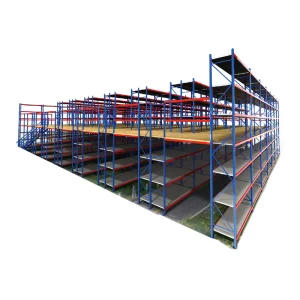
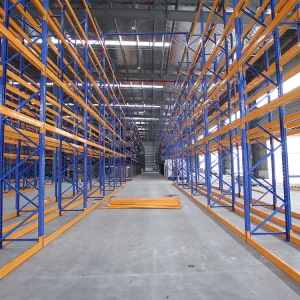
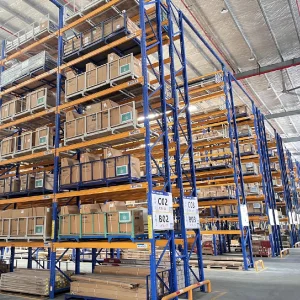
Norway's unique geography, characterized by deep fjords, scattered populations, and harsh winters, demands highly decentralized, resilient logistics networks. From e-commerce hubs in Oslo and Akershus to seafood export centers in Bergen and aquaculture facilities in Tromsø, warehouses face extreme physical and environmental challenges. Medium-duty warehouse shelves (100~300KG load capacity per level) form the backbone of these systems, storing high-turnover SKUs, spare parts, fish-processing consumables, and semi-automated assembly line components.
In Norway, space is at a premium due to high construction and heating costs. Warehouses are shifting from vast footprints to vertical, high-density structures. Racking solutions must not only carry weight but also integrate seamlessly with manual picking paths, automated mobile robots (AMRs), and conveyor networks, while complying fully with Arbeidstilsynet (The Norwegian Labour Inspection Authority) rules on occupational ergonomics and workplace safety.
On a global scale, the boom in e-commerce and micro-fulfillment centers (MFCs) has reshaped warehousing requirements. The modern storage landscape demands fast configuration, modular scalability, and lightweight yet extremely durable frames. Heavy-duty pallet racks are often overkill for standard parcel fulfillment, where individual item cartons range between 10kg and 50kg. Thus, the 100~300kg capacity medium shelf has emerged as the global industry sweet spot.
For European and Norwegian distributors, this shelving class bridges the gap between light-duty retail racks and massive, forklift-accessed heavy pallet racking. Our manufacturing processes utilize Q235B high-tensile cold-rolled steel, giving each shelf structure a high strength-to-weight ratio. This helps reduce shipping emissions—a key metric for Norwegian importers tracking Scope 3 carbon footprint outputs under European environmental regulations.
When selecting medium-duty storage shelves for Norwegian deployment, visual aesthetics must match rigorous engineering specs. The Norwegian construction and warehousing sector adheres to NS-EN 15635 (Steel static storage systems - Application and maintenance of storage equipment) and NS-EN 1998-1 (Eurocode 8) for seismic safety, particularly relevant in seismically active industrial areas near the North Sea coast.
| Parameter | Industrial Standard Spec | Norway Compliance Status |
|---|---|---|
| Load Capacity Per Layer | 100 kg to 300 kg (Uniformly Distributed Load - UDL) | Certified by dynamic load cell verification tests |
| Material Base Metal | Q235B High-Strength Structural Steel (equivalent to S235JR) | CE Certified, conforming to EN 10025-2 standards |
| Corrosion Protection | Epoxy Polyester Powder Coating (70-90 microns thick) | Resistant to coastal humidity, C3/C4 environmental grade |
| Safety Factor | 1.5x structural reserve limit | Fully compliant with European HSE directive provisions |
| Seismic Coefficient | Upright frames equipped with seismic base plates | Suitable for seismically active zone installations |
| Shelf Adjustability | 50mm pitch increments (butterfly/keyhole slots) | Modular, tool-free layout updates for picking efficiency |
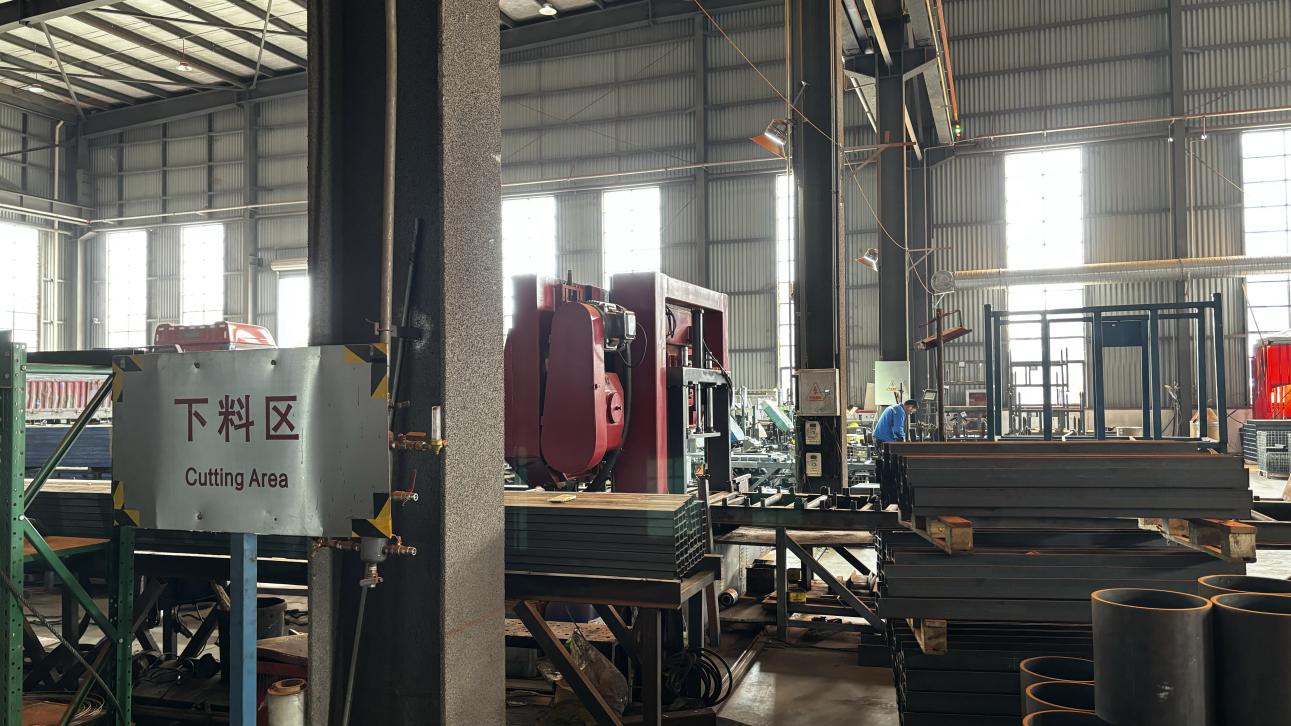
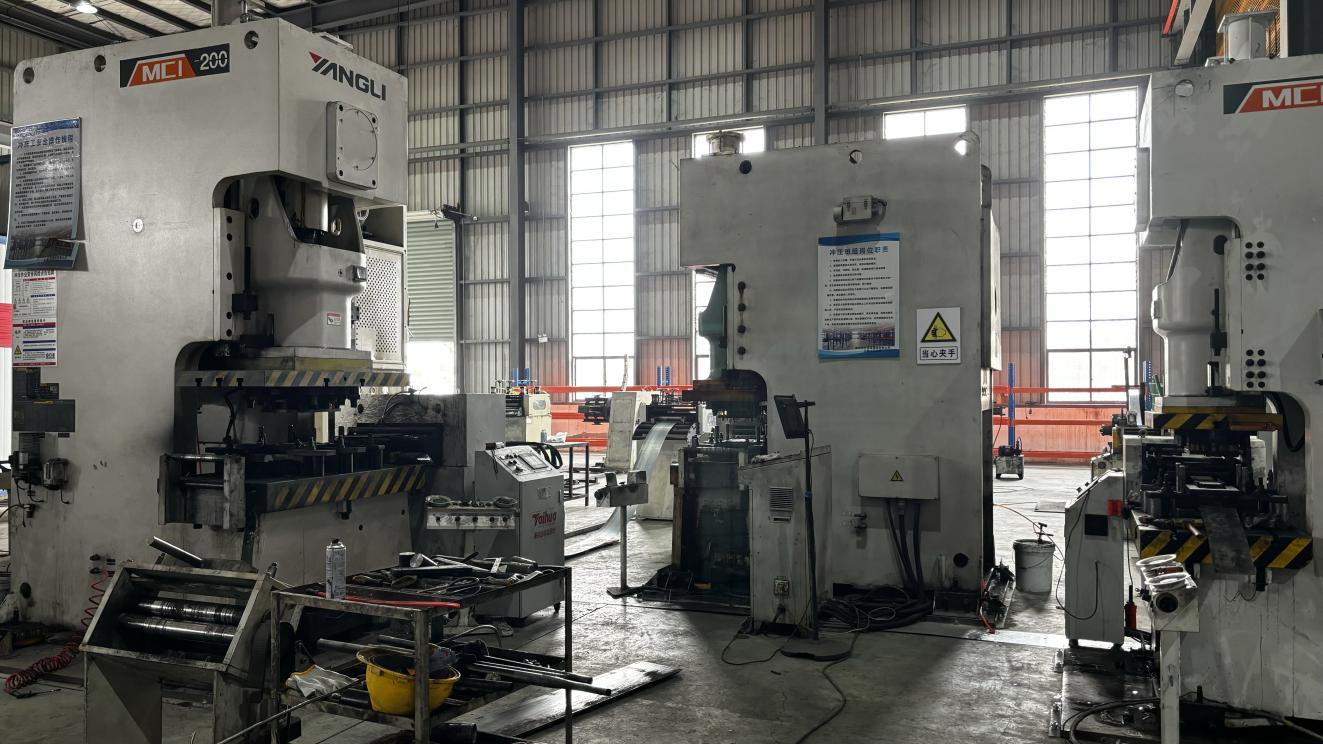
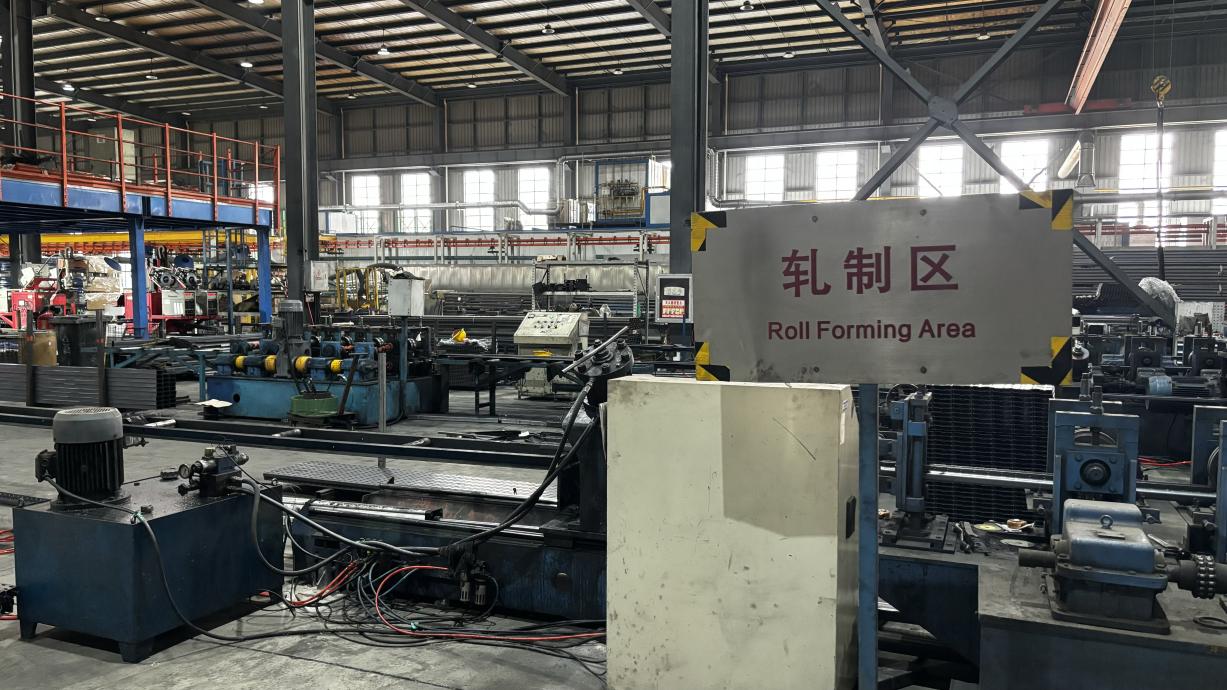
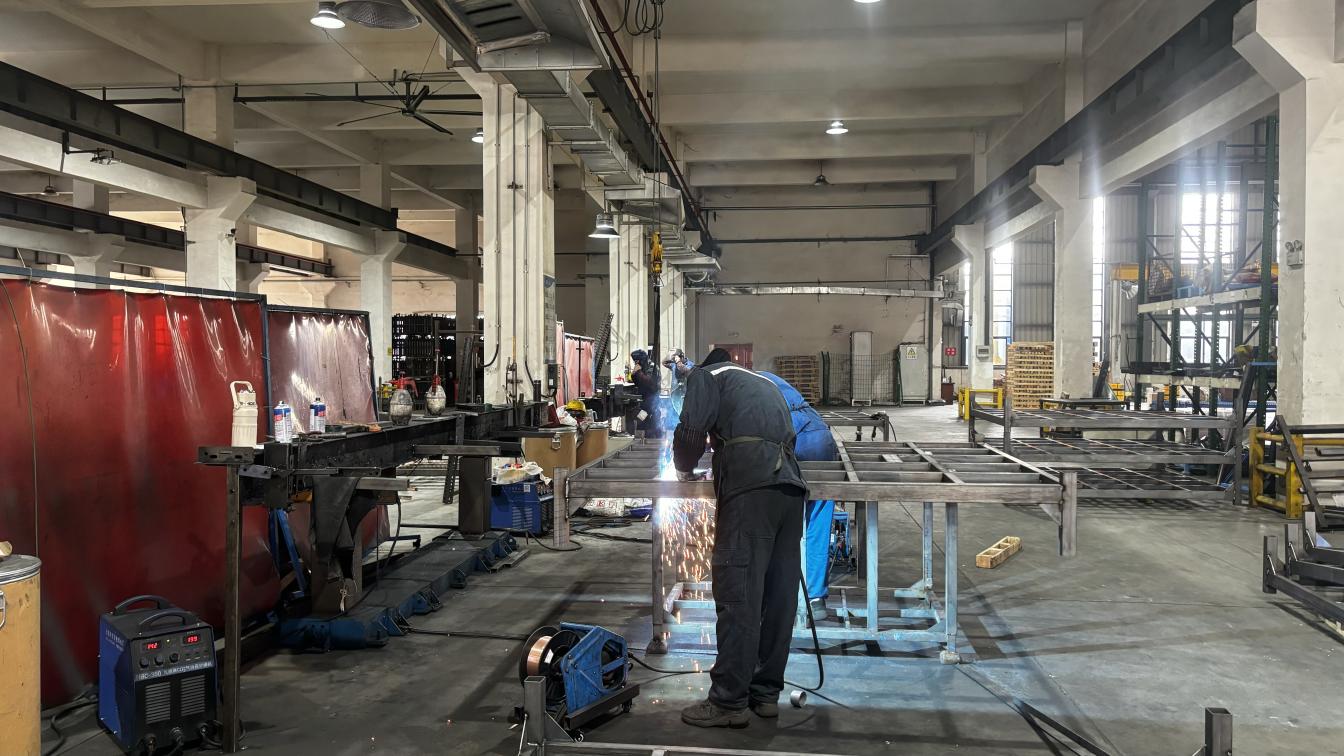
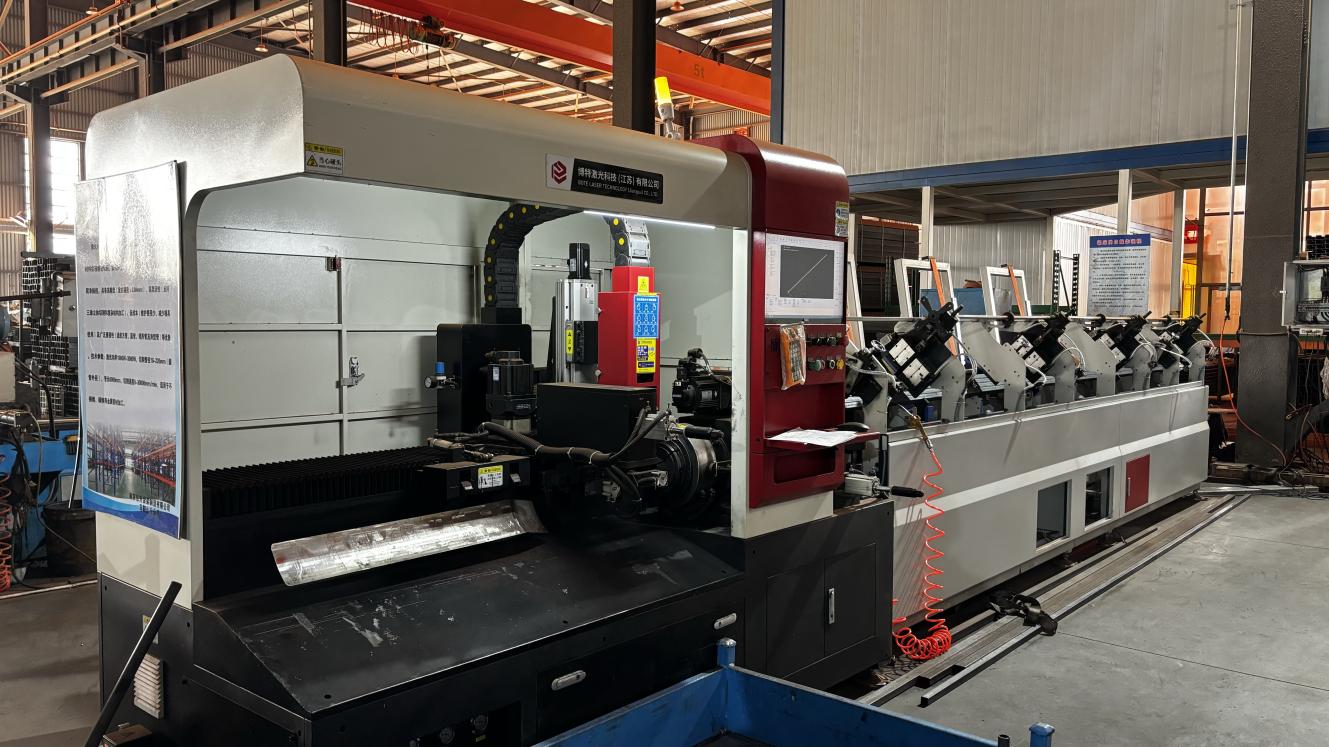
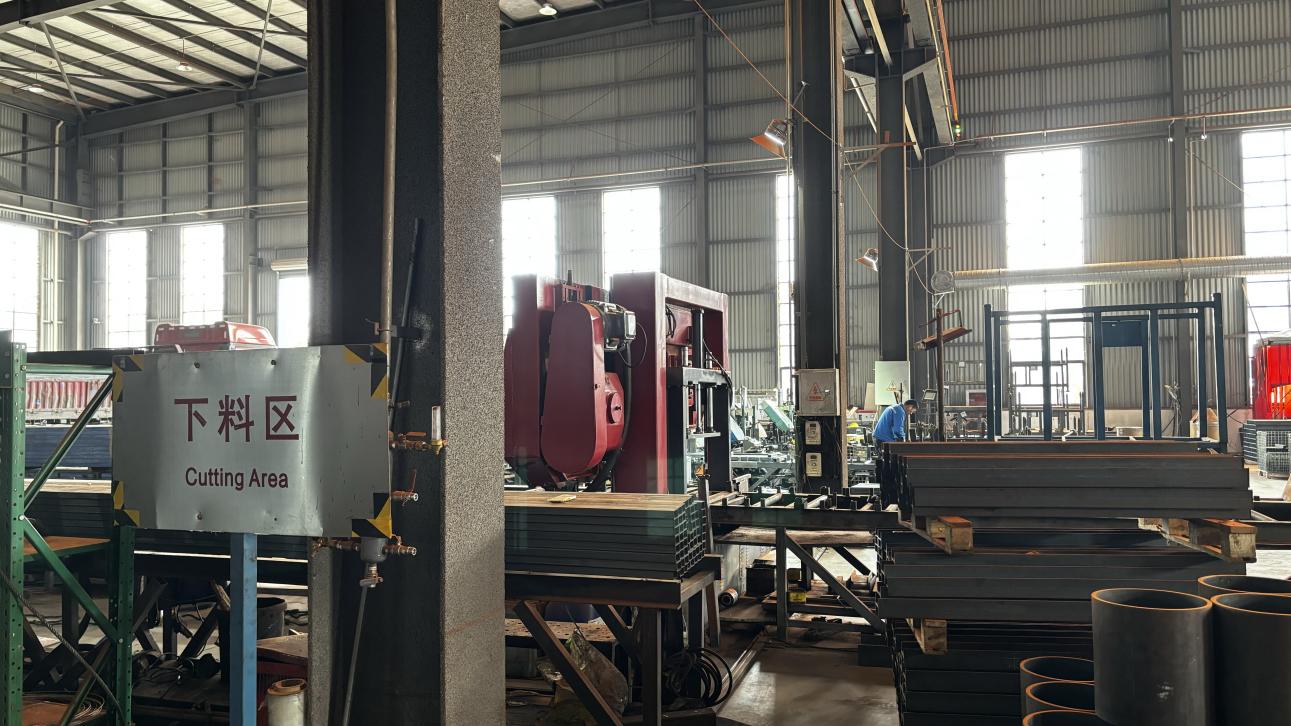
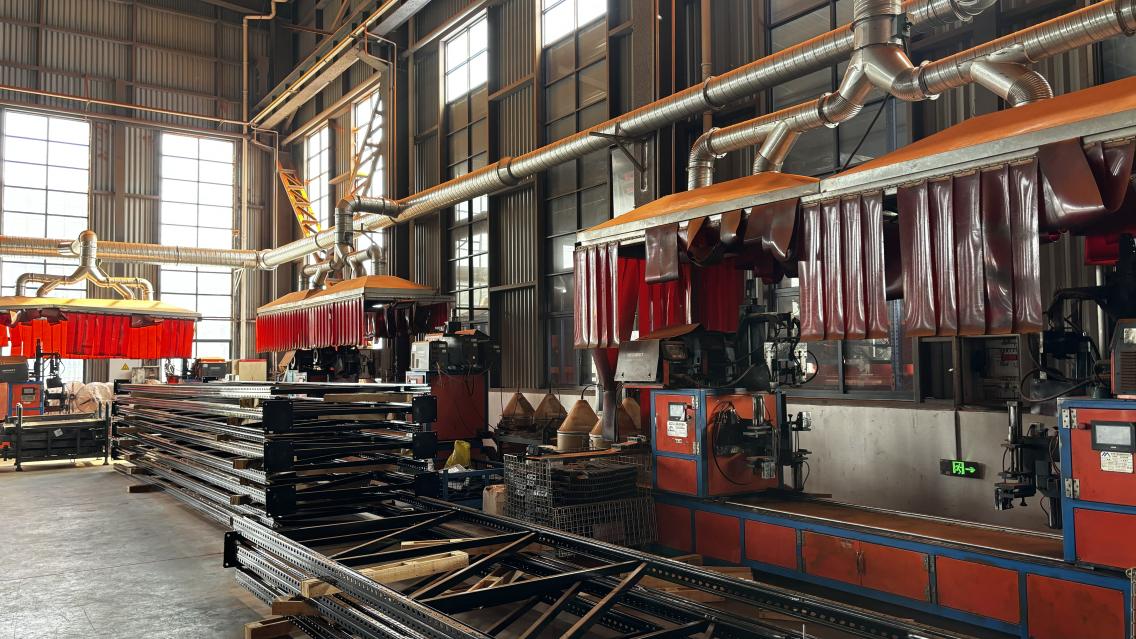
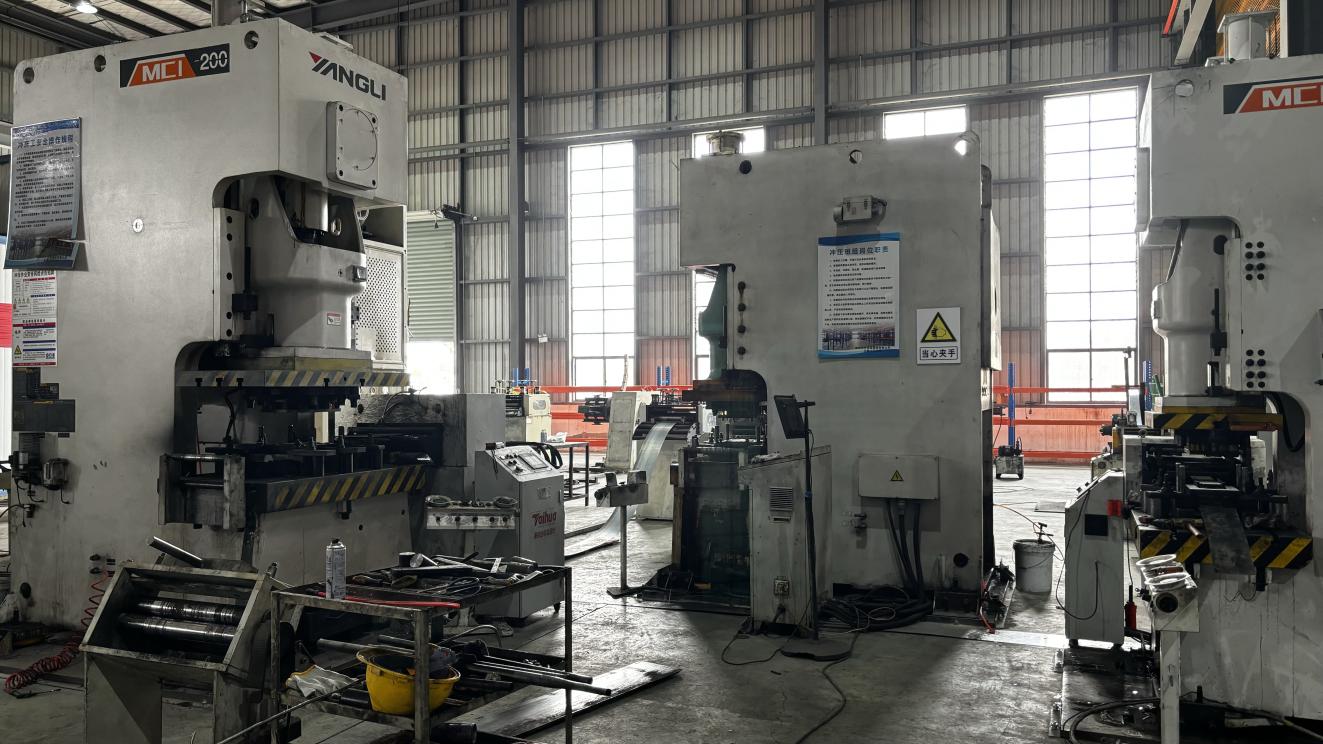
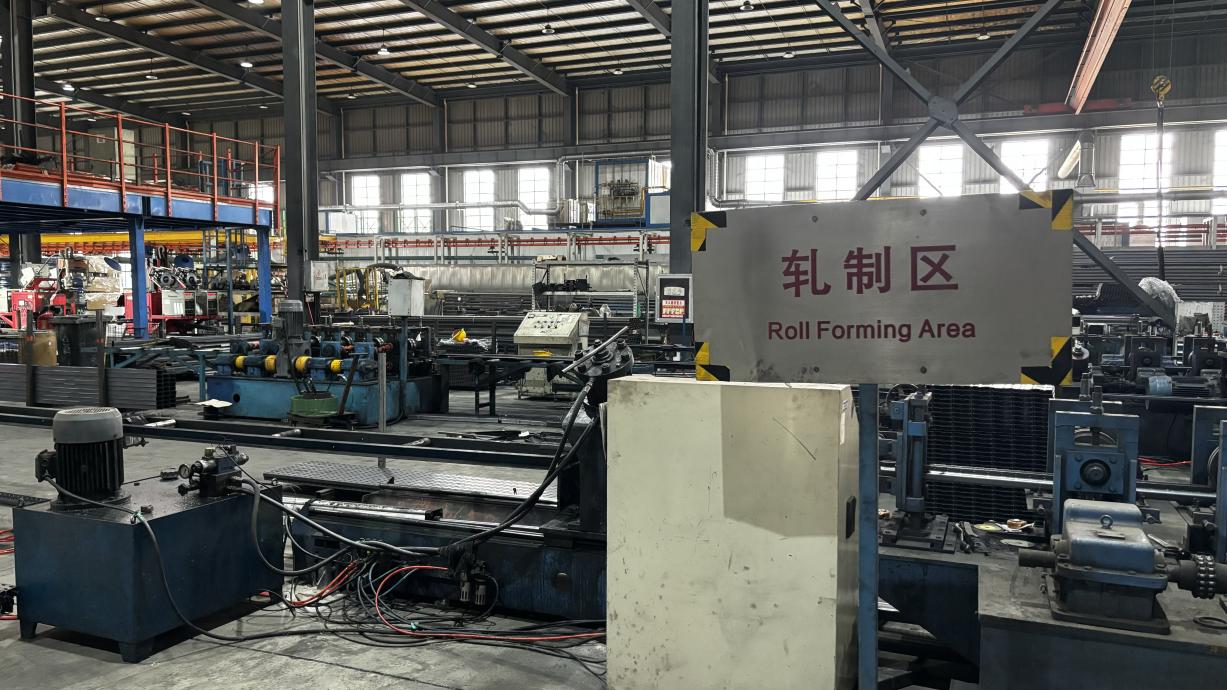
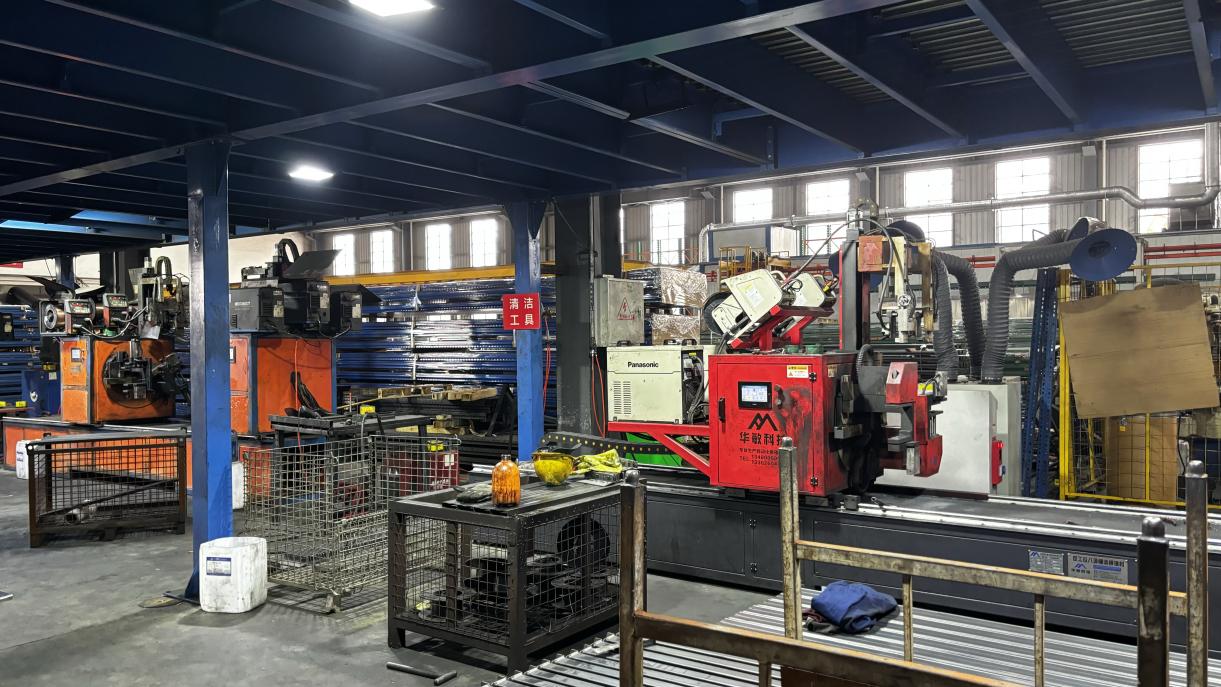
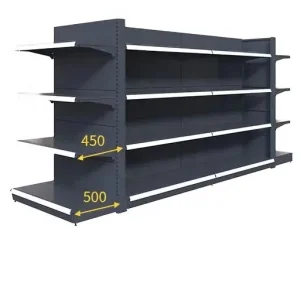
The manufacturing process at FlexiRack includes precision roll-forming of vertical upright posts (profile cross-sections starting from 55*47mm with structural stiffening ribs) and step beams. Steel shelves are supported by under-shelf reinforcing hat-channels to prevent sagging, bowing, or catastrophic structural failure when loaded to the limit of 300kg.
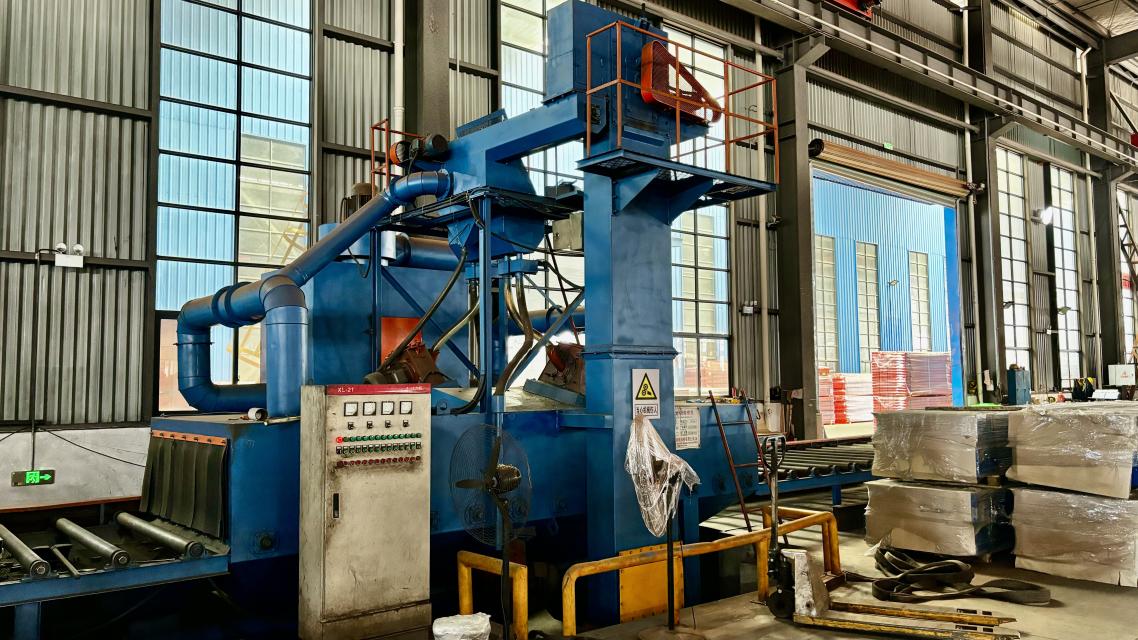
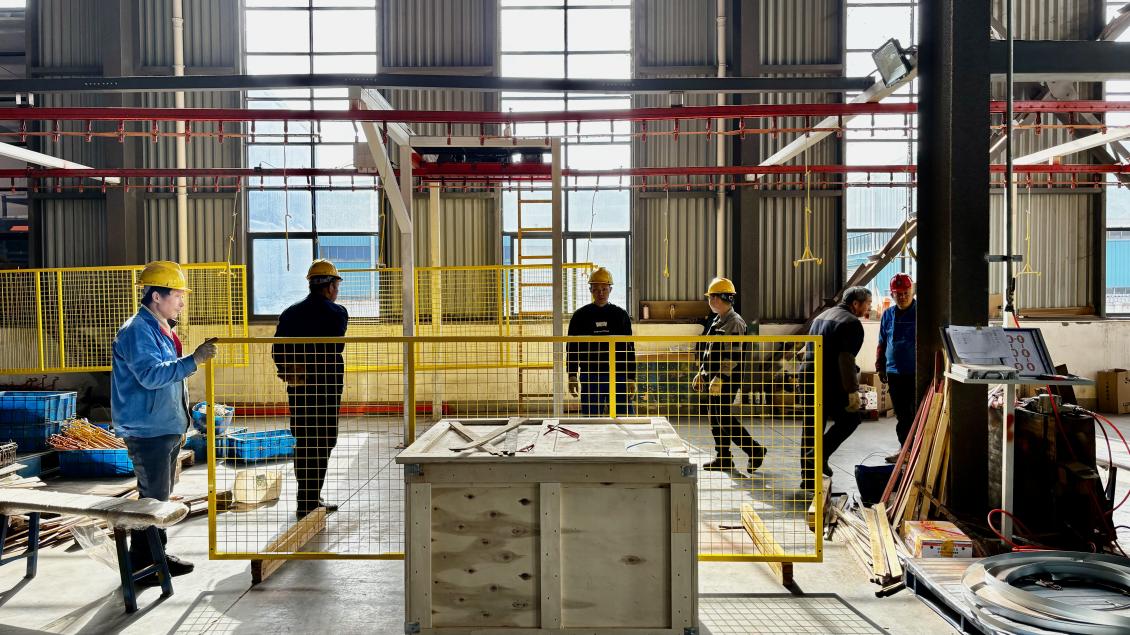
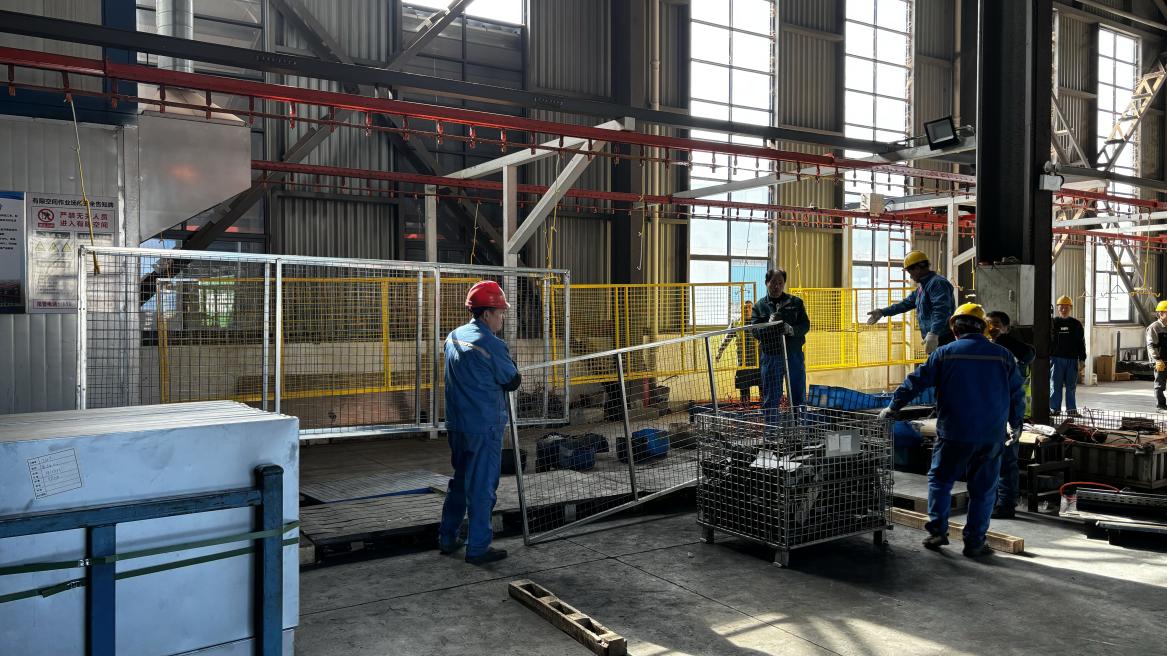
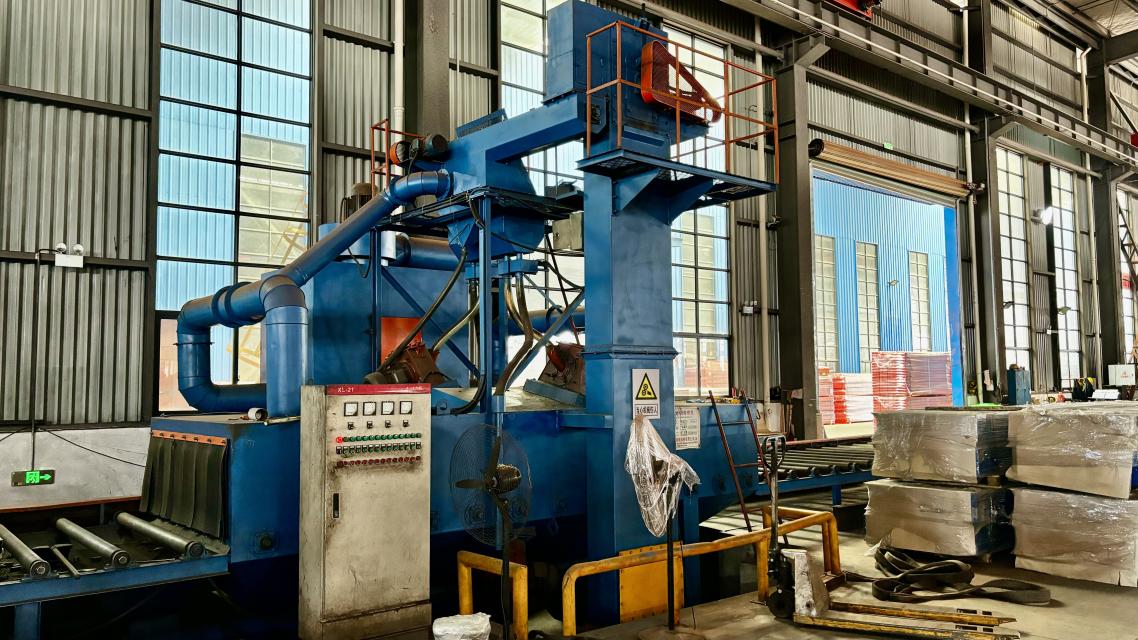
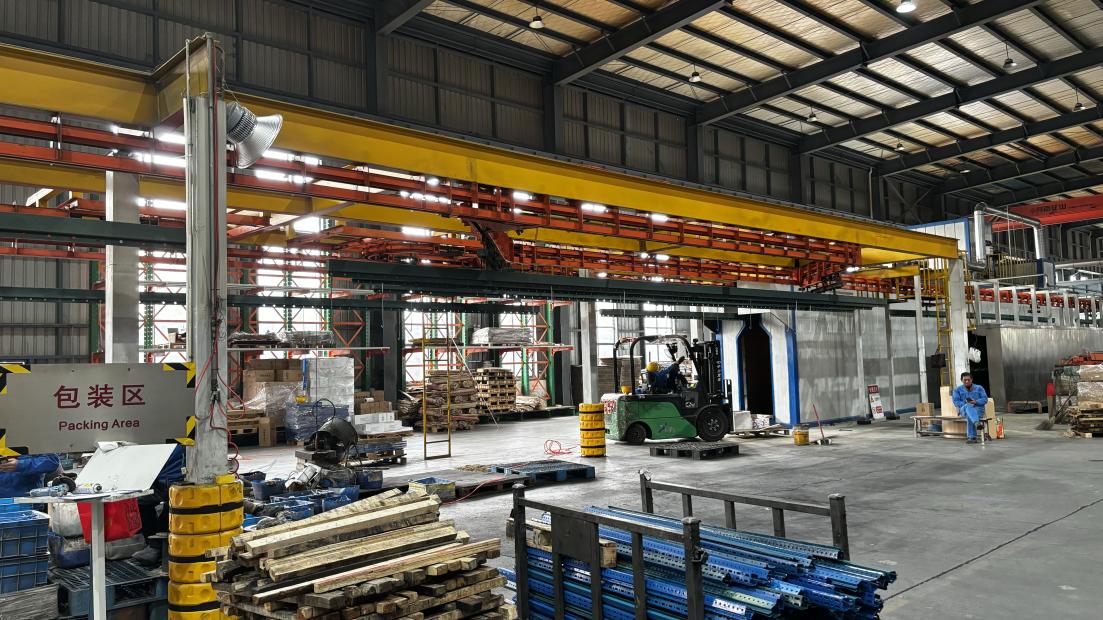
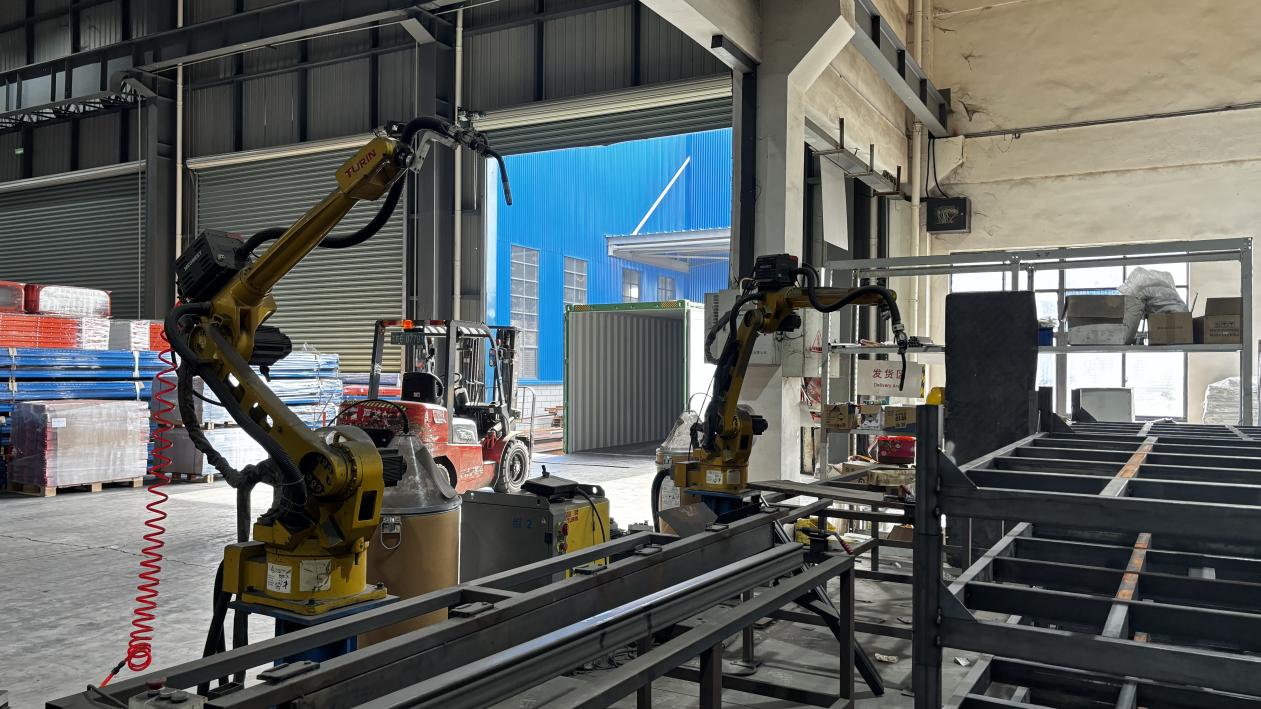
Founded in 2014, Foshan FlexiRack Intelligent Logistics Equipment Co., Ltd. operates a state-of-the-art manufacturing facility spanning 32,000 m². With 12 years of industry experience and 8 years of dedicated export experience, the company achieves an annual export revenue of $18 million. Quality is paramount, backed by ISO9001 and CE certifications, utilizing rigorous ultrasonic flaw detection and dynamic load testing conducted by a dedicated QA team of 35 specialists. Operating as an OEM/ODM export manufacturer, our primary markets cover North America, Europe, and Southeast Asia. We maintain strong ties with over 850 supply chain partners, primarily serving third-party logistics (3PL) providers, industrial distribution centers, and e-commerce fulfillment hubs. Supported by 45 R&D engineers, we offer full-spectrum custom engineering (including custom load capacities, seismic designs, and automated ASRS integration), having launched 120 new storage solutions last year.
Seafood processing facilities operate at near-freezing temperatures with high humidity levels. Standard painted shelving is vulnerable to rapid oxidation. Our solutions provide specialized hot-dip galvanized finishes and marine-grade C4 powder coating options. Shelving systems in this category withstand harsh washdown processes while safely storing heavy fishing nets, packing plastics, and machinery components up to 300kg.
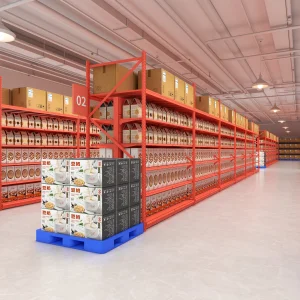
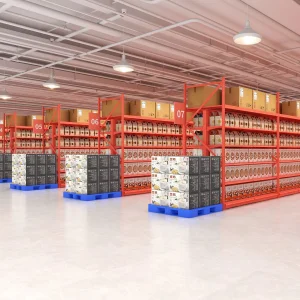
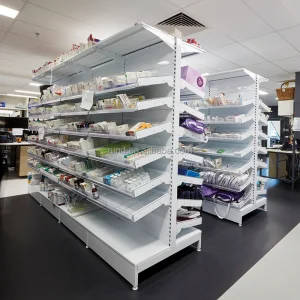
Fulfillment centers around Oslo and Drammen require fast picking rates. Our 100~300kg medium shelving is built with modular boltless designs. This allows for quick, tool-free reconfigurations to match shifting inventory patterns. Shelves can also be fitted with steel dividers, wire mesh decks, and picking bin supports to keep operations organized for manual workers or AMR integration.
Spares for offshore marine installations must be organized and accessible. Heavy mechanical valves, pump impellers, and hydraulic line components require highly stable, vibration-tested structures. Our medium-duty units are engineered with rigid upright post geometries, preventing frame twist under heavy point loads.
As warehousing becomes more automated, static steel shelving is transitioning to smart infrastructure. Our R&D department is designing weight-sensor-equipped deck plates and RFID-readable upright designs. This technology enables warehouse control systems to track inventory volume in real-time. In high-cost environments like Norway, these smart upgrades optimize warehouse capacity and lower the footprint needed for operations.
Norway leads the transition to a low-carbon circular economy. Our future strategy includes using green steel produced with reduced carbon dioxide emissions. We are also refining our epoxy-polyester powder formulations to eliminate volatile organic compounds (VOCs). This step ensures that every shelving tier meets European indoor air quality requirements and environmental standards.
 FlexiRack