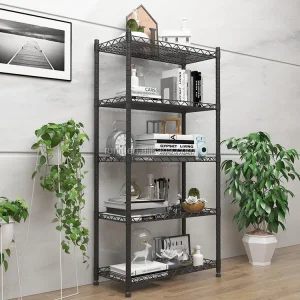
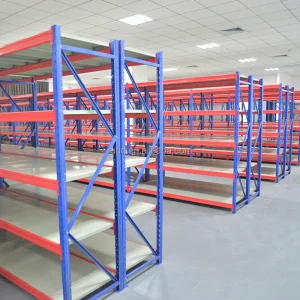
Engineered to optimize SKU density and streamline merchandise visibility across Austrian convenience networks, supermarkets, and drugstores.
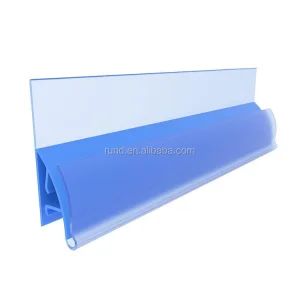
Austria, positioned as the geographic and economic gateway between Western and Eastern Europe, commands a critical node in continental supply chain networks. With major freight-consolidation centers spanning Vienna, Graz, Linz, and Wels, Austrian supply chains are currently undergoing a structural transformation. Driven by land scarcity, rising construction overheads, and a corporate mandate to achieve net-zero carbon neutrality, Austrian procurement groups and logistics providers are shifting away from traditional static setups. Instead, they are prioritizing dense, high-yield intralogistics configurations. Modern Austrian operations require systems that integrate seamlessly with automation while satisfying stringent regional compliance frameworks.
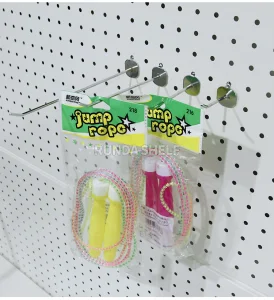
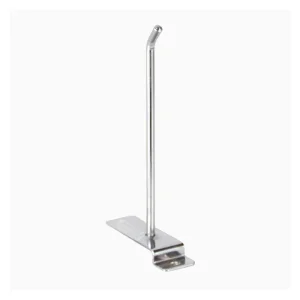
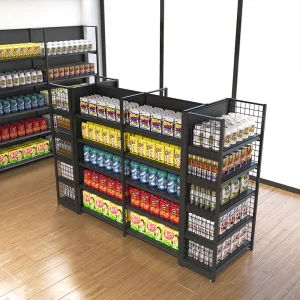
The domestic retail landscape, dominated by structured chains (such as SPAR, REWE Group, and Hofer), demands high-adaptability merchandising hardware. Display systems must be modular, highly durable to minimize recurring depreciation expenses, and visually clean to support premium, eco-centric product branding. The integration of electronic shelf labeling (ESL) and automatic pusher systems is now standard across domestic retail spaces to counter rising localized labor costs and maintain precise stock alignments.
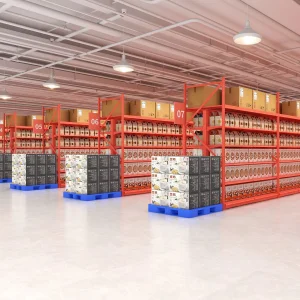
The technical trajectory of industrial warehousing in the DACH region focuses on maximizing space utilization and material traceability. High-bay pallet racking systems and multi-tier steel mezzanines must support automated guided vehicles (AGVs) and autonomous mobile robots (AMRs). Achieving high alignment precision demands tight manufacturing tolerances, ensuring clean clearances and smooth operations during rapid retrieval cycles. Concurrently, environmental regulations demand chrome-free surface coatings, minimal VOC powder treatments, and verifiable life-cycle analyses from raw steel sourcing to end-of-service recycling.
| Performance Indicator | Austrian Standard (EN / ÖNORM) | FlexiRack Industrial Guarantee |
|---|---|---|
| Steel Grade Raw Material | EN 10025 (S235JR, S355JR) | High-Tensile Cold-Rolled Structural Steel (Cert. Mill Reports) |
| Static Design Calculations | EN 15512, EN 15620, EN 15629 | FEM Stress Analysis & Dynamic Seismic Structural Calculations |
| Surface Corrosion Defenses | ISO 12944 (C3 Environment Class) | Continuous Electro-Static Epoxy Powder Coating (60-80 Micron thickness) |
| Quality Verification Protocol | ISO 9001:2015, CE Marking | Non-destructive Ultrasonic Flaw Detection & Real-time Weld Testing |
Established in 2014, Foshan FlexiRack Intelligent Logistics Equipment Co., Ltd. operates a state-of-the-art 32,000 m² manufacturing plant. We supply premium logistics racking and retail display infrastructure to high-demand global markets. By blending automated roll-forming and robotic welding with strict QA protocols, we achieve consistent dimensional stability, high weight capacity, and durable finishes. This structured approach helps Austrian logistics managers control capital expenditures while ensuring safe, long-term operations.
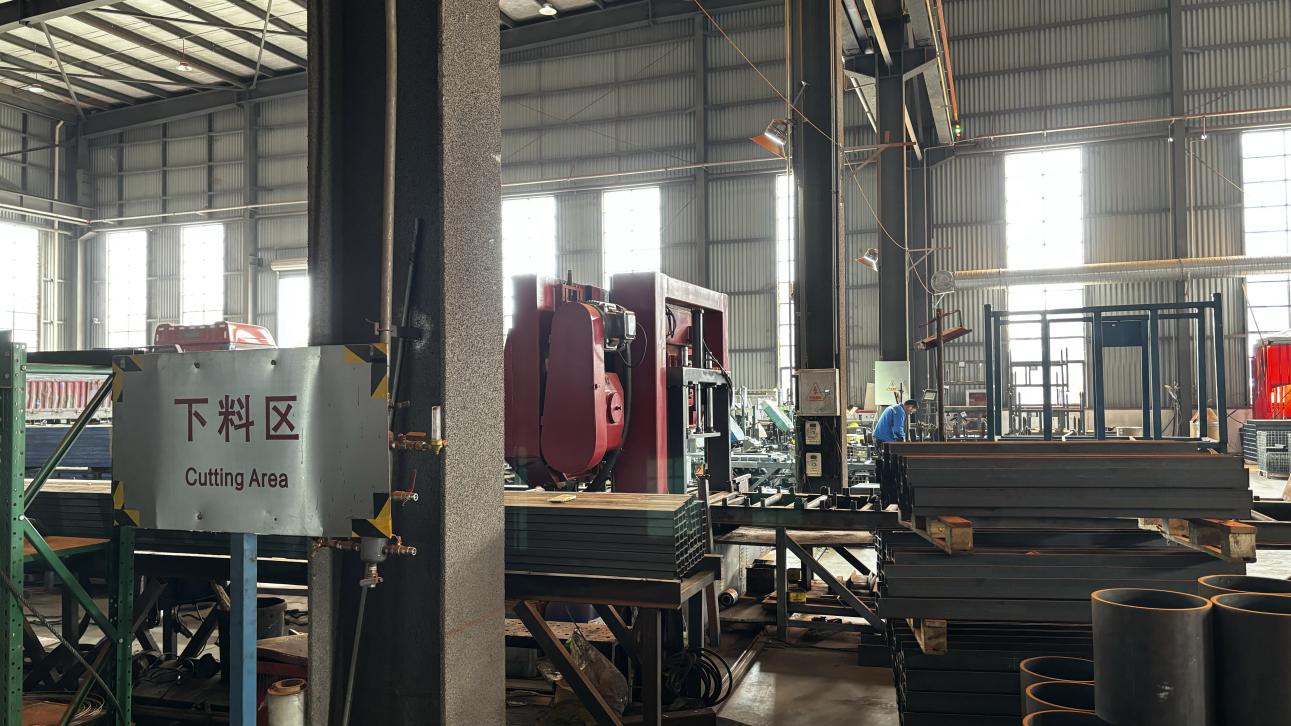
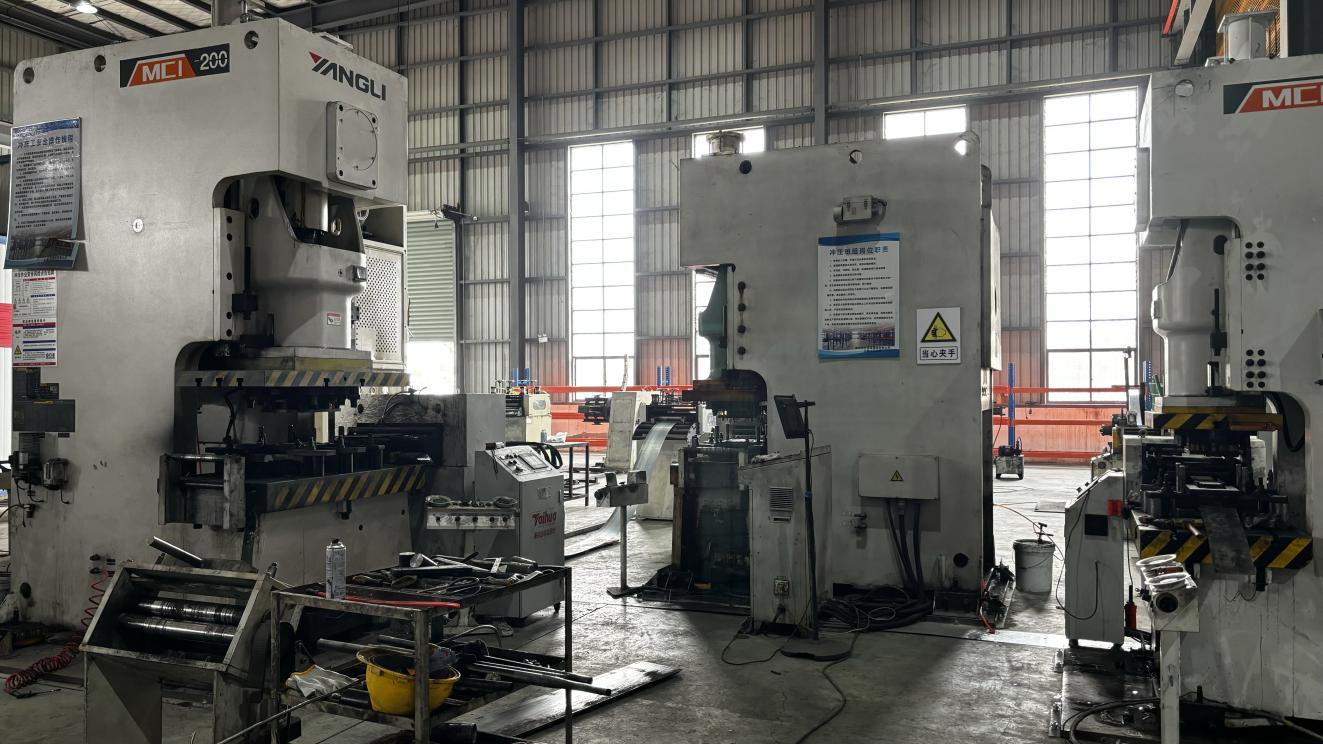
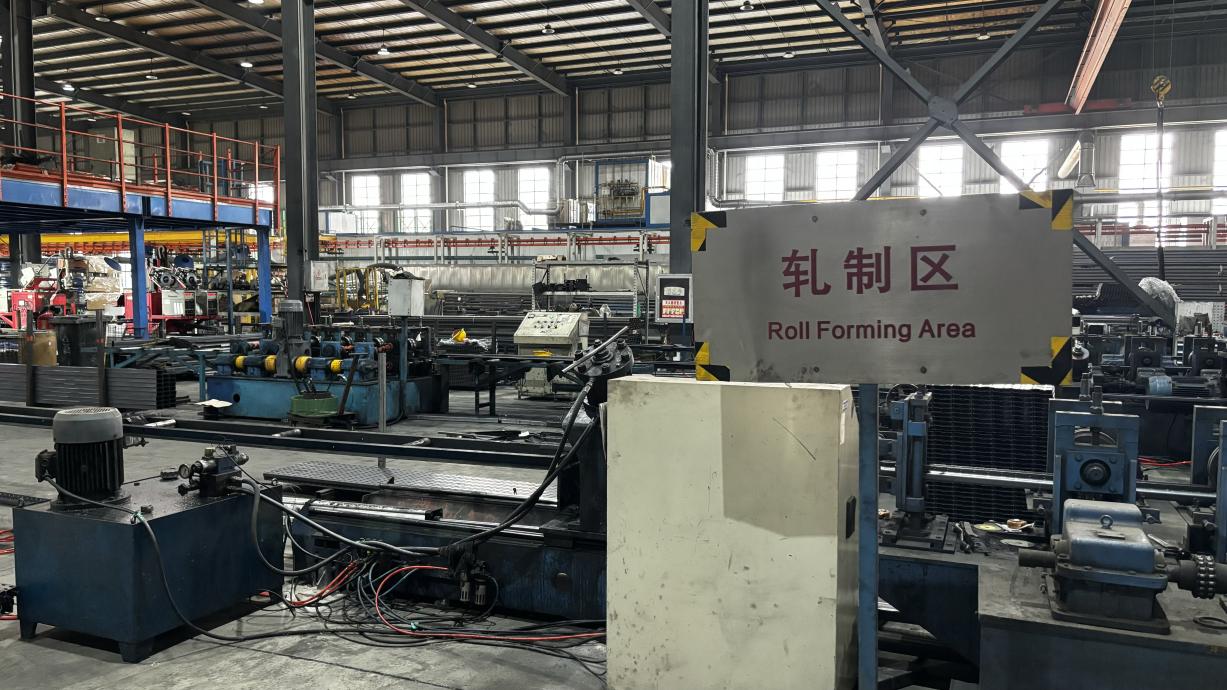
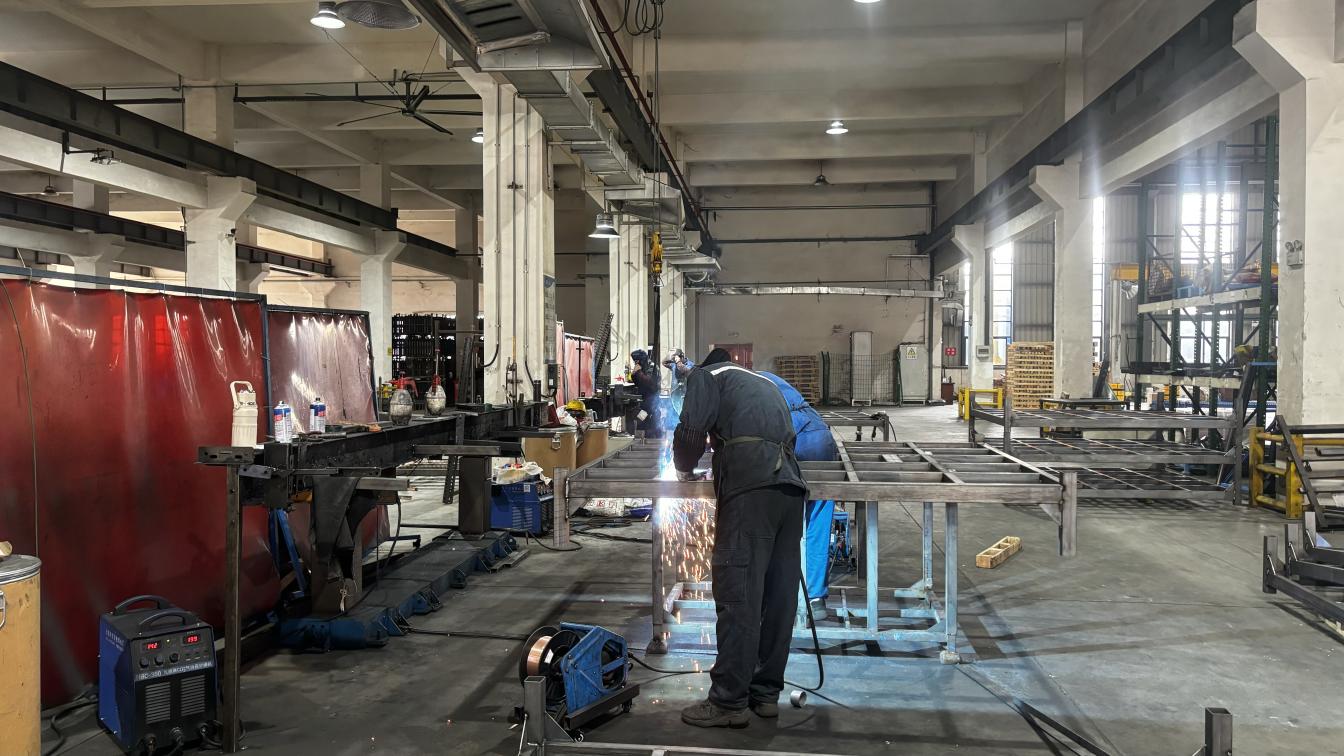
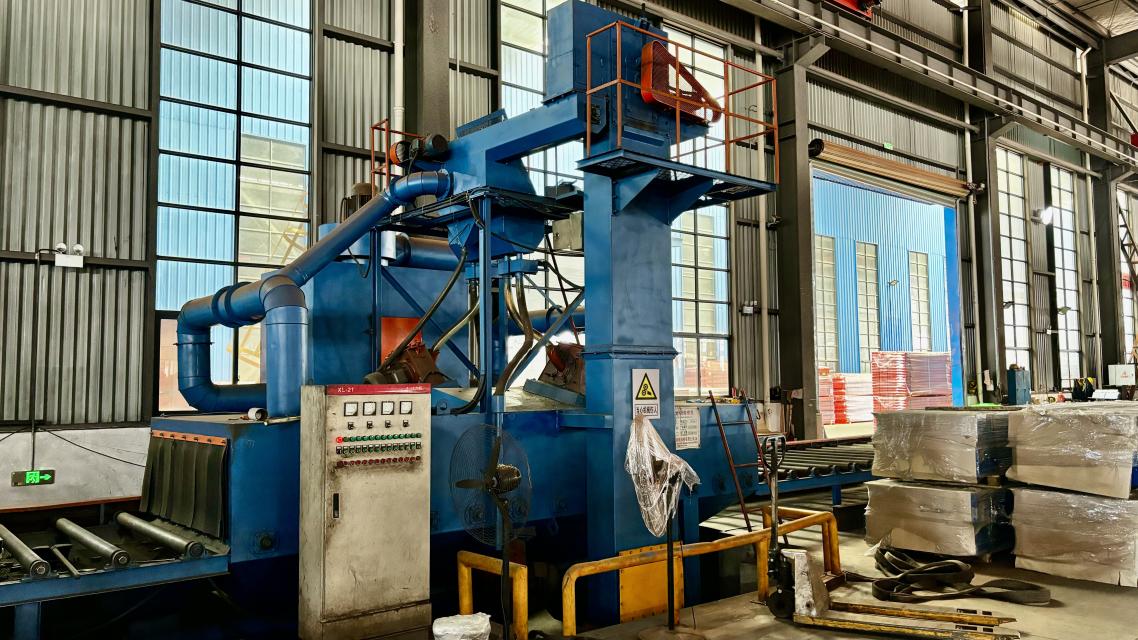
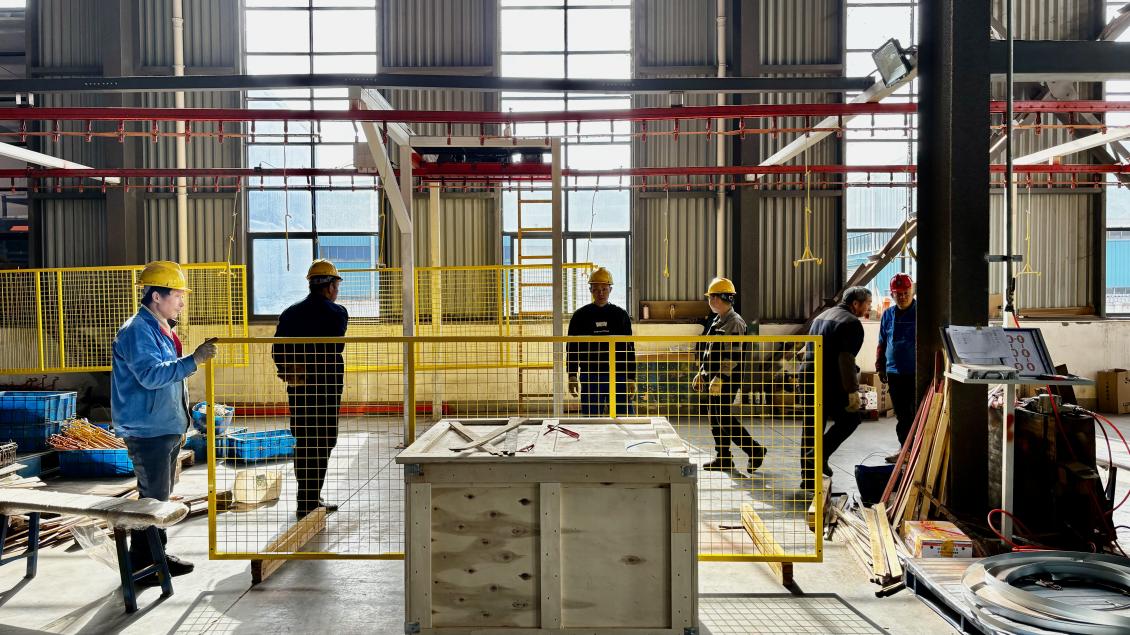
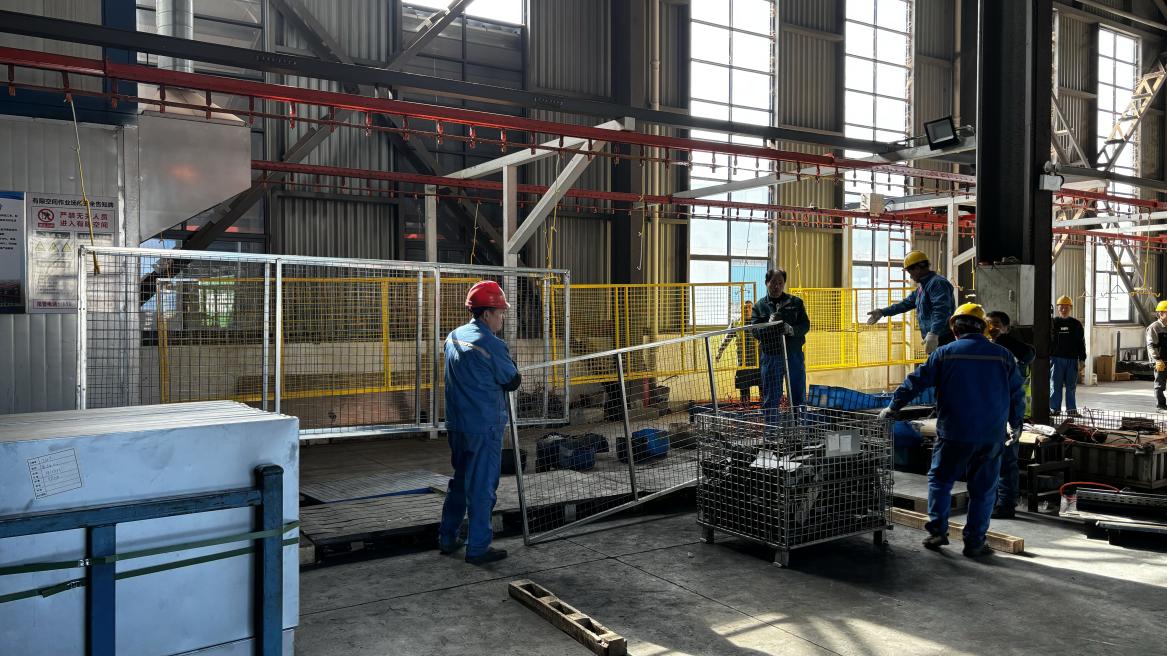
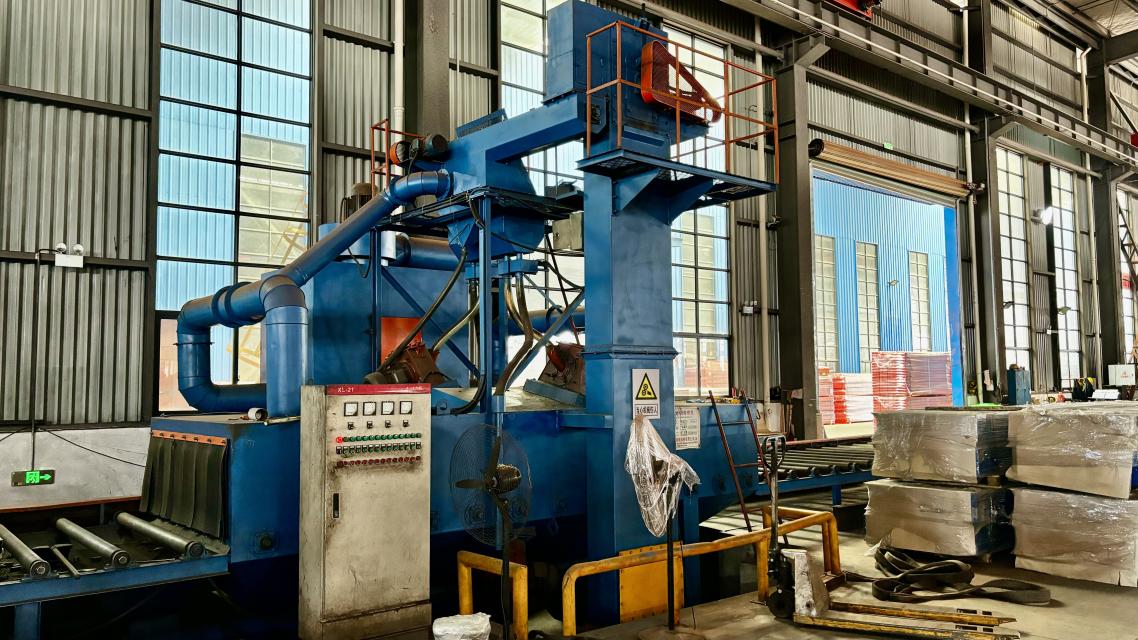
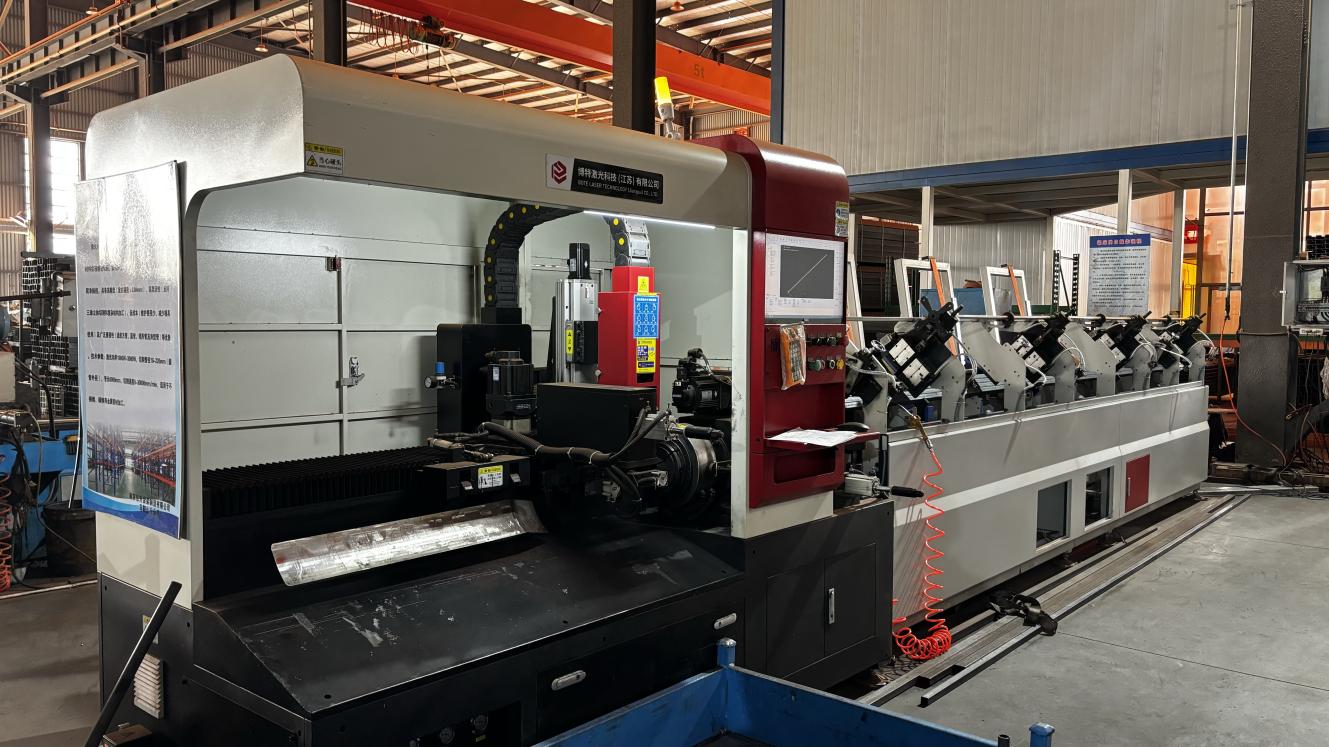
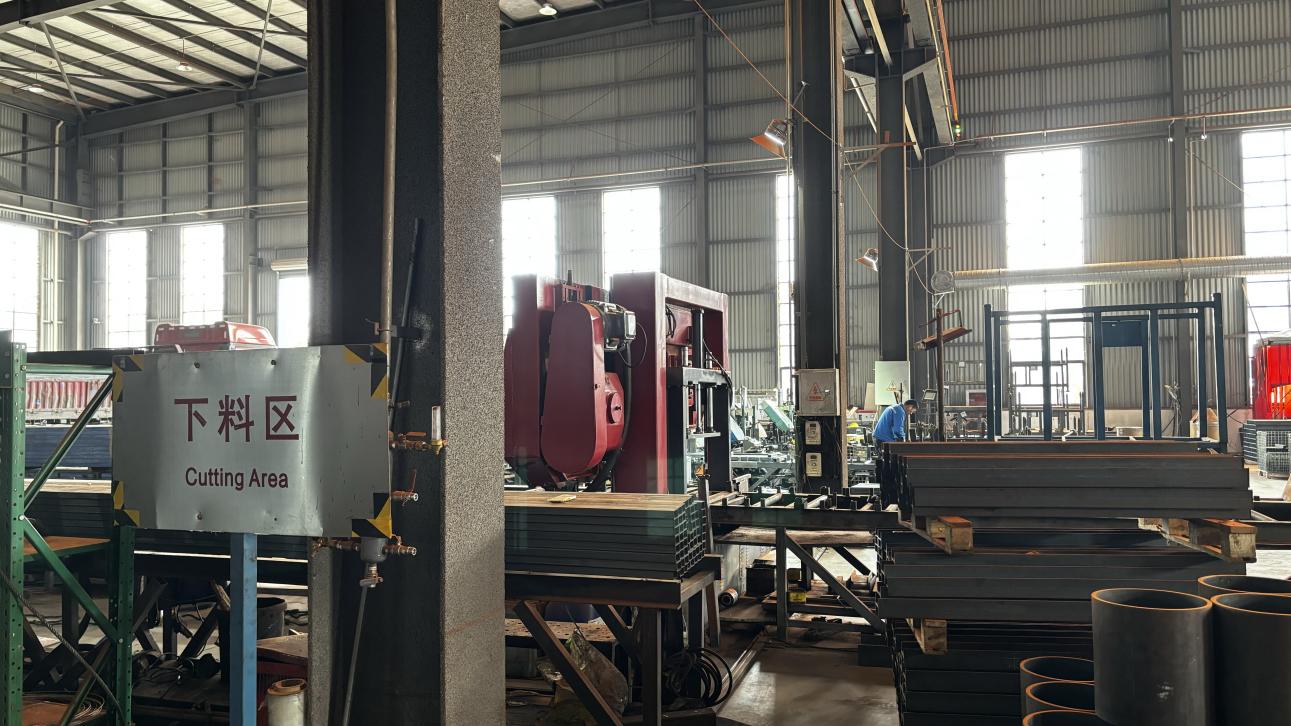
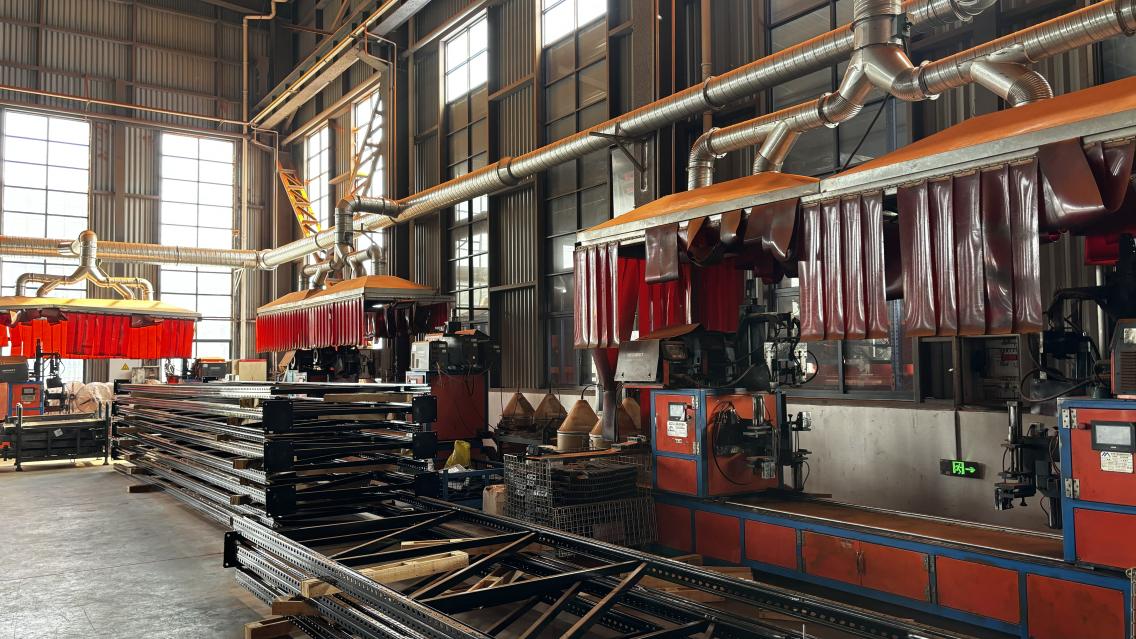
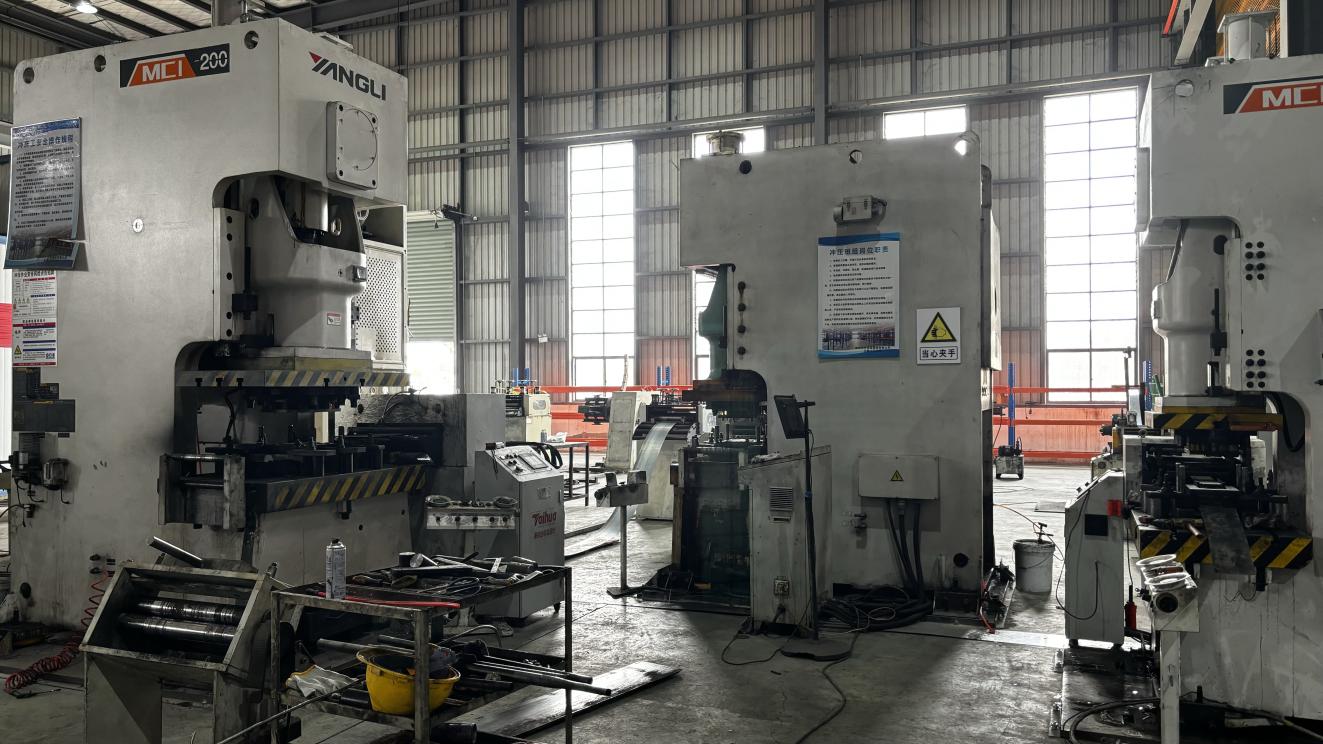
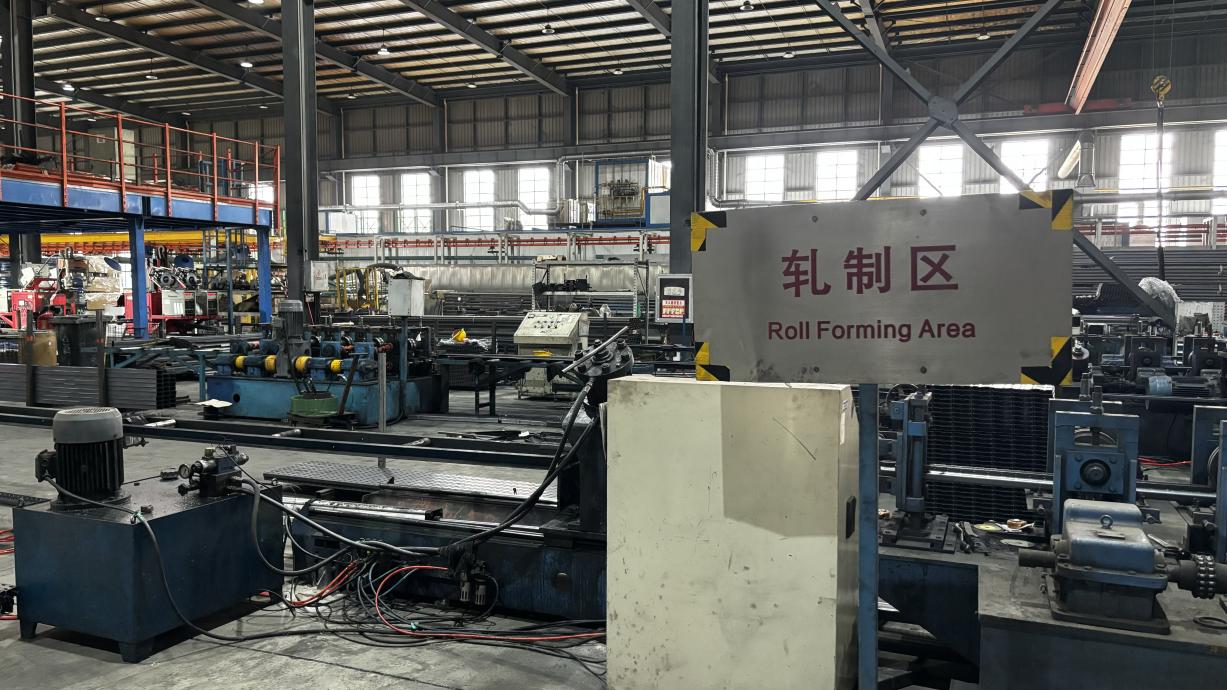
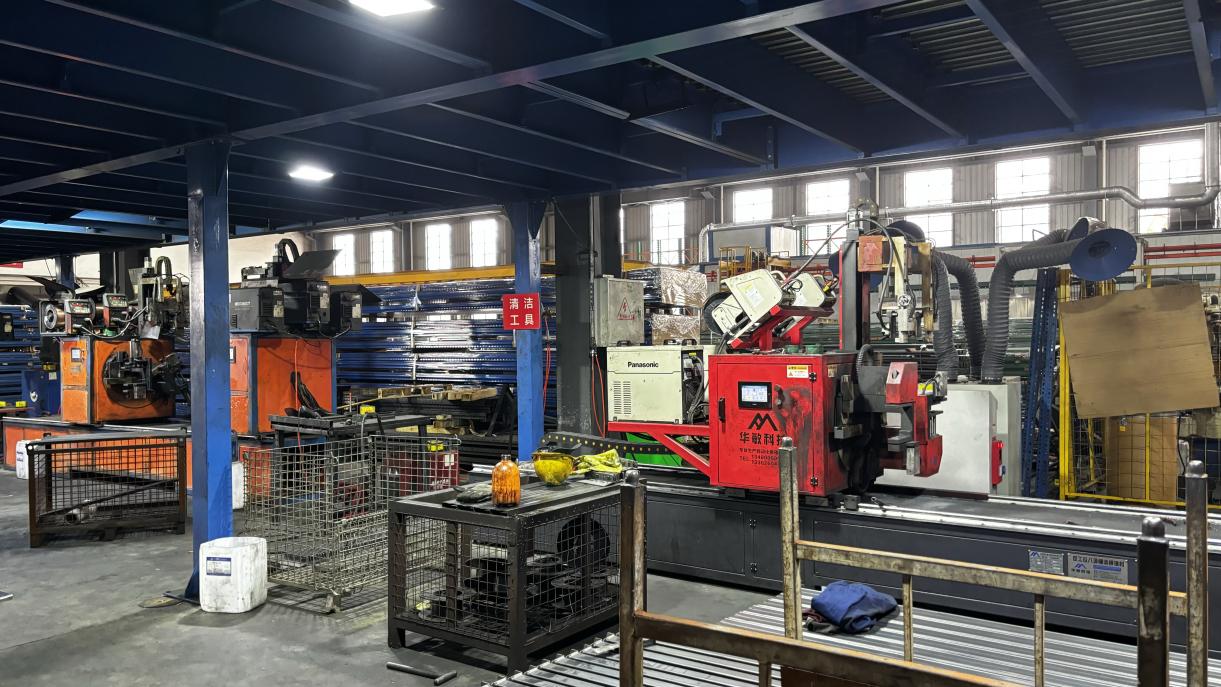
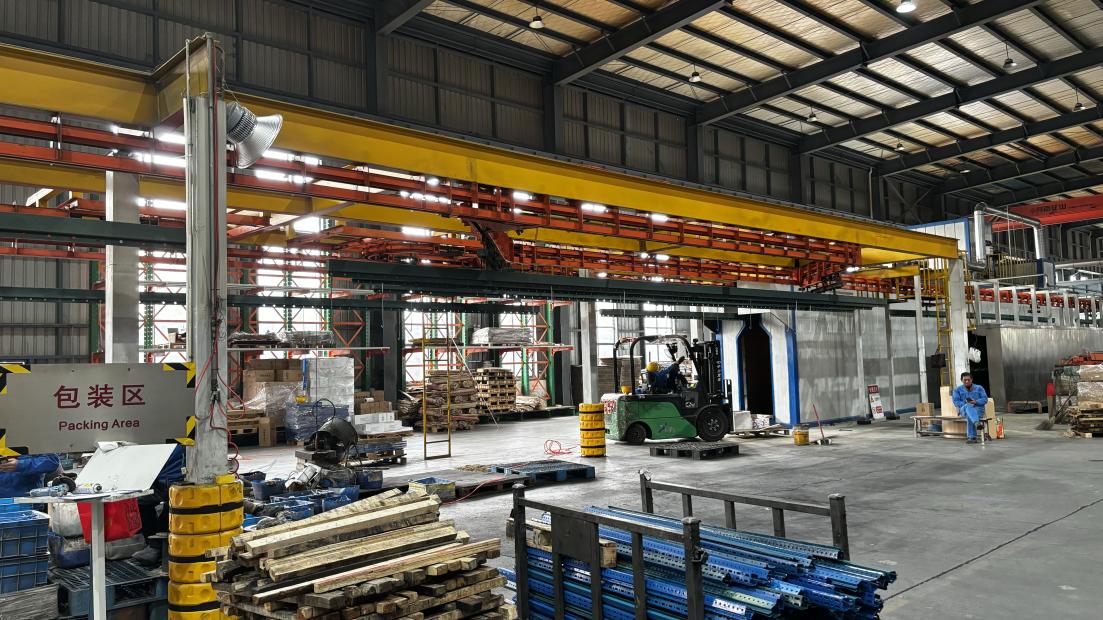
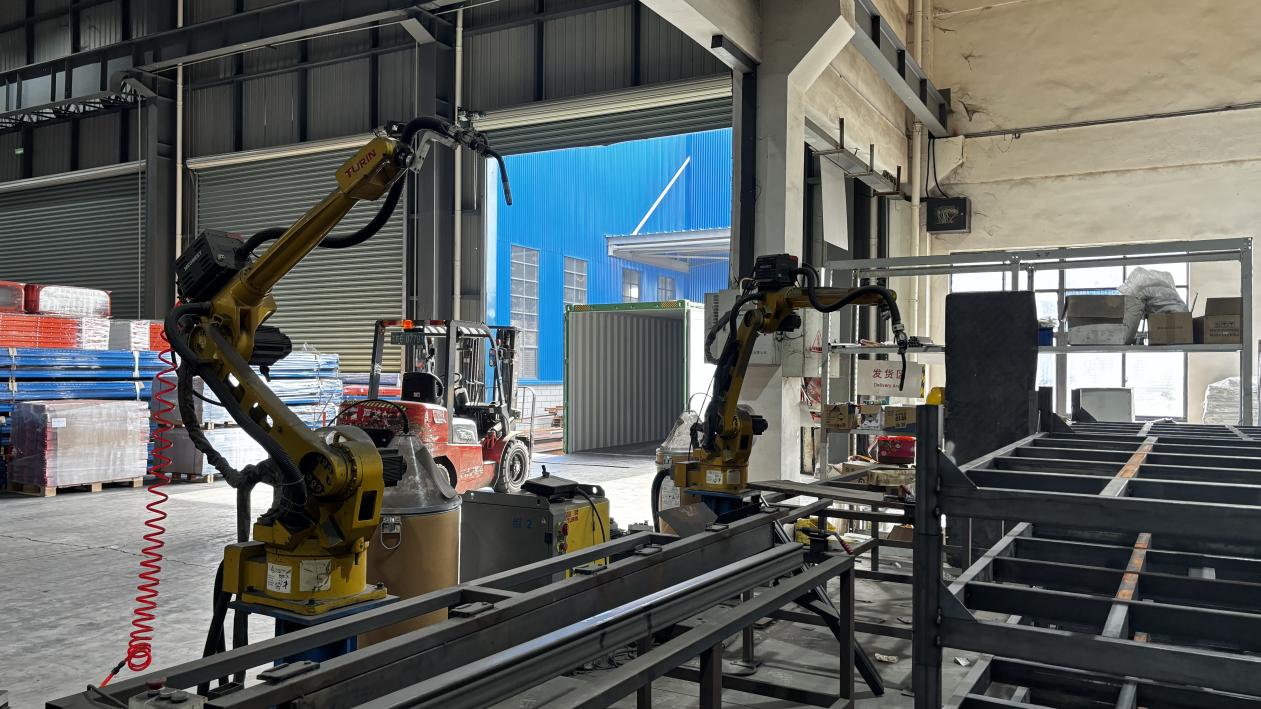
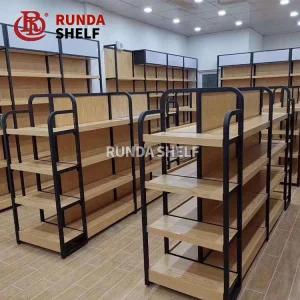
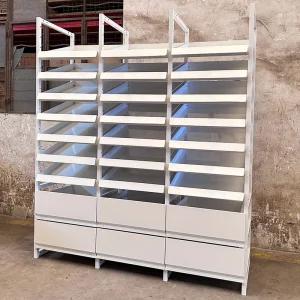
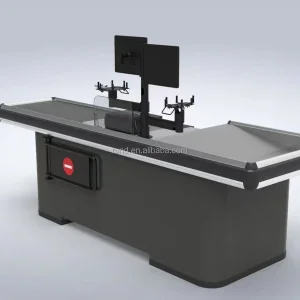
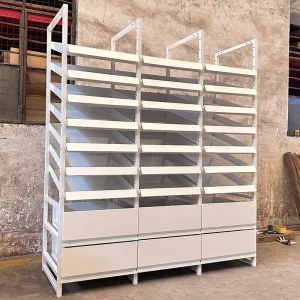
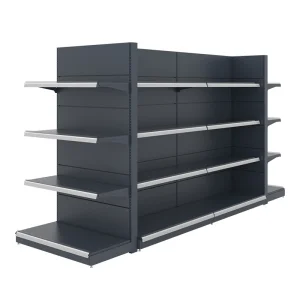
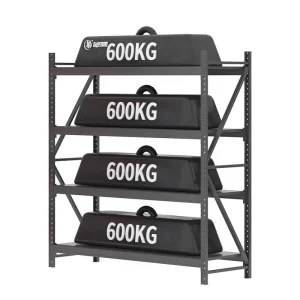
A comprehensive range of retail pushers, modular steel-and-wood combination shelves, warehouse-grade pallet racking, and structural mezzanine solutions designed for the European market.
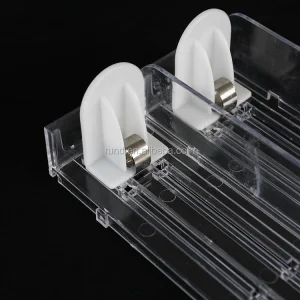
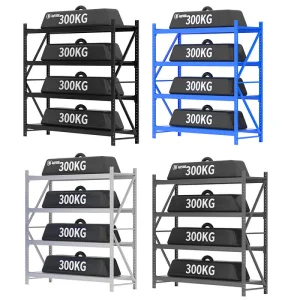
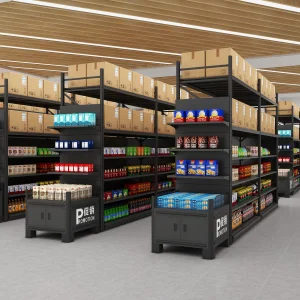
Operating within Austria requires strict adherence to localized safety frameworks and pan-European EN standards. Unlike suppliers who utilize generic steel profiles, FlexiRack structures are designed specifically for compliance. We ensure that our systems meet EN 15512 standards (which govern structural steel pallet racking tolerances and design parameters) and the strict inspection requirements of EN 15635 (which covers the safe operation and maintenance of storage equipment). For seismic zones, such as parts of Carinthia, Styria, and the Tyrol valleys, our engineers run specialized finite element method (FEM) simulations. These designs help mitigate structural deformation risk under peak loading conditions during seismic events.
We provide full-spectrum customization to support integration with automated systems. This includes planning for custom load capacities, designing for seismic resilience, and providing components configured for automated storage and retrieval systems (AS/RS). Last year, our team introduced 120 new storage solutions designed to help operators maximize space efficiency and ensure structural safety.
 FlexiRack