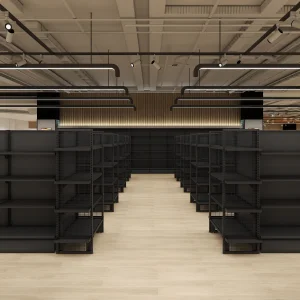
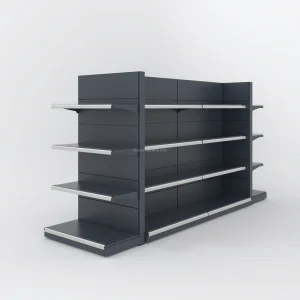
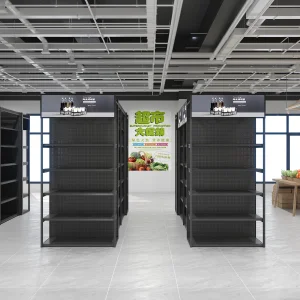
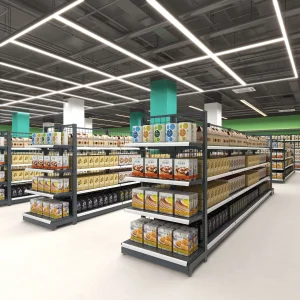
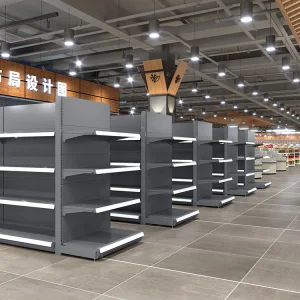
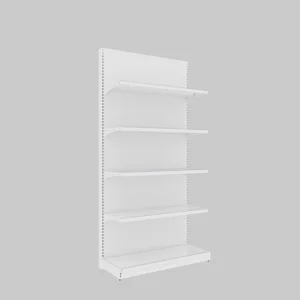
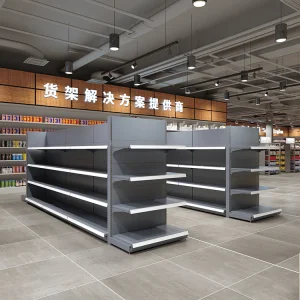
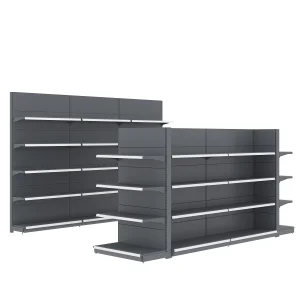
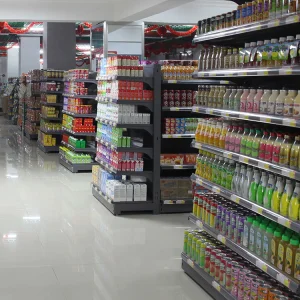
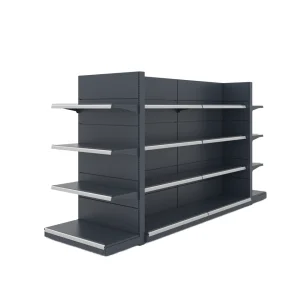
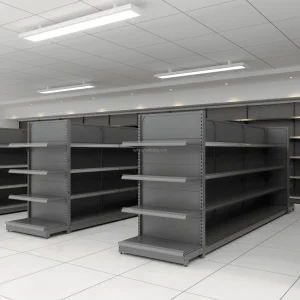
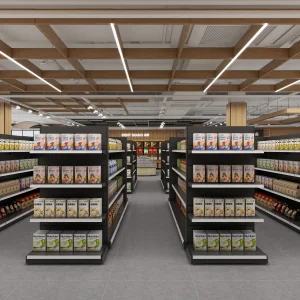
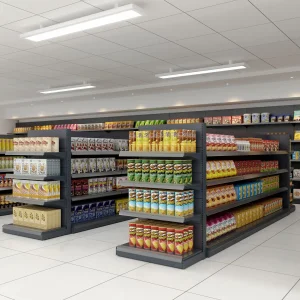
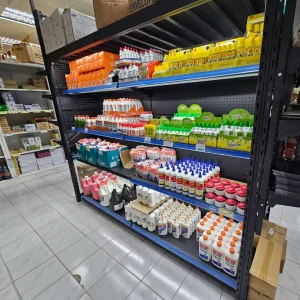
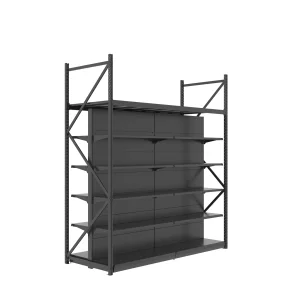
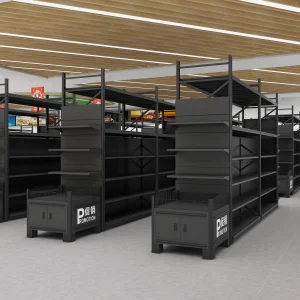
Heavy-duty systems built to handle substantial loads (like grain, oil, and bulk consumer packs) while maintaining compliance with local structural codes.
The Puget Sound area, encompassing Seattle, Tacoma, Bellevue, and Everett, serves as a vital logistics center in the Pacific Northwest. Driven by the expansion of retail leaders like Costco (headquartered nearby in Issaquah) and Amazon's global hub, store footprints require high-density vertical solutions to offset rising regional real estate costs.
Modern retail models require dual-function environments where front-end retail floors integrate smoothly with back-end storage. Because our systems must display heavy groceries—ranging from bulk liquids and local grains to imports from the Port of Seattle—the structural integrity of every upright, shelf, and baseplate is critical to maintaining high safety margins.
Seattle is situated near active faults in the Cascadia Subduction Zone, placing it in Seismic Design Category D through F. This designation requires strict compliance with international building codes. Standard shelving lacks the lateral resistance needed to withstand local seismic forces.
Our structures utilize high-tensile Q235B and Q355B structural carbon steels. Designed to meet the requirements of the Rack Manufacturers Institute (RMI) MH16.1 standard, our products feature engineered baseplates, heavy anchor bolts, and specialized bracing. These details help absorb dynamic forces, protecting employees and customers during seismic events.
Developing storage systems that adapt to automation, tracking technology, and sustainability initiatives.
Transitioning standard superstore backrooms into micro-fulfillment centers. Racks are engineered with tight deflection tolerances to integrate with Autonomous Mobile Robots (AMRs) and Automated Storage and Retrieval Systems (AS/RS).
Matching Seattle's regional focus on climate action. We employ zero-VOC electrostatic epoxy powder coating processes and source raw material from mills working to reduce carbon emissions.
Preparing designs for digital retail. Future configurations include channels for RFID arrays, digital pricing systems, and load-monitoring sensors to support real-time inventory management.
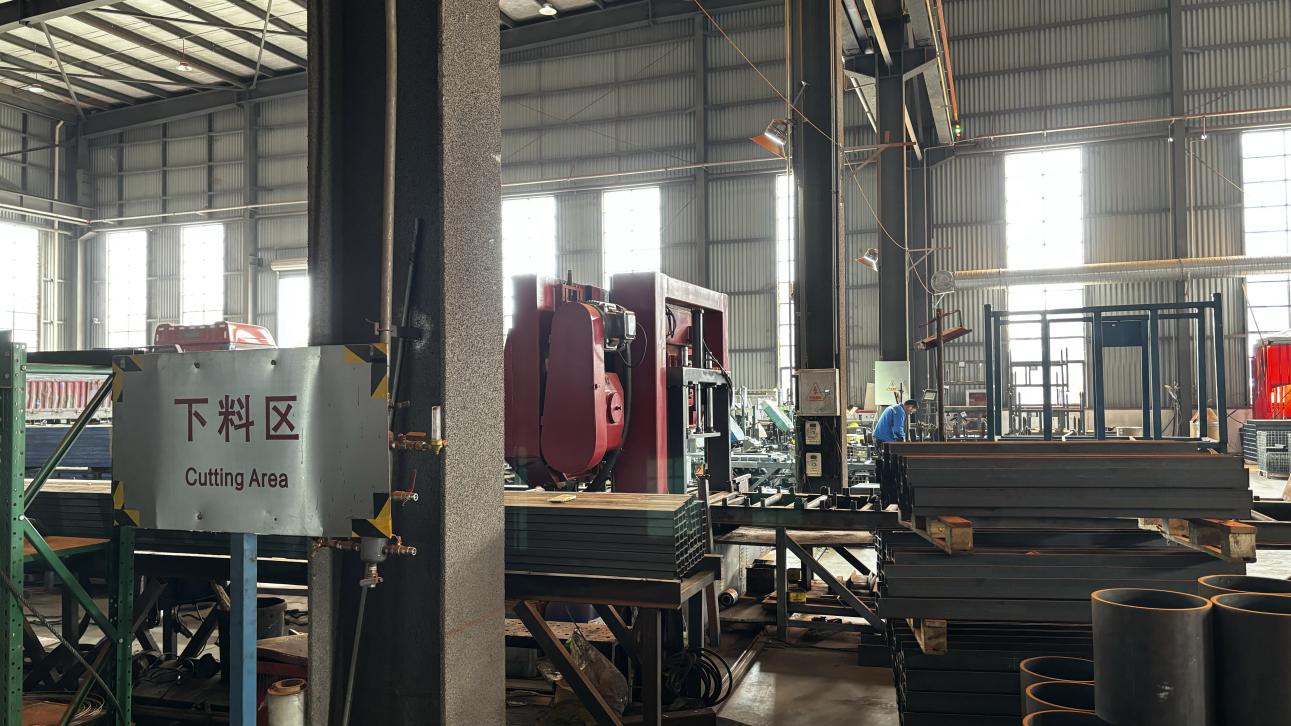
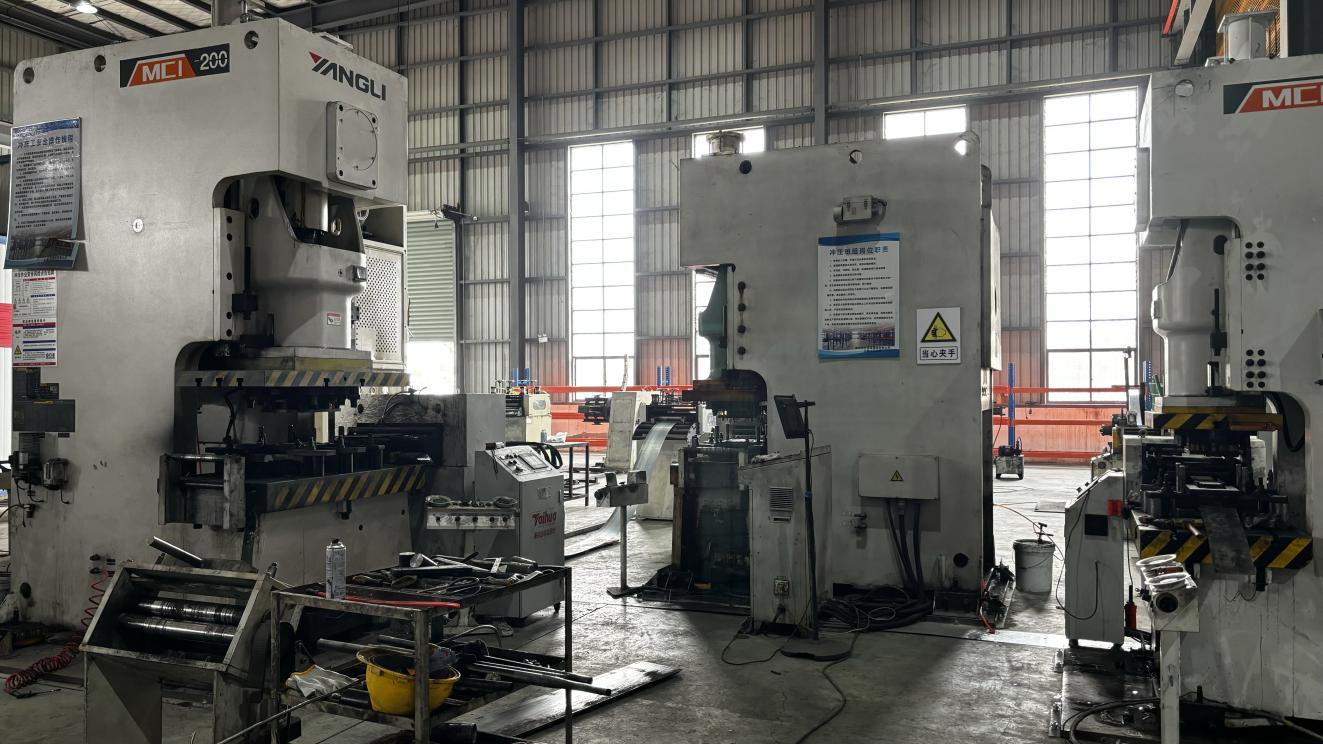
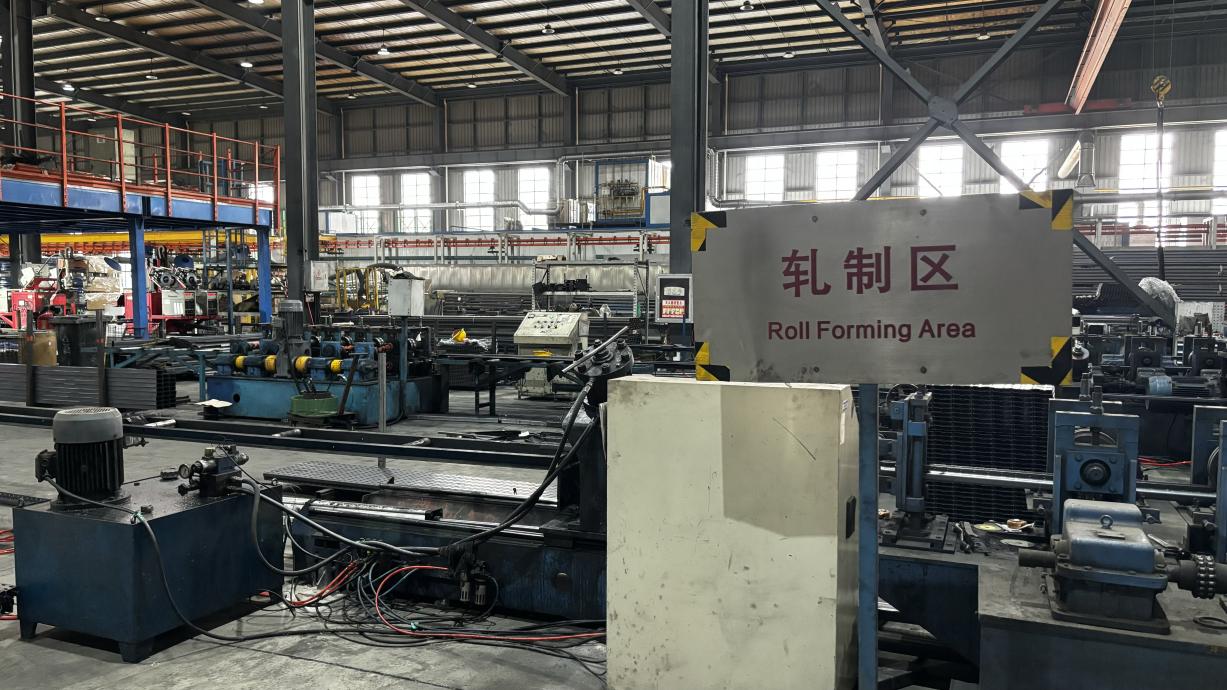
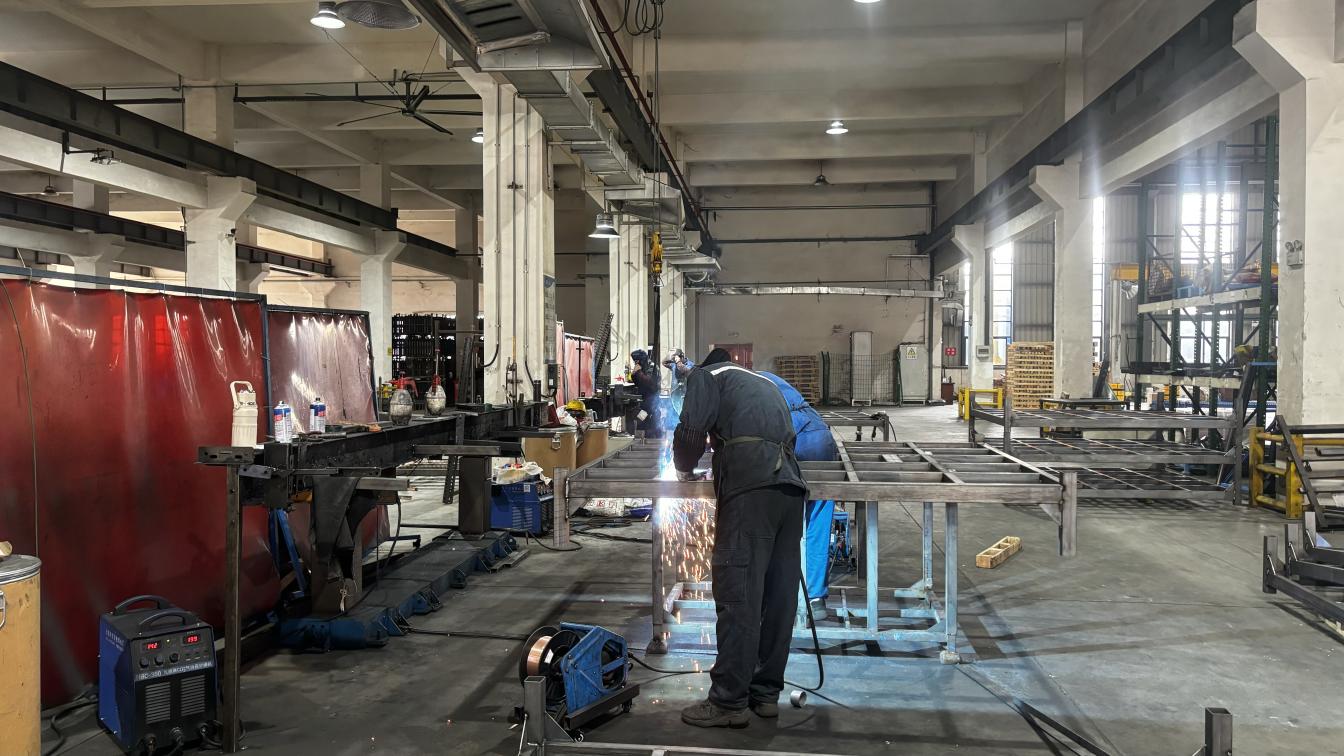
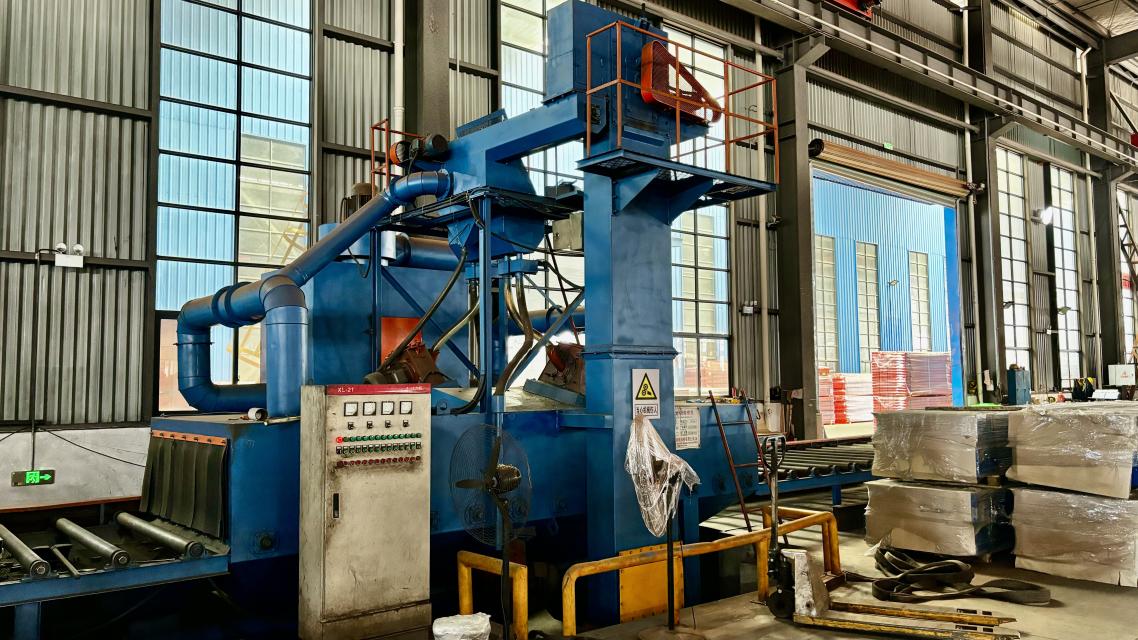
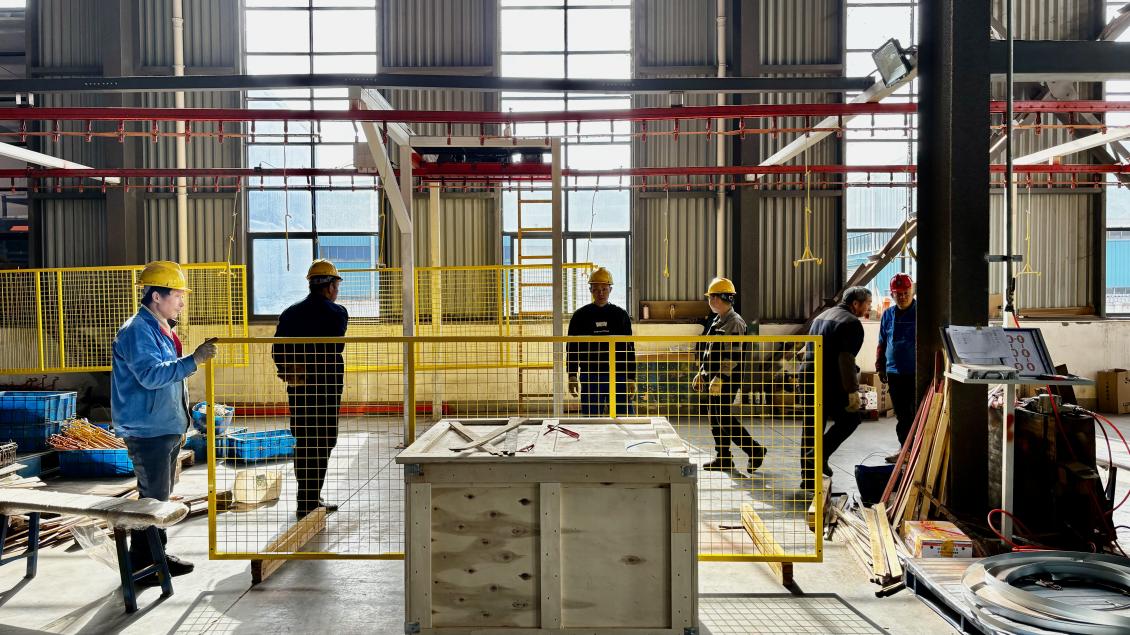
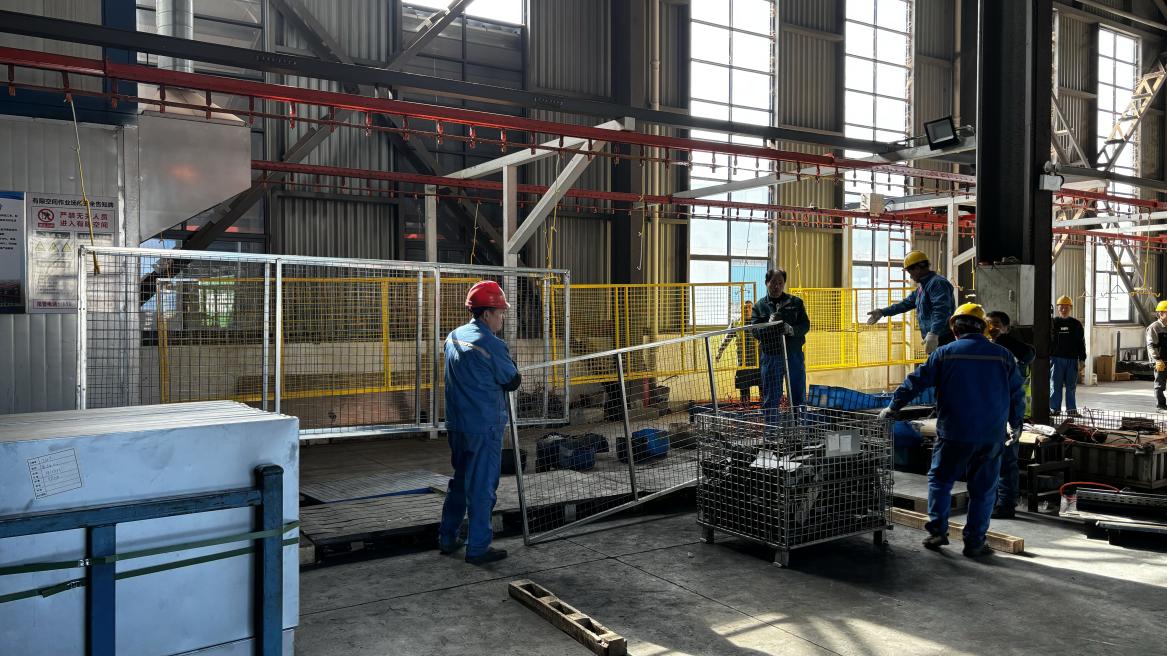
Foshan FlexiRack Intelligent Logistics Equipment Co., Ltd. operates a state-of-the-art facility featuring 35 quality specialists, advanced automated welding lines, and rigorous ultrasonic testing.
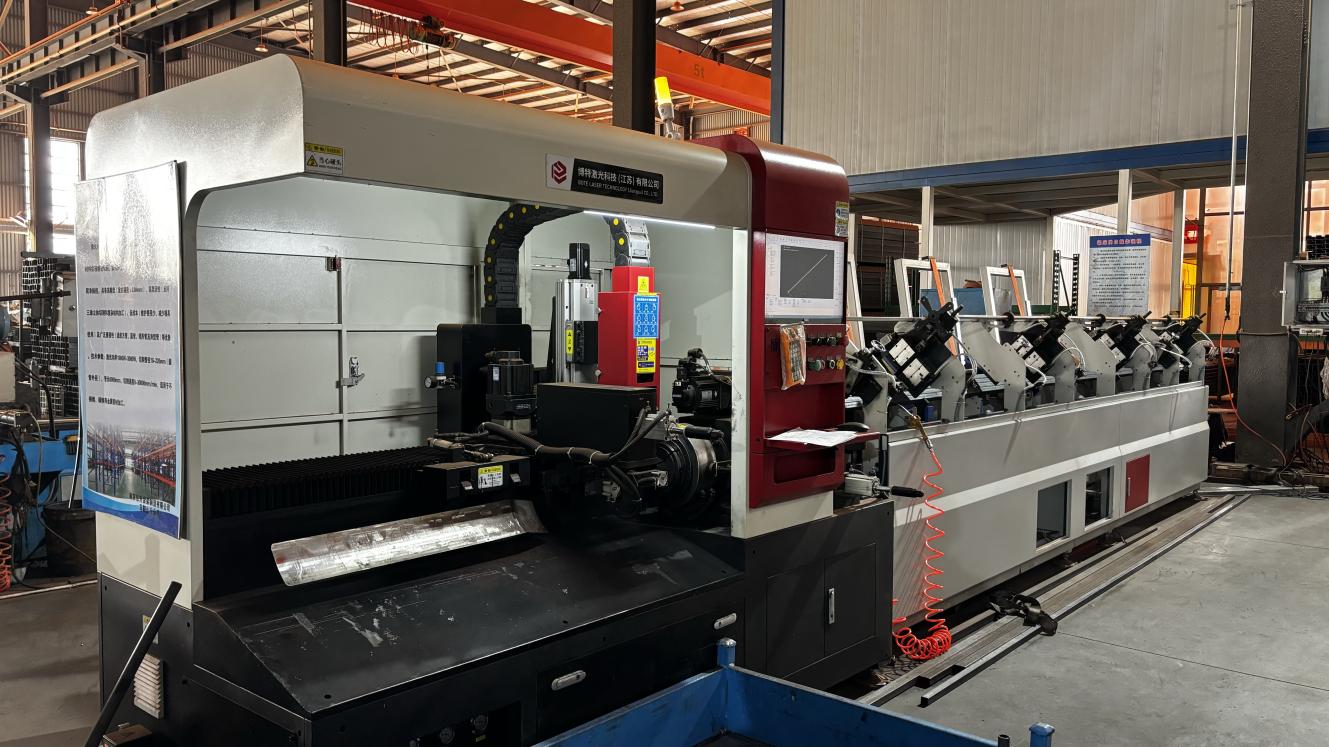
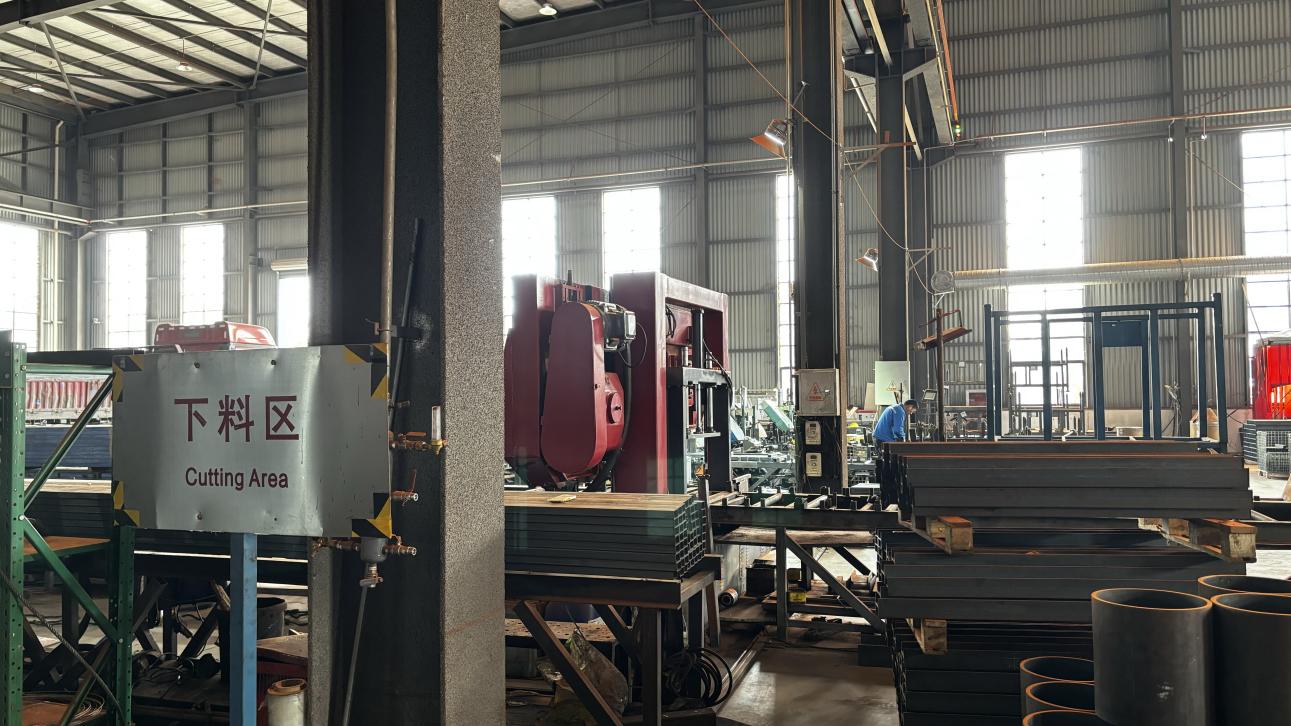
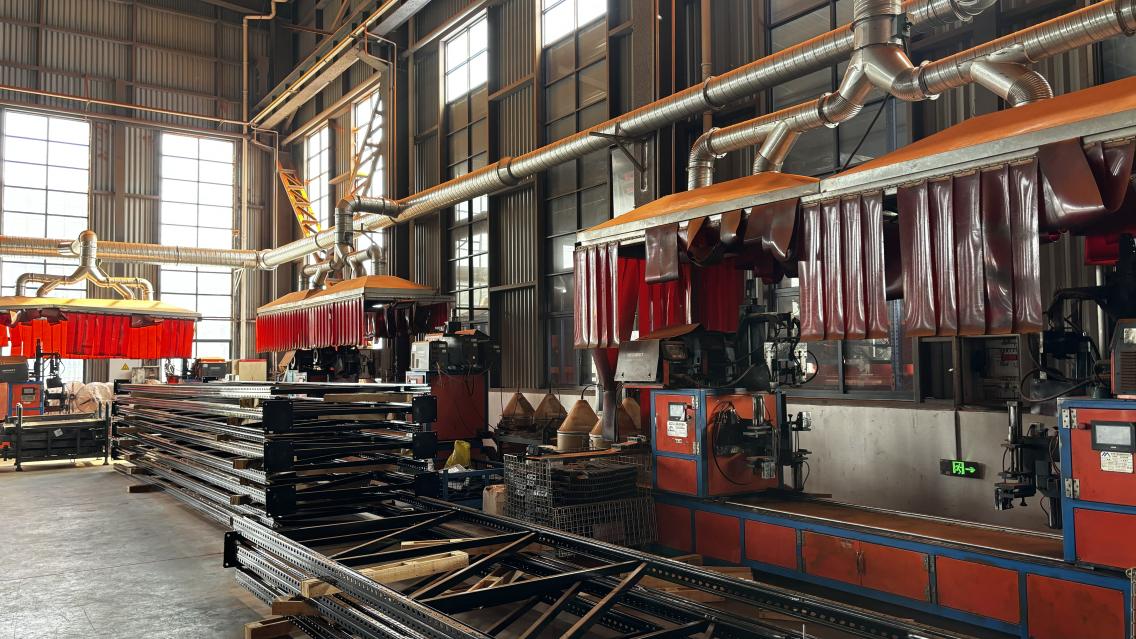
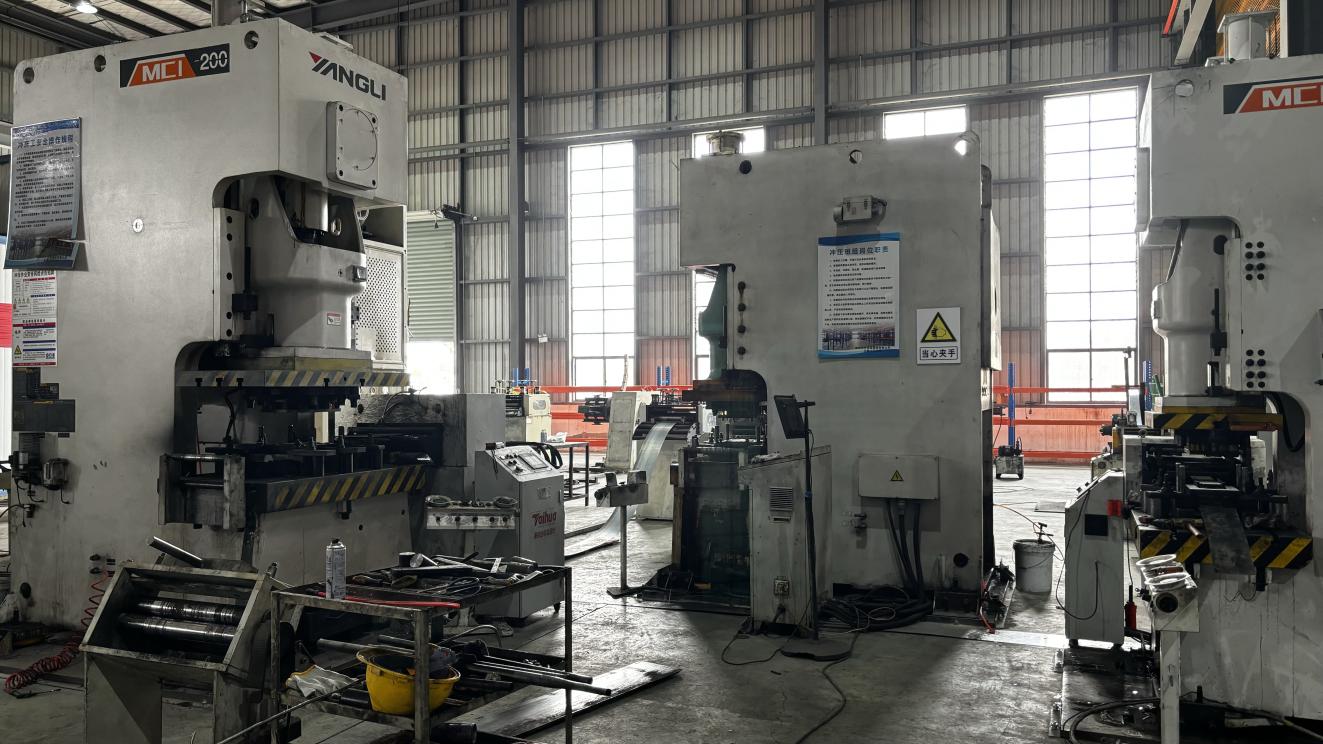
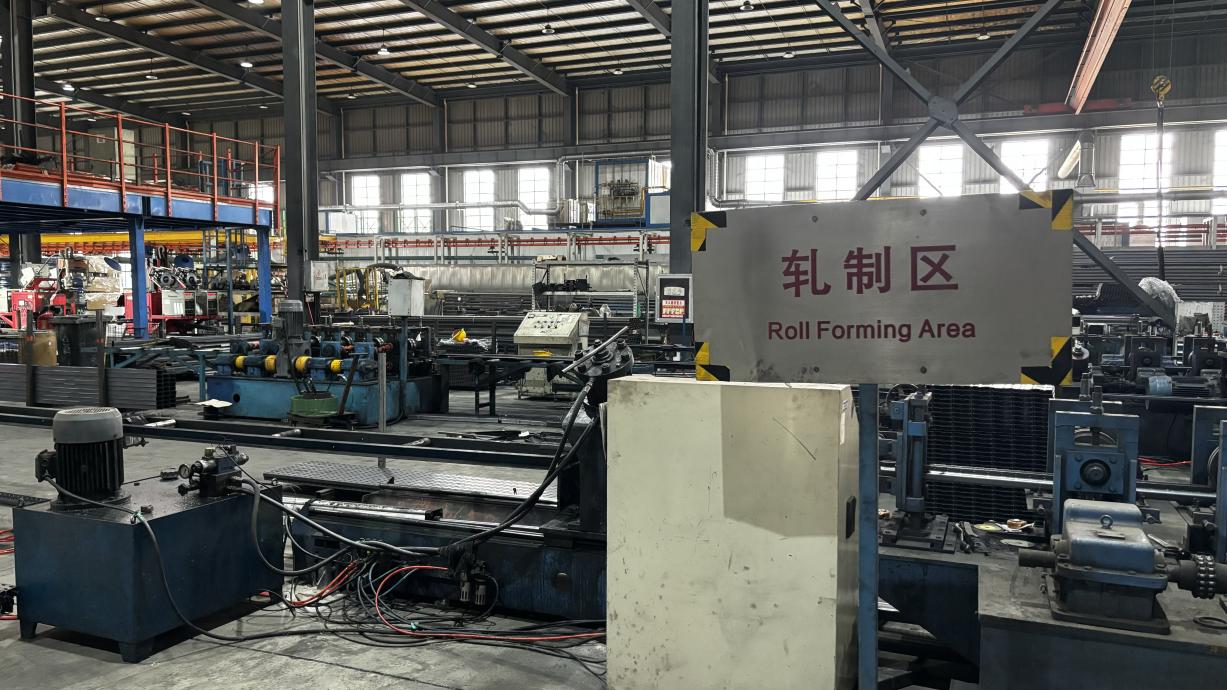
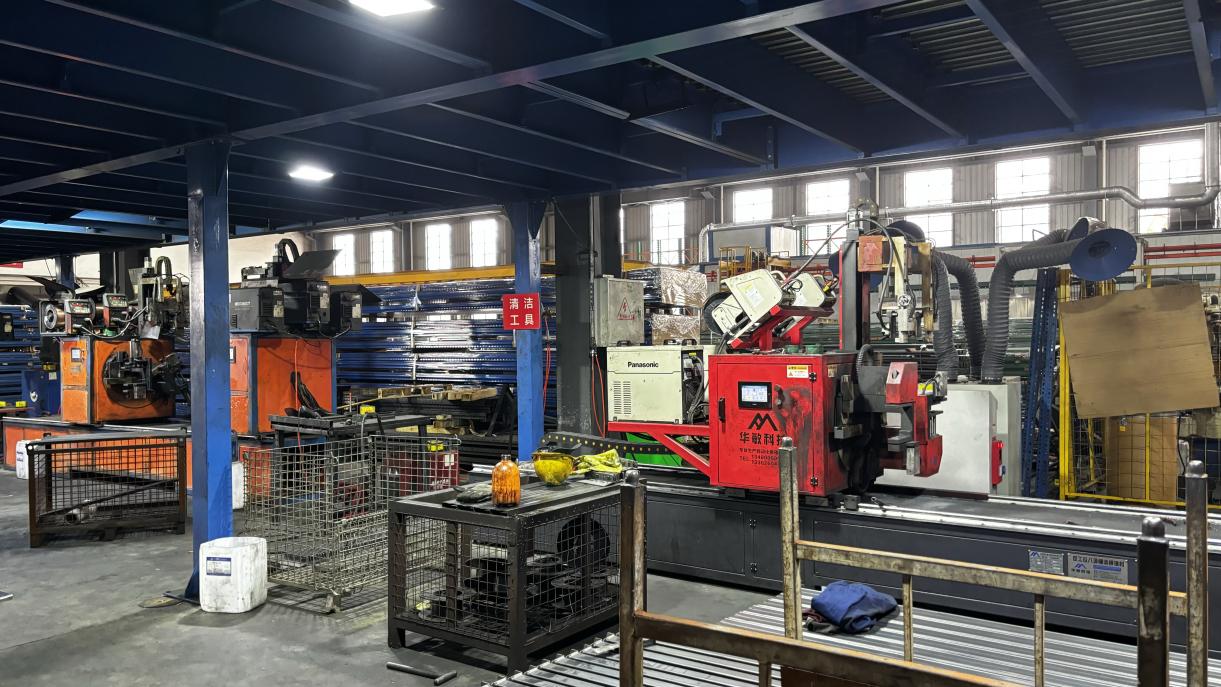
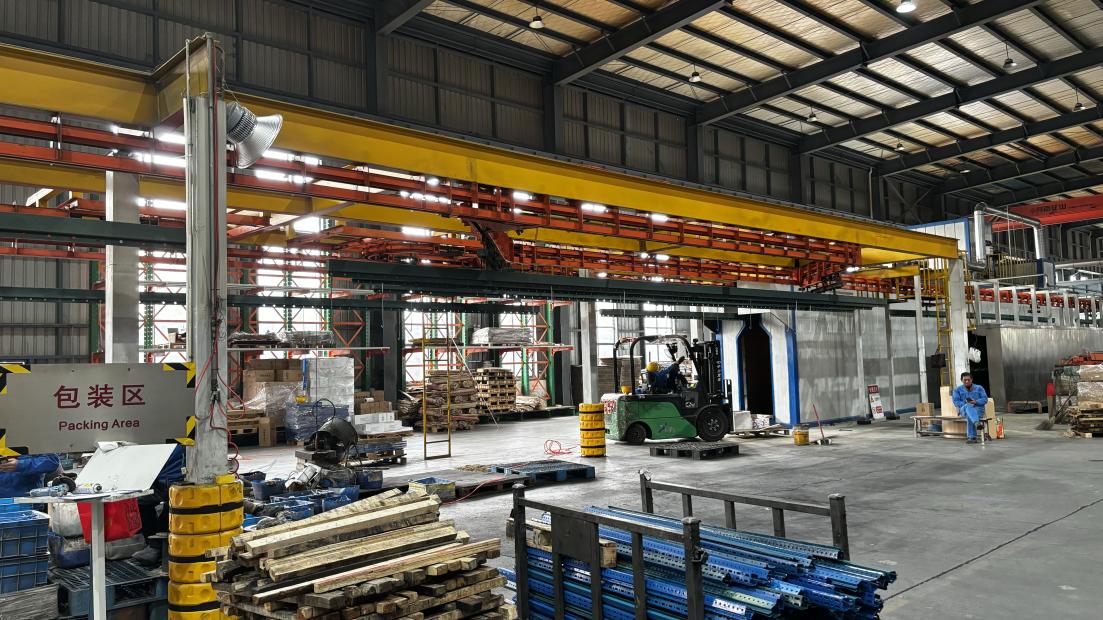
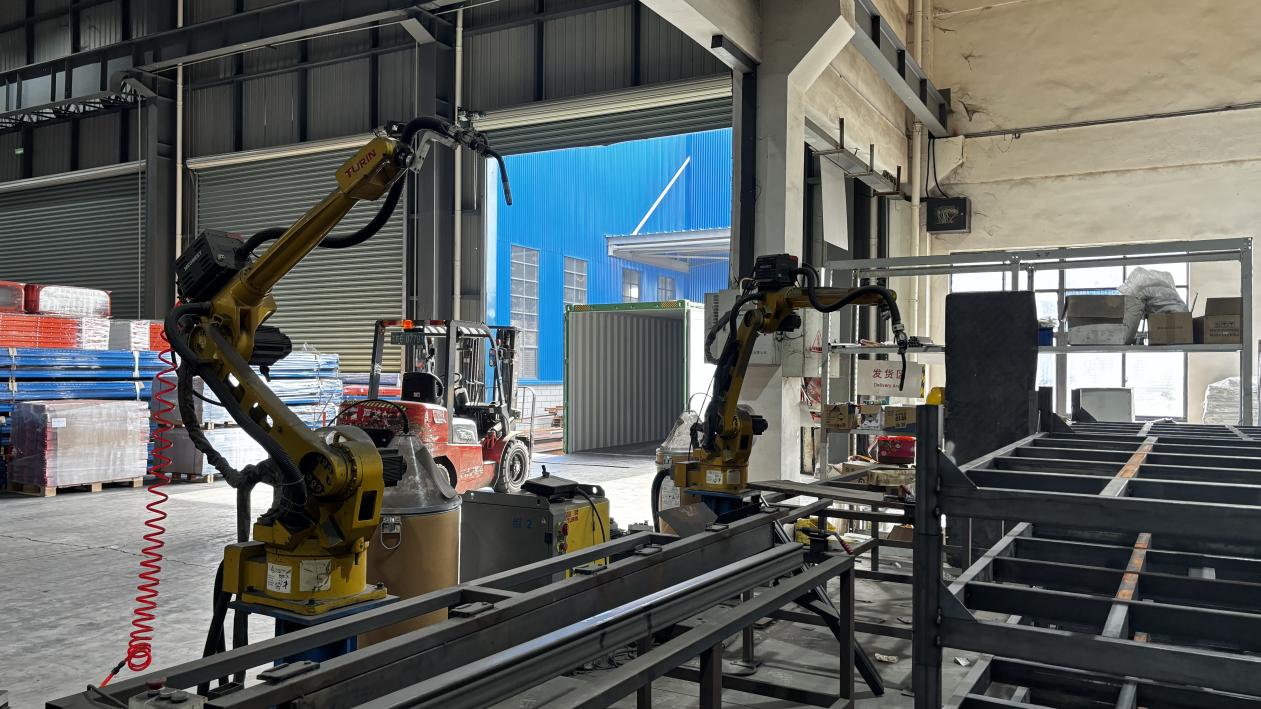
Deploying retail structures within Washington State requires compliance with multiple administrative codes. In addition to meeting standard IBC 2021/2024 protocols, facilities must satisfy localized additions managed by the Washington State Building Code Council (SBCC) and King County safety inspectors.
Our engineers address load considerations such as slab thickness and localized soil classifications. For display applications involving food items, agricultural products, or organic commodities, our components feature non-toxic, chemical-resistant powder finishes that support standard commercial hygiene protocols.
Efficient shipping routes connect Southern China's manufacturing areas to the Pacific Northwest. Our facility near the ports of Shenzhen and Guangzhou allows us to coordinate container transport directly to the Port of Seattle and the Port of Tacoma, typically completing ocean transit in 15 to 19 days.
We work with international logistics providers to coordinate customs clearance, structural documentation packages, and last-mile delivery directly to distribution hubs or retail project sites across Washington State.
Industrial storage systems designed for high-capacity warehouse floors and demanding retail environments.
Selecting appropriate steel grades is essential for maintaining safety standards in high-load retail and warehouse operations. We utilize certified Q235B and Q355B carbon steel, which provide consistent mechanical performance under load.
Q235B steel offers balanced ductility and weldability, making it suitable for standard upright frames and gondola shelves. For high-density racking applications, Q355B provides higher yield strength (355 MPa), allowing for lighter profiles that support equivalent load capacities.
Our quality control process includes structural verification testing at multiple stages. Every production batch undergoes ultrasonic flaw detection along weld joints to identify internal void risks.
We perform load deflection testing to confirm structural calculations match actual performance. Dynamic test rigs apply simulated loads up to 1.5 times rated limits to verify that deflection remains within allowable engineering bounds.
Detailed information on ordering, compliance, seismic standards, and shipping procedures for the Pacific Northwest.
Yes. Our systems can be custom engineered to meet the seismic design criteria of the Pacific Northwest (including King, Pierce, and Snohomish counties). We provide calculations based on ASCE 7 and RMI (Rack Manufacturers Institute) guidelines to support local permitting processes.
Q235B steel is our standard grade for general retail applications, providing reliable load capacity and weld integrity. Q355B is a low-alloy, high-strength steel used for high-bay warehousing or high-capacity shelves, offering increased load resistance without adding excess weight.
Ocean shipping from Southern China ports (Shenzhen/Guangzhou) to the Northwest Seaport Alliance (Seattle/Tacoma) typically takes 15 to 19 days. Custom design, manufacturing, and port loading add approximately 20 to 30 days to the total fulfillment timeline.
Yes. We operate fully automated electrostatic powder coating lines and can match RAL color specifications. Our engineering team can work from your layout files to optimize column spacing, shelf profiles, and traffic flow.
Connect with our engineering team for structural assessments, CAD planning, and comprehensive cost evaluations for your next installation project.
Send Inquiry Now FlexiRack